
Search
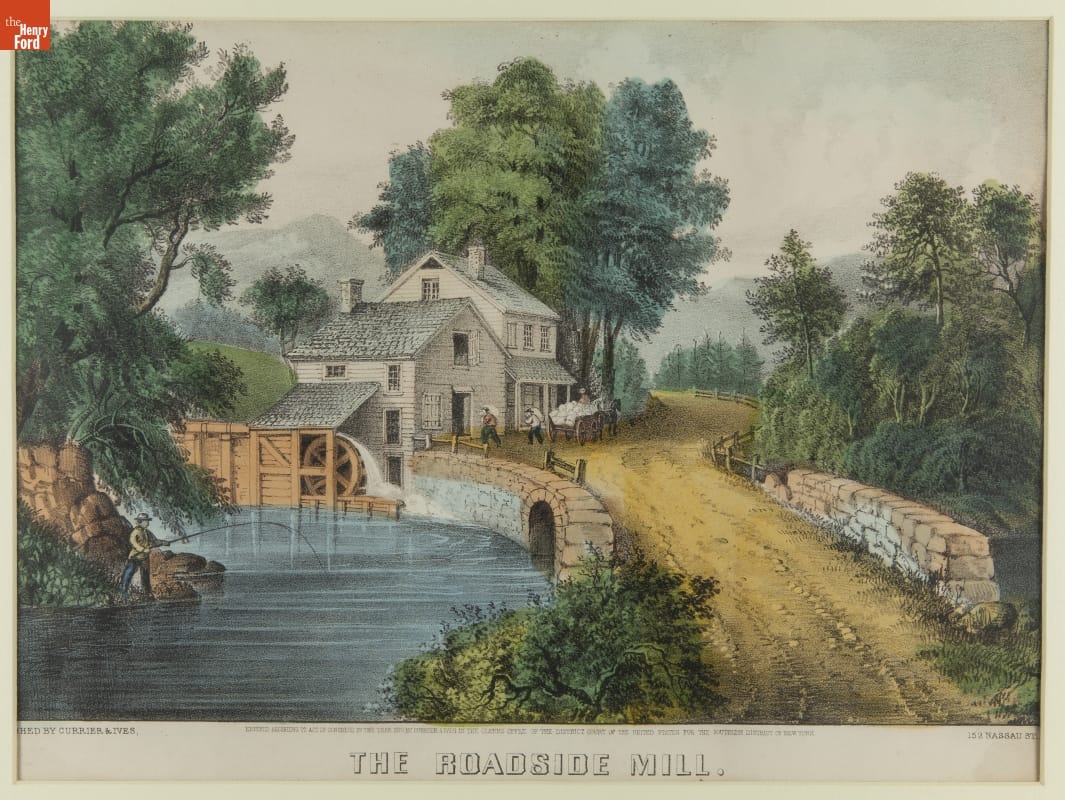
- Lithograph by Currier & Ives, "The Roadside Mill," 1870 -
- 1870
- Collections - Artifact
Lithograph by Currier & Ives, "The Roadside Mill," 1870
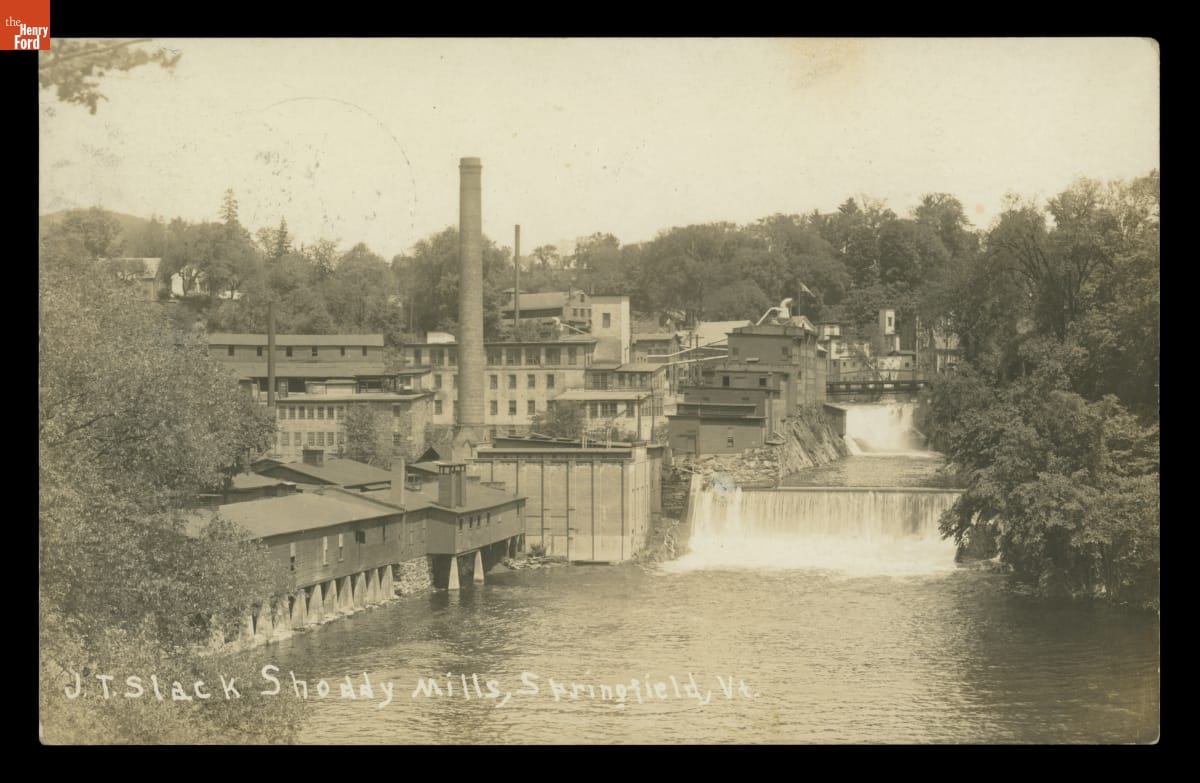
- "J.T. Slack Shoddy Mills, Springfield, Vt.," circa 1910 -
- circa 1910
- Collections - Artifact
"J.T. Slack Shoddy Mills, Springfield, Vt.," circa 1910
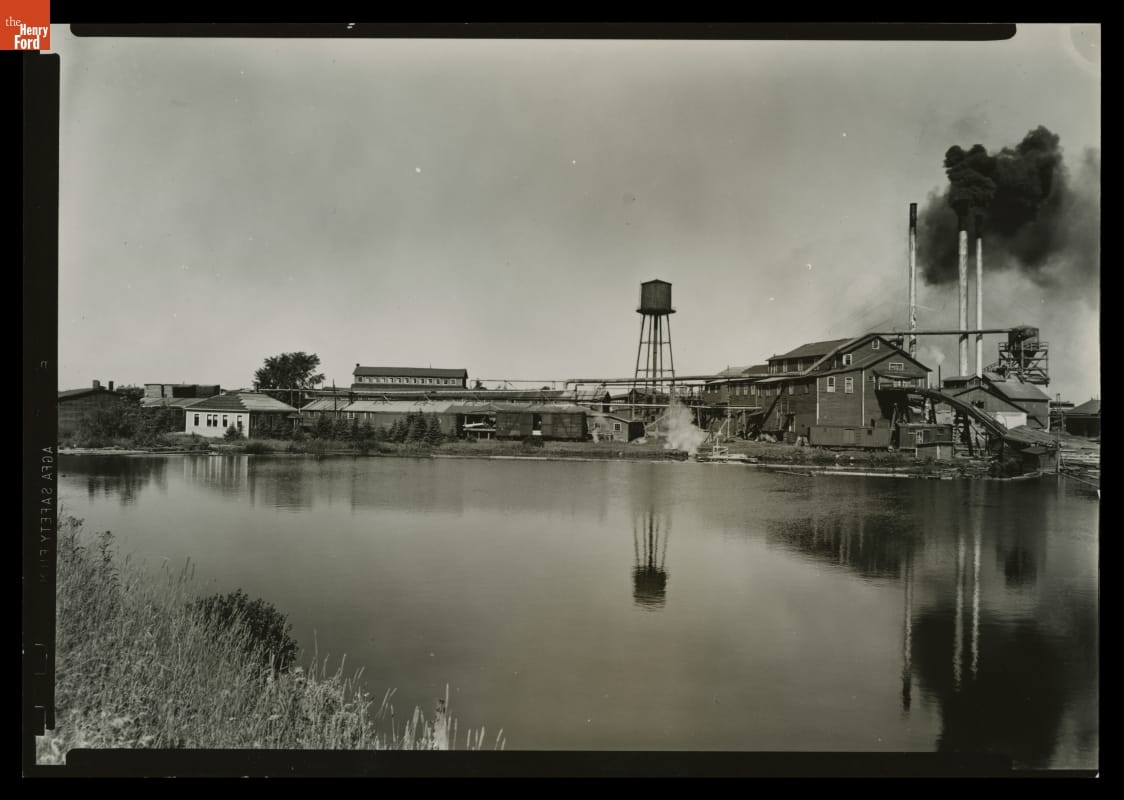
- Roddis Lumber & Veneer Company, 1915-1930 -
- 1915-1935
- Collections - Artifact
Roddis Lumber & Veneer Company, 1915-1930
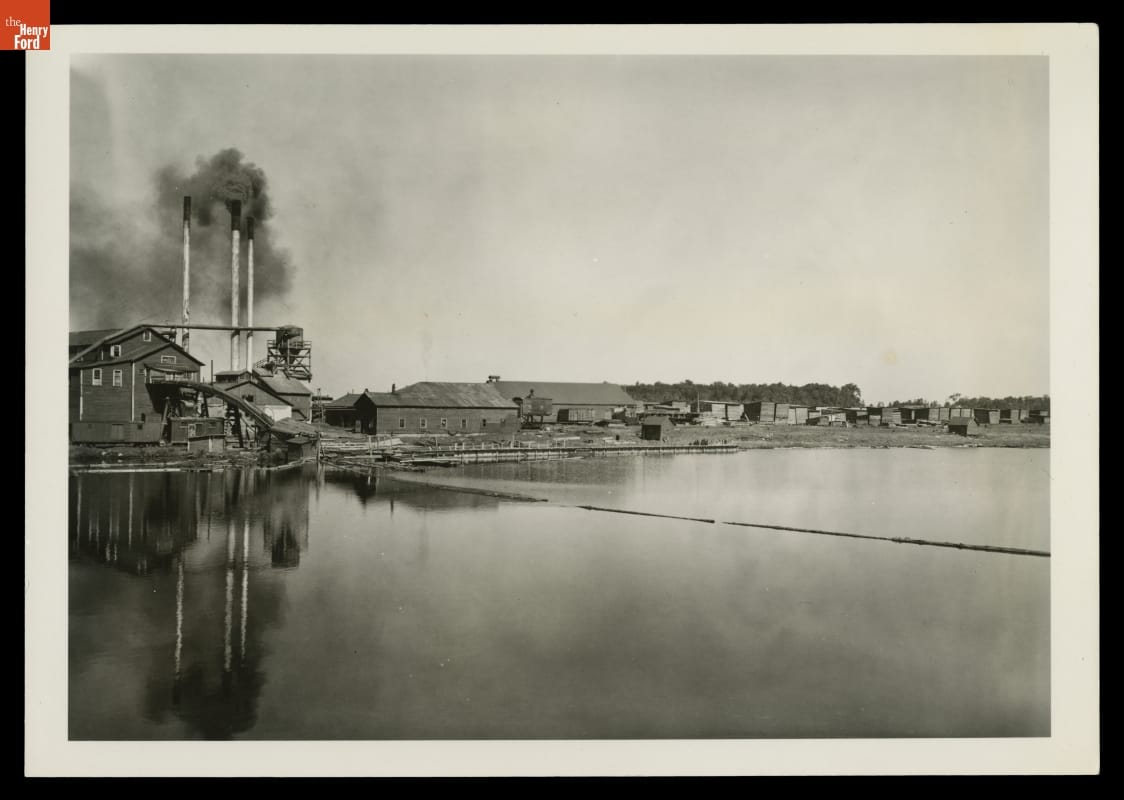
- Roddis Lumber & Veneer Company, 1915-1930 -
- 1915-1935
- Collections - Artifact
Roddis Lumber & Veneer Company, 1915-1930
- Bel Air Woolen Mills, Pittsfield, Mass., 1876 -
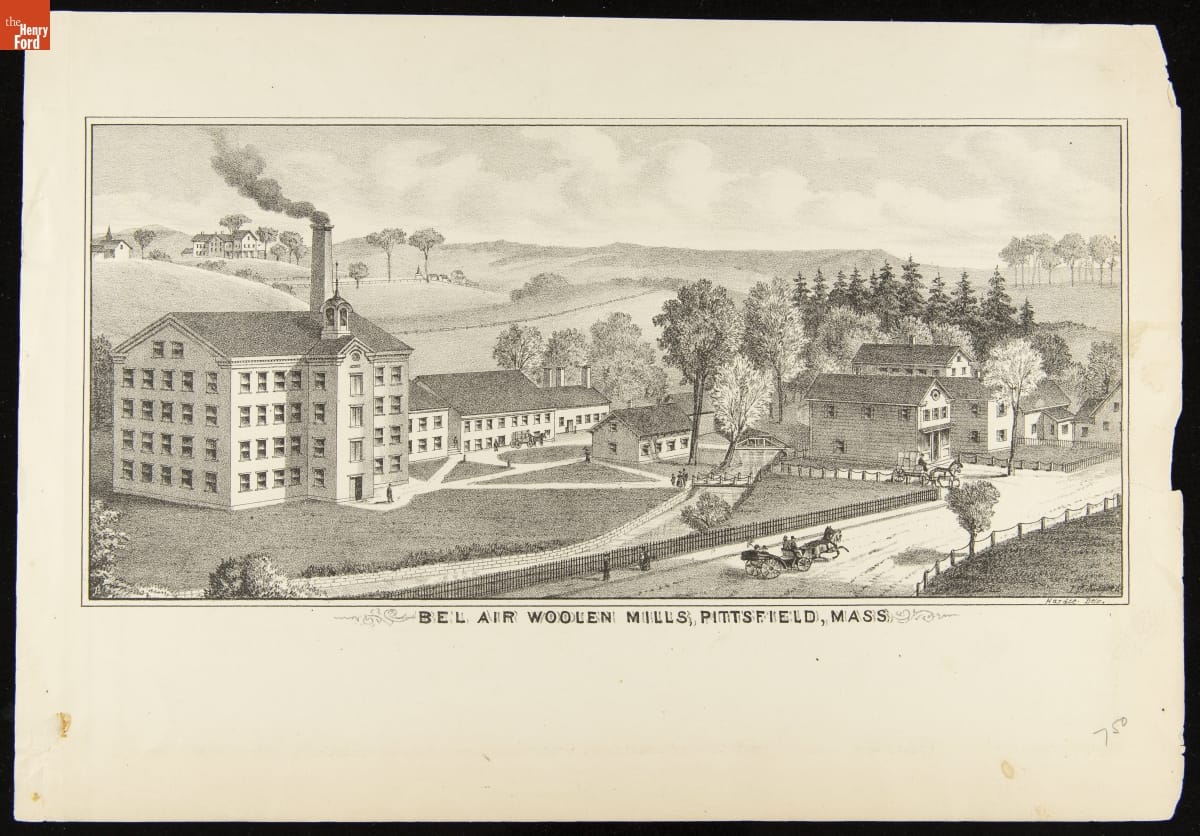
- 1876
- Collections - Artifact
Bel Air Woolen Mills, Pittsfield, Mass., 1876
- "The Young Mill-Wright and Miller's Guide," 1836 - This instructional handbook was originally written and published by Oliver Evans (1755-1819). In the late 1700s, Evans developed a continuous conveyor system for milling flour. <EM>The Young Mill-Wright and Miller's Guide</EM> explained his labor-saving innovations through text and technical illustrations. Published in fifteen editions between 1795 and 1860, the influential book helped revolutionize the flour-milling industry.

- 1836
- Collections - Artifact
"The Young Mill-Wright and Miller's Guide," 1836
This instructional handbook was originally written and published by Oliver Evans (1755-1819). In the late 1700s, Evans developed a continuous conveyor system for milling flour. The Young Mill-Wright and Miller's Guide explained his labor-saving innovations through text and technical illustrations. Published in fifteen editions between 1795 and 1860, the influential book helped revolutionize the flour-milling industry.
- Fitz Water Wheel Co. Catalog, "I-X-L Steel Overshoot Water Wheel," 1919 -
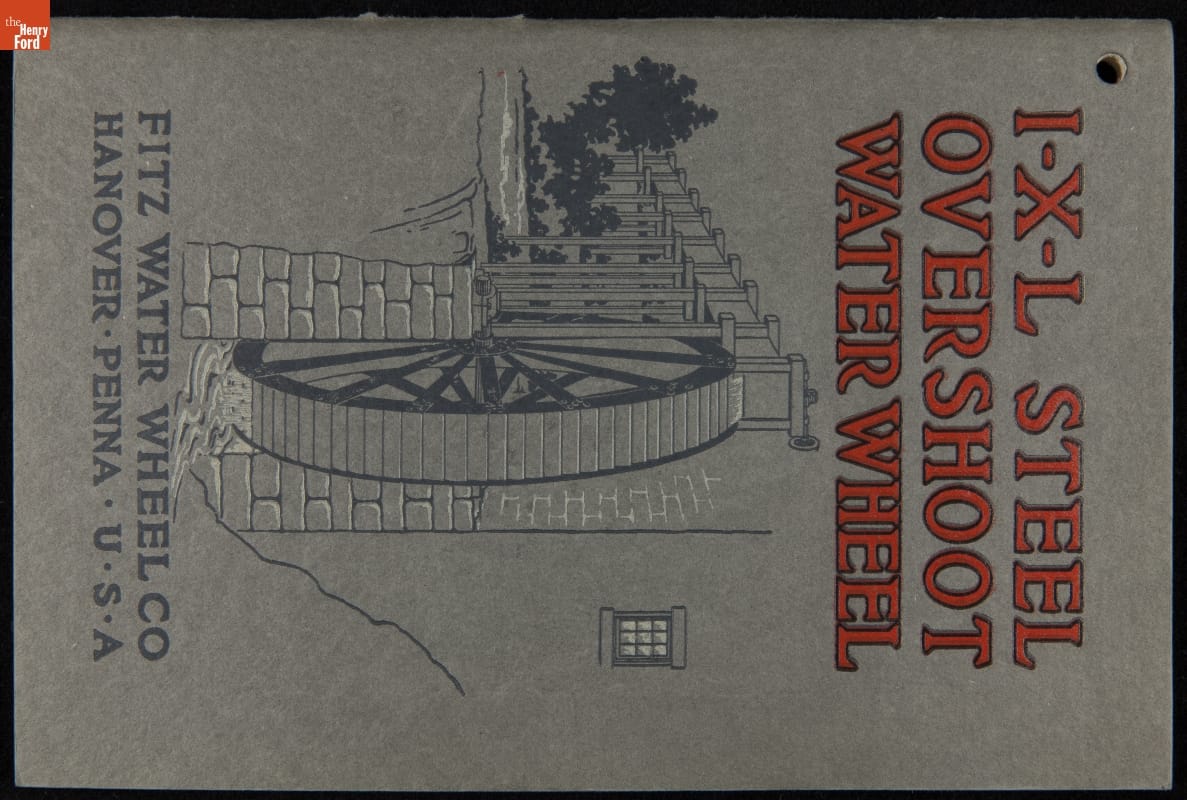
- 1919
- Collections - Artifact
Fitz Water Wheel Co. Catalog, "I-X-L Steel Overshoot Water Wheel," 1919
- Weaving Shop in Greenfield Village, September 2007 -
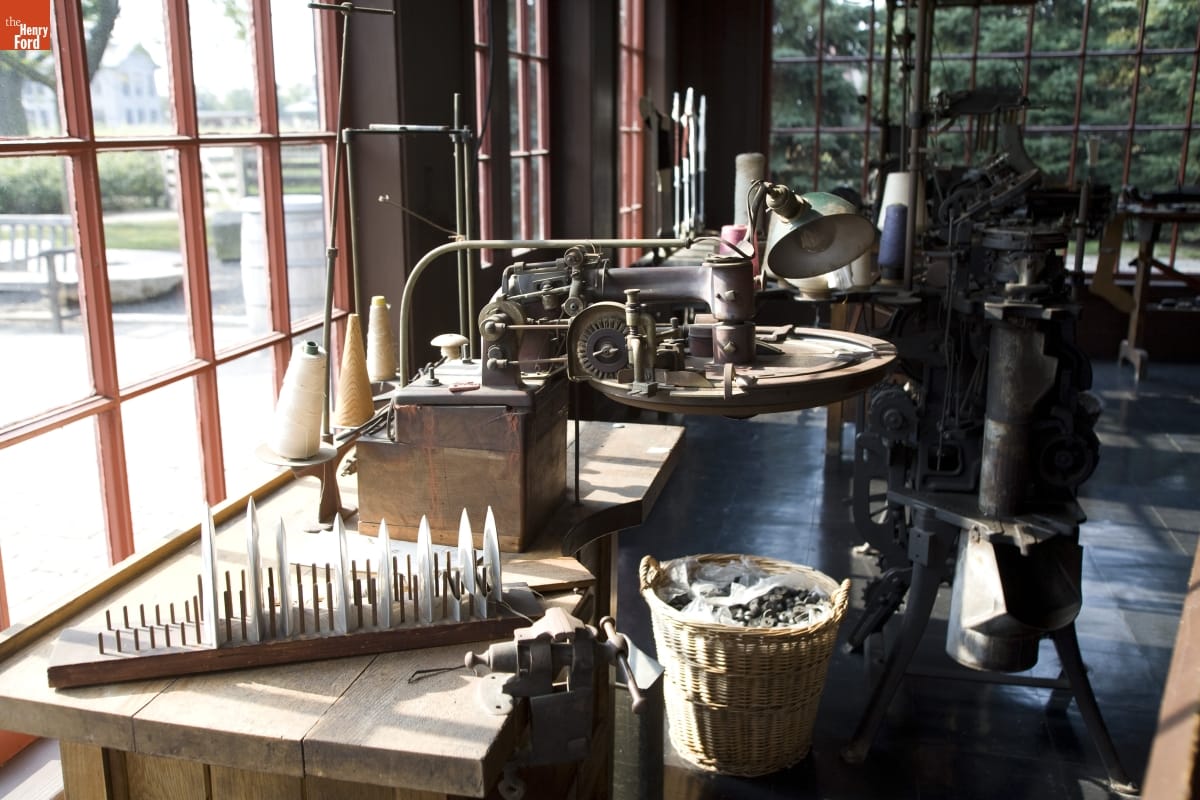
- September 01, 2007
- Collections - Artifact
Weaving Shop in Greenfield Village, September 2007
- Aerial View of Ford Motor Company Sawmill, L'Anse, Michigan, August 1946 - In pursuit of self-sufficient automobile manufacture, Henry Ford and Ford Motor Company purchased over 313,000 acres of timberland for logging in the Upper Peninsula of Michigan. Ford established several remote milling sites, including this one at L'Anse on Keweenaw Bay. Lumber produced here was shipped to a plant at Iron Mountain and made into parts for Ford automobiles.
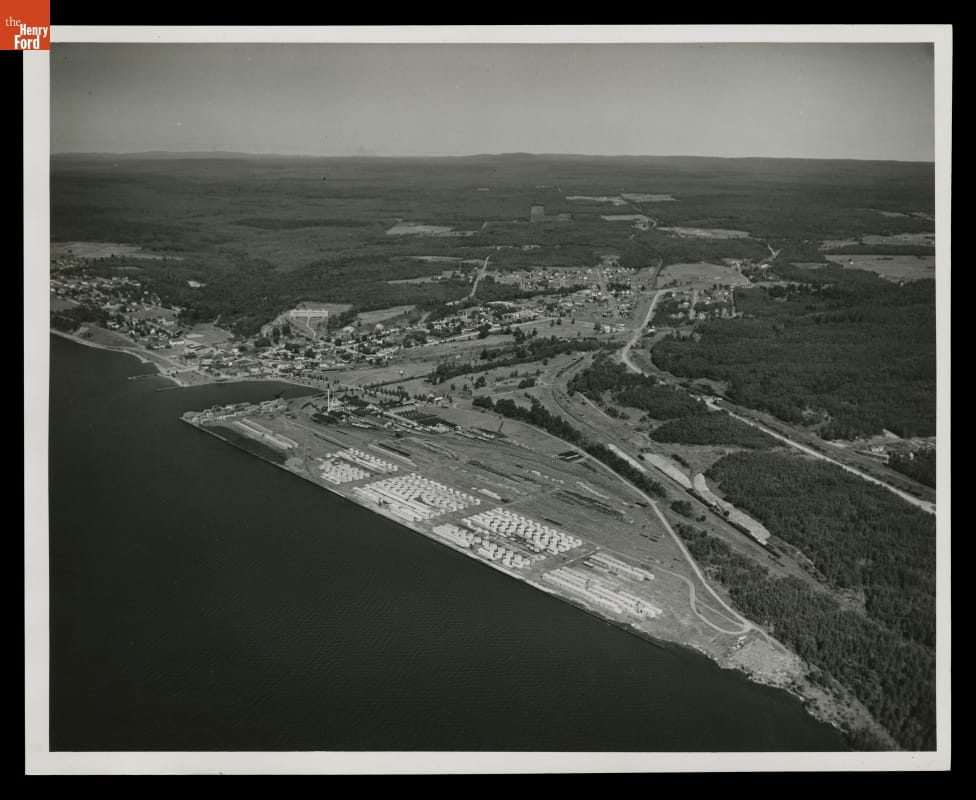
- August 06, 1946
- Collections - Artifact
Aerial View of Ford Motor Company Sawmill, L'Anse, Michigan, August 1946
In pursuit of self-sufficient automobile manufacture, Henry Ford and Ford Motor Company purchased over 313,000 acres of timberland for logging in the Upper Peninsula of Michigan. Ford established several remote milling sites, including this one at L'Anse on Keweenaw Bay. Lumber produced here was shipped to a plant at Iron Mountain and made into parts for Ford automobiles.
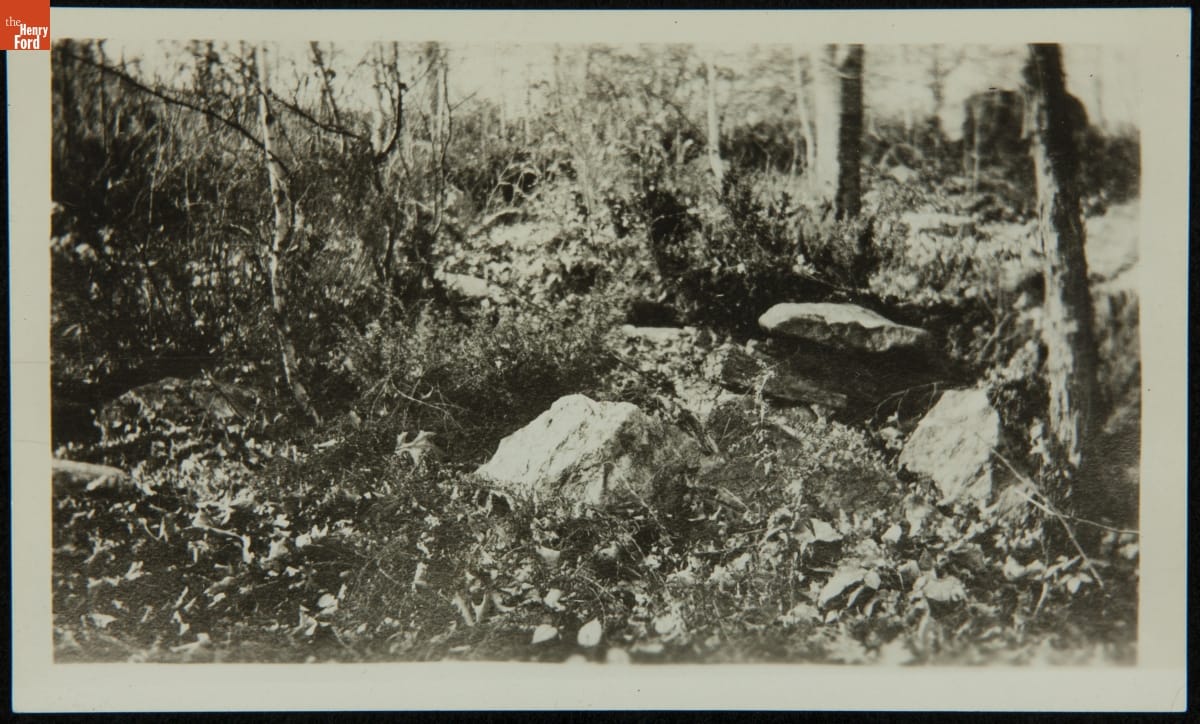
- Hanks Silk Mill--Original Site--Item 03 - As America was taking its first steps towards industrialization, the Hanks family of Mansfield, Connecticut, made early attempts to mechanize the production of silk thread. In 1810, Rodney Hanks and his nephew Horatio Hanks built America's first water powered silk mill. Henry Ford moved the mill to Greenfield Village in 1932. This photograph shows the landscape from the mill's original site at that time.
- October 27, 1931
- Collections - Artifact
Hanks Silk Mill--Original Site--Item 03
As America was taking its first steps towards industrialization, the Hanks family of Mansfield, Connecticut, made early attempts to mechanize the production of silk thread. In 1810, Rodney Hanks and his nephew Horatio Hanks built America's first water powered silk mill. Henry Ford moved the mill to Greenfield Village in 1932. This photograph shows the landscape from the mill's original site at that time.