
Search
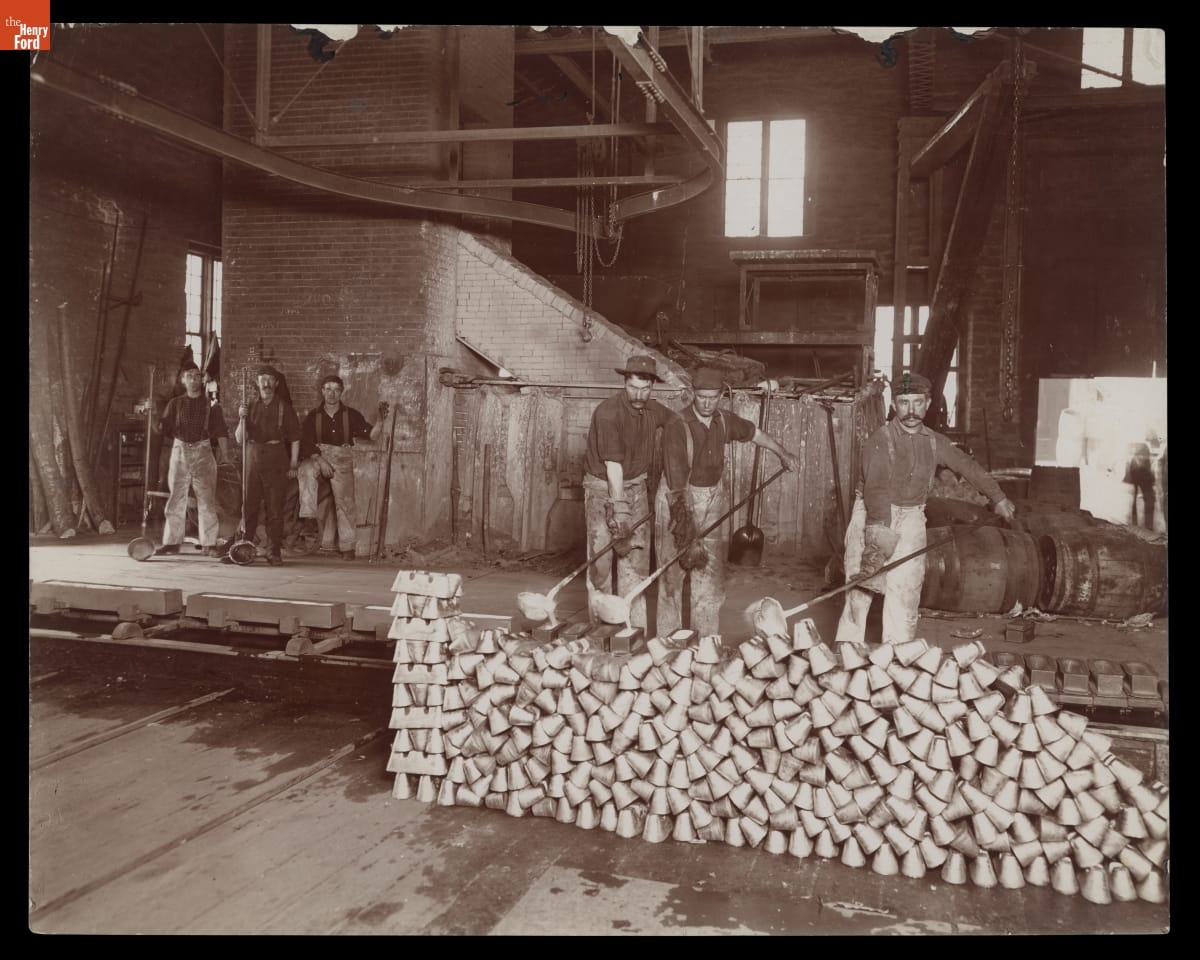
- Men Pouring Copper in the Quincy Smelter, Hancock, Michigan, circa 1906 -
- circa 1906
- Collections - Artifact
Men Pouring Copper in the Quincy Smelter, Hancock, Michigan, circa 1906
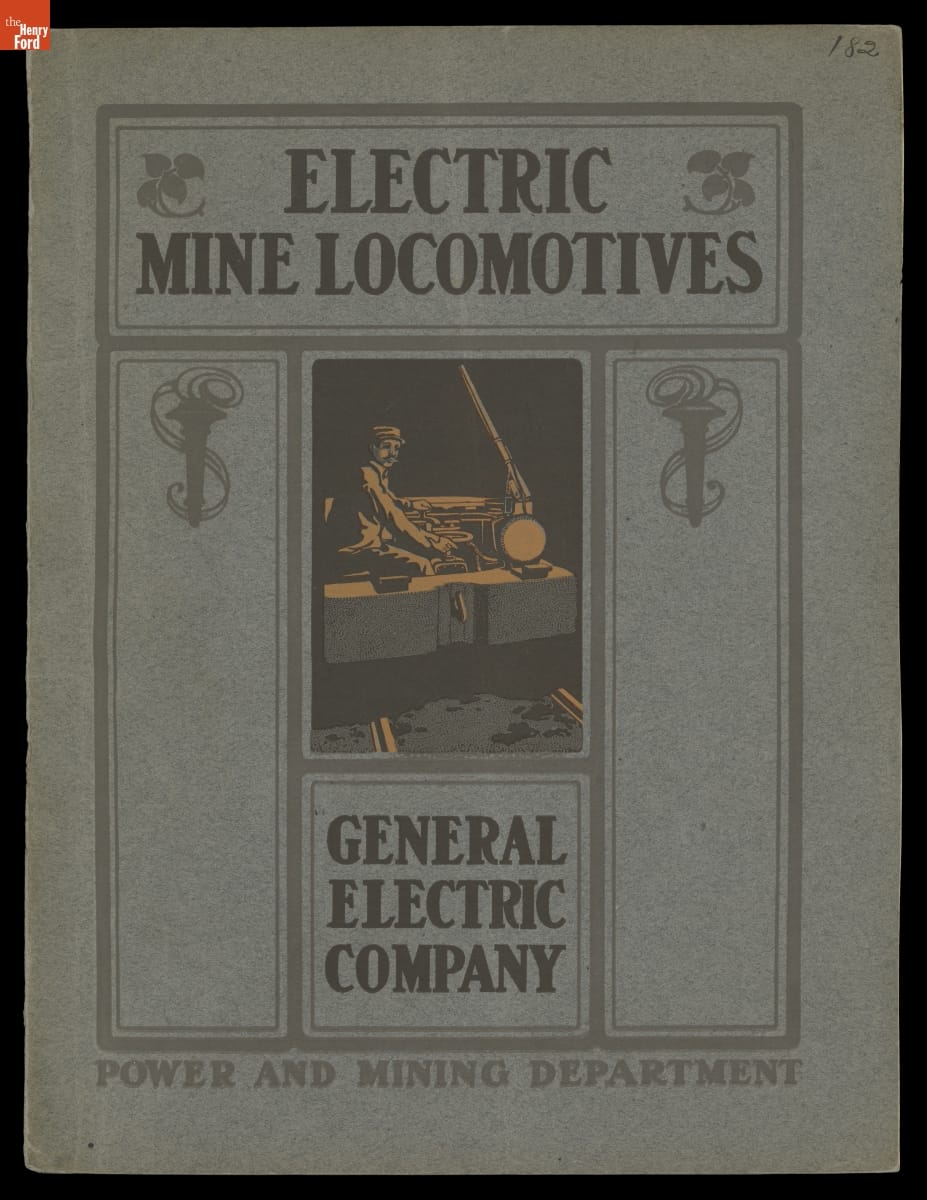
- General Electric Company Catalog, "Electric Mine Locomotives," 1904 - At the turn of the 20th century, General Electric manufactured several models of electric locomotives for use in underground mines -- where smoke and soot from steam locomotives was dangerous and impractical. These small mine locomotives collected electricity from overhead lines or third rails that ran alongside the track. GE also built larger electric locomotives for use with conventional railcars aboveground.
- 1904
- Collections - Artifact
General Electric Company Catalog, "Electric Mine Locomotives," 1904
At the turn of the 20th century, General Electric manufactured several models of electric locomotives for use in underground mines -- where smoke and soot from steam locomotives was dangerous and impractical. These small mine locomotives collected electricity from overhead lines or third rails that ran alongside the track. GE also built larger electric locomotives for use with conventional railcars aboveground.
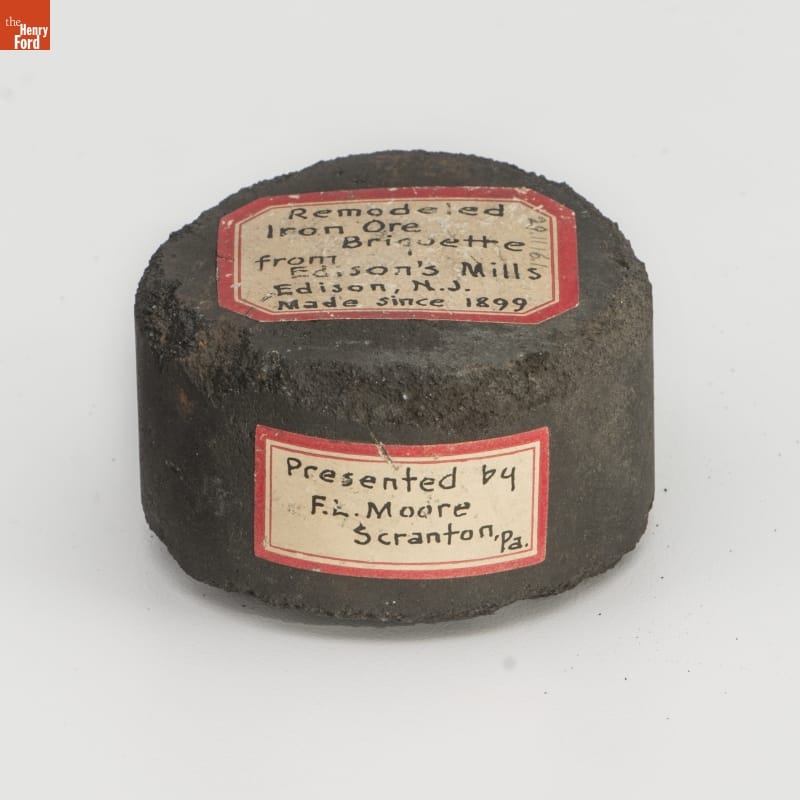
- Iron Ore Briquette from Edison Mines, New Jersey, 1899-1900 - During the 1890s, Thomas Edison launched a New Jersey mining operation to address an iron ore shortage. He designed rock-crushing technology and an electromagnetic ore separator to extract low-grade ore from crushed boulders. The final product -- a briquette made of powdered iron ore -- didn't do well commercially, especially after high-grade ore was discovered around Lake Superior. In 1899, Edison left the industry.
- 1899-1900
- Collections - Artifact
Iron Ore Briquette from Edison Mines, New Jersey, 1899-1900
During the 1890s, Thomas Edison launched a New Jersey mining operation to address an iron ore shortage. He designed rock-crushing technology and an electromagnetic ore separator to extract low-grade ore from crushed boulders. The final product -- a briquette made of powdered iron ore -- didn't do well commercially, especially after high-grade ore was discovered around Lake Superior. In 1899, Edison left the industry.
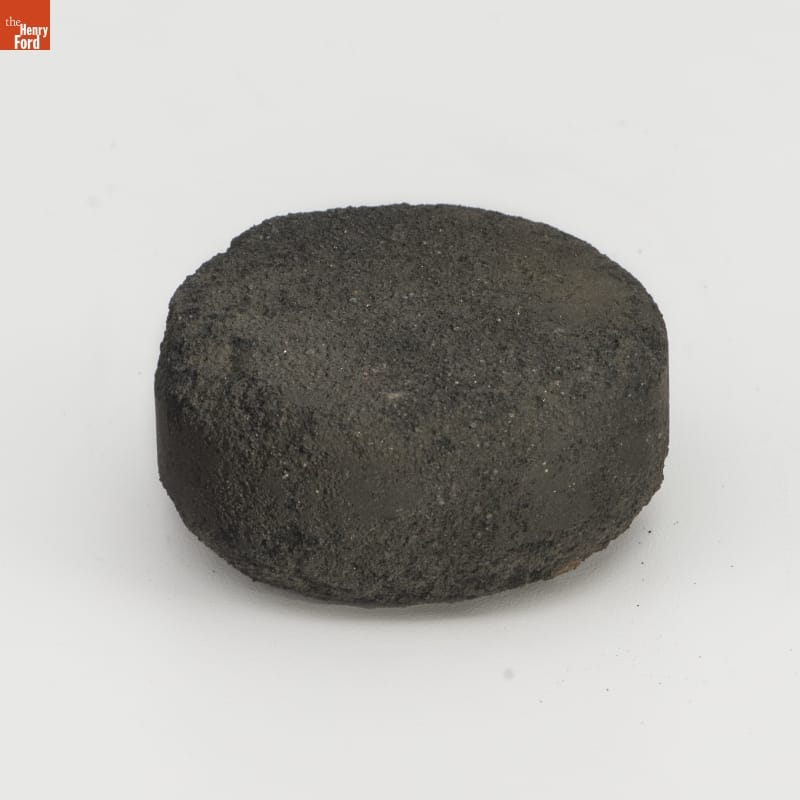
- Iron Ore Briquette from Edison Mines, New Jersey, 1890-1899 - During the 1890s, Thomas Edison launched a New Jersey mining operation to address an iron ore shortage. He designed rock-crushing technology and an electromagnetic ore separator to extract low-grade ore from crushed boulders. The final product -- a briquette made of powdered iron ore -- didn't do well commercially, especially after high-grade ore was discovered around Lake Superior. In 1899, Edison left the industry.
- 1890-1899
- Collections - Artifact
Iron Ore Briquette from Edison Mines, New Jersey, 1890-1899
During the 1890s, Thomas Edison launched a New Jersey mining operation to address an iron ore shortage. He designed rock-crushing technology and an electromagnetic ore separator to extract low-grade ore from crushed boulders. The final product -- a briquette made of powdered iron ore -- didn't do well commercially, especially after high-grade ore was discovered around Lake Superior. In 1899, Edison left the industry.
- From Cave-man to Engineer: The Museum of Science and Industry Founded by Julius Rosenwald, an Institution to Reveal the Technical Ascent of Man, 1933 -
- 1933
- Collections - Artifact
From Cave-man to Engineer: The Museum of Science and Industry Founded by Julius Rosenwald, an Institution to Reveal the Technical Ascent of Man, 1933
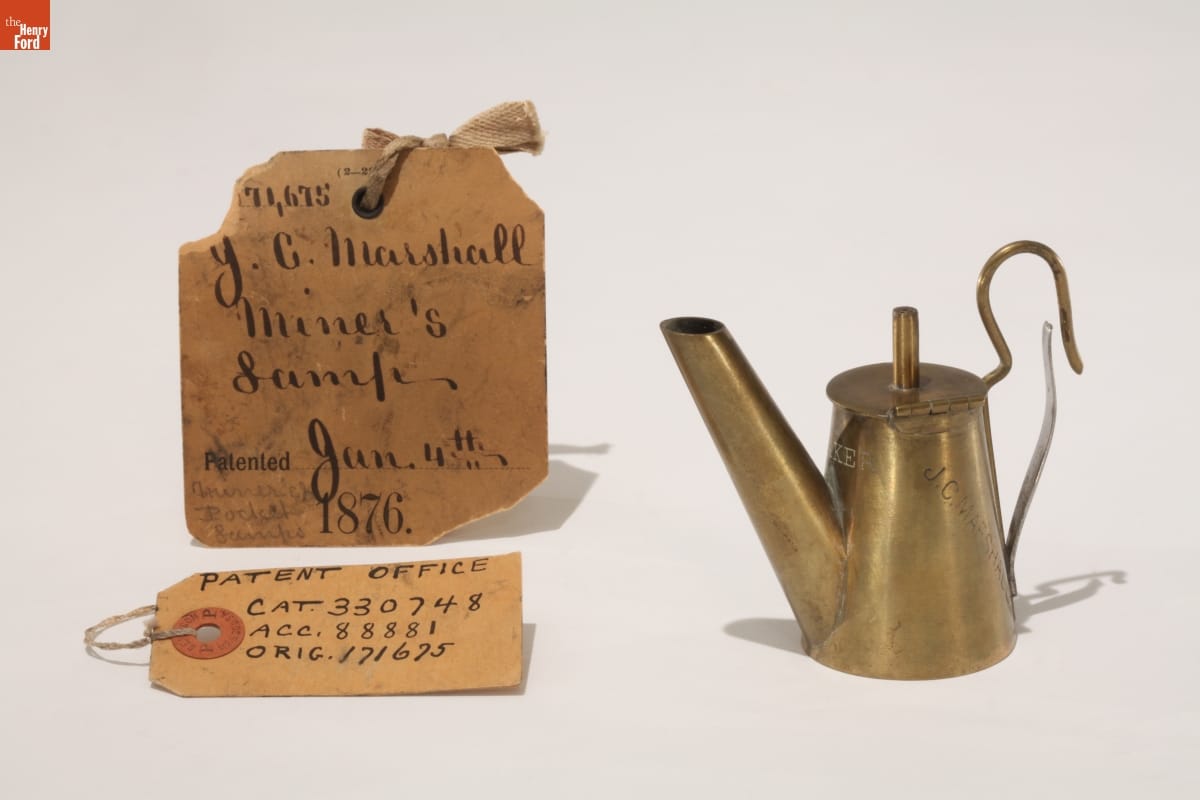
- Patent Model of Miners' Lamp, 1876 - From 1790 to 1880, the U.S. Patent Office required applicants to submit a miniature model along with diagrams and written descriptions detailing the operation of their invention. Patent models could be no larger than 12" by 12" by 12". Though they were usually not operational, these models helped explain an inventor's idea and protect it from competitors.
- January 04, 1876
- Collections - Artifact
Patent Model of Miners' Lamp, 1876
From 1790 to 1880, the U.S. Patent Office required applicants to submit a miniature model along with diagrams and written descriptions detailing the operation of their invention. Patent models could be no larger than 12" by 12" by 12". Though they were usually not operational, these models helped explain an inventor's idea and protect it from competitors.
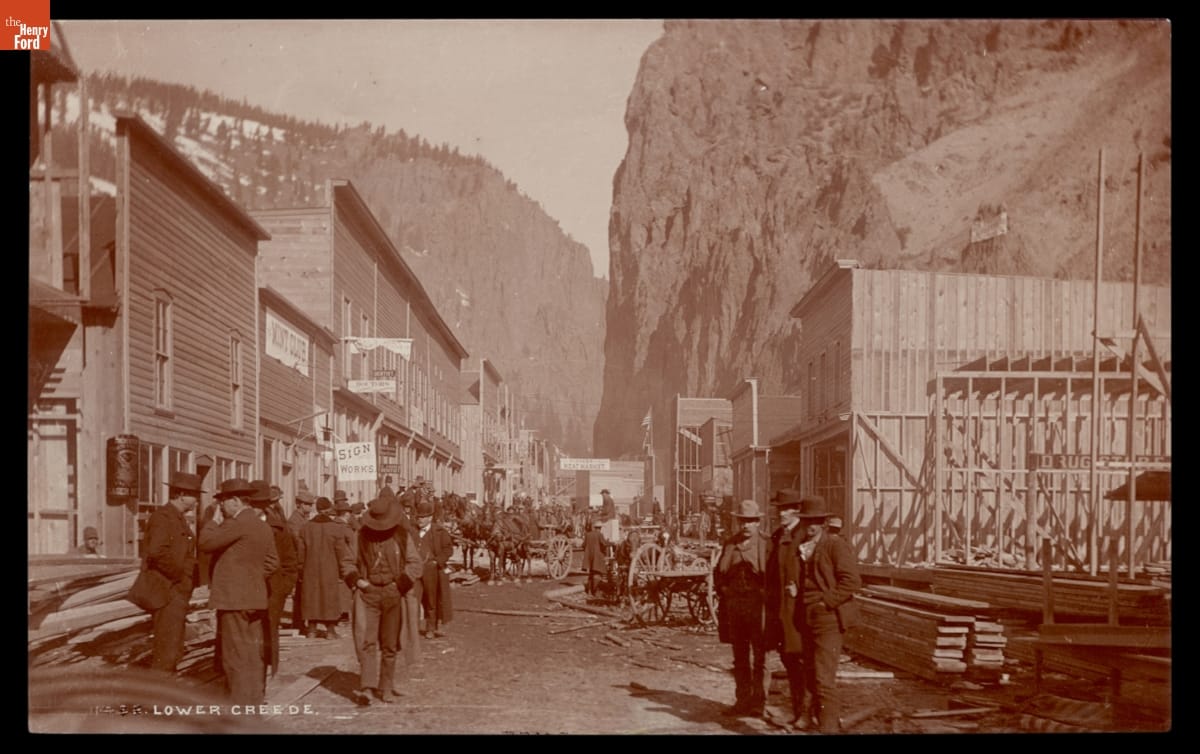
- Main Street of Creede, Colorado, 1880-1885 - From 1895 to 1924, the Detroit Publishing Company was one of the major image publishers in the world. The company's wide-ranging stock of original photographs documented life and landscapes from across the nation and around the globe. From the tens of thousands of negatives, the company created prints, postcards, lantern slides, panoramas, and other merchandise for sale to educators, businessmen, advertisers, homeowners and travelers.
- 1880-1885
- Collections - Artifact
Main Street of Creede, Colorado, 1880-1885
From 1895 to 1924, the Detroit Publishing Company was one of the major image publishers in the world. The company's wide-ranging stock of original photographs documented life and landscapes from across the nation and around the globe. From the tens of thousands of negatives, the company created prints, postcards, lantern slides, panoramas, and other merchandise for sale to educators, businessmen, advertisers, homeowners and travelers.
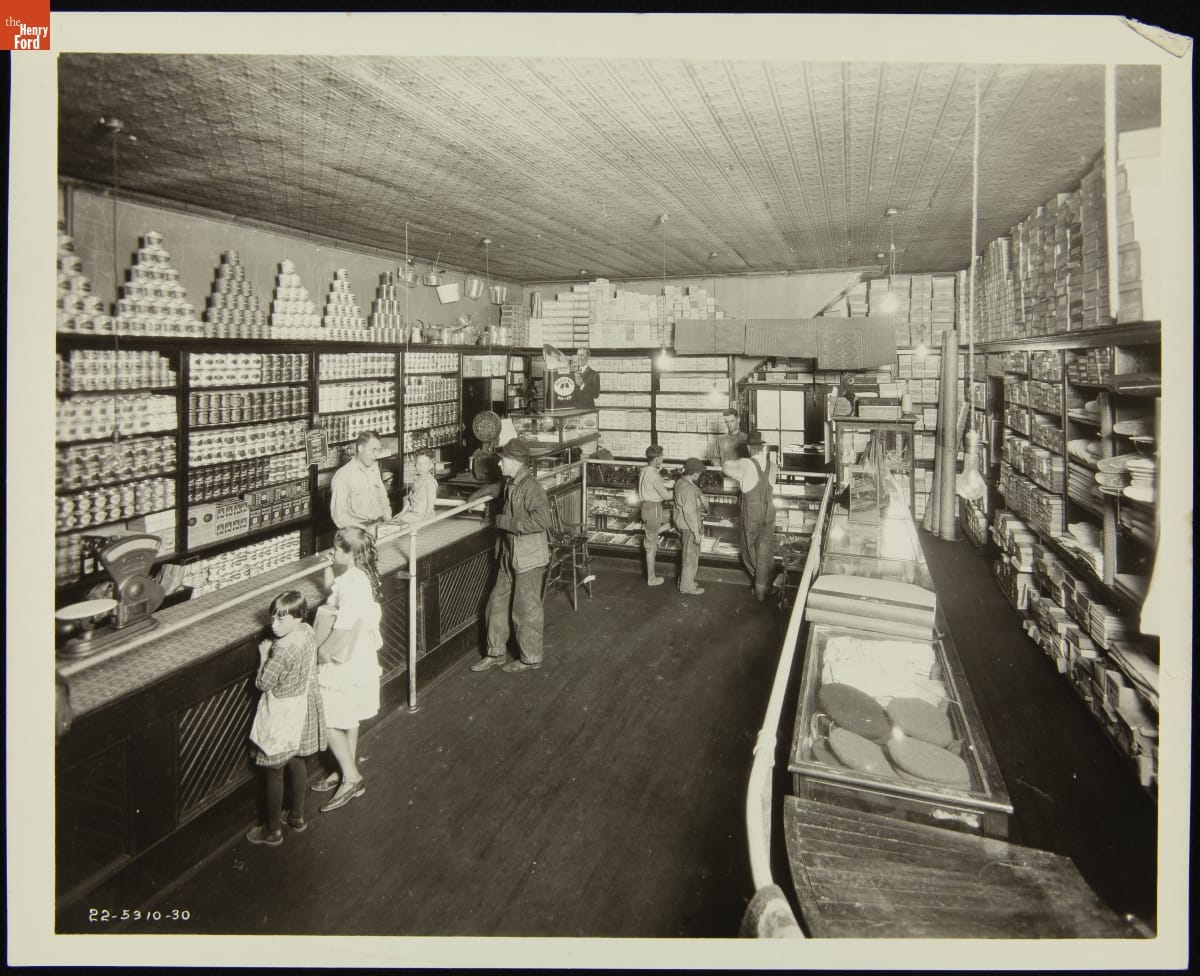
- General Store at the Fordson Coal Mine, Kentucky, 1922 - Beginning in 1920, Henry Ford purchased several coal mines in Kentucky and West Virginia. Two years later, he formed Fordson Coal Company to manage the mines. Ford-owned mines protected Ford Motor Company's coal supply in the event of labor unrest or government interference. Fordson sold its coal mining operations in the mid-1930s.
- 1922
- Collections - Artifact
General Store at the Fordson Coal Mine, Kentucky, 1922
Beginning in 1920, Henry Ford purchased several coal mines in Kentucky and West Virginia. Two years later, he formed Fordson Coal Company to manage the mines. Ford-owned mines protected Ford Motor Company's coal supply in the event of labor unrest or government interference. Fordson sold its coal mining operations in the mid-1930s.
- Gold Washing in the California Mine, 1865-1870 -
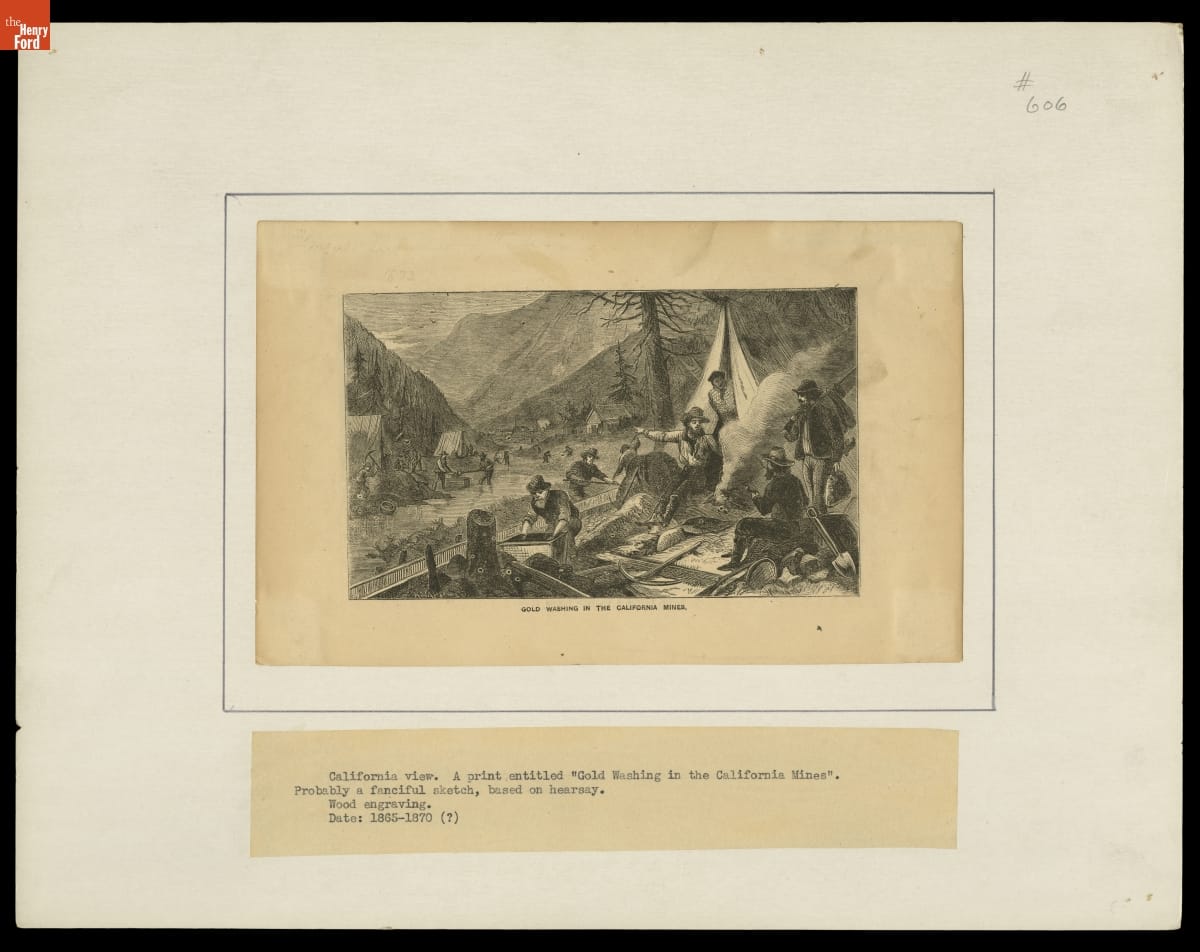
- 1865-1870
- Collections - Artifact
Gold Washing in the California Mine, 1865-1870
- Prospector's Claim Stake, Used near Battle Lake, Wyoming, 1880-1910 - This prospector's cedar stake was used on a mining claim near a "Lake Edison" in Wyoming. This is the site where Thomas Edison allegedly conceived the idea for the incandescent lamp. The donor retrieved the stake several decades after Edison's encampment, noting that sand-laden winds blowing from the West had eroded only one side of the stake.
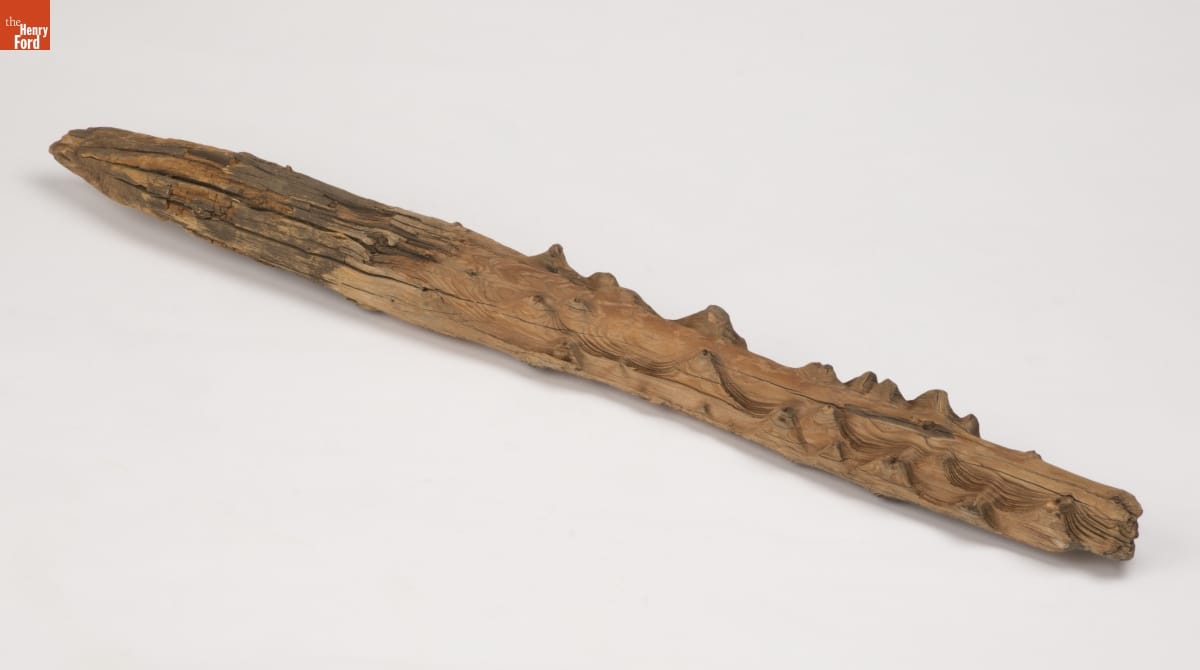
- 1880-1910
- Collections - Artifact
Prospector's Claim Stake, Used near Battle Lake, Wyoming, 1880-1910
This prospector's cedar stake was used on a mining claim near a "Lake Edison" in Wyoming. This is the site where Thomas Edison allegedly conceived the idea for the incandescent lamp. The donor retrieved the stake several decades after Edison's encampment, noting that sand-laden winds blowing from the West had eroded only one side of the stake.