
Search
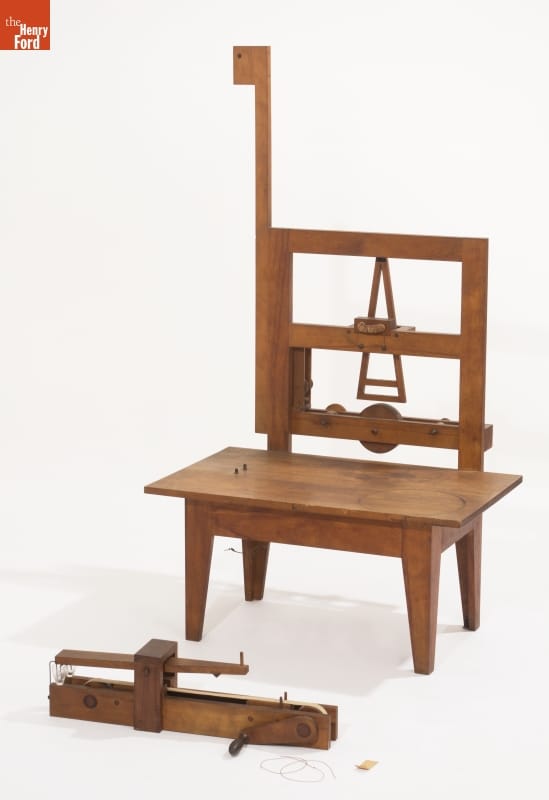
- Replica of First Morse Port Rule Telegraph -
- 1837
- Collections - Artifact
Replica of First Morse Port Rule Telegraph
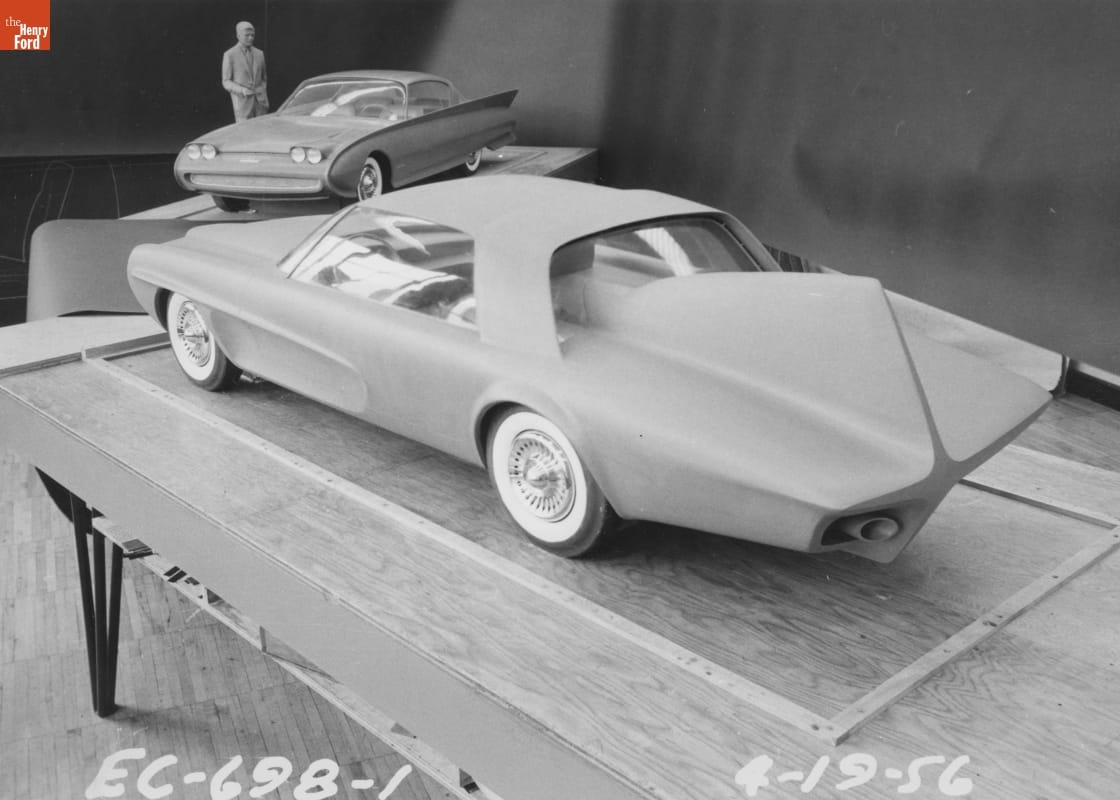
- Clay Model for the 1956 Chrysler Falcon Concept Car Designed by Virgil M. Exner - Virgil Exner designed the two-seat Chrysler Falcon concept car for the 1955 auto show season. The roadster was close in spirit to the contemporary Chevrolet Corvette and Ford Thunderbird, though the simulated knock-off wheels and external exhaust pipes gave the Falcon a somewhat racier appearance. Chrysler chose not to put the car into production.
- April 19, 1956
- Collections - Artifact
Clay Model for the 1956 Chrysler Falcon Concept Car Designed by Virgil M. Exner
Virgil Exner designed the two-seat Chrysler Falcon concept car for the 1955 auto show season. The roadster was close in spirit to the contemporary Chevrolet Corvette and Ford Thunderbird, though the simulated knock-off wheels and external exhaust pipes gave the Falcon a somewhat racier appearance. Chrysler chose not to put the car into production.
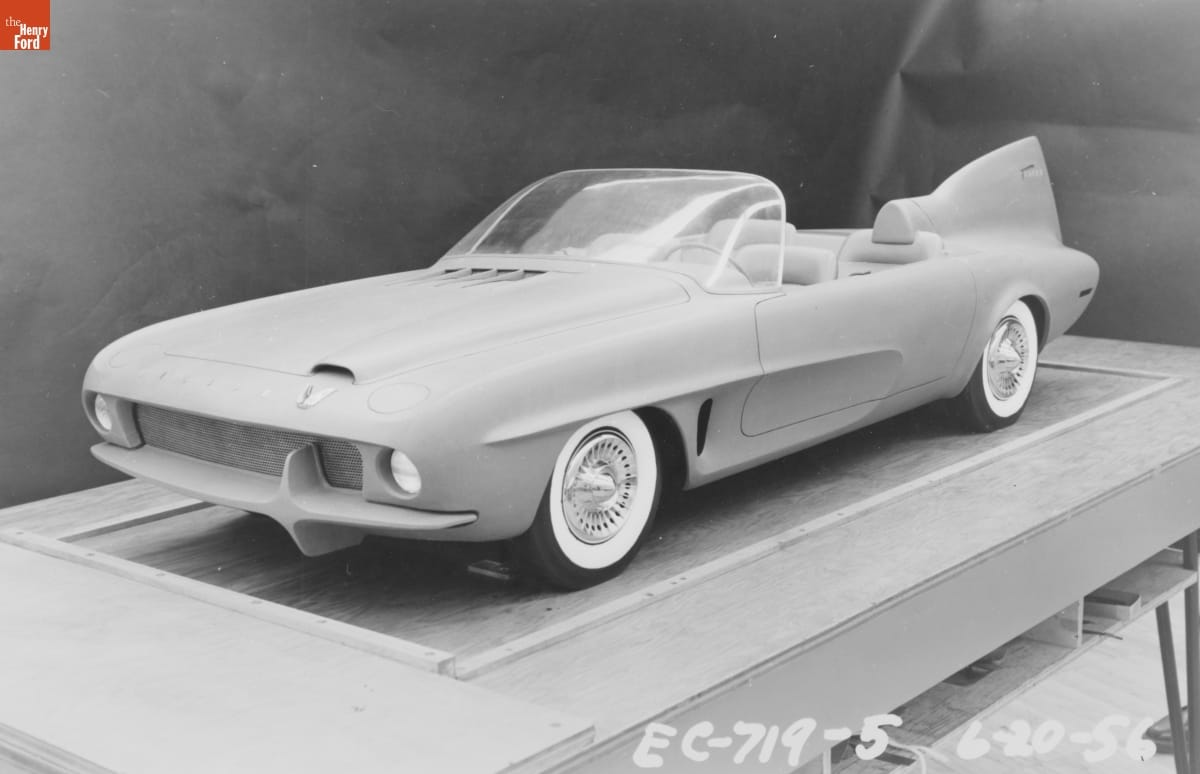
- Clay Model for the 1956 Chrysler Falcon Concept Car Designed by Virgil M. Exner - Virgil Exner designed the two-seat Chrysler Falcon concept car for the 1955 auto show season. The roadster was close in spirit to the contemporary Chevrolet Corvette and Ford Thunderbird, though the simulated knock-off wheels and external exhaust pipes gave the Falcon a somewhat racier appearance. Chrysler chose not to put the car into production.
- June 20, 1956
- Collections - Artifact
Clay Model for the 1956 Chrysler Falcon Concept Car Designed by Virgil M. Exner
Virgil Exner designed the two-seat Chrysler Falcon concept car for the 1955 auto show season. The roadster was close in spirit to the contemporary Chevrolet Corvette and Ford Thunderbird, though the simulated knock-off wheels and external exhaust pipes gave the Falcon a somewhat racier appearance. Chrysler chose not to put the car into production.
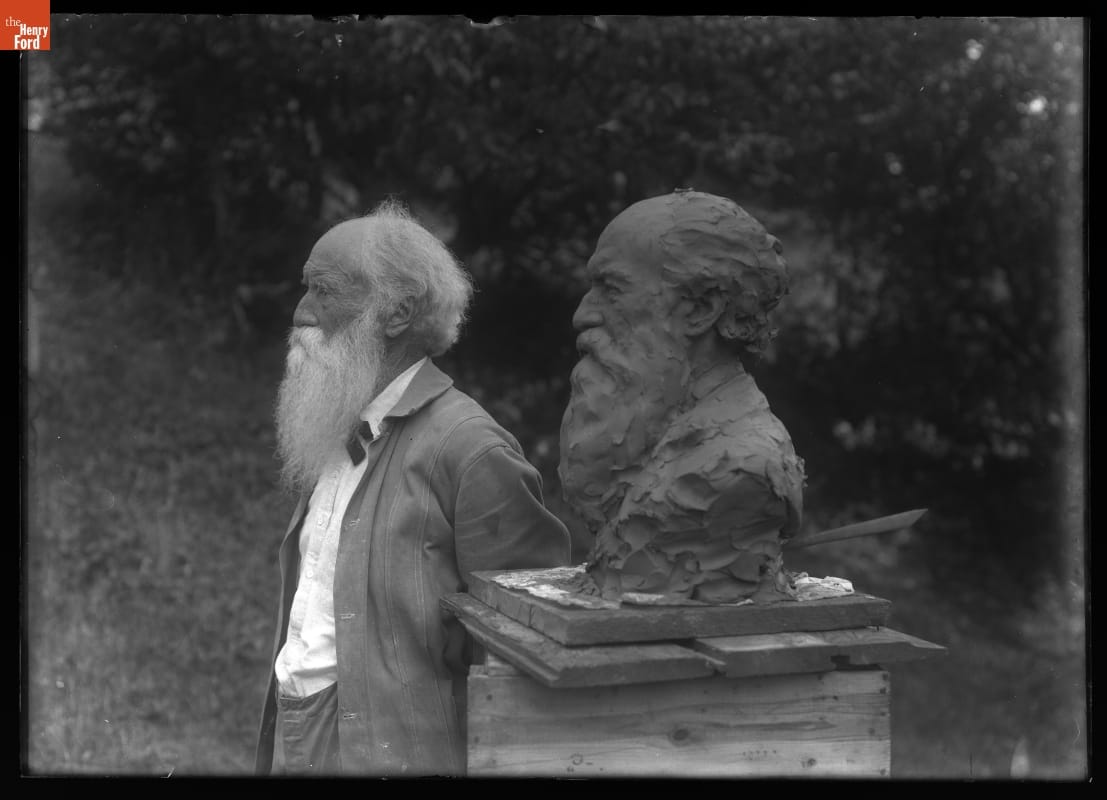
- John Burroughs with Clay Model Bust by C. S. Pietro, 1912 - John Burroughs (1837-1921) was an internationally known naturalist and writer whose nature essays were well-received in both literary and scientific circles. From his home in the Catskills of upstate New York, Burroughs wrote mostly about what could be found in accessible and familiar landscapes. He wanted his readers to appreciate the natural world that surrounded them.
- 1912
- Collections - Artifact
John Burroughs with Clay Model Bust by C. S. Pietro, 1912
John Burroughs (1837-1921) was an internationally known naturalist and writer whose nature essays were well-received in both literary and scientific circles. From his home in the Catskills of upstate New York, Burroughs wrote mostly about what could be found in accessible and familiar landscapes. He wanted his readers to appreciate the natural world that surrounded them.
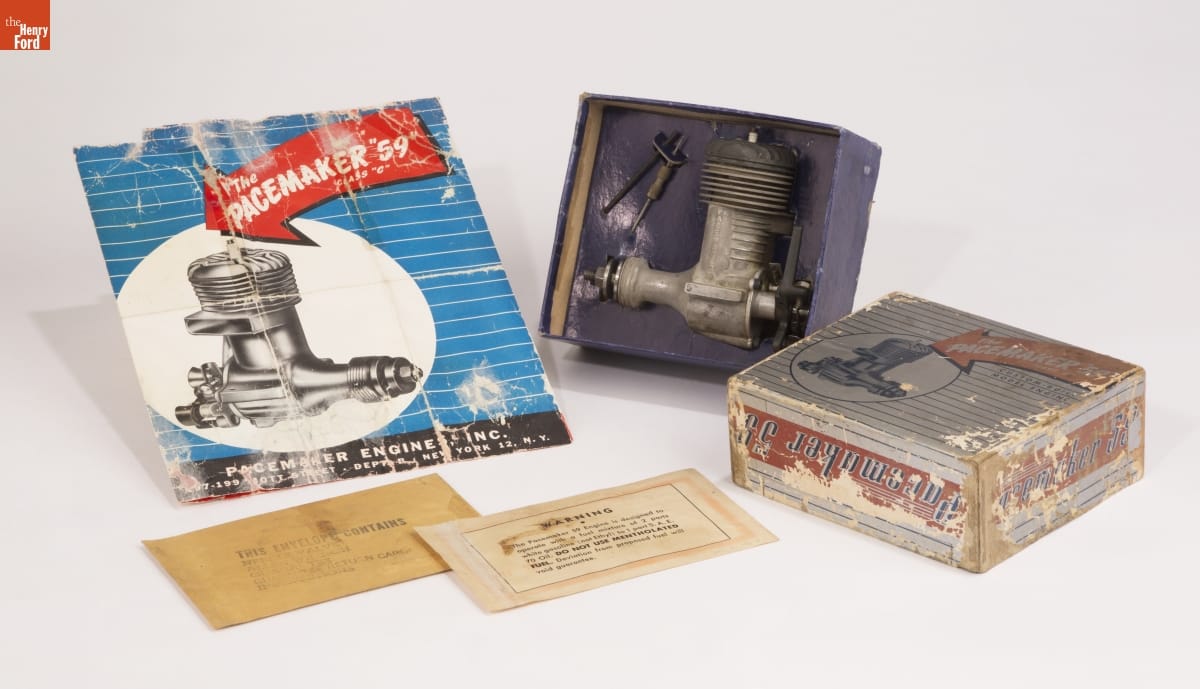
- Pacemaker "59" Engine, 1946-1947 - Tether cars, gas-powered model race cars, were popular in the 1930s and 1940s. They were raced individually while tethered to a central pivot, or against each other on a scaled-down board track. This Pacemaker "59" race engine was produced by Pacemaker Engines of New York, New York. "59" refers to its displacement of .594 cubic inches.
- 1946-1947
- Collections - Artifact
Pacemaker "59" Engine, 1946-1947
Tether cars, gas-powered model race cars, were popular in the 1930s and 1940s. They were raced individually while tethered to a central pivot, or against each other on a scaled-down board track. This Pacemaker "59" race engine was produced by Pacemaker Engines of New York, New York. "59" refers to its displacement of .594 cubic inches.
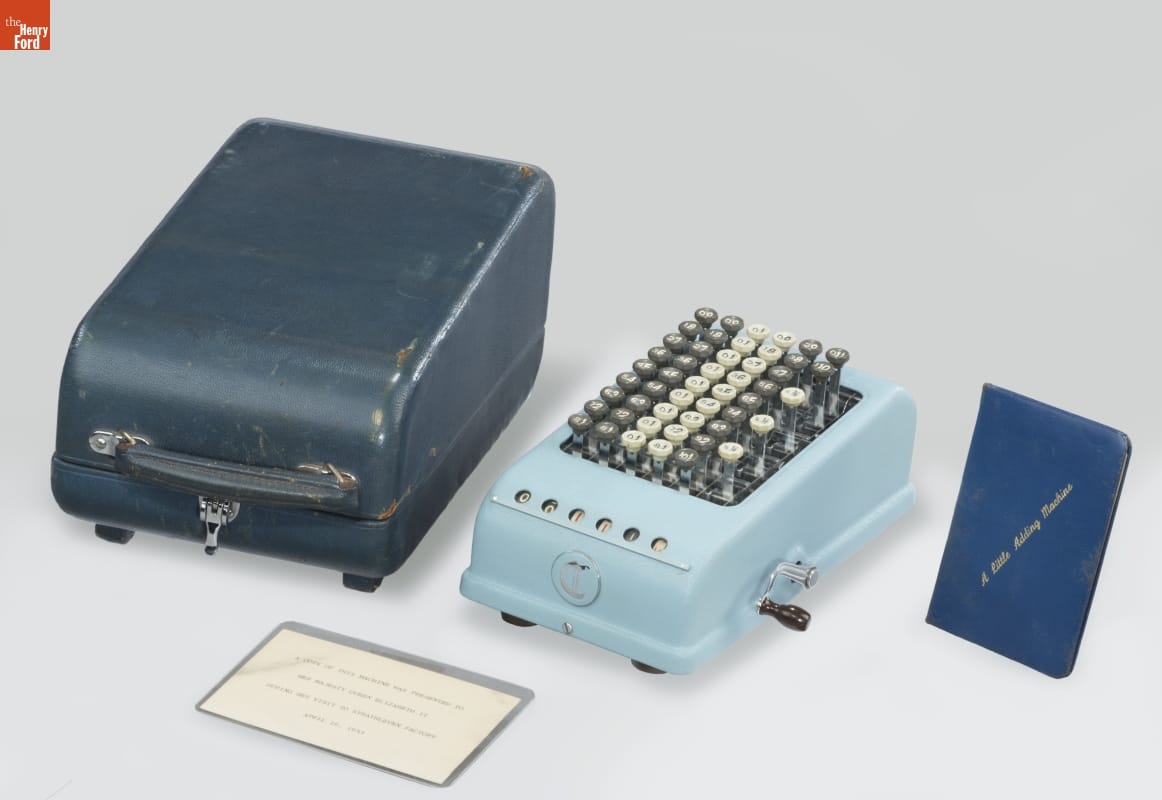
- Copy of a Custom "Baby Calculator" Presented to Queen Elizabeth II for Prince Charles, 1953 -
- 1953
- Collections - Artifact
Copy of a Custom "Baby Calculator" Presented to Queen Elizabeth II for Prince Charles, 1953
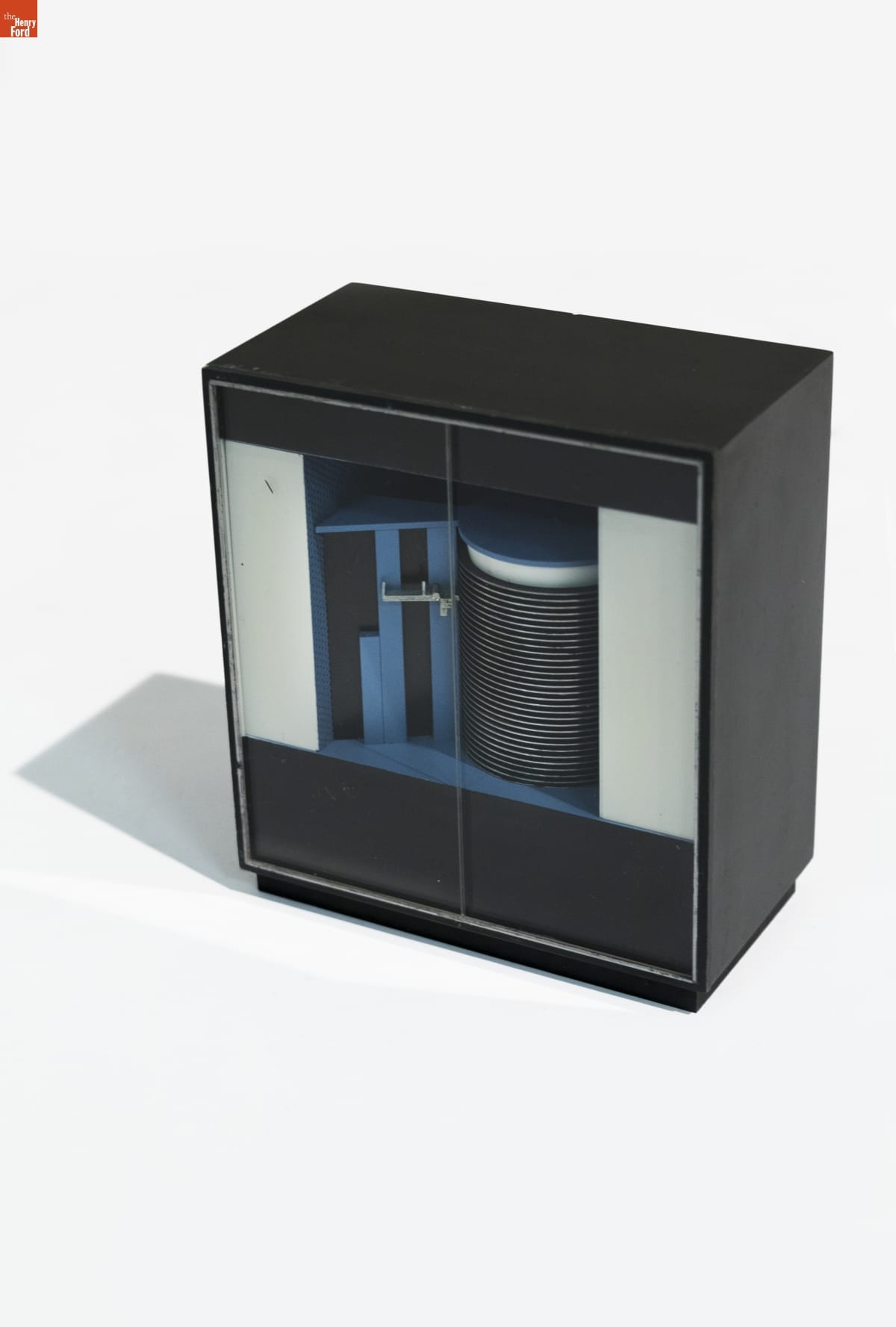
- IBM 1405 Disc Storage Unit Model, circa 1960 -
- circa 1960
- Collections - Artifact
IBM 1405 Disc Storage Unit Model, circa 1960
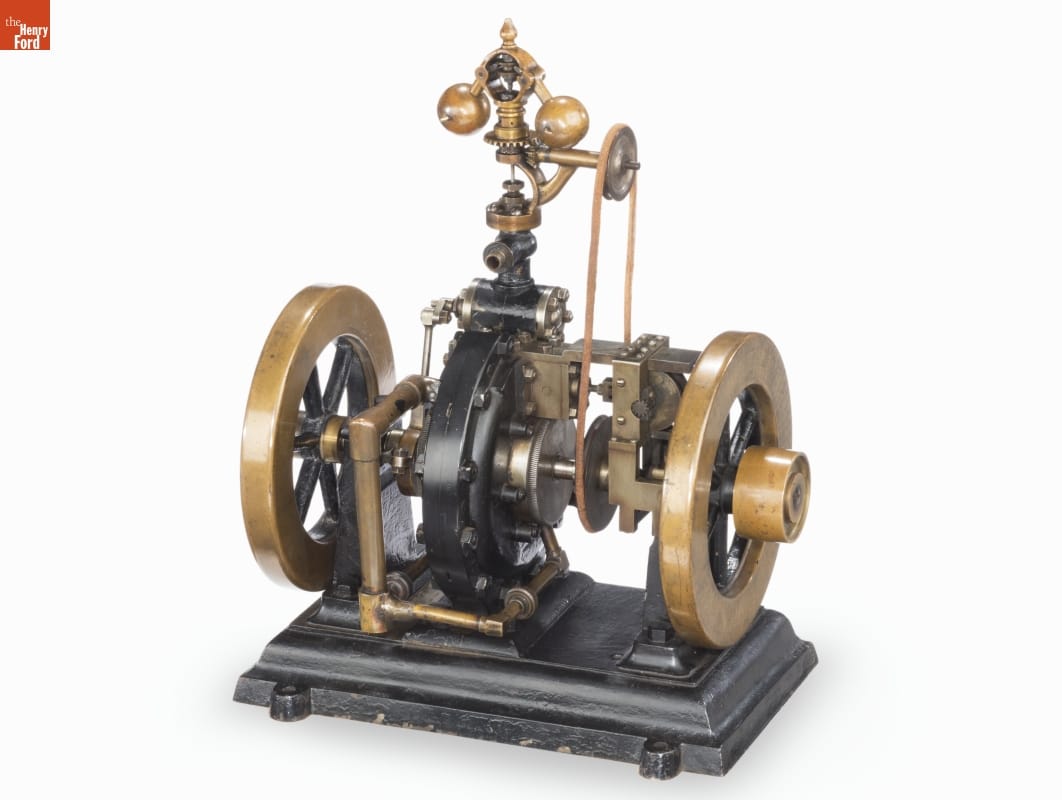
- Model of a Motor -
- Collections - Artifact
Model of a Motor
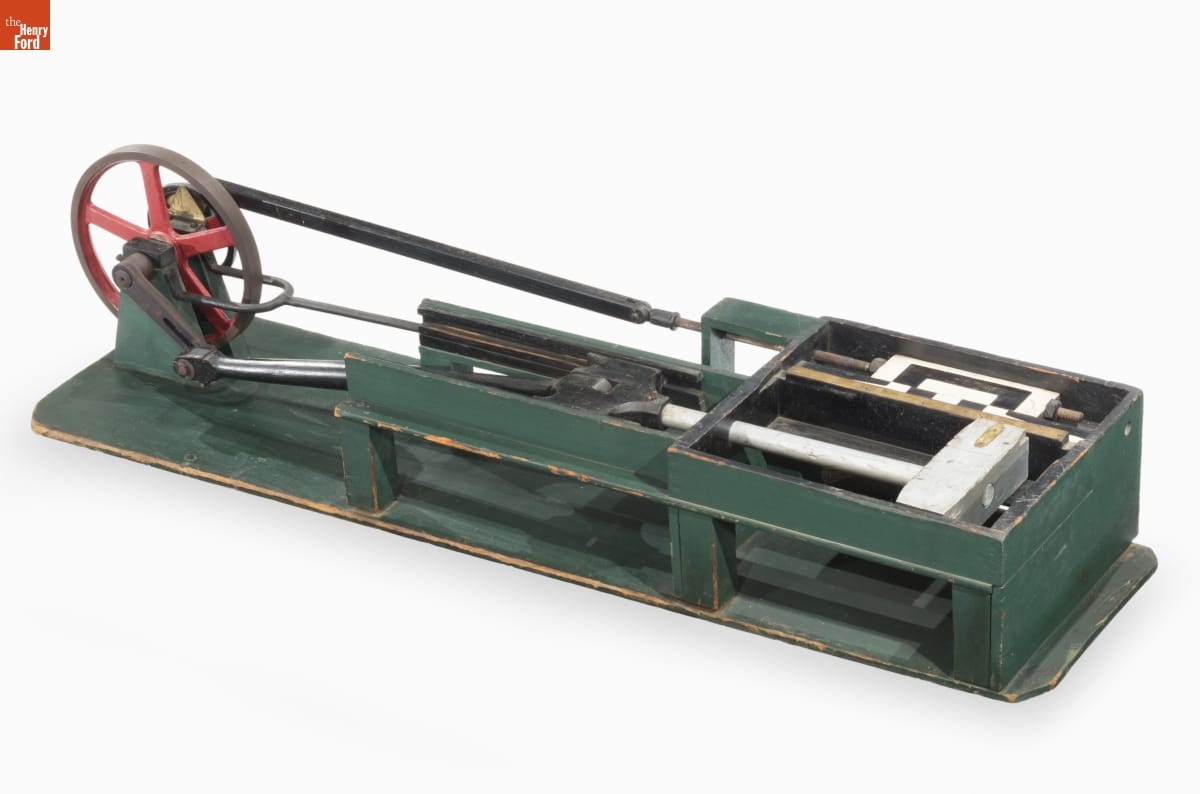
- Model of Valve -
- Collections - Artifact
Model of Valve
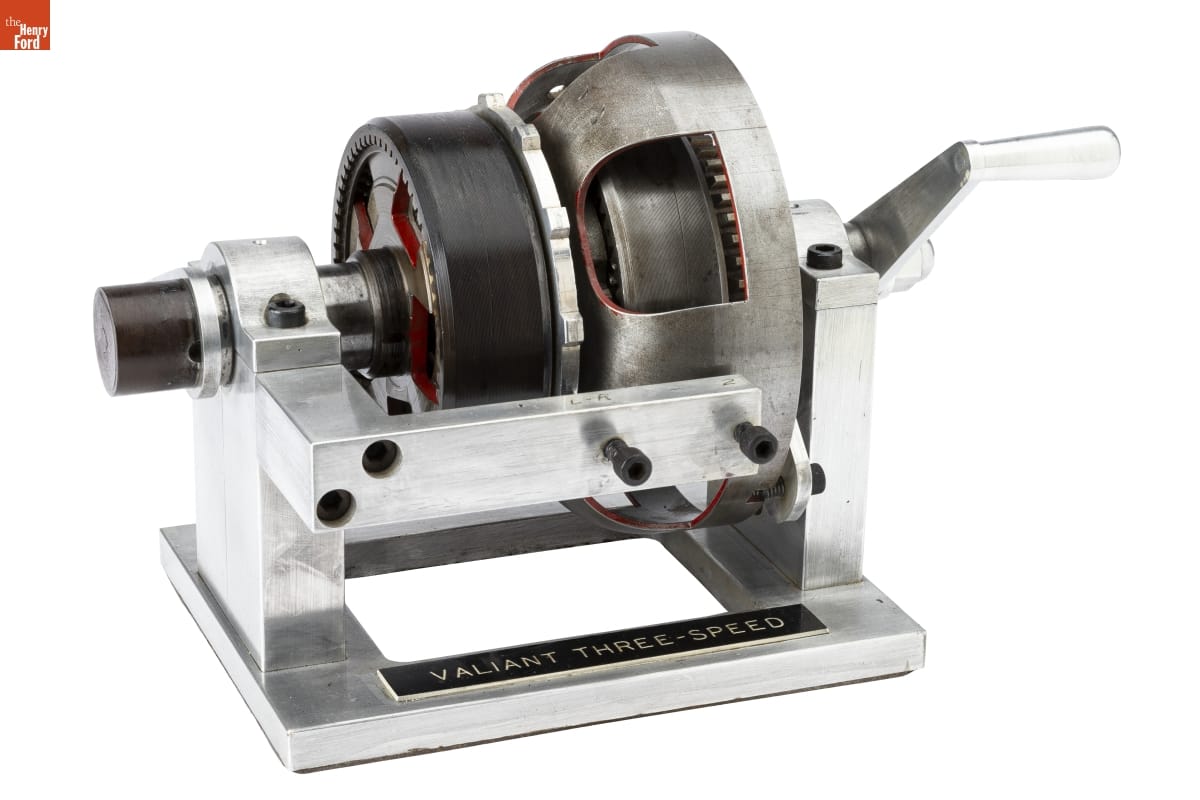
- Planetary Gearset Model, Made by Howard Simpson for Chrysler Corporation, circa 1959 - Following time at Ford Motor Company and Detroit Harvester, Howard Simpson retired to pursue work on planetary gearsets. His designs were licensed and manufactured by Ford, General Motors and Chrysler, and Simpson gearsets became common in automatic transmissions produced through the latter half of the 20th century. This model represents a three-speed unit created for Chrysler's Valiant compact car.
- circa 1959
- Collections - Artifact
Planetary Gearset Model, Made by Howard Simpson for Chrysler Corporation, circa 1959
Following time at Ford Motor Company and Detroit Harvester, Howard Simpson retired to pursue work on planetary gearsets. His designs were licensed and manufactured by Ford, General Motors and Chrysler, and Simpson gearsets became common in automatic transmissions produced through the latter half of the 20th century. This model represents a three-speed unit created for Chrysler's Valiant compact car.