
Search
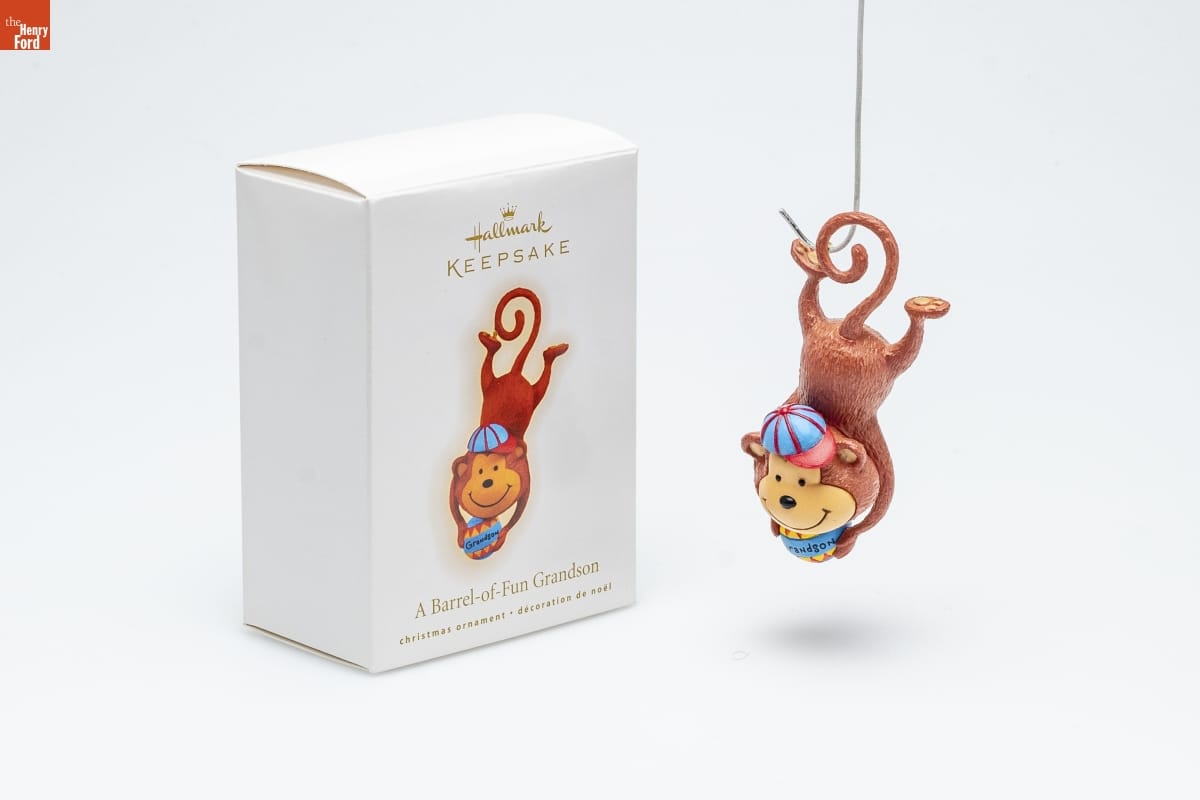
- Hallmark "A Barrel-of-Fun Grandson" Christmas Ornament, 2009 - Already known for greeting cards, Hallmark introduced a line of Christmas ornaments in 1973. The company's annual release of an increasing array of ornaments revolutionized Christmas decorating, appealing to customers' interest in marking memories and milestones as well as expressing one's personality and unique tastes.
- 2009
- Collections - Artifact
Hallmark "A Barrel-of-Fun Grandson" Christmas Ornament, 2009
Already known for greeting cards, Hallmark introduced a line of Christmas ornaments in 1973. The company's annual release of an increasing array of ornaments revolutionized Christmas decorating, appealing to customers' interest in marking memories and milestones as well as expressing one's personality and unique tastes.
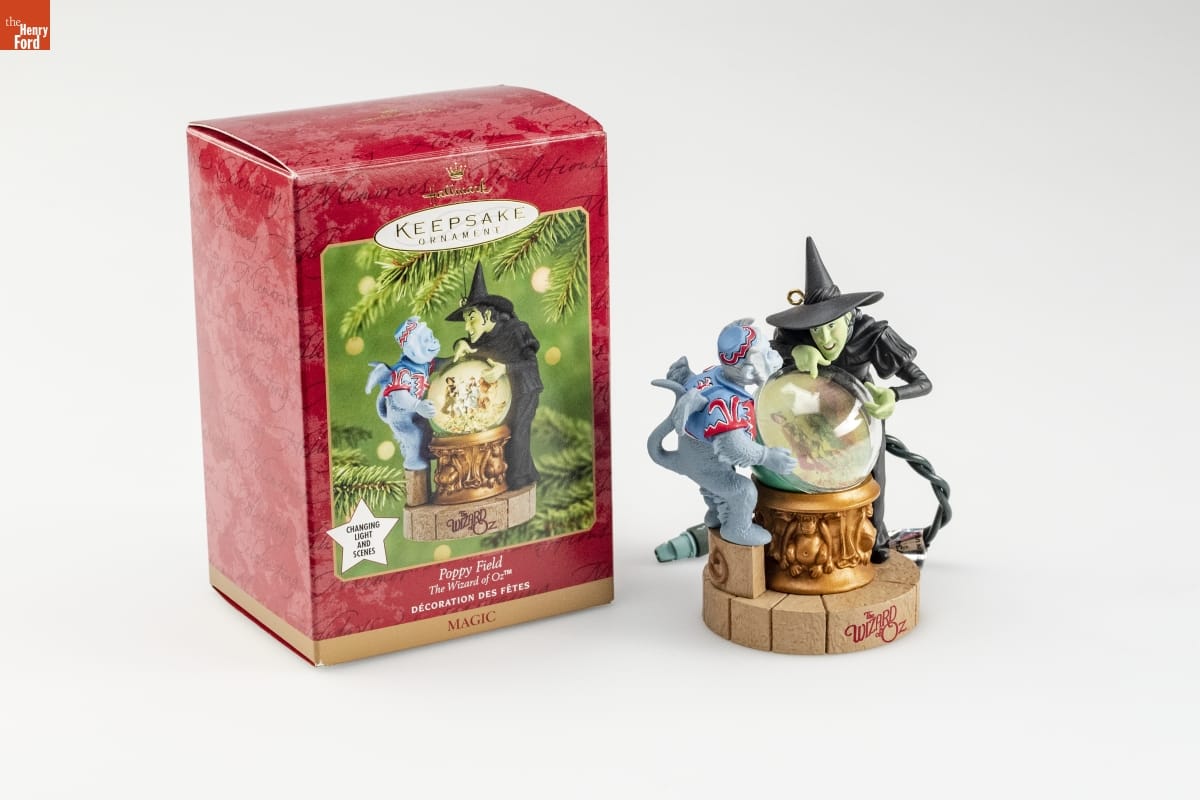
- Hallmark "The Wizard of Oz: Poppy Field" Christmas Ornament, 2001 - Already known for greeting cards, Hallmark introduced a line of Christmas ornaments in 1973. The company's annual release of an increasing array of ornaments revolutionized Christmas decorating, appealing to customers' interest in marking memories and milestones as well as expressing one's personality and unique tastes.
- 2001
- Collections - Artifact
Hallmark "The Wizard of Oz: Poppy Field" Christmas Ornament, 2001
Already known for greeting cards, Hallmark introduced a line of Christmas ornaments in 1973. The company's annual release of an increasing array of ornaments revolutionized Christmas decorating, appealing to customers' interest in marking memories and milestones as well as expressing one's personality and unique tastes.
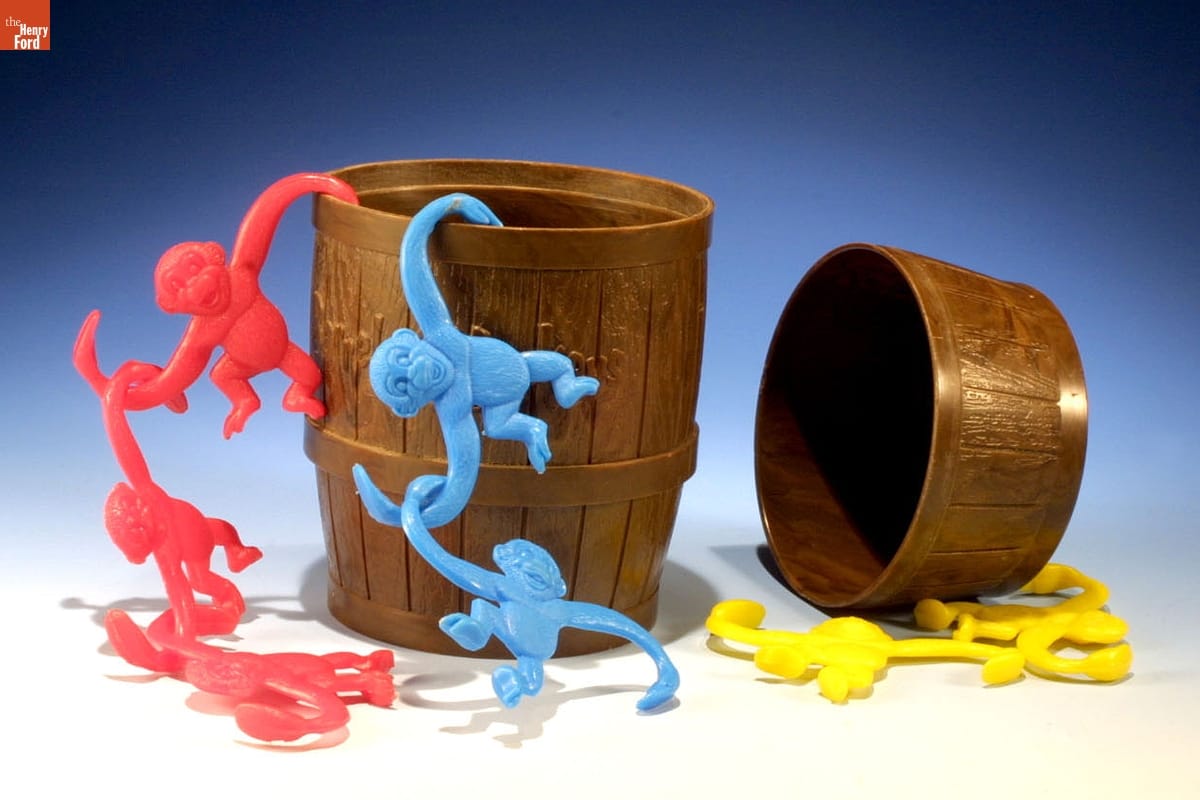
- Barrel of Monkeys Game, 1966-1970 - Marketed as being "more fun than a barrel of monkeys," this game was introduced in 1966. The object of the game was to link all of the brightly colored plastic monkeys together as you pulled them out of the barrel.
- 1966-1970
- Collections - Artifact
Barrel of Monkeys Game, 1966-1970
Marketed as being "more fun than a barrel of monkeys," this game was introduced in 1966. The object of the game was to link all of the brightly colored plastic monkeys together as you pulled them out of the barrel.
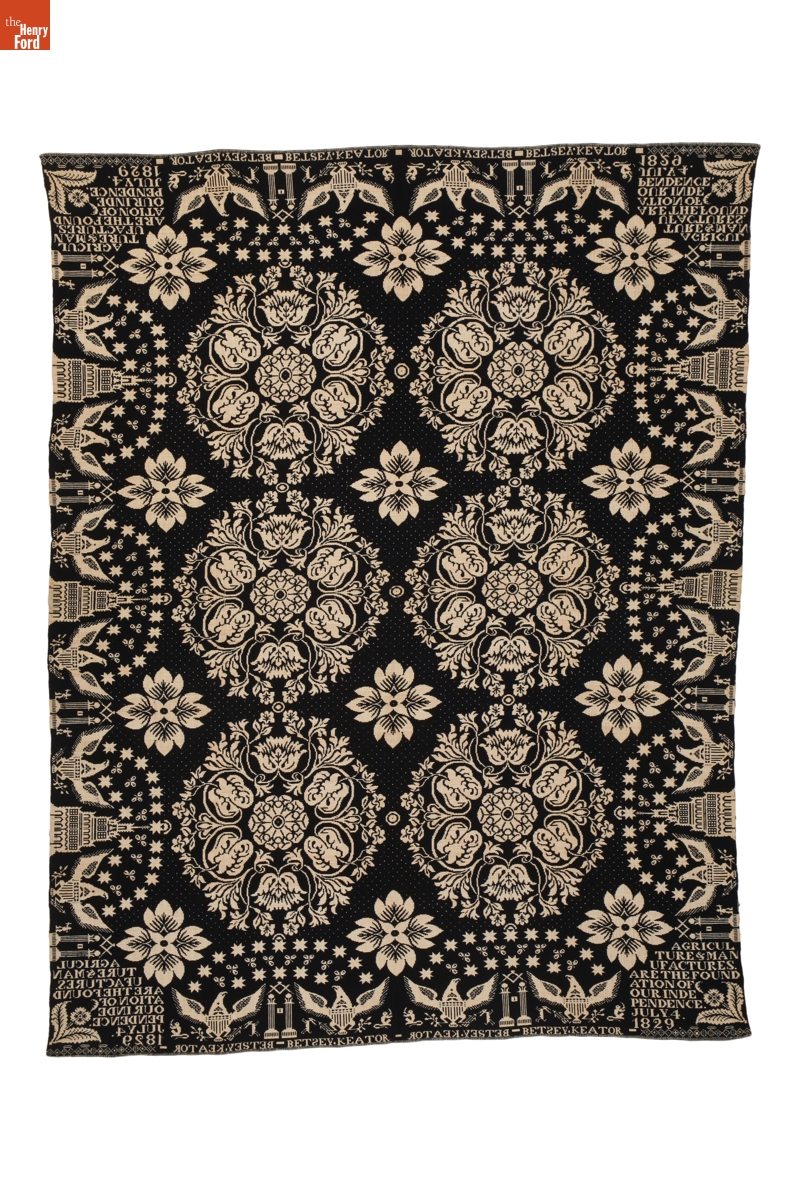
- "Agriculture & Manufactures" Coverlet Woven for Betsey Keator, 1829 -
- July 04, 1829
- Collections - Artifact
"Agriculture & Manufactures" Coverlet Woven for Betsey Keator, 1829
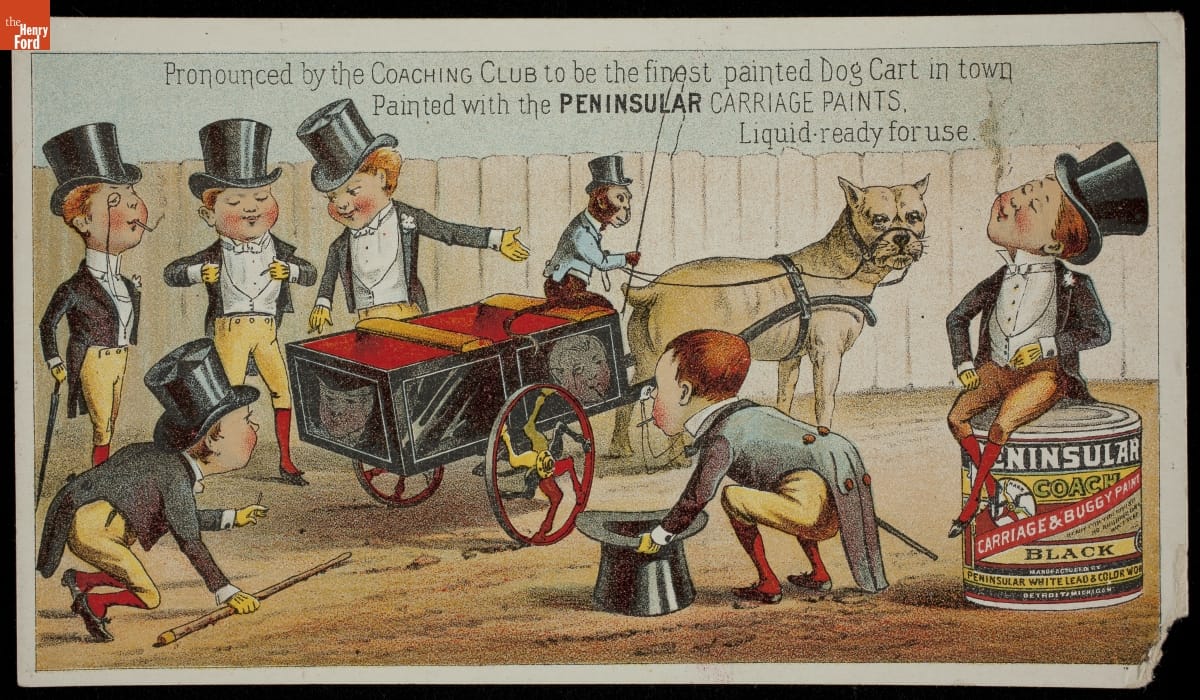
- Trade Card for Carriage & Buggy Paints, Peninsular White Lead & Color Works, 1880-1900 - In the last third of the nineteenth century, an unprecedented variety of consumer goods and services flooded the American market. Advertisers, armed with new methods of color printing, bombarded potential customers with trade cards. Americans enjoyed and often saved the vibrant little advertisements found in product packages or distributed by local merchants. Many survive as historical records of commercialism in the United States.
- 1880-1900
- Collections - Artifact
Trade Card for Carriage & Buggy Paints, Peninsular White Lead & Color Works, 1880-1900
In the last third of the nineteenth century, an unprecedented variety of consumer goods and services flooded the American market. Advertisers, armed with new methods of color printing, bombarded potential customers with trade cards. Americans enjoyed and often saved the vibrant little advertisements found in product packages or distributed by local merchants. Many survive as historical records of commercialism in the United States.
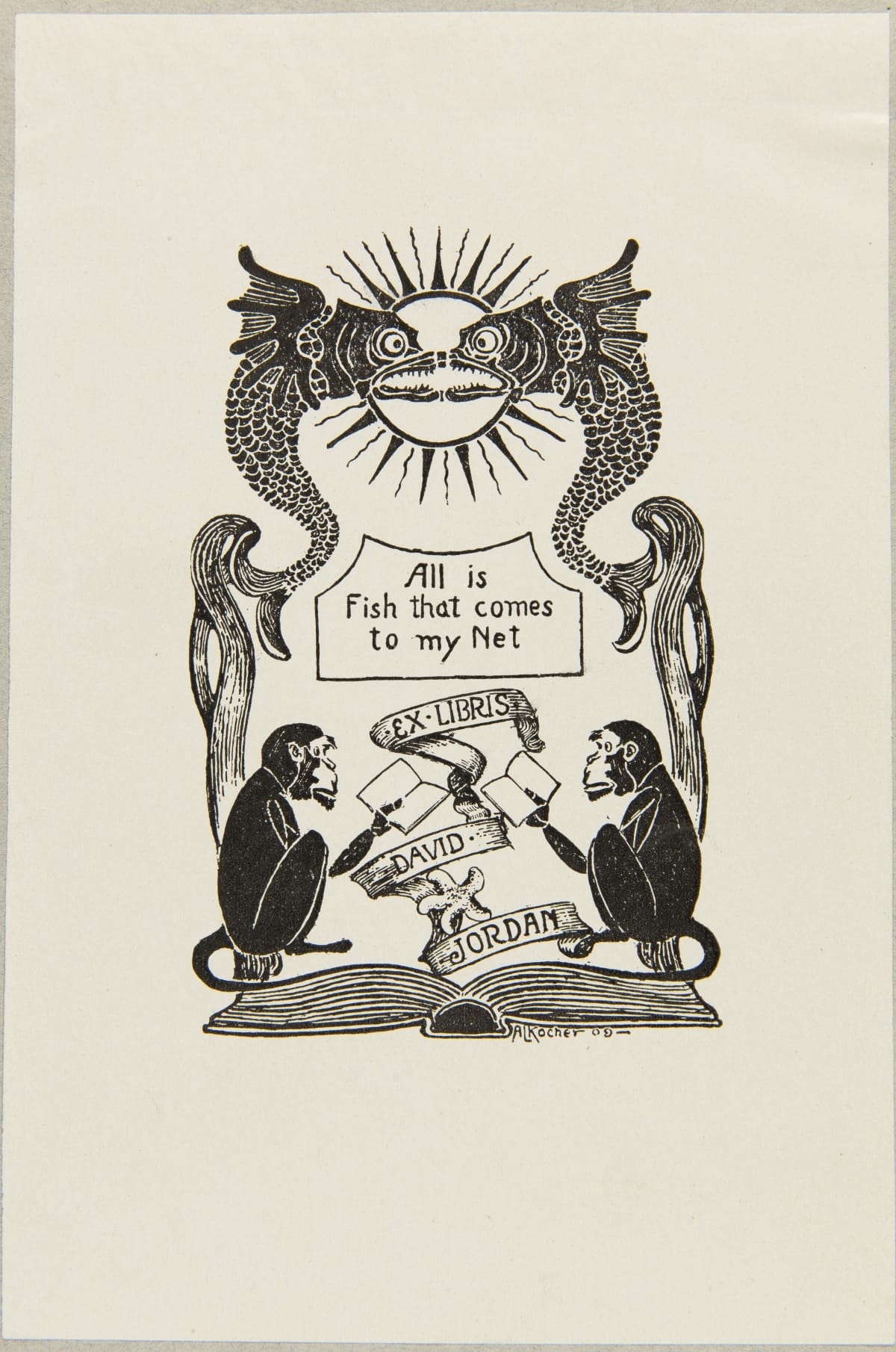
- Bookplate of David Jordan, 1909 - Bookplates show ownership, but they can also tell us more. Often pasted on the inside of a book's front cover or endpaper, these printed labels contain the owner's name and sometimes the words "ex-libris" (Latin for "from the library of"). Coats of arms, crests, other decorative images, poems, mottoes, and even font type provide insight into the beliefs, passions, and interests of the book's owner.
- 1909
- Collections - Artifact
Bookplate of David Jordan, 1909
Bookplates show ownership, but they can also tell us more. Often pasted on the inside of a book's front cover or endpaper, these printed labels contain the owner's name and sometimes the words "ex-libris" (Latin for "from the library of"). Coats of arms, crests, other decorative images, poems, mottoes, and even font type provide insight into the beliefs, passions, and interests of the book's owner.
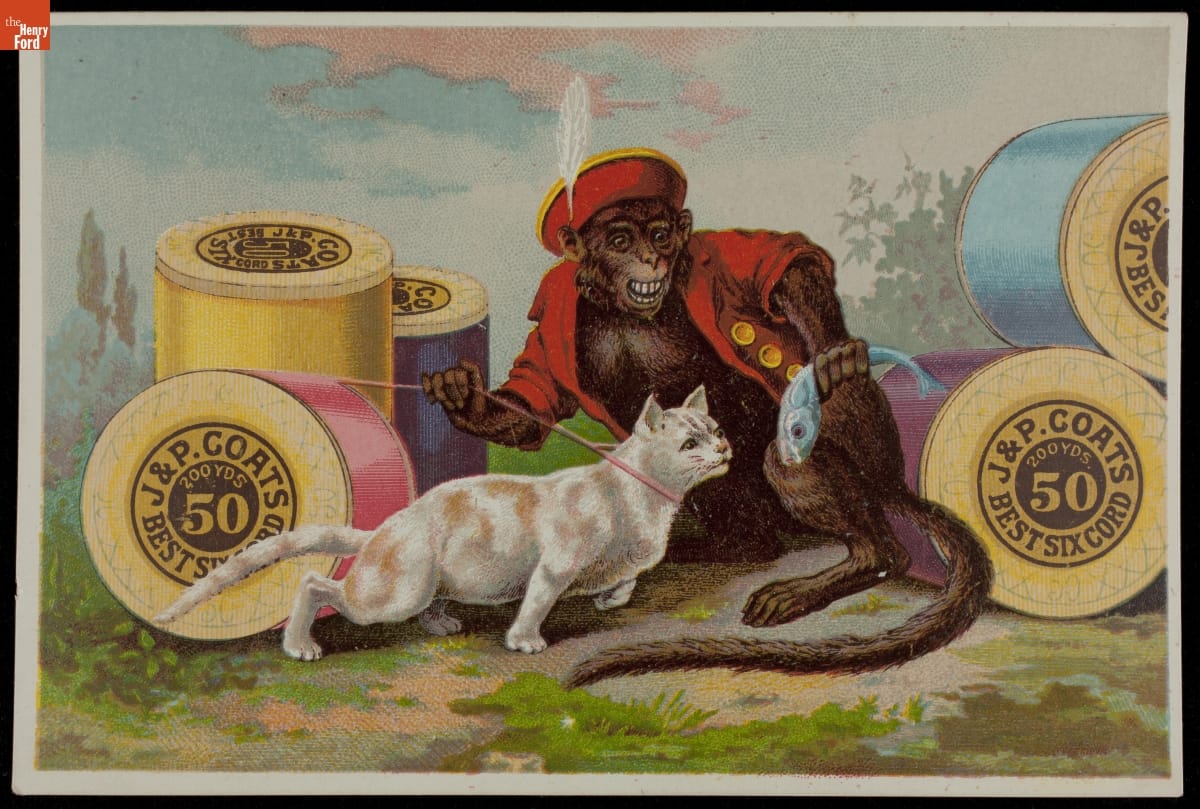
- Trade Card for Six Cord Thread, J. & P. Coats, 1881 - As color printing gained momentum in the late 19th century, trade cards became a major means of advertising goods and services. Americans enjoyed and often saved the little advertisements found in product packages or distributed by local merchants. This trade card advertises Six Cord Thread from J. & P. Coats Company.
- 1881
- Collections - Artifact
Trade Card for Six Cord Thread, J. & P. Coats, 1881
As color printing gained momentum in the late 19th century, trade cards became a major means of advertising goods and services. Americans enjoyed and often saved the little advertisements found in product packages or distributed by local merchants. This trade card advertises Six Cord Thread from J. & P. Coats Company.
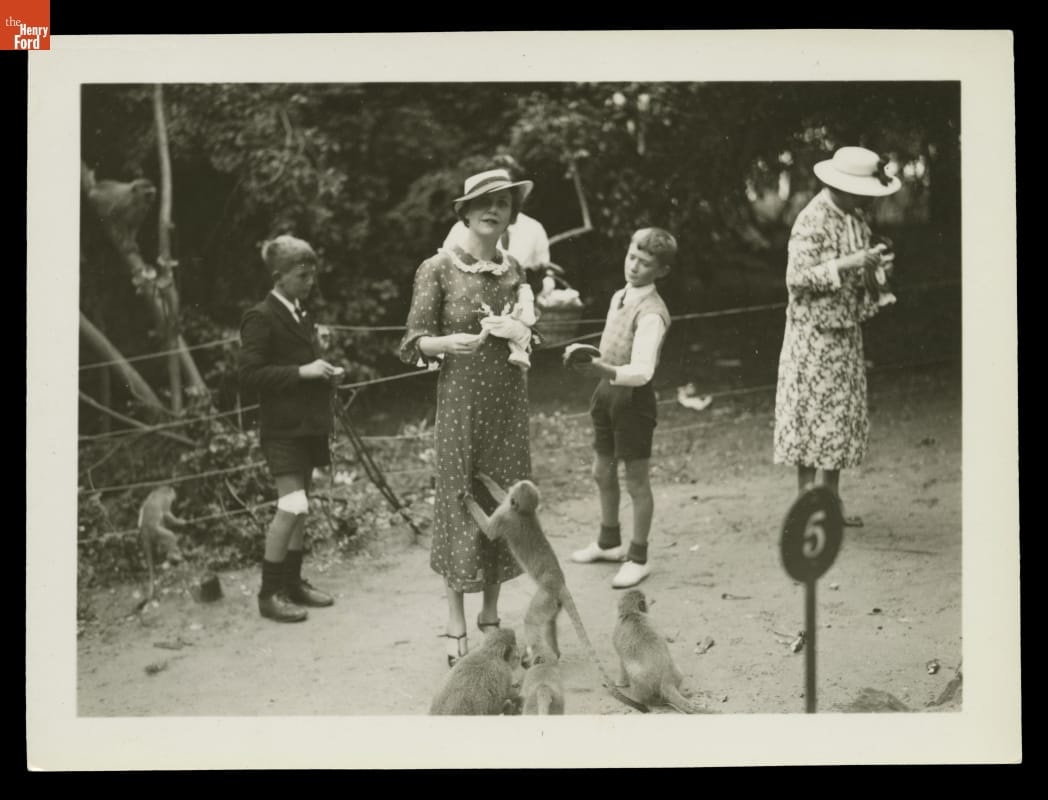
- Elizabeth Parke Firestone Feeding Monkeys in a Park, South Africa, 1936 - Elizabeth Parke, the daughter of a prosperous Decatur, Illinois, businessman, was an adventurous young women who had studied in Europe. She married Harvey S. Firestone, Jr., in 1921, and continued to travel frequently for both business and pleasure. Elizabeth enjoyed trekking through jungles and sleeping in grass huts in exotic locales as much as she relished dining in sumptuous hotels with royalty.
- 1936
- Collections - Artifact
Elizabeth Parke Firestone Feeding Monkeys in a Park, South Africa, 1936
Elizabeth Parke, the daughter of a prosperous Decatur, Illinois, businessman, was an adventurous young women who had studied in Europe. She married Harvey S. Firestone, Jr., in 1921, and continued to travel frequently for both business and pleasure. Elizabeth enjoyed trekking through jungles and sleeping in grass huts in exotic locales as much as she relished dining in sumptuous hotels with royalty.
- Punch Bowl, 1740-1770 -
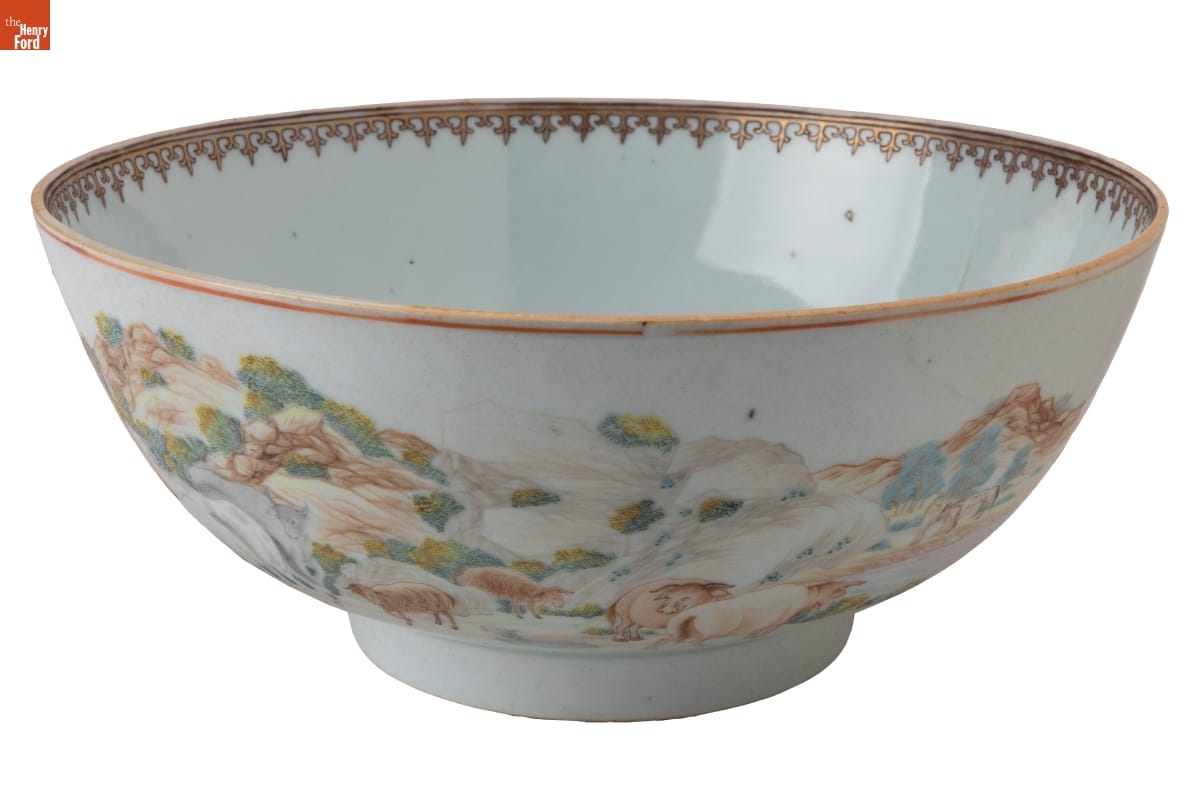
- 1740-1770
- Collections - Artifact
Punch Bowl, 1740-1770
- Harwood Steiger Fabric, "Monkey Shines" -
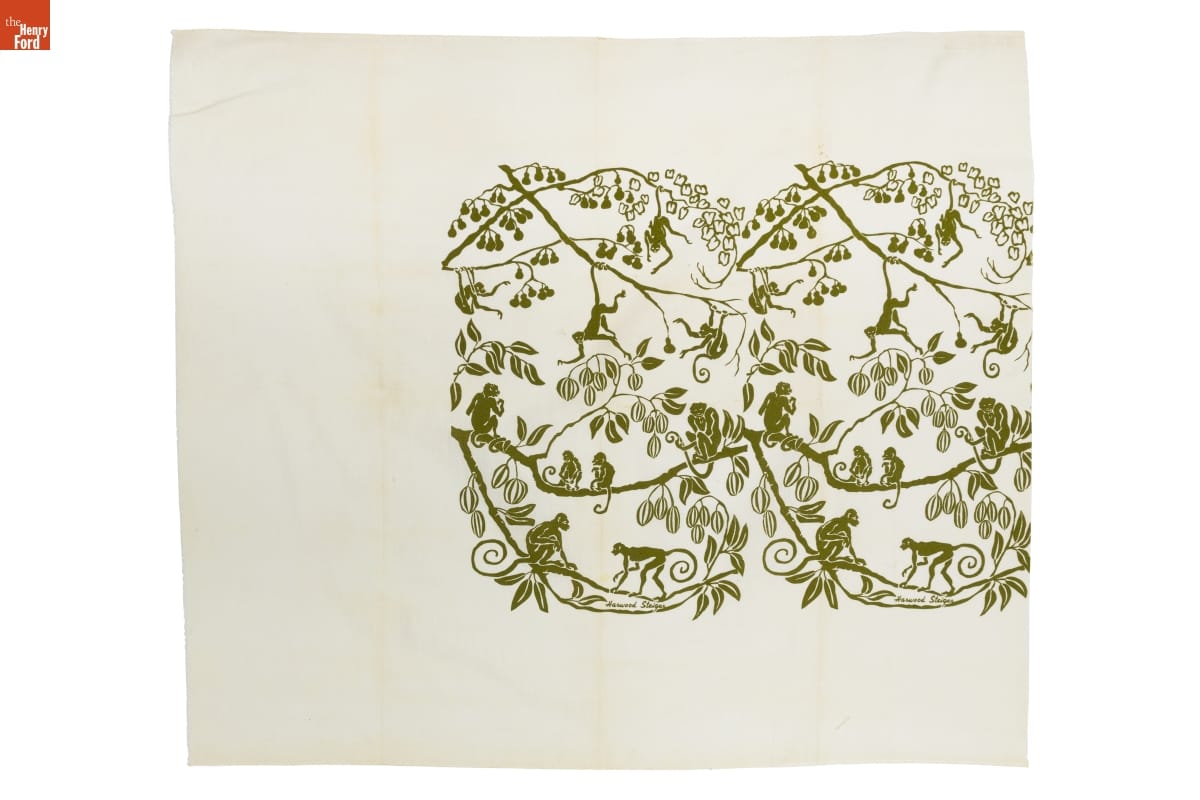
- 1956-1980
- Collections - Artifact
Harwood Steiger Fabric, "Monkey Shines"