
Search
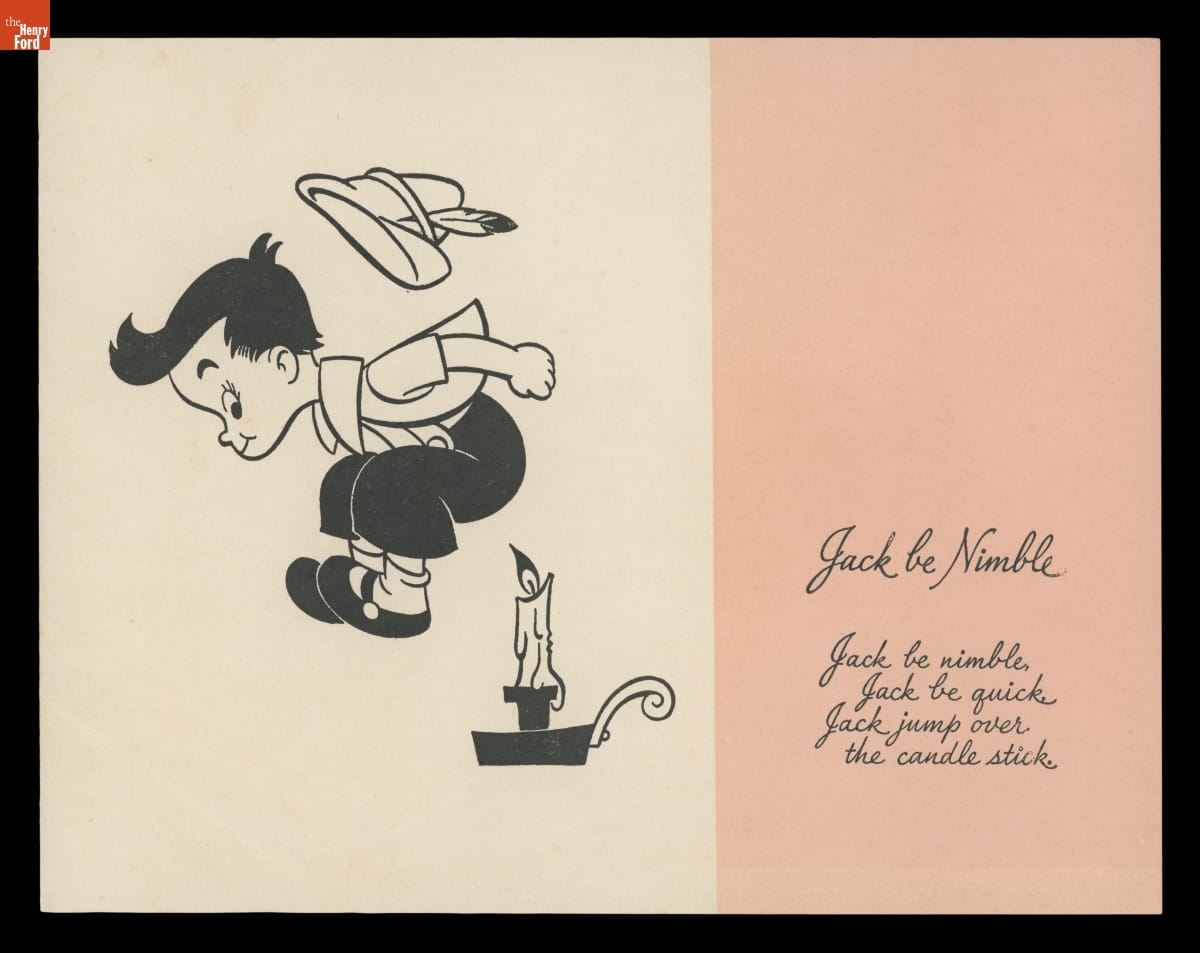
- Booklet from "Jack Be Nimble" Wall Decoration Set - The Dolly Toy Company, established in 1923, is best known for making inexpensive toys and seasonal novelties from laminated boxboard. After World War II, the company patented an idea for wall pin-ups for children's rooms. It was a success. The pin-ups featured religious themes and characters based on children's fairy tales and stories, including some licensed Disney characters.
- 1948-1968
- Collections - Artifact
Booklet from "Jack Be Nimble" Wall Decoration Set
The Dolly Toy Company, established in 1923, is best known for making inexpensive toys and seasonal novelties from laminated boxboard. After World War II, the company patented an idea for wall pin-ups for children's rooms. It was a success. The pin-ups featured religious themes and characters based on children's fairy tales and stories, including some licensed Disney characters.
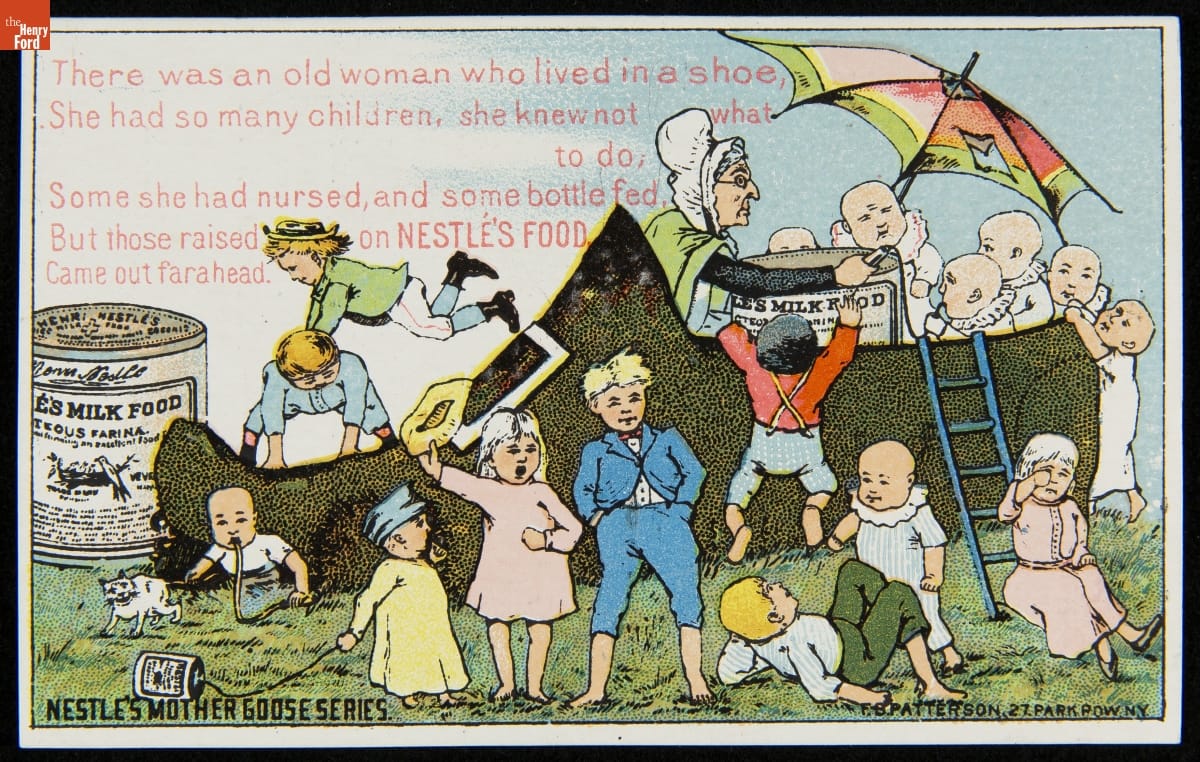
- Trade Card for Nestle's Milk Food, from Nestle Company's Mother Goose Series, 1880-1900 - In the last third of the nineteenth century, an unprecedented variety of consumer goods and services flooded the American market. Advertisers, armed with new methods of color printing, bombarded potential customers with trade cards. Americans enjoyed and often saved the vibrant little advertisements found in product packages or distributed by local merchants. Many survive as historical records of commercialism in the United States.
- 1880-1900
- Collections - Artifact
Trade Card for Nestle's Milk Food, from Nestle Company's Mother Goose Series, 1880-1900
In the last third of the nineteenth century, an unprecedented variety of consumer goods and services flooded the American market. Advertisers, armed with new methods of color printing, bombarded potential customers with trade cards. Americans enjoyed and often saved the vibrant little advertisements found in product packages or distributed by local merchants. Many survive as historical records of commercialism in the United States.
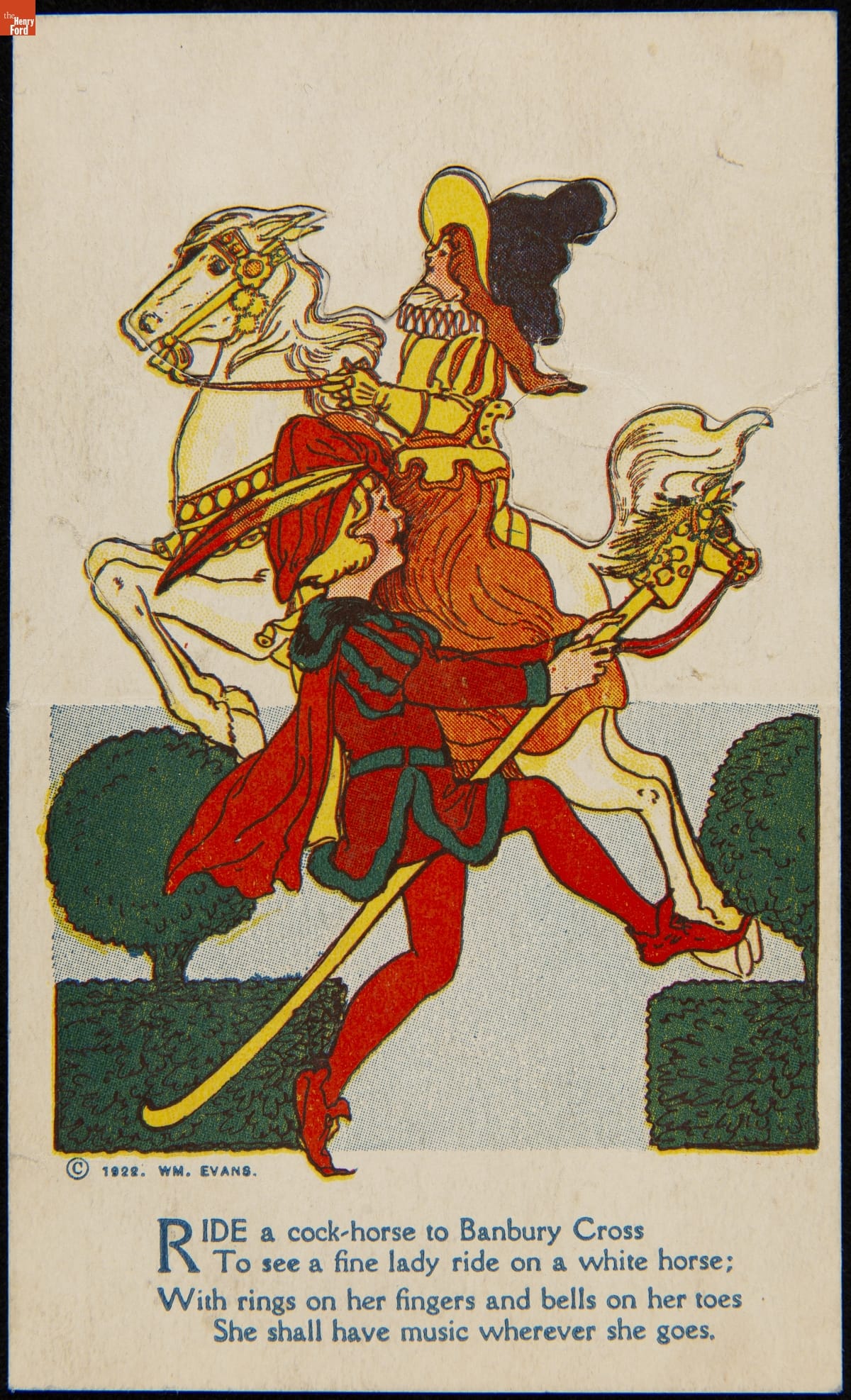
- Trade Card for Dolly Madison Bread, 1922 -
- 1922
- Collections - Artifact
Trade Card for Dolly Madison Bread, 1922
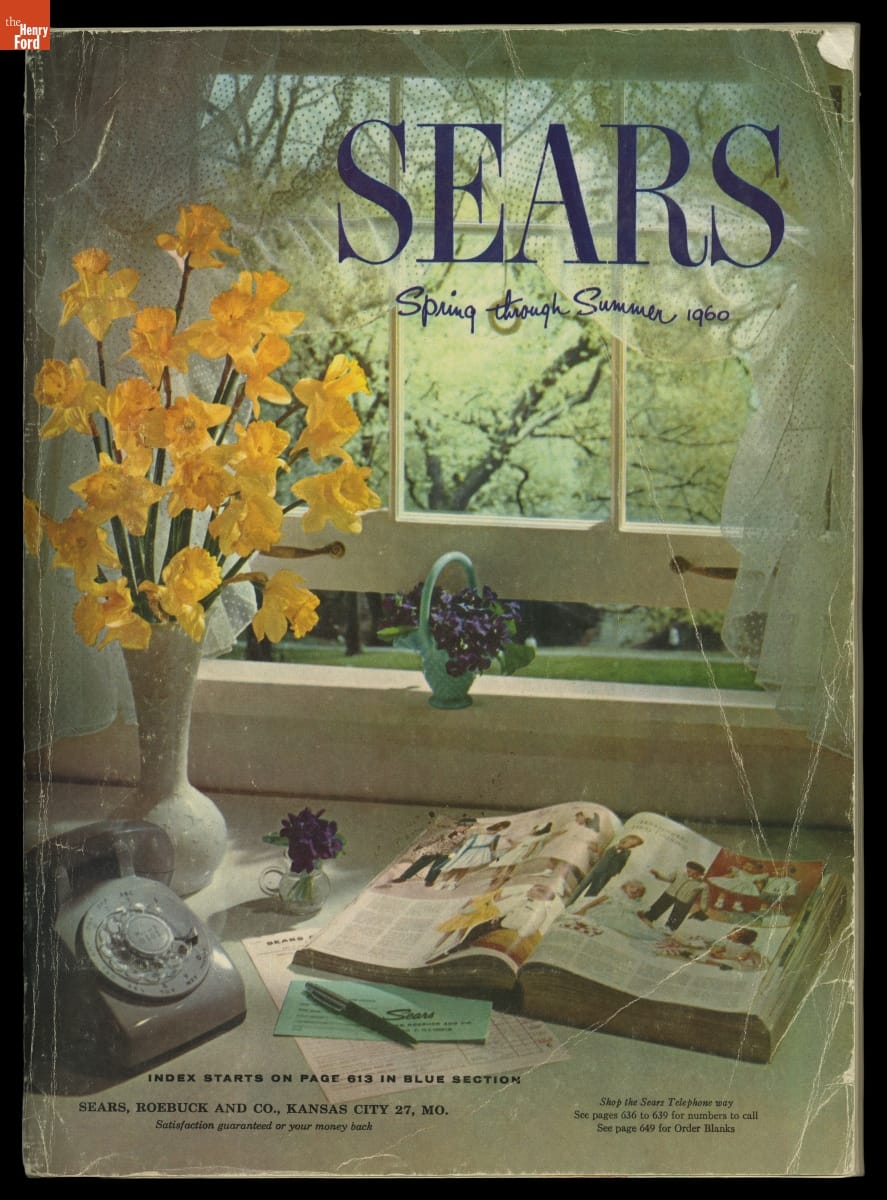
- Sears Catalog, Spring through Summer 1960 -
- 1960
- Collections - Artifact
Sears Catalog, Spring through Summer 1960
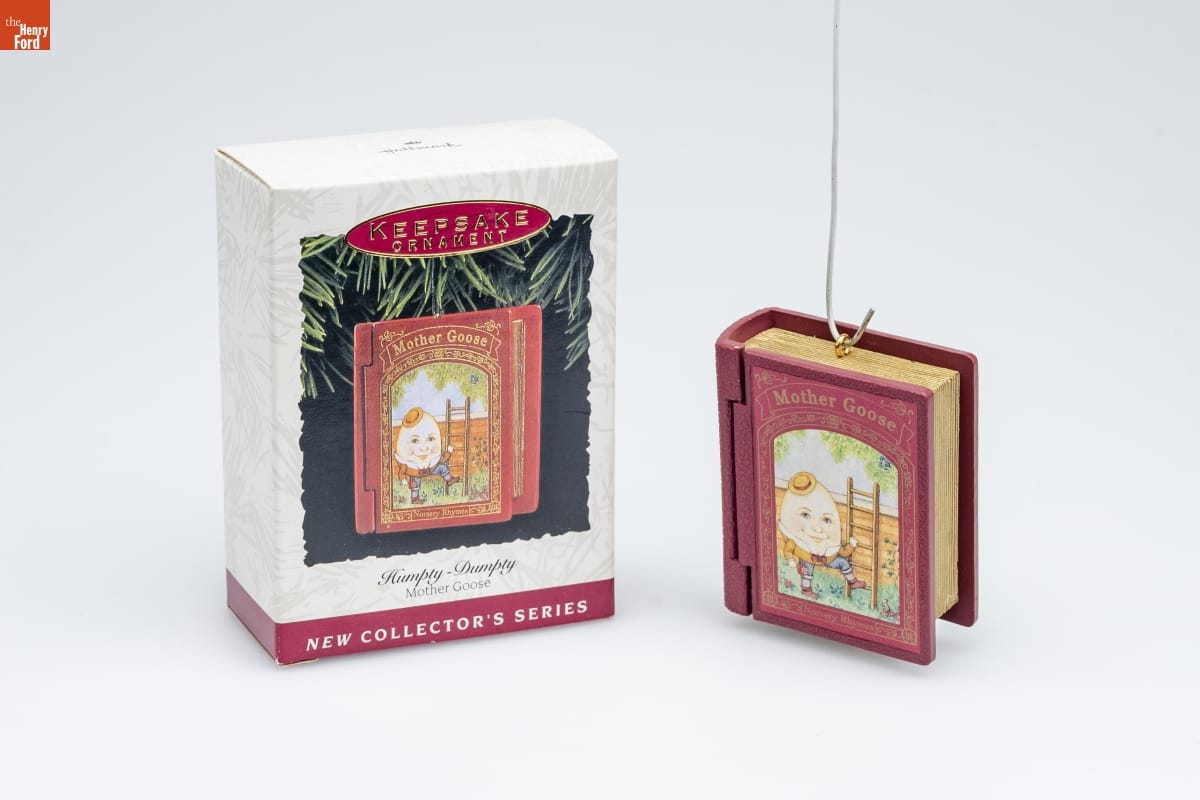
- Hallmark "Mother Goose Series: Humpty-Dumpty" Christmas Ornament, 1993 - Already known for greeting cards, Hallmark introduced a line of Christmas ornaments in 1973. The company's annual release of an increasing array of ornaments revolutionized Christmas decorating, appealing to customers' interest in marking memories and milestones as well as expressing one's personality and unique tastes.
- 1993
- Collections - Artifact
Hallmark "Mother Goose Series: Humpty-Dumpty" Christmas Ornament, 1993
Already known for greeting cards, Hallmark introduced a line of Christmas ornaments in 1973. The company's annual release of an increasing array of ornaments revolutionized Christmas decorating, appealing to customers' interest in marking memories and milestones as well as expressing one's personality and unique tastes.
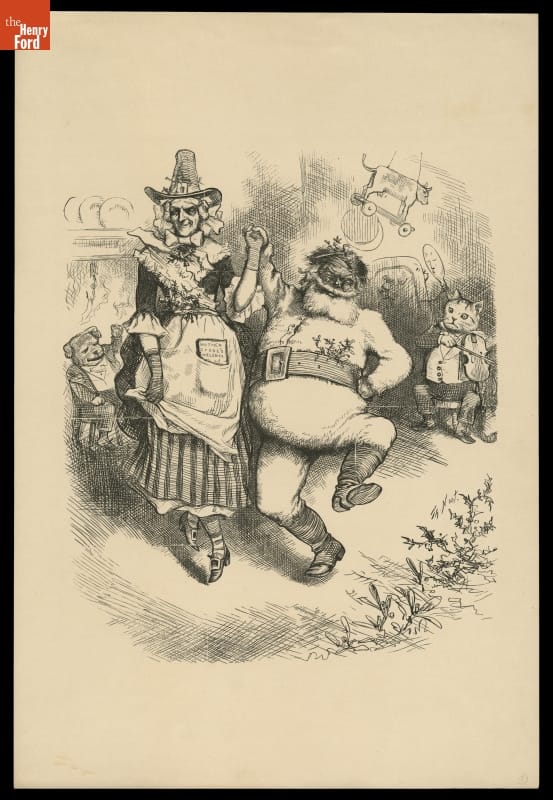
- Etching Proof from a Thomas Nast Christmas Drawing, circa 1880 - Thomas Nast is best known for the creation of our modern image of Santa Claus. Nast's late 19th-century illustrations popularized the depiction of a rotund, bearded, fur-clad Santa in Americans' imaginations. His drawings not only defined Santa's appearance, but also enhanced other symbols, traditions and events now associated with Christmas and the holiday's jolly old elf.
- circa 1880
- Collections - Artifact
Etching Proof from a Thomas Nast Christmas Drawing, circa 1880
Thomas Nast is best known for the creation of our modern image of Santa Claus. Nast's late 19th-century illustrations popularized the depiction of a rotund, bearded, fur-clad Santa in Americans' imaginations. His drawings not only defined Santa's appearance, but also enhanced other symbols, traditions and events now associated with Christmas and the holiday's jolly old elf.
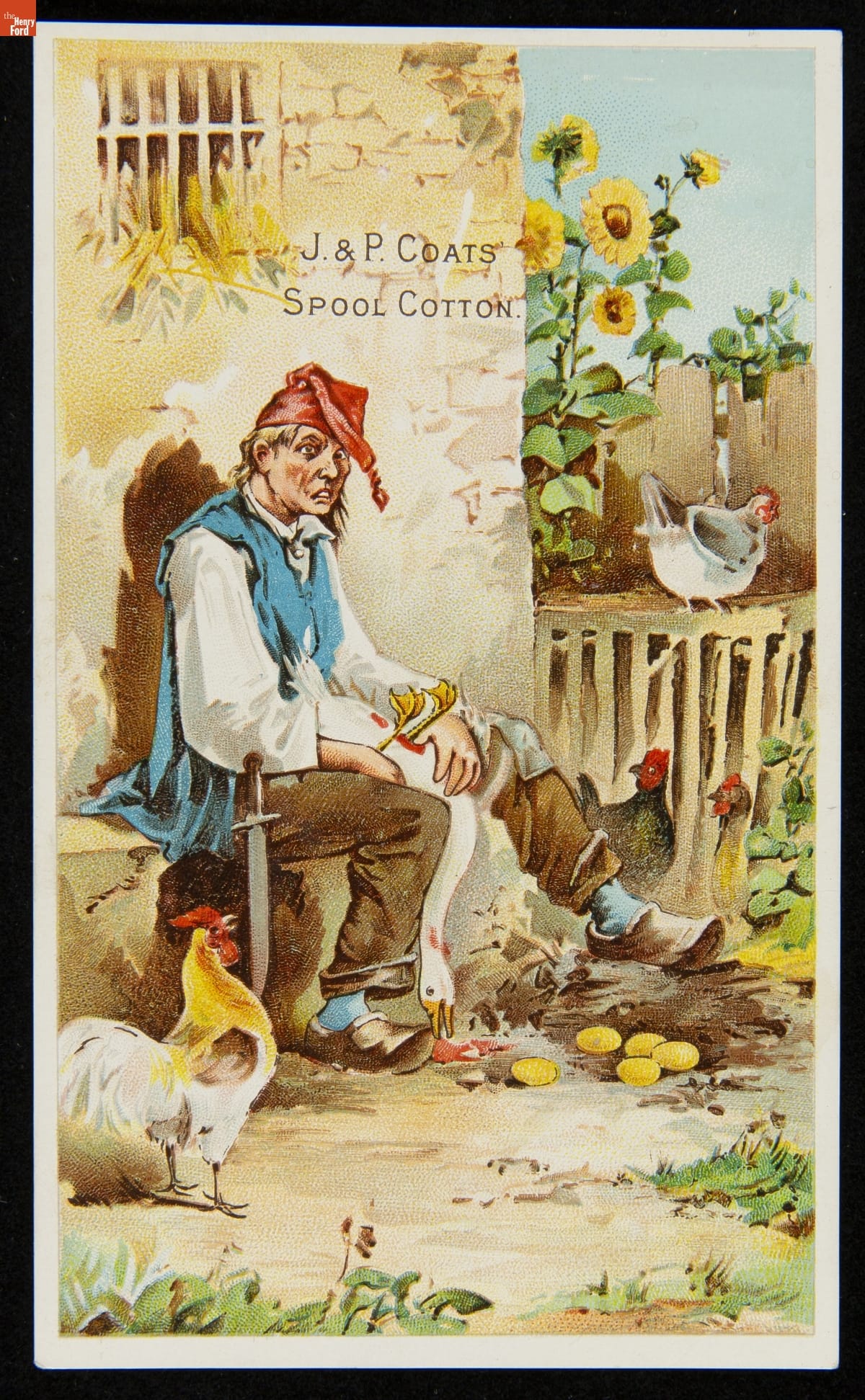
- Trade Card for Spool Cotton, J. & P. Coats, 1880-1900 - As color printing gained momentum in the late 19th century, trade cards became a major means of advertising goods and services. Americans enjoyed and often saved the little advertisements found in product packages or distributed by local merchants. This trade card advertises Spool Cotton Sewing Thread from J. & P. Coats Company.
- 1880-1900
- Collections - Artifact
Trade Card for Spool Cotton, J. & P. Coats, 1880-1900
As color printing gained momentum in the late 19th century, trade cards became a major means of advertising goods and services. Americans enjoyed and often saved the little advertisements found in product packages or distributed by local merchants. This trade card advertises Spool Cotton Sewing Thread from J. & P. Coats Company.
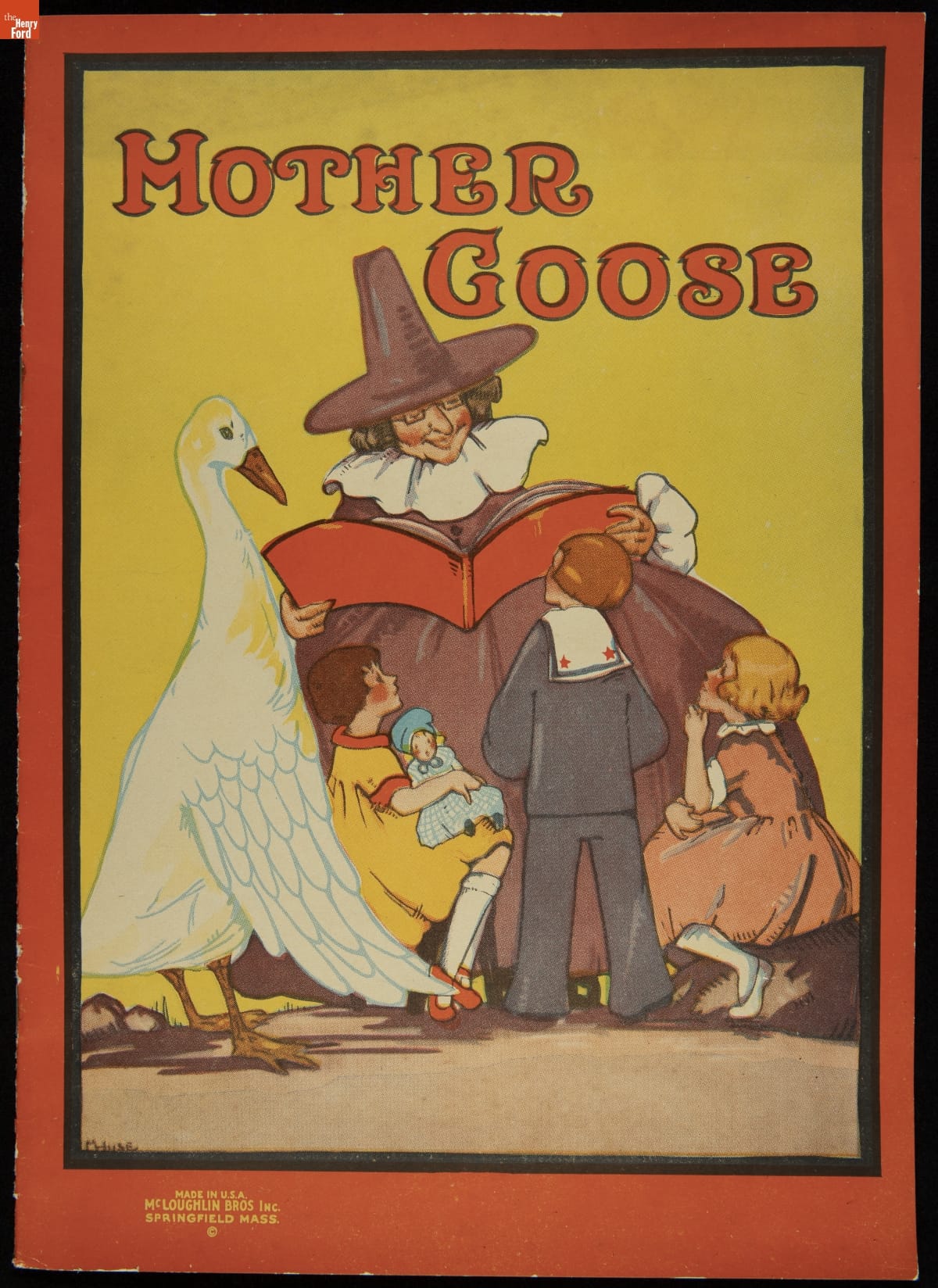
- Mother Goose Rhymes, 1920-1940 - Leading game manufacturer Milton Bradley acquired the McLoughlin Bros. publishing firm, known for its pioneering use of color printing technologies, in 1920. The company continued publishing books -- including this perennial children's favorite, "Mother Goose" -- and other products through its McLoughlin division into the 1940s.
- 1920-1940
- Collections - Artifact
Mother Goose Rhymes, 1920-1940
Leading game manufacturer Milton Bradley acquired the McLoughlin Bros. publishing firm, known for its pioneering use of color printing technologies, in 1920. The company continued publishing books -- including this perennial children's favorite, "Mother Goose" -- and other products through its McLoughlin division into the 1940s.
- Trade Card for Dolly Madison Bread, 1922 - In the last third of the nineteenth century, American consumers could choose from an unprecedented variety of goods and services. Seeking to distinguish certain products and businesses from the competition, advertisers began to print and distribute trade cards. Though the popularity of these cards diminished after 1900, some companies employed the informative, often vibrant little advertisements well into the twentieth century.
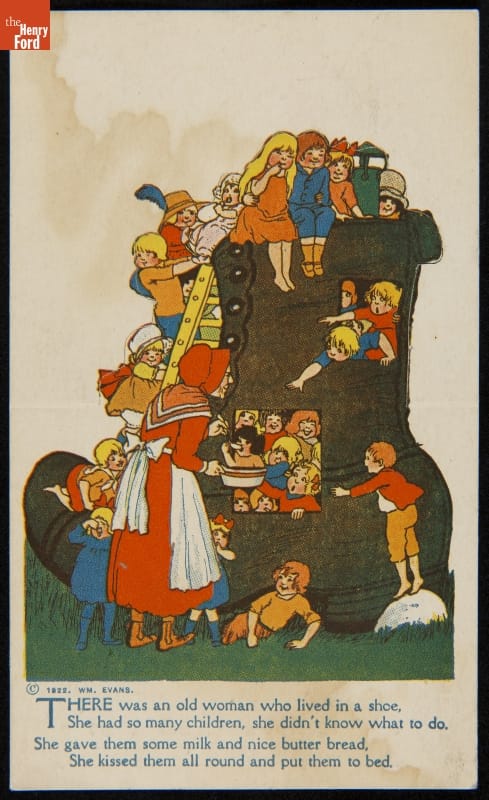
- 1922
- Collections - Artifact
Trade Card for Dolly Madison Bread, 1922
In the last third of the nineteenth century, American consumers could choose from an unprecedented variety of goods and services. Seeking to distinguish certain products and businesses from the competition, advertisers began to print and distribute trade cards. Though the popularity of these cards diminished after 1900, some companies employed the informative, often vibrant little advertisements well into the twentieth century.
- Trade Card for Dolly Madison Bread, 1922 -
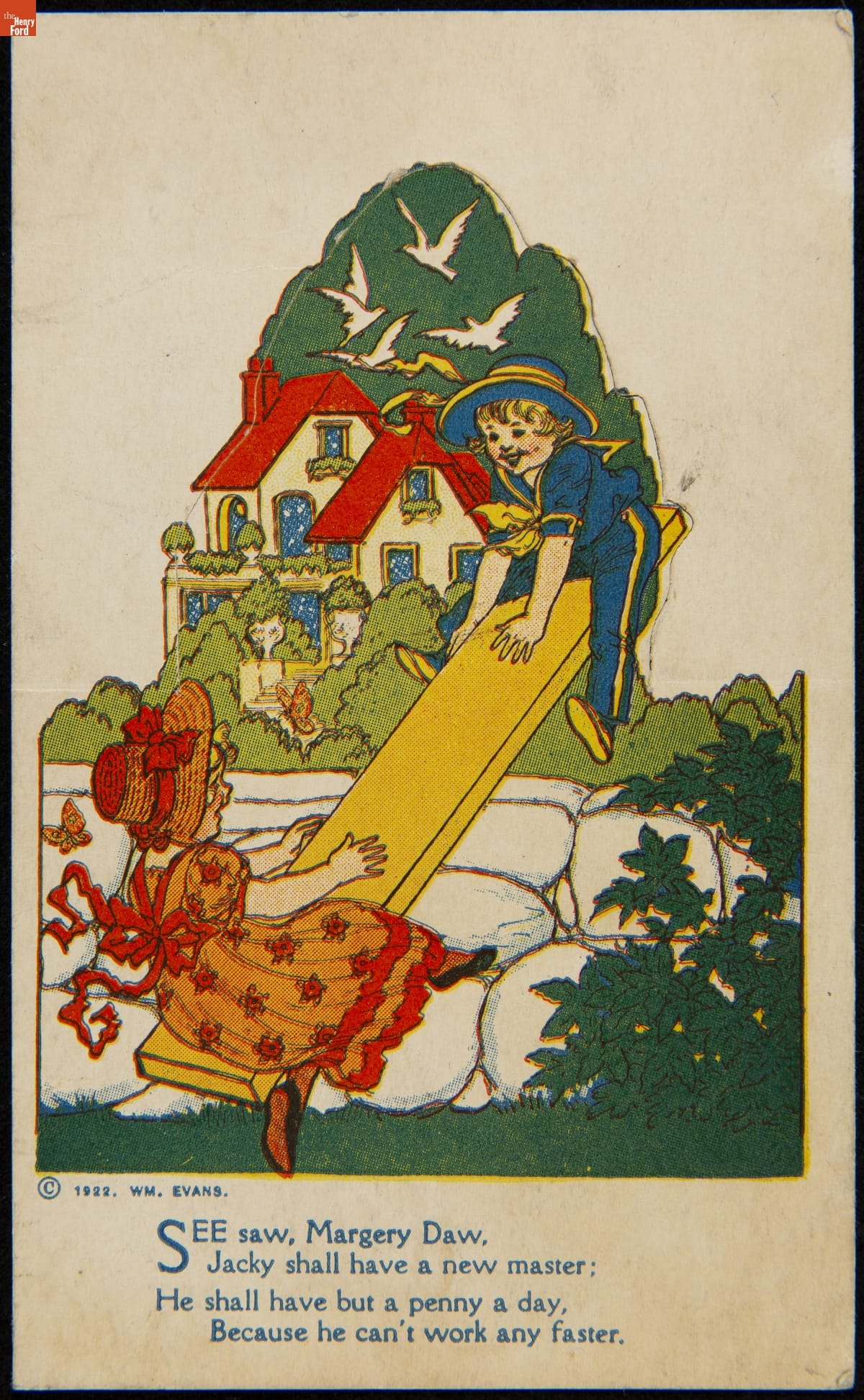
- 1922
- Collections - Artifact
Trade Card for Dolly Madison Bread, 1922