
Search
- Alcohol Fuel Experimental Equipment, Henry Ford and Son Laboratories, Dearborn, Michigan, 1919 -
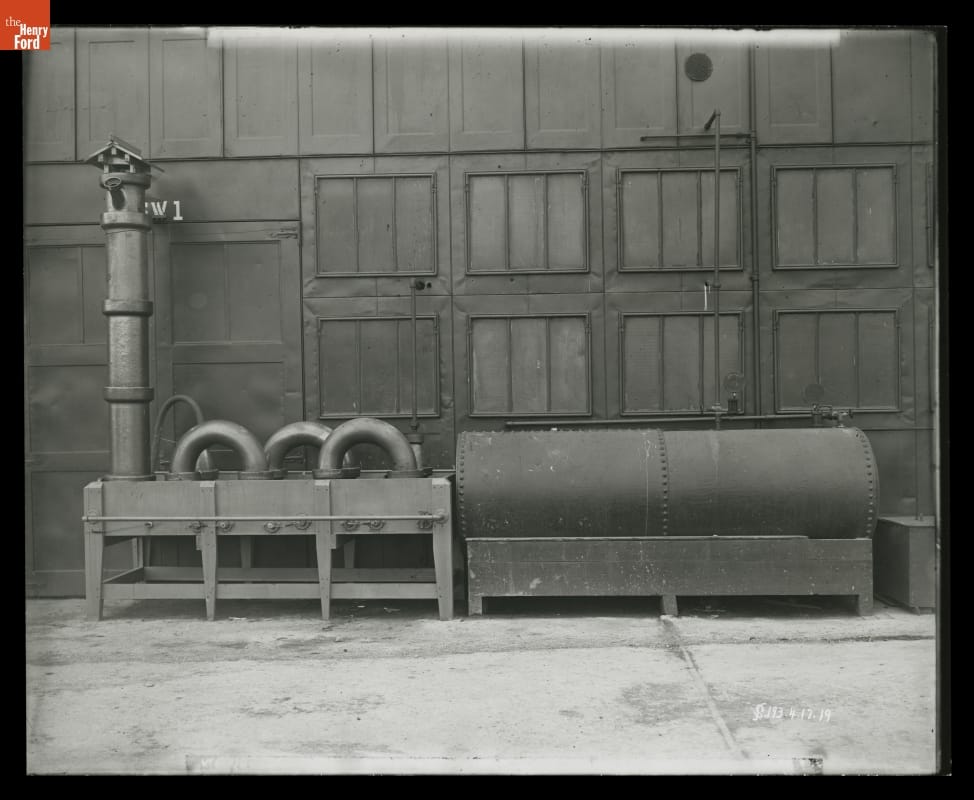
- April 17, 1919
- Collections - Artifact
Alcohol Fuel Experimental Equipment, Henry Ford and Son Laboratories, Dearborn, Michigan, 1919
- Alcohol Fuel Experimental Equipment, Henry Ford and Son Laboratories, Dearborn, Michigan, 1919 -
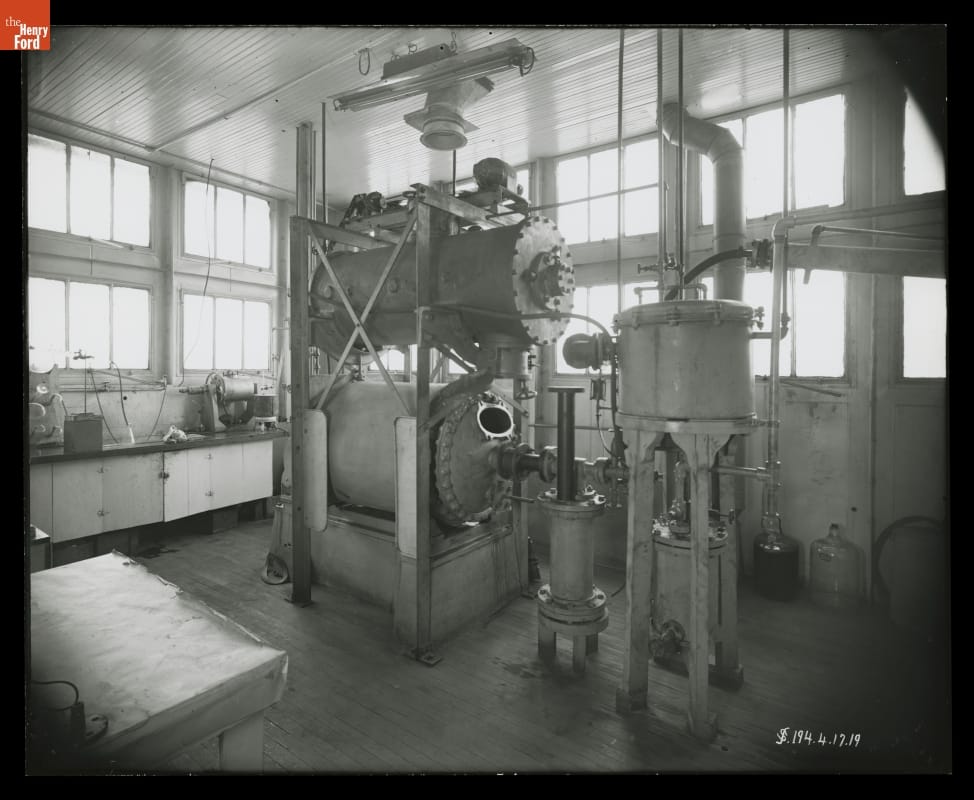
- April 17, 1919
- Collections - Artifact
Alcohol Fuel Experimental Equipment, Henry Ford and Son Laboratories, Dearborn, Michigan, 1919
- Notebook, Henry Ford and Son Laboratories Alcohol Fuel Research, "Gasoline Notes," 1916 -
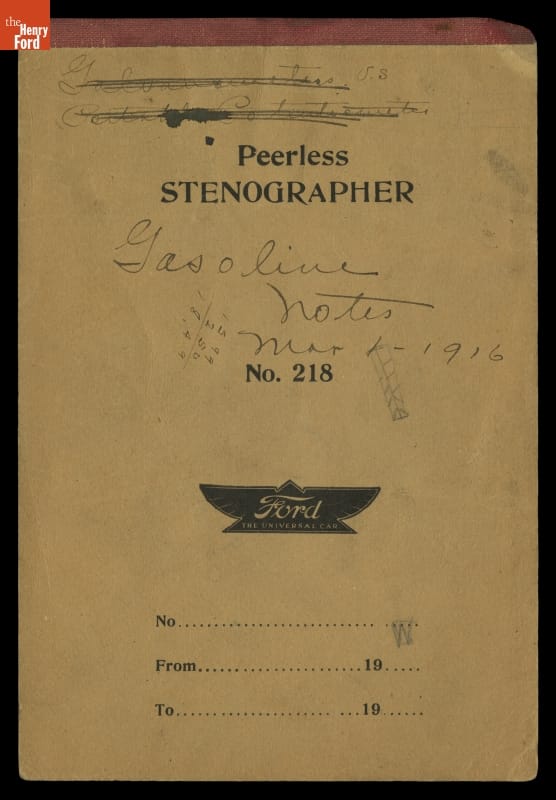
- 01 March 1916-26 June 1916
- Collections - Artifact
Notebook, Henry Ford and Son Laboratories Alcohol Fuel Research, "Gasoline Notes," 1916
- Card for "White's Kerosene Vaporizer, Applied to Model T Ford," 1916-1917 - Ford Model T owners could purchase this aftermarket vaporizer from inventor Lewis B. White. The device allowed the car's engine to run on kerosene which, at the time, was less expensive than gasoline. The device used heat from the engine's exhaust gases to vaporize the kerosene.
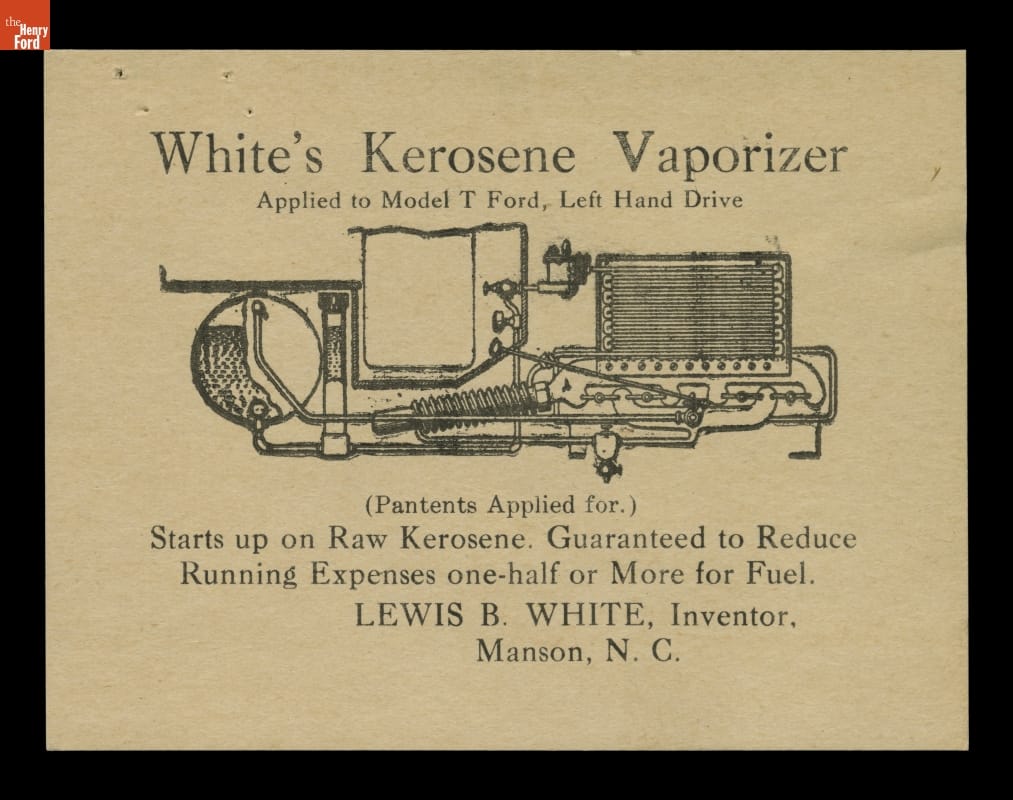
- 1916-1917
- Collections - Artifact
Card for "White's Kerosene Vaporizer, Applied to Model T Ford," 1916-1917
Ford Model T owners could purchase this aftermarket vaporizer from inventor Lewis B. White. The device allowed the car's engine to run on kerosene which, at the time, was less expensive than gasoline. The device used heat from the engine's exhaust gases to vaporize the kerosene.
- Midgley Indicator, circa 1922 - In the early 1920s, engineer Thomas Midgley worked with General Motors research head Charles Kettering to reduce engine knocks caused by uneven burning of gasoline in automobile engines. Midgley developed this indicator to measure engine cylinder pressure. The device recorded its readings on photosensitive paper. Midgley and Kettering ultimately discovered that adding tetraethyl lead to gasoline prevented knocks.
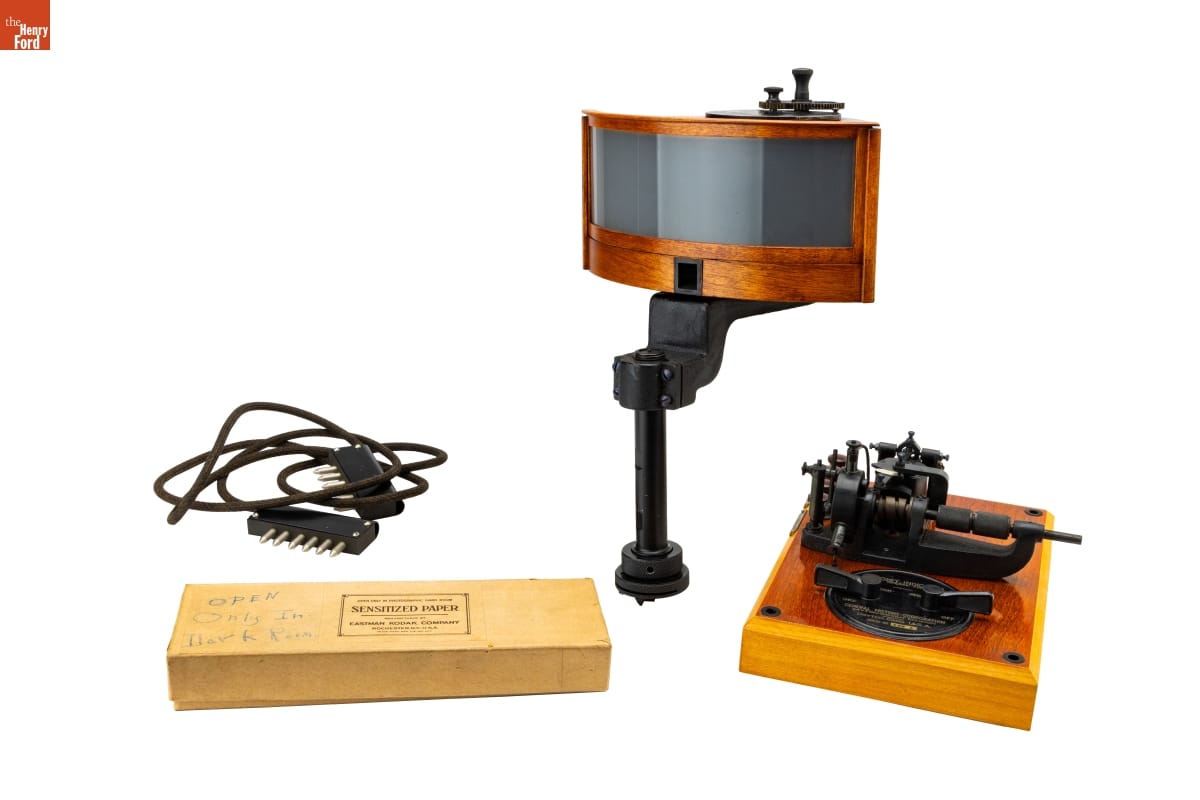
- circa 1922
- Collections - Artifact
Midgley Indicator, circa 1922
In the early 1920s, engineer Thomas Midgley worked with General Motors research head Charles Kettering to reduce engine knocks caused by uneven burning of gasoline in automobile engines. Midgley developed this indicator to measure engine cylinder pressure. The device recorded its readings on photosensitive paper. Midgley and Kettering ultimately discovered that adding tetraethyl lead to gasoline prevented knocks.
- Alcohol Fuel Experimental Equipment, Henry Ford and Son Laboratories, Dearborn, Michigan, 1919 -
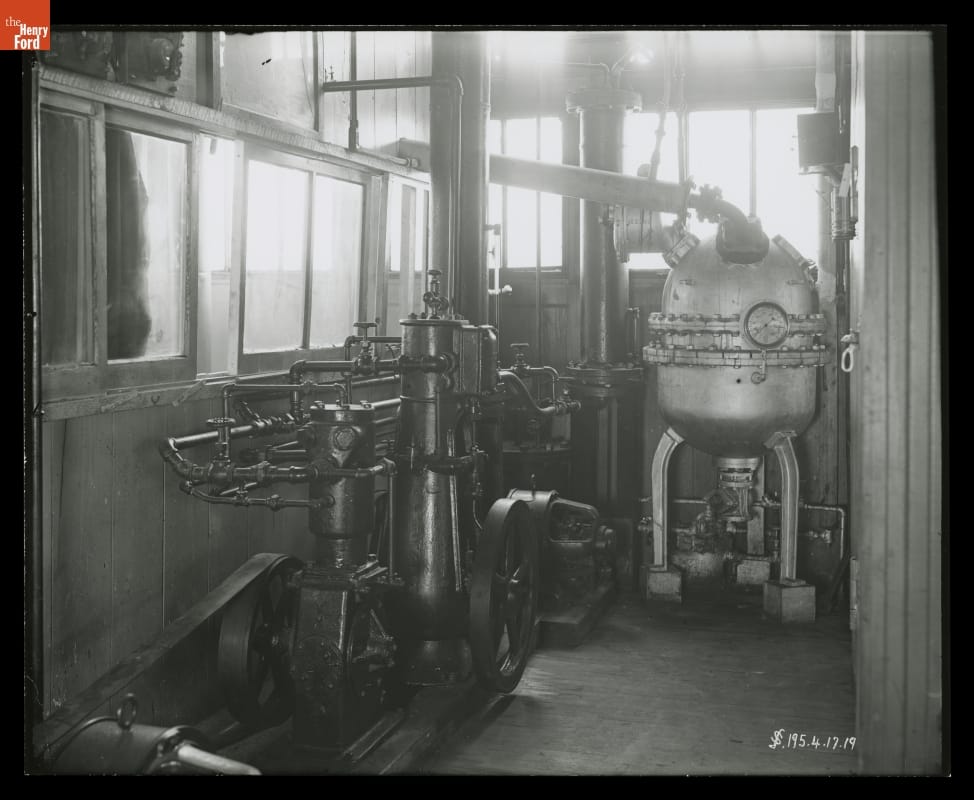
- April 17, 1919
- Collections - Artifact
Alcohol Fuel Experimental Equipment, Henry Ford and Son Laboratories, Dearborn, Michigan, 1919