
Search
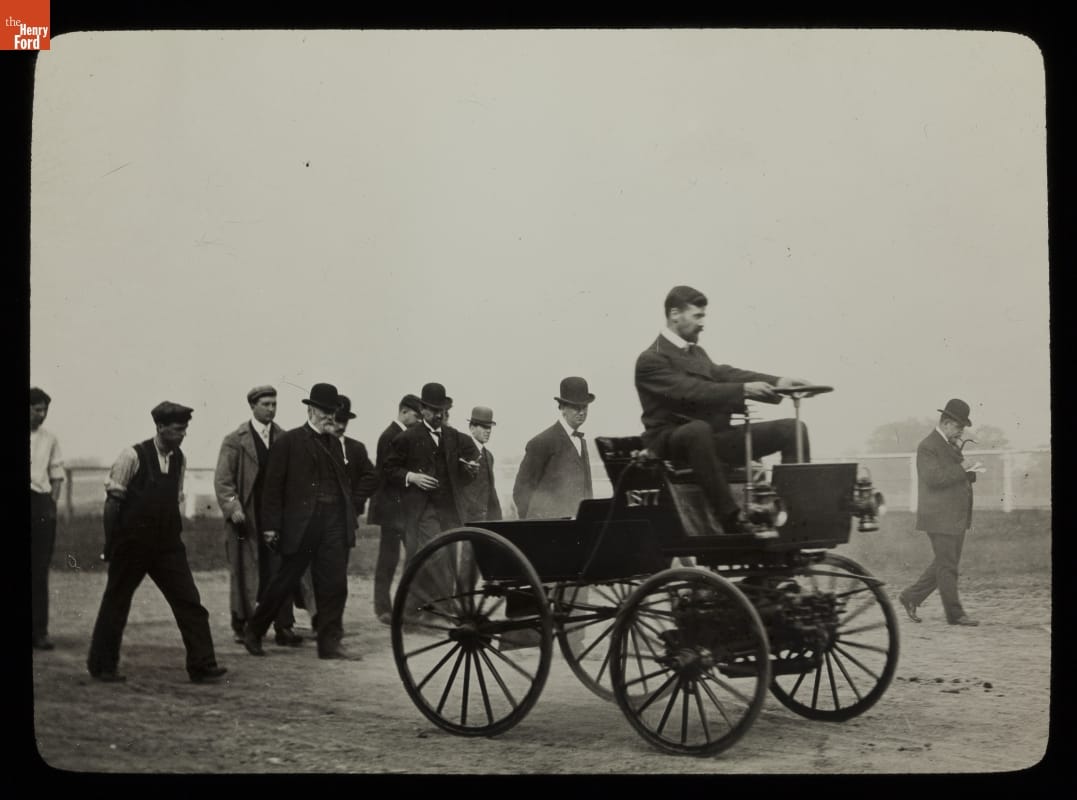
- Driving the Selden Motor Buggy during the Selden Patent Suit - George Selden conceived -- but didn't build -- a self-propelled gasoline-powered vehicle in 1877 and patented the idea in 1895. The Association of Licensed Automobile Manufacturers enforced Selden's patent, but Henry Ford fought ALAM in court. This car was completed for Selden in 1907 as evidence for the legal battle. Ford ultimately won, freeing himself and other automakers from paying royalties to ALAM.
- 1907-1911
- Collections - Artifact
Driving the Selden Motor Buggy during the Selden Patent Suit
George Selden conceived -- but didn't build -- a self-propelled gasoline-powered vehicle in 1877 and patented the idea in 1895. The Association of Licensed Automobile Manufacturers enforced Selden's patent, but Henry Ford fought ALAM in court. This car was completed for Selden in 1907 as evidence for the legal battle. Ford ultimately won, freeing himself and other automakers from paying royalties to ALAM.
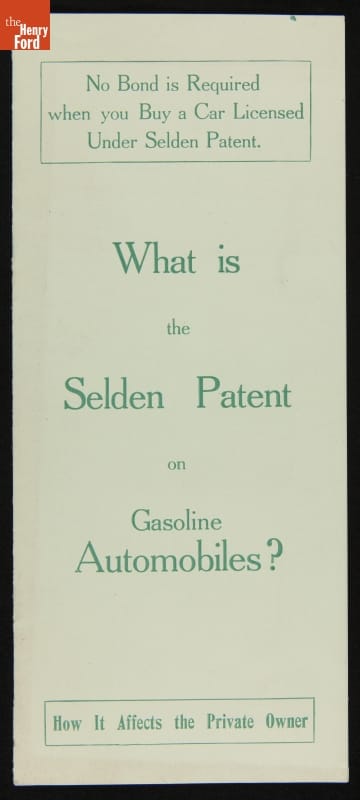
- "What is the Selden Patent on Gasoline Automobiles?," 1910 - The Association of Licensed Automobile Manufacturers believed that George Selden's 1895 patent covered any and all internal combustion automobiles. When Henry Ford refused to pay ALAM's requested royalties, the organization took him to court. After a lengthy legal battle, the U.S. Court of Appeals found in Ford's favor in 1911. Automakers were freed from patent fees and Ford became a folk hero.
- April 12, 1910
- Collections - Artifact
"What is the Selden Patent on Gasoline Automobiles?," 1910
The Association of Licensed Automobile Manufacturers believed that George Selden's 1895 patent covered any and all internal combustion automobiles. When Henry Ford refused to pay ALAM's requested royalties, the organization took him to court. After a lengthy legal battle, the U.S. Court of Appeals found in Ford's favor in 1911. Automakers were freed from patent fees and Ford became a folk hero.
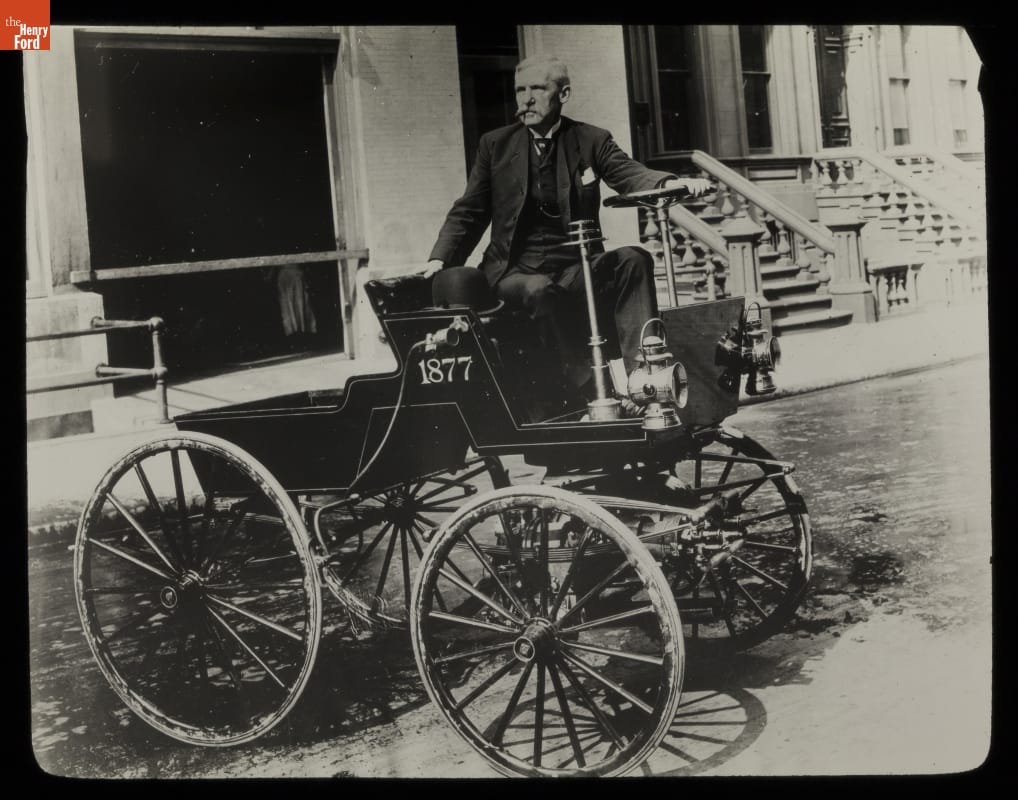
- George Selden with the 1907 Selden Motor Buggy during the Selden Patent Suit - George Selden conceived -- but didn't build -- a self-propelled gasoline-powered vehicle in 1877 and patented the idea in 1895. The Association of Licensed Automobile Manufacturers enforced Selden's patent, but Henry Ford fought ALAM in court. This car was completed for Selden in 1907 as evidence for the legal battle. Ford ultimately won, freeing himself and other automakers from paying royalties to ALAM.
- 1907-1911
- Collections - Artifact
George Selden with the 1907 Selden Motor Buggy during the Selden Patent Suit
George Selden conceived -- but didn't build -- a self-propelled gasoline-powered vehicle in 1877 and patented the idea in 1895. The Association of Licensed Automobile Manufacturers enforced Selden's patent, but Henry Ford fought ALAM in court. This car was completed for Selden in 1907 as evidence for the legal battle. Ford ultimately won, freeing himself and other automakers from paying royalties to ALAM.
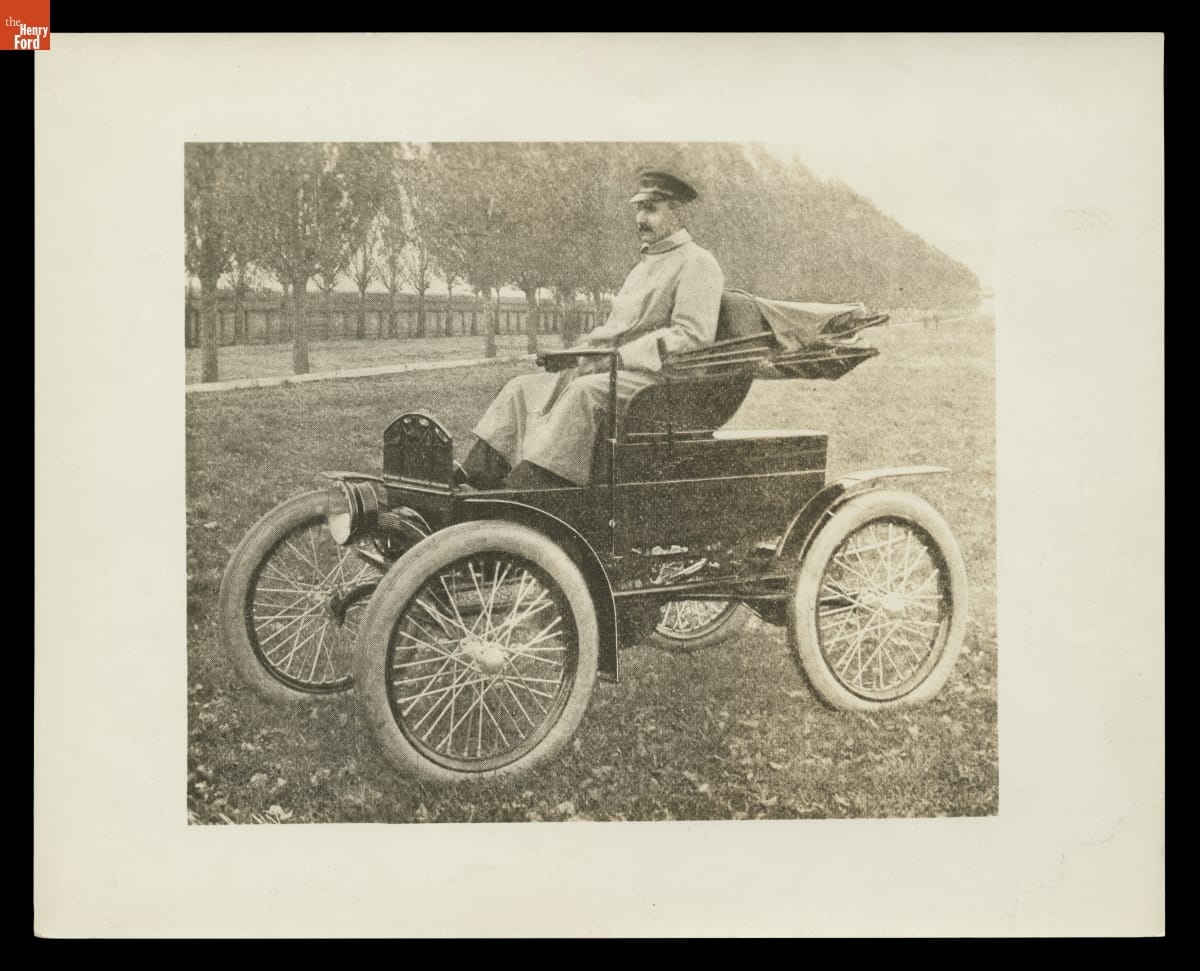
- Baker Electric Automobile, 1900 - Walter C. Baker and F. Philip Dorn co-founded Baker Motor Vehicle Company in Cleveland, Ohio, in 1899. From the start, the company specialized in electric vehicles. The electric runabout in this photo was priced at $850. Baker production continued until 1916, by which time gasoline-powered vehicles with internal combustion engines were dominating the market.
- circa 1901
- Collections - Artifact
Baker Electric Automobile, 1900
Walter C. Baker and F. Philip Dorn co-founded Baker Motor Vehicle Company in Cleveland, Ohio, in 1899. From the start, the company specialized in electric vehicles. The electric runabout in this photo was priced at $850. Baker production continued until 1916, by which time gasoline-powered vehicles with internal combustion engines were dominating the market.
- Man and Woman Wearing Motoring Clothing, Possibly for Motorcycle Riding, circa 1915 -
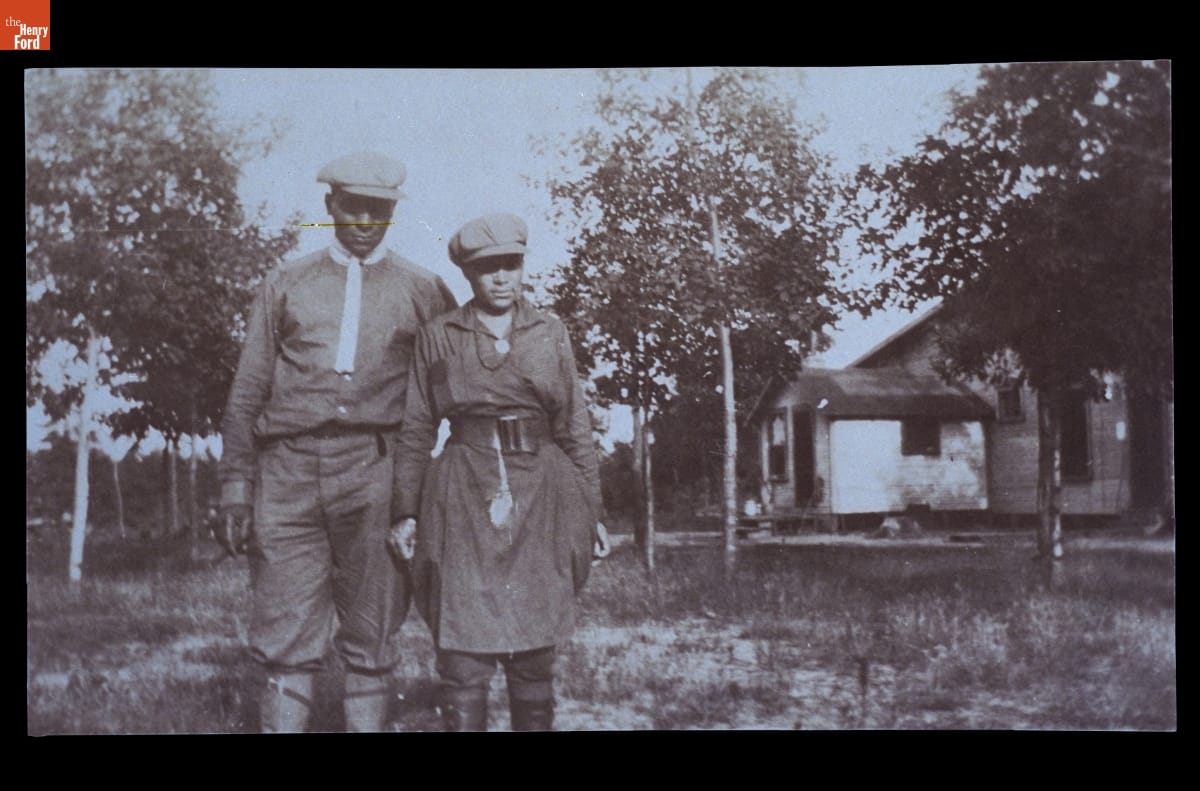
- circa 1915
- Collections - Artifact
Man and Woman Wearing Motoring Clothing, Possibly for Motorcycle Riding, circa 1915
- Sales Catalog for Baker Electric Shaft Driven Automobiles, 1911 - The Baker Motor Vehicle Company produced this elaborately folded catalog to tout the quality of its electric vehicles. The company praised their automobile's modern shaft drive, its all-around efficiency, and its safety, comfort and low cost of operation. By mid-decade, however, sales of "electrics" were in decline. Gasoline-powered vehicles with internal combustion engines were dominating the market.
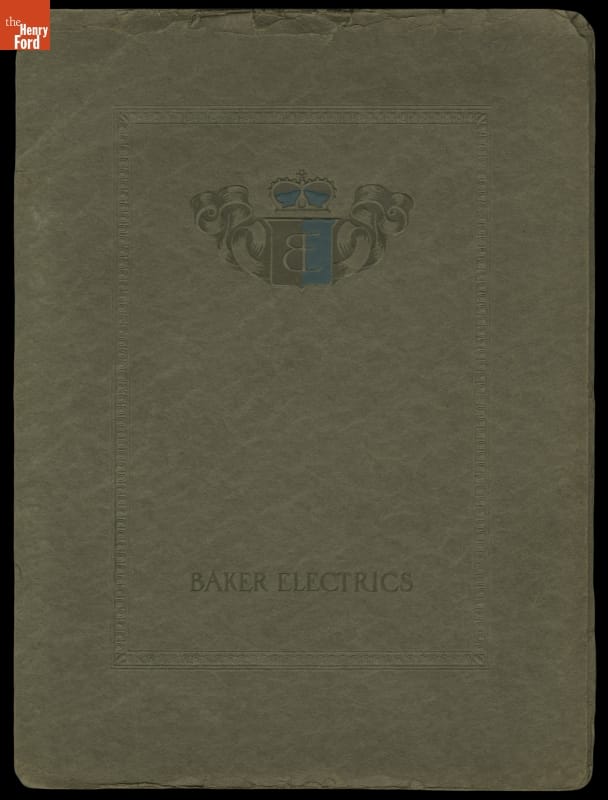
- 1911
- Collections - Artifact
Sales Catalog for Baker Electric Shaft Driven Automobiles, 1911
The Baker Motor Vehicle Company produced this elaborately folded catalog to tout the quality of its electric vehicles. The company praised their automobile's modern shaft drive, its all-around efficiency, and its safety, comfort and low cost of operation. By mid-decade, however, sales of "electrics" were in decline. Gasoline-powered vehicles with internal combustion engines were dominating the market.
- Baker Electric "Torpedo Kid" Race Car, 1903 - Walter Baker, co-founder of Baker Motor Vehicle Company, promoted his electric production cars with a series of streamlined electric race cars each called "Torpedo Kid." In a land speed run at Ormond Beach, Florida, one of Baker's racers covered a mile in 56 seconds, which translated to a speed of more than 60 miles per hour.
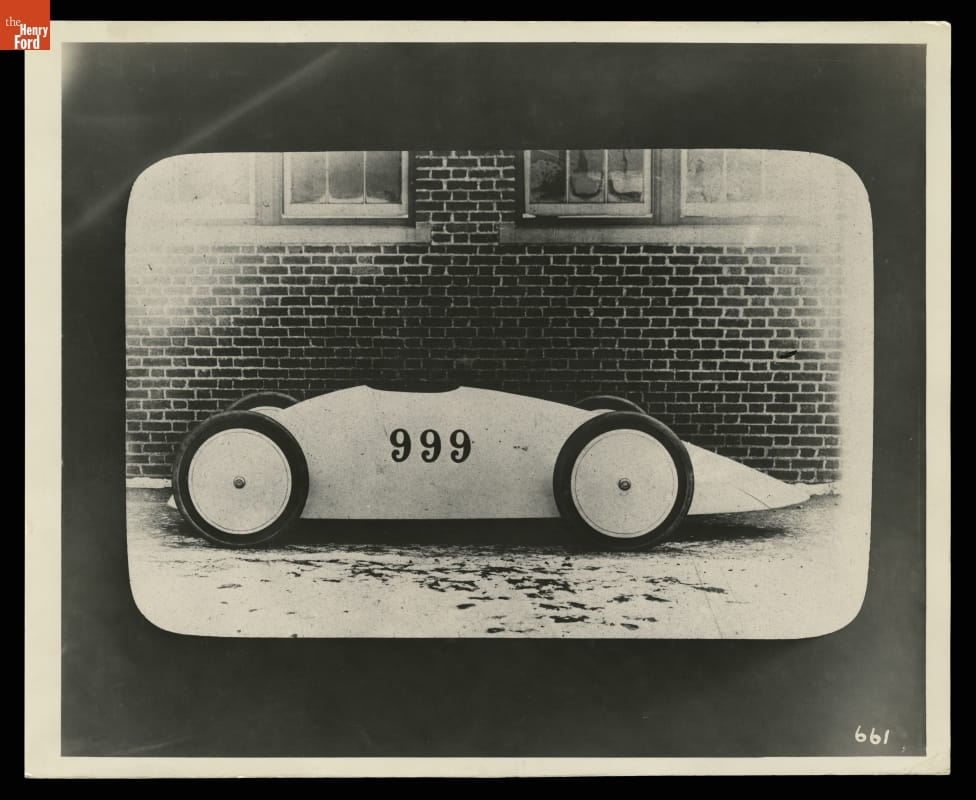
- 1903
- Collections - Artifact
Baker Electric "Torpedo Kid" Race Car, 1903
Walter Baker, co-founder of Baker Motor Vehicle Company, promoted his electric production cars with a series of streamlined electric race cars each called "Torpedo Kid." In a land speed run at Ormond Beach, Florida, one of Baker's racers covered a mile in 56 seconds, which translated to a speed of more than 60 miles per hour.
- George Selden with the 1907 Selden Motor Buggy during the Selden Patent Suit - George Selden conceived -- but didn't build -- a self-propelled gasoline-powered vehicle in 1877 and patented the idea in 1895. The Association of Licensed Automobile Manufacturers enforced Selden's patent, but Henry Ford fought ALAM in court. This car was completed for Selden in 1907 as evidence for the legal battle. Ford ultimately won, freeing himself and other automakers from paying royalties to ALAM.
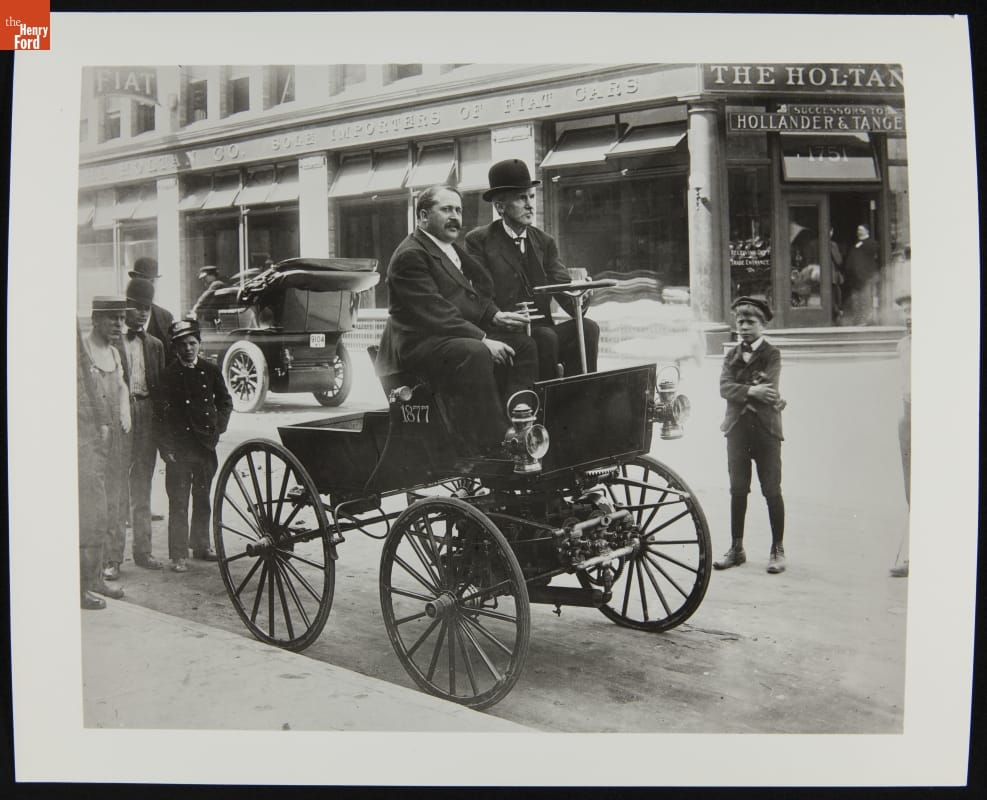
- 1907-1911
- Collections - Artifact
George Selden with the 1907 Selden Motor Buggy during the Selden Patent Suit
George Selden conceived -- but didn't build -- a self-propelled gasoline-powered vehicle in 1877 and patented the idea in 1895. The Association of Licensed Automobile Manufacturers enforced Selden's patent, but Henry Ford fought ALAM in court. This car was completed for Selden in 1907 as evidence for the legal battle. Ford ultimately won, freeing himself and other automakers from paying royalties to ALAM.
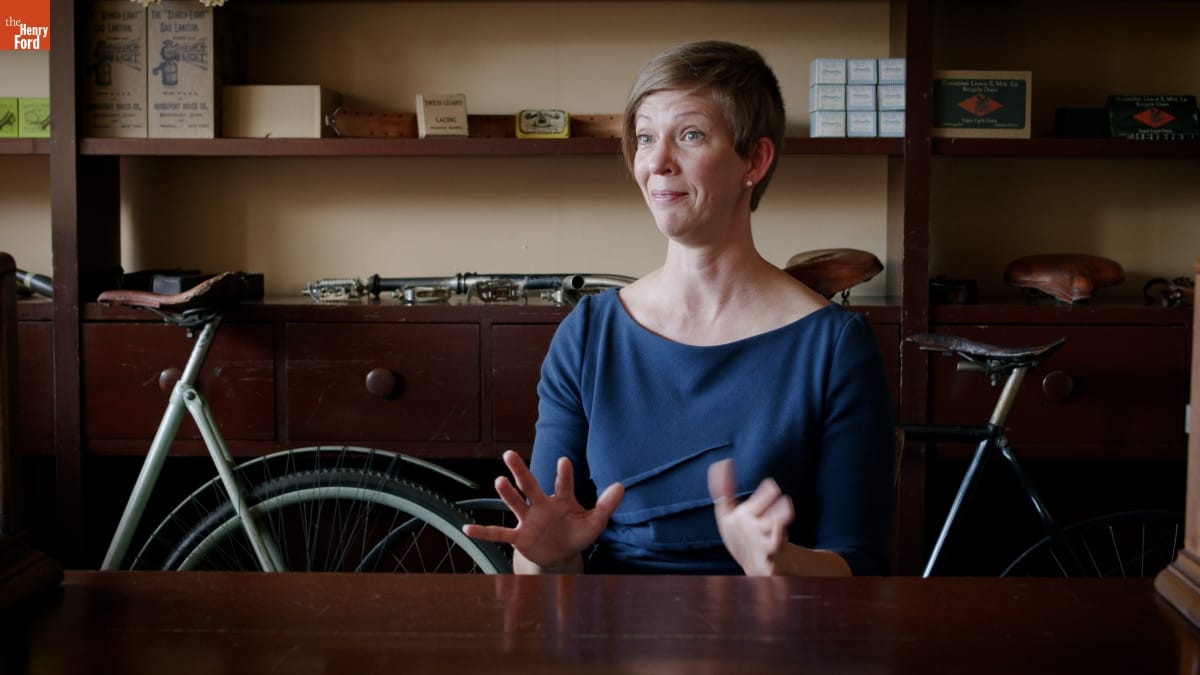
- "The Henry Ford's Collections," Clip for Interview with Jessica Robinson, August 28, 2020 - Jessica Robinson, co-founder of Detroit Mobility Lab, Michigan Mobility Institute, and Assembly Ventures, was the Spring 2020 Entrepreneur-in-Residence at The Henry Ford, funded by the William Davidson Foundation Initiative for Entrepreneurship. During her interview, Robinson describes how her organizations -- and her residency projects -- encourage technological education in the midst of dramatic new transportation technologies.
- August 28, 2020
- Collections - Artifact
"The Henry Ford's Collections," Clip for Interview with Jessica Robinson, August 28, 2020
Jessica Robinson, co-founder of Detroit Mobility Lab, Michigan Mobility Institute, and Assembly Ventures, was the Spring 2020 Entrepreneur-in-Residence at The Henry Ford, funded by the William Davidson Foundation Initiative for Entrepreneurship. During her interview, Robinson describes how her organizations -- and her residency projects -- encourage technological education in the midst of dramatic new transportation technologies.
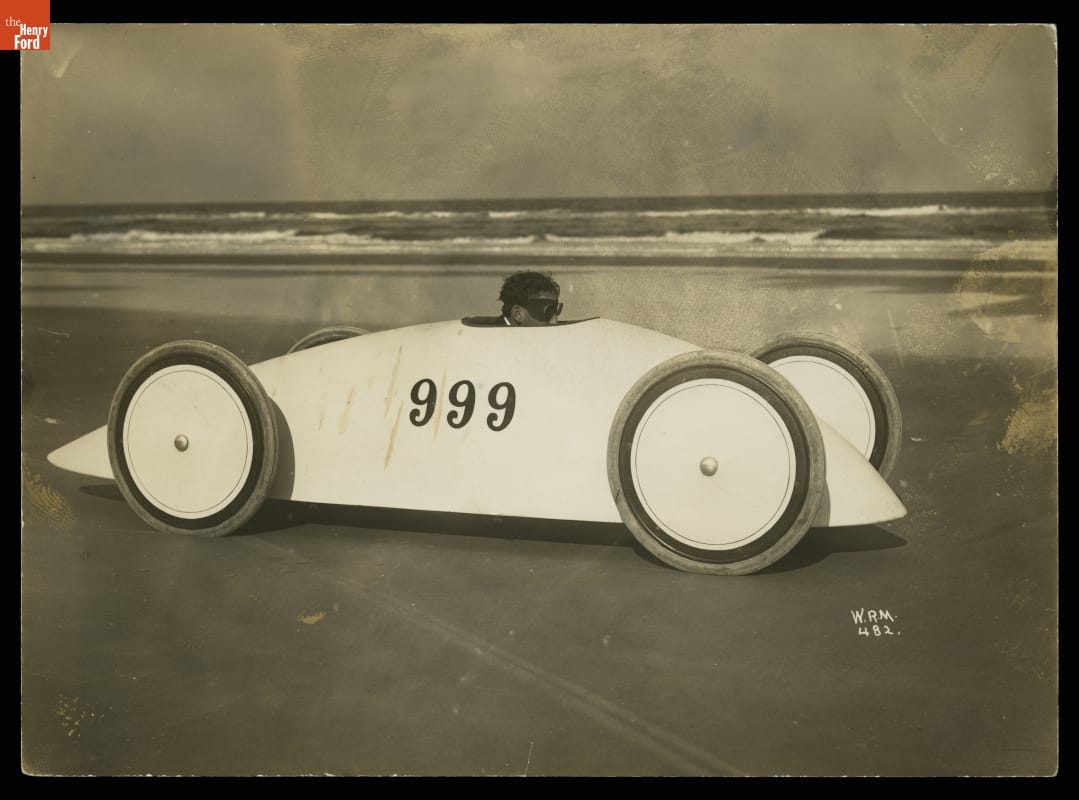
- Baker Electric "Torpedo Kid" Race Car, 1904 - Walter Baker, co-founder of Baker Motor Vehicle Company, promoted his electric production cars with a series of streamlined electric race cars each called "Torpedo Kid." In a land speed run at Ormond Beach, Florida, one of Baker's racers covered a mile in 56 seconds, which translated to a speed of more than 60 miles per hour.
- 1904
- Collections - Artifact
Baker Electric "Torpedo Kid" Race Car, 1904
Walter Baker, co-founder of Baker Motor Vehicle Company, promoted his electric production cars with a series of streamlined electric race cars each called "Torpedo Kid." In a land speed run at Ormond Beach, Florida, one of Baker's racers covered a mile in 56 seconds, which translated to a speed of more than 60 miles per hour.