
Search
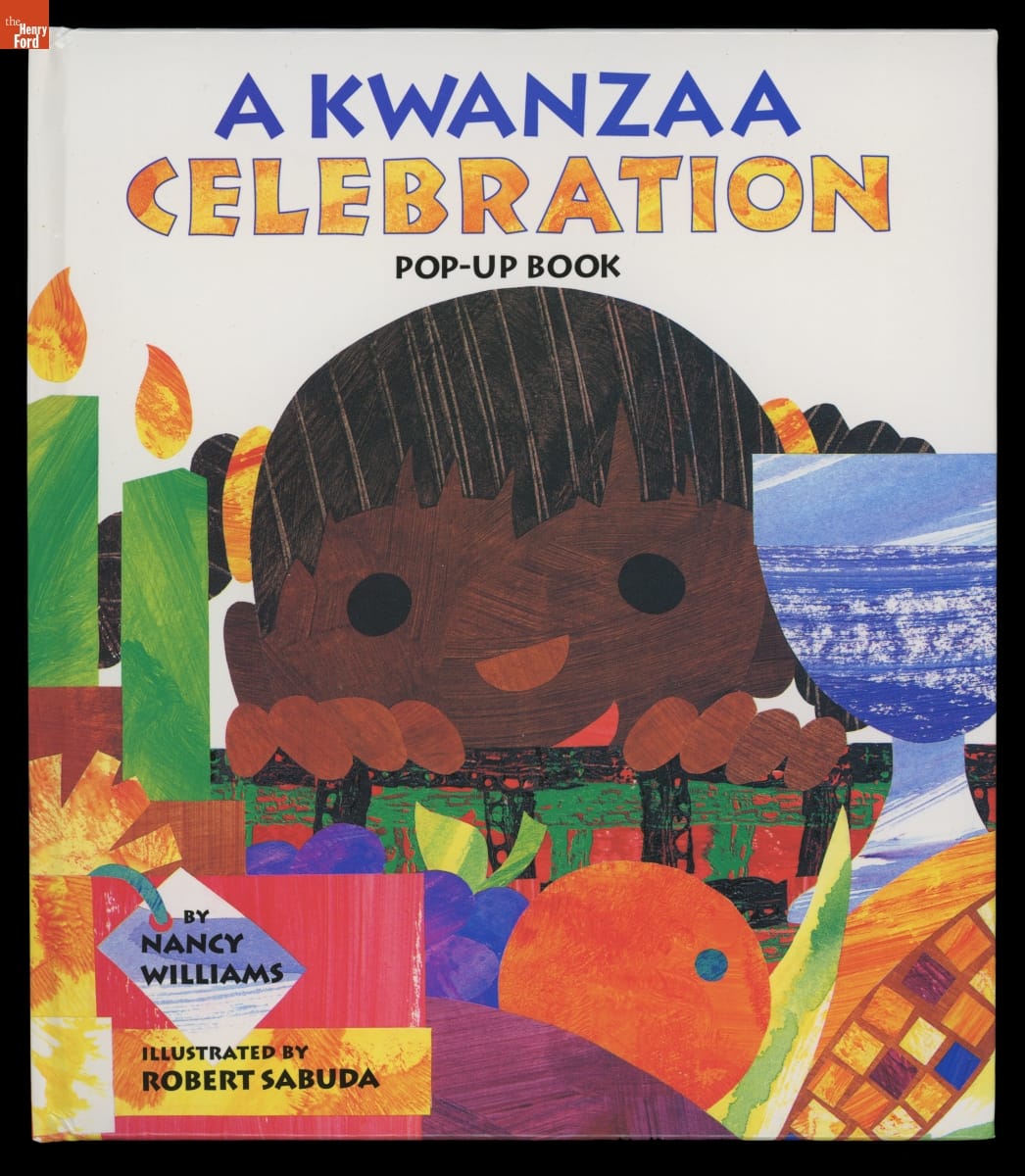
- "A Kwanzaa Celebration Pop-Up Book," 1995 - Kwanzaa is a holiday based on ancient African harvest traditions celebrating the bounty of the first fruits and is focused on seven core African values which emphasize the connection between the individual and the community. First celebrated in the United States when activist and professor of African Studies Maulana Karenga created the holiday in 1966, Kwanzaa has since spread to other nations.
- 1995
- Collections - Artifact
"A Kwanzaa Celebration Pop-Up Book," 1995
Kwanzaa is a holiday based on ancient African harvest traditions celebrating the bounty of the first fruits and is focused on seven core African values which emphasize the connection between the individual and the community. First celebrated in the United States when activist and professor of African Studies Maulana Karenga created the holiday in 1966, Kwanzaa has since spread to other nations.
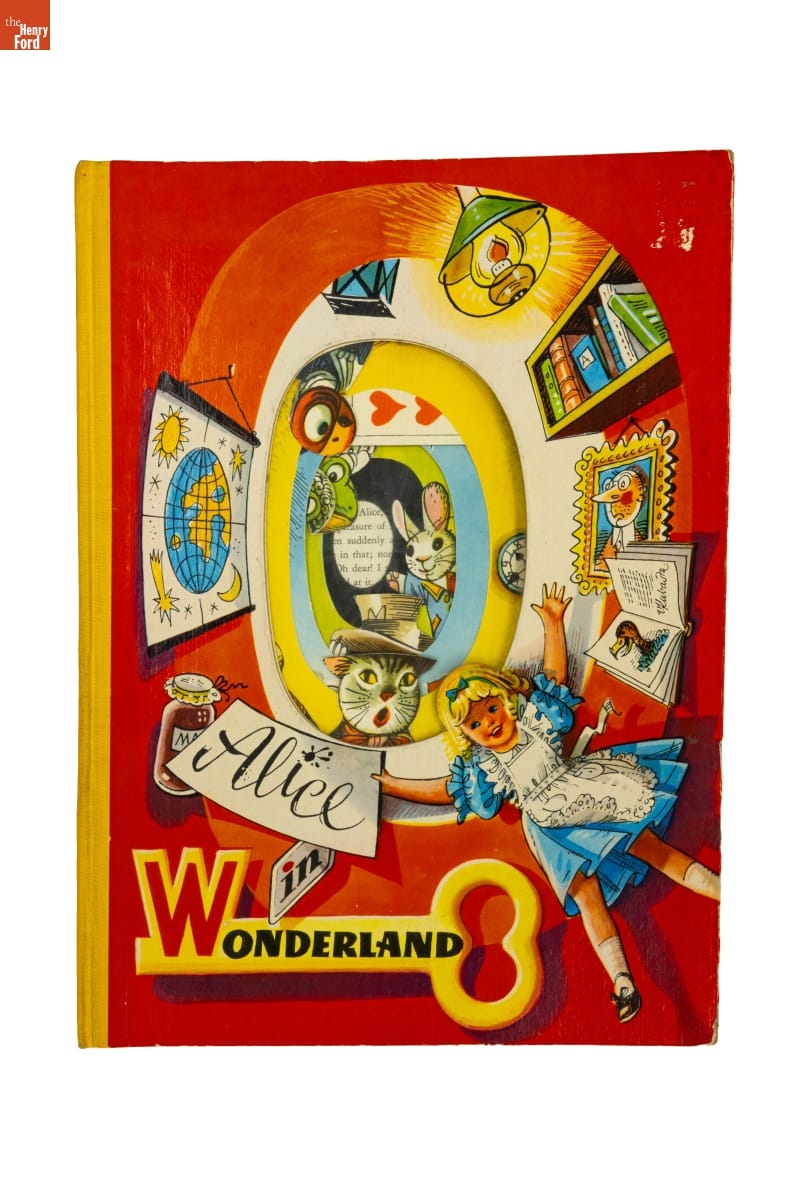
- "Alice in Wonderland" - Vojtech Kubasta (1914-1992), a Czech artist, illustrator, and designer, engineered imaginative movable and pop-up books, advertisements, holiday creches, and other materials. In the mid-1950s, Kubasta created his first of hundreds of pop-up book titles. His colorful and vivid illustrations and fresh and intricate three-dimensional designs inspired movable book artists and aficionados worldwide, spurring a pop-up book renaissance.
- 1952-1992
- Collections - Artifact
"Alice in Wonderland"
Vojtech Kubasta (1914-1992), a Czech artist, illustrator, and designer, engineered imaginative movable and pop-up books, advertisements, holiday creches, and other materials. In the mid-1950s, Kubasta created his first of hundreds of pop-up book titles. His colorful and vivid illustrations and fresh and intricate three-dimensional designs inspired movable book artists and aficionados worldwide, spurring a pop-up book renaissance.
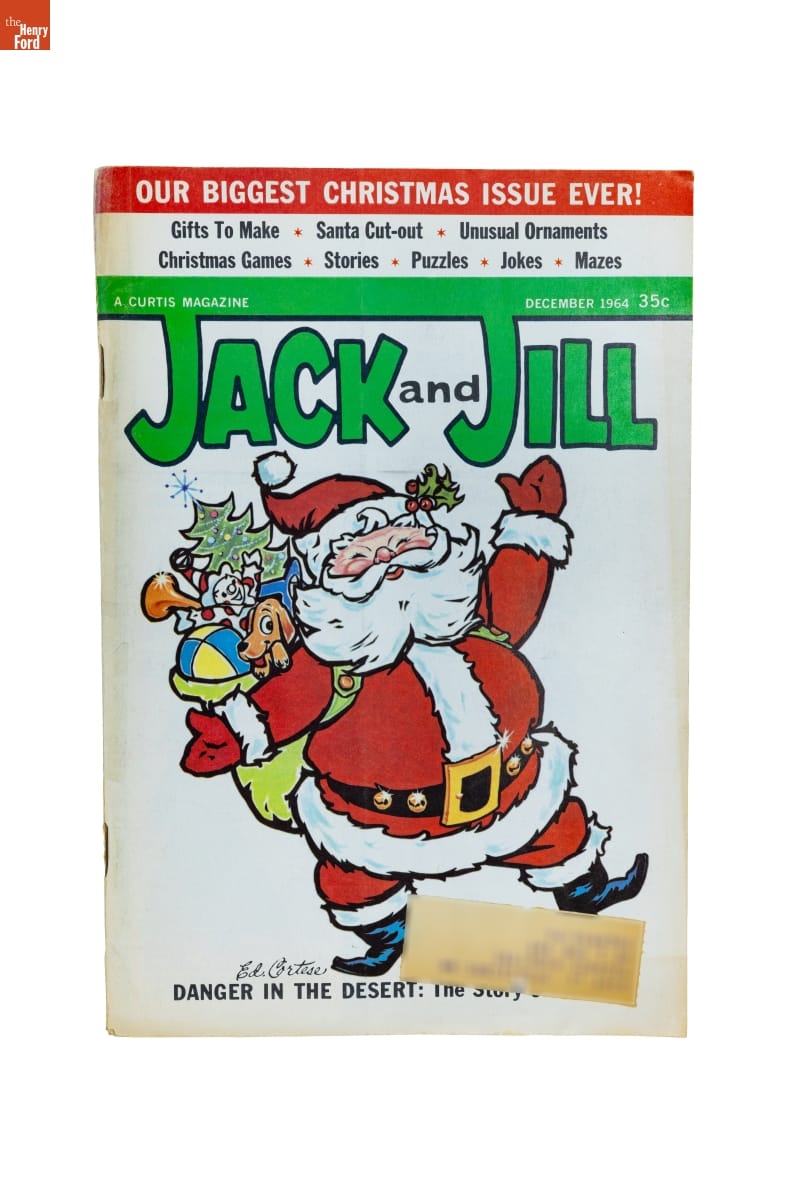
- "Jack and Jill" Magazine, December 1964 - <em>Jack & Jill</em> magazine was first published in 1938. The children's magazine features nonfiction articles, short stories, poems, and various educational activities -- games, comics, recipes, crafts, and more. Publishers initially shunned advertisements, fearful of the effect targeted ads may have on children. Carefully scrutinized ads first appeared in 1963. The Wrigley Zoo pop-up advertisement in this 1964 issue passed review.
- December 01, 1964
- Collections - Artifact
"Jack and Jill" Magazine, December 1964
Jack & Jill magazine was first published in 1938. The children's magazine features nonfiction articles, short stories, poems, and various educational activities -- games, comics, recipes, crafts, and more. Publishers initially shunned advertisements, fearful of the effect targeted ads may have on children. Carefully scrutinized ads first appeared in 1963. The Wrigley Zoo pop-up advertisement in this 1964 issue passed review.
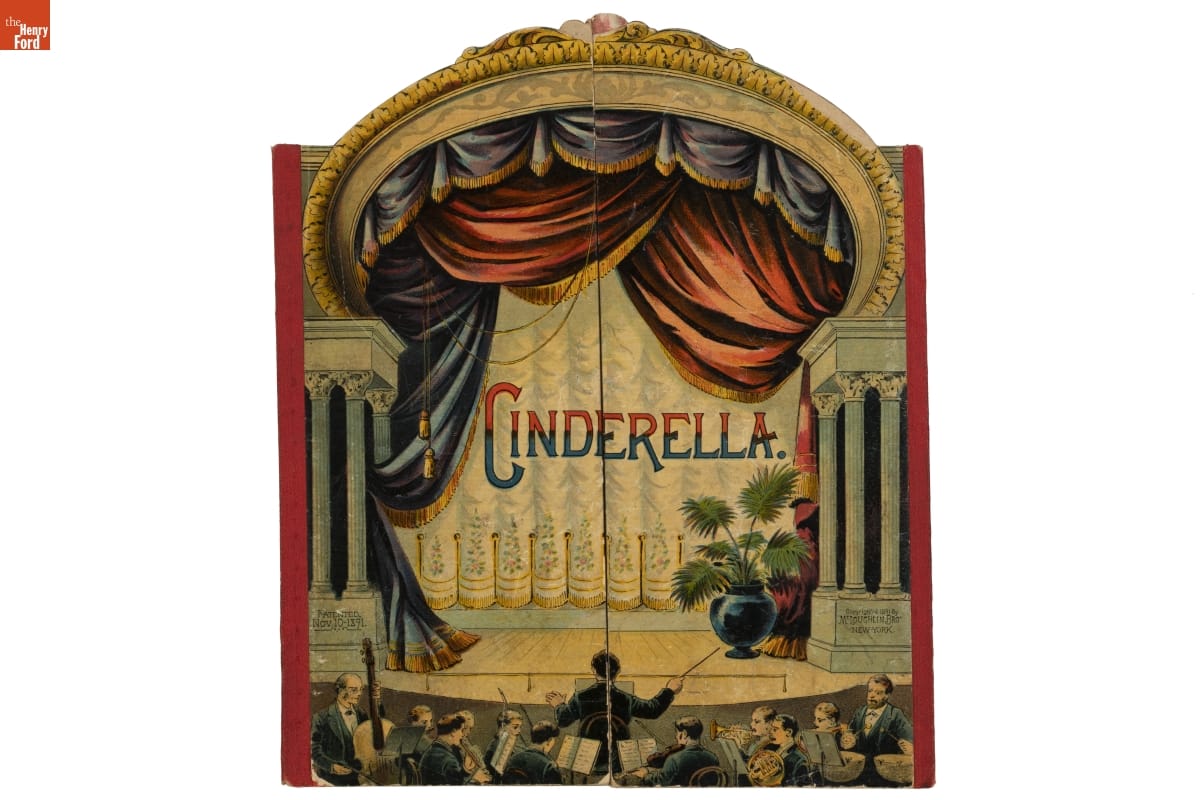
- Fold-out Book, "Cinderella," 1891 - In 1891, the McLoughlin Bros. publishing firm patented this arch-shaped variant of the rectangular "pantomime" books available at the time. Pantomime books depicted a theater during a live stage show. Readers turned the pages to reveal each new scene as a family of theatergoers -- printed behind the cover flaps -- watched the "play" unfold.
- 1891
- Collections - Artifact
Fold-out Book, "Cinderella," 1891
In 1891, the McLoughlin Bros. publishing firm patented this arch-shaped variant of the rectangular "pantomime" books available at the time. Pantomime books depicted a theater during a live stage show. Readers turned the pages to reveal each new scene as a family of theatergoers -- printed behind the cover flaps -- watched the "play" unfold.
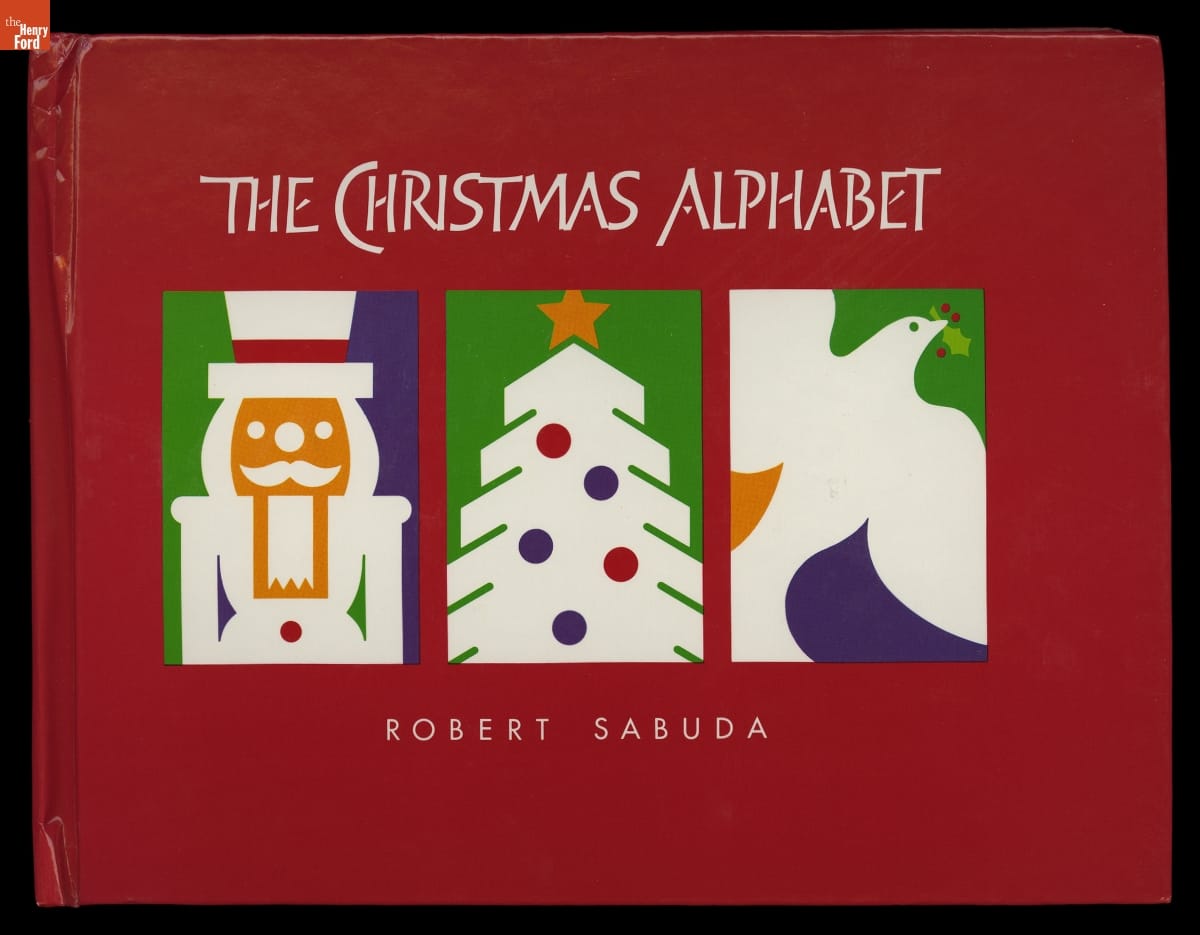
- "The Christmas Alphabet," 1994 - Robert Sabuda has always considered himself an artist, making models, dioramas, and other 3-dimensional works, including paper pop-up books. Born in Michigan in 1965, he attended the Pratt Institute in New York, where he continued his exploration of paper and paper crafts. <em>The Christmas Alphabet</em> is one of Sabuda's earliest commercial pop-up creations, exhibiting his artistry and love for pop-up paper engineering.
- 1994
- Collections - Artifact
"The Christmas Alphabet," 1994
Robert Sabuda has always considered himself an artist, making models, dioramas, and other 3-dimensional works, including paper pop-up books. Born in Michigan in 1965, he attended the Pratt Institute in New York, where he continued his exploration of paper and paper crafts. The Christmas Alphabet is one of Sabuda's earliest commercial pop-up creations, exhibiting his artistry and love for pop-up paper engineering.
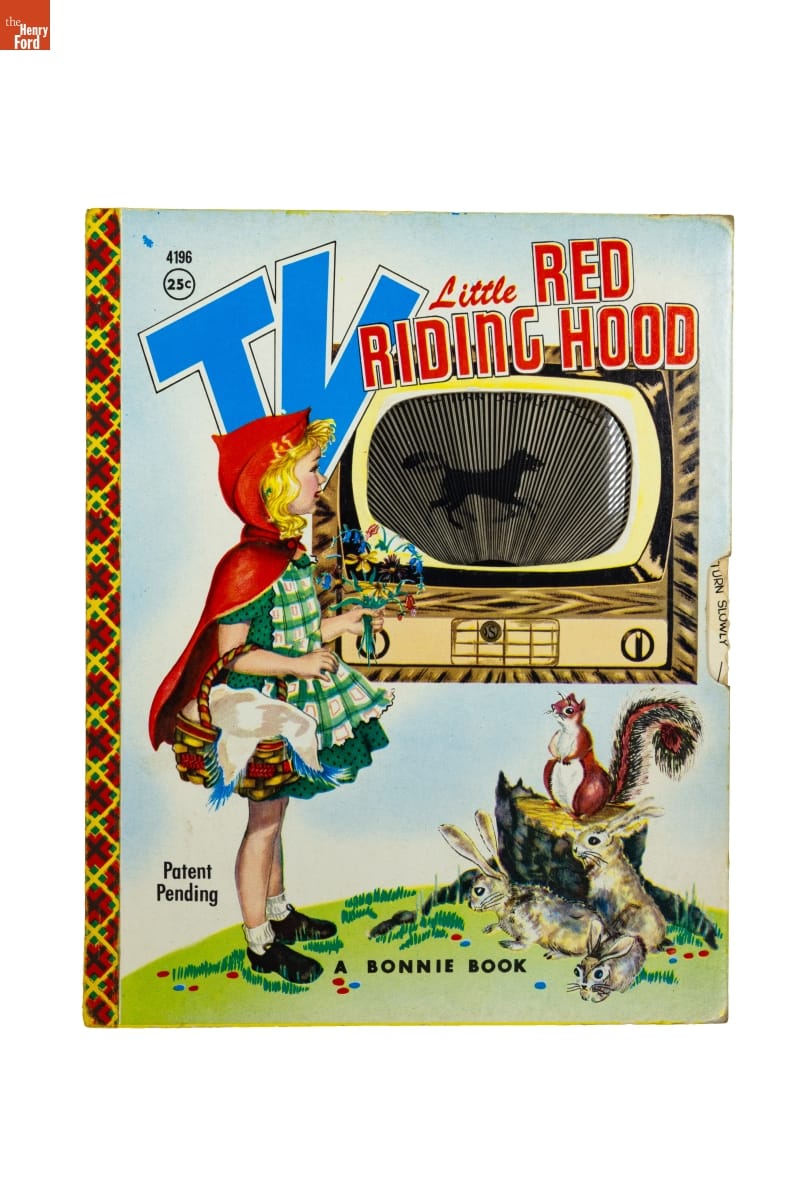
- "TV Little Red Riding Hood," 1955 - After World War II, televisions began competing with books and other playthings for children's time and attention. This movable book enticed young readers with a simple gimmick. When readers turned the wheel, the pictures in the die-cut opening on the cover appeared to move -- much like the flickering black and white images then being transmitted to home television sets.
- 1955
- Collections - Artifact
"TV Little Red Riding Hood," 1955
After World War II, televisions began competing with books and other playthings for children's time and attention. This movable book enticed young readers with a simple gimmick. When readers turned the wheel, the pictures in the die-cut opening on the cover appeared to move -- much like the flickering black and white images then being transmitted to home television sets.
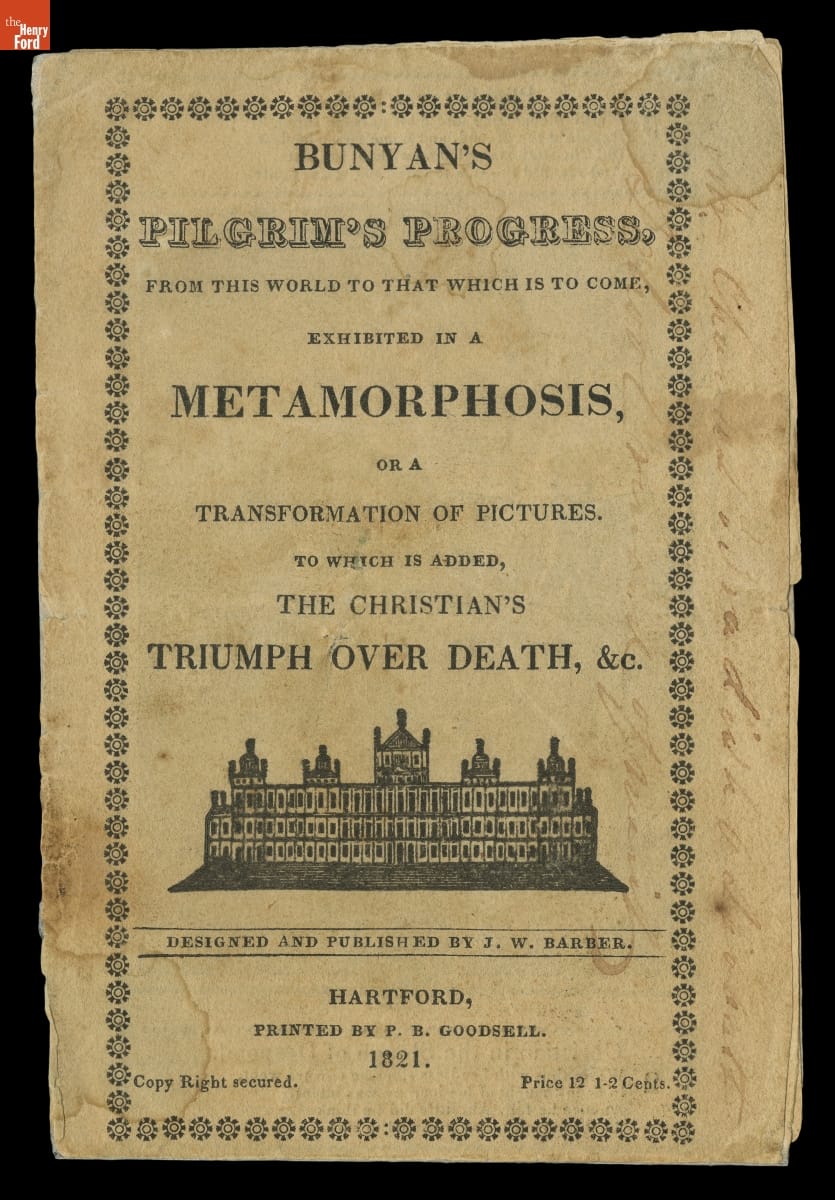
- "Bunyan's Pilgrim's Progress, from This World to That Which is to Come, Exhibited in a Metamorphosis...," 1821 - John Bunyan, an English writer and Puritan preacher, published <em>The Pilgrim's Progress</em> in 1678. The Christian allegorical story has remained in print ever since. In the early 1800s, John Warner Barber designed and created illustrations for this "metamorphosis" version published by P. B. Goodsell. Images and text change when readers flip panels up or down.
- 1821
- Collections - Artifact
"Bunyan's Pilgrim's Progress, from This World to That Which is to Come, Exhibited in a Metamorphosis...," 1821
John Bunyan, an English writer and Puritan preacher, published The Pilgrim's Progress in 1678. The Christian allegorical story has remained in print ever since. In the early 1800s, John Warner Barber designed and created illustrations for this "metamorphosis" version published by P. B. Goodsell. Images and text change when readers flip panels up or down.
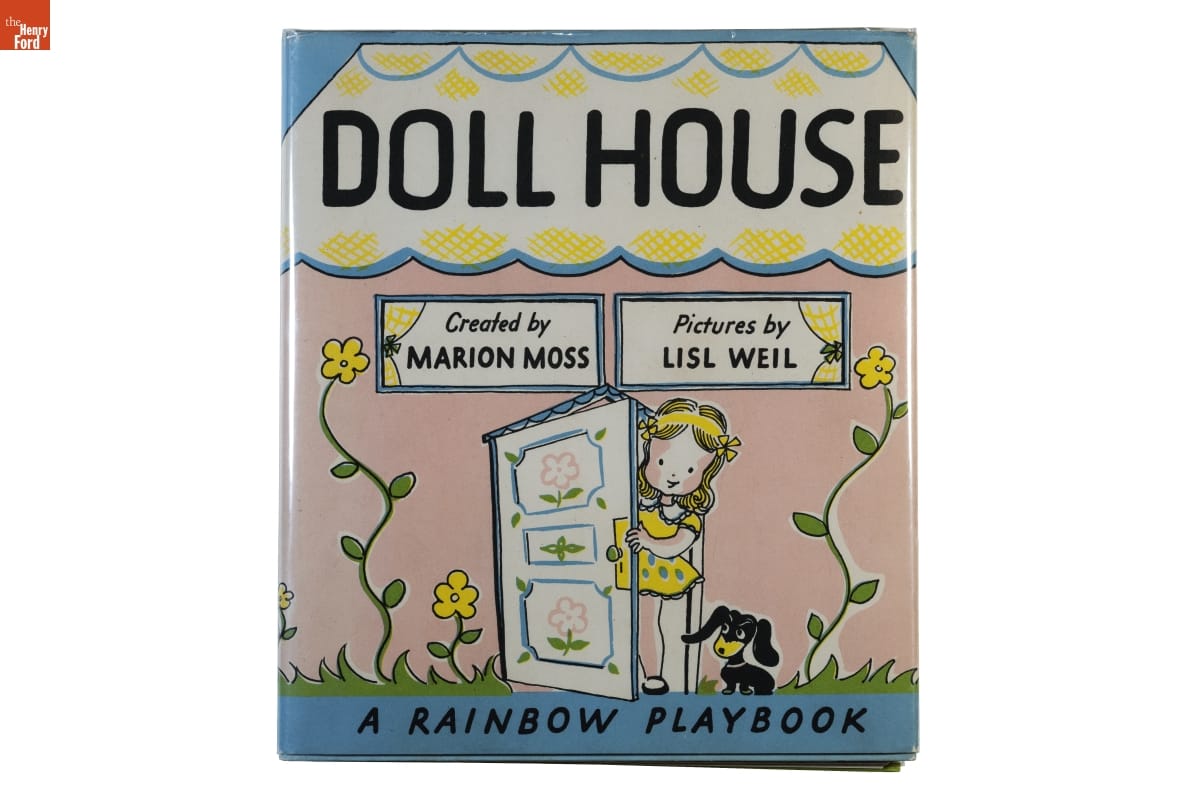
- Childrens Pop-Up Book, "Doll House," 1946 - <em>Doll House</em>, published soon after World War II, let children--mainly young middle-class girls--pretend to be homemakers just like their moms. The pages fold out to create different rooms of a house. Punchout paper dolls, furniture, and other household objects fill the remaining pages. Girls could decorate rooms, pretend to plan parties, and imagine what it was like to run a home.
- 1946
- Collections - Artifact
Childrens Pop-Up Book, "Doll House," 1946
Doll House, published soon after World War II, let children--mainly young middle-class girls--pretend to be homemakers just like their moms. The pages fold out to create different rooms of a house. Punchout paper dolls, furniture, and other household objects fill the remaining pages. Girls could decorate rooms, pretend to plan parties, and imagine what it was like to run a home.
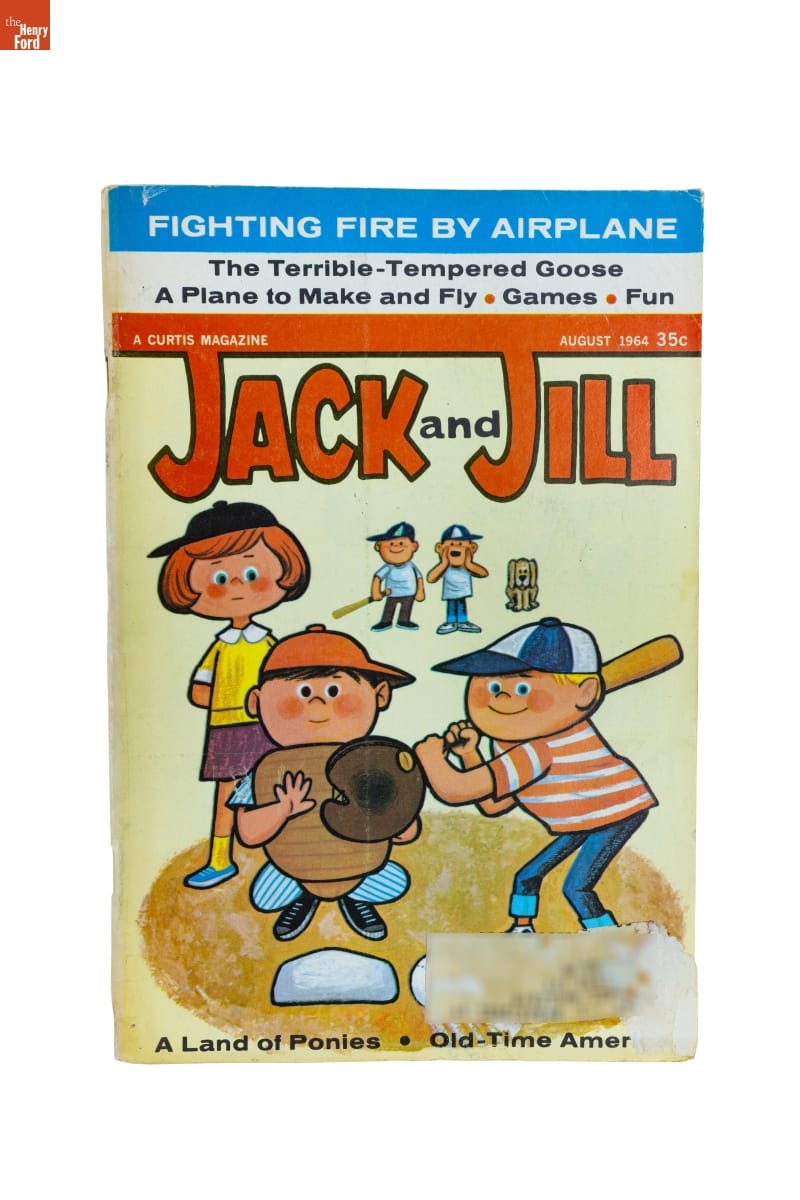
- "Jack and Jill" Magazine, August 1964 - <em>Jack & Jill</em> magazine was first published in 1938. The children's magazine features nonfiction articles, short stories, poems, and various educational activities -- games, comics, recipes, crafts, and more. Publishers initially shunned advertisements, fearful of the effect targeted ads may have on children. Carefully scrutinized ads first appeared in 1963. The Wrigley Zoo pop-up advertisement in this 1964 issue passed review.
- August 01, 1964
- Collections - Artifact
"Jack and Jill" Magazine, August 1964
Jack & Jill magazine was first published in 1938. The children's magazine features nonfiction articles, short stories, poems, and various educational activities -- games, comics, recipes, crafts, and more. Publishers initially shunned advertisements, fearful of the effect targeted ads may have on children. Carefully scrutinized ads first appeared in 1963. The Wrigley Zoo pop-up advertisement in this 1964 issue passed review.
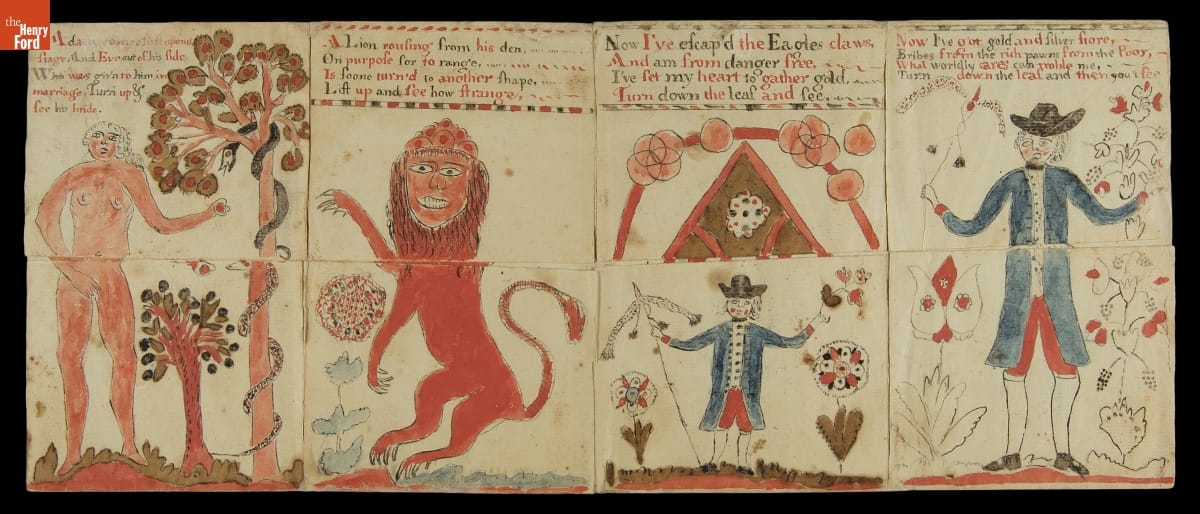
- Metamorphosis Turn-Up Book, 1790-1820 - Printed and handmade flap or turn-up books entice readers to interact with their pages. This handmade version from the late-18th to early-19th centuries presented a series of moral tales on movable pages. Unfortunately, the artist is unknown -- perhaps a young child made it as part of their education, or maybe a new parent crafted it for their children.
- 1790-1820
- Collections - Artifact
Metamorphosis Turn-Up Book, 1790-1820
Printed and handmade flap or turn-up books entice readers to interact with their pages. This handmade version from the late-18th to early-19th centuries presented a series of moral tales on movable pages. Unfortunately, the artist is unknown -- perhaps a young child made it as part of their education, or maybe a new parent crafted it for their children.