
Search
- Model of Mowing Machine, circa 1867, Used in Patent Infringement Case -
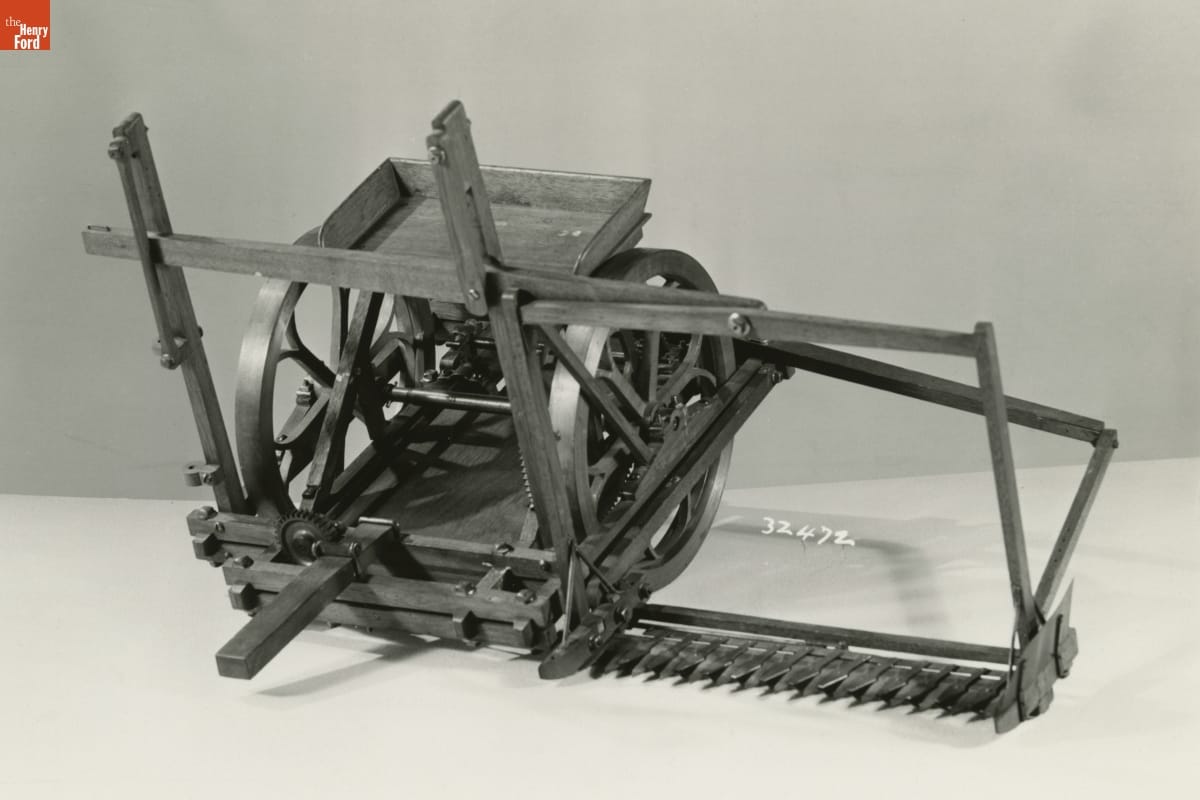
- circa 1867
- Collections - Artifact
Model of Mowing Machine, circa 1867, Used in Patent Infringement Case
- Model of Horse-Drawn Mowing Machine, circa 1875 -
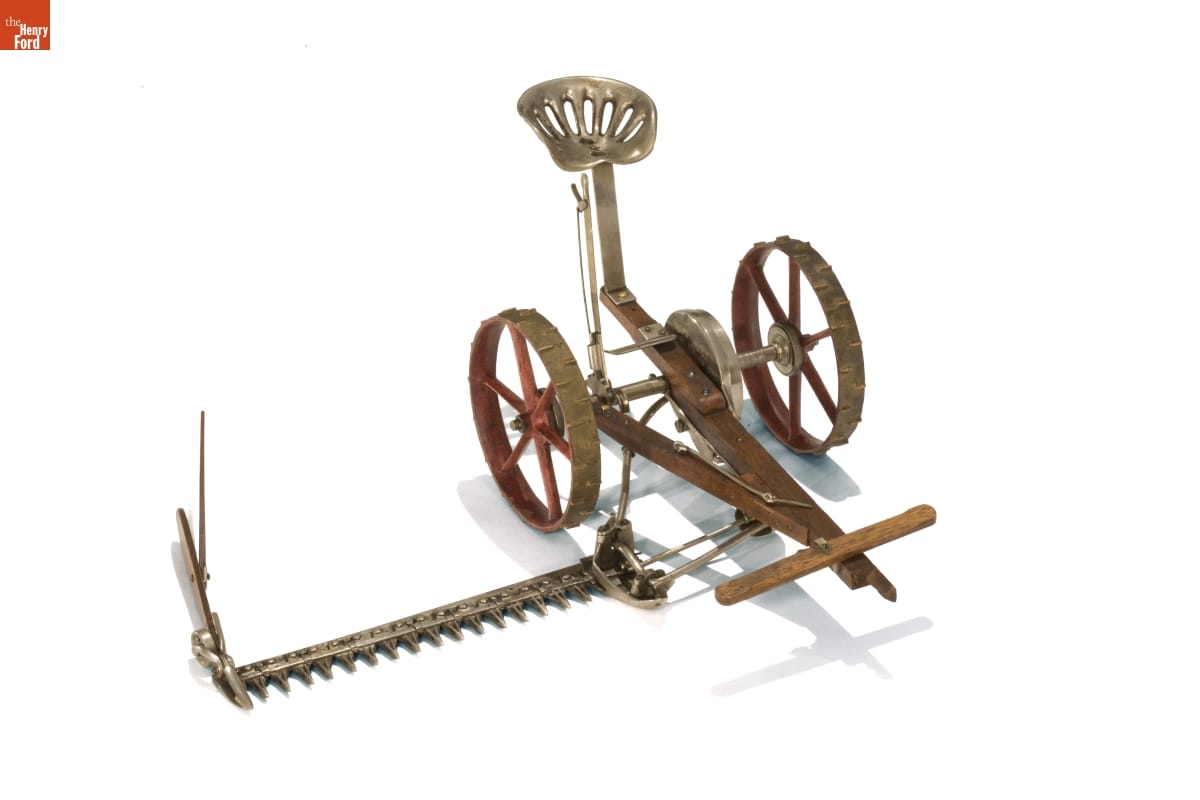
- circa 1875
- Collections - Artifact
Model of Horse-Drawn Mowing Machine, circa 1875
- Hubbard Meadow Lark Mower, 1866 -
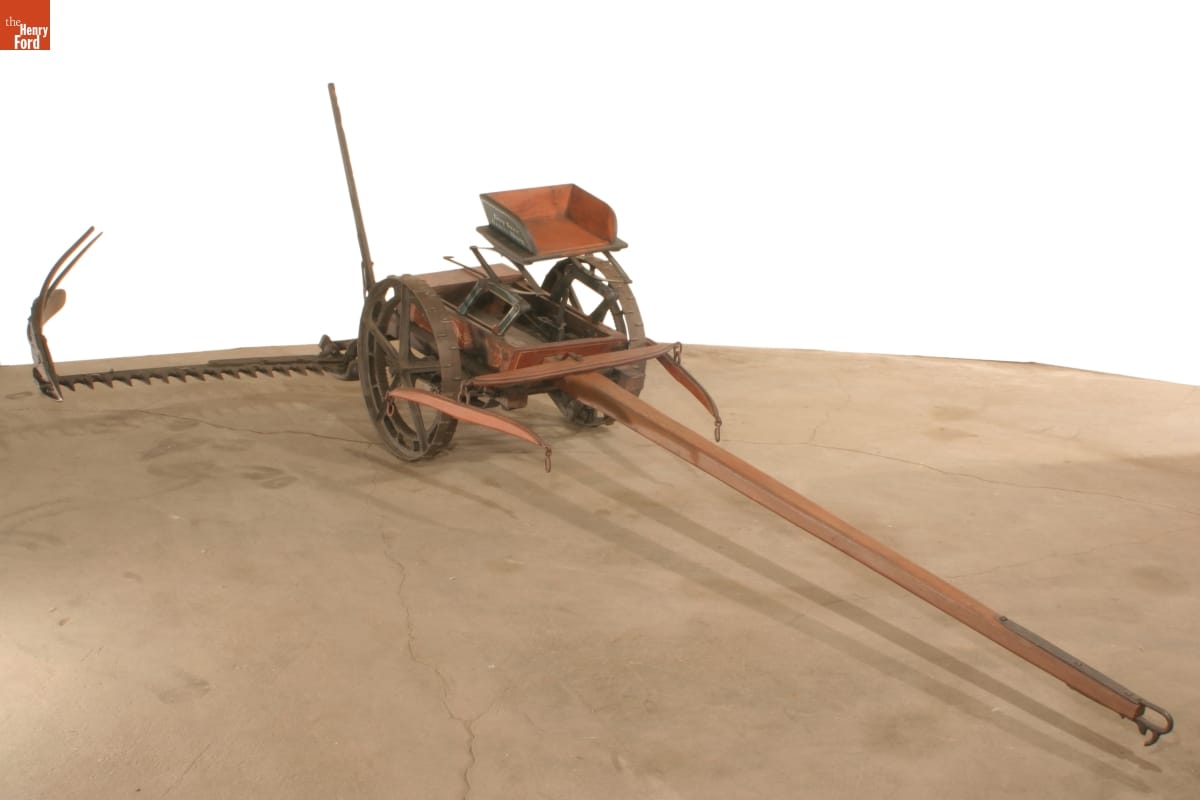
- 1866
- Collections - Artifact
Hubbard Meadow Lark Mower, 1866
- Manny's Combined Reaper and Mower, circa 1854 - John Manny developed this reaper in 1853 in Rockford, Illinois. It was the first to successfully challenge the Cyrus McCormick Company's dominance in reaper manufacture. Sued for patent infringement by McCormick in 1854, Manny won, paving the way for other manufacturers, and a broad expansion of the industry. Included in Manny's legal team was a young Illinois lawyer, Abraham Lincoln.
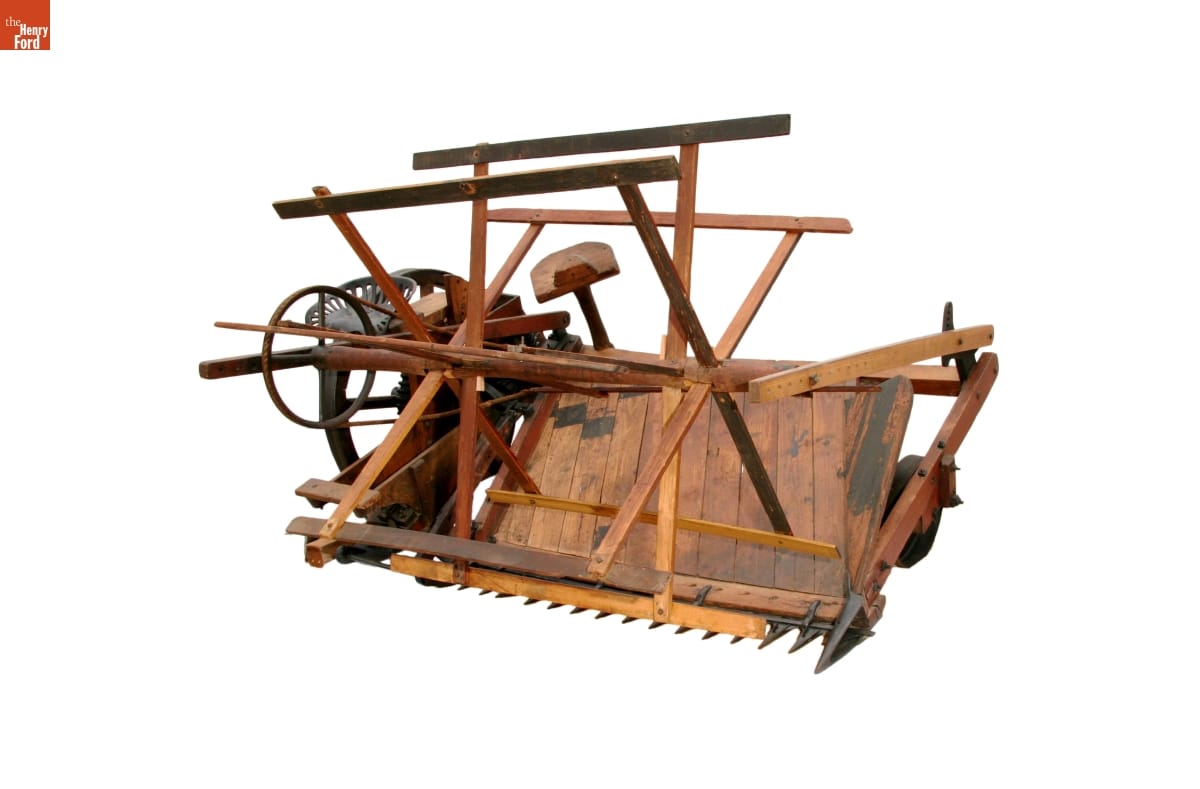
- circa 1854
- Collections - Artifact
Manny's Combined Reaper and Mower, circa 1854
John Manny developed this reaper in 1853 in Rockford, Illinois. It was the first to successfully challenge the Cyrus McCormick Company's dominance in reaper manufacture. Sued for patent infringement by McCormick in 1854, Manny won, paving the way for other manufacturers, and a broad expansion of the industry. Included in Manny's legal team was a young Illinois lawyer, Abraham Lincoln.
- Fordson Tractor with Mower Attachment, circa 1924 -
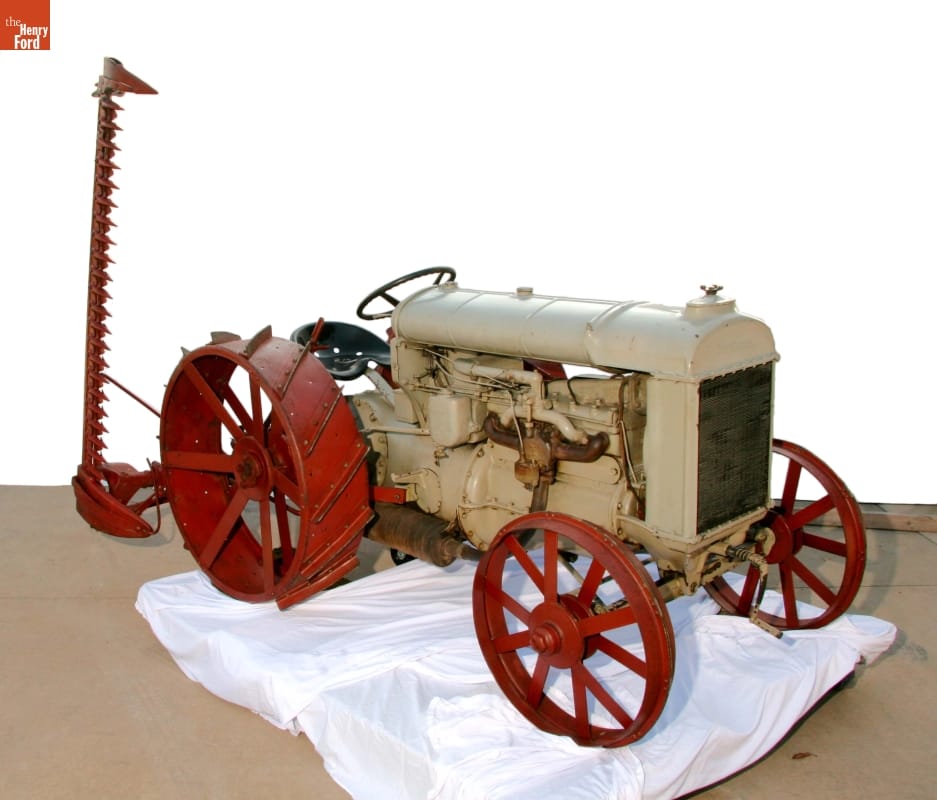
- circa 1924
- Collections - Artifact
Fordson Tractor with Mower Attachment, circa 1924
- Trade Catalog, "Reapers and Mowers, Manufactured by the Johnston Harvester Co., Brockport, N.Y.," 1876 -
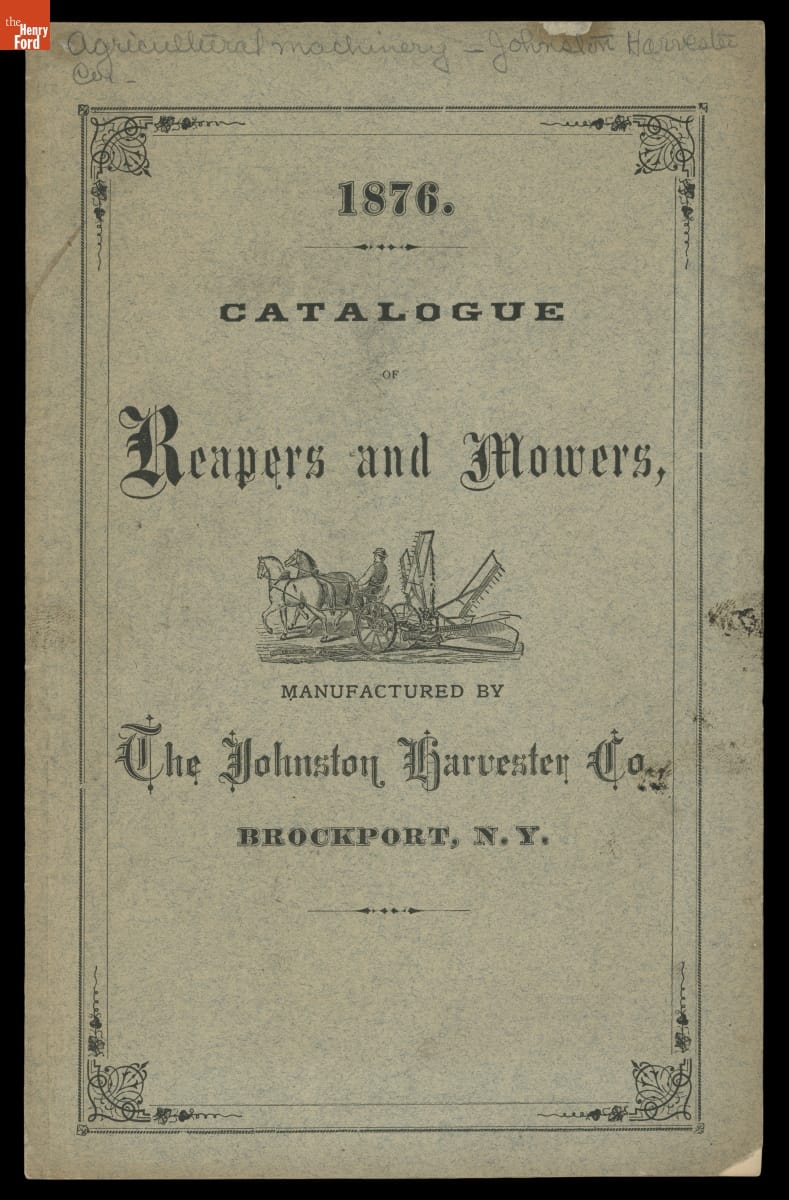
- 1876
- Collections - Artifact
Trade Catalog, "Reapers and Mowers, Manufactured by the Johnston Harvester Co., Brockport, N.Y.," 1876
- Model of Ground-Driven Sickle Bar Mower, 1910-1930 - Scale models were used by salesmen or to secure patents. This model shows a ground-driven sickle bar mower. Mowers were used by farmers to harvest grain or cut hay and grasses. In the early part of the 1900s, some farmers converted horse-drawn mowers to be pulled by a tractor or a Model T.
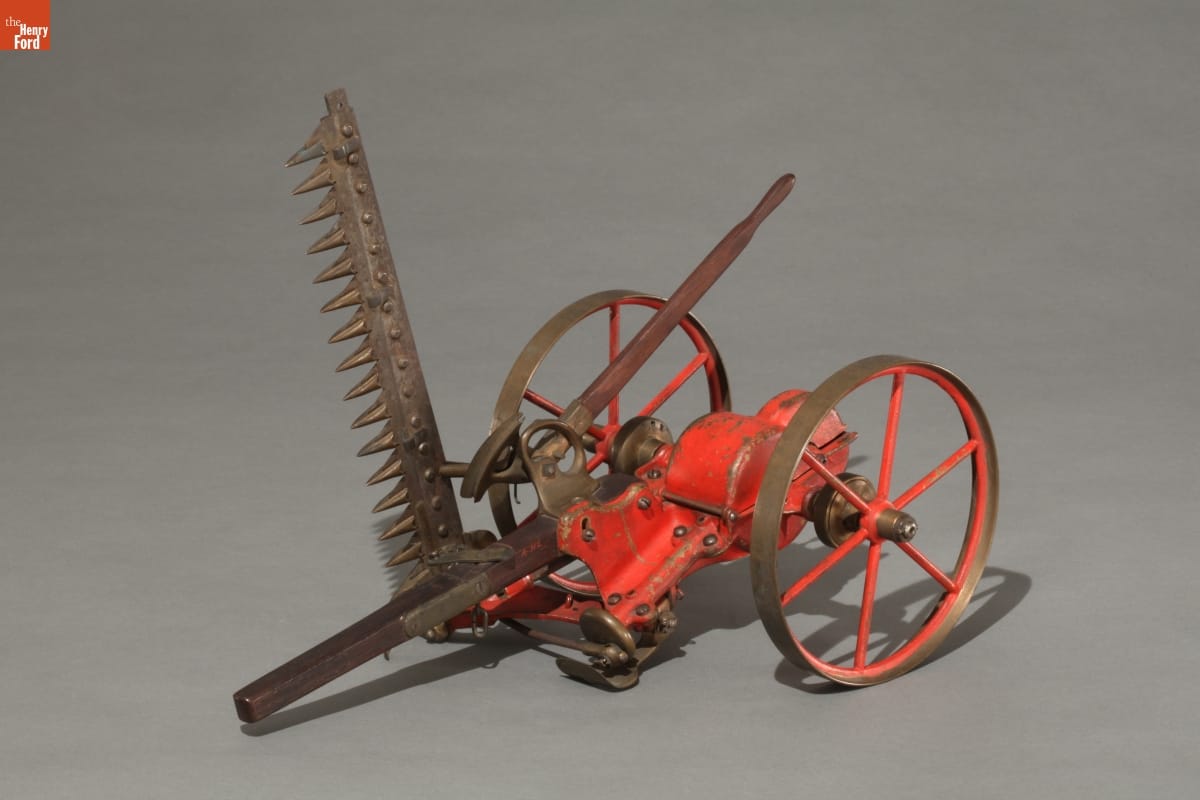
- 1910-1930
- Collections - Artifact
Model of Ground-Driven Sickle Bar Mower, 1910-1930
Scale models were used by salesmen or to secure patents. This model shows a ground-driven sickle bar mower. Mowers were used by farmers to harvest grain or cut hay and grasses. In the early part of the 1900s, some farmers converted horse-drawn mowers to be pulled by a tractor or a Model T.
- Ketchum's Patent Improved One-Horse Mowing Machine, 1859 -
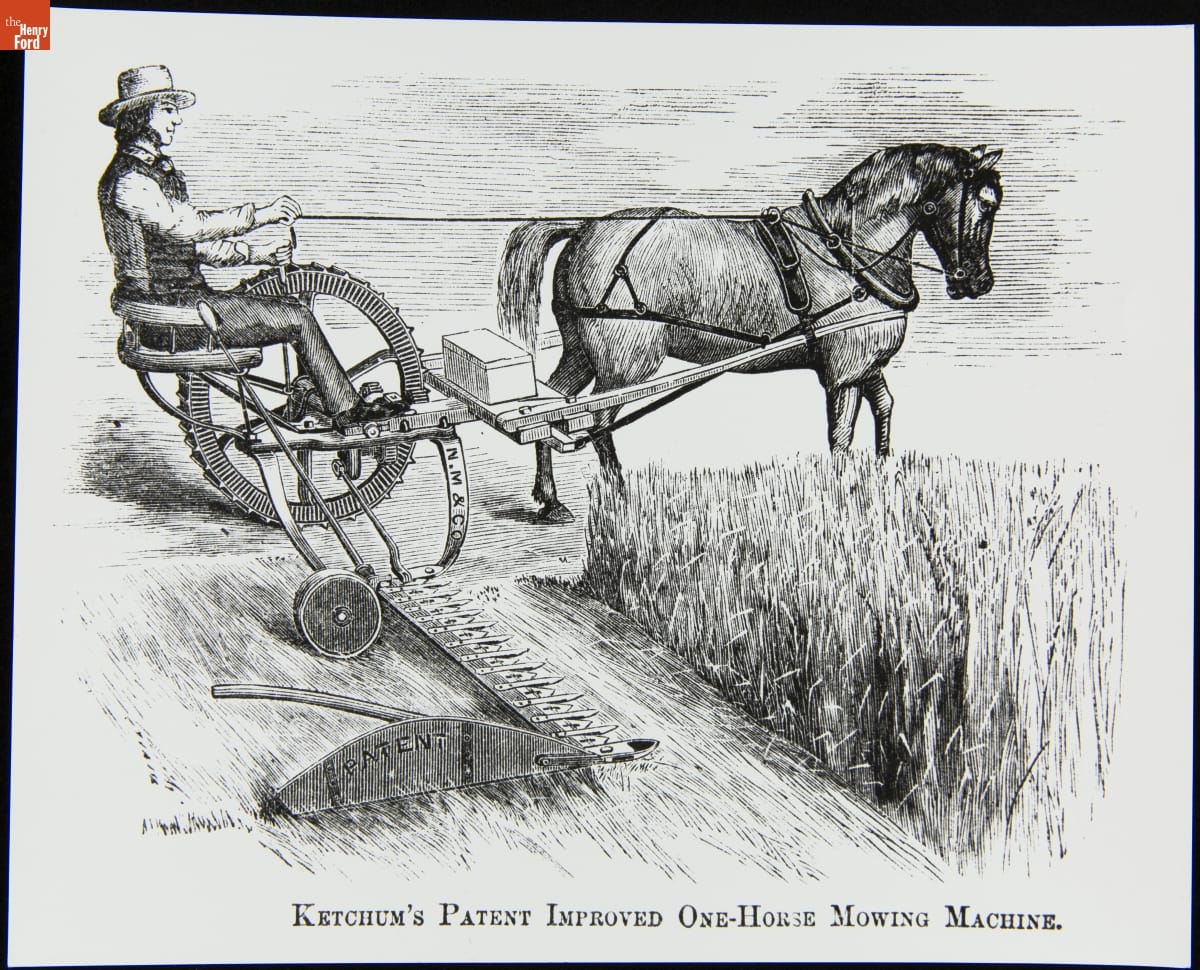
- 1859
- Collections - Artifact
Ketchum's Patent Improved One-Horse Mowing Machine, 1859
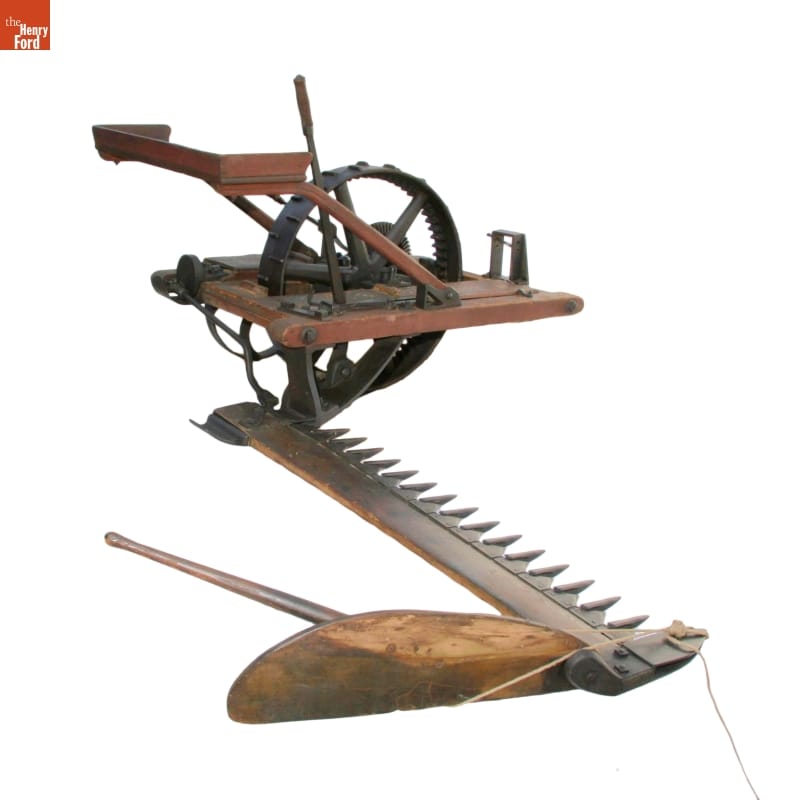
- Allen's Mowing Machine, circa 1860 -
- circa 1860
- Collections - Artifact
Allen's Mowing Machine, circa 1860
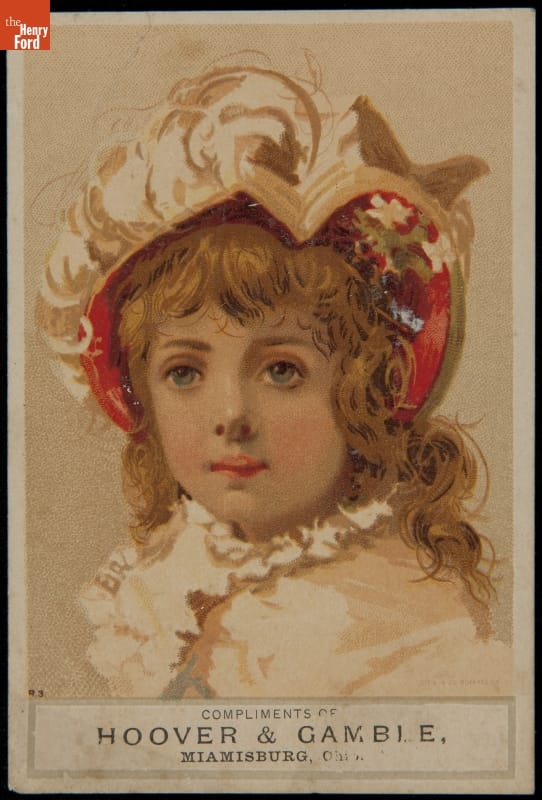
- Trade Card for Excelsior Folding Binder & Light Mower, Hoover & Gamble, 1888 - In the last third of the nineteenth century, an unprecedented variety of consumer goods and services flooded the American market. Advertisers, armed with new methods of color printing, bombarded potential customers with trade cards. Americans enjoyed and often saved the vibrant little advertisements found in product packages or distributed by local merchants. Many survive as historical records of commercialism in the United States.
- 1888
- Collections - Artifact
Trade Card for Excelsior Folding Binder & Light Mower, Hoover & Gamble, 1888
In the last third of the nineteenth century, an unprecedented variety of consumer goods and services flooded the American market. Advertisers, armed with new methods of color printing, bombarded potential customers with trade cards. Americans enjoyed and often saved the vibrant little advertisements found in product packages or distributed by local merchants. Many survive as historical records of commercialism in the United States.