
Search
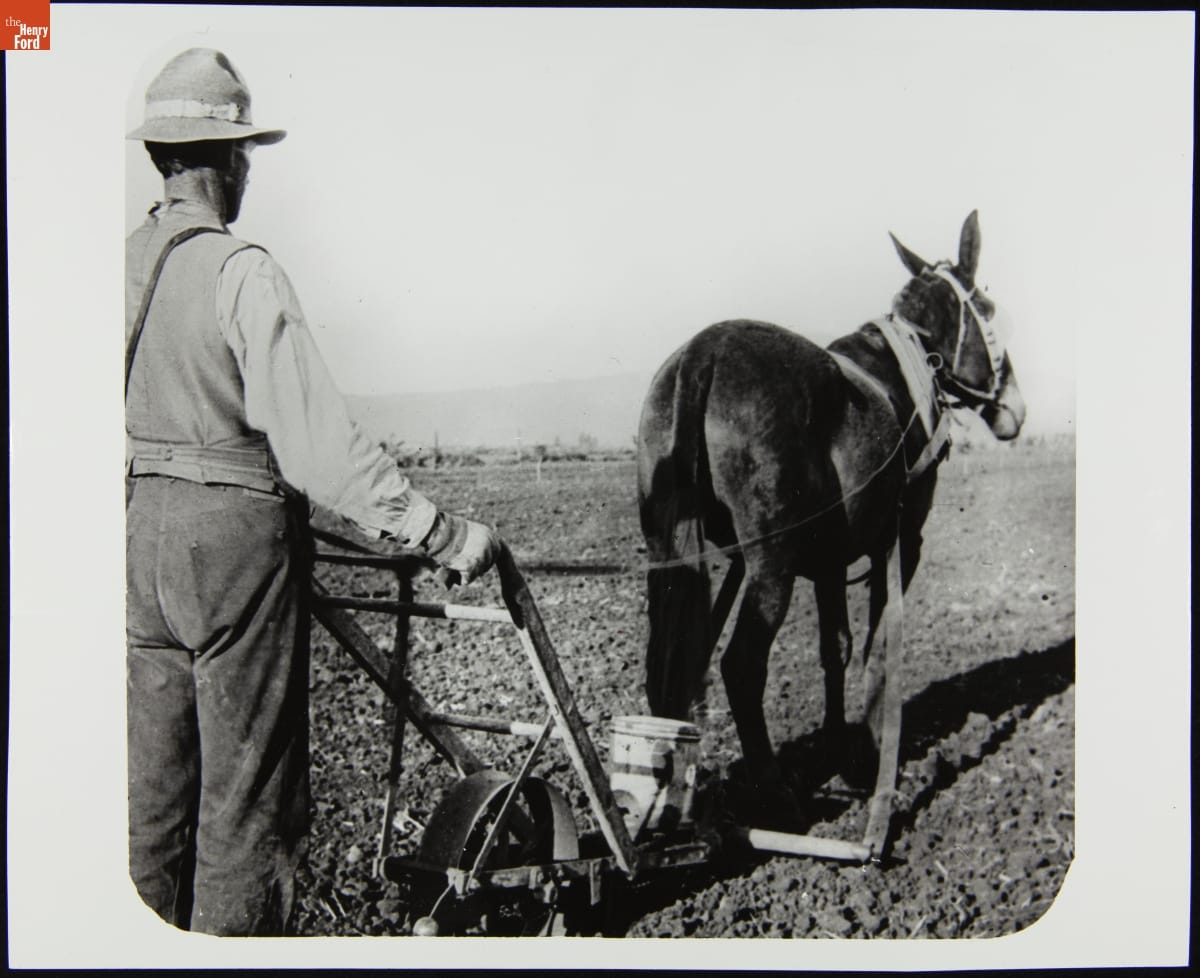
- A Farmer Works in a Field with a Mule-Drawn Drill Planter, 1870-1890 -
- 1870-1890
- Collections - Artifact
A Farmer Works in a Field with a Mule-Drawn Drill Planter, 1870-1890
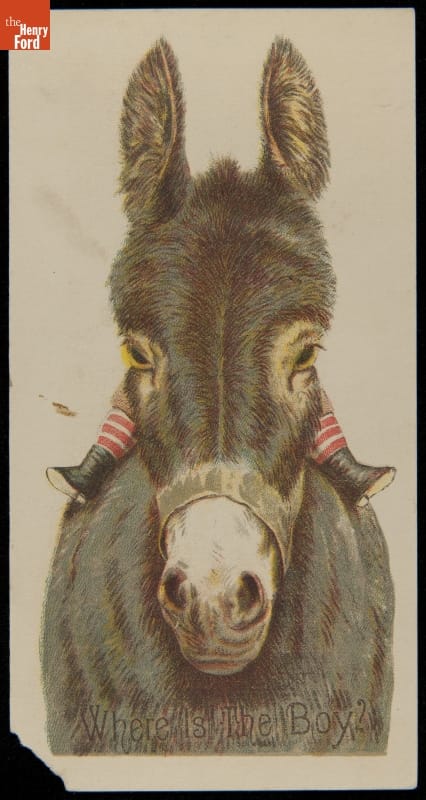
- Trade Card for "Standard Java" Coffee, Chase & Sanborn, 1887-1895 - In the last third of the nineteenth century, an unprecedented variety of consumer goods and services flooded the American market. Advertisers, armed with new methods of color printing, bombarded potential customers with trade cards. Americans enjoyed and often saved the vibrant little advertisements found in product packages or distributed by local merchants. Many survive as historical records of commercialism in the United States.
- 1887-1895
- Collections - Artifact
Trade Card for "Standard Java" Coffee, Chase & Sanborn, 1887-1895
In the last third of the nineteenth century, an unprecedented variety of consumer goods and services flooded the American market. Advertisers, armed with new methods of color printing, bombarded potential customers with trade cards. Americans enjoyed and often saved the vibrant little advertisements found in product packages or distributed by local merchants. Many survive as historical records of commercialism in the United States.
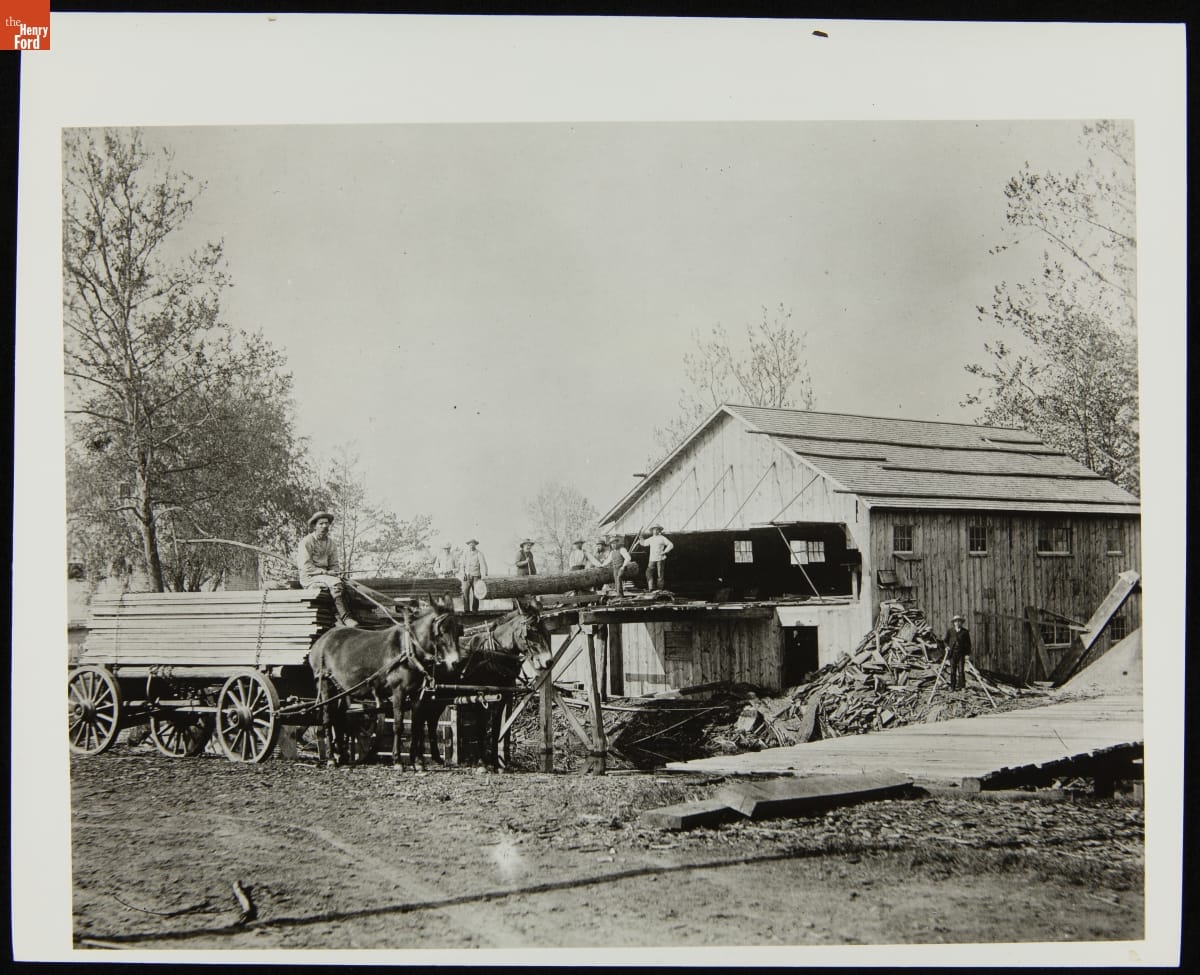
- Men at Work at the Flat Rock Sawmill, circa 1905 -
- July 12, 1938
- Collections - Artifact
Men at Work at the Flat Rock Sawmill, circa 1905
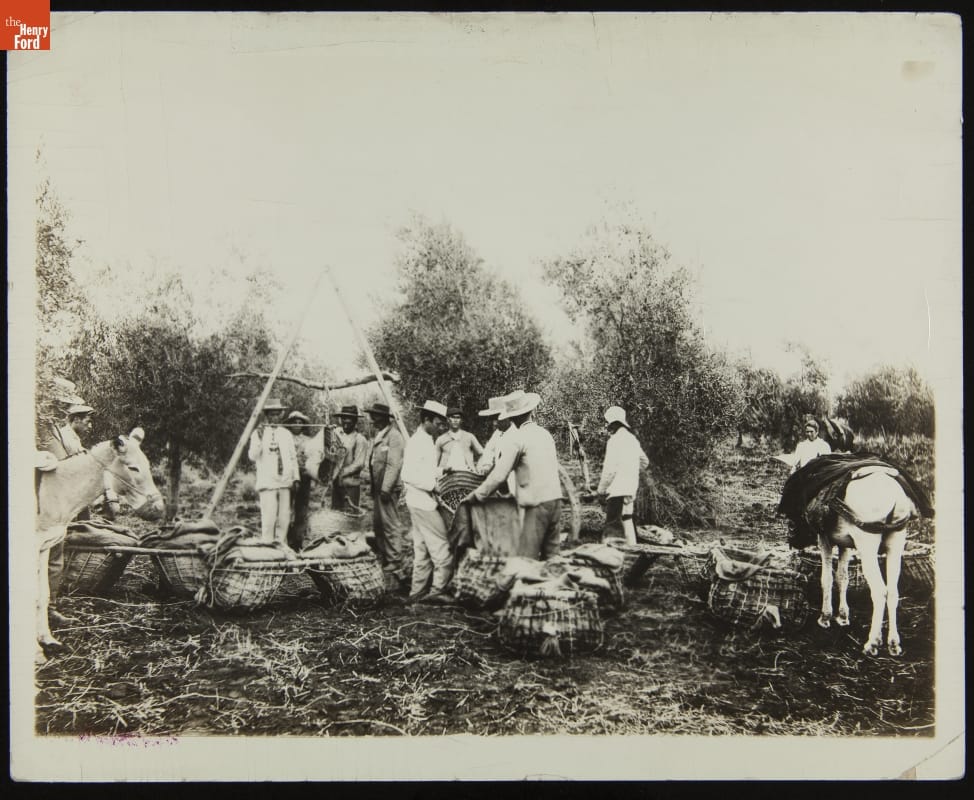
- Harvesting Olives, H. J. Heinz Company, Seville, Spain, circa 1915 - H. J. Heinz recognized that specific climates and soil-types were best for each fruit and vegetable, ensuring a better taste for his products. He considered Spain to be the best for olives. Laborers picked the olives and sent them to the nearby Heinz factory where they were cleaned, processed, and packaged in clear glass jars for market.
- circa 1915
- Collections - Artifact
Harvesting Olives, H. J. Heinz Company, Seville, Spain, circa 1915
H. J. Heinz recognized that specific climates and soil-types were best for each fruit and vegetable, ensuring a better taste for his products. He considered Spain to be the best for olives. Laborers picked the olives and sent them to the nearby Heinz factory where they were cleaned, processed, and packaged in clear glass jars for market.
- Making Sorghum Molasses near Memphis, Tennessee, September 1937 -
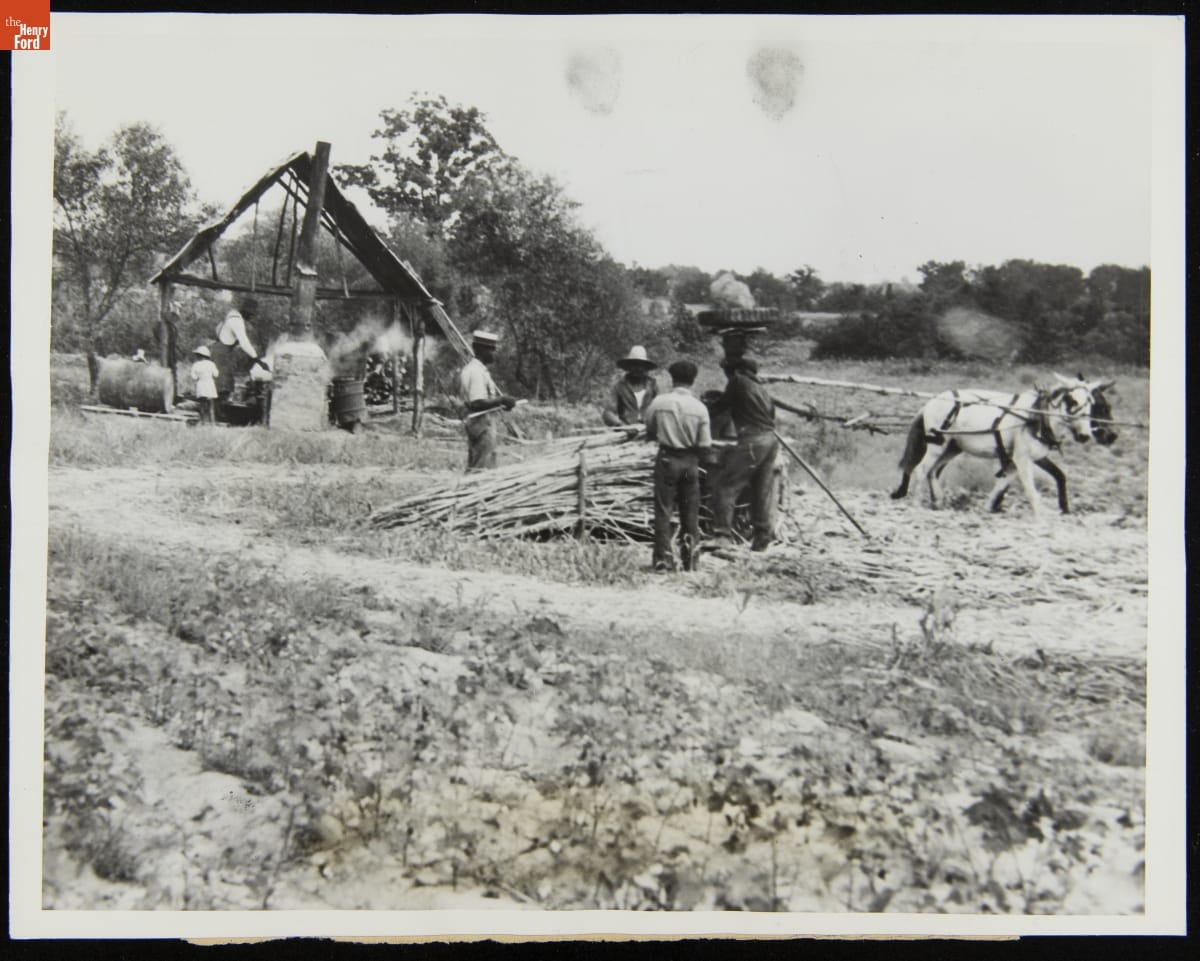
- September 10, 1937
- Collections - Artifact
Making Sorghum Molasses near Memphis, Tennessee, September 1937
- Trade Card Depicting Dentist and Patient, 1870-1900 - In the last third of the nineteenth century, an unprecedented variety of consumer goods and services flooded the American market. Advertisers bombarded potential customers with trade cards. Americans enjoyed and saved the often illustrated little advertisements found in product packages or distributed by local merchants. Many survive as historical records of commercialism in the United States.
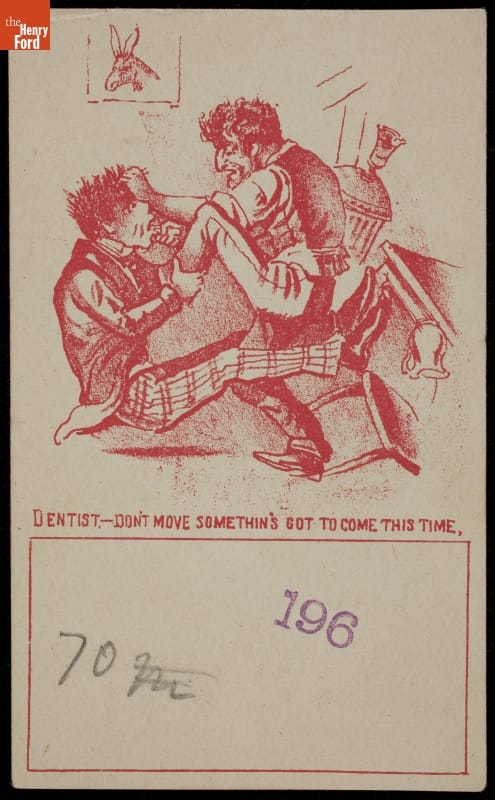
- 1870-1900
- Collections - Artifact
Trade Card Depicting Dentist and Patient, 1870-1900
In the last third of the nineteenth century, an unprecedented variety of consumer goods and services flooded the American market. Advertisers bombarded potential customers with trade cards. Americans enjoyed and saved the often illustrated little advertisements found in product packages or distributed by local merchants. Many survive as historical records of commercialism in the United States.
- People with Wagon Pulled by Mules, Southwestern United States - In 1913, Henry Ford established Ford Motor Company's photographic department. Though few internal records describe company photography, remaining photographs reveal a wide range of departmental activity. Over nearly 100 years, Ford photographers documented company ventures, personal affairs, and daily life across the country and around the world.
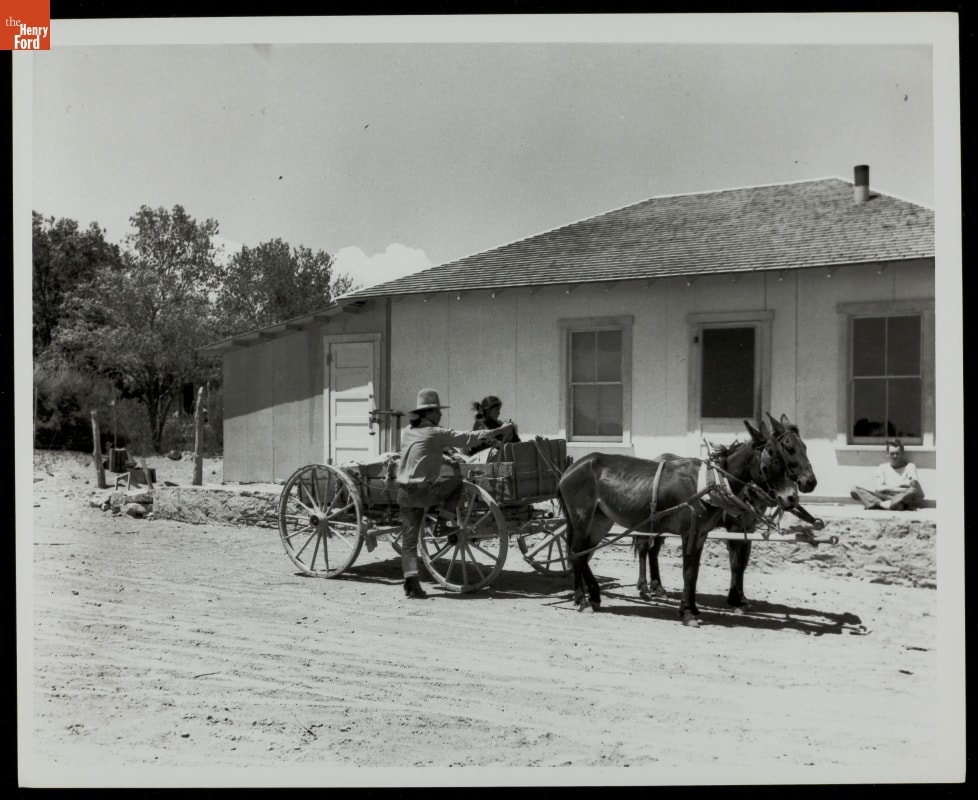
- circa 1950
- Collections - Artifact
People with Wagon Pulled by Mules, Southwestern United States
In 1913, Henry Ford established Ford Motor Company's photographic department. Though few internal records describe company photography, remaining photographs reveal a wide range of departmental activity. Over nearly 100 years, Ford photographers documented company ventures, personal affairs, and daily life across the country and around the world.
- Mule Teams and Wagons on Main Street, Buffalo, Wyoming Territory, 1885 - In the 1880s, towns in the western United States that were isolated from river and rail transportation networks relied on freight haulers to supply needed goods. Drivers navigated heavy, product-laden wagons hitched to teams of mules or oxen over mountain passes and across lonely, open expanses to deliver their cargo. This image show wagons loaded with goods on Main Street in Buffalo, Wyoming.
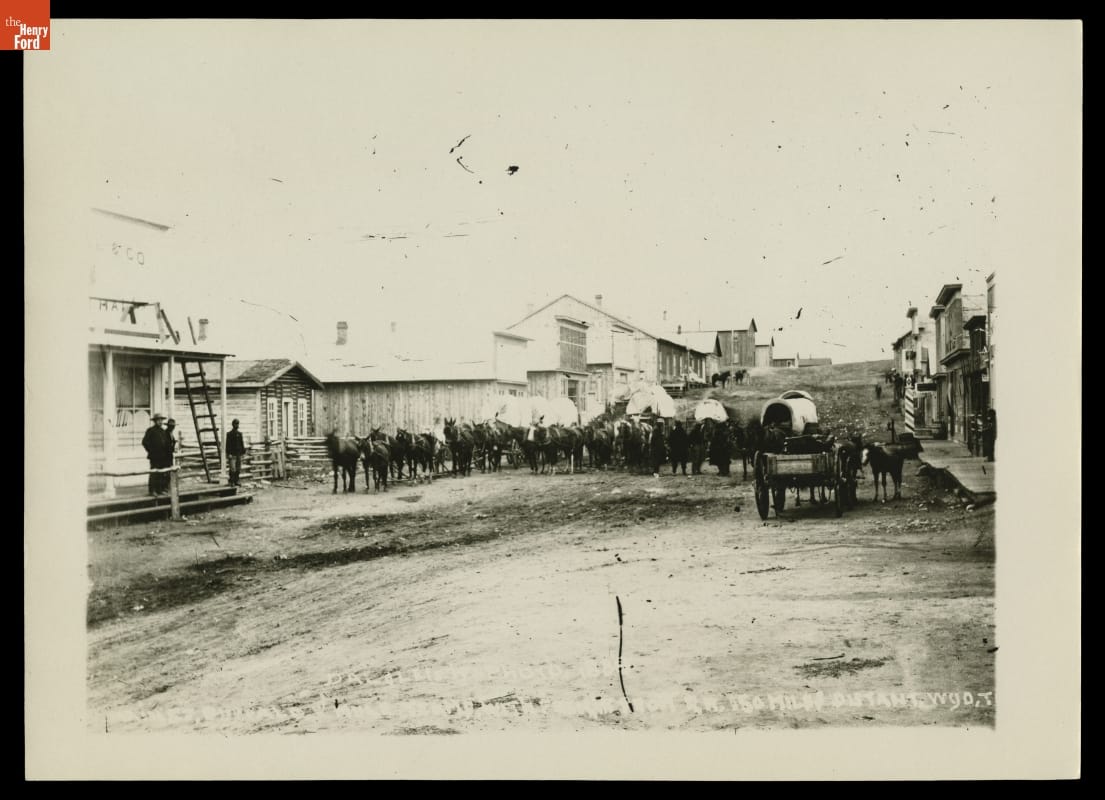
- 1885
- Collections - Artifact
Mule Teams and Wagons on Main Street, Buffalo, Wyoming Territory, 1885
In the 1880s, towns in the western United States that were isolated from river and rail transportation networks relied on freight haulers to supply needed goods. Drivers navigated heavy, product-laden wagons hitched to teams of mules or oxen over mountain passes and across lonely, open expanses to deliver their cargo. This image show wagons loaded with goods on Main Street in Buffalo, Wyoming.
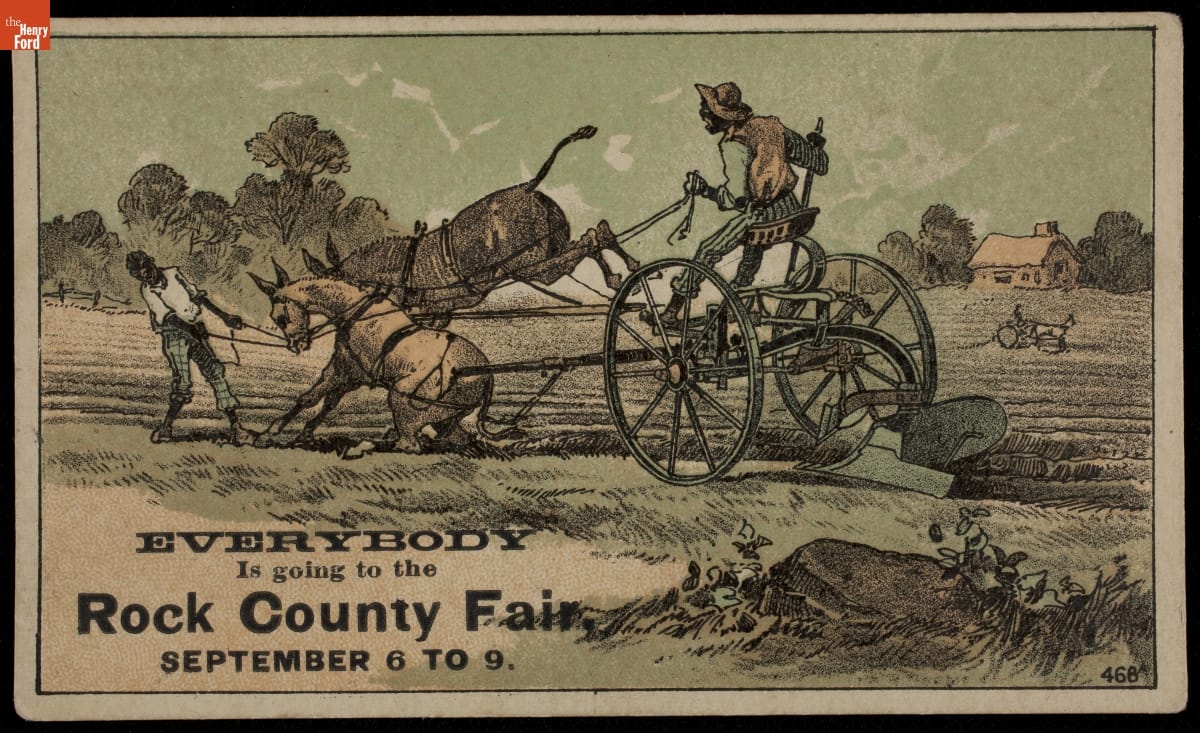
- Trade Card for the Rock County Fair, 1892 - In the late-nineteenth-century trade cards were used to promote events and sell products. These colorful advertisements also reflected the racial prejudices of the time. Card illustrators typically depicted African Americans with enlarged or distorted features, speaking with stereotypical language and often involved in some comical mishap. These images dehumanized blacks and affirmed the discriminatory biases many white Americans -- consumers of these trade cards -- held.
- 06 September 1892-09 September 1892
- Collections - Artifact
Trade Card for the Rock County Fair, 1892
In the late-nineteenth-century trade cards were used to promote events and sell products. These colorful advertisements also reflected the racial prejudices of the time. Card illustrators typically depicted African Americans with enlarged or distorted features, speaking with stereotypical language and often involved in some comical mishap. These images dehumanized blacks and affirmed the discriminatory biases many white Americans -- consumers of these trade cards -- held.
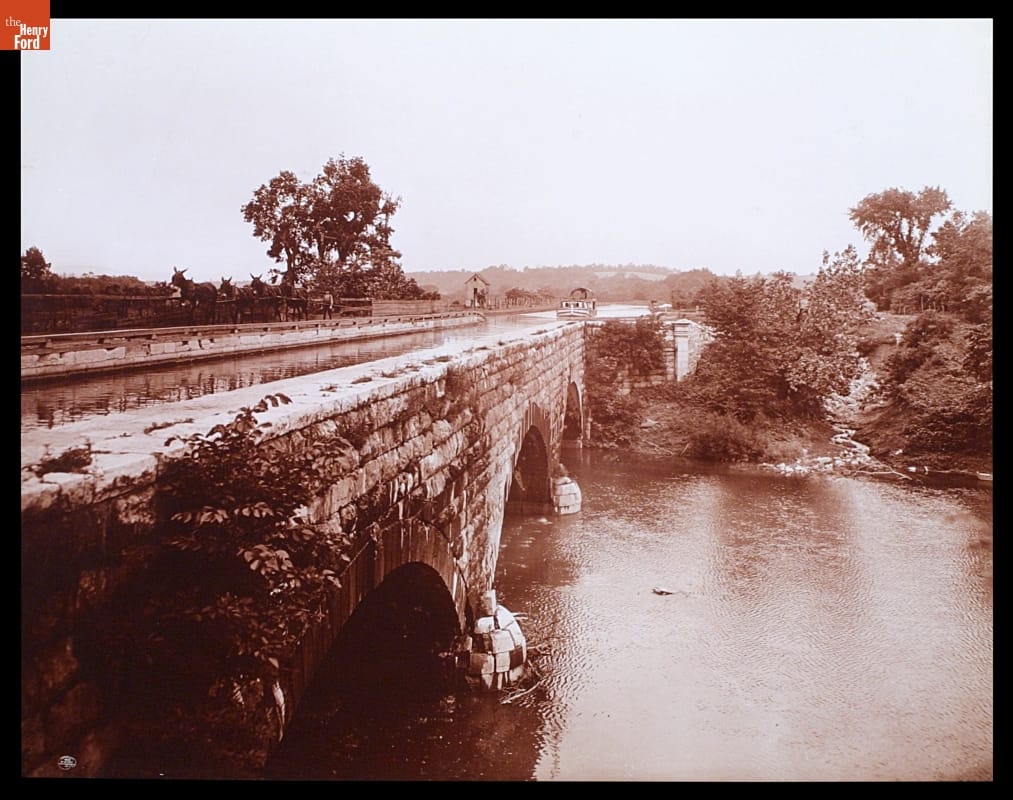
- Canal Boat on the Chesapeake and Ohio Canal at Williamsport, Maryland, 1903 - President George Washington was devoted to improving the Potomac, the only river bisecting the Appalachian mountain barrier and an important trade route. Americans continued work on the waterway, completing the Chesapeake and Ohio Canal in 1850. In this Detroit Publishing Company photograph, a team of mules pulls a boat over one of the canal's aqueducts.
- 1903
- Collections - Artifact
Canal Boat on the Chesapeake and Ohio Canal at Williamsport, Maryland, 1903
President George Washington was devoted to improving the Potomac, the only river bisecting the Appalachian mountain barrier and an important trade route. Americans continued work on the waterway, completing the Chesapeake and Ohio Canal in 1850. In this Detroit Publishing Company photograph, a team of mules pulls a boat over one of the canal's aqueducts.