
Search
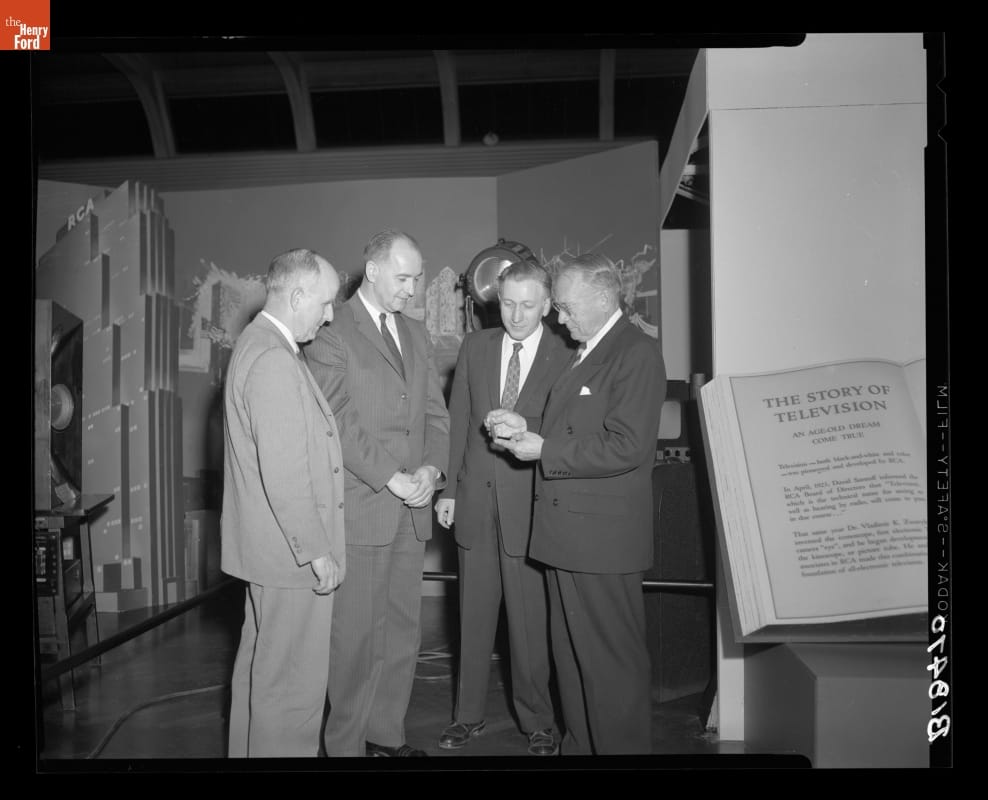
- Dr. Vladimir Zworykin Showing a Vidicon Television Camera Tube, Dearborn, Michigan, 1958 - Vladimir Zworykin was an early pioneer of television development, employed by Westinghouse and the Radio Corporation of America. Here he presents a Vidicon camera tube, to be donated to the museum. Vidicon tubes allowed bulky, expensive broadcast television cameras to become smaller and cheaper beginning in the 1950s. Zworykin's iconoscope and kinescope picture tubes were breakthroughs in television history.
- April 30, 1958
- Collections - Artifact
Dr. Vladimir Zworykin Showing a Vidicon Television Camera Tube, Dearborn, Michigan, 1958
Vladimir Zworykin was an early pioneer of television development, employed by Westinghouse and the Radio Corporation of America. Here he presents a Vidicon camera tube, to be donated to the museum. Vidicon tubes allowed bulky, expensive broadcast television cameras to become smaller and cheaper beginning in the 1950s. Zworykin's iconoscope and kinescope picture tubes were breakthroughs in television history.
- Dr. Vladimir Zworykin Showing Donald Shelley a Portable Television Camera, Dearborn, Michigan, 1958 -
- April 30, 1958
- Collections - Artifact
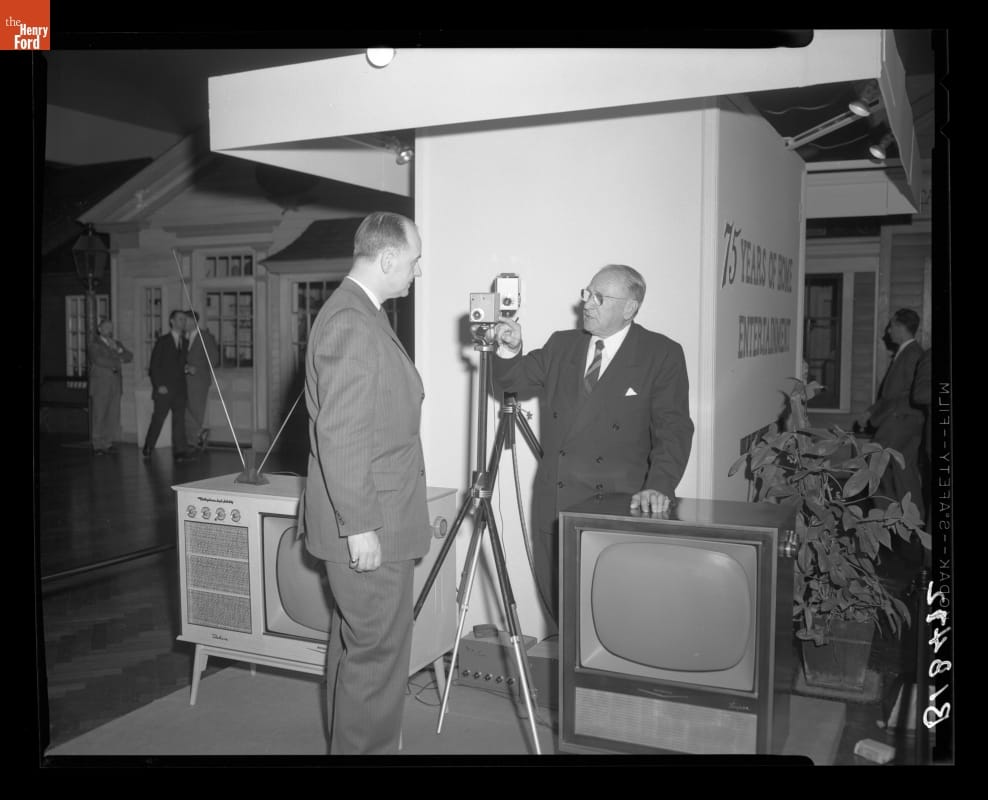
Dr. Vladimir Zworykin Showing Donald Shelley a Portable Television Camera, Dearborn, Michigan, 1958
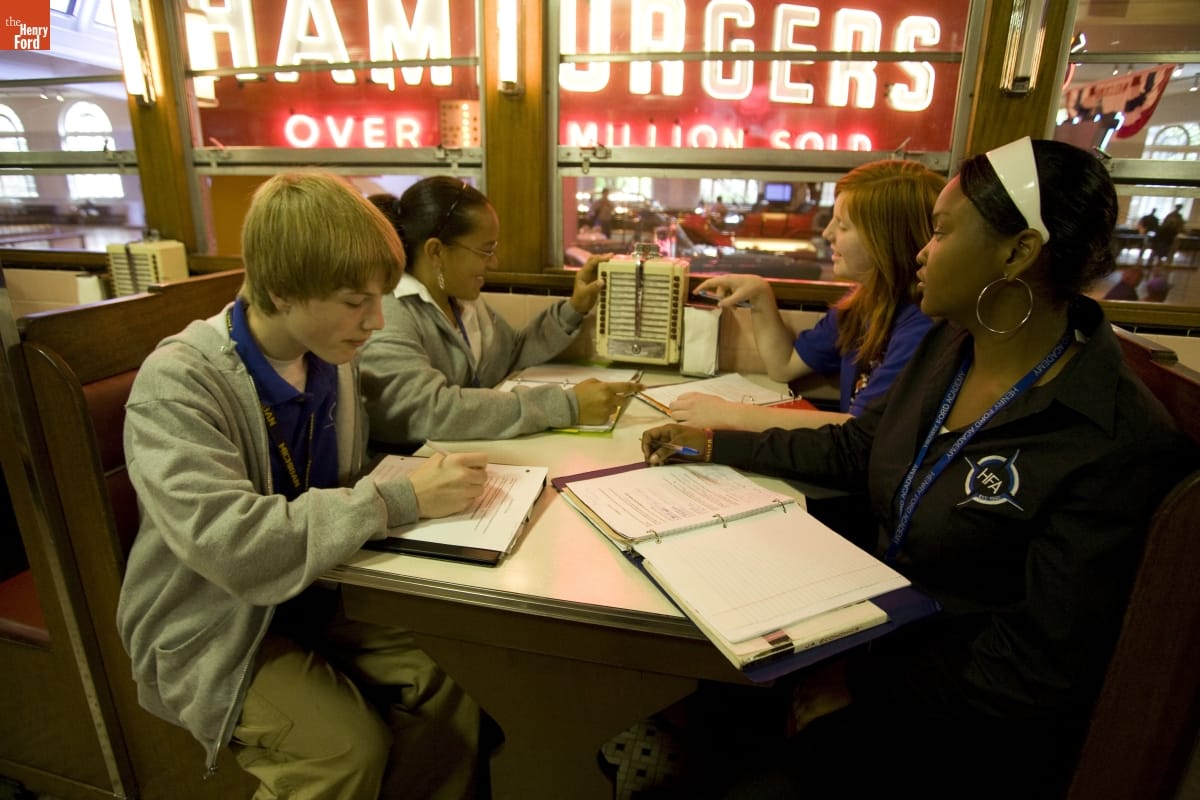
- Henry Ford Academy Students in Lamy's Diner in Henry Ford Museum, October 2007 - Henry Ford Academy, a charter high school on the campus of The Henry Ford, opened in 1997. These students were photographed having a lesson in Lamy's Diner, inside Henry Ford Museum, in October 2007.
- October 01, 2007
- Collections - Artifact
Henry Ford Academy Students in Lamy's Diner in Henry Ford Museum, October 2007
Henry Ford Academy, a charter high school on the campus of The Henry Ford, opened in 1997. These students were photographed having a lesson in Lamy's Diner, inside Henry Ford Museum, in October 2007.
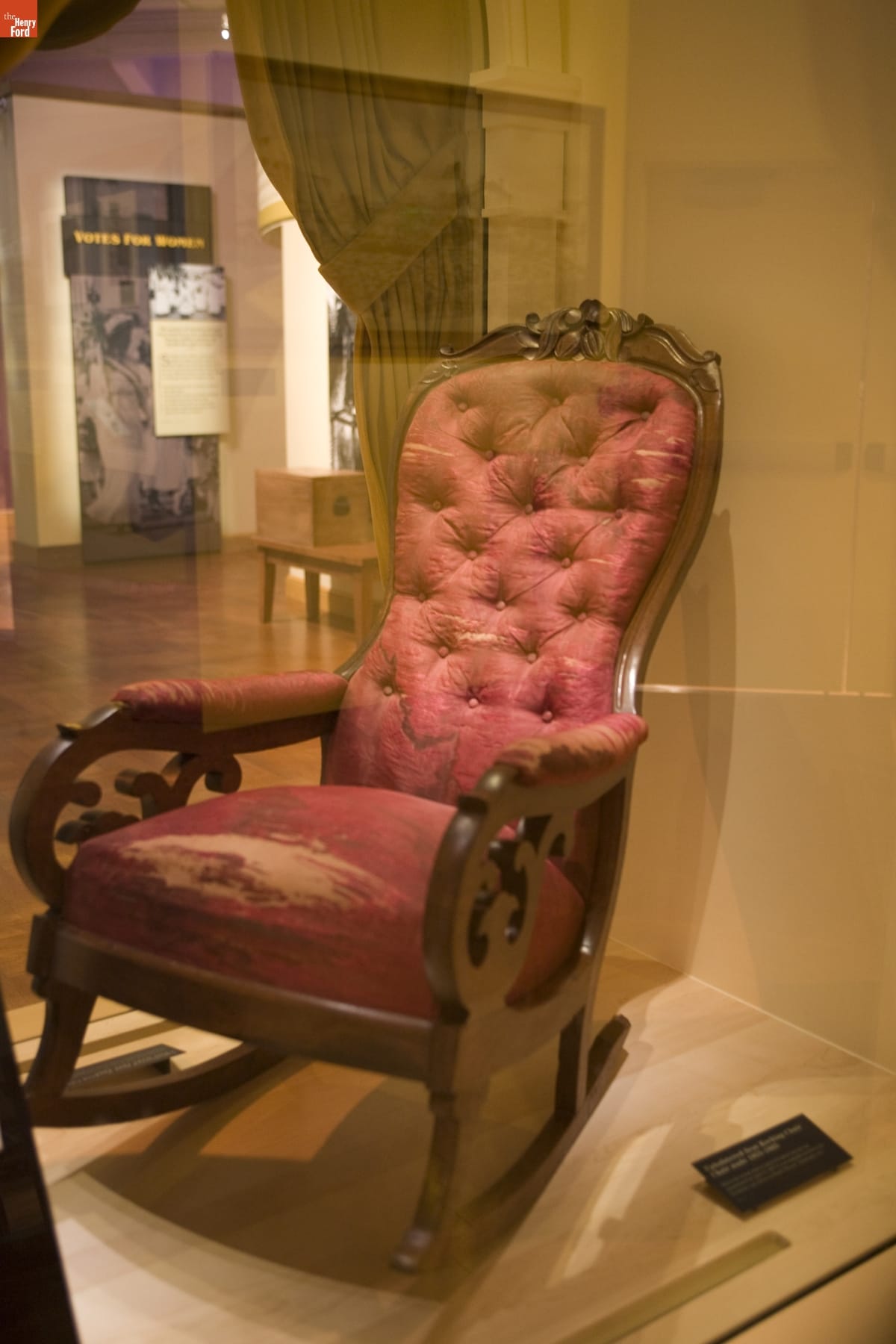
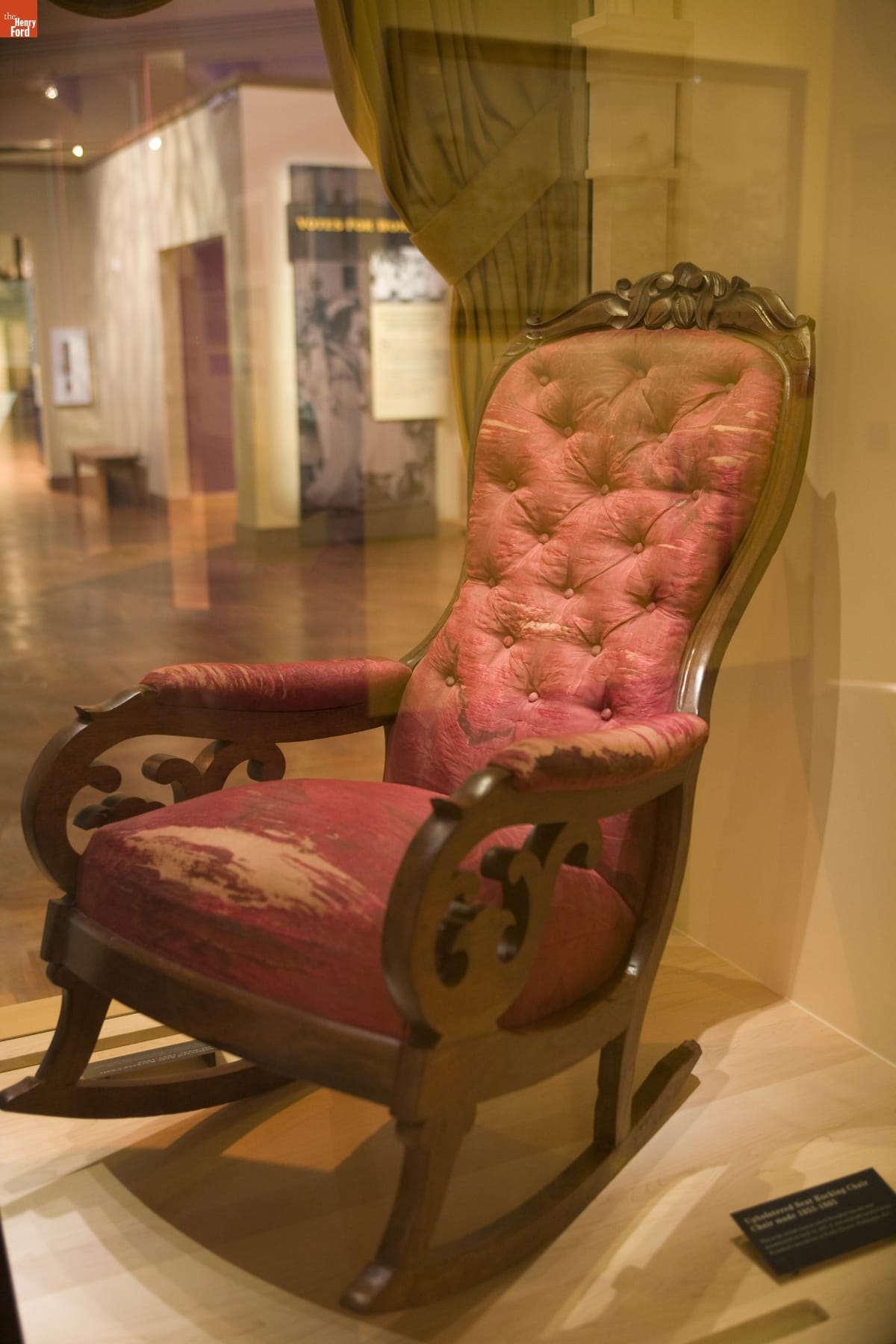
- The Chair in Which Abraham Lincoln Was Shot at Ford's Theatre, on Exhibit at Henry Ford Museum, June 2007 - President Abraham Lincoln was sitting in this rocking chair during a production of <EM>Our American Cousin</EM> at Ford's Theatre in Washington, D.C., when he was assassinated on April 14, 1865. Henry Ford purchased the chair in 1929 for the Museum, where it remains one of the most revered objects associated with the "man who saved the Union."
- June 01, 2007
- Collections - Artifact
The Chair in Which Abraham Lincoln Was Shot at Ford's Theatre, on Exhibit at Henry Ford Museum, June 2007
President Abraham Lincoln was sitting in this rocking chair during a production of Our American Cousin at Ford's Theatre in Washington, D.C., when he was assassinated on April 14, 1865. Henry Ford purchased the chair in 1929 for the Museum, where it remains one of the most revered objects associated with the "man who saved the Union."
- The Chair in Which Abraham Lincoln Was Shot at Ford's Theatre, on Exhibit at Henry Ford Museum, June 2007 - President Abraham Lincoln was sitting in this rocking chair during a production of <EM>Our American Cousin</EM> at Ford's Theatre in Washington, D.C., when he was assassinated on April 14, 1865. Henry Ford purchased the chair in 1929 for the Museum, where it remains one of the most revered objects associated with the "man who saved the Union."
- June 01, 2007
- Collections - Artifact
The Chair in Which Abraham Lincoln Was Shot at Ford's Theatre, on Exhibit at Henry Ford Museum, June 2007
President Abraham Lincoln was sitting in this rocking chair during a production of Our American Cousin at Ford's Theatre in Washington, D.C., when he was assassinated on April 14, 1865. Henry Ford purchased the chair in 1929 for the Museum, where it remains one of the most revered objects associated with the "man who saved the Union."
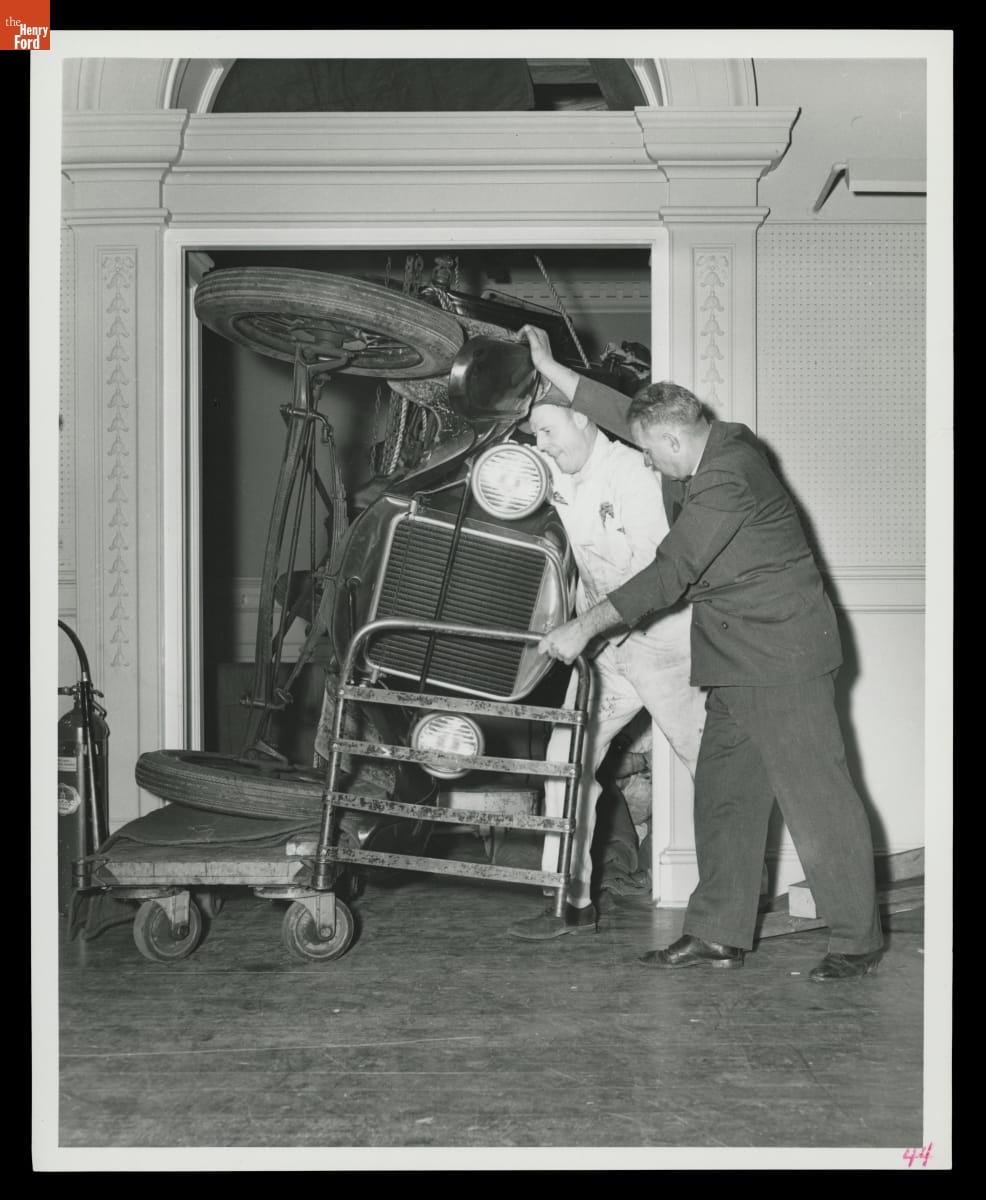
- Moving the 15 Millionth Ford Model T Into "Henry Ford: A Personal History" Exhibit, February 1953 - Henry Ford himself was the focus of <em>Henry Ford: A Personal History</em>. Opened in 1953 during Ford Motor Company's 50th anniversary, the exhibit included artifacts like the fifteen millionth Ford Model T. The exhibit's second-floor location meant lifting the Model T with a crane and moving it on its side through tight doorways.
- February 01, 1953
- Collections - Artifact
Moving the 15 Millionth Ford Model T Into "Henry Ford: A Personal History" Exhibit, February 1953
Henry Ford himself was the focus of Henry Ford: A Personal History. Opened in 1953 during Ford Motor Company's 50th anniversary, the exhibit included artifacts like the fifteen millionth Ford Model T. The exhibit's second-floor location meant lifting the Model T with a crane and moving it on its side through tight doorways.
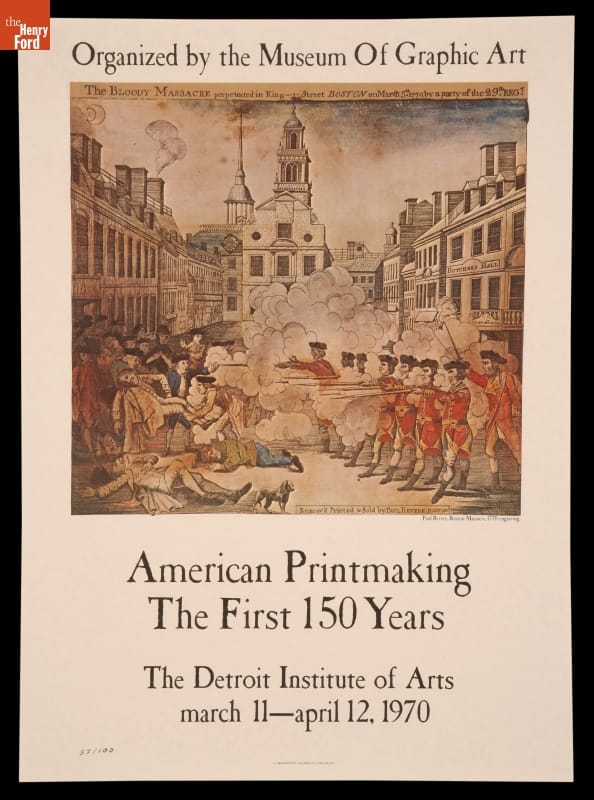
- Exhibition Poster, "American Printmaking: The First 150 Years," 1970 -
- 11 March 1970 - 12 April 1970
- Collections - Artifact
Exhibition Poster, "American Printmaking: The First 150 Years," 1970
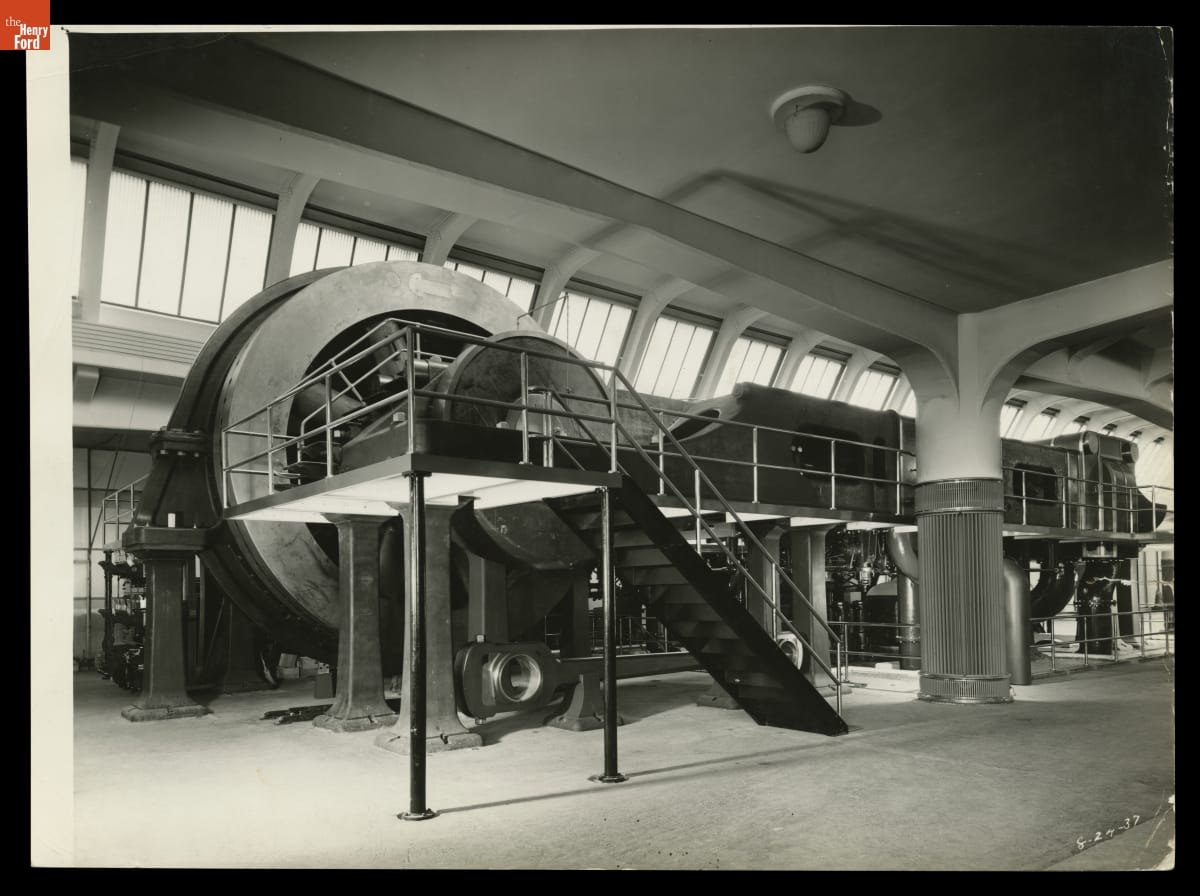
- Gas-Steam Engine Used at the Ford Highland Park Plant, on Exhibit in Henry Ford Museum in August 1937 -
- August 24, 1937
- Collections - Artifact
Gas-Steam Engine Used at the Ford Highland Park Plant, on Exhibit in Henry Ford Museum in August 1937
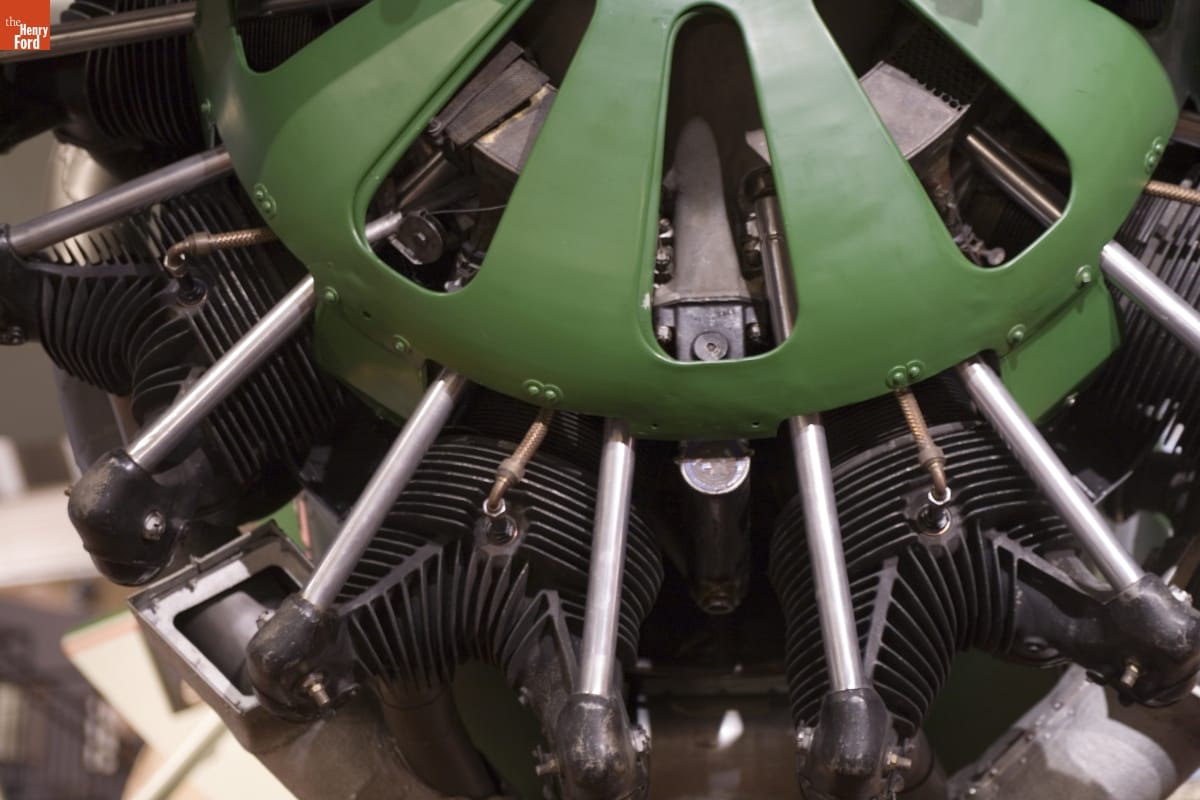
- 1927 Boeing Model 40-B2 Biplane on Exhibit in Henry Ford Museum, June 2007 - Boeing's Model 40-B2 airplane used an air-cooled radial engine. Carrying capacity that would have been spent on a radiator and water could instead be used for mail or passengers. When <em>Heroes of the Sky</em> opened at The Henry Ford in 2003, the Model 40-B2 represented designer and manufacturer William E. Boeing in the exhibit's "Entrepreneurs" section.
- June 01, 2007
- Collections - Artifact
1927 Boeing Model 40-B2 Biplane on Exhibit in Henry Ford Museum, June 2007
Boeing's Model 40-B2 airplane used an air-cooled radial engine. Carrying capacity that would have been spent on a radiator and water could instead be used for mail or passengers. When Heroes of the Sky opened at The Henry Ford in 2003, the Model 40-B2 represented designer and manufacturer William E. Boeing in the exhibit's "Entrepreneurs" section.
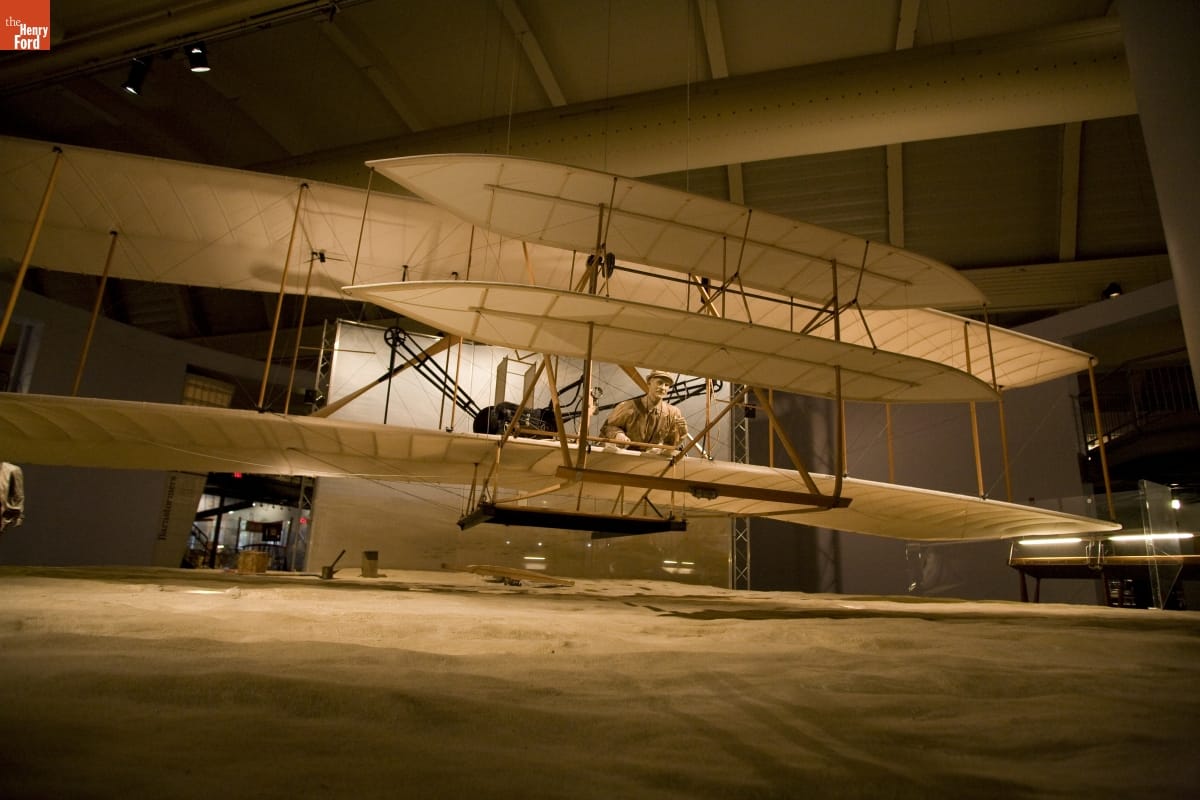
- Replica of the 1903 Wright Flyer on Exhibit in Henry Ford Museum, September 2007 - This replica of the 1903 Wright Flyer was built in 2003 to celebrate the centennial of the Wright brothers' first flight at Kill Devil Hills, North Carolina. The replica Flyer became the heart of the <em>Heroes of the Sky</em> exhibit in Henry Ford Museum of American Innovation, sitting in the central hub that connected each of the exhibit's sections.
- September 01, 2007
- Collections - Artifact
Replica of the 1903 Wright Flyer on Exhibit in Henry Ford Museum, September 2007
This replica of the 1903 Wright Flyer was built in 2003 to celebrate the centennial of the Wright brothers' first flight at Kill Devil Hills, North Carolina. The replica Flyer became the heart of the Heroes of the Sky exhibit in Henry Ford Museum of American Innovation, sitting in the central hub that connected each of the exhibit's sections.