
Search
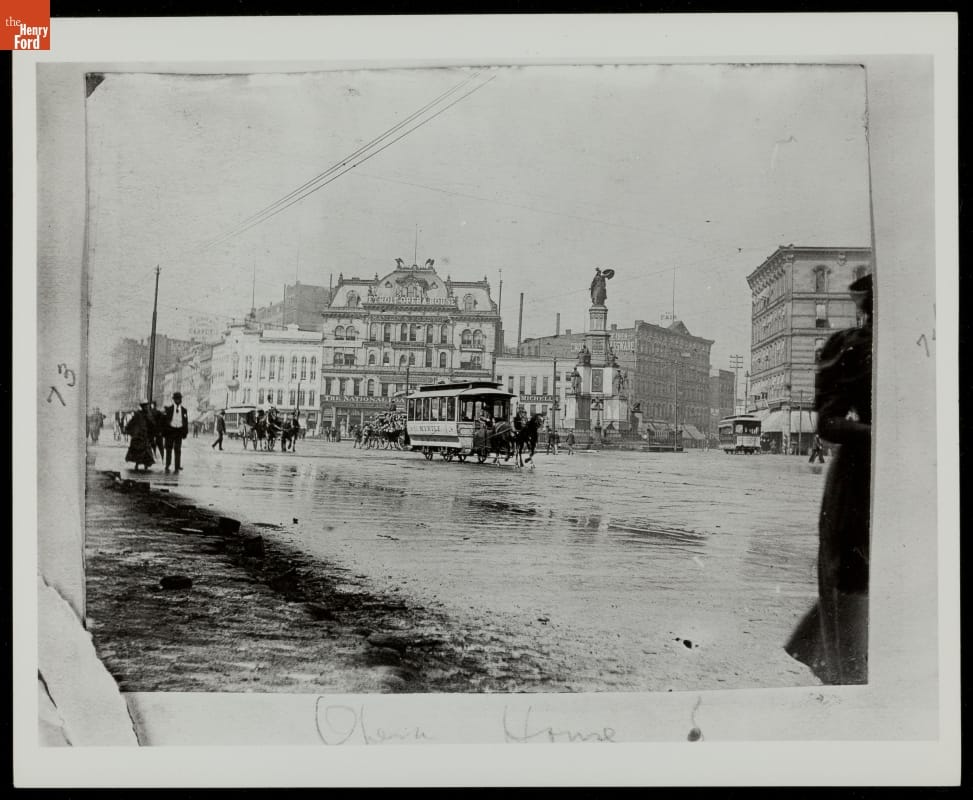
- Detroit Opera House, Detroit, Michigan, circa 1890 - The first Detroit Opera House stands behind a horse-drawn streetcar at Campus Martius, a former military training ground that became the "point of origin" of Detroit's coordinate street system and site of the Michigan Soldiers' and Sailors' Monument. Electric streetcar lines (note the wires strung above the streets) coexisted with horsecars in turn-of-the-ninteenth-century Detroit.
- circa 1890
- Collections - Artifact
Detroit Opera House, Detroit, Michigan, circa 1890
The first Detroit Opera House stands behind a horse-drawn streetcar at Campus Martius, a former military training ground that became the "point of origin" of Detroit's coordinate street system and site of the Michigan Soldiers' and Sailors' Monument. Electric streetcar lines (note the wires strung above the streets) coexisted with horsecars in turn-of-the-ninteenth-century Detroit.
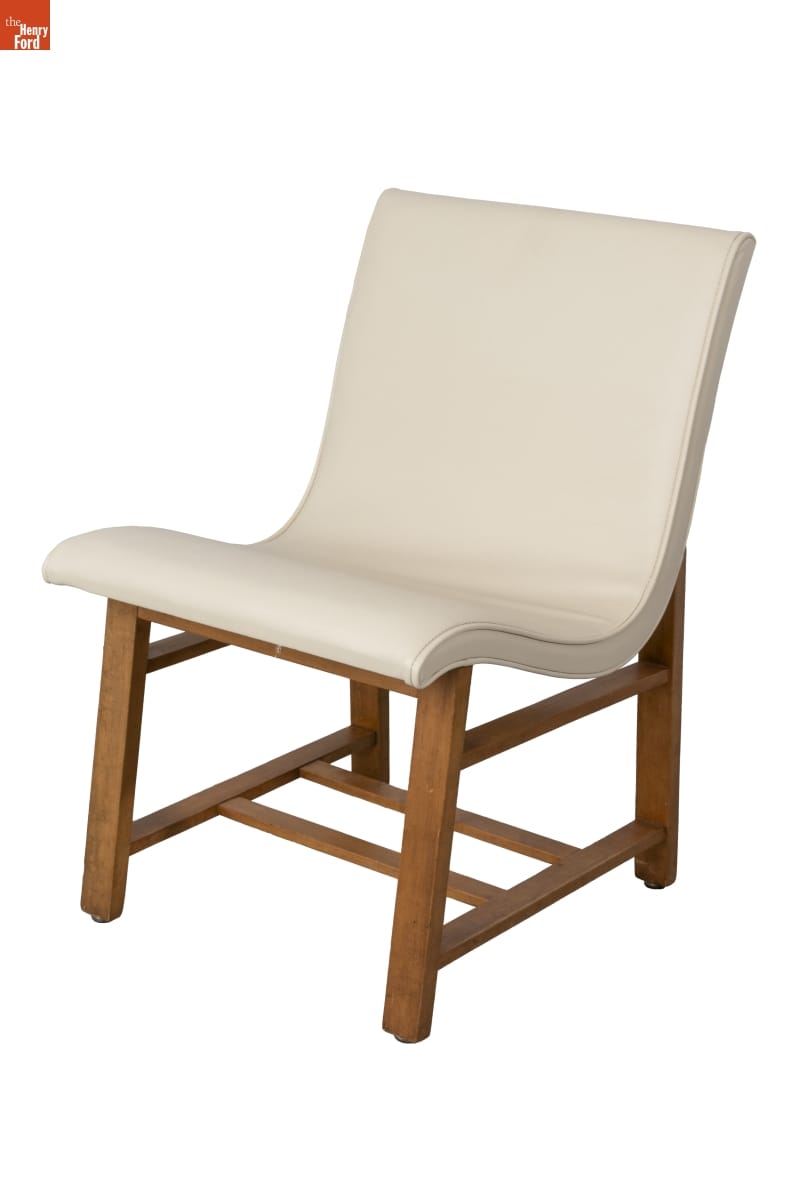
- Kleinhans Side Chair, Designed by Charles Eames and Eero Saarinen for Kleinhans Music Hall, Buffalo, New York, 1939 -
- 1939
- Collections - Artifact
Kleinhans Side Chair, Designed by Charles Eames and Eero Saarinen for Kleinhans Music Hall, Buffalo, New York, 1939
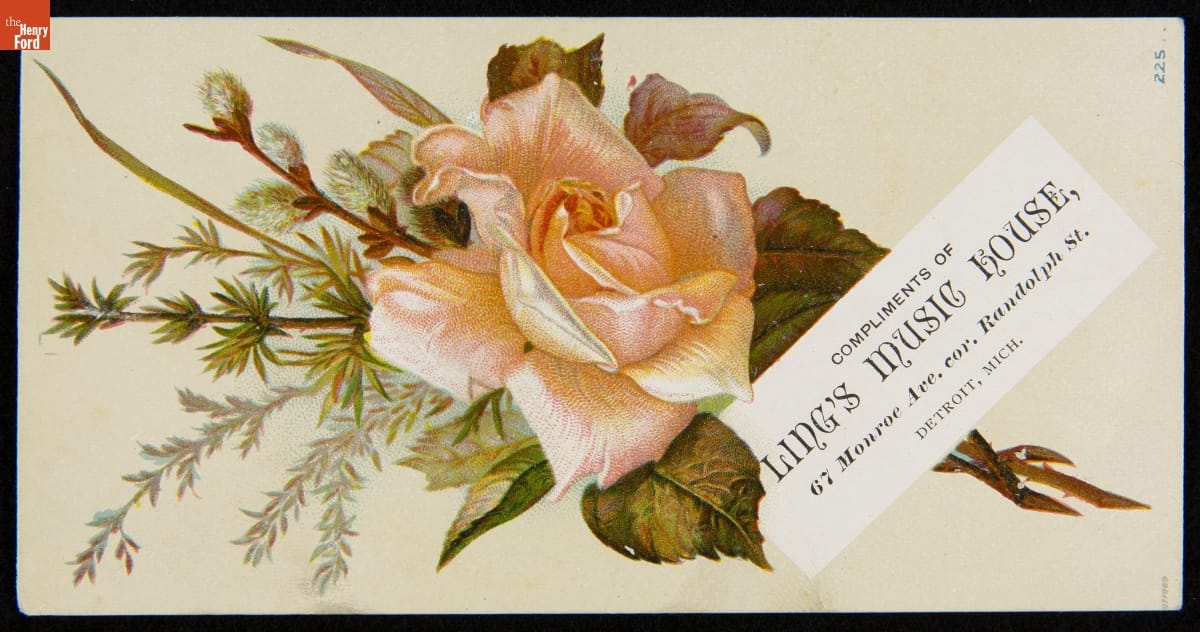
- Trade Card for Ling's Music House, 1880-1900 - In the last third of the nineteenth century, an unprecedented variety of consumer goods and services flooded the American market. Advertisers, armed with new methods of color printing, bombarded potential customers with trade cards. Americans enjoyed and often saved the vibrant little advertisements found in product packages or distributed by local merchants. Many survive as historical records of commercialism in the United States.
- 1880-1900
- Collections - Artifact
Trade Card for Ling's Music House, 1880-1900
In the last third of the nineteenth century, an unprecedented variety of consumer goods and services flooded the American market. Advertisers, armed with new methods of color printing, bombarded potential customers with trade cards. Americans enjoyed and often saved the vibrant little advertisements found in product packages or distributed by local merchants. Many survive as historical records of commercialism in the United States.
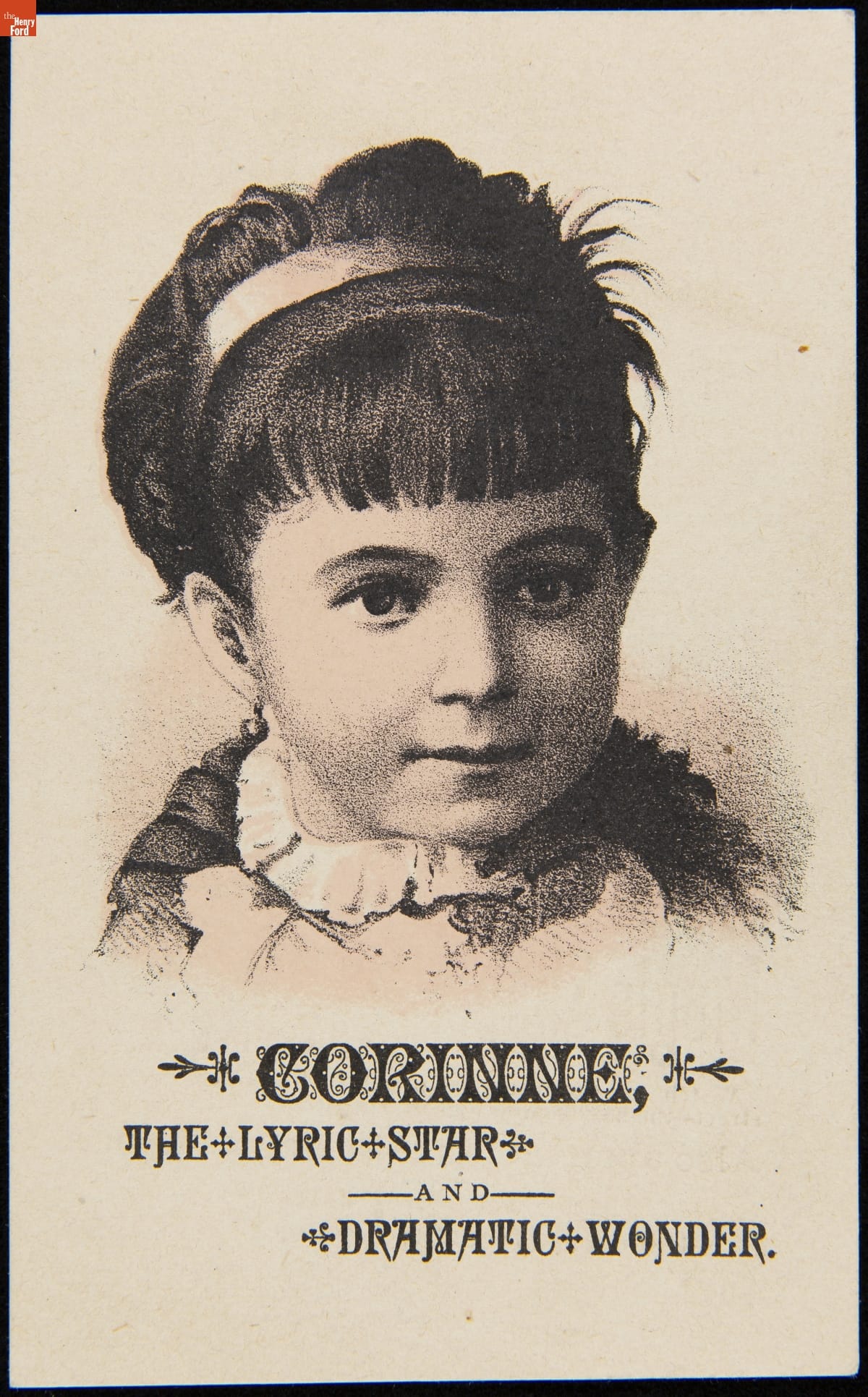
- Trade Card for the Westfield Music Hall Featuring "Corinne, The Lyric Star and Dramatic Wonder," May 12, 1883 - In the last third of the nineteenth century, an unprecedented variety of consumer goods and services flooded the American market. Advertisers, armed with new methods of color printing, bombarded potential customers with trade cards. Americans enjoyed and often saved the vibrant little advertisements found in product packages or distributed by local merchants. Many survive as historical records of commercialism in the United States.
- May 12, 1883
- Collections - Artifact
Trade Card for the Westfield Music Hall Featuring "Corinne, The Lyric Star and Dramatic Wonder," May 12, 1883
In the last third of the nineteenth century, an unprecedented variety of consumer goods and services flooded the American market. Advertisers, armed with new methods of color printing, bombarded potential customers with trade cards. Americans enjoyed and often saved the vibrant little advertisements found in product packages or distributed by local merchants. Many survive as historical records of commercialism in the United States.
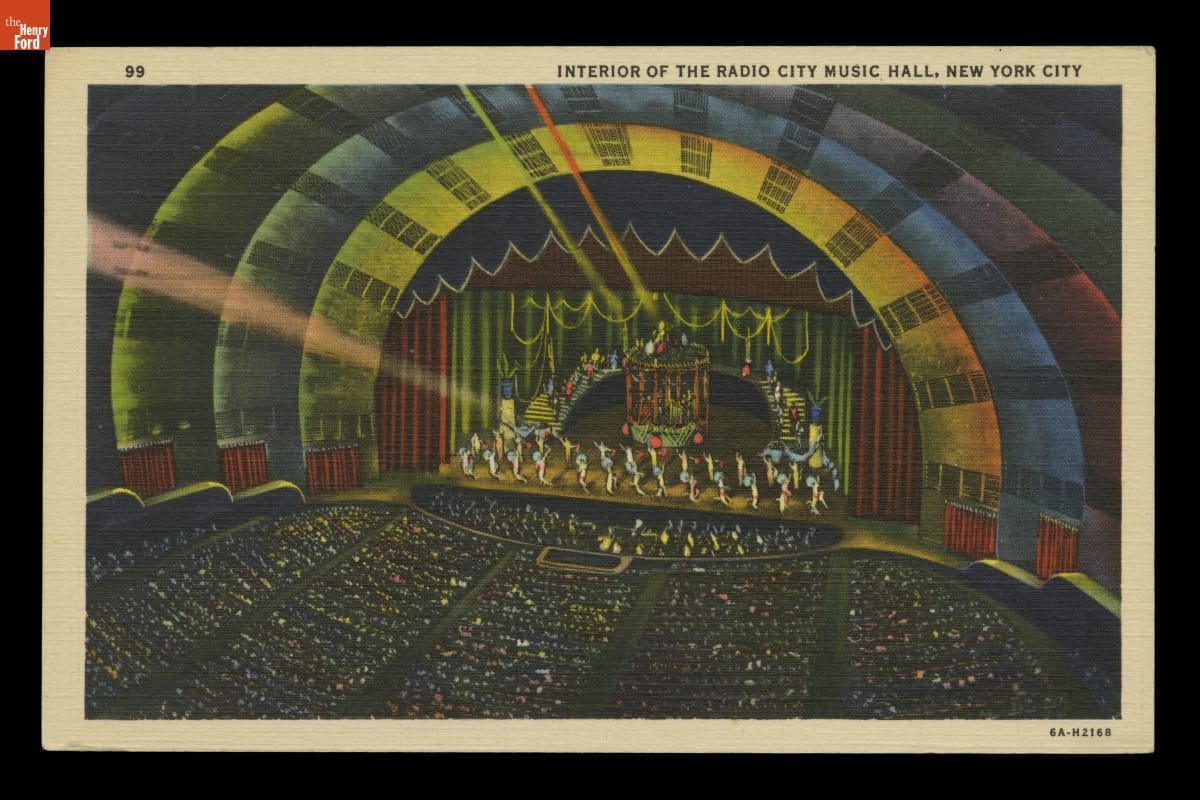
- Postcard, "Interior of the Radio City Music Hall, New York City," 1936 -
- 1936
- Collections - Artifact
Postcard, "Interior of the Radio City Music Hall, New York City," 1936
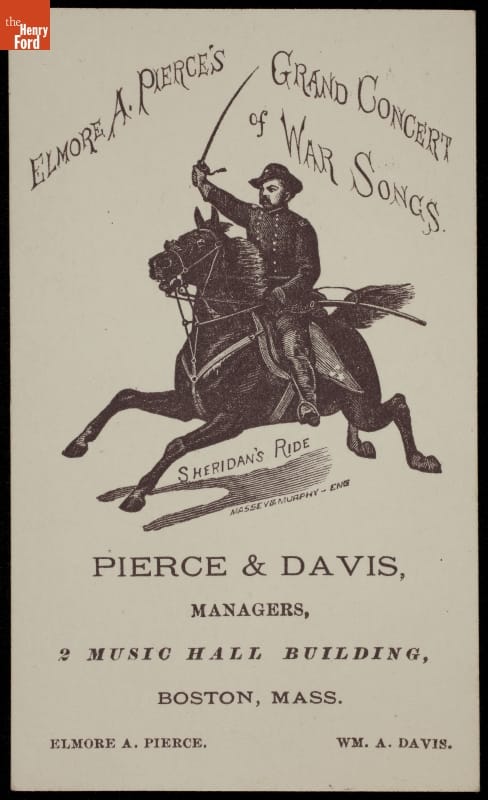
- Trade Card for War Songs Concert, Elmore A. Pierce, 1883 - In the last third of the nineteenth century, an unprecedented variety of consumer goods and services flooded the American market. Advertisers bombarded potential customers with trade cards. Americans enjoyed and saved the often illustrated little advertisements found in product packages or distributed by local merchants. Many survive as historical records of commercialism in the United States.
- October 11, 1883
- Collections - Artifact
Trade Card for War Songs Concert, Elmore A. Pierce, 1883
In the last third of the nineteenth century, an unprecedented variety of consumer goods and services flooded the American market. Advertisers bombarded potential customers with trade cards. Americans enjoyed and saved the often illustrated little advertisements found in product packages or distributed by local merchants. Many survive as historical records of commercialism in the United States.
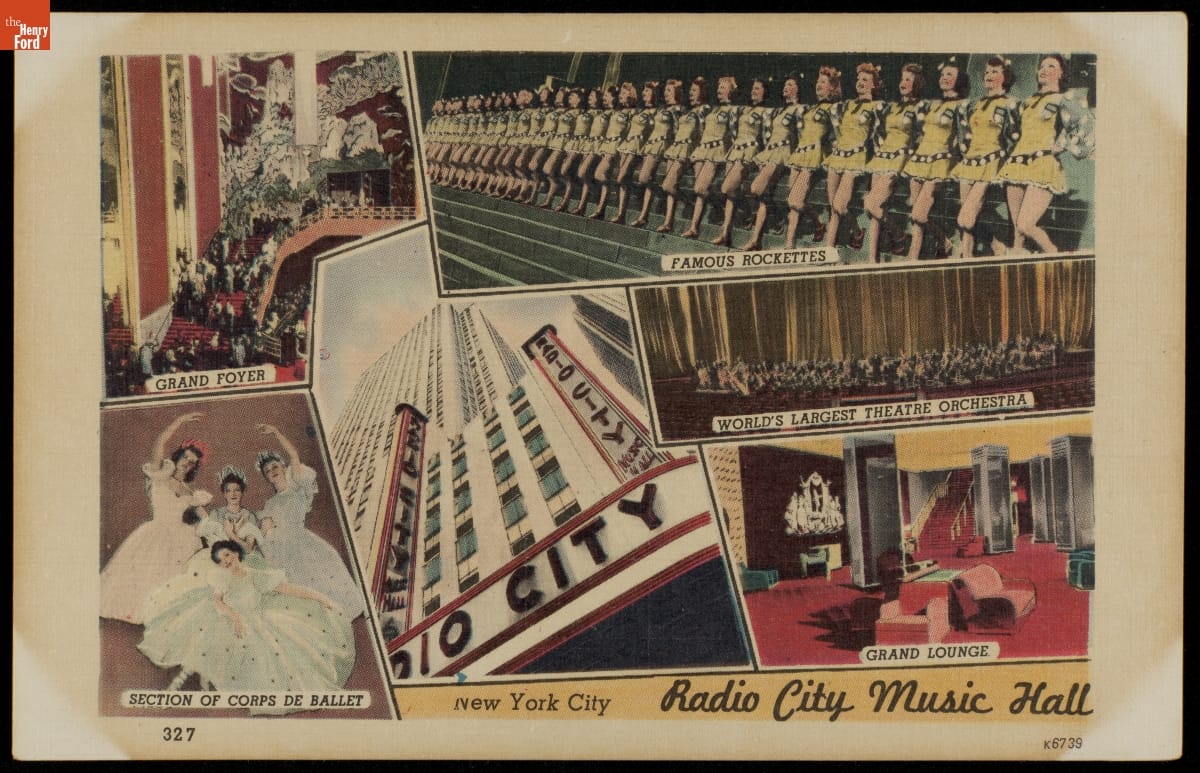
- "New York City Radio City Music Hall," circa 1940 -
- circa 1940
- Collections - Artifact
"New York City Radio City Music Hall," circa 1940
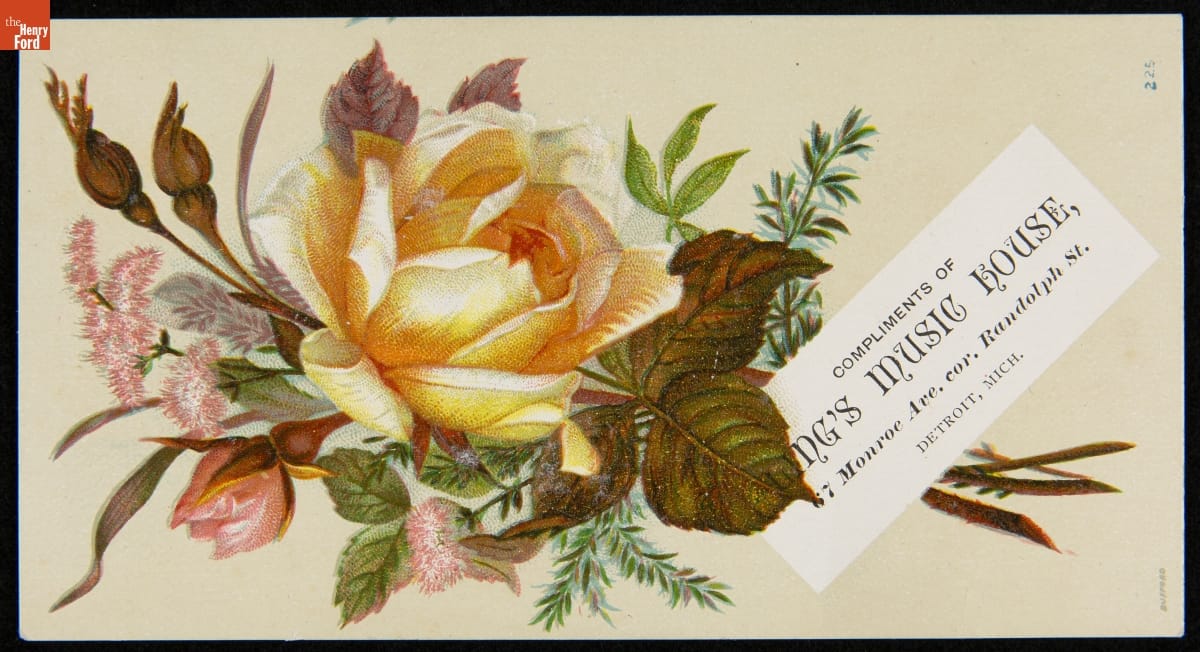
- Trade Card for Ling's Music House, 1880-1900 - In the last third of the nineteenth century, an unprecedented variety of consumer goods and services flooded the American market. Advertisers, armed with new methods of color printing, bombarded potential customers with trade cards. Americans enjoyed and often saved the vibrant little advertisements found in product packages or distributed by local merchants. Many survive as historical records of commercialism in the United States.
- 1880-1900
- Collections - Artifact
Trade Card for Ling's Music House, 1880-1900
In the last third of the nineteenth century, an unprecedented variety of consumer goods and services flooded the American market. Advertisers, armed with new methods of color printing, bombarded potential customers with trade cards. Americans enjoyed and often saved the vibrant little advertisements found in product packages or distributed by local merchants. Many survive as historical records of commercialism in the United States.
- Kleinhans Side Chair, Designed by Charles Eames and Eero Saarinen for Kleinhans Music Hall, Buffalo, New York, 1939 -
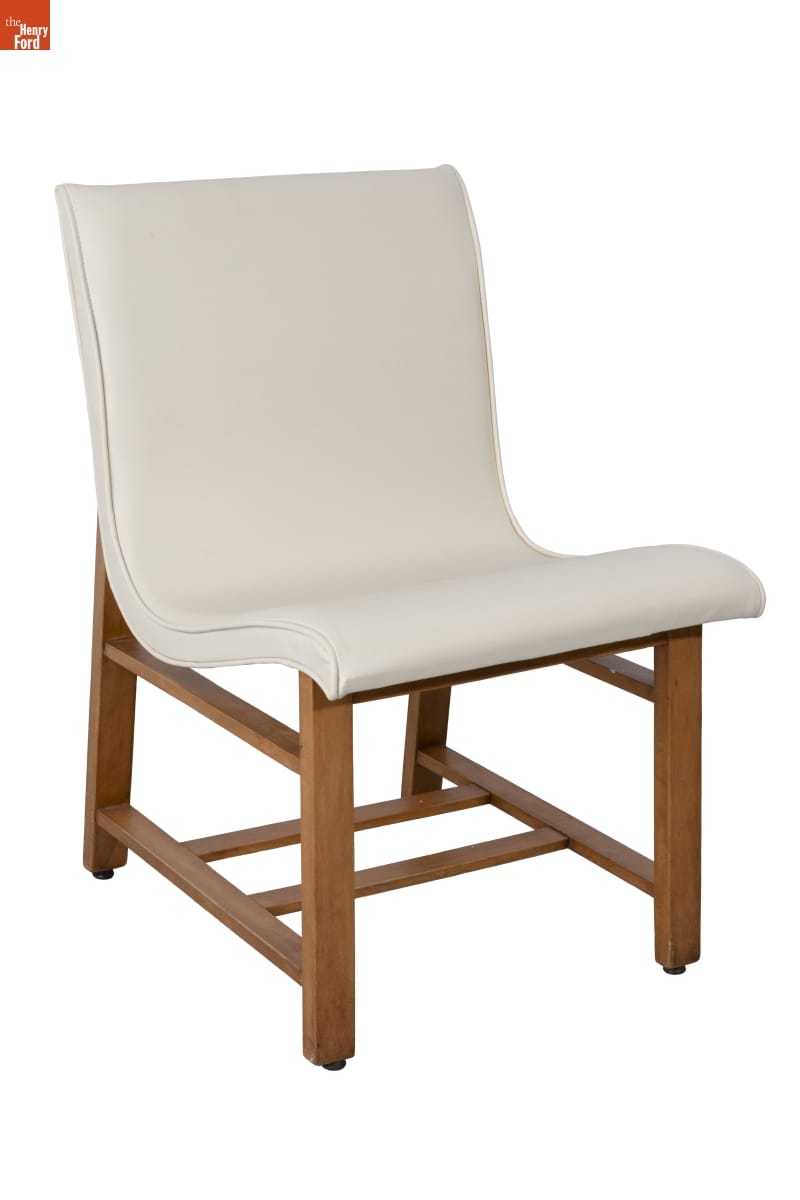
- 1939
- Collections - Artifact
Kleinhans Side Chair, Designed by Charles Eames and Eero Saarinen for Kleinhans Music Hall, Buffalo, New York, 1939