
Search
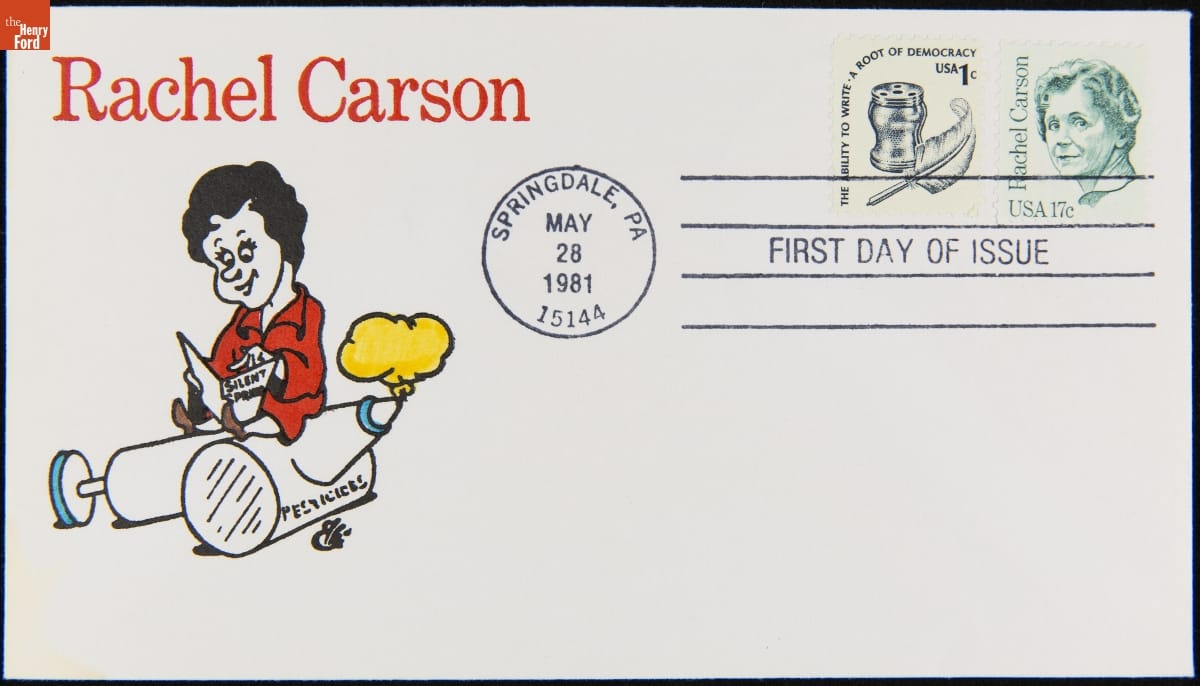
- First Day Cover Honoring Rachel Carson, May 28, 1981 - Marine biologist Rachel Carson helped spark the environmental movements of the 1960s with her book <EM>Silent Spring</EM>. It described how widespread pesticide use, in particular DDT, was harming and killing birds and other animals as well as threatening the health of humans. Her book helped the general population understand the interconnected nature of ecosystems and how localized polluting affects larger natural systems.
- May 28, 1981
- Collections - Artifact
First Day Cover Honoring Rachel Carson, May 28, 1981
Marine biologist Rachel Carson helped spark the environmental movements of the 1960s with her book Silent Spring. It described how widespread pesticide use, in particular DDT, was harming and killing birds and other animals as well as threatening the health of humans. Her book helped the general population understand the interconnected nature of ecosystems and how localized polluting affects larger natural systems.
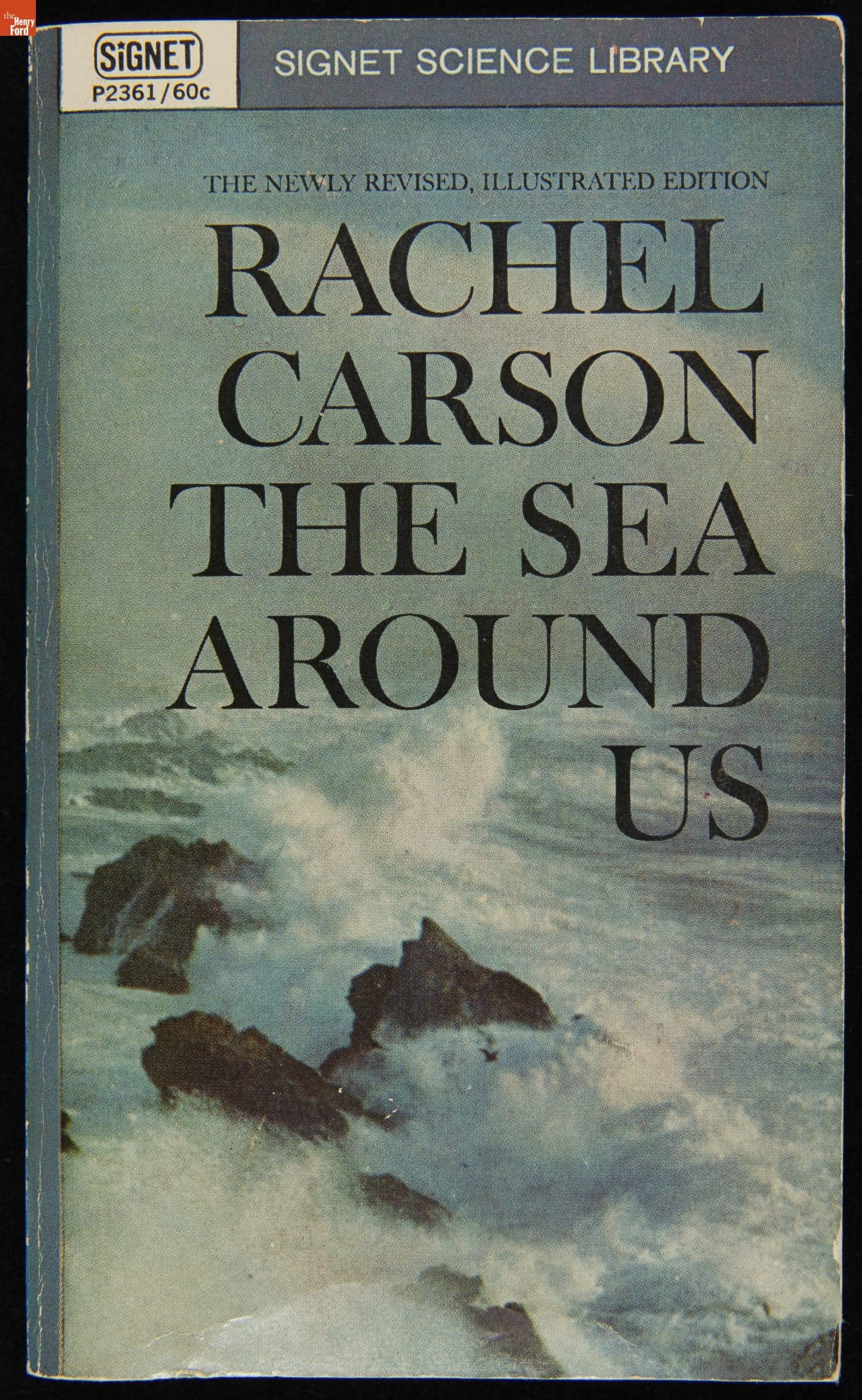
- "The Sea Around Us," 1951 - After the minimal success of her first book, <em>Under the Sea Wind</em> (1941), marine biologist Rachel Carson, published <em>The Sea Around Us</em> (1951). Her prose, a mix of poetry and scientific understanding, captured readers' imaginations and won the book multiple awards. This success allowed Carson to resign as Chief Editor of the United States Fish and Wildlife Service and devote all of her time to being an author.
- 1951
- Collections - Artifact
"The Sea Around Us," 1951
After the minimal success of her first book, Under the Sea Wind (1941), marine biologist Rachel Carson, published The Sea Around Us (1951). Her prose, a mix of poetry and scientific understanding, captured readers' imaginations and won the book multiple awards. This success allowed Carson to resign as Chief Editor of the United States Fish and Wildlife Service and devote all of her time to being an author.
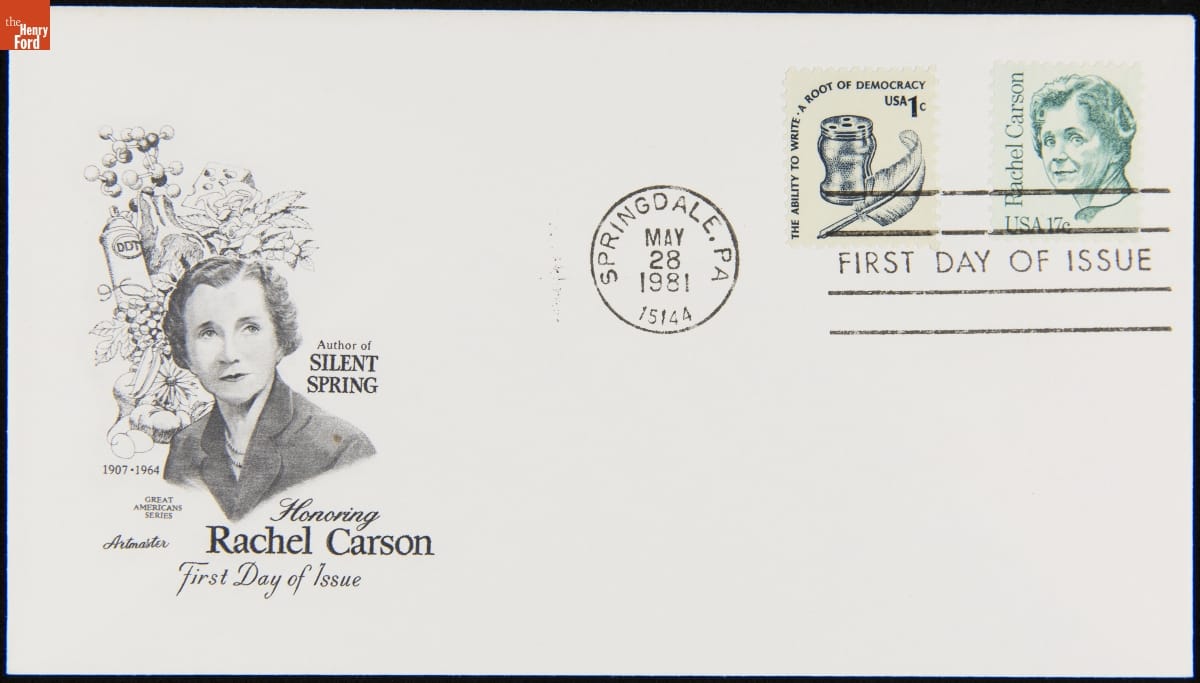
- First Day Cover Honoring Rachel Carson, May 28, 1981 - Marine biologist Rachel Carson helped spark the environmental movements of the 1960s with her book <EM>Silent Spring</EM>. It described how widespread pesticide use, in particular DDT, was harming and killing birds and other animals as well as threatening the health of humans. Her book helped the general population understand the interconnected nature of ecosystems and how localized polluting affects larger natural systems.
- May 28, 1981
- Collections - Artifact
First Day Cover Honoring Rachel Carson, May 28, 1981
Marine biologist Rachel Carson helped spark the environmental movements of the 1960s with her book Silent Spring. It described how widespread pesticide use, in particular DDT, was harming and killing birds and other animals as well as threatening the health of humans. Her book helped the general population understand the interconnected nature of ecosystems and how localized polluting affects larger natural systems.
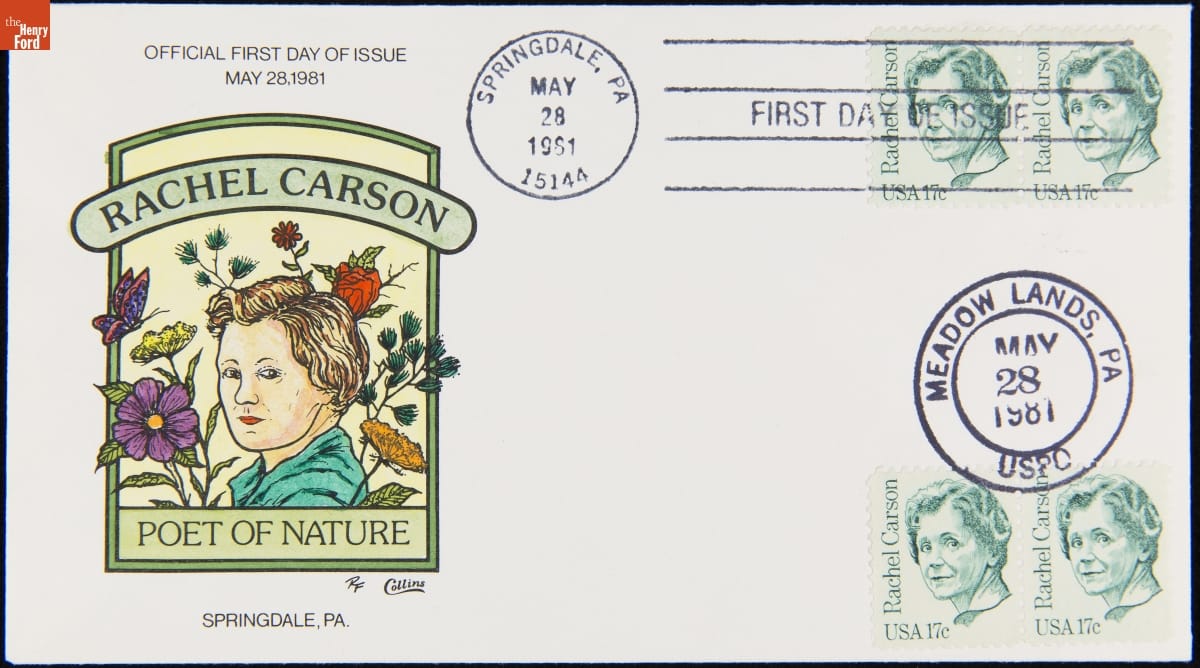
- First Day Cover, "Rachel Carson Poet of Nature," May 28, 1981 - Marine biologist Rachel Carson helped spark the environmental movements of the 1960s with her book <EM>Silent Spring</EM>. It described how widespread pesticide use, in particular DDT, was harming and killing birds and other animals as well as threatening the health of humans. Her book helped the general population understand the interconnected nature of ecosystems and how localized polluting affects larger natural systems.
- May 28, 1981
- Collections - Artifact
First Day Cover, "Rachel Carson Poet of Nature," May 28, 1981
Marine biologist Rachel Carson helped spark the environmental movements of the 1960s with her book Silent Spring. It described how widespread pesticide use, in particular DDT, was harming and killing birds and other animals as well as threatening the health of humans. Her book helped the general population understand the interconnected nature of ecosystems and how localized polluting affects larger natural systems.
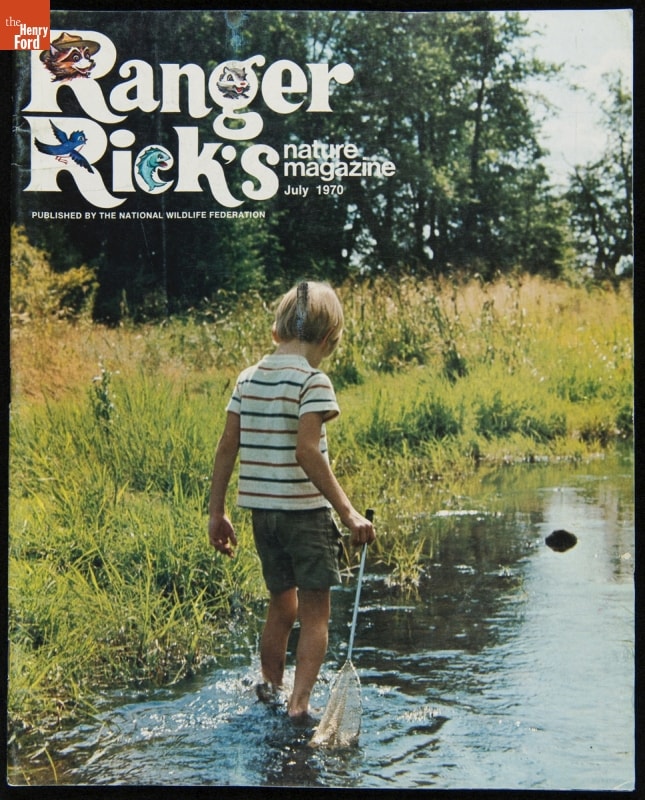
- "Ranger Rick's Nature Magazine," July 1970 - The National Wildlife Federation began publishing <em>Ranger Rick's Nature Magazine</em> in January 1967. The magazine's mission was to educate children about the world they live in, inspiring its readers to care for wildlife, the great outdoors, and the environment. Ranger Rick, a talkative raccoon and the magazine's title character, joined his animal friends in a mission to clean up the world around them.
- July 01, 1970
- Collections - Artifact
"Ranger Rick's Nature Magazine," July 1970
The National Wildlife Federation began publishing Ranger Rick's Nature Magazine in January 1967. The magazine's mission was to educate children about the world they live in, inspiring its readers to care for wildlife, the great outdoors, and the environment. Ranger Rick, a talkative raccoon and the magazine's title character, joined his animal friends in a mission to clean up the world around them.
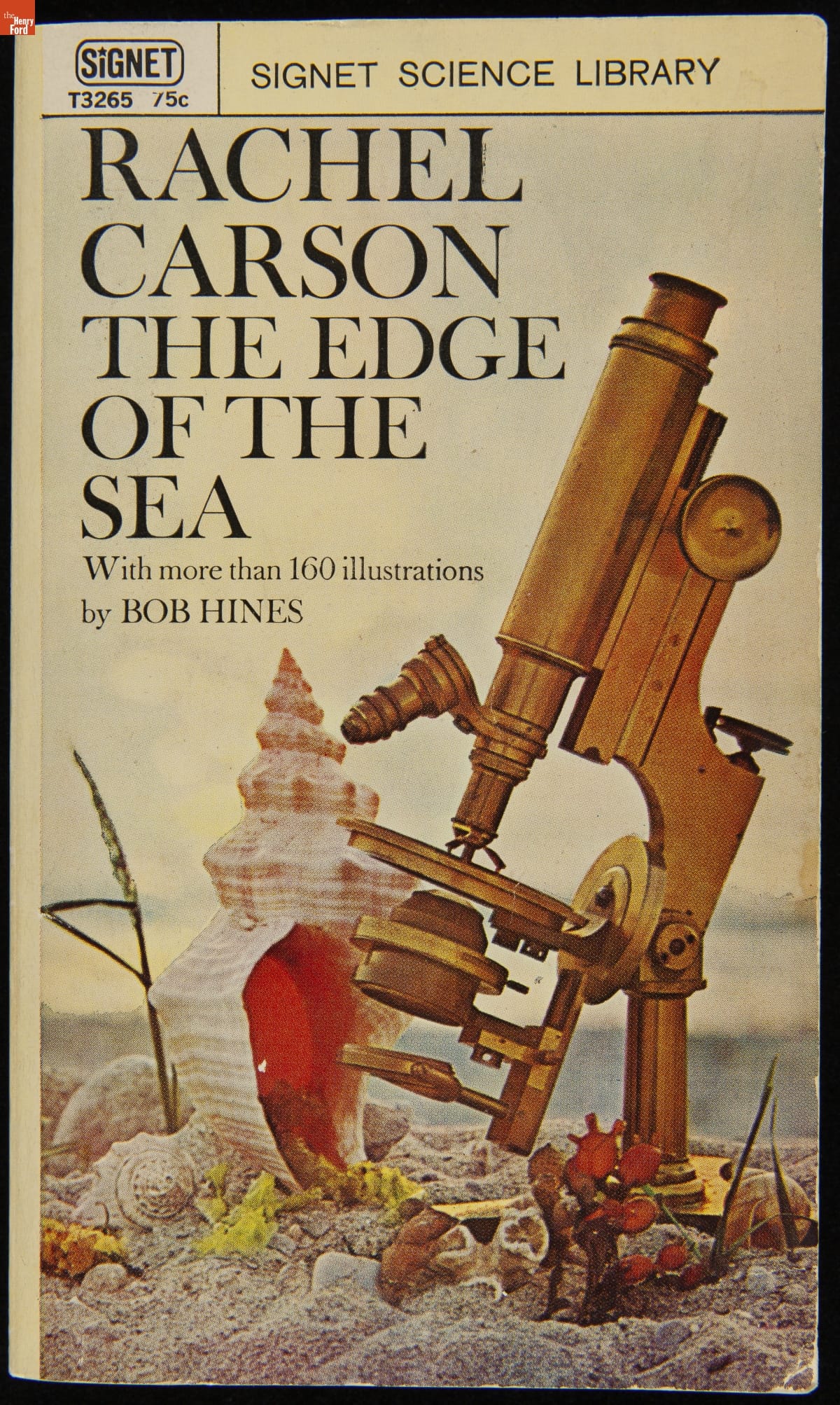
- "The Edge of the Sea," 1955 - Following up on the success of her 1951 book, <em>The Sea Around Us</em>, marine biologist Rachel Carson published <em>The Edge of the Sea</em> in 1955. It was the last in a trilogy that focused solely on the ocean. In it, she explored coastal ecology on the Eastern seaboard, sharing detailed descriptions of life in marshes, tide pools, and shallows--places where Carson found inspiration.
- 1955
- Collections - Artifact
"The Edge of the Sea," 1955
Following up on the success of her 1951 book, The Sea Around Us, marine biologist Rachel Carson published The Edge of the Sea in 1955. It was the last in a trilogy that focused solely on the ocean. In it, she explored coastal ecology on the Eastern seaboard, sharing detailed descriptions of life in marshes, tide pools, and shallows--places where Carson found inspiration.
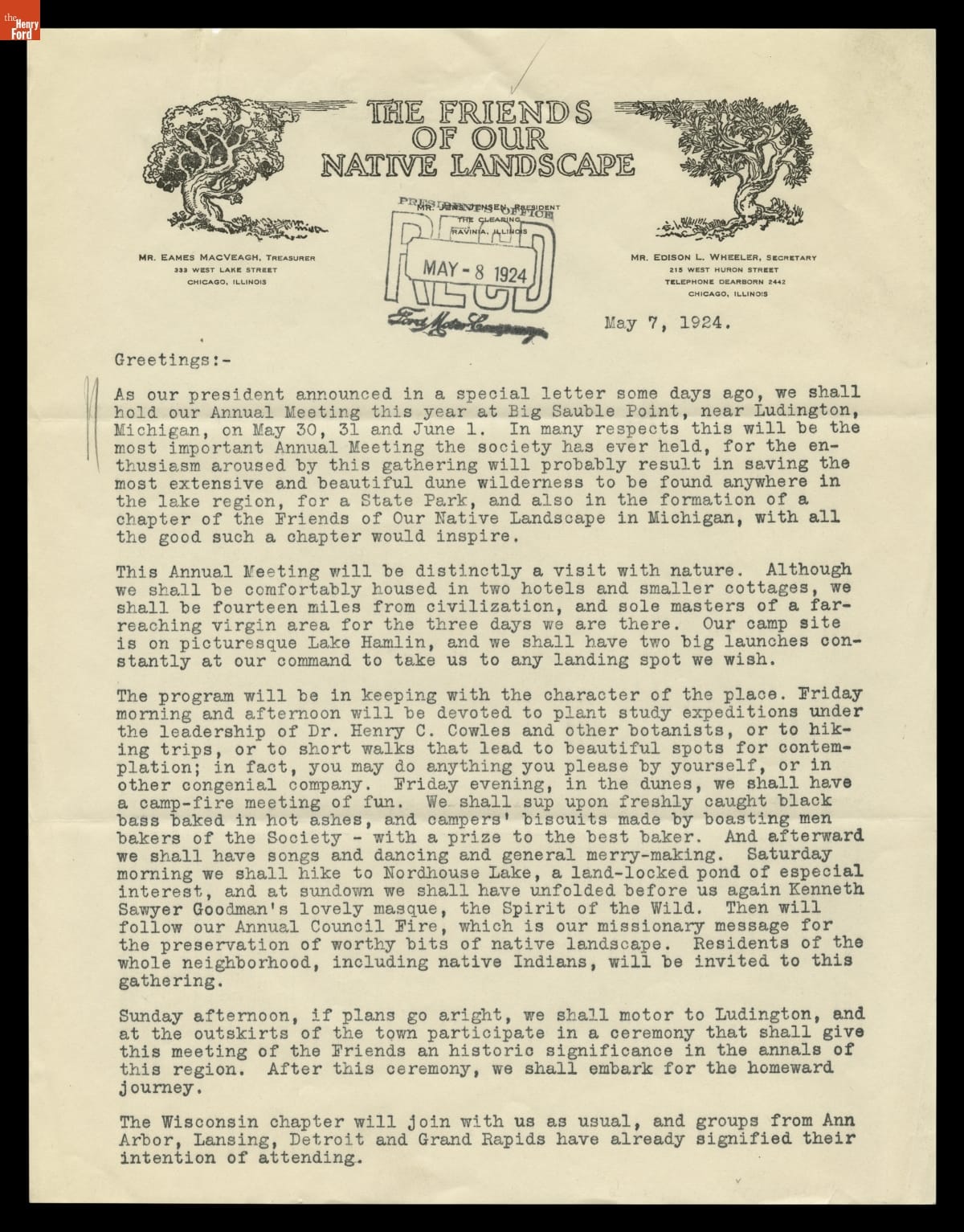
- Letter from the Friends of Our Native Landscape to Edsel B. Ford, May 7, 1924 - Famed landscape architect Jens Jensen and a group of influential Illinois citizens formed The Friends of Our Native Landscape in 1913. The environmental organization advocated for the preservation of sites of scenic beauty. Jensen used his connections with wealthy and like-minded individuals, such as Edsel Ford, to expand the organization and further its mission throughout the Midwest.
- May 07, 1924
- Collections - Artifact
Letter from the Friends of Our Native Landscape to Edsel B. Ford, May 7, 1924
Famed landscape architect Jens Jensen and a group of influential Illinois citizens formed The Friends of Our Native Landscape in 1913. The environmental organization advocated for the preservation of sites of scenic beauty. Jensen used his connections with wealthy and like-minded individuals, such as Edsel Ford, to expand the organization and further its mission throughout the Midwest.
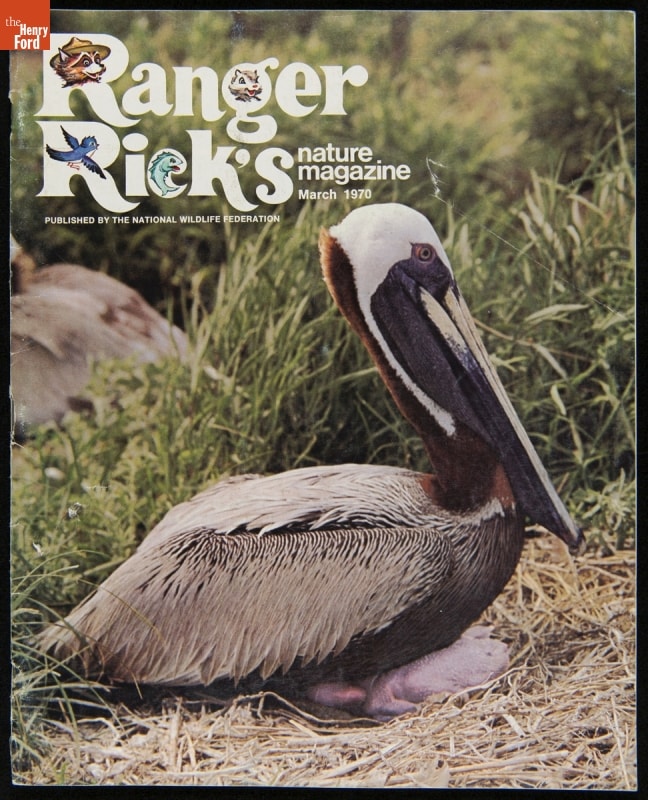
- "Ranger Rick's Nature Magazine," March 1970 - The National Wildlife Federation began publishing <em>Ranger Rick's Nature Magazine</em> in January 1967. The magazine's mission was to educate children about the world they live in, inspiring its readers to care for wildlife, the great outdoors, and the environment. Ranger Rick, a talkative raccoon and the magazine's title character, joined his animal friends in a mission to clean up the world around them.
- March 01, 1970
- Collections - Artifact
"Ranger Rick's Nature Magazine," March 1970
The National Wildlife Federation began publishing Ranger Rick's Nature Magazine in January 1967. The magazine's mission was to educate children about the world they live in, inspiring its readers to care for wildlife, the great outdoors, and the environment. Ranger Rick, a talkative raccoon and the magazine's title character, joined his animal friends in a mission to clean up the world around them.
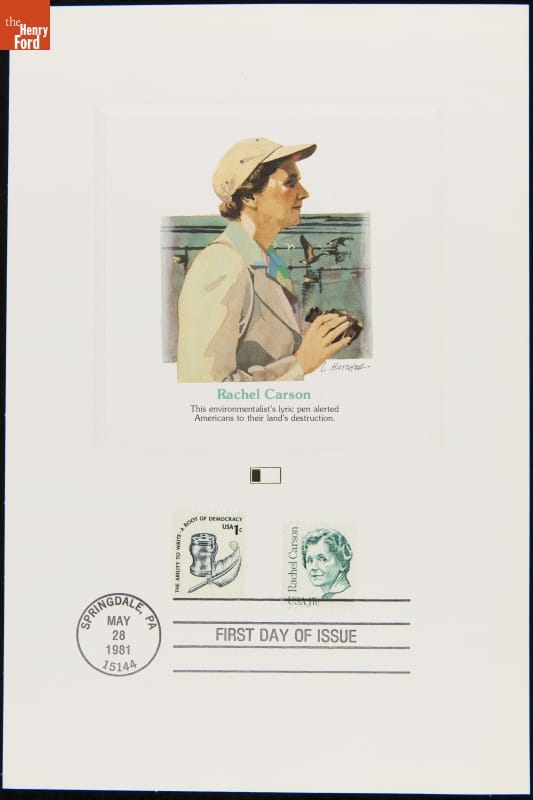
- First Day Cover Honoring Rachel Carson, May 28, 1981 - Marine biologist Rachel Carson helped spark the environmental movements of the 1960s with her book <EM>Silent Spring</EM>. It described how widespread pesticide use, in particular DDT, was harming and killing birds and other animals as well as threatening the health of humans. Her book helped the general population understand the interconnected nature of ecosystems and how localized polluting affects larger natural systems.
- May 28, 1981
- Collections - Artifact
First Day Cover Honoring Rachel Carson, May 28, 1981
Marine biologist Rachel Carson helped spark the environmental movements of the 1960s with her book Silent Spring. It described how widespread pesticide use, in particular DDT, was harming and killing birds and other animals as well as threatening the health of humans. Her book helped the general population understand the interconnected nature of ecosystems and how localized polluting affects larger natural systems.
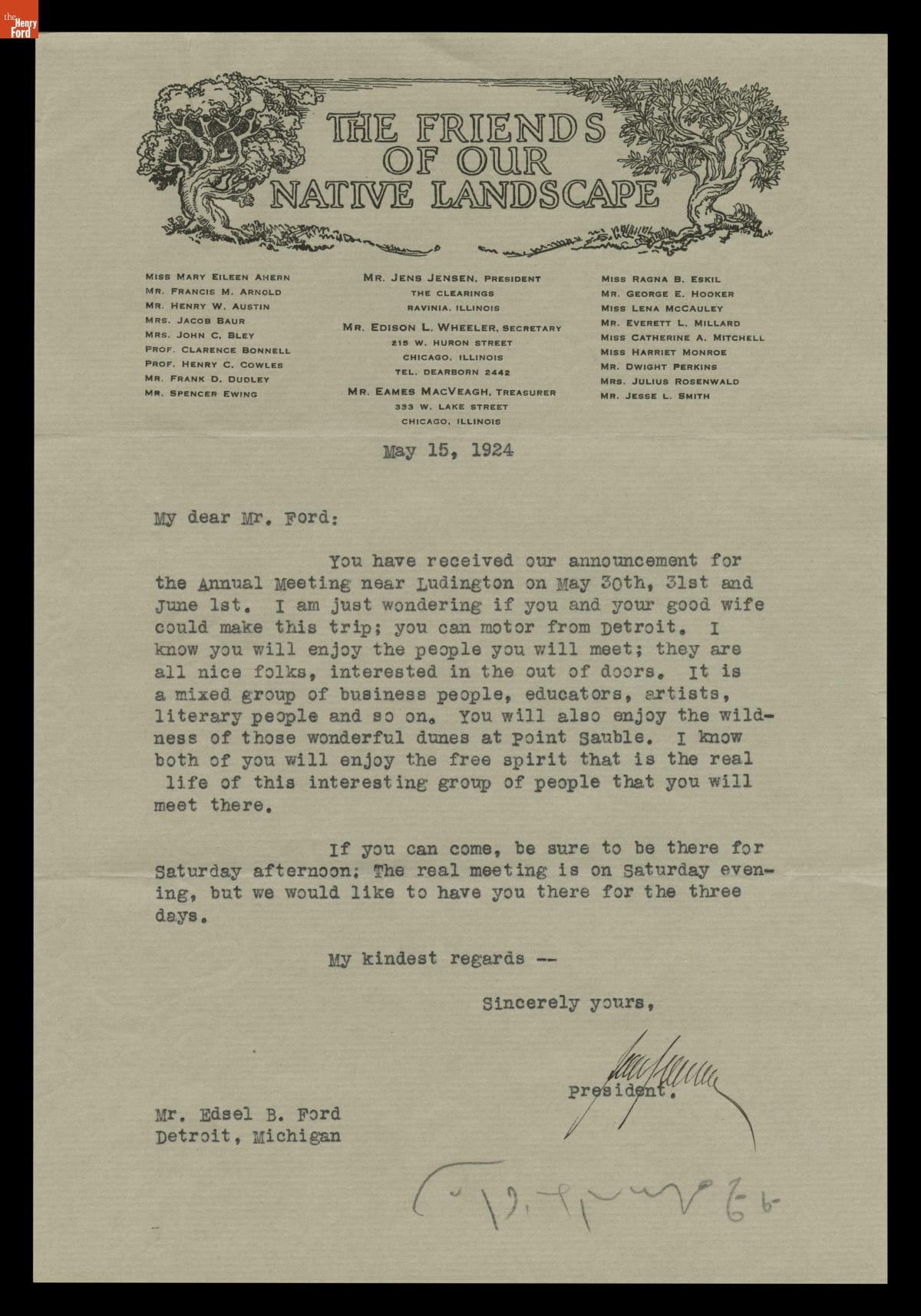
- Letter from the Friends of Our Native Landscape to Edsel B. Ford, May 15, 1924 - Famed landscape architect Jens Jensen and a group of influential Illinois citizens formed The Friends of Our Native Landscape in 1913. The environmental organization advocated for the preservation of sites of scenic beauty. Jensen used his connections with wealthy and like-minded individuals, such as Edsel Ford, to expand the organization and further its mission throughout the Midwest.
- May 15, 1924
- Collections - Artifact
Letter from the Friends of Our Native Landscape to Edsel B. Ford, May 15, 1924
Famed landscape architect Jens Jensen and a group of influential Illinois citizens formed The Friends of Our Native Landscape in 1913. The environmental organization advocated for the preservation of sites of scenic beauty. Jensen used his connections with wealthy and like-minded individuals, such as Edsel Ford, to expand the organization and further its mission throughout the Midwest.