
Search
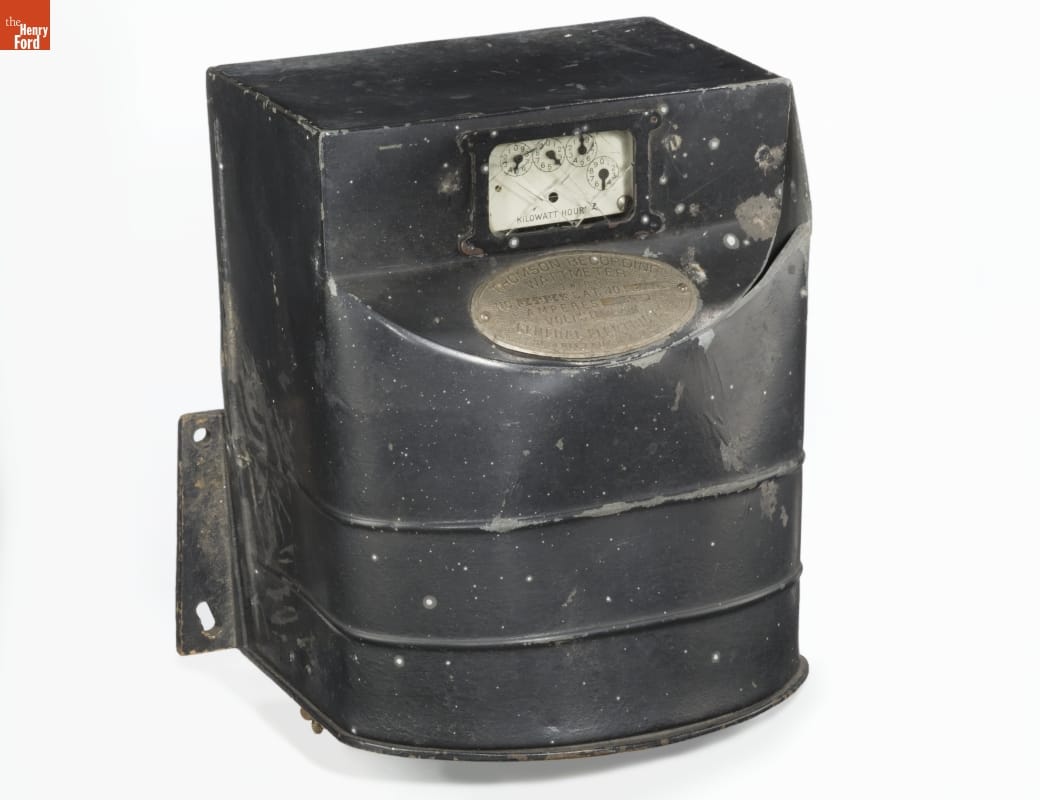
- General Electric Thomson Recording Wattmeter, circa 1903 - Elihu Thomson, engineer, inventor and cofounder of the Thomson-Houston Electric Company, developed a commutator-type wattmeter in the late 1880s. His recording watt-hour meter helped transform the nascent electric power industry. The sturdy device provided companies that supplied electricity to consumers a way to accurately track and bill electrical power use.
- circa 1903
- Collections - Artifact
General Electric Thomson Recording Wattmeter, circa 1903
Elihu Thomson, engineer, inventor and cofounder of the Thomson-Houston Electric Company, developed a commutator-type wattmeter in the late 1880s. His recording watt-hour meter helped transform the nascent electric power industry. The sturdy device provided companies that supplied electricity to consumers a way to accurately track and bill electrical power use.
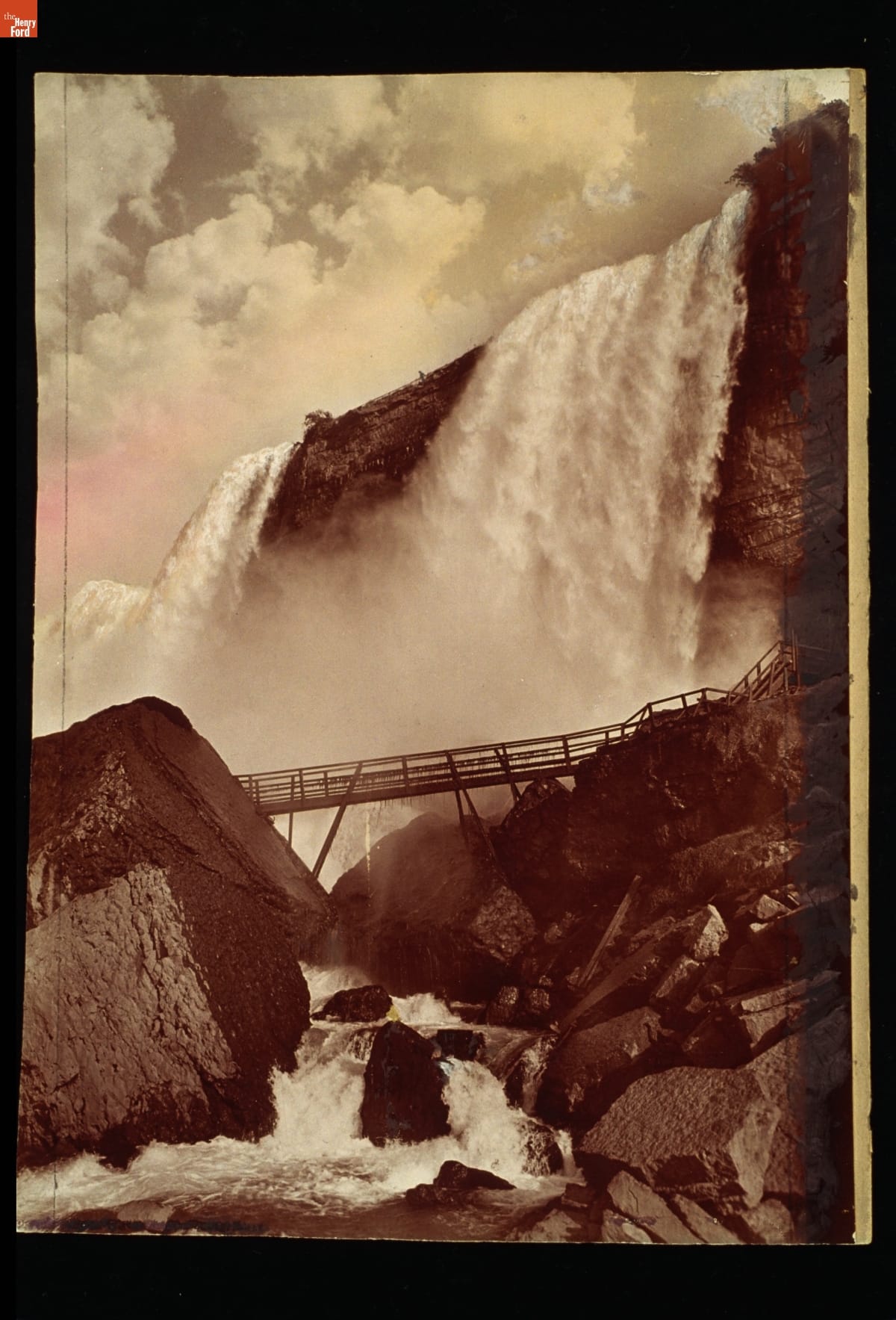
- Rock of Ages and Cave of the Winds, Niagara Falls, N.Y., circa 1906 -
- circa 1906
- Collections - Artifact
Rock of Ages and Cave of the Winds, Niagara Falls, N.Y., circa 1906
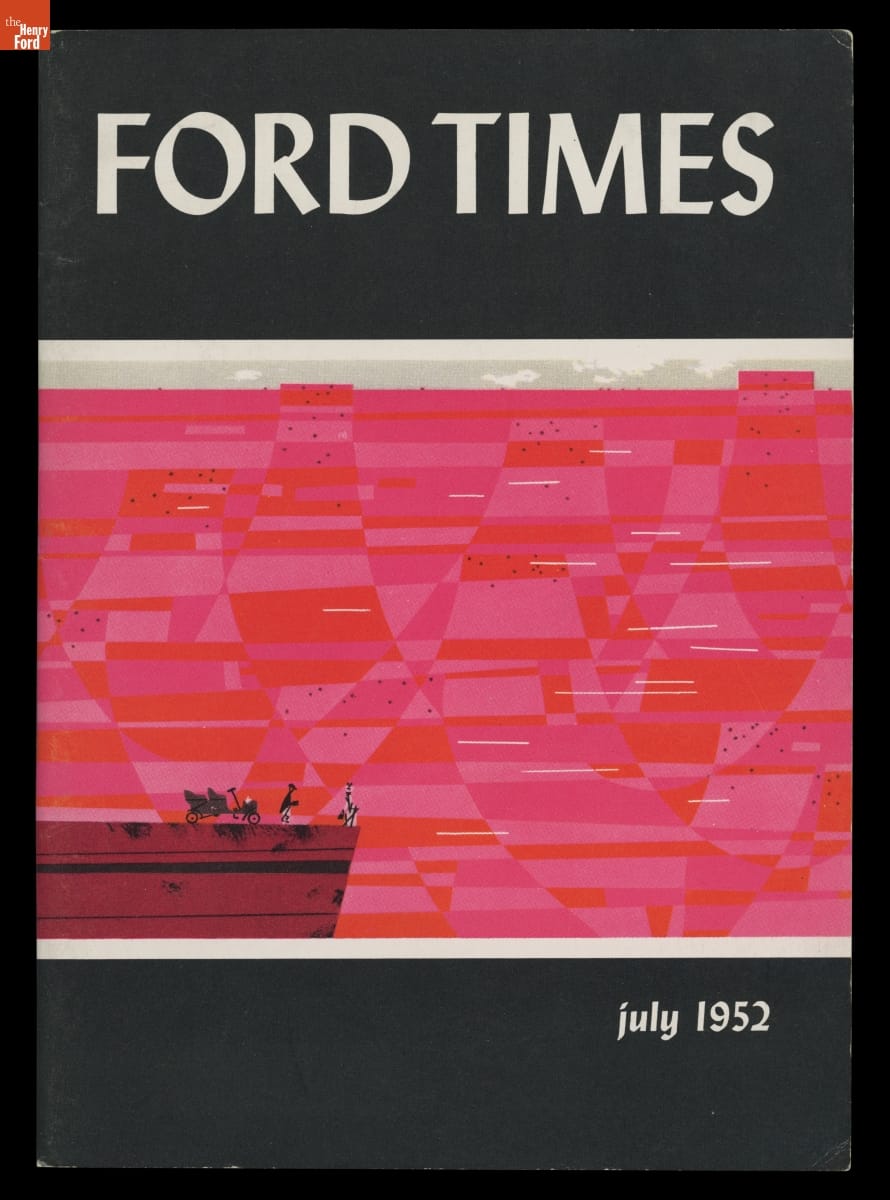
- "Ford Times," July 1952 - <em>Ford Times</em> magazine was a key element of Ford Motor Company's public relations efforts for much of the 20th century. Issues covered a wide range of topics, including automobiles but also recreation, food, history, nature, and culture. Between 1948 and 1982, Cincinnati artist Charley Harper contributed cover and article illustrations to more than 160 issues. This issue features one of Harper's thirty-six <em> Ford Times</em> covers.
- July 01, 1952
- Collections - Artifact
"Ford Times," July 1952
Ford Times magazine was a key element of Ford Motor Company's public relations efforts for much of the 20th century. Issues covered a wide range of topics, including automobiles but also recreation, food, history, nature, and culture. Between 1948 and 1982, Cincinnati artist Charley Harper contributed cover and article illustrations to more than 160 issues. This issue features one of Harper's thirty-six Ford Times covers.
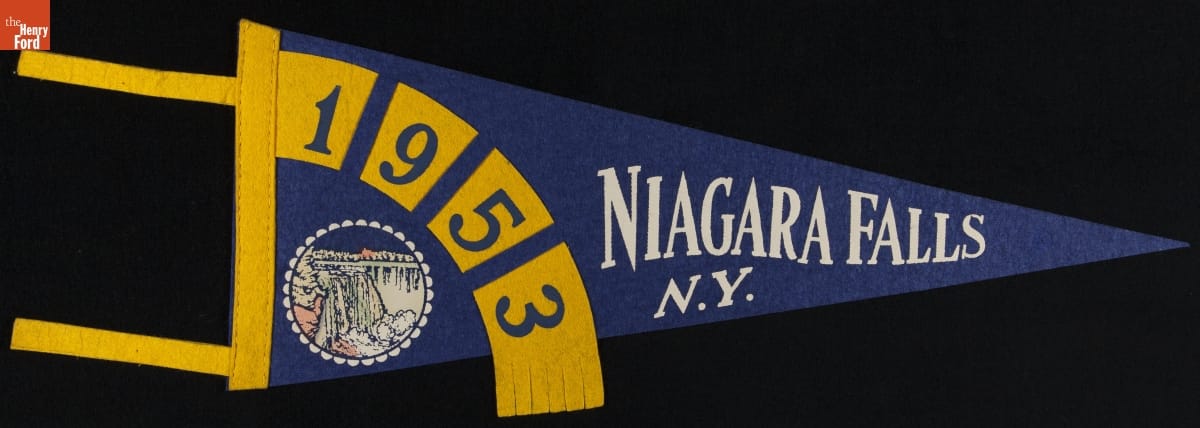
- Pennant, "Niagara Falls, N.Y.," 1953 - Tourists purchase simple, inexpensive souvenirs as proof of their travels. These mementos transport vacationers back to the places they visited and the things they did. In the mid-20th century, felt pennants were trendy. This pennant from 1953 depicts Niagara Falls. This scenic wonder has captured the imagination of travelers for centuries and became one of America's earliest tourist attractions.
- 1953
- Collections - Artifact
Pennant, "Niagara Falls, N.Y.," 1953
Tourists purchase simple, inexpensive souvenirs as proof of their travels. These mementos transport vacationers back to the places they visited and the things they did. In the mid-20th century, felt pennants were trendy. This pennant from 1953 depicts Niagara Falls. This scenic wonder has captured the imagination of travelers for centuries and became one of America's earliest tourist attractions.
- "Picture Tour of Scenic Wonders U.S.A." View-Master Reel, 1960-1966 -
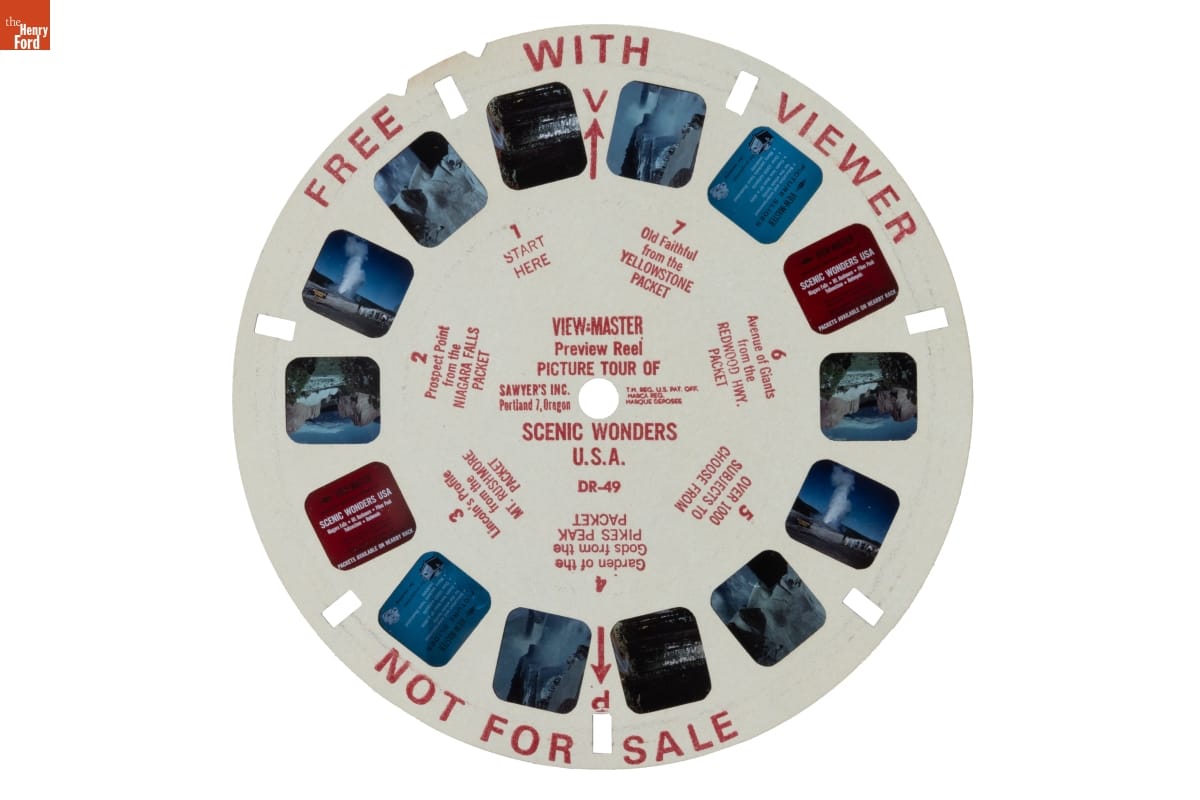
- 1960-1966
- Collections - Artifact
"Picture Tour of Scenic Wonders U.S.A." View-Master Reel, 1960-1966
- Ivory Soap, Complimentary Size, From Shady Rest Motel, 1947-1959 -
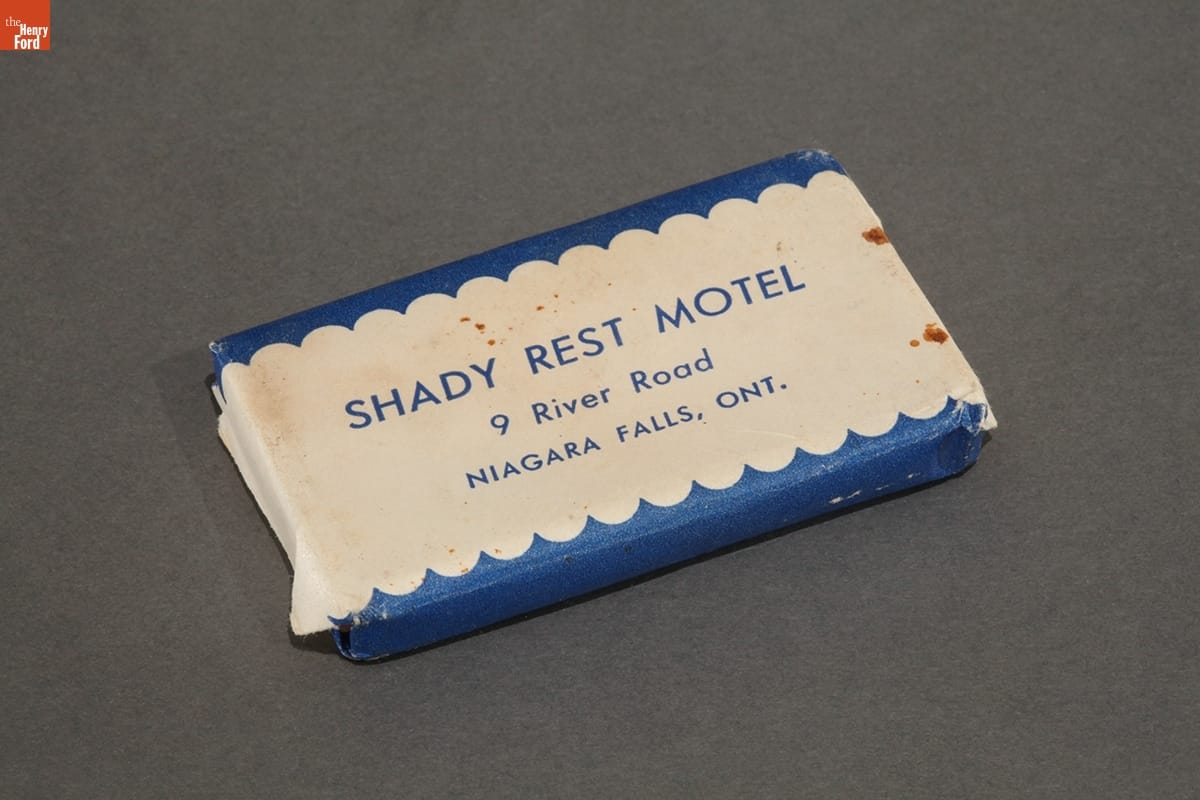
- 1947-1959
- Collections - Artifact
Ivory Soap, Complimentary Size, From Shady Rest Motel, 1947-1959
- Pennant, "Niagara Falls," 1940-1965 -
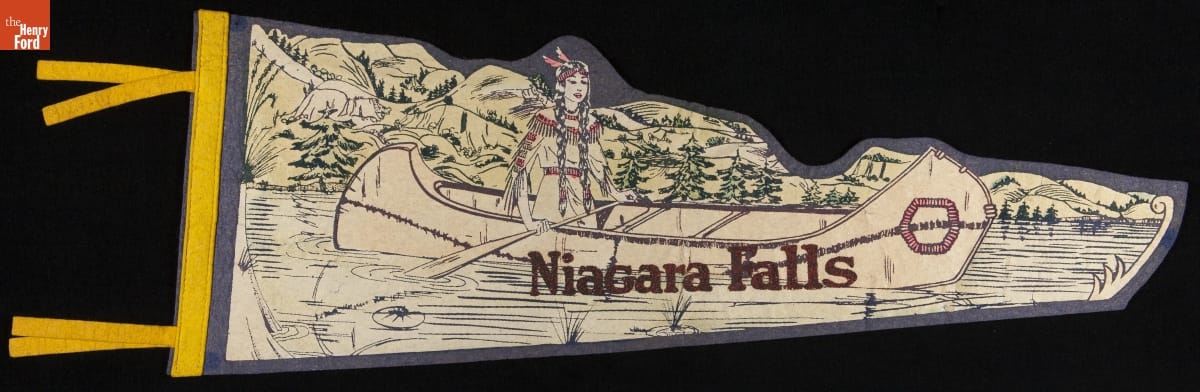
- 1940-1965
- Collections - Artifact
Pennant, "Niagara Falls," 1940-1965
- Sangamo Type H Wattmeter, 1911-1914 - In the late 1800s, companies that supplied electricity to consumers needed a way to measure how much customers used--and then charge them accordingly. Induction-type wattmeters proved reliable and would become the industry standard, but until 1910 Westinghouse held the patent rights. Sangamo Electric Company introduced this induction-type meter -- the smallest model on the market at the time -- in 1911 after the Westinghouse patents had expired.
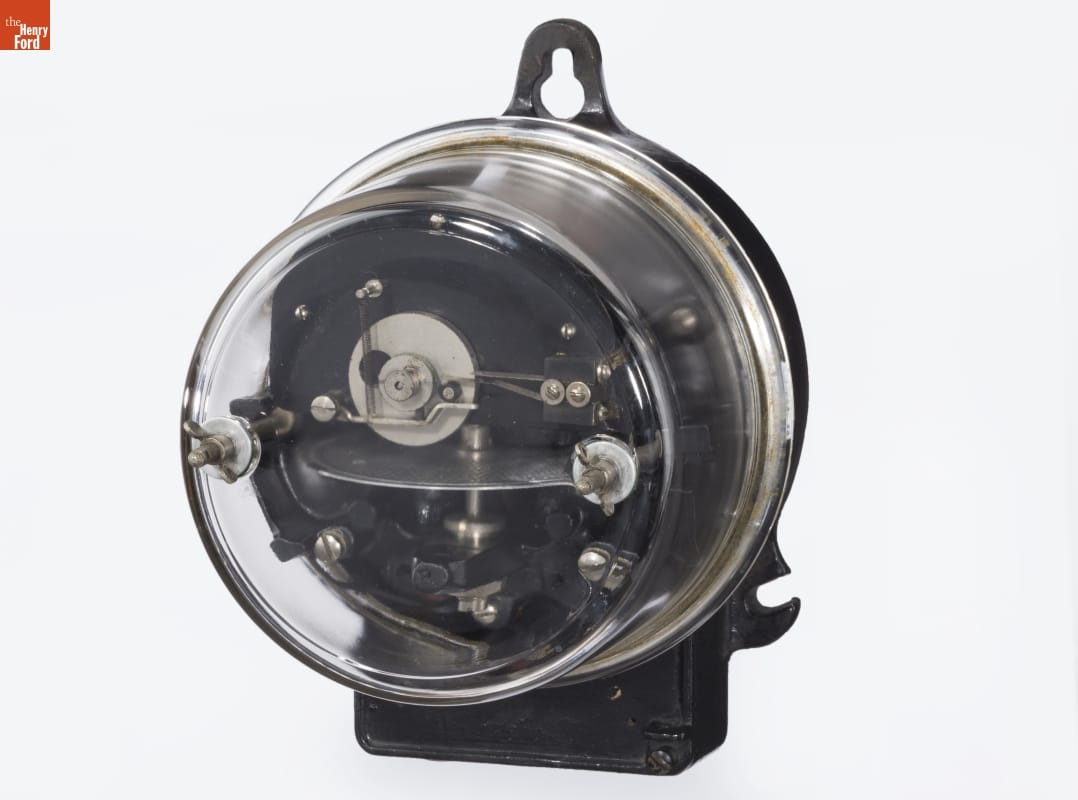
- 1911-1914
- Collections - Artifact
Sangamo Type H Wattmeter, 1911-1914
In the late 1800s, companies that supplied electricity to consumers needed a way to measure how much customers used--and then charge them accordingly. Induction-type wattmeters proved reliable and would become the industry standard, but until 1910 Westinghouse held the patent rights. Sangamo Electric Company introduced this induction-type meter -- the smallest model on the market at the time -- in 1911 after the Westinghouse patents had expired.
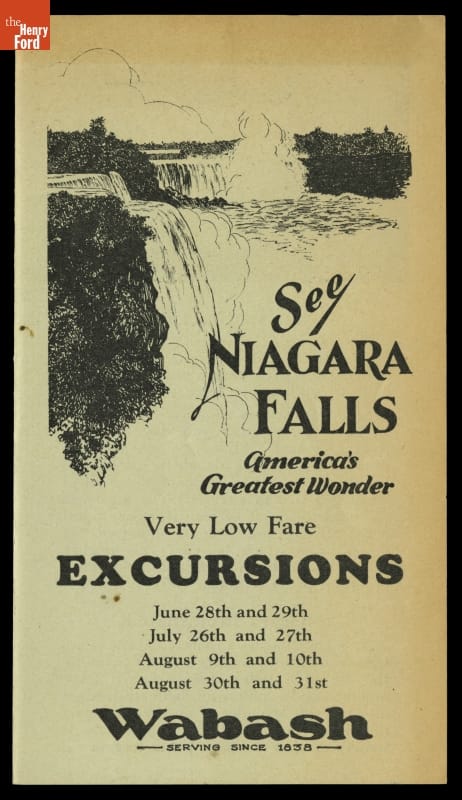
- Brochure for Wabash Railway's Excursions, "See Niagara Falls, America's Greatest Wonder," 1929 - The Wabash Railway, with origins dating back to 1838, was a strong Midwestern carrier until Amtrak took over the national passenger railroad system in 1971. Niagara Falls was one of America's earliest and most popular tourist attractions. To compete with automobiles, the Wabash Railway offered in this 1929 brochure convenient excursion trips with economical fares to this popular attraction.
- 1929
- Collections - Artifact
Brochure for Wabash Railway's Excursions, "See Niagara Falls, America's Greatest Wonder," 1929
The Wabash Railway, with origins dating back to 1838, was a strong Midwestern carrier until Amtrak took over the national passenger railroad system in 1971. Niagara Falls was one of America's earliest and most popular tourist attractions. To compete with automobiles, the Wabash Railway offered in this 1929 brochure convenient excursion trips with economical fares to this popular attraction.
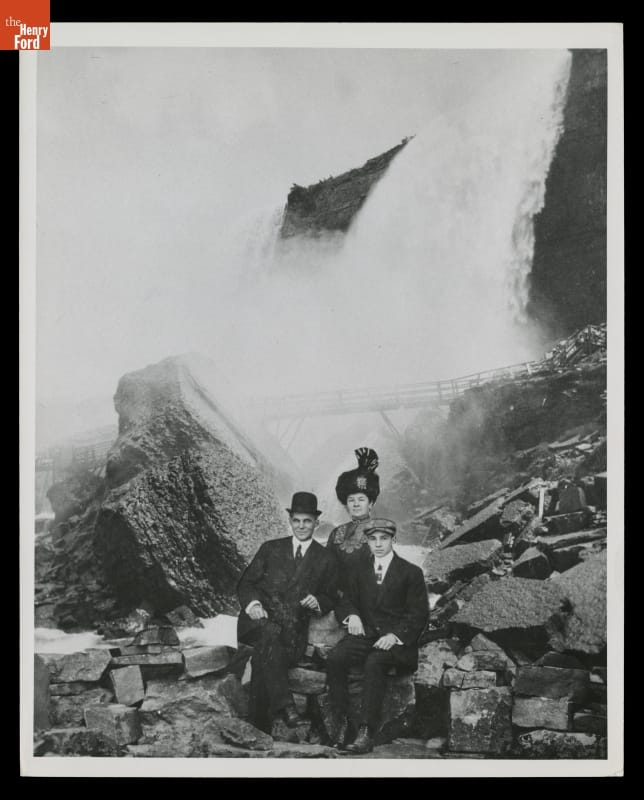
- Henry Ford, Clara Ford, and Edsel Ford in a Photographer's Studio Portrait Taken at Niagara Falls, circa 1909 -
- circa 1909
- Collections - Artifact
Henry Ford, Clara Ford, and Edsel Ford in a Photographer's Studio Portrait Taken at Niagara Falls, circa 1909