
Search
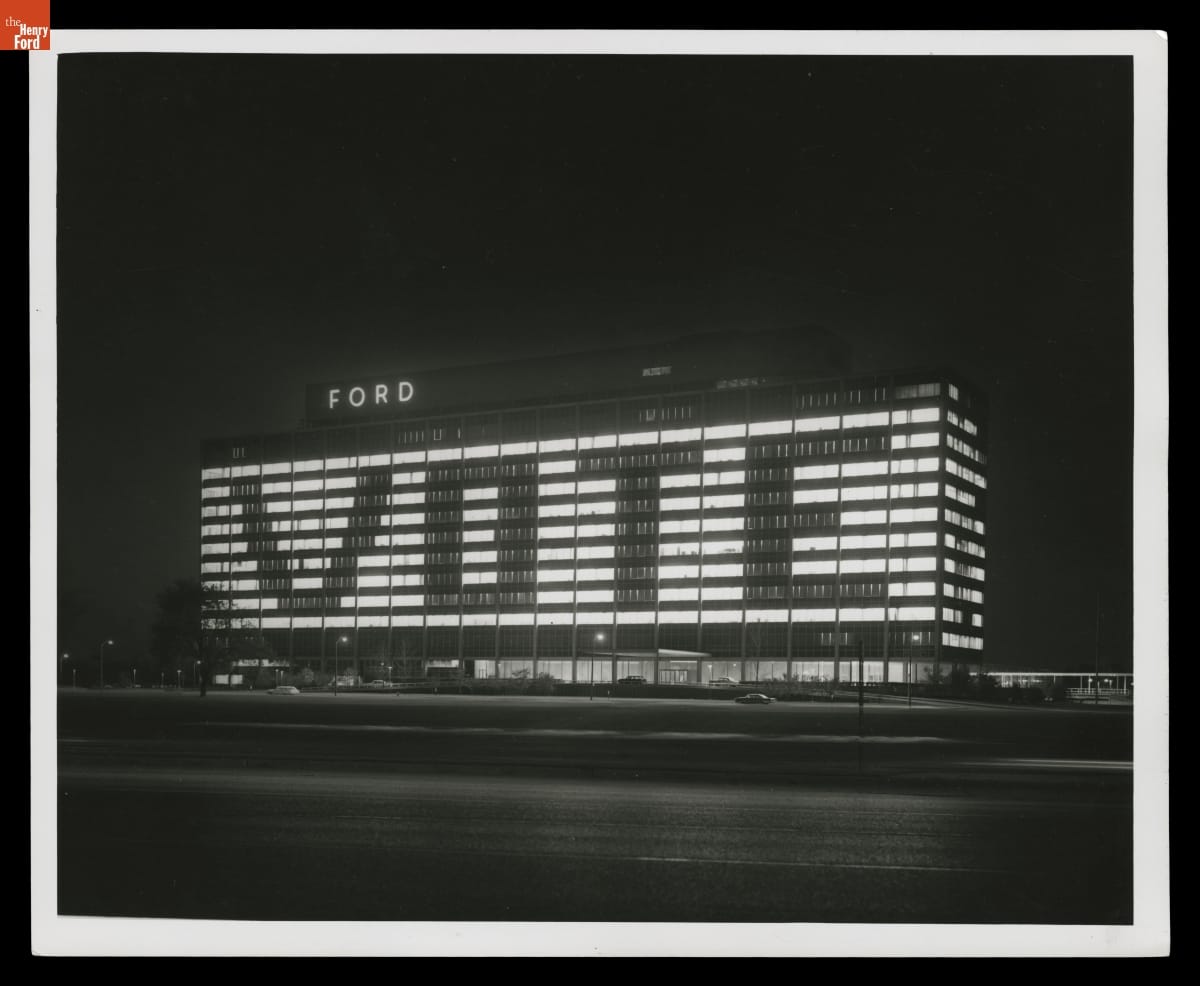
- The Ford Motor Company World Headquarters Displaying "VOTE" Sign, Dearborn, Michigan, 1960 - By strategically lighting the grid pattern formed by windows in Ford Motor Company's Henry Ford II World Center, the automaker created special messages on the building's south face. Over the years, the headquarters building displayed messages commemorating holidays, production milestones, racing victories, and other notable events. This message reminded people to vote on Election Day, November 8, 1960.
- November 01, 1960
- Collections - Artifact
The Ford Motor Company World Headquarters Displaying "VOTE" Sign, Dearborn, Michigan, 1960
By strategically lighting the grid pattern formed by windows in Ford Motor Company's Henry Ford II World Center, the automaker created special messages on the building's south face. Over the years, the headquarters building displayed messages commemorating holidays, production milestones, racing victories, and other notable events. This message reminded people to vote on Election Day, November 8, 1960.
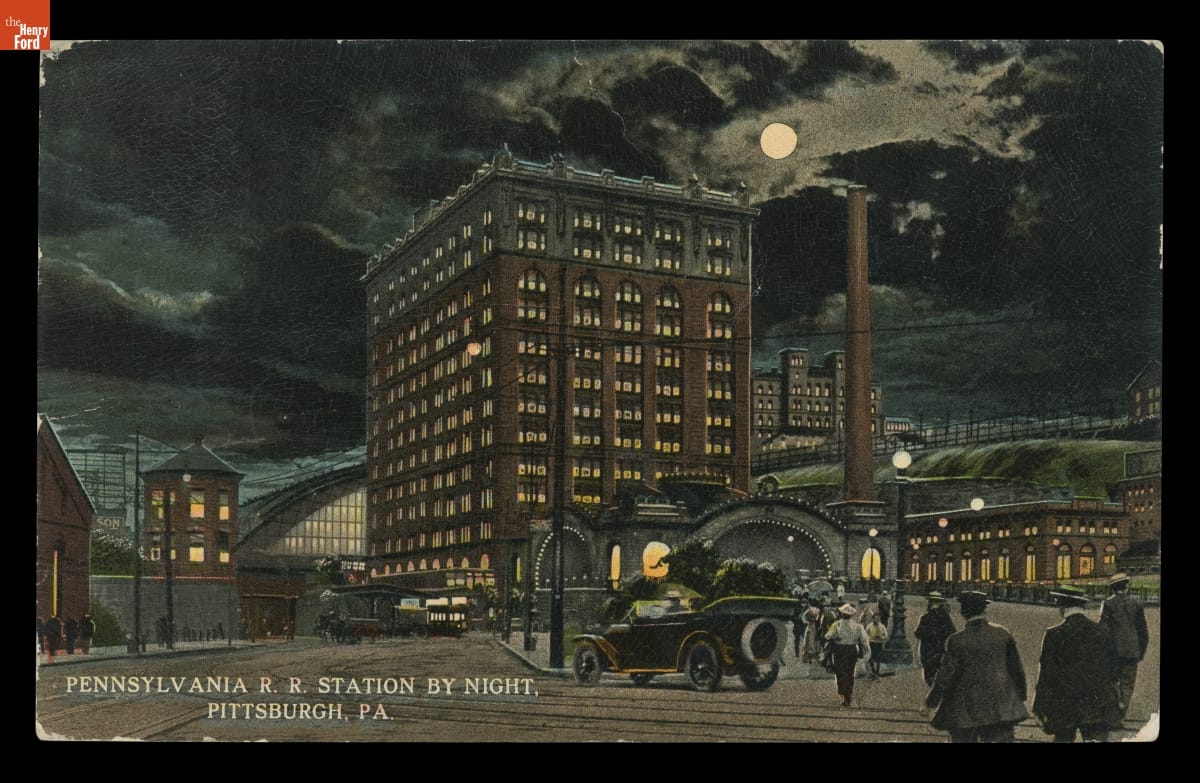
- "Pennsylvania R.R. Station By Night, Pittsburgh, PA," circa 1916 - Pittsburgh's Union Station, credited to Chicago architect Daniel Burnham, opened in 1901. Despite its name implying a union of multiple railroads, Union Station served only the Pennsylvania Railroad and its subsidiaries. Even so, at its peak the building handled hundreds of long-distance and commuter trains each day. Union Station was restored in 1988 and still hosts Amtrak passenger trains today.
- circa 1916
- Collections - Artifact
"Pennsylvania R.R. Station By Night, Pittsburgh, PA," circa 1916
Pittsburgh's Union Station, credited to Chicago architect Daniel Burnham, opened in 1901. Despite its name implying a union of multiple railroads, Union Station served only the Pennsylvania Railroad and its subsidiaries. Even so, at its peak the building handled hundreds of long-distance and commuter trains each day. Union Station was restored in 1988 and still hosts Amtrak passenger trains today.
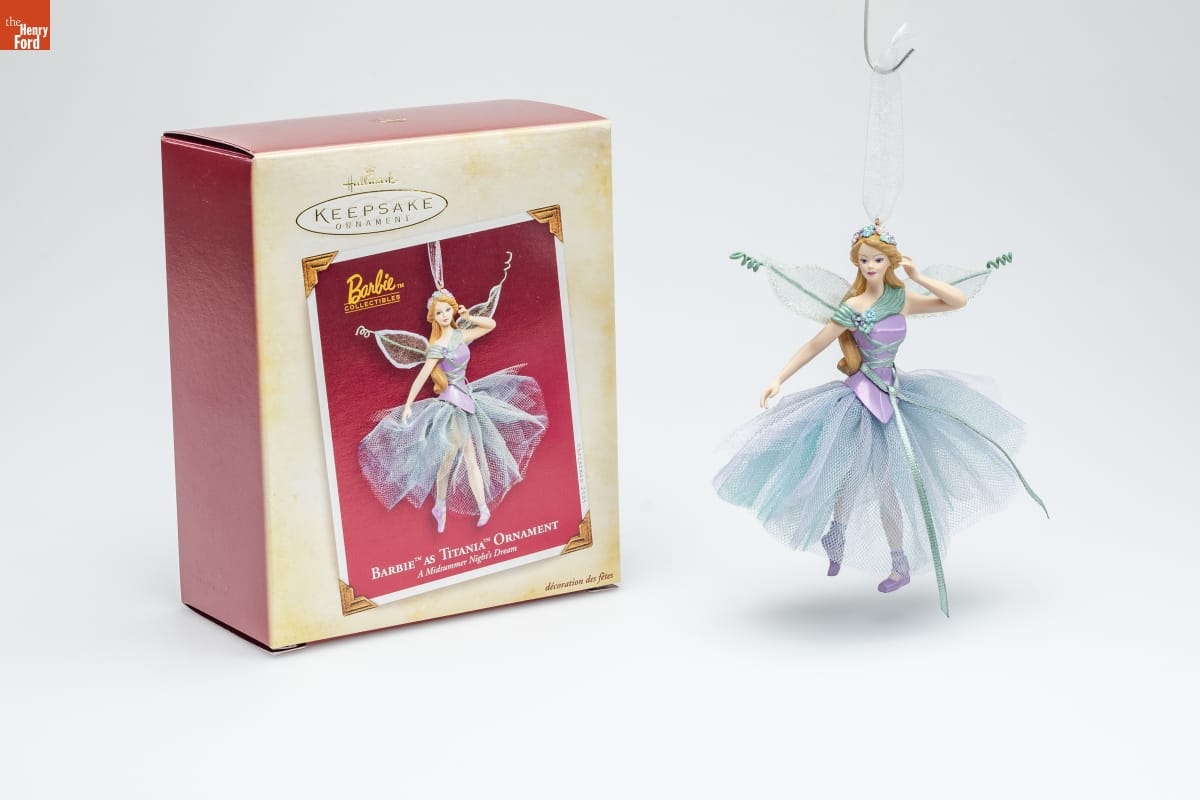
- Hallmark "A Midsummer Night's Dream: Barbie as Titania" Christmas Ornament, 2005 - Already known for greeting cards, Hallmark introduced a line of Christmas ornaments in 1973. The company's annual release of an increasing array of ornaments revolutionized Christmas decorating, appealing to customers' interest in marking memories and milestones as well as expressing one's personality and unique tastes.
- 2005
- Collections - Artifact
Hallmark "A Midsummer Night's Dream: Barbie as Titania" Christmas Ornament, 2005
Already known for greeting cards, Hallmark introduced a line of Christmas ornaments in 1973. The company's annual release of an increasing array of ornaments revolutionized Christmas decorating, appealing to customers' interest in marking memories and milestones as well as expressing one's personality and unique tastes.
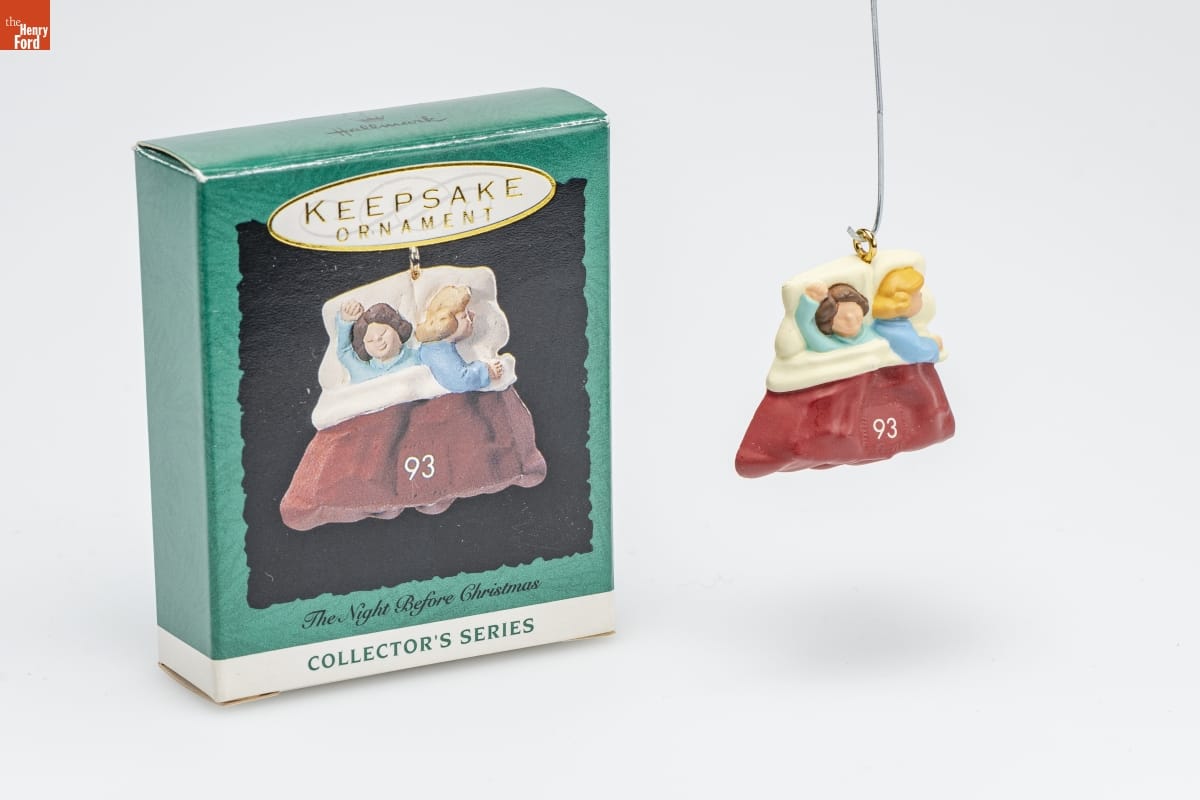
- Hallmark "The Night Before Christmas Series" Miniature Christmas Ornament, 1993 - Already known for greeting cards, Hallmark introduced a line of Christmas ornaments in 1973. The company's annual release of an increasing array of ornaments revolutionized Christmas decorating, appealing to customers' interest in marking memories and milestones as well as expressing one's personality and unique tastes.
- 1993
- Collections - Artifact
Hallmark "The Night Before Christmas Series" Miniature Christmas Ornament, 1993
Already known for greeting cards, Hallmark introduced a line of Christmas ornaments in 1973. The company's annual release of an increasing array of ornaments revolutionized Christmas decorating, appealing to customers' interest in marking memories and milestones as well as expressing one's personality and unique tastes.
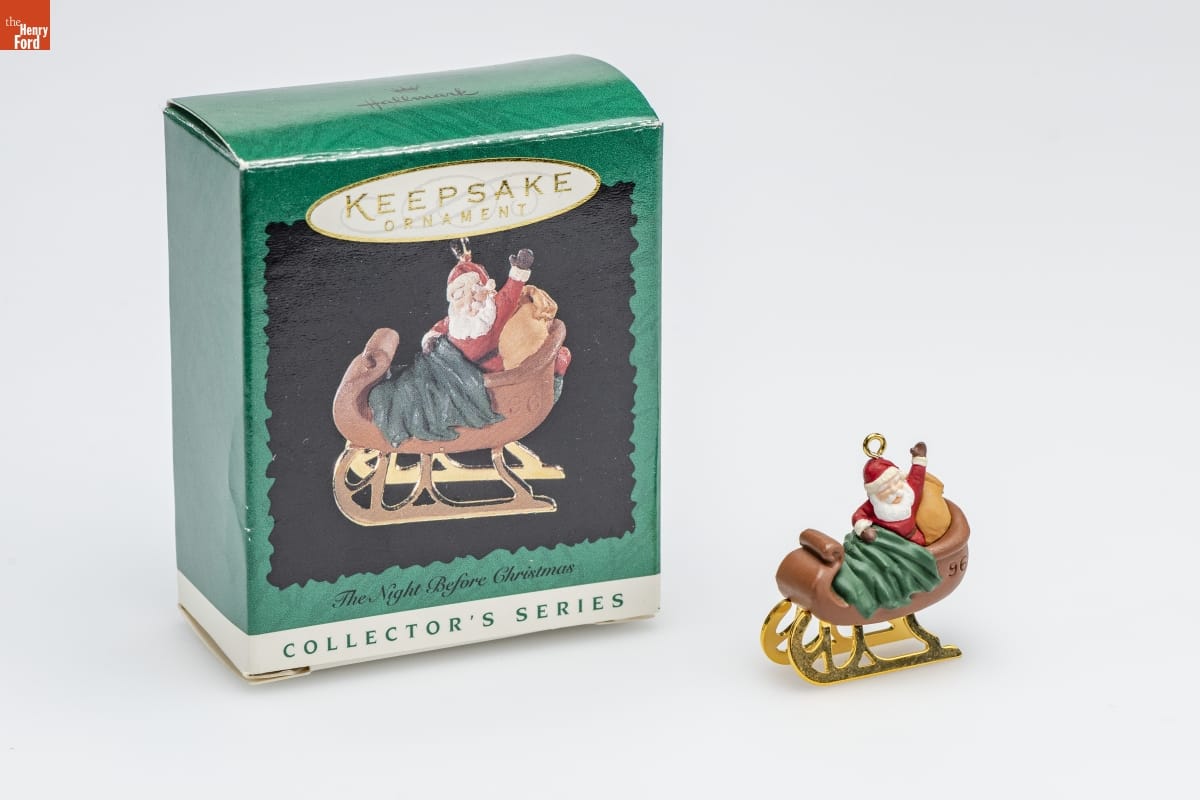
- Hallmark "The Night Before Christmas Series" Miniature Christmas Ornament, 1996 - Already known for greeting cards, Hallmark introduced a line of Christmas ornaments in 1973. The company's annual release of an increasing array of ornaments revolutionized Christmas decorating, appealing to customers' interest in marking memories and milestones as well as expressing one's personality and unique tastes.
- 1996
- Collections - Artifact
Hallmark "The Night Before Christmas Series" Miniature Christmas Ornament, 1996
Already known for greeting cards, Hallmark introduced a line of Christmas ornaments in 1973. The company's annual release of an increasing array of ornaments revolutionized Christmas decorating, appealing to customers' interest in marking memories and milestones as well as expressing one's personality and unique tastes.
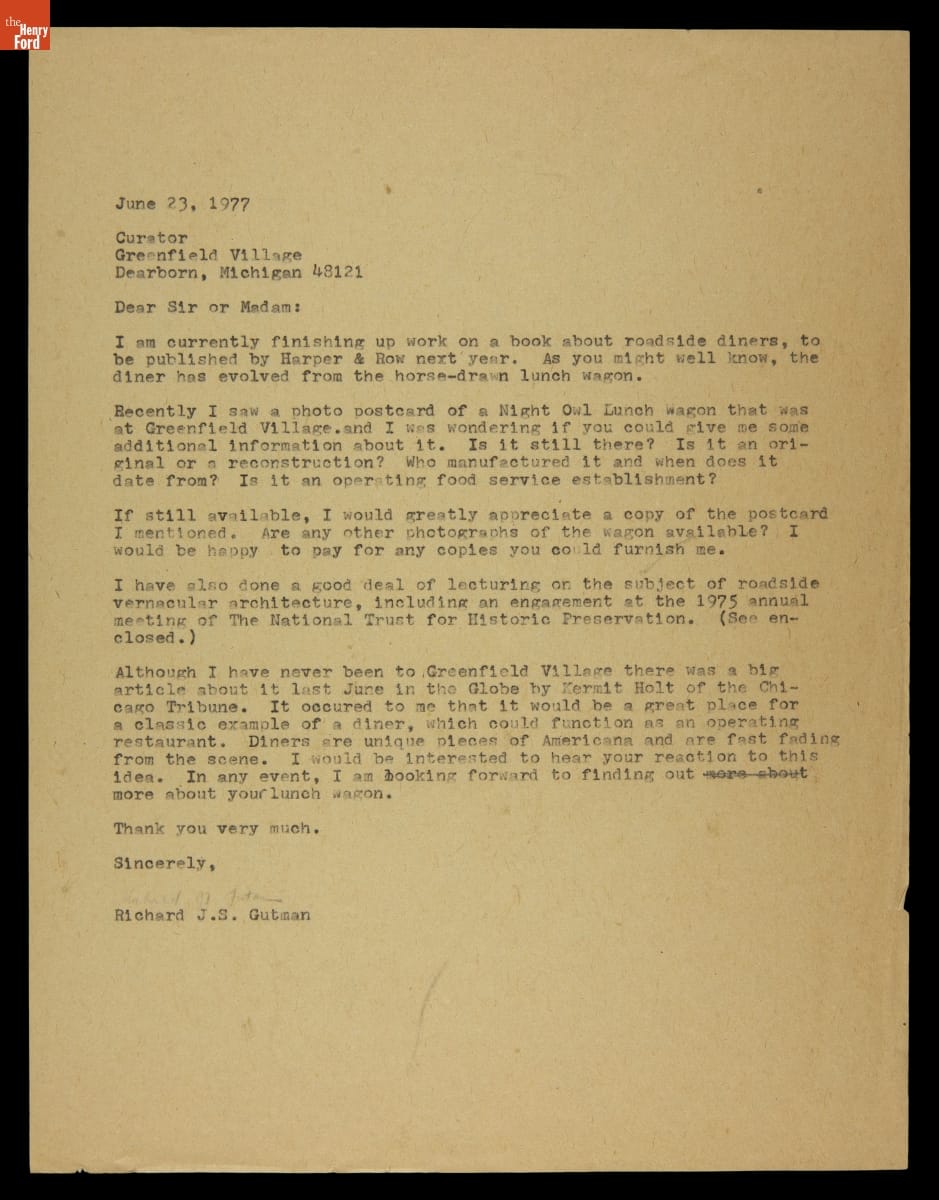
- Letter from Richard J.S. Gutman Inquiring about Owl Night Lunch Wagon in Greenfield Village, June 23, 1977 -
- June 23, 1977
- Collections - Artifact
Letter from Richard J.S. Gutman Inquiring about Owl Night Lunch Wagon in Greenfield Village, June 23, 1977
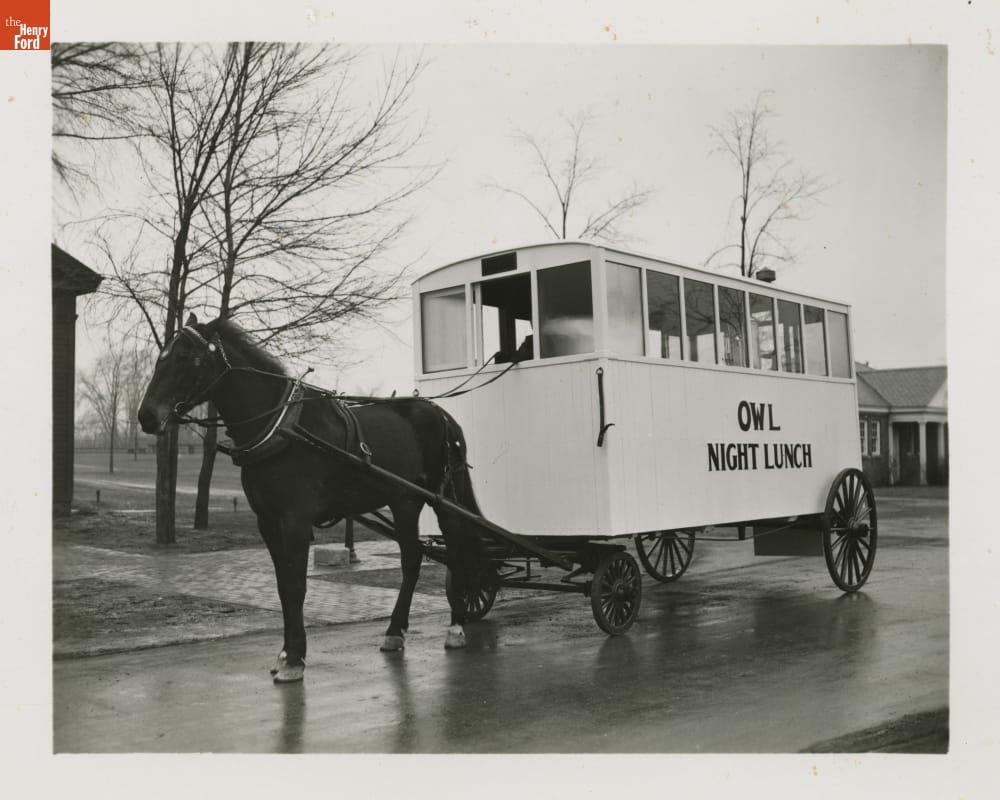
- Owl Night Lunch Wagon in Greenfield Village, 1938 - This Owl Night Lunch wagon originally operated in Detroit, serving food to nighttime workers. Among its customers was Henry Ford, a young engineer working at Edison Illuminating Company during the 1890s. Ford acquired the Owl in 1927 and moved it to Greenfield Village. Today, it is thought to be the last remaining horse-drawn lunch wagon in America.
- March 11, 1938
- Collections - Artifact
Owl Night Lunch Wagon in Greenfield Village, 1938
This Owl Night Lunch wagon originally operated in Detroit, serving food to nighttime workers. Among its customers was Henry Ford, a young engineer working at Edison Illuminating Company during the 1890s. Ford acquired the Owl in 1927 and moved it to Greenfield Village. Today, it is thought to be the last remaining horse-drawn lunch wagon in America.
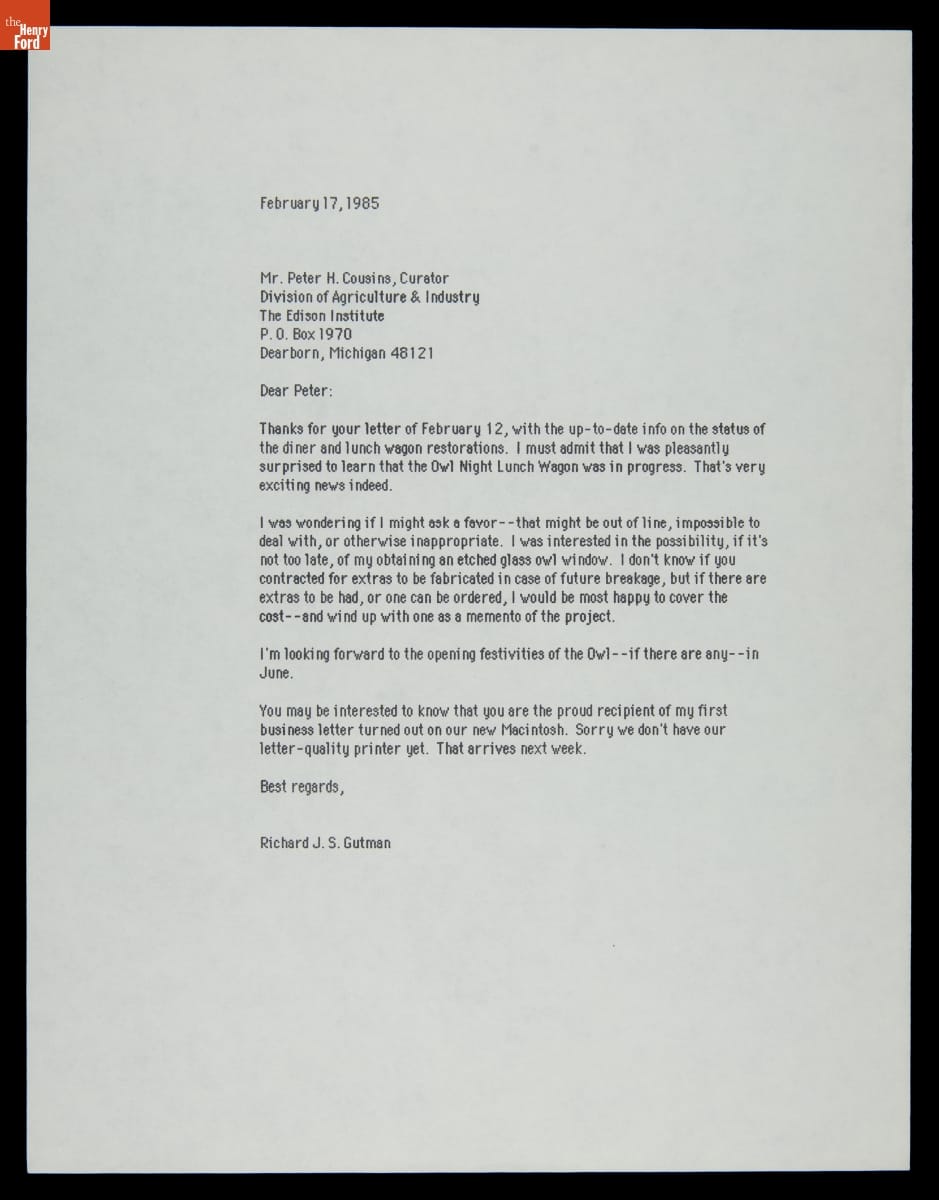
- Letter from Richard Gutman concerning Lamy's Diner and Owl Night Lunch Wagon Restorations, February 17, 1985 -
- February 17, 1985
- Collections - Artifact
Letter from Richard Gutman concerning Lamy's Diner and Owl Night Lunch Wagon Restorations, February 17, 1985
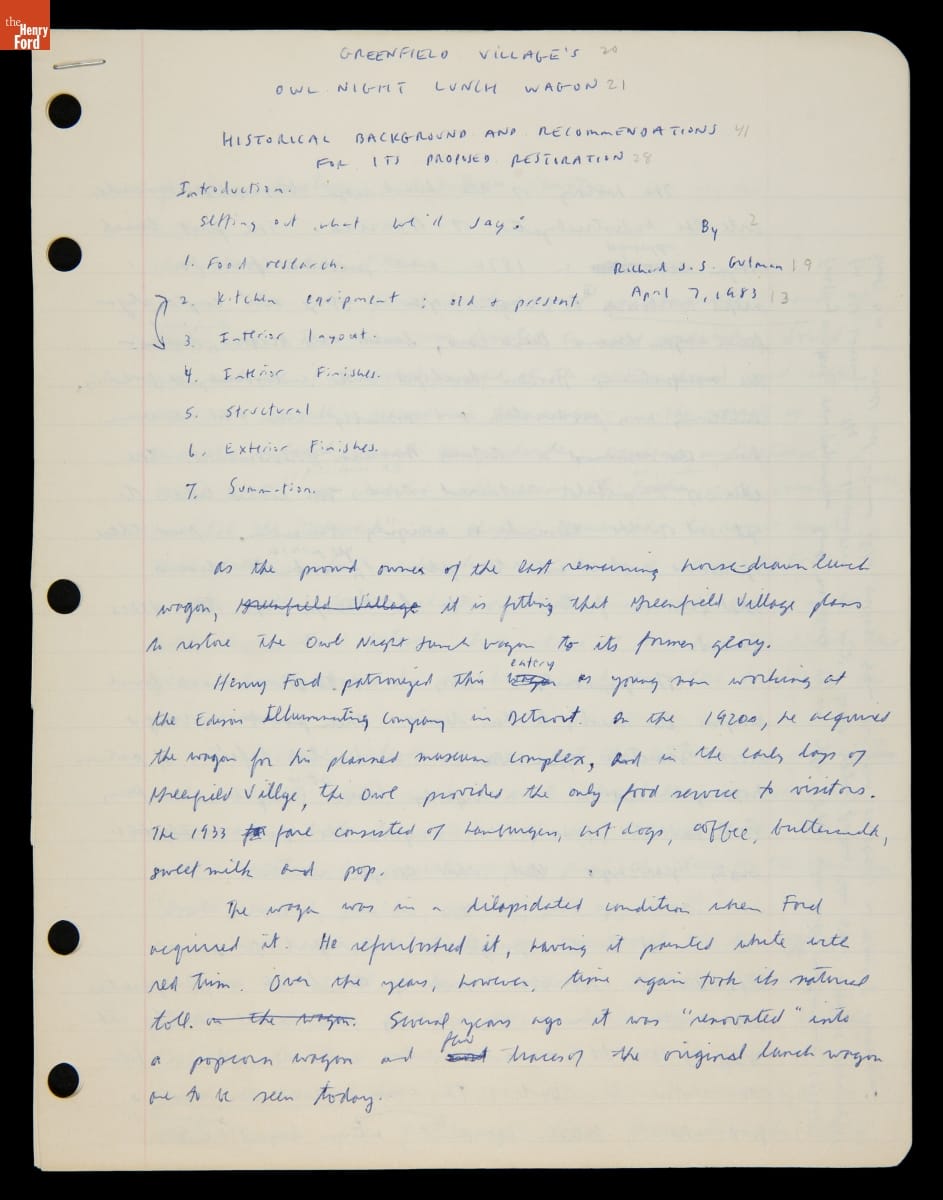
- "Greenfield Village's Owl Night Lunch Wagon Historical Background and Recommendations for Its Proposed Restoration," 1983 -
- April 07, 1983
- Collections - Artifact
"Greenfield Village's Owl Night Lunch Wagon Historical Background and Recommendations for Its Proposed Restoration," 1983
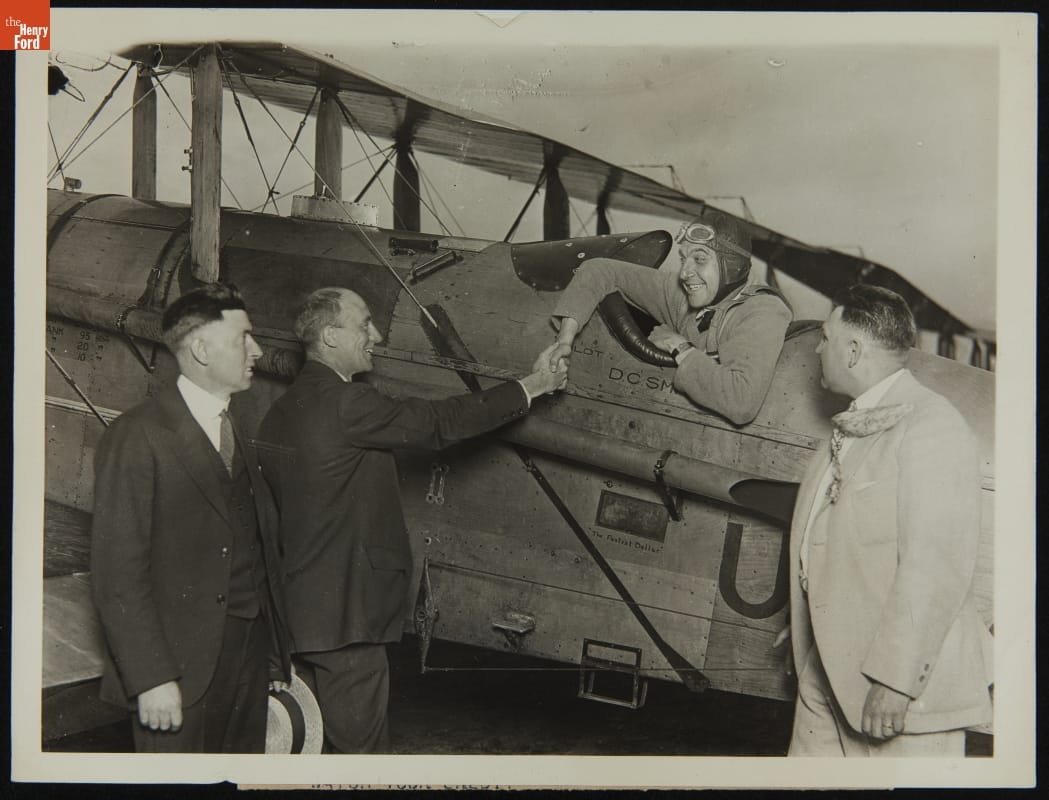
- First Regular Flight on Overnight Air Mail Route from New York to Chicago, July 1, 1925 - In 1924, with the success of experimental night operations and increasing business interest in next-day mail, the U.S. Air Mail Service announced plans to establish regular overnight flights between New York and Chicago. Preparations included mounting floodlights and searchlights at airfields and constructing a series of routing beacons and emergency landing fields along the route. The first official flights departed from both terminal cities on July 1, 1925.
- July 01, 1925
- Collections - Artifact
First Regular Flight on Overnight Air Mail Route from New York to Chicago, July 1, 1925
In 1924, with the success of experimental night operations and increasing business interest in next-day mail, the U.S. Air Mail Service announced plans to establish regular overnight flights between New York and Chicago. Preparations included mounting floodlights and searchlights at airfields and constructing a series of routing beacons and emergency landing fields along the route. The first official flights departed from both terminal cities on July 1, 1925.