
Search
- Oil Painting, Fort Ticonderoga by George Washington Mark, circa 1845 - George Washington Mark was a successful house, sign, and furniture painter in Greenfield, Massachusetts, in the early 1800s. Sometime in the 1830s and 40s, he tried his hand at more artistic endeavors creating paintings of local interest -- generally landscapes and historic subjects. Around 1845, Mark painted this work depicting the ruins of New York's historic Fort Ticonderoga.
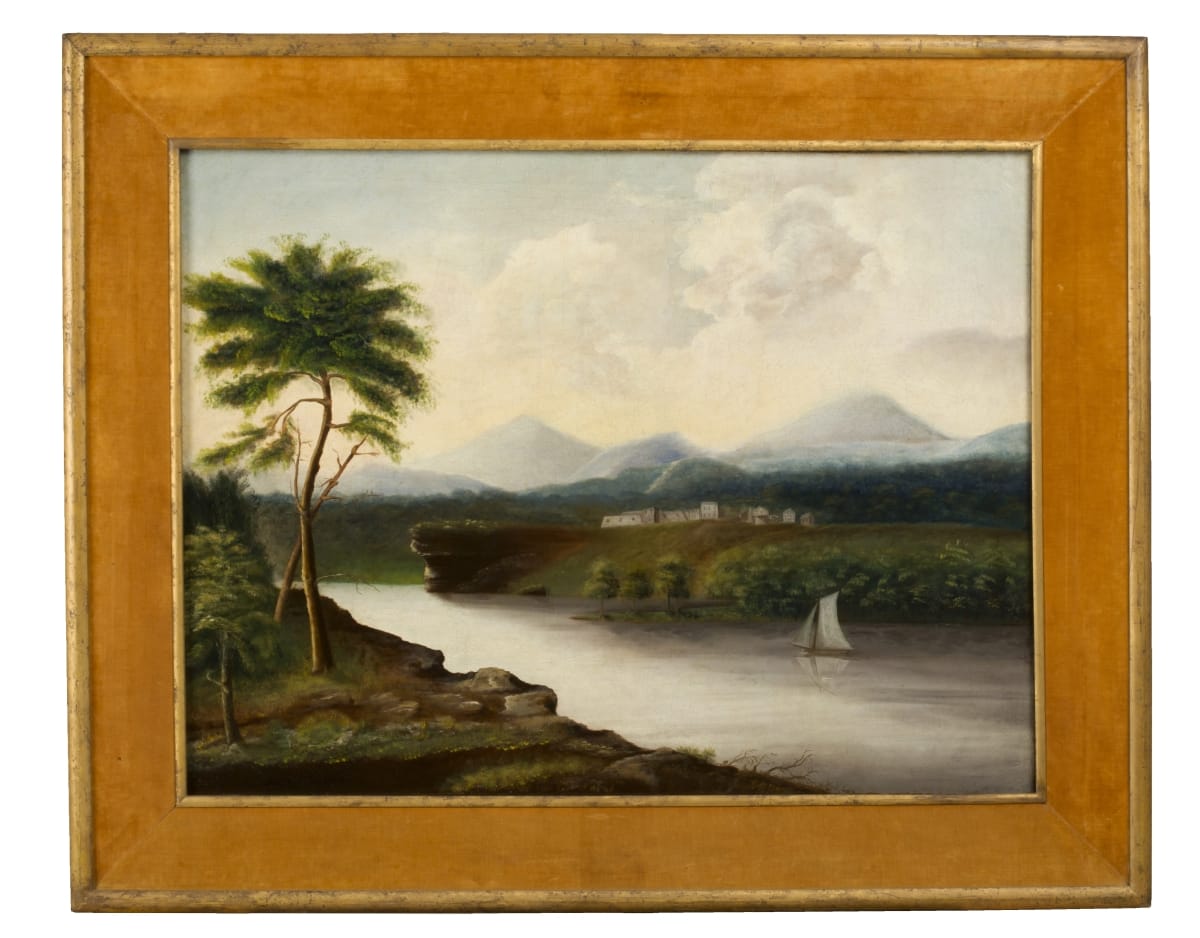
- circa 1845
- Collections - Artifact
Oil Painting, Fort Ticonderoga by George Washington Mark, circa 1845
George Washington Mark was a successful house, sign, and furniture painter in Greenfield, Massachusetts, in the early 1800s. Sometime in the 1830s and 40s, he tried his hand at more artistic endeavors creating paintings of local interest -- generally landscapes and historic subjects. Around 1845, Mark painted this work depicting the ruins of New York's historic Fort Ticonderoga.
- Oil Painting, "Fun On the Fourth" by Tompkins H. Matteson, 1840-1850 -
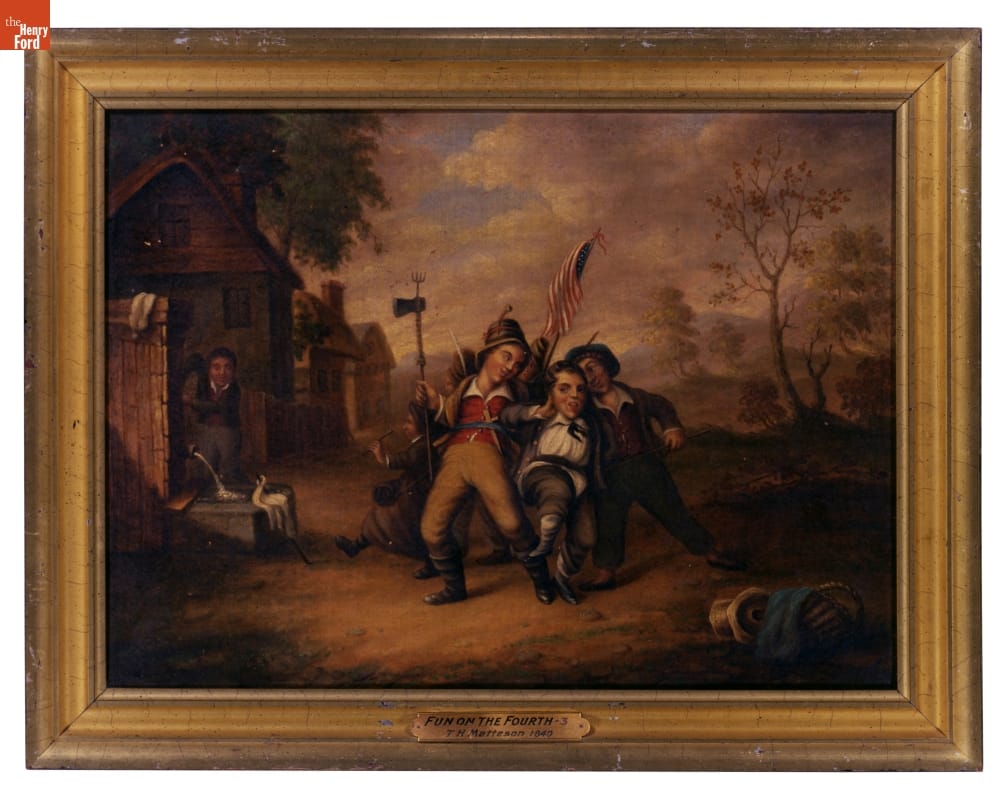
- 1840-1850
- Collections - Artifact
Oil Painting, "Fun On the Fourth" by Tompkins H. Matteson, 1840-1850
- Oil Portrait of Edsel Ford by Diego Rivera, 1932 - Partway through work on his <EM>Detroit Industry</EM> murals at the Detroit Institute of Arts, Diego Rivera took a break to paint a portrait of the frescoes' primary sponsor, Edsel Ford. Rather than posing Ford in his office, Rivera chose a more appropriate setting: an automotive design studio. The portrait depicts Ford as strong and confident in his preferred environment.
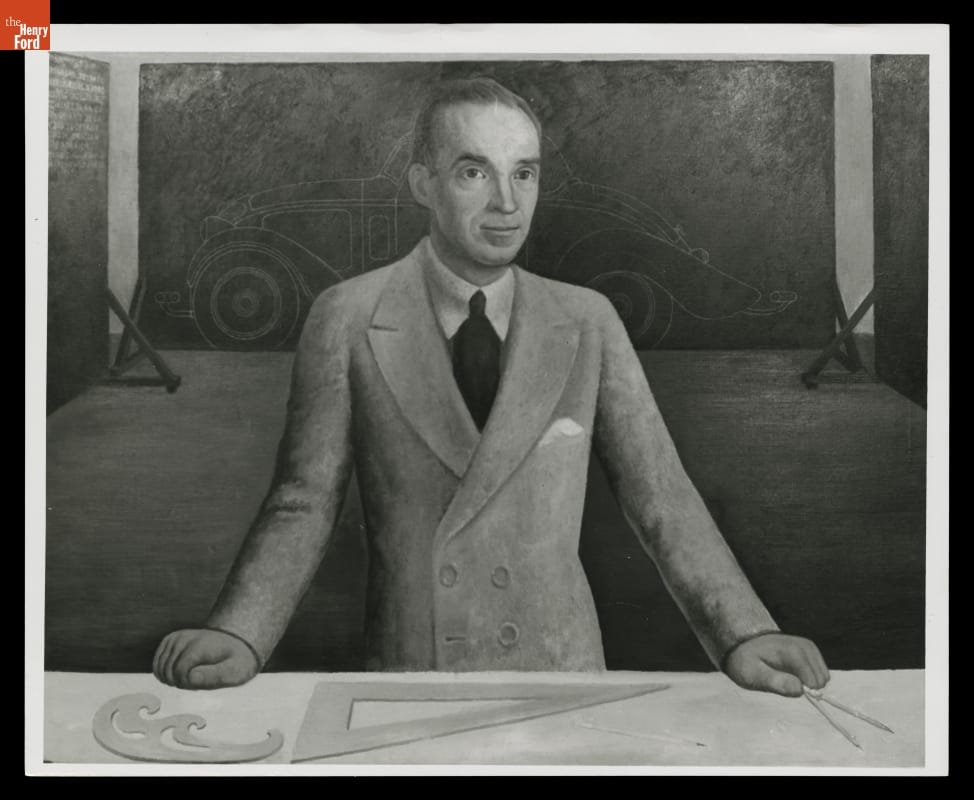
- 1932
- Collections - Artifact
Oil Portrait of Edsel Ford by Diego Rivera, 1932
Partway through work on his Detroit Industry murals at the Detroit Institute of Arts, Diego Rivera took a break to paint a portrait of the frescoes' primary sponsor, Edsel Ford. Rather than posing Ford in his office, Rivera chose a more appropriate setting: an automotive design studio. The portrait depicts Ford as strong and confident in his preferred environment.
- "Battle Scenes of the Rebellion" Battle of Chattanooga, Civil War Panorama - In the 1880s, Thomas Clarkson Gordon, a self-taught artist and Civil War veteran, created a panorama depicting scenes from the Civil War. Gordon stitched together 15 paintings -- each 7 by 14 feet -- into a canvas roll more than 100 feet long. He toured his multi-paneled panorama throughout eastern Indiana, retelling the history of the conflict through his vivid illustrations.
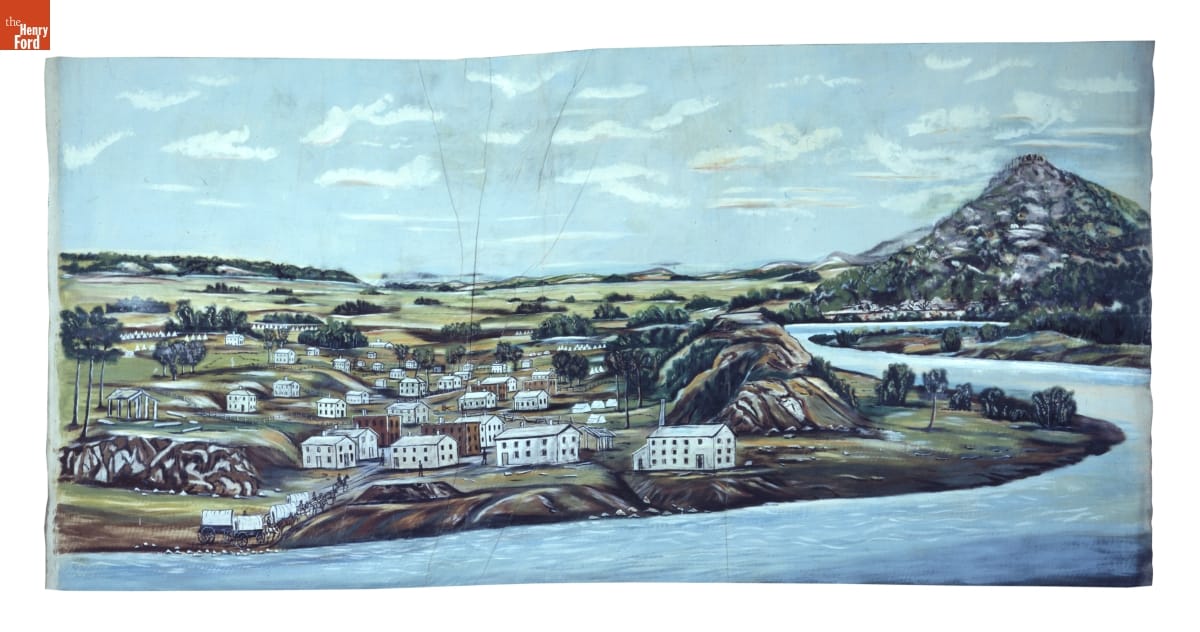
- 1863
- Collections - Artifact
"Battle Scenes of the Rebellion" Battle of Chattanooga, Civil War Panorama
In the 1880s, Thomas Clarkson Gordon, a self-taught artist and Civil War veteran, created a panorama depicting scenes from the Civil War. Gordon stitched together 15 paintings -- each 7 by 14 feet -- into a canvas roll more than 100 feet long. He toured his multi-paneled panorama throughout eastern Indiana, retelling the history of the conflict through his vivid illustrations.
- Powerhouse, River, and Dam, 1924 - In 1924-25 the Ford Motor Company ran a series of sixteen dramatic advertisements in the <EM>Saturday Evening Post</EM> and <EM>Country Gentleman</EM> magazines. The effectiveness of the ads was due in large part to the specially commissioned artwork that accompanied the descriptive text. The restricted palette employed in the original art was imposed by the "duotone" process used for color reproduction.
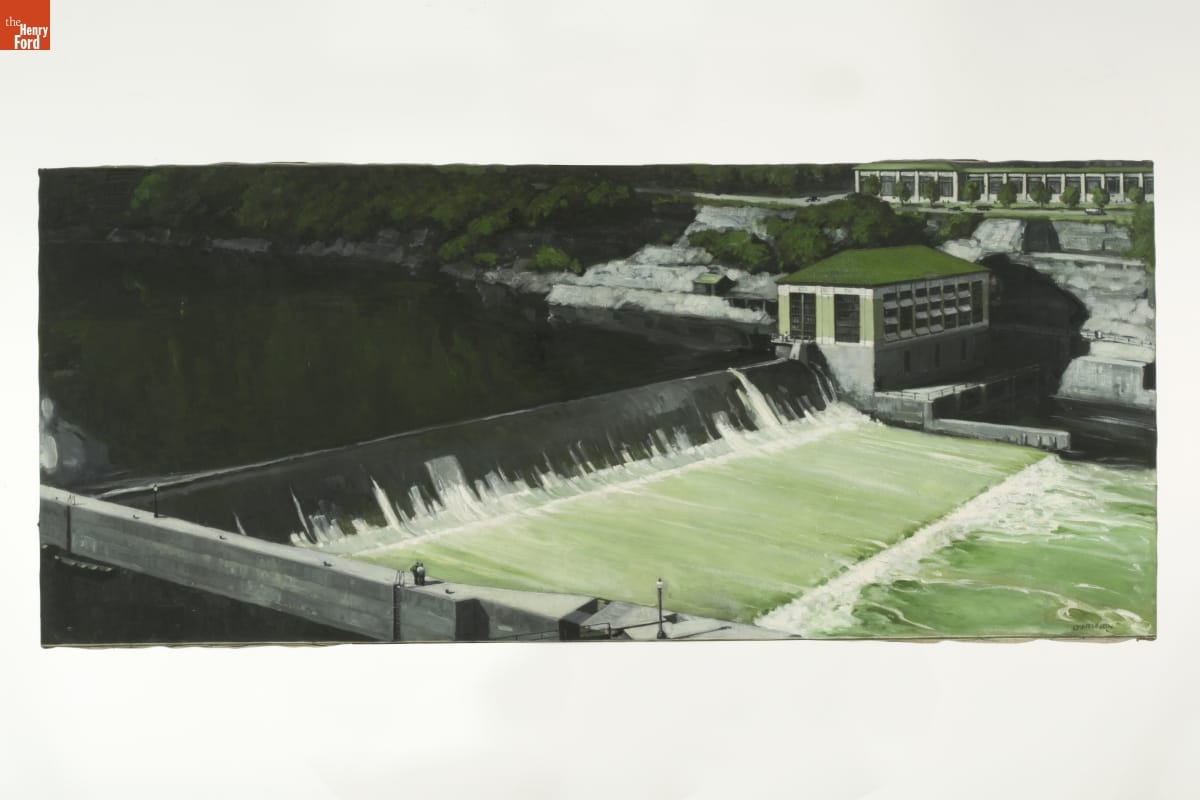
- 1924
- Collections - Artifact
Powerhouse, River, and Dam, 1924
In 1924-25 the Ford Motor Company ran a series of sixteen dramatic advertisements in the Saturday Evening Post and Country Gentleman magazines. The effectiveness of the ads was due in large part to the specially commissioned artwork that accompanied the descriptive text. The restricted palette employed in the original art was imposed by the "duotone" process used for color reproduction.
- Henry Ford as a Small Child Being Shown a Bird's Nest by his Family, by Irving Bacon, 1936 - Henry Ford, a four-year-old boy in his mother's arms, looks on as his parents show him and his brother, John, a sparrow's nest in a fallen tree. It was Ford's earliest memory, and he had the scene recreated in this painting by favorite artist Irving Bacon.
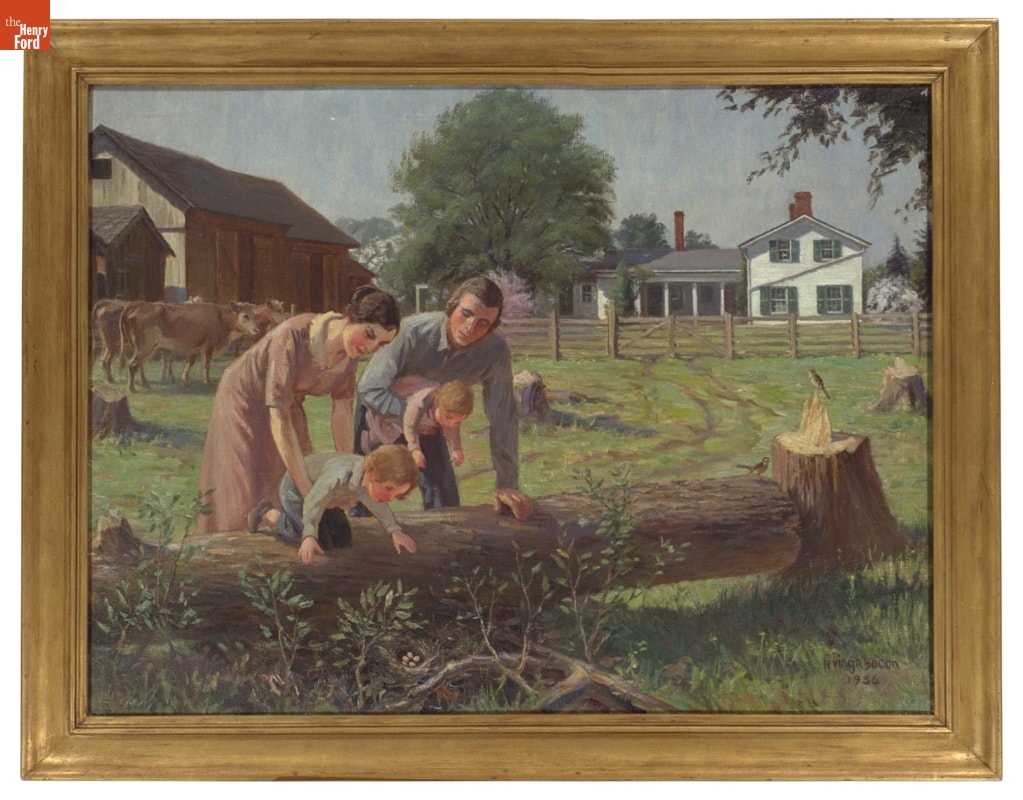
- circa 1866
- Collections - Artifact
Henry Ford as a Small Child Being Shown a Bird's Nest by his Family, by Irving Bacon, 1936
Henry Ford, a four-year-old boy in his mother's arms, looks on as his parents show him and his brother, John, a sparrow's nest in a fallen tree. It was Ford's earliest memory, and he had the scene recreated in this painting by favorite artist Irving Bacon.
- Portrait of George Washington Carver, 1944 - Henry Ford commissioned his personal artist, Irving Bacon, to paint a portrait of Ford's friend, the agricultural scientist George Washington Carver. Carver sat for the painting during his visit to Dearborn in 1942. This photographs documents the work. Carver, who loved plants, the soil, and farmers, is shown in a meadow wearing his customary old suit with boutonniere and holding a peanut and milkweed pod.
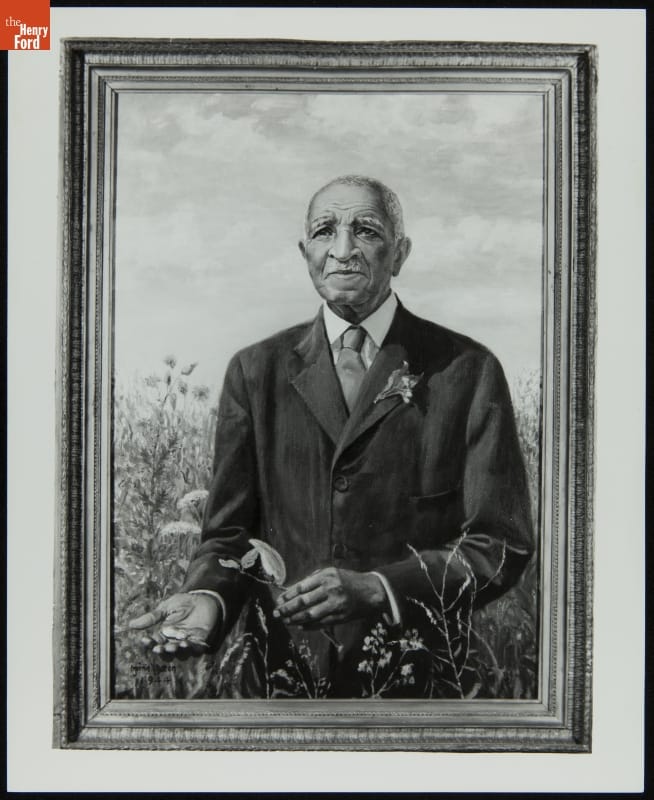
- 1944
- Collections - Artifact
Portrait of George Washington Carver, 1944
Henry Ford commissioned his personal artist, Irving Bacon, to paint a portrait of Ford's friend, the agricultural scientist George Washington Carver. Carver sat for the painting during his visit to Dearborn in 1942. This photographs documents the work. Carver, who loved plants, the soil, and farmers, is shown in a meadow wearing his customary old suit with boutonniere and holding a peanut and milkweed pod.
- Portrait of Woman, Thought to be Patience Shirley, circa 1725 -
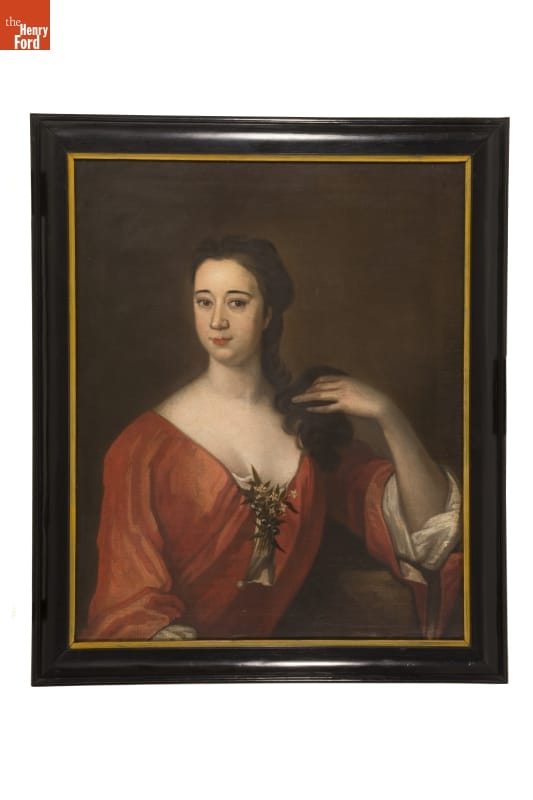
- circa 1725
- Collections - Artifact
Portrait of Woman, Thought to be Patience Shirley, circa 1725
- Oil Painting, House near Gray's River, Washington, 1875-1900 -
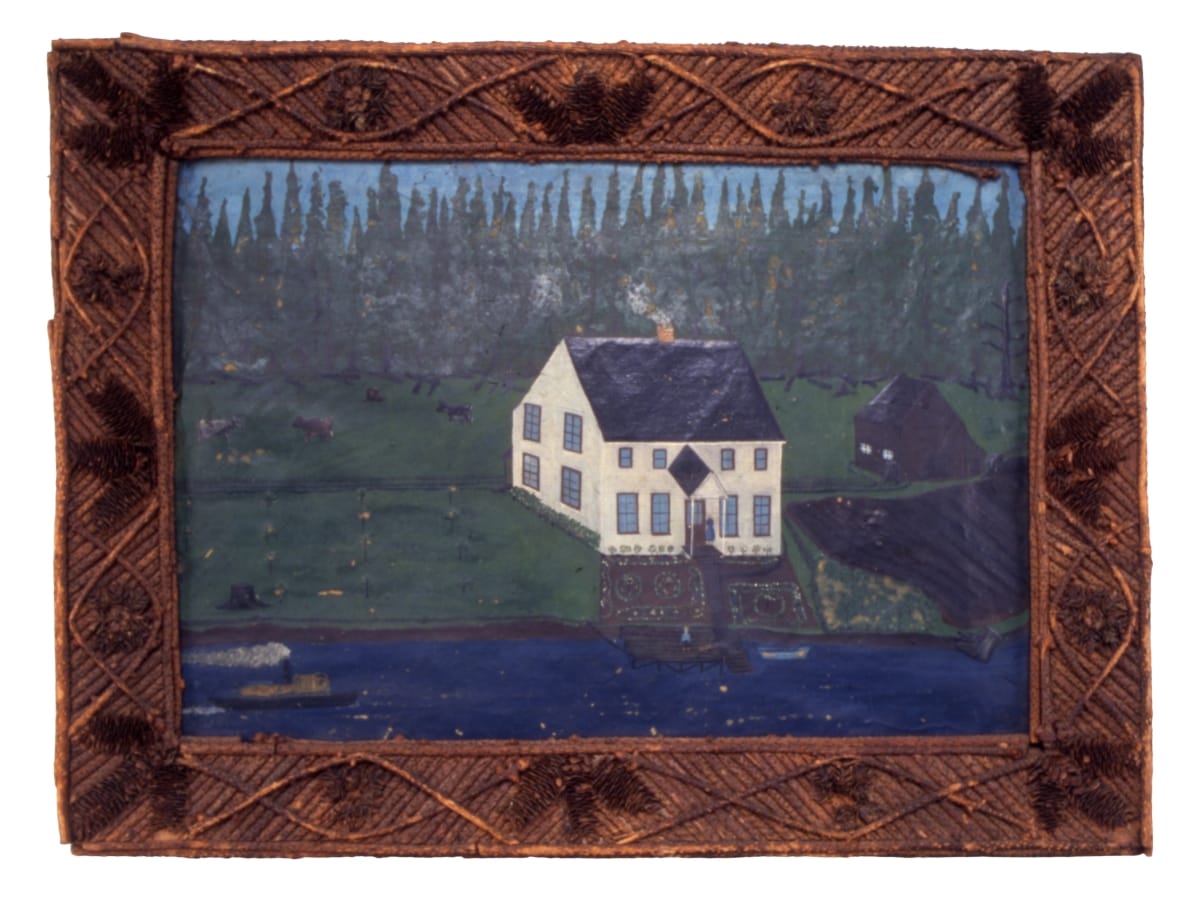
- 1875-1900
- Collections - Artifact
Oil Painting, House near Gray's River, Washington, 1875-1900
- Oil Painting, Portrait of Ophelia Harrison, circa 1840 -
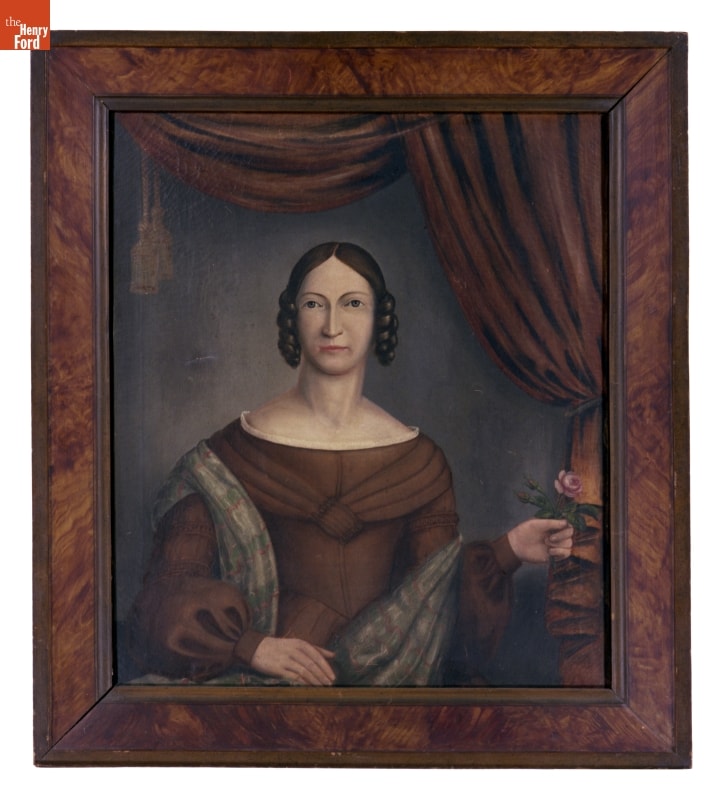
- circa 1840
- Collections - Artifact
Oil Painting, Portrait of Ophelia Harrison, circa 1840