
Search
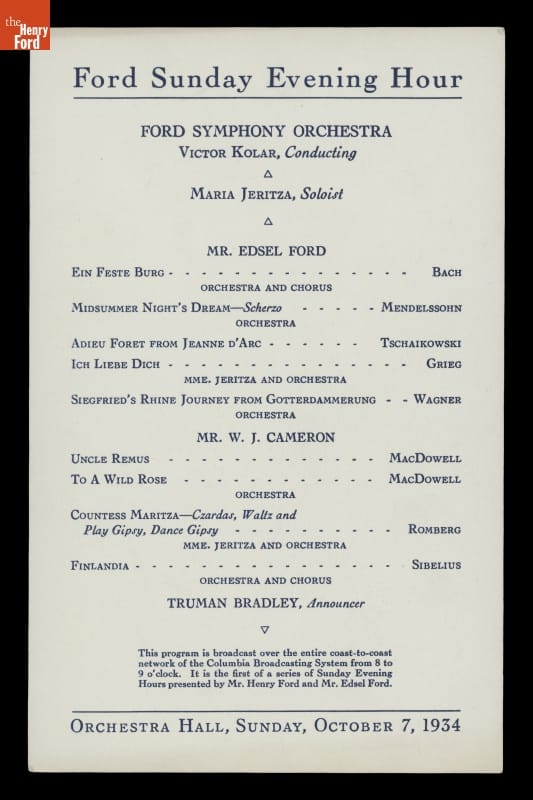
- Program for the First "Ford Sunday Evening Hour" Radio Broadcast, October 7, 1934 -
- October 07, 1934
- Collections - Artifact
Program for the First "Ford Sunday Evening Hour" Radio Broadcast, October 7, 1934
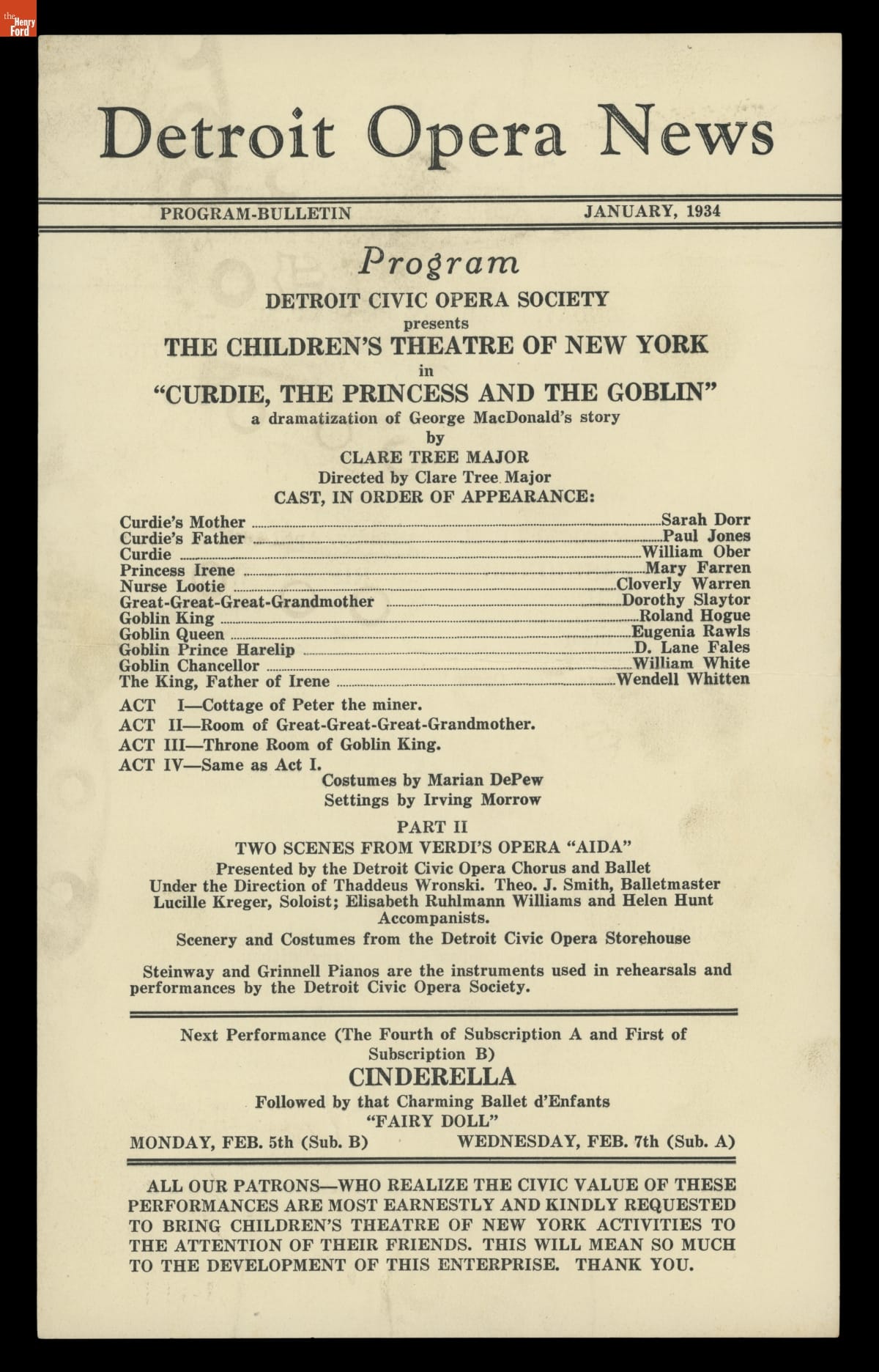
- "Detroit Opera News," January 1934 -
- January 01, 1934
- Collections - Artifact
"Detroit Opera News," January 1934
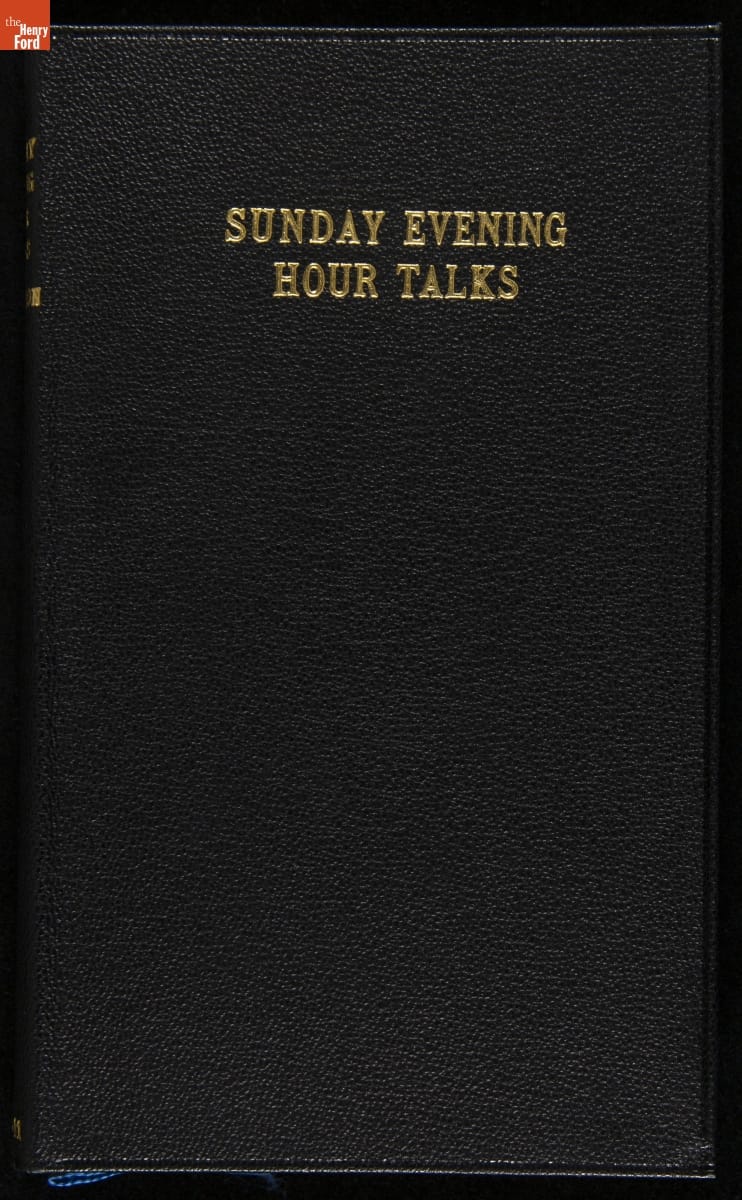
- Talks Given on The Ford Sunday Evening Hour, September 1940-May 1941 - Launched in 1934, the <em>Ford Sunday Evening Hour</em> radio program featured classical music, guest soloists and conductors, and a weekly talk during intermission. Henry Ford asked his friend and advisor William J. Cameron to write and deliver these messages. Cameron, who composed the anti-Semitic articles for <em>The Dearborn Independent</em>, now peddled softer populist views--avoiding extremes and any direct attacks on politicians, ethnic groups, or Wall Street financiers.
- June 01, 1941
- Collections - Artifact
Talks Given on The Ford Sunday Evening Hour, September 1940-May 1941
Launched in 1934, the Ford Sunday Evening Hour radio program featured classical music, guest soloists and conductors, and a weekly talk during intermission. Henry Ford asked his friend and advisor William J. Cameron to write and deliver these messages. Cameron, who composed the anti-Semitic articles for The Dearborn Independent, now peddled softer populist views--avoiding extremes and any direct attacks on politicians, ethnic groups, or Wall Street financiers.
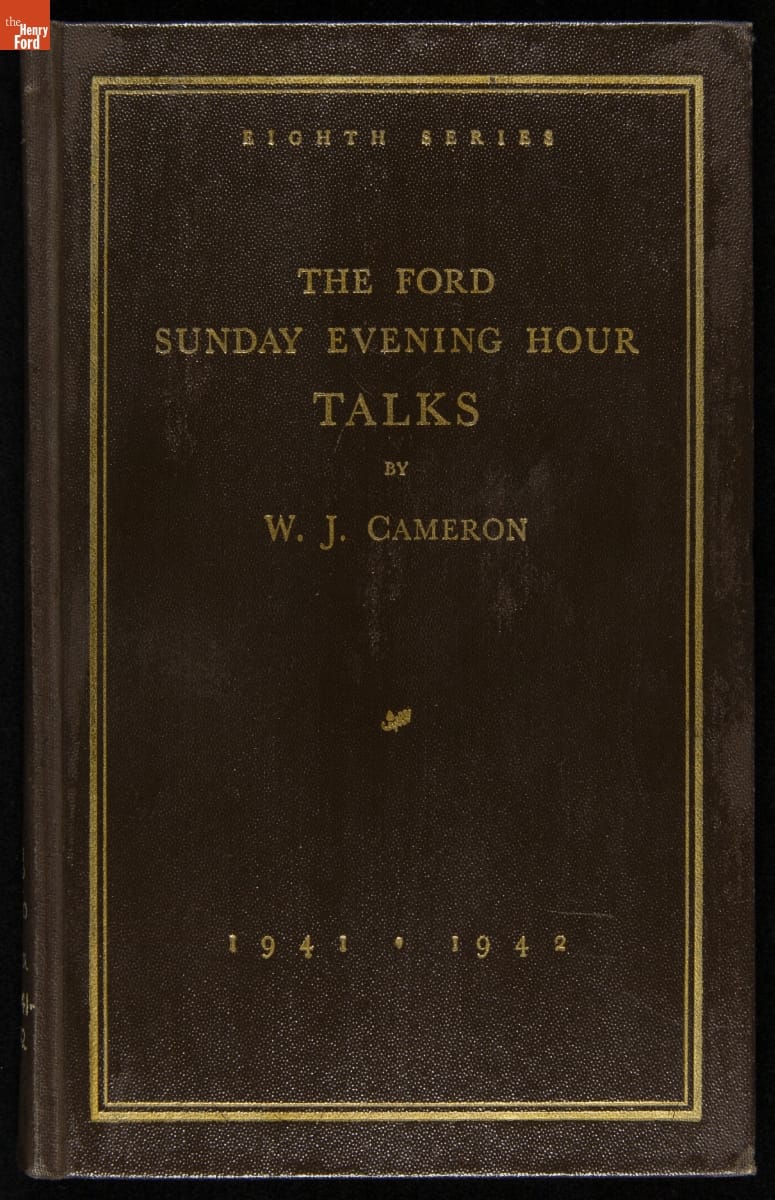
- Talks Given on The Ford Sunday Evening Hour, September 1941-March 1942 - Launched in 1934, the <em>Ford Sunday Evening Hour</em> radio program featured classical music, guest soloists and conductors, and a weekly talk during intermission. Henry Ford asked his friend and advisor William J. Cameron to write and deliver these messages. Cameron, who composed the anti-Semitic articles for <em>The Dearborn Independent</em>, now peddled softer populist views--avoiding extremes and any direct attacks on politicians, ethnic groups, or Wall Street financiers.
- April 01, 1942
- Collections - Artifact
Talks Given on The Ford Sunday Evening Hour, September 1941-March 1942
Launched in 1934, the Ford Sunday Evening Hour radio program featured classical music, guest soloists and conductors, and a weekly talk during intermission. Henry Ford asked his friend and advisor William J. Cameron to write and deliver these messages. Cameron, who composed the anti-Semitic articles for The Dearborn Independent, now peddled softer populist views--avoiding extremes and any direct attacks on politicians, ethnic groups, or Wall Street financiers.
- Program, "The Beggar's Opera" at Orchestra Hall, Detroit, Michigan, March 14-16, 1928 -
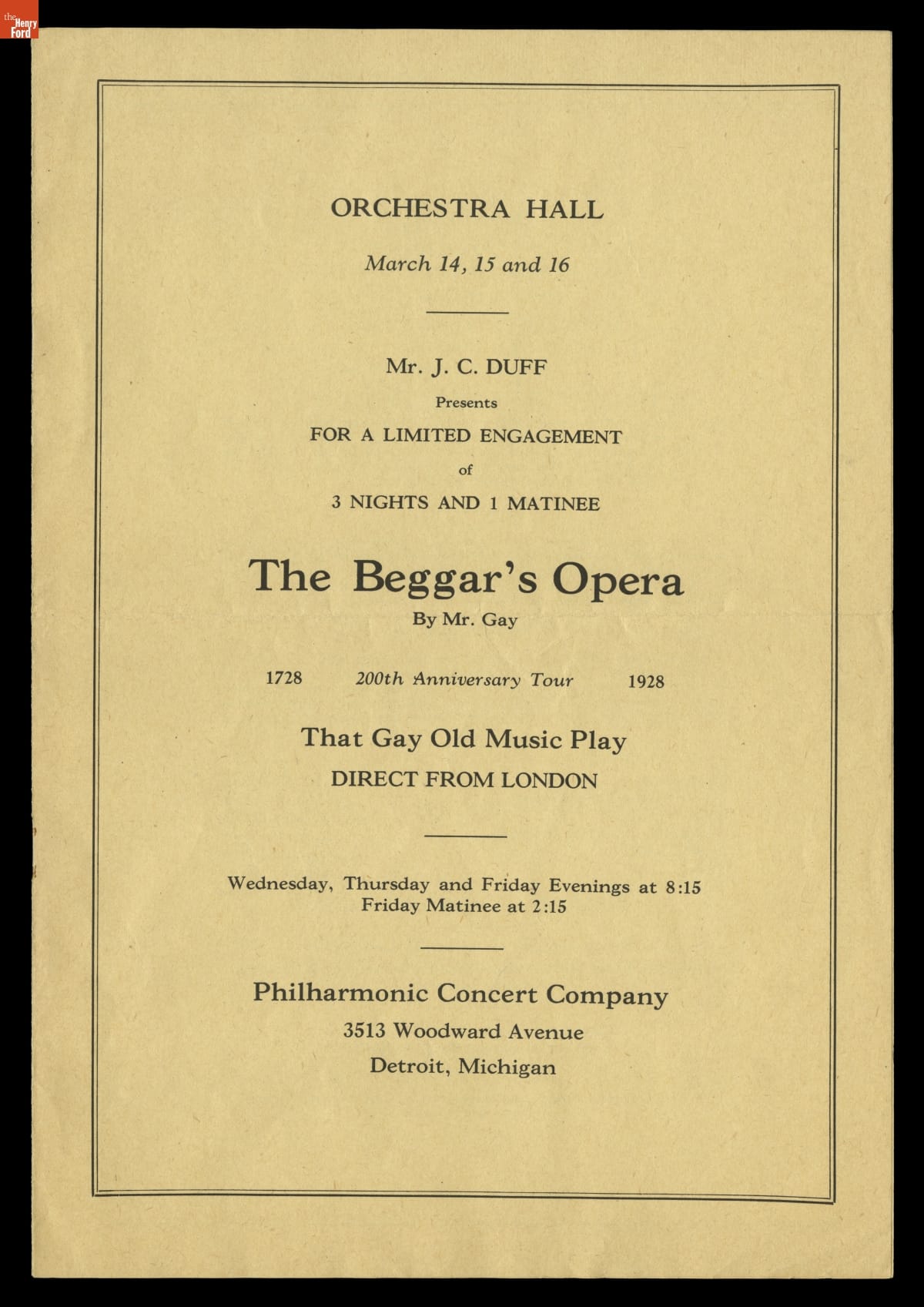
- 14 March 1928-16 March 1928
- Collections - Artifact
Program, "The Beggar's Opera" at Orchestra Hall, Detroit, Michigan, March 14-16, 1928
- Talks Given on The Ford Sunday Evening Hour, September 1936-June 1937 - Launched in 1934, the <em>Ford Sunday Evening Hour</em> radio program featured classical music, guest soloists and conductors, and a weekly talk during intermission. Henry Ford asked his friend and advisor William J. Cameron to write and deliver these messages. Cameron, who composed the anti-Semitic articles for <em>The Dearborn Independent</em>, now peddled softer populist views--avoiding extremes and any direct attacks on politicians, ethnic groups, or Wall Street financiers.
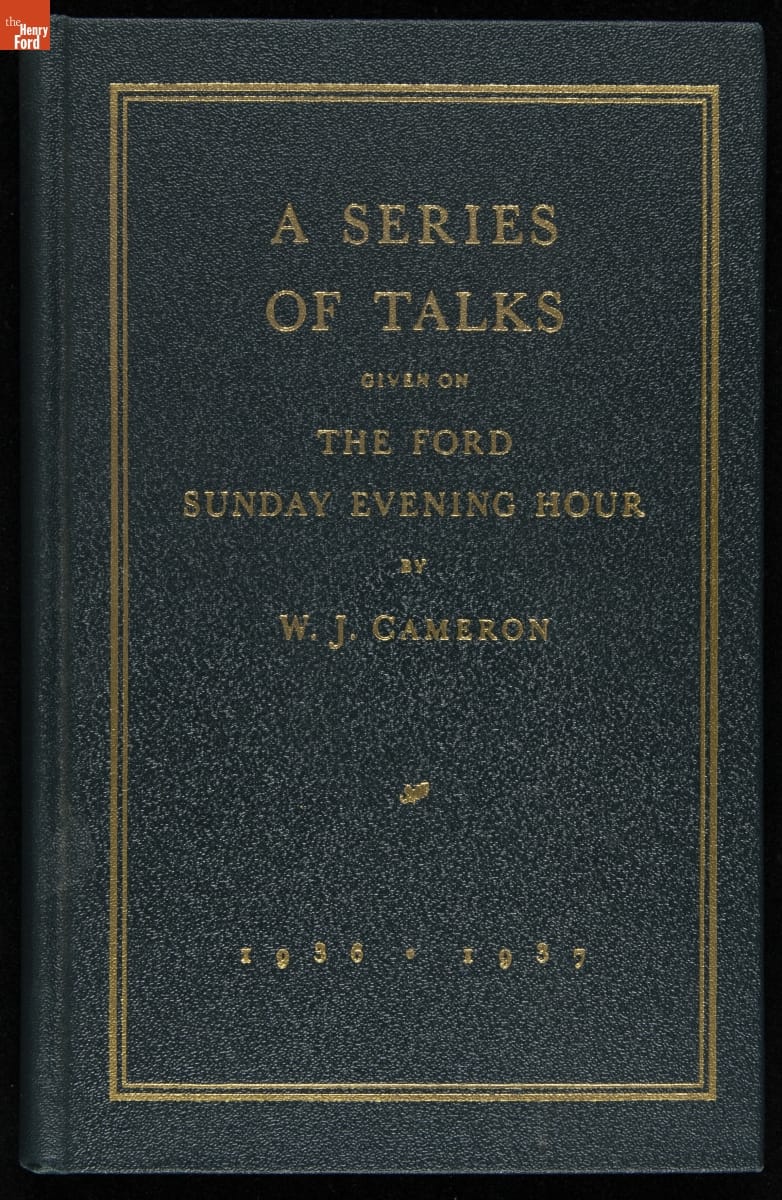
- July 01, 1937
- Collections - Artifact
Talks Given on The Ford Sunday Evening Hour, September 1936-June 1937
Launched in 1934, the Ford Sunday Evening Hour radio program featured classical music, guest soloists and conductors, and a weekly talk during intermission. Henry Ford asked his friend and advisor William J. Cameron to write and deliver these messages. Cameron, who composed the anti-Semitic articles for The Dearborn Independent, now peddled softer populist views--avoiding extremes and any direct attacks on politicians, ethnic groups, or Wall Street financiers.
- Talks Given on The Ford Sunday Evening Hour, September 1937-June 1938 - Launched in 1934, the <em>Ford Sunday Evening Hour</em> radio program featured classical music, guest soloists and conductors, and a weekly talk during intermission. Henry Ford asked his friend and advisor William J. Cameron to write and deliver these messages. Cameron, who composed the anti-Semitic articles for <em>The Dearborn Independent</em>, now peddled softer populist views--avoiding extremes and any direct attacks on politicians, ethnic groups, or Wall Street financiers.
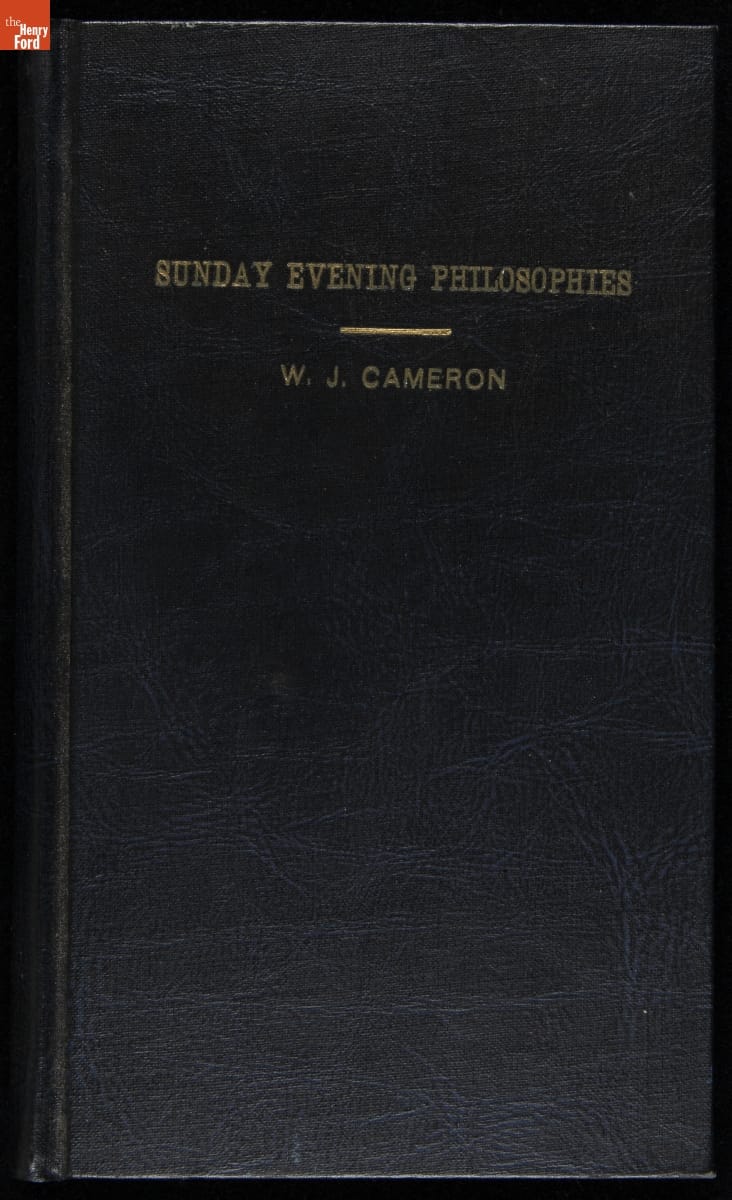
- July 01, 1938
- Collections - Artifact
Talks Given on The Ford Sunday Evening Hour, September 1937-June 1938
Launched in 1934, the Ford Sunday Evening Hour radio program featured classical music, guest soloists and conductors, and a weekly talk during intermission. Henry Ford asked his friend and advisor William J. Cameron to write and deliver these messages. Cameron, who composed the anti-Semitic articles for The Dearborn Independent, now peddled softer populist views--avoiding extremes and any direct attacks on politicians, ethnic groups, or Wall Street financiers.
- Talks Given on The Ford Sunday Evening Hour, September 1939-May 1940 - Launched in 1934, the <em>Ford Sunday Evening Hour</em> radio program featured classical music, guest soloists and conductors, and a weekly talk during intermission. Henry Ford asked his friend and advisor William J. Cameron to write and deliver these messages. Cameron, who composed the anti-Semitic articles for <em>The Dearborn Independent</em>, now peddled softer populist views--avoiding extremes and any direct attacks on politicians, ethnic groups, or Wall Street financiers.
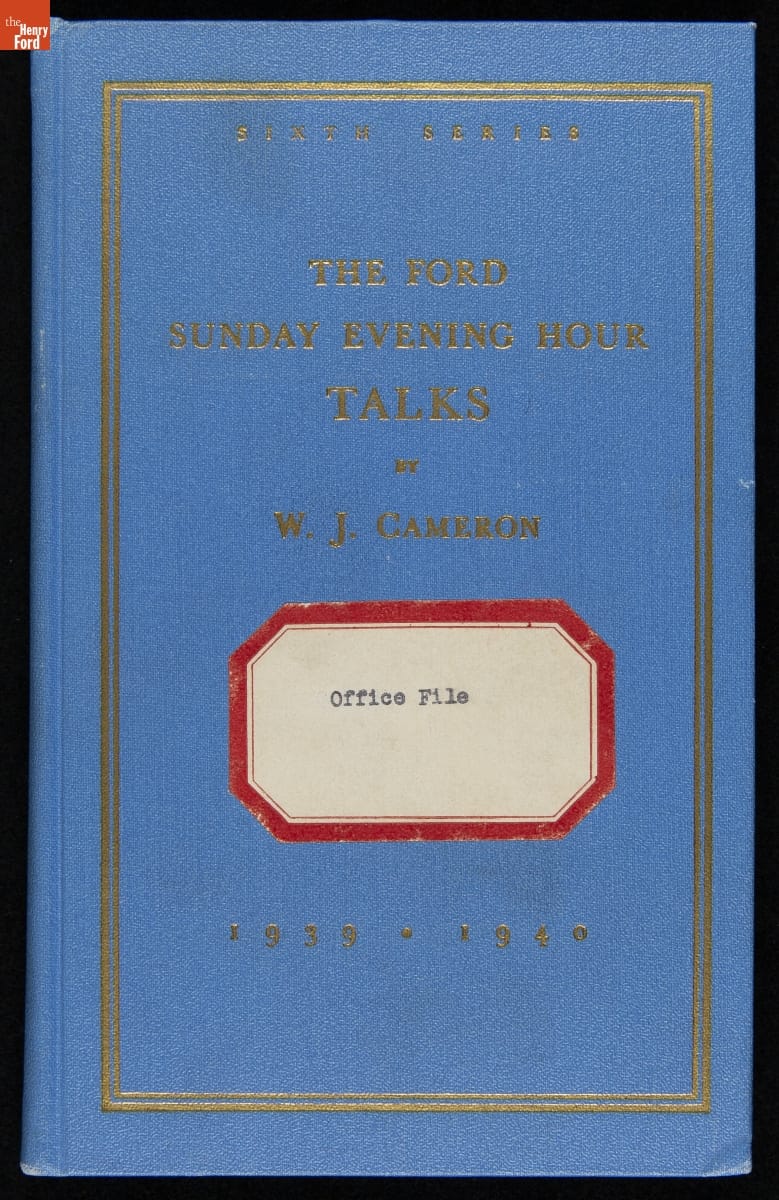
- June 01, 1940
- Collections - Artifact
Talks Given on The Ford Sunday Evening Hour, September 1939-May 1940
Launched in 1934, the Ford Sunday Evening Hour radio program featured classical music, guest soloists and conductors, and a weekly talk during intermission. Henry Ford asked his friend and advisor William J. Cameron to write and deliver these messages. Cameron, who composed the anti-Semitic articles for The Dearborn Independent, now peddled softer populist views--avoiding extremes and any direct attacks on politicians, ethnic groups, or Wall Street financiers.
- "Detroit Opera News," October 1933 -
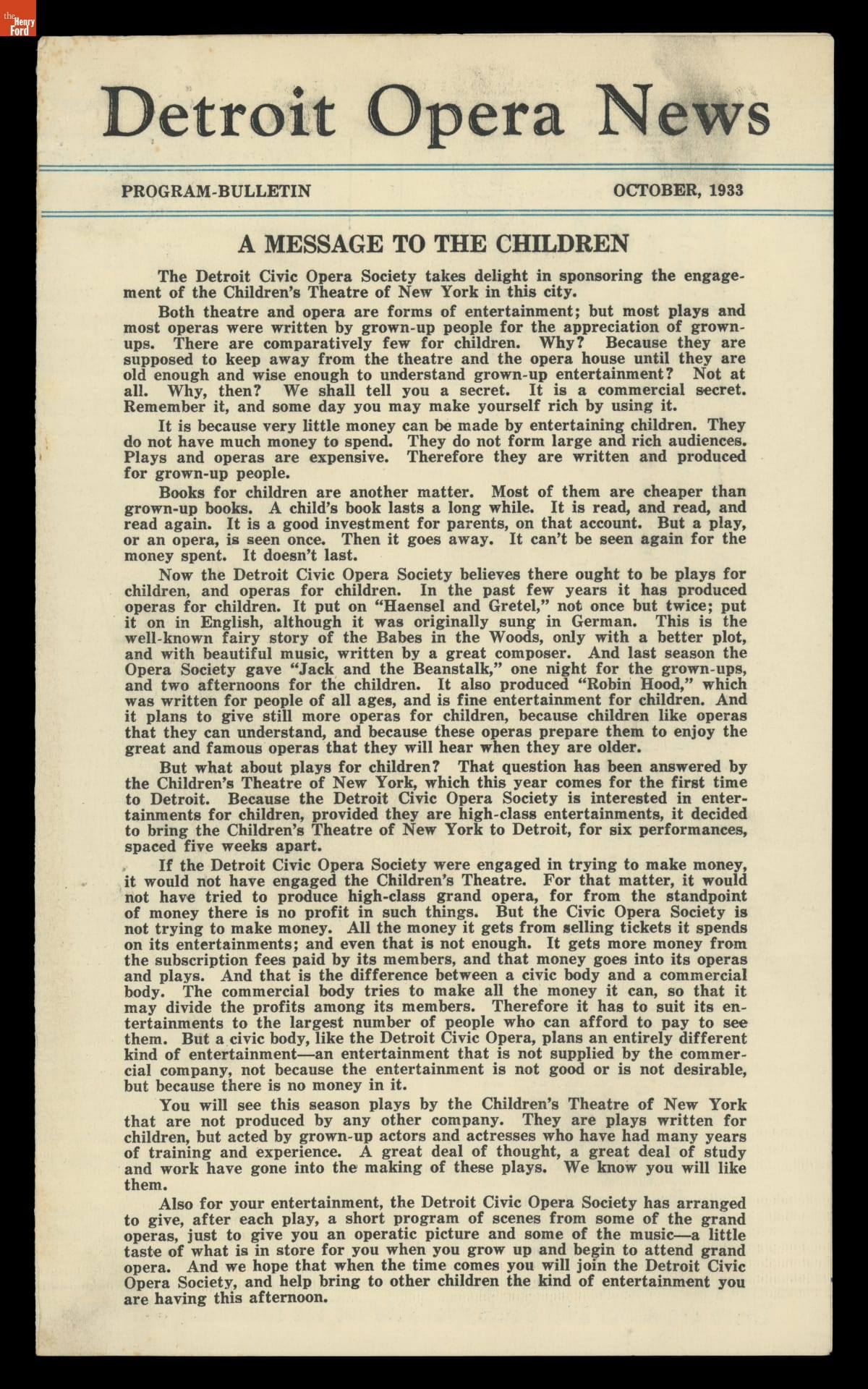
- October 01, 1933
- Collections - Artifact
"Detroit Opera News," October 1933
- Program, "The King of the Golden River" at Orchestra Hall, Detroit, Michigan, October 25, 1933 -
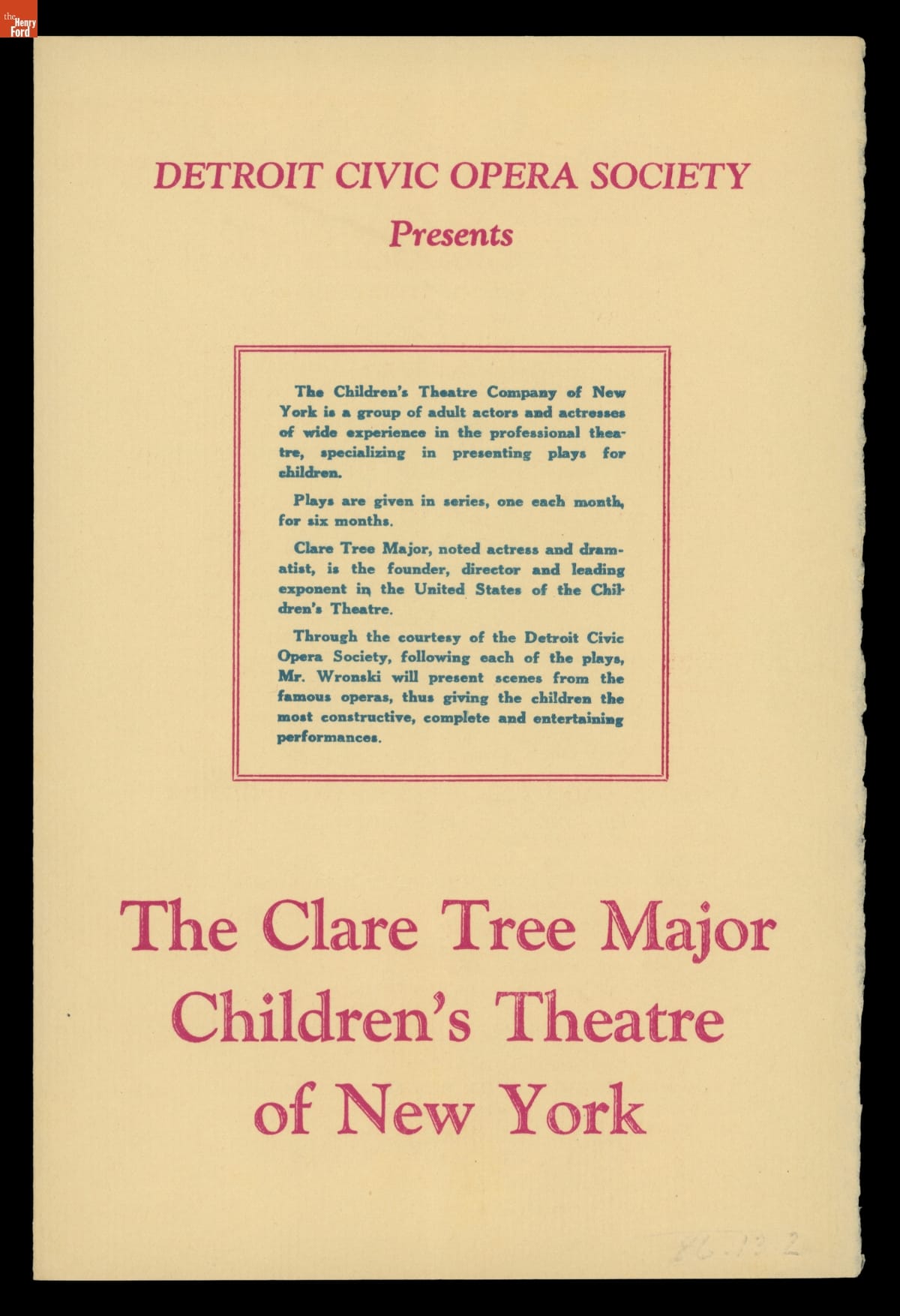
- October 25, 1933
- Collections - Artifact
Program, "The King of the Golden River" at Orchestra Hall, Detroit, Michigan, October 25, 1933