
Search
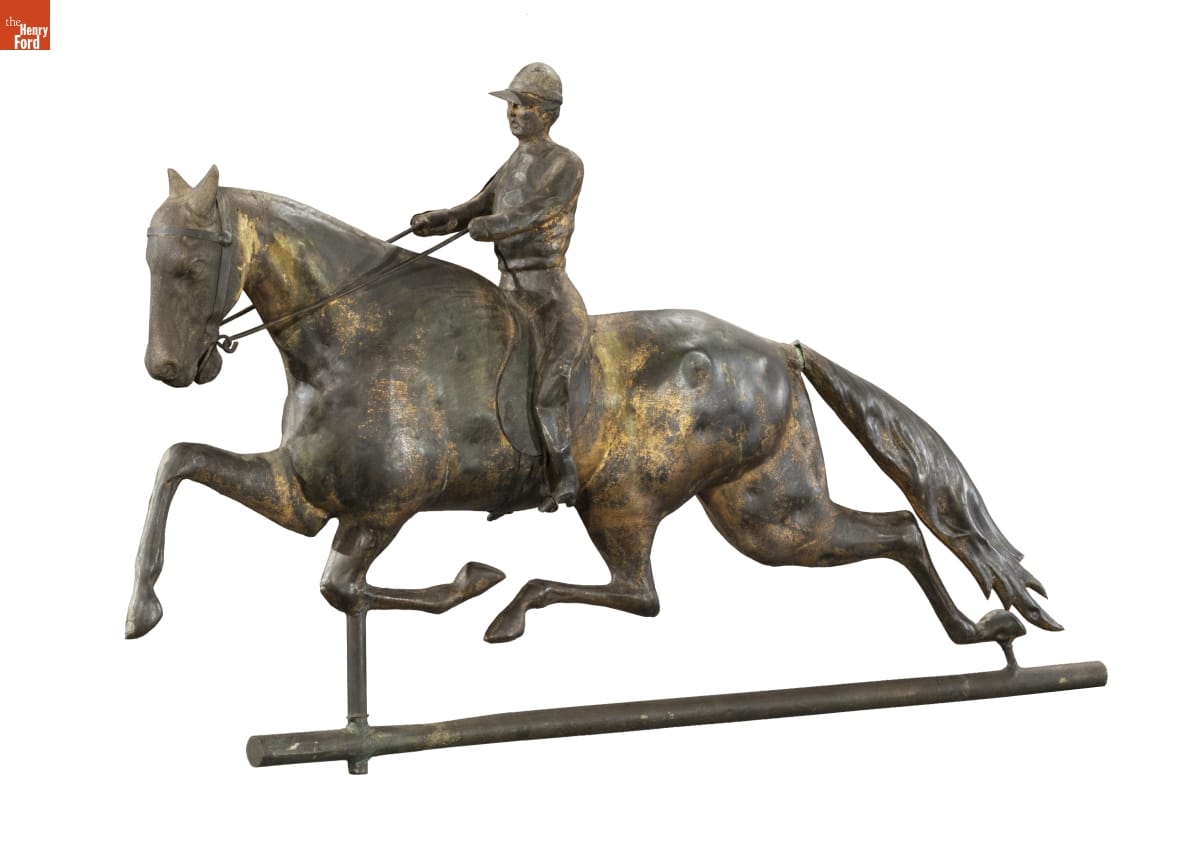
- Dexter with Jockey Weathervane, 1850-1875 - Weathervanes point into the direction of the wind. This helped viewers anticipate weather changes before local forecasts became common after 1920. Functional weathervanes required a basic pointing device and directional arms, but manufacturers added decorative elements, or ornaments, to appeal to consumer interests. They most often featured horses. This one depicts Dexter, a famous racehorse, immortalized with a jockey.
- 1850-1875
- Collections - Artifact
Dexter with Jockey Weathervane, 1850-1875
Weathervanes point into the direction of the wind. This helped viewers anticipate weather changes before local forecasts became common after 1920. Functional weathervanes required a basic pointing device and directional arms, but manufacturers added decorative elements, or ornaments, to appeal to consumer interests. They most often featured horses. This one depicts Dexter, a famous racehorse, immortalized with a jockey.
- Eagle Gate Post Ornaments, 1850-1875 -
- 1850-1875
- Collections - Artifact
Eagle Gate Post Ornaments, 1850-1875
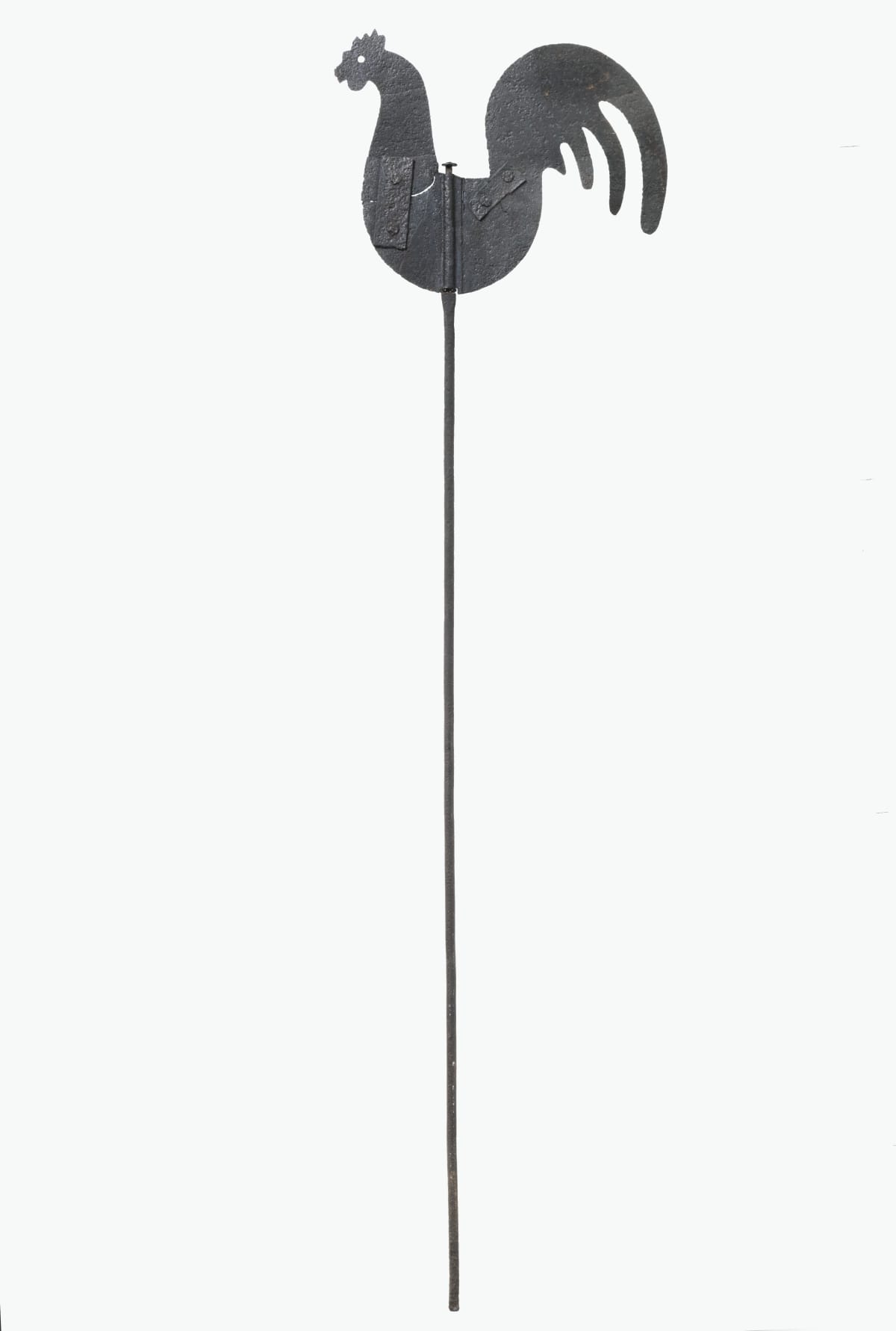
- Weathervane Ornament, circa 1800 - Artisans often made weathervanes from durable sheet metal. They attached pieces and reinforced stress points with straps of metal fastened with rivets. This rooster, or weathercock, may have set atop a church spire to convey a moral lesson based in Christian gospels.
- circa 1800
- Collections - Artifact
Weathervane Ornament, circa 1800
Artisans often made weathervanes from durable sheet metal. They attached pieces and reinforced stress points with straps of metal fastened with rivets. This rooster, or weathercock, may have set atop a church spire to convey a moral lesson based in Christian gospels.
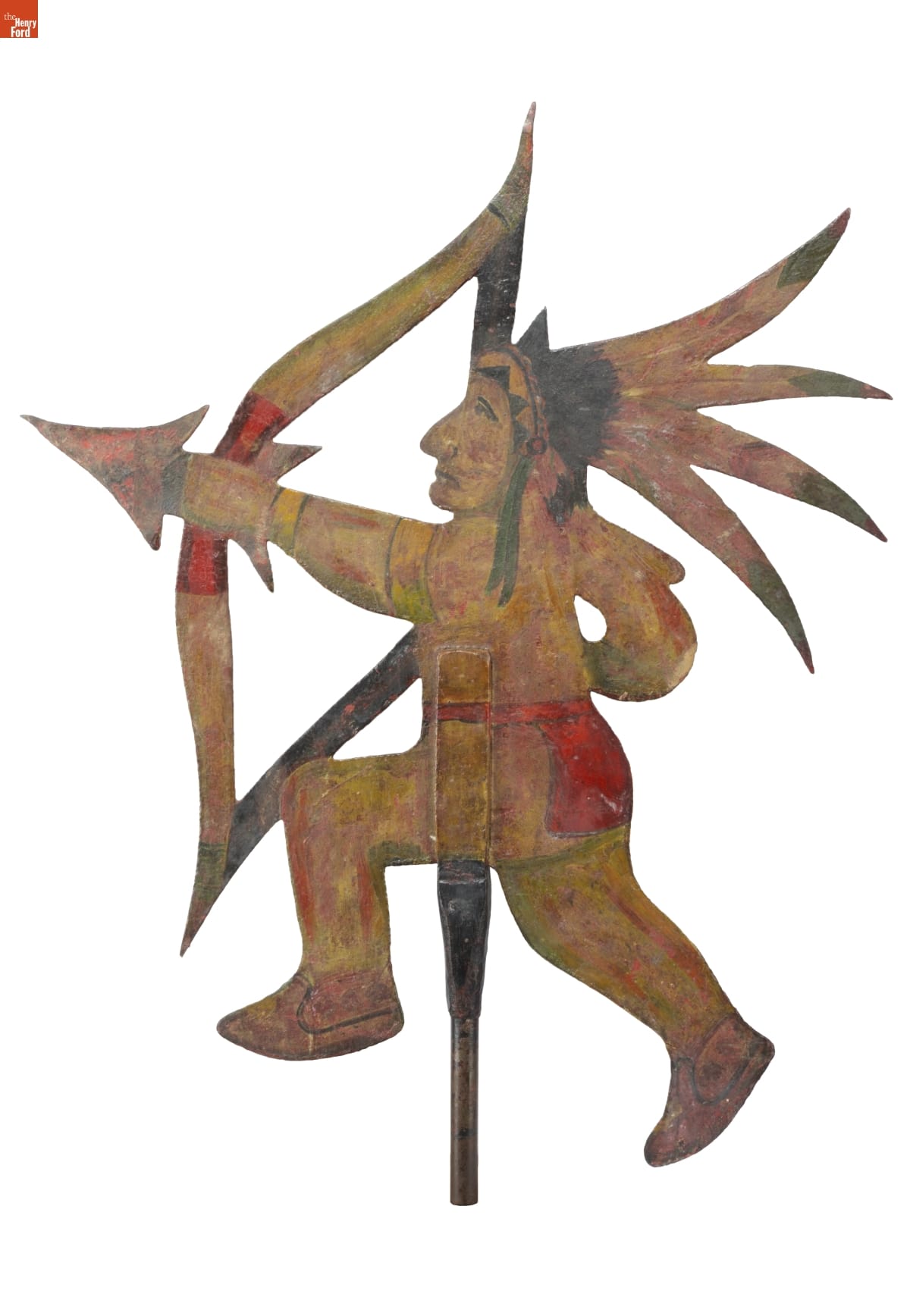
- Ornament, Used on a Fort Wayne, Jackson & Saginaw Railroad Company Locomotive, circa 1870 - This weathervane-like ornament adorned a Fort Wayne, Jackson & Saginaw Railroad locomotive in the late 1800s. The pronounced physical features, feathered headdress, and loincloth reflect the negative, stereotyped view many European-Americans held toward Native Americans. The ornament's use -- atop a locomotive -- also reinforced European-Americans' belief in the progress of what they considered their own "civilized" society over their perception of "savage" indigenous peoples.
- circa 1870
- Collections - Artifact
Ornament, Used on a Fort Wayne, Jackson & Saginaw Railroad Company Locomotive, circa 1870
This weathervane-like ornament adorned a Fort Wayne, Jackson & Saginaw Railroad locomotive in the late 1800s. The pronounced physical features, feathered headdress, and loincloth reflect the negative, stereotyped view many European-Americans held toward Native Americans. The ornament's use -- atop a locomotive -- also reinforced European-Americans' belief in the progress of what they considered their own "civilized" society over their perception of "savage" indigenous peoples.
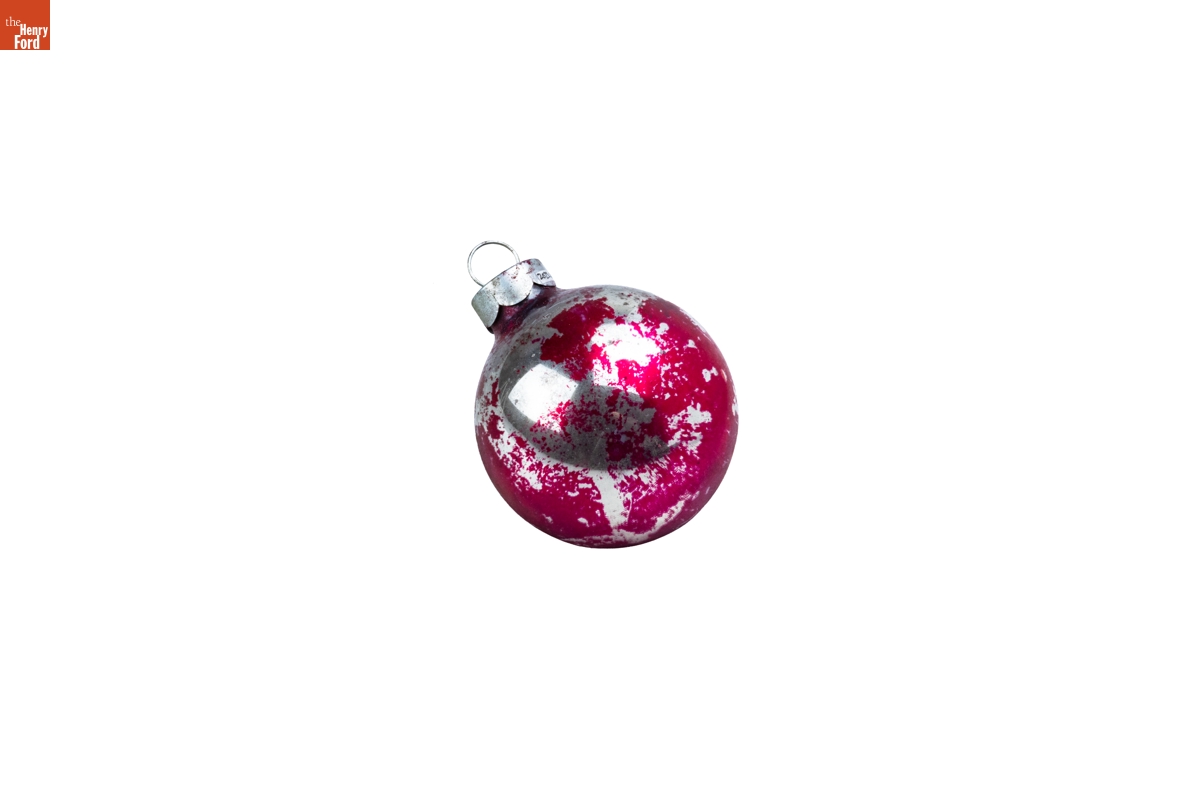
- Christmas Tree Ornament Used by the Jackson Family, Selma, Alabama -
- Collections - Artifact
Christmas Tree Ornament Used by the Jackson Family, Selma, Alabama
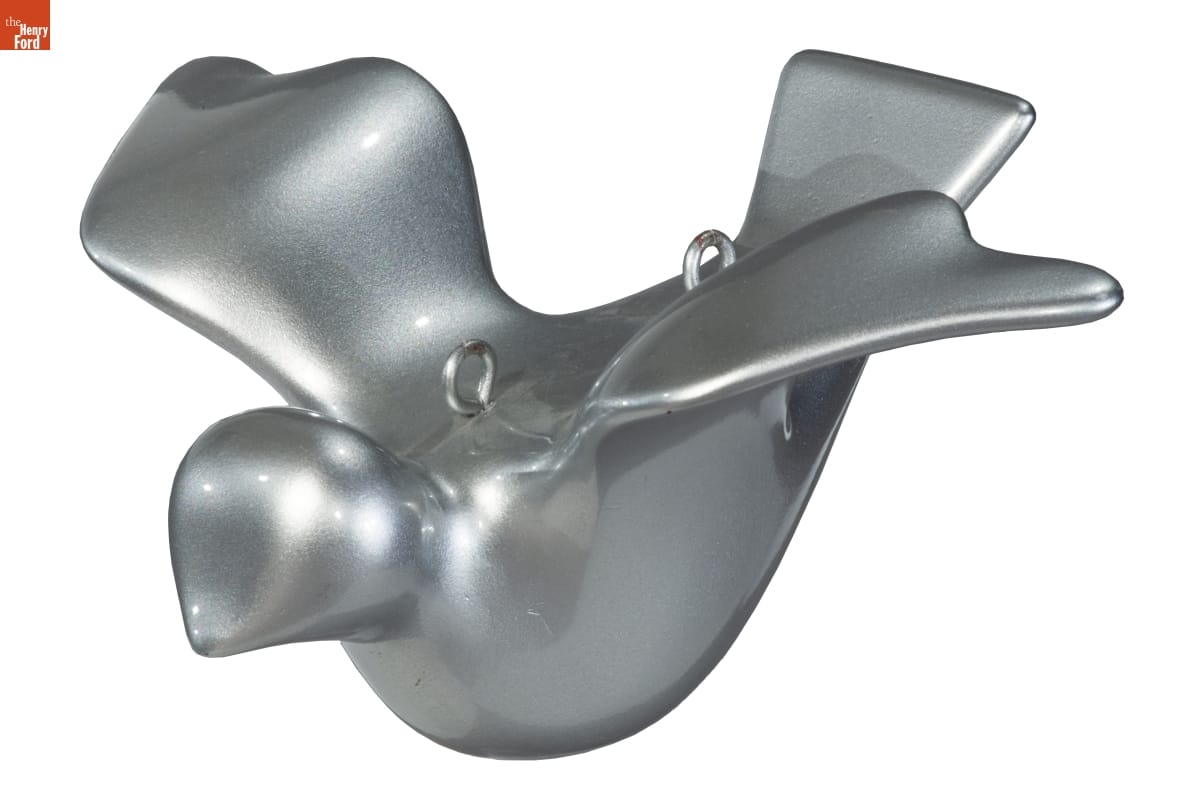
- Hanging Bird, 2013 - Starting in the early 1980s--and already established as an internationally recognized architect--Michael Graves began to pursue a parallel career as a product designer. Over the following three and a half decades he and his collaborators designed everything from humble household goods to limited edition luxury items for clients as diverse as Steuben, Alessi, Target, J. C. Penney, and Disney.
- 2013
- Collections - Artifact
Hanging Bird, 2013
Starting in the early 1980s--and already established as an internationally recognized architect--Michael Graves began to pursue a parallel career as a product designer. Over the following three and a half decades he and his collaborators designed everything from humble household goods to limited edition luxury items for clients as diverse as Steuben, Alessi, Target, J. C. Penney, and Disney.