
Search
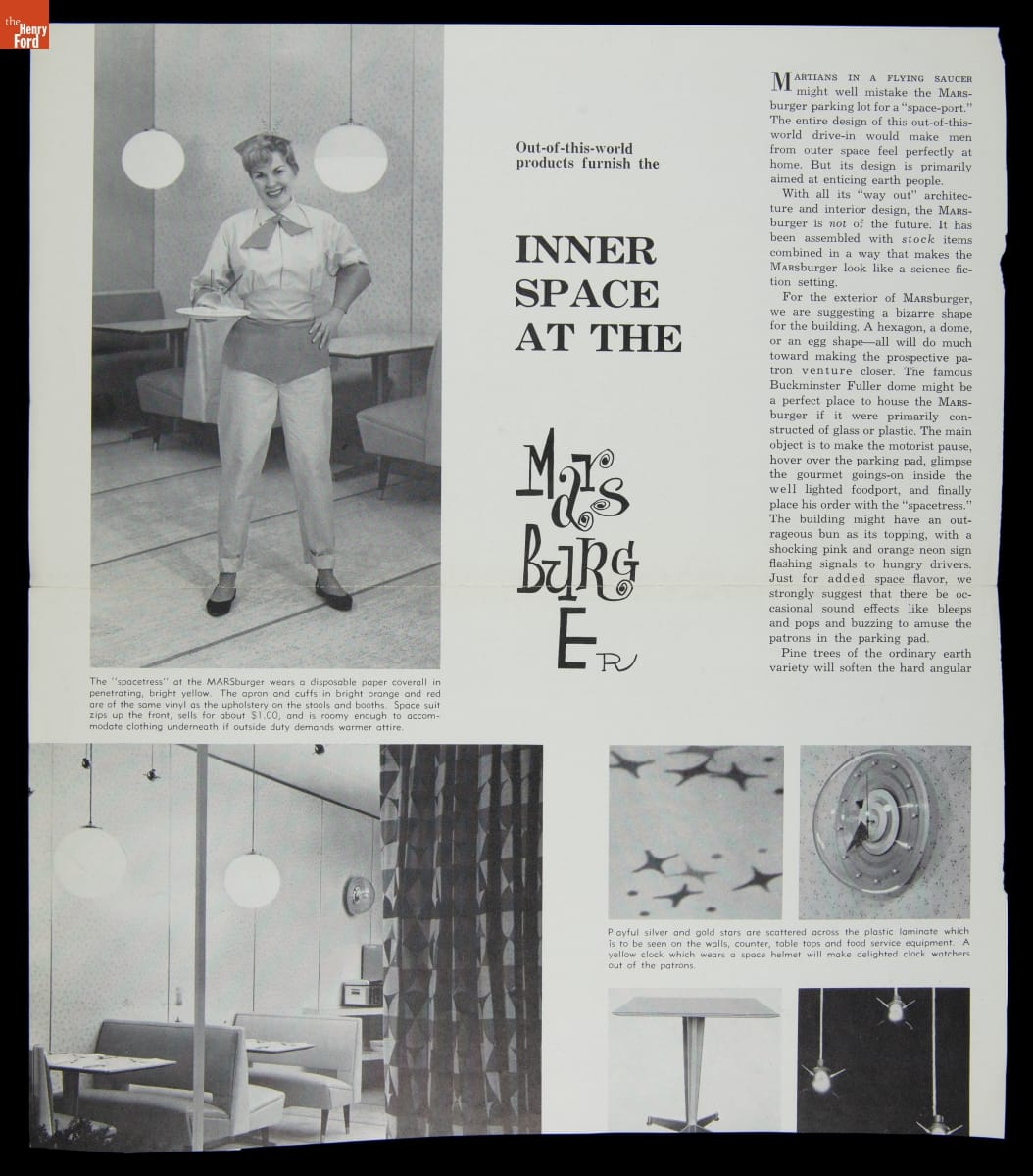
- "Out-of-this-world Products Furnish the Inner Space at the Marsburger" -
- Collections - Artifact
"Out-of-this-world Products Furnish the Inner Space at the Marsburger"
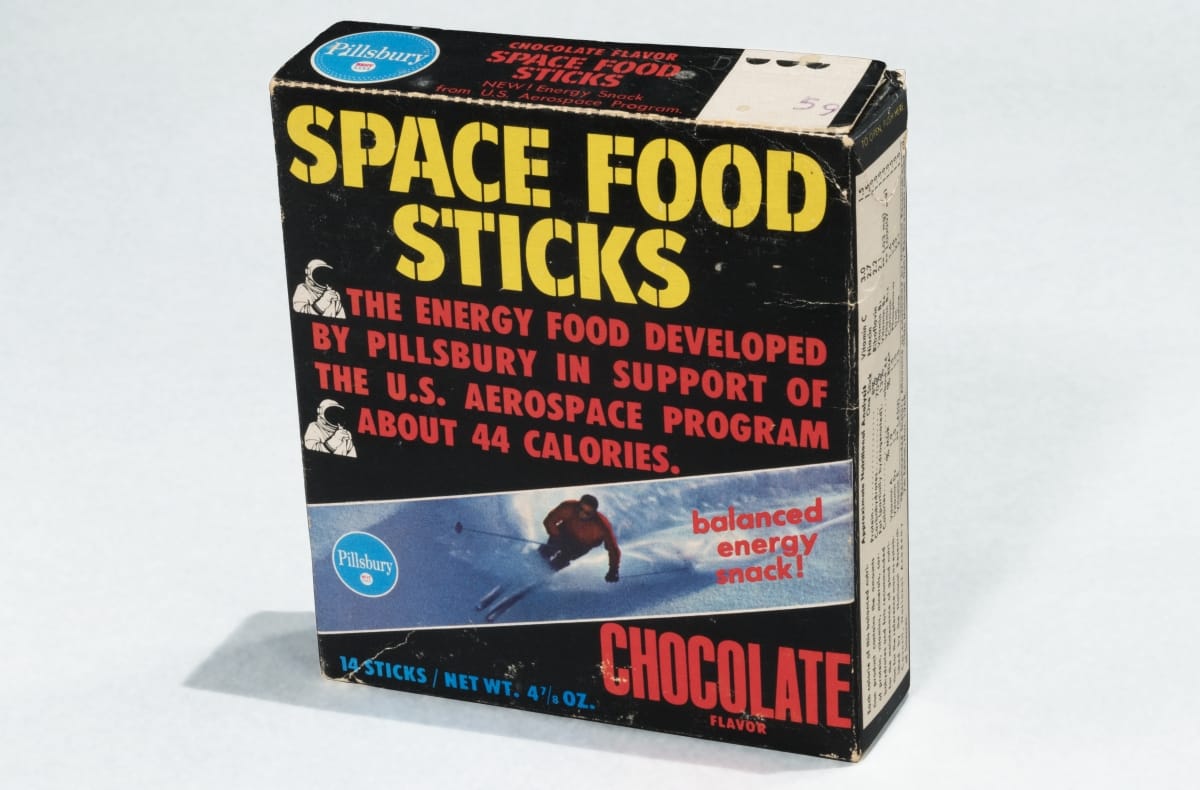
- Pillsbury Space Food Sticks, 1969-1971 - In the 1960s, NASA contracted with Pillsbury to develop a high-energy snack for American astronauts. The food would need to fit through the small, airtight opening in the astronauts' helmets. A team at Pillsbury, led by Howard Baumann, developed a rod-shaped energy bar. Capitalizing on the popularity of the Apollo space mission, Pillsbury marketed and sold Space Food Sticks to the public.
- 1969-1971
- Collections - Artifact
Pillsbury Space Food Sticks, 1969-1971
In the 1960s, NASA contracted with Pillsbury to develop a high-energy snack for American astronauts. The food would need to fit through the small, airtight opening in the astronauts' helmets. A team at Pillsbury, led by Howard Baumann, developed a rod-shaped energy bar. Capitalizing on the popularity of the Apollo space mission, Pillsbury marketed and sold Space Food Sticks to the public.
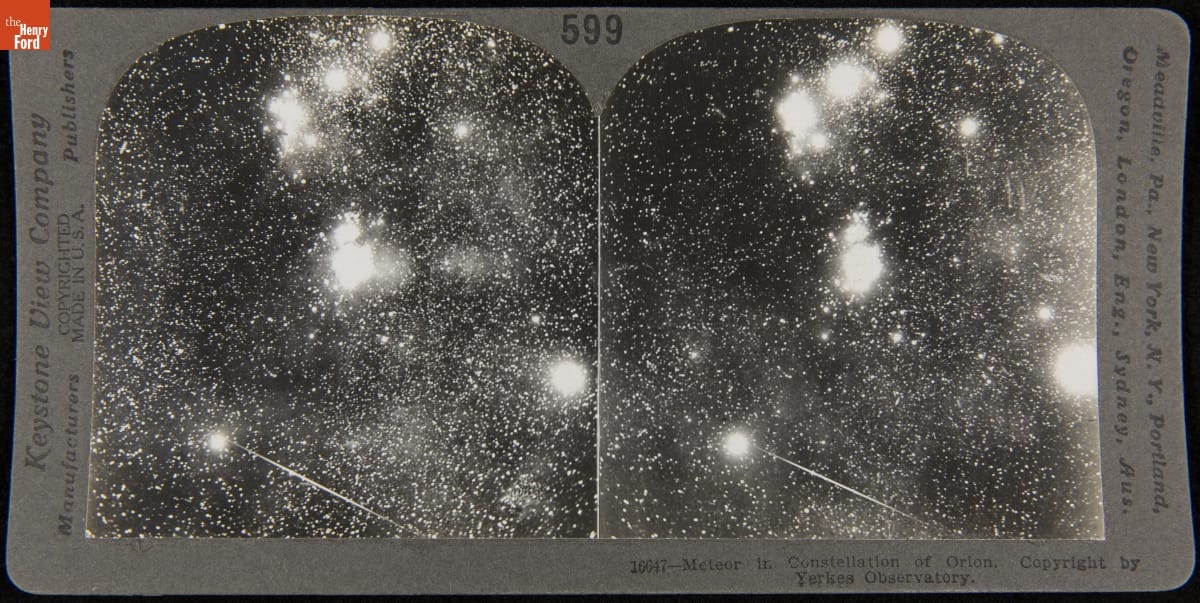
- Stereograph, "Meteor in Constellation of Orion," 1904 - Americans loved stereographs -- millions were made from the mid-1800s through the 1930s. A stereograph consists of two offset photos that appear to have three-dimensional depth when viewed through a stereoscope. These images entertained and educated. Stereographs could transport viewers to distant events, exotic places, and even worlds beyond, like this image of the Orion constellation.
- November 15, 1904
- Collections - Artifact
Stereograph, "Meteor in Constellation of Orion," 1904
Americans loved stereographs -- millions were made from the mid-1800s through the 1930s. A stereograph consists of two offset photos that appear to have three-dimensional depth when viewed through a stereoscope. These images entertained and educated. Stereographs could transport viewers to distant events, exotic places, and even worlds beyond, like this image of the Orion constellation.
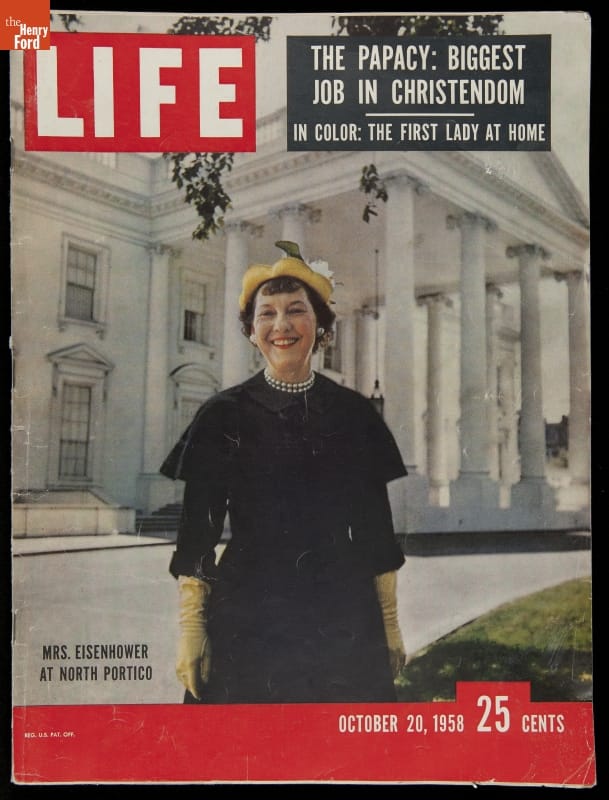
- Life Magazine for October 1958, "In Color: The First Lady at Home" - As President Dwight D. Eisenhower's First Lady from 1953 to 1961, Mamie Geneva Doud Eisenhower was noted for her outgoing manner, her graciousness as a hostess, and her obvious pride in husband and home. This <EM>Life</EM> magazine cover article features Mrs. Eisenhower's manner of coping with the demanding domestic and social duties that fall upon the First Lady.
- October 20, 1958
- Collections - Artifact
Life Magazine for October 1958, "In Color: The First Lady at Home"
As President Dwight D. Eisenhower's First Lady from 1953 to 1961, Mamie Geneva Doud Eisenhower was noted for her outgoing manner, her graciousness as a hostess, and her obvious pride in husband and home. This Life magazine cover article features Mrs. Eisenhower's manner of coping with the demanding domestic and social duties that fall upon the First Lady.
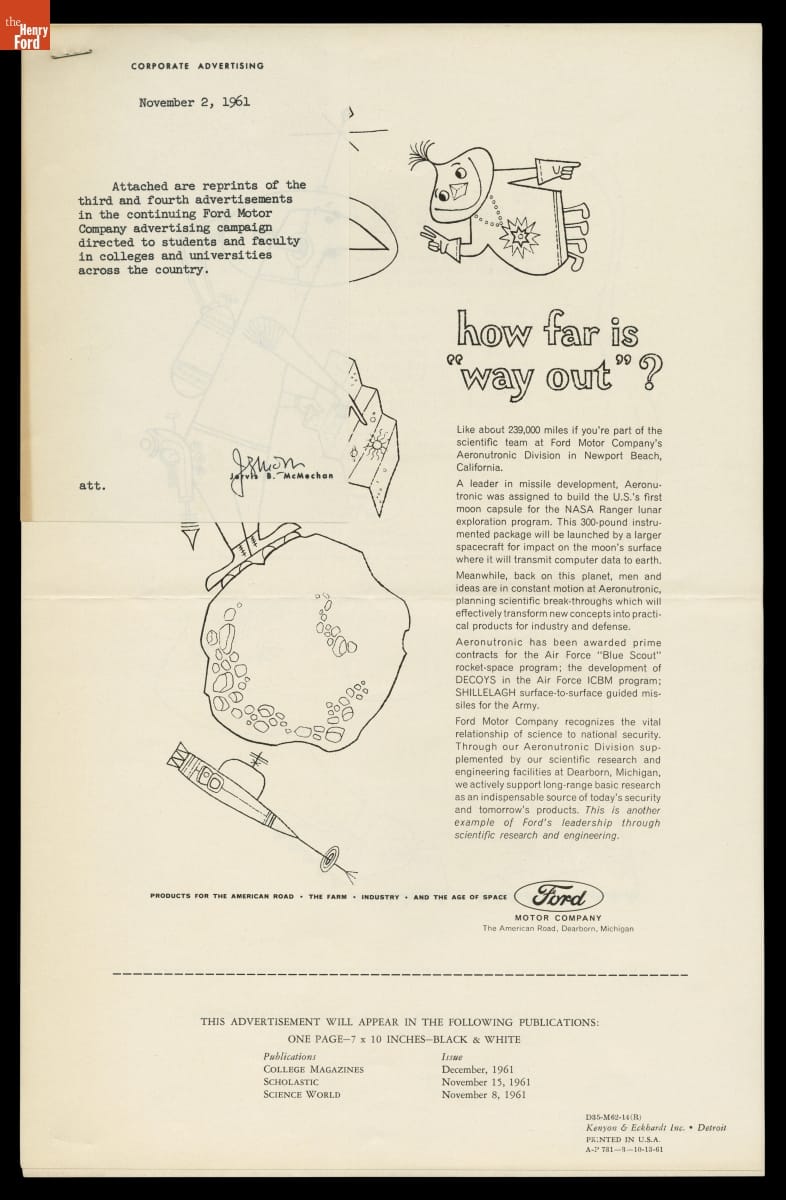
- Ford Aeronutronic Division Advertising, "how far is way out?", and "how quiet is quiet?", November 1961 -
- November 01, 1961
- Collections - Artifact
Ford Aeronutronic Division Advertising, "how far is way out?", and "how quiet is quiet?", November 1961
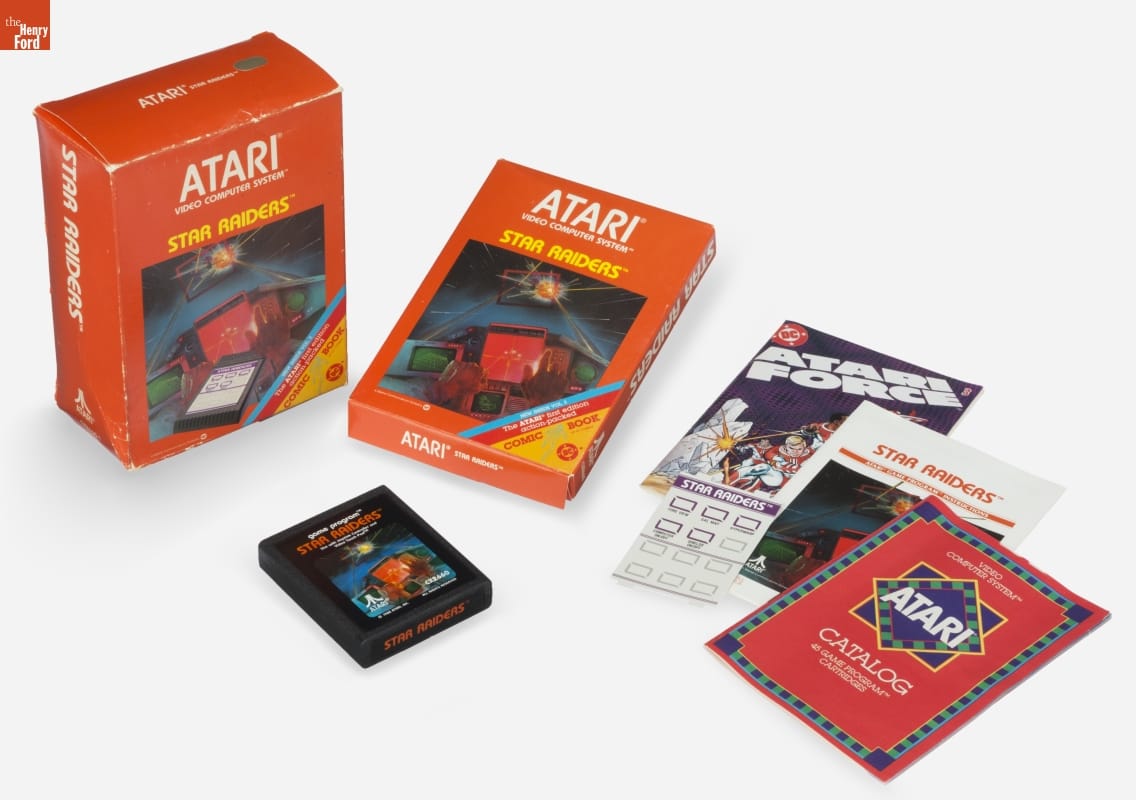
- Atari Video Game, "Star Raiders," with Video Touch Pad, 1976-1982 -
- 1976-1982
- Collections - Artifact
Atari Video Game, "Star Raiders," with Video Touch Pad, 1976-1982
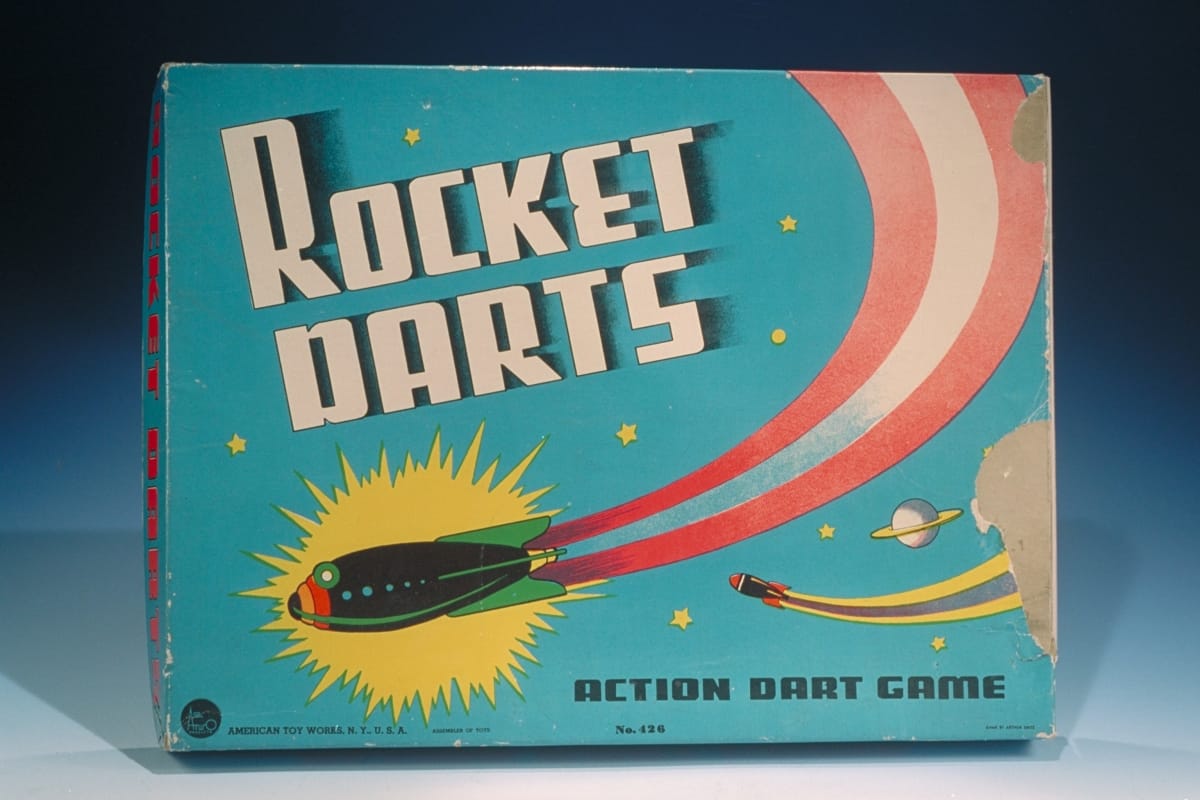
- Rocket Darts, 1940-1950 - Many mid-twentieth-century children dreamed of traveling to the stars before it was possible. Toy companies tapped into this fantasy and produced a number of outer space-related playthings. Rocket Darts was a simple target game. Children shoot suction cup-tipped darts at the circular target decorated with rockets, moons, planets, and shooting stars. Two additional rocket targets fall backwards when hit.
- 1940-1950
- Collections - Artifact
Rocket Darts, 1940-1950
Many mid-twentieth-century children dreamed of traveling to the stars before it was possible. Toy companies tapped into this fantasy and produced a number of outer space-related playthings. Rocket Darts was a simple target game. Children shoot suction cup-tipped darts at the circular target decorated with rockets, moons, planets, and shooting stars. Two additional rocket targets fall backwards when hit.
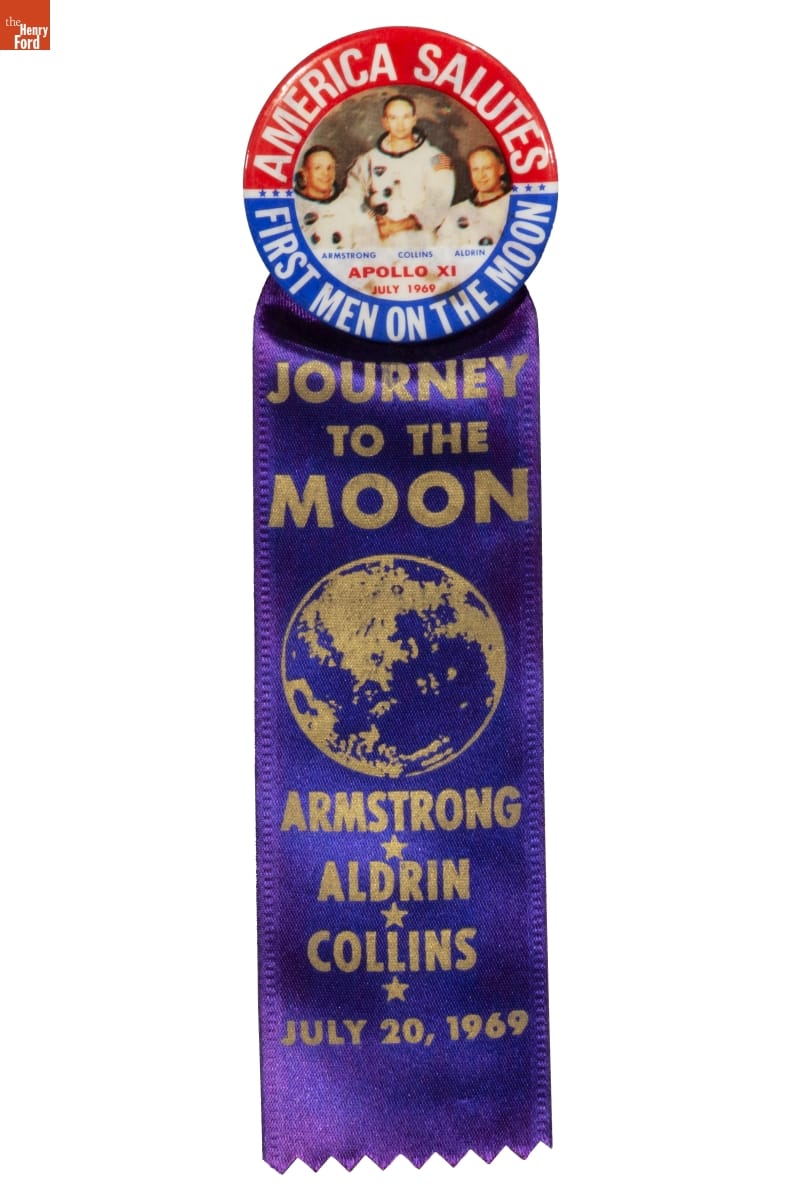
- "First Men on the Moon" Button and Ribbon, circa 1969 - On July 20, 1969, Apollo XI landed on the Moon. NASA astronauts Neil Armstrong and Edwin "Buzz" Aldrin became the first men to walk on the Moon's surface, while Michael Collins orbited in the command module. The landing and the astronaut's first steps on the lunar surface captivated audiences watching the live telecast. Proud Americans purchased souvenirs to remember this historic event.
- July 20, 1969
- Collections - Artifact
"First Men on the Moon" Button and Ribbon, circa 1969
On July 20, 1969, Apollo XI landed on the Moon. NASA astronauts Neil Armstrong and Edwin "Buzz" Aldrin became the first men to walk on the Moon's surface, while Michael Collins orbited in the command module. The landing and the astronaut's first steps on the lunar surface captivated audiences watching the live telecast. Proud Americans purchased souvenirs to remember this historic event.
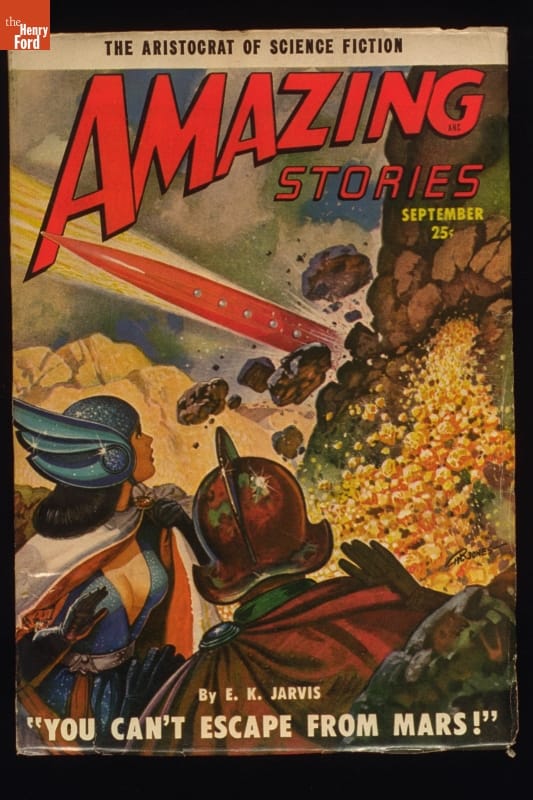
- "Amazing Stories" Magazine, September 1950 Issue - <em>Amazing Stories</em> was the first magazine fully dedicated to the genre of science fiction. The first issue was published in April 1926 by inventor Hugo Gernsback, who was considered to be the "father" of science fiction (or "scientification"). The cover story, "You Can't Escape from Mars," documents ongoing inspiration and interest in popular culture with the Red Planet.
- September 01, 1950
- Collections - Artifact
"Amazing Stories" Magazine, September 1950 Issue
Amazing Stories was the first magazine fully dedicated to the genre of science fiction. The first issue was published in April 1926 by inventor Hugo Gernsback, who was considered to be the "father" of science fiction (or "scientification"). The cover story, "You Can't Escape from Mars," documents ongoing inspiration and interest in popular culture with the Red Planet.
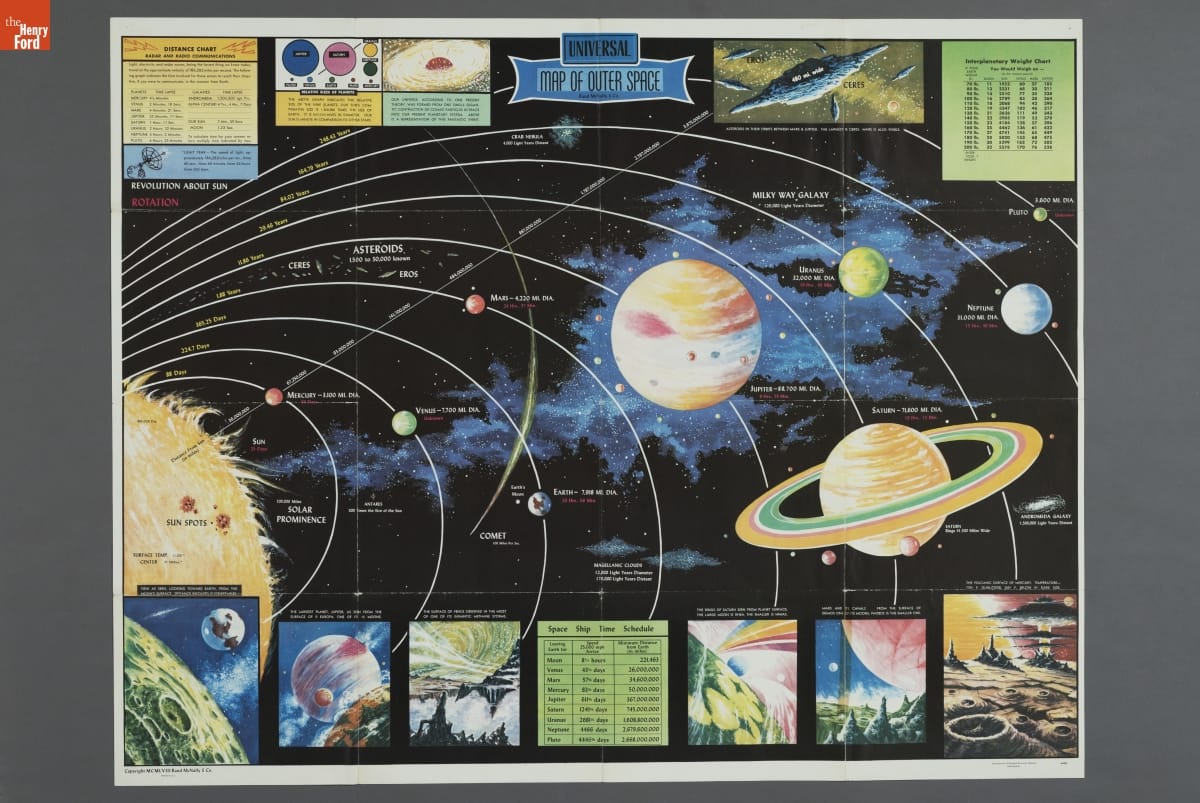
- Solar System Poster, "Universal Map of Outer Space," 1965 - Humans have long been interested in space -- observing the night skies and pondering the movement of the Sun, Moon, and stars. Many Americans viewed outer space through a fantastical and futuristic lens until the launch of a Soviet satellite in 1957. This space map from the early years of the Space Race depicts a more realistic view of the solar system and space exploration.
- 1965
- Collections - Artifact
Solar System Poster, "Universal Map of Outer Space," 1965
Humans have long been interested in space -- observing the night skies and pondering the movement of the Sun, Moon, and stars. Many Americans viewed outer space through a fantastical and futuristic lens until the launch of a Soviet satellite in 1957. This space map from the early years of the Space Race depicts a more realistic view of the solar system and space exploration.