
Search
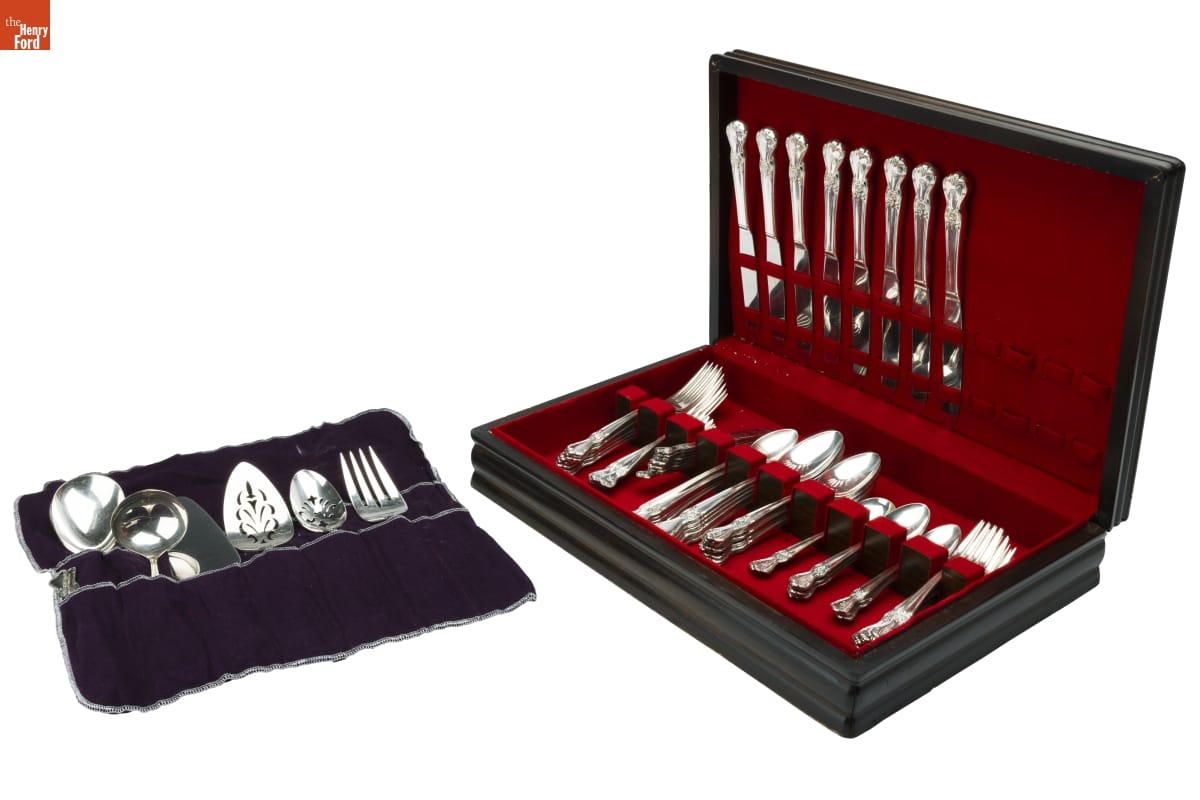
- "Old Company Plate Signature" Flatware Set with Case, 1950-1955 -
- 1950-1955
- Collections - Artifact
"Old Company Plate Signature" Flatware Set with Case, 1950-1955
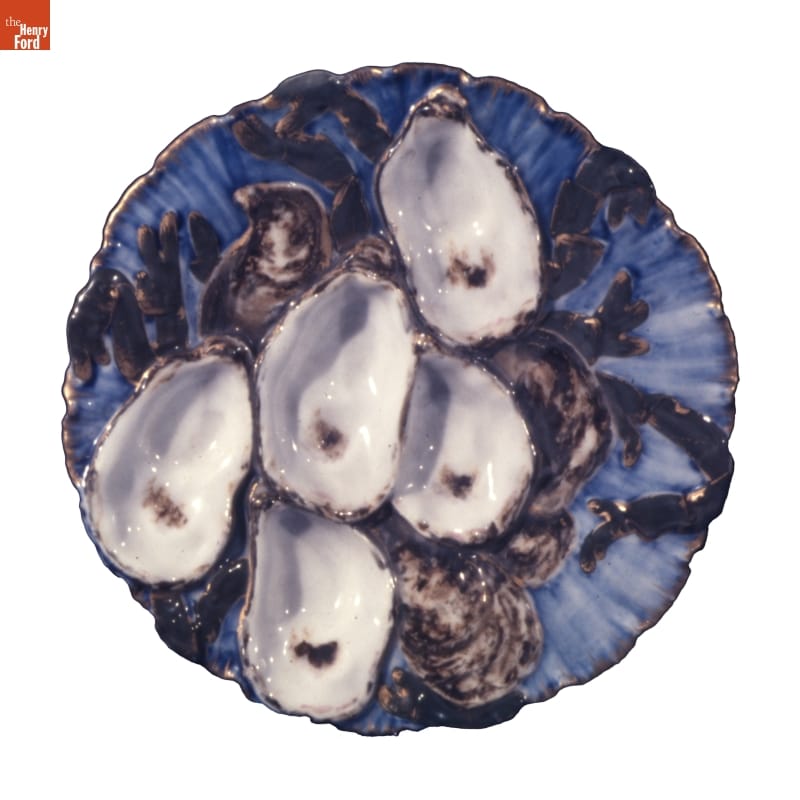
- Oyster Plate, circa 1880 - Ever since the White House became the President's official home, dinnerware for state occasions was purchased in great quantities. Usually, the china was the choice of the President or his wife. The next administration sometimes added to the set or in many cases, disposed of the remnants and ordered new. This oyster plate came from the service used by President Rutherford B. Hayes.
- circa 1880
- Collections - Artifact
Oyster Plate, circa 1880
Ever since the White House became the President's official home, dinnerware for state occasions was purchased in great quantities. Usually, the china was the choice of the President or his wife. The next administration sometimes added to the set or in many cases, disposed of the remnants and ordered new. This oyster plate came from the service used by President Rutherford B. Hayes.
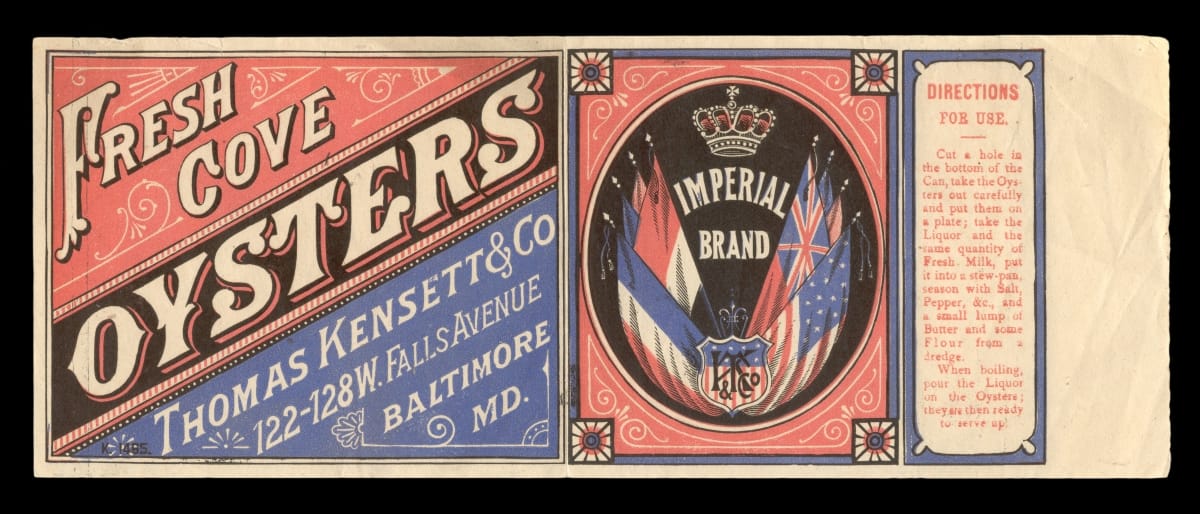
- Can Label for Imperial Brand Fresh Cove Oysters, 1845-1895 - Manufacturers of similar products sought ways to make their company's goods stand out on store shelves. Attractive labels, like this design for a can of "Fresh Cove Oysters," helped catch the attention of potential customers--hopefully encouraging them to purchase the company's product rather than that of a competitor.
- 1845-1895
- Collections - Artifact
Can Label for Imperial Brand Fresh Cove Oysters, 1845-1895
Manufacturers of similar products sought ways to make their company's goods stand out on store shelves. Attractive labels, like this design for a can of "Fresh Cove Oysters," helped catch the attention of potential customers--hopefully encouraging them to purchase the company's product rather than that of a competitor.
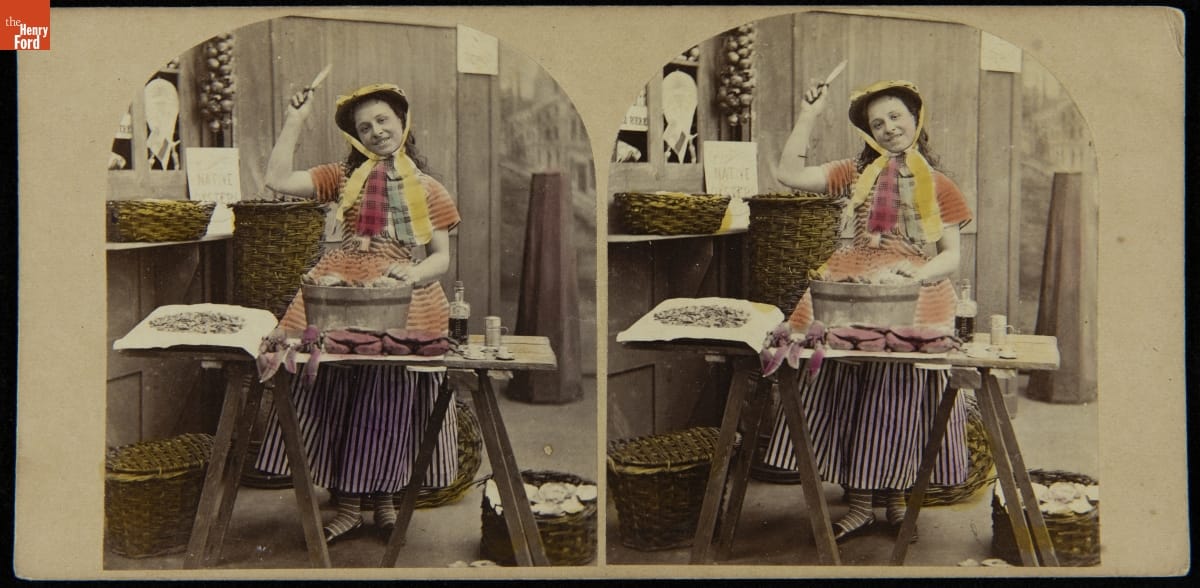
- Oysters, Sir? - Fresh oysters are a delicacy, historically available only during certain months of the year. Oystermen did not harvest between May and August when oysters spawned. This replenished the supply and ensured continued harvests. The girl in this stereograph might have stood out in the crowd of shuckers at a typical East Coast urban market, luring customers to try her "native" oysters from nearby banks.
- Collections - Artifact
Oysters, Sir?
Fresh oysters are a delicacy, historically available only during certain months of the year. Oystermen did not harvest between May and August when oysters spawned. This replenished the supply and ensured continued harvests. The girl in this stereograph might have stood out in the crowd of shuckers at a typical East Coast urban market, luring customers to try her "native" oysters from nearby banks.
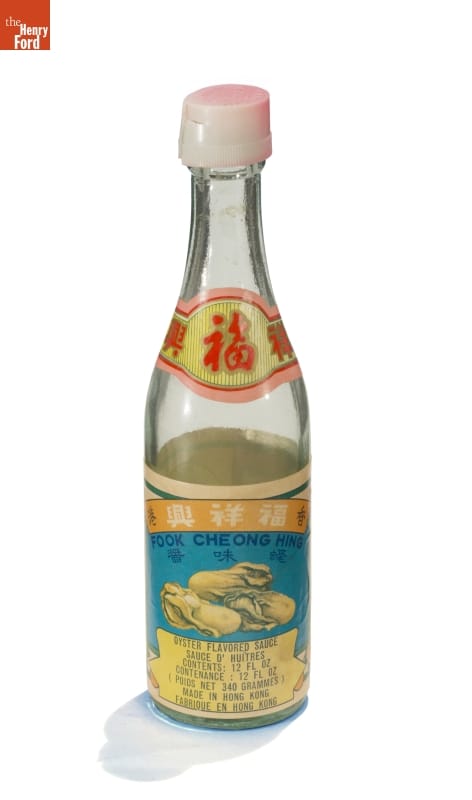
- Bottle of Fook Cheong Hing Oyster Sauce, 1980-2000 - This food item was one of the many exotic delicacies sold at A. Rensch & Co., a family-owned specialty-import food store that opened in Toledo, Ohio, in 1882. Customers interested in exotic canned and bottled foods, hard-to-find teas and coffees, and all manner of imported meats and cheeses would have frequented a store like this. A. Rensch & Co. also sold gift boxes.
- 1980-2000
- Collections - Artifact
Bottle of Fook Cheong Hing Oyster Sauce, 1980-2000
This food item was one of the many exotic delicacies sold at A. Rensch & Co., a family-owned specialty-import food store that opened in Toledo, Ohio, in 1882. Customers interested in exotic canned and bottled foods, hard-to-find teas and coffees, and all manner of imported meats and cheeses would have frequented a store like this. A. Rensch & Co. also sold gift boxes.
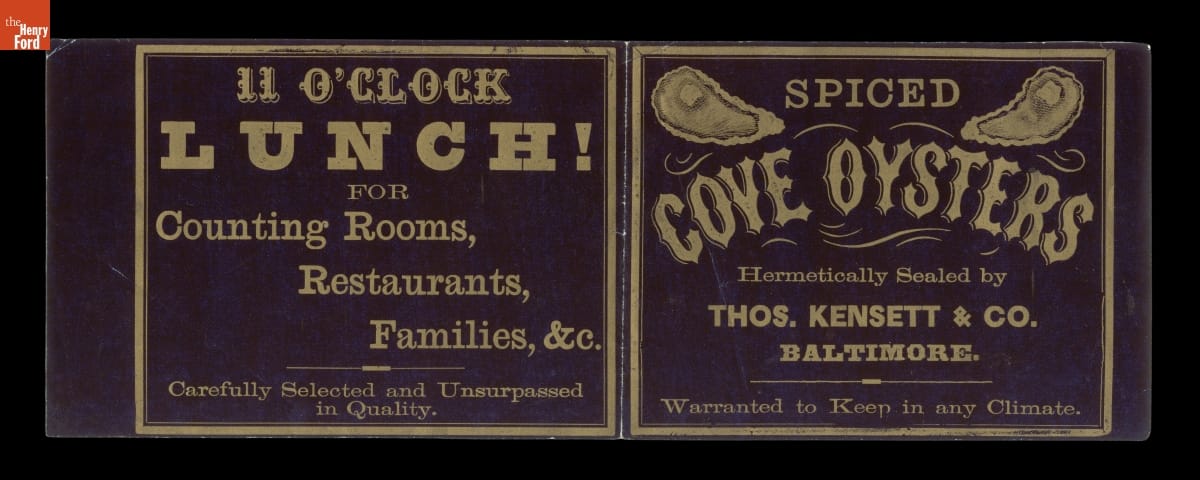
- Product Label, "Spiced Cove Oysters," 1875-1895 - Manufacturers of similar products sought ways to make their company's goods stand out on store shelves. Attractive labels, like this design for a can of "Fresh Cove Oysters," helped catch the attention of potential customers--hopefully encouraging them to purchase the company's product rather than that of a competitor.
- 1875-1895
- Collections - Artifact
Product Label, "Spiced Cove Oysters," 1875-1895
Manufacturers of similar products sought ways to make their company's goods stand out on store shelves. Attractive labels, like this design for a can of "Fresh Cove Oysters," helped catch the attention of potential customers--hopefully encouraging them to purchase the company's product rather than that of a competitor.
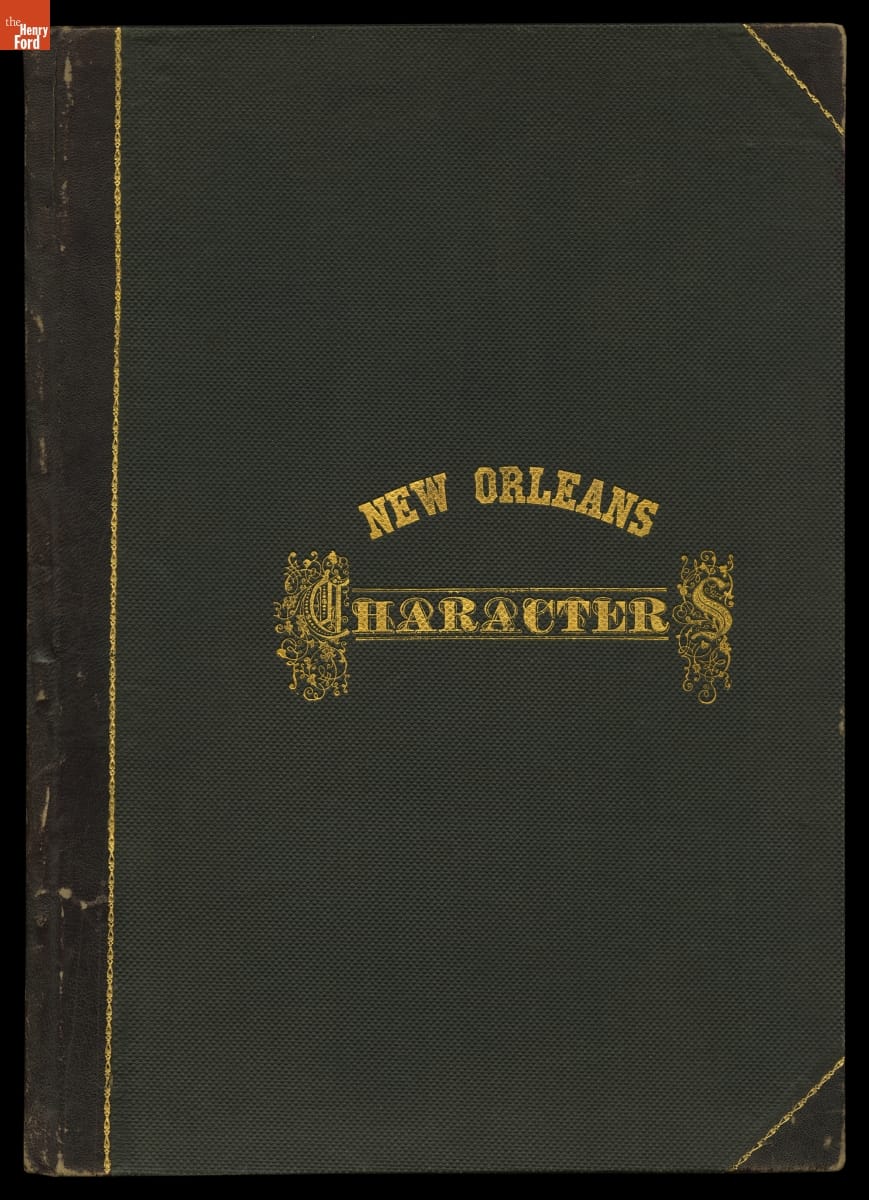
- New Orleans Characters, 1876 - Leon Joseph Fremaux was a French ex-patriot and Confederate officer and engineer during the Civil War. After the war, he opposed Republican efforts to govern New Orleans and led white vigilante organizations. His sketches, however, offer a glimpse into the occupations of immigrants and people of color in New Orleans. His son-in-law (Joseph Garcia) published the collection, and Fremaux and his children hand-colored them.
- 1876
- Collections - Artifact
New Orleans Characters, 1876
Leon Joseph Fremaux was a French ex-patriot and Confederate officer and engineer during the Civil War. After the war, he opposed Republican efforts to govern New Orleans and led white vigilante organizations. His sketches, however, offer a glimpse into the occupations of immigrants and people of color in New Orleans. His son-in-law (Joseph Garcia) published the collection, and Fremaux and his children hand-colored them.
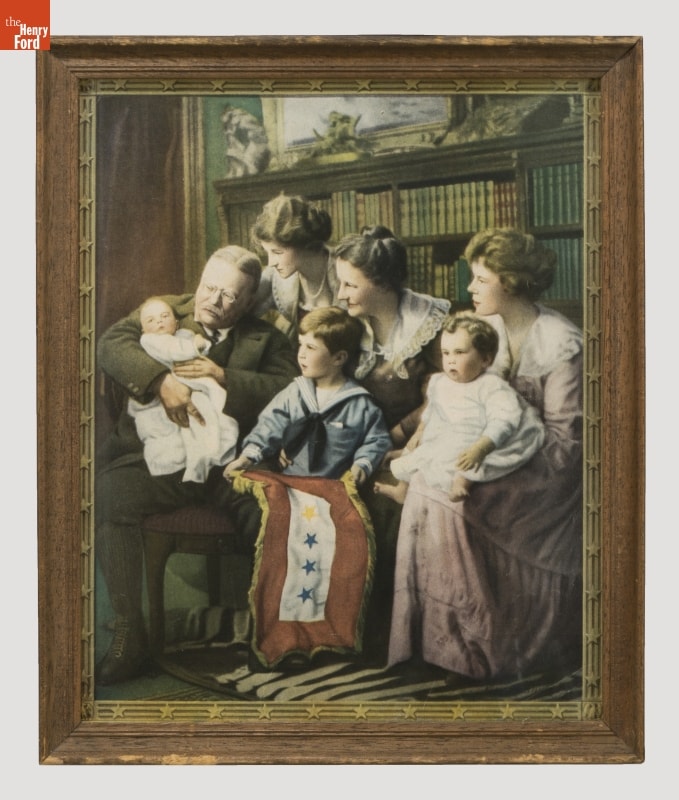
- Print, Theodore Roosevelt and Family with Service Flag, 1918 -
- 1918
- Collections - Artifact
Print, Theodore Roosevelt and Family with Service Flag, 1918
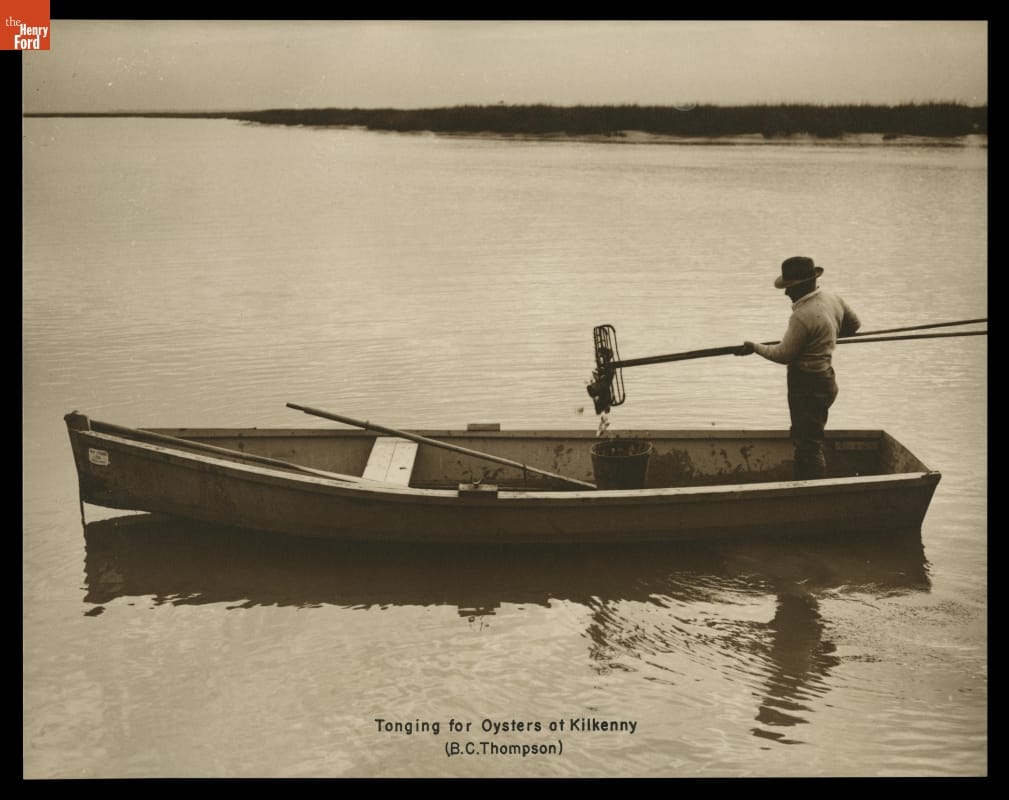
- Tonging for Oysters at Kilkenny Plantation near Richmond Hill, Georgia, circa 1947 - Henry Ford purchased vast amounts of land around present-day Richmond Hill, Georgia, beginning in the 1920s. After acquiring the property, Ford became interested in the economic and civic improvement of the area, especially in finding ways to help people in the community make a living. He hired locals at his farming and lumbering operations and even supported the area's traditional oystering enterprises.
- circa 1947
- Collections - Artifact
Tonging for Oysters at Kilkenny Plantation near Richmond Hill, Georgia, circa 1947
Henry Ford purchased vast amounts of land around present-day Richmond Hill, Georgia, beginning in the 1920s. After acquiring the property, Ford became interested in the economic and civic improvement of the area, especially in finding ways to help people in the community make a living. He hired locals at his farming and lumbering operations and even supported the area's traditional oystering enterprises.
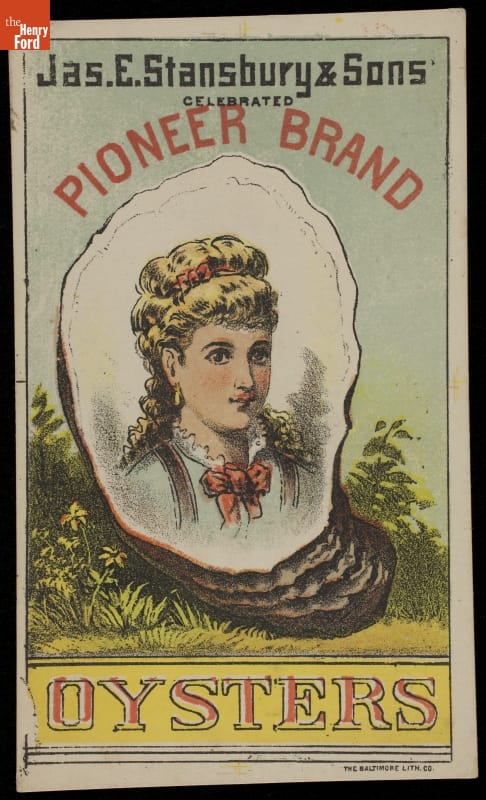
- Trade Card for Pioneer Brand Oysters, James E. Stansbury & Sons, circa 1875 - In the last third of the nineteenth century, an unprecedented variety of consumer goods and services flooded the American market. Advertisers, armed with new methods of color printing, bombarded potential customers with trade cards. Americans enjoyed and often saved the vibrant little advertisements found in product packages or distributed by local merchants. Many survive as historical records of commercialism in the United States.
- circa 1875
- Collections - Artifact
Trade Card for Pioneer Brand Oysters, James E. Stansbury & Sons, circa 1875
In the last third of the nineteenth century, an unprecedented variety of consumer goods and services flooded the American market. Advertisers, armed with new methods of color printing, bombarded potential customers with trade cards. Americans enjoyed and often saved the vibrant little advertisements found in product packages or distributed by local merchants. Many survive as historical records of commercialism in the United States.