
Search
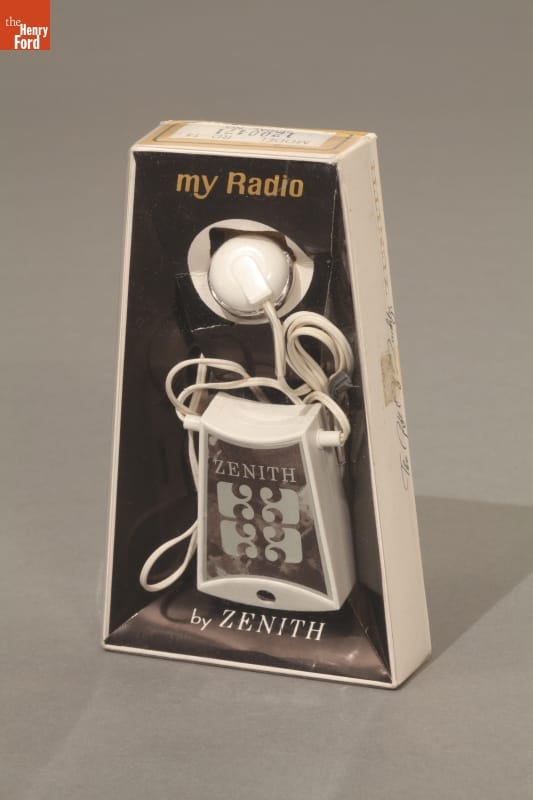
- Zenith "My Radio" Pendant Transistor Radio, circa 1970 - The size of radios shrank following the advent of transistor technology. Even the smallest vacuum tubes were bulky, and their power consumption ensured the need for large batteries. Transistor radios made of lightweight plastics were cheap and truly portable. With the addition of an earphone a radio such as this allowed the listener to enjoy a completely personal listening experience.
- circa 1970
- Collections - Artifact
Zenith "My Radio" Pendant Transistor Radio, circa 1970
The size of radios shrank following the advent of transistor technology. Even the smallest vacuum tubes were bulky, and their power consumption ensured the need for large batteries. Transistor radios made of lightweight plastics were cheap and truly portable. With the addition of an earphone a radio such as this allowed the listener to enjoy a completely personal listening experience.
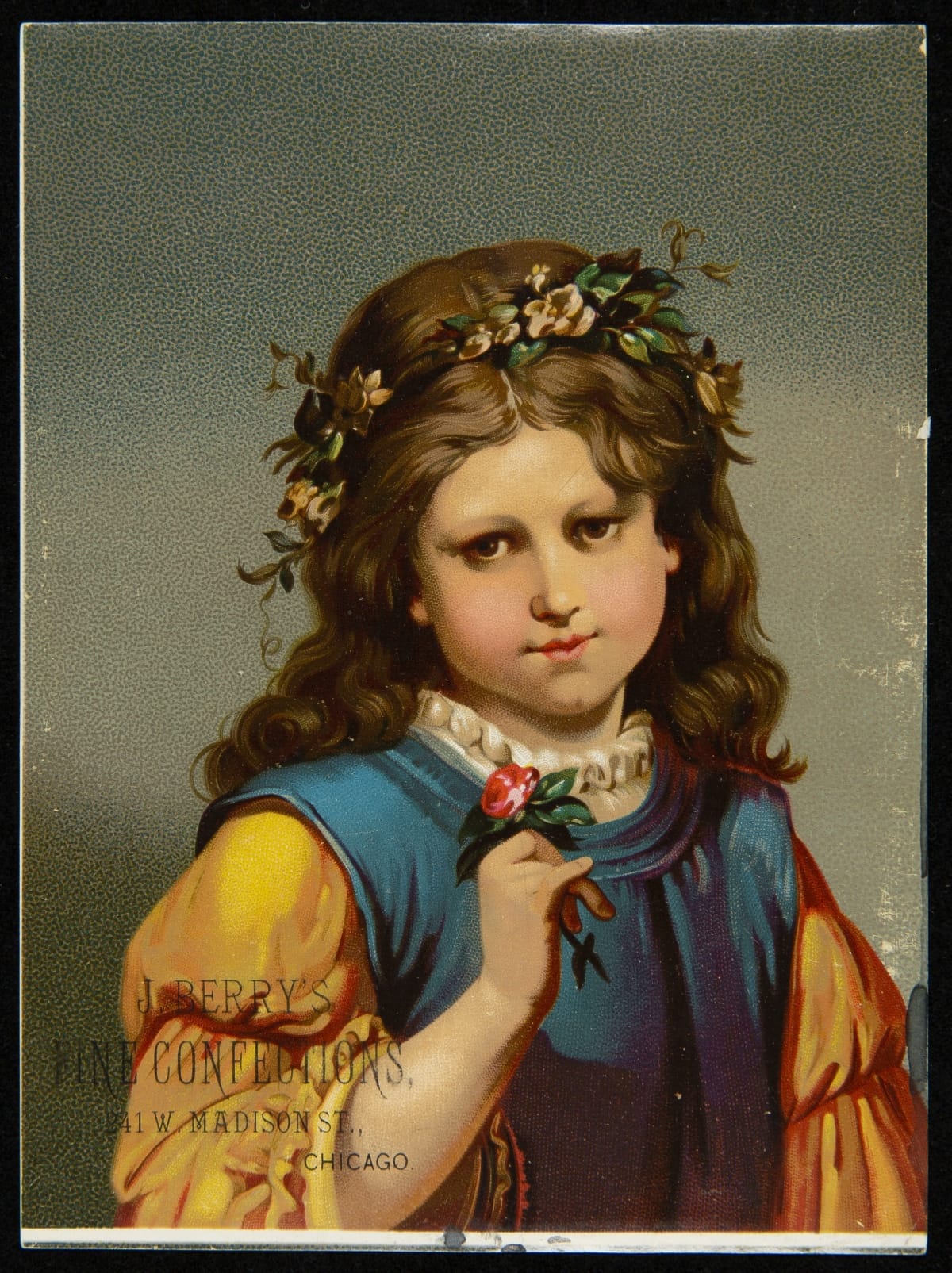
- Label, "J. Berry's Fine Confections," 1886-1905 -
- 1886-1905
- Collections - Artifact
Label, "J. Berry's Fine Confections," 1886-1905
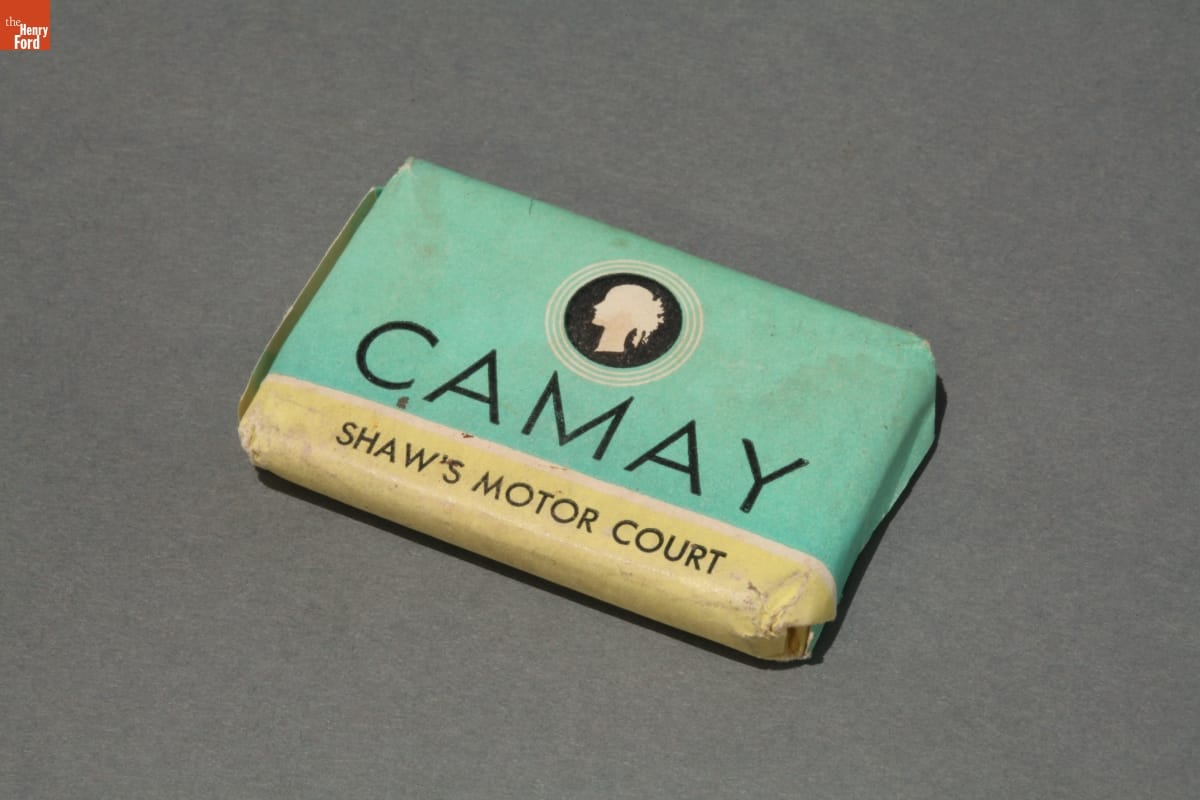
- Complimentary Camay Bar Soap from Shaw's Motor Court, 1947-1959 -
- 1947-1959
- Collections - Artifact
Complimentary Camay Bar Soap from Shaw's Motor Court, 1947-1959
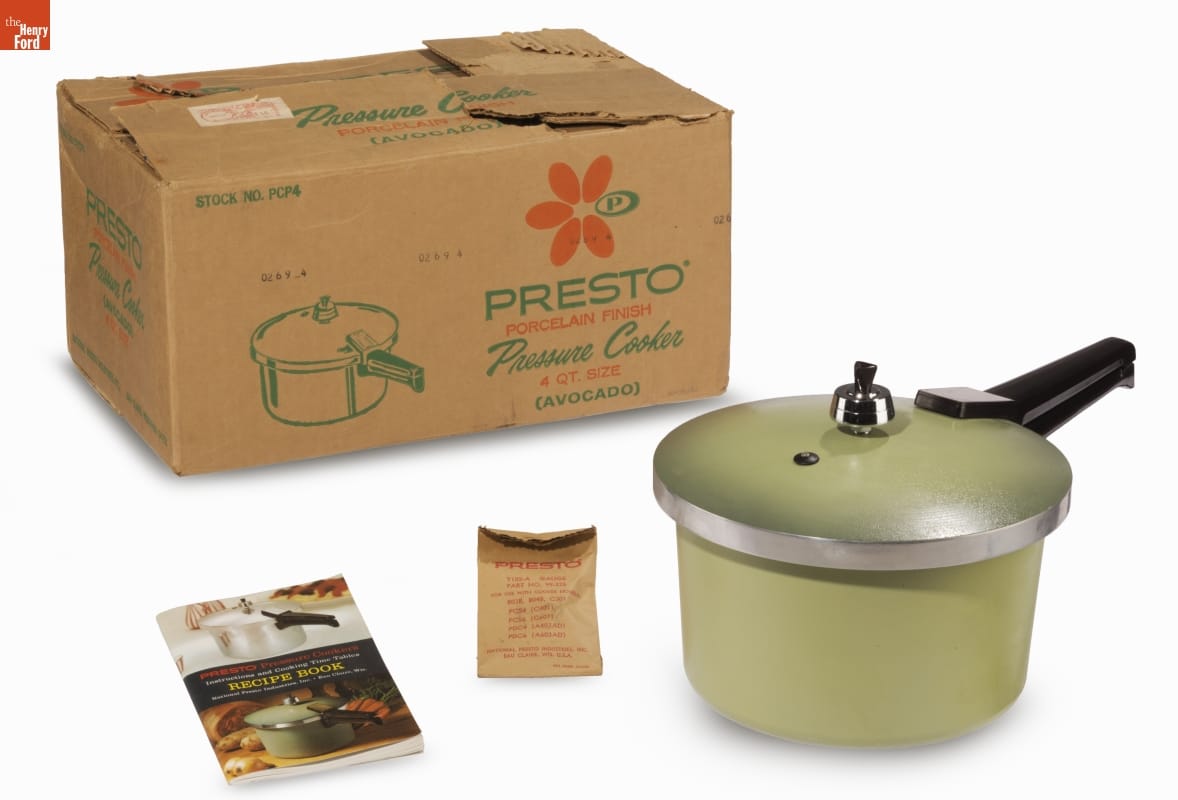
- Presto Model A409A Pressure Cooker, circa 1968 - The National Pressure Cooker Company introduced the first saucepan-style pressure cooker under the brand name "Presto" in 1939. Fueled by its popularity, the company -- eventually renamed National Presto Industries -- expanded and diversified while continuing to produce an ever-improving line of pressure cookers. In the 1960s and 1970s, distinctive styling by Mel Boldt and Associates helped set Presto pressure cookers apart from the competition.
- circa 1968
- Collections - Artifact
Presto Model A409A Pressure Cooker, circa 1968
The National Pressure Cooker Company introduced the first saucepan-style pressure cooker under the brand name "Presto" in 1939. Fueled by its popularity, the company -- eventually renamed National Presto Industries -- expanded and diversified while continuing to produce an ever-improving line of pressure cookers. In the 1960s and 1970s, distinctive styling by Mel Boldt and Associates helped set Presto pressure cookers apart from the competition.
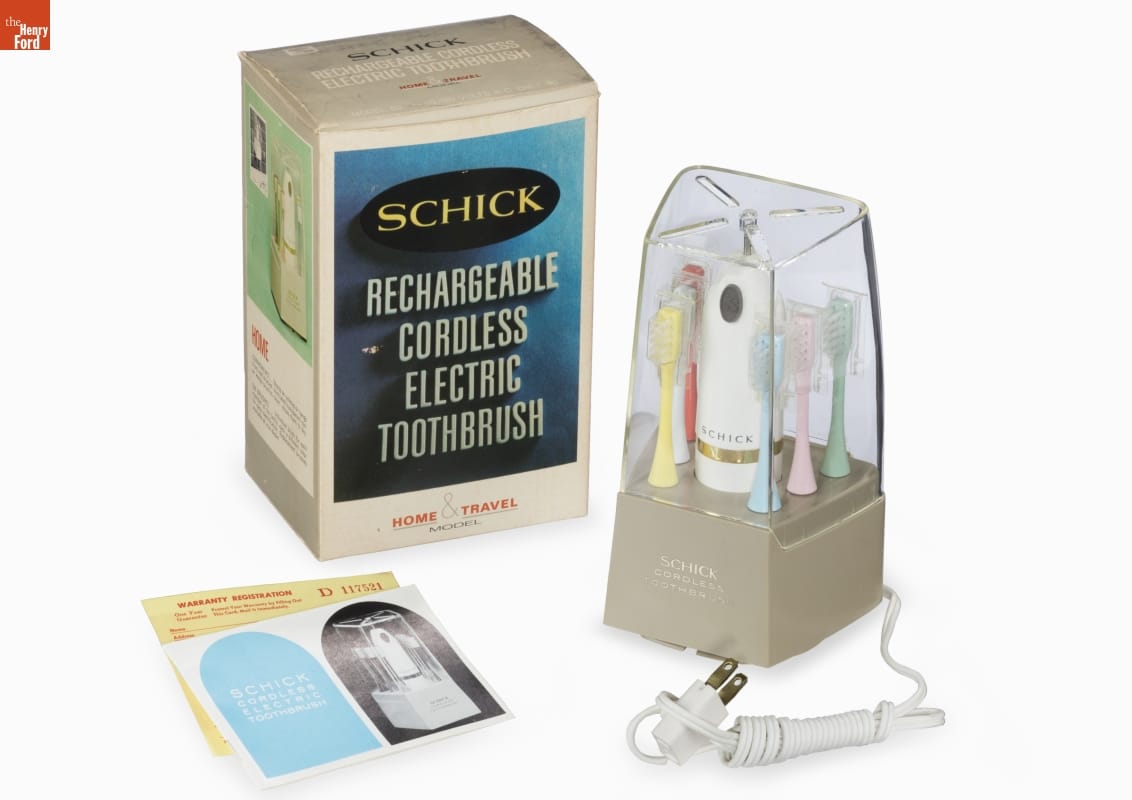
- Schick Cordless Electric Toothbrush -
- Collections - Artifact
Schick Cordless Electric Toothbrush
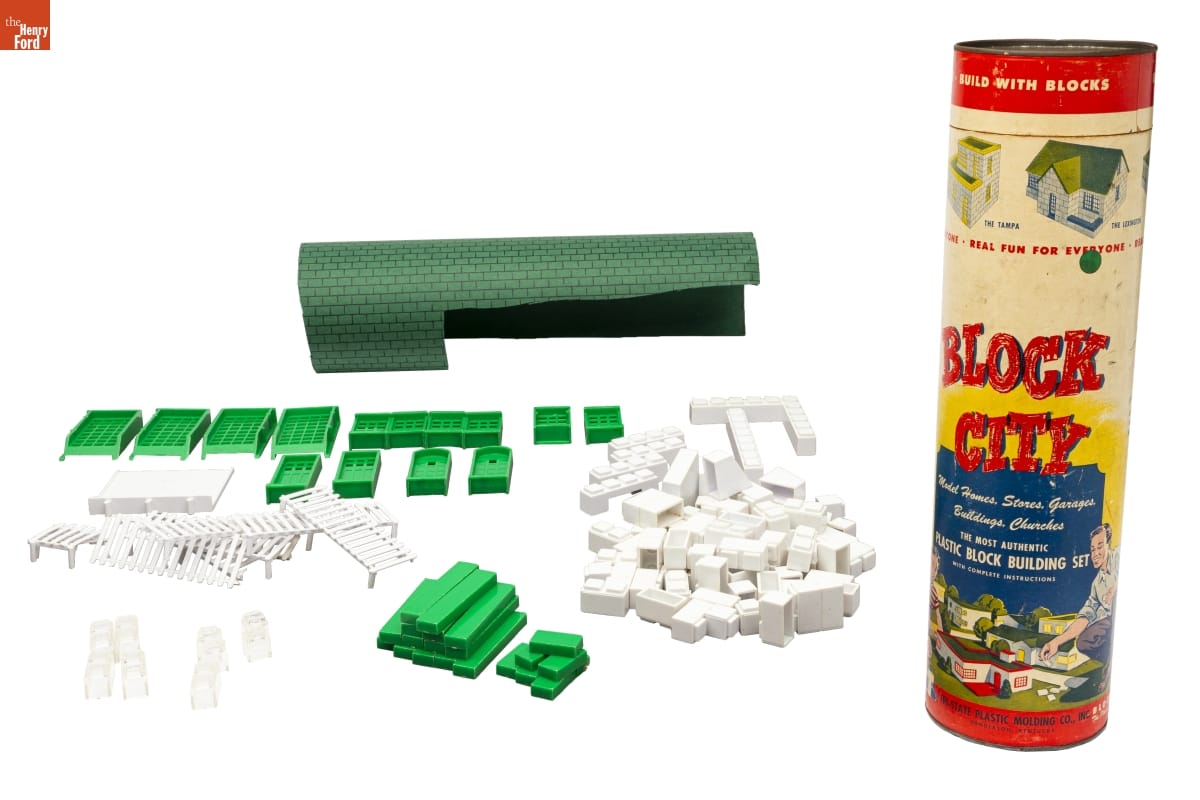
- Block City Building Blocks, 1955-1960 - Children love to build things--whether they create imaginative worlds or smaller versions of the real one. Construction toys are quite literally and figuratively "the building blocks of childhood." Playing with them builds physical and intellectual skills--and encourages creativity. Post-World War II Baby Boomers could recreate their neighborhood homes, stores, and offices with this set of plastic building blocks.
- 1955-1960
- Collections - Artifact
Block City Building Blocks, 1955-1960
Children love to build things--whether they create imaginative worlds or smaller versions of the real one. Construction toys are quite literally and figuratively "the building blocks of childhood." Playing with them builds physical and intellectual skills--and encourages creativity. Post-World War II Baby Boomers could recreate their neighborhood homes, stores, and offices with this set of plastic building blocks.
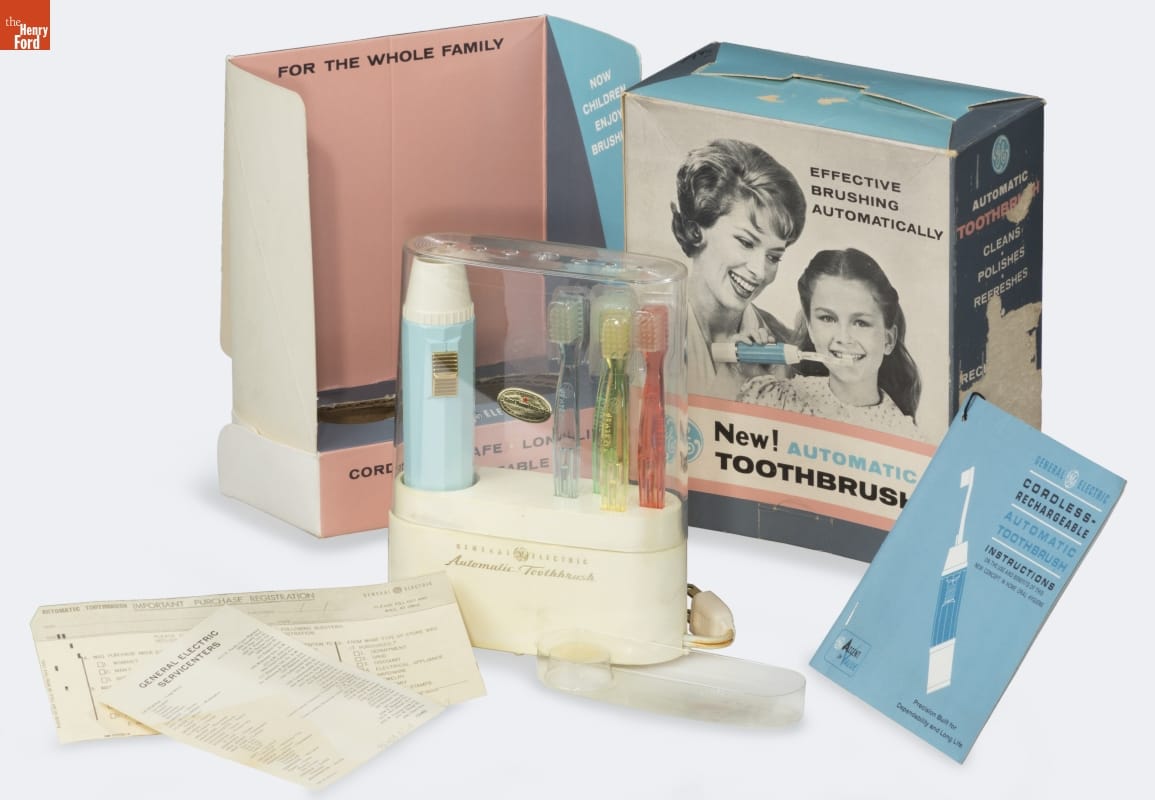
- General Electric Model 5101 Cordless Electric Toothbrush, circa 1963 -
- circa 1963
- Collections - Artifact
General Electric Model 5101 Cordless Electric Toothbrush, circa 1963
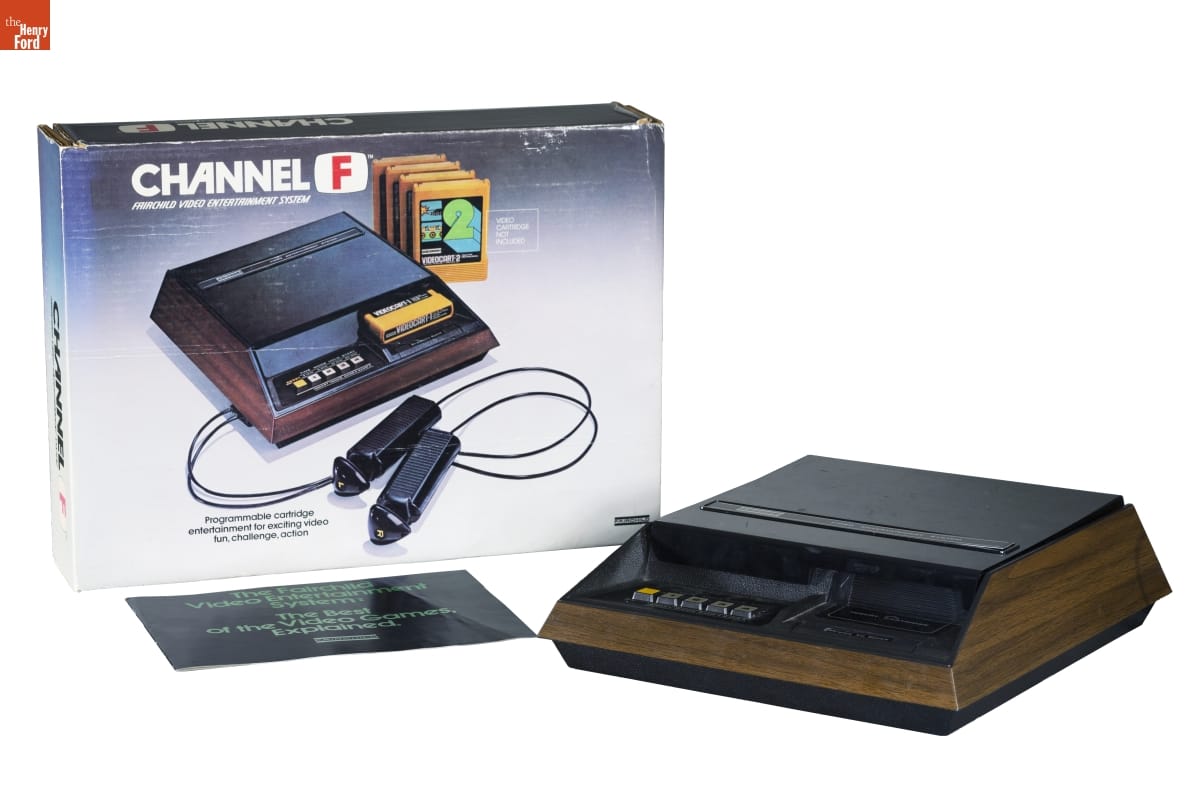
- Fairchild Channel F Video Game System, 1976 - The Fairchild Channel F Video Entertainment System is the first home video game console to include interchangeable cartridges. Jerry Lawson, Fairchild's head of engineering and hardware, co-invented the cartridge, which continues to be adapted into systems today. Lawson was one of the first Black engineers to work in Silicon Valley and was an early member of the Homebrew Computer Club.
- 1976
- Collections - Artifact
Fairchild Channel F Video Game System, 1976
The Fairchild Channel F Video Entertainment System is the first home video game console to include interchangeable cartridges. Jerry Lawson, Fairchild's head of engineering and hardware, co-invented the cartridge, which continues to be adapted into systems today. Lawson was one of the first Black engineers to work in Silicon Valley and was an early member of the Homebrew Computer Club.
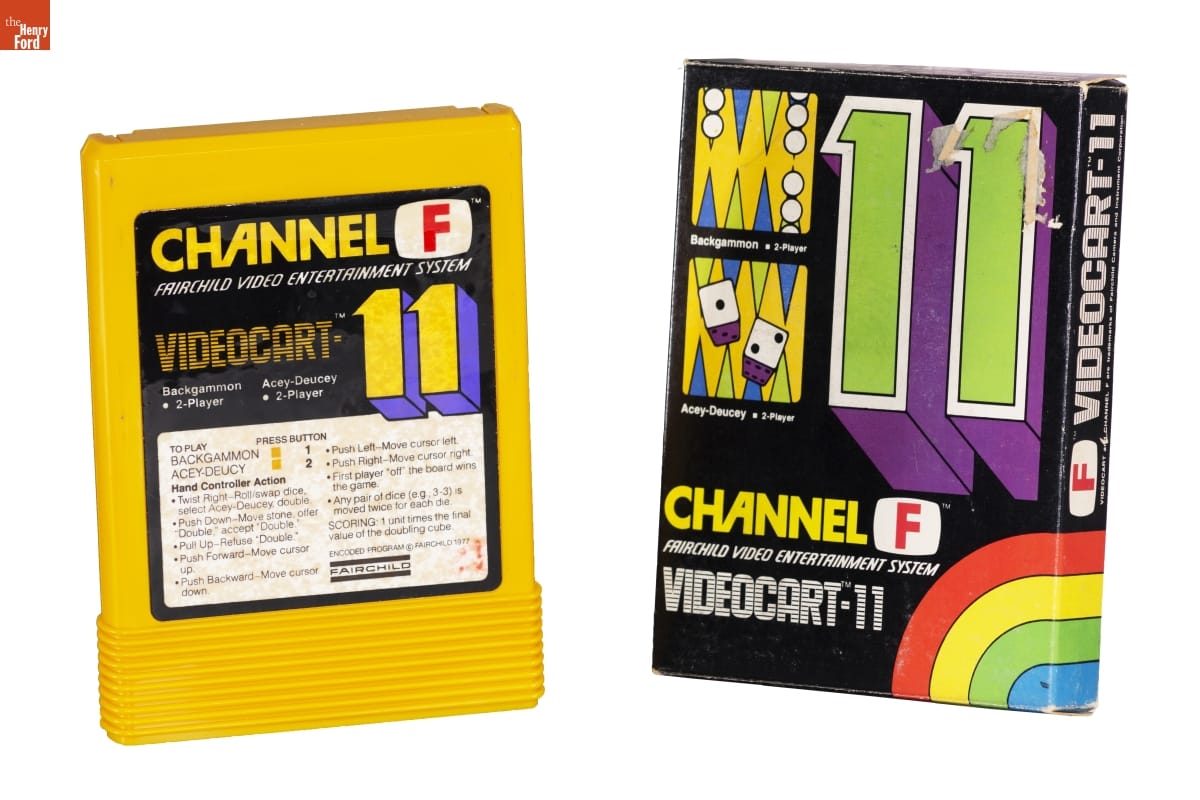
- Fairchild Videocart-11 Game, "Backgammon, Acey-Deucey," 1977 - The Fairchild Channel F Video Entertainment System is the first home video game console to include interchangeable cartridges. Jerry Lawson, Fairchild's head of engineering and hardware, co-invented the cartridge, which continues to be adapted into systems today. Lawson was one of the first Black engineers to work in Silicon Valley and was an early member of the Homebrew Computer Club.
- 1977
- Collections - Artifact
Fairchild Videocart-11 Game, "Backgammon, Acey-Deucey," 1977
The Fairchild Channel F Video Entertainment System is the first home video game console to include interchangeable cartridges. Jerry Lawson, Fairchild's head of engineering and hardware, co-invented the cartridge, which continues to be adapted into systems today. Lawson was one of the first Black engineers to work in Silicon Valley and was an early member of the Homebrew Computer Club.
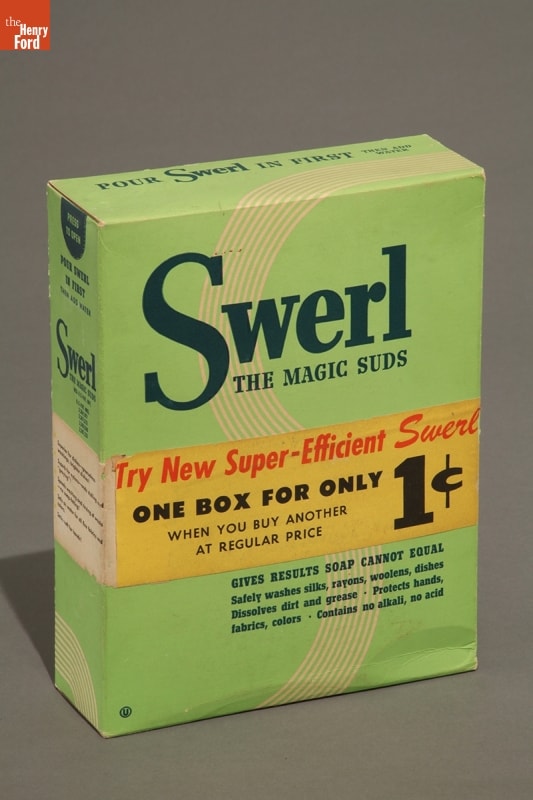
- Swerl, The Magic Suds, 1955-1965 -
- 1955-1965
- Collections - Artifact
Swerl, The Magic Suds, 1955-1965