
Search
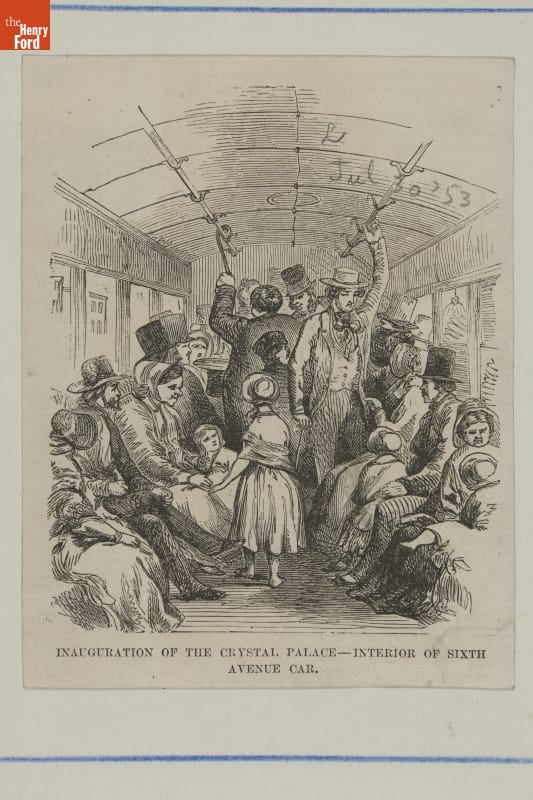
- "Inauguration of the Crystal Palace - Interior of Sixth Avenue Car," 1853 - In the mid-1800s, horse-drawn streetcars provided a convenient and affordable way to get around a growing city. Streetcars traveled the main urban thoroughfares and took passengers to workplaces, local shops and businesses, parks and other destinations. This print from 1853 shows New Yorkers headed to the opening of the city's Crystal Palace exhibition.
- 1853
- Collections - Artifact
"Inauguration of the Crystal Palace - Interior of Sixth Avenue Car," 1853
In the mid-1800s, horse-drawn streetcars provided a convenient and affordable way to get around a growing city. Streetcars traveled the main urban thoroughfares and took passengers to workplaces, local shops and businesses, parks and other destinations. This print from 1853 shows New Yorkers headed to the opening of the city's Crystal Palace exhibition.
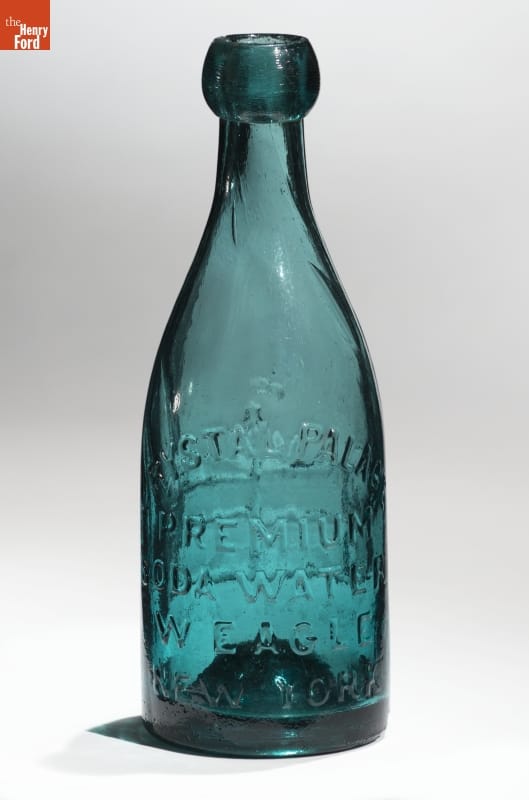
- Crystal Palace Premium Soda Water Bottle, 1853-1856 -
- 1853-1856
- Collections - Artifact
Crystal Palace Premium Soda Water Bottle, 1853-1856
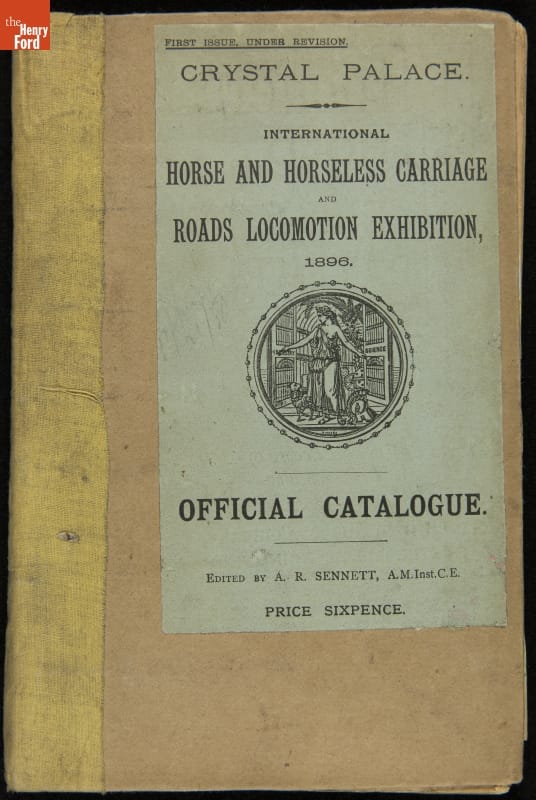
- Crystal Palace International Horse and Horseless Carriage and Roads Locomotion Exhibition Official Catalogue, 1896 -
- 1896
- Collections - Artifact
Crystal Palace International Horse and Horseless Carriage and Roads Locomotion Exhibition Official Catalogue, 1896
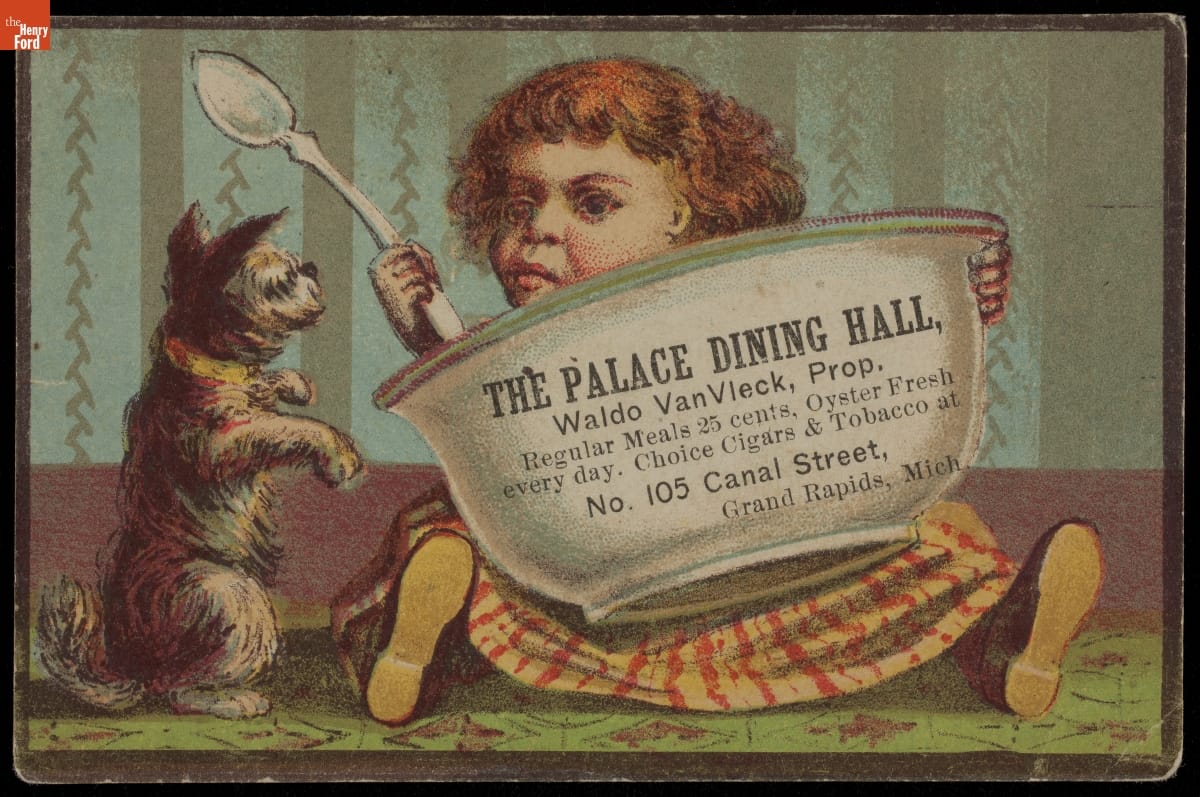
- Trade Card for the Palace Dining Hall, 1880-1890 - In the last third of the nineteenth century, an unprecedented variety of consumer goods and services flooded the American market. Advertisers, armed with new methods of color printing, bombarded potential customers with trade cards. Americans enjoyed and often saved the vibrant little advertisements found in product packages or distributed by local merchants. Many survive as historical records of commercialism in the United States.
- 1880-1890
- Collections - Artifact
Trade Card for the Palace Dining Hall, 1880-1890
In the last third of the nineteenth century, an unprecedented variety of consumer goods and services flooded the American market. Advertisers, armed with new methods of color printing, bombarded potential customers with trade cards. Americans enjoyed and often saved the vibrant little advertisements found in product packages or distributed by local merchants. Many survive as historical records of commercialism in the United States.
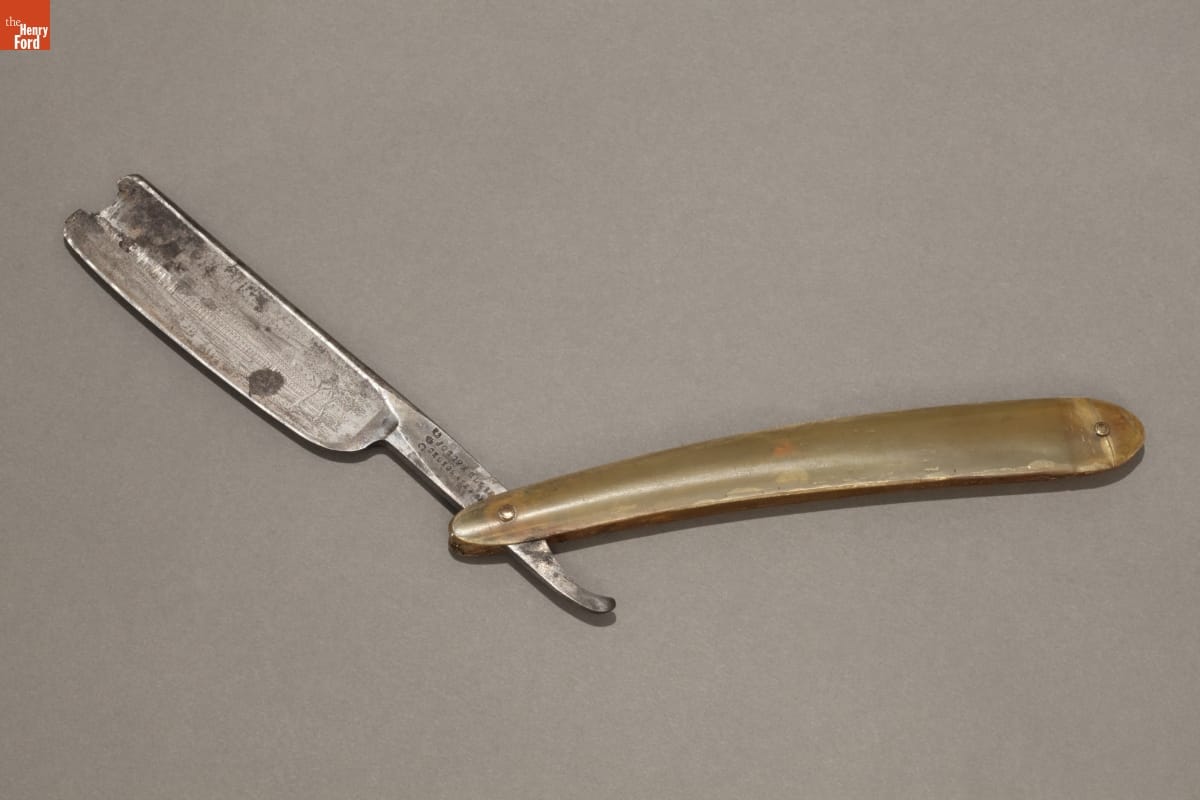
- Crystal Palace Souvenir Razor, 1851 -
- 1851
- Collections - Artifact
Crystal Palace Souvenir Razor, 1851
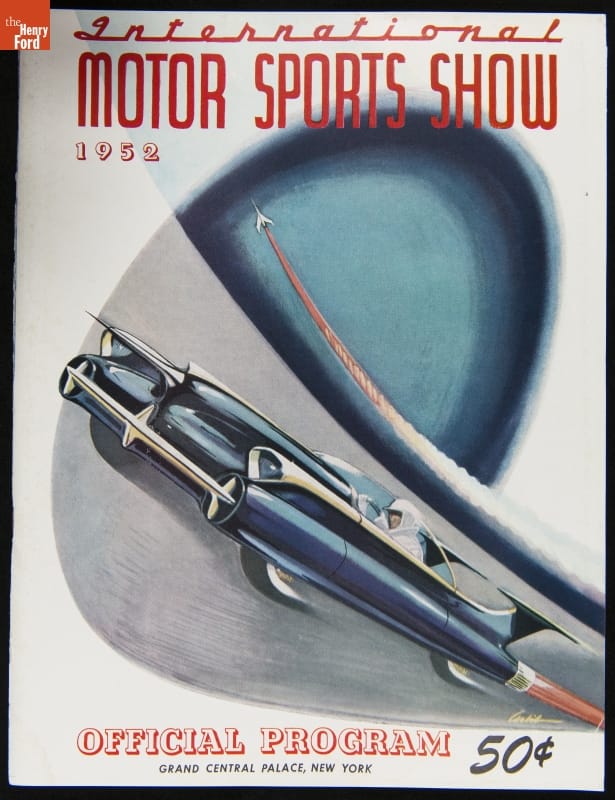
- First Annual International Motor Sports Show Program, New York, New York, March-April 1952 - Radio and television humorist (and vintage automobile collector) Herb Shriner organized New York's first International Motor Sports Show in 1952. The annual event, which ran through 1954, brought together approximately 100 foreign and domestic sports cars, race cars, concept cars, and production automobiles.
- 29 March 1952-06 April 1952
- Collections - Artifact
First Annual International Motor Sports Show Program, New York, New York, March-April 1952
Radio and television humorist (and vintage automobile collector) Herb Shriner organized New York's first International Motor Sports Show in 1952. The annual event, which ran through 1954, brought together approximately 100 foreign and domestic sports cars, race cars, concept cars, and production automobiles.
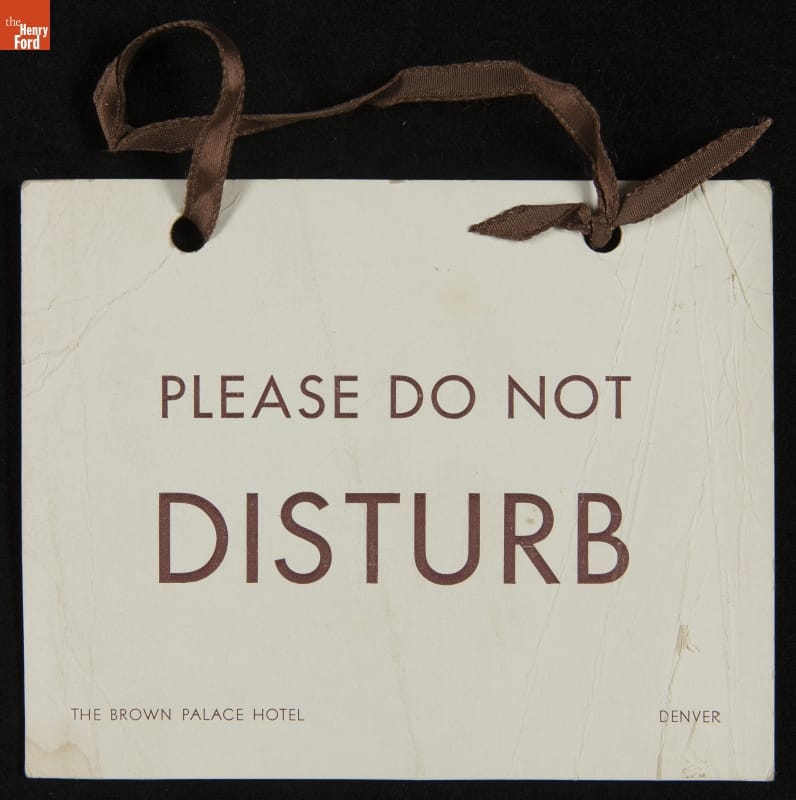
- Sign, "Please Do Not Disturb," 1920-1929 - Most weary travelers want peace and quiet when staying at a hotel, motel or inn. Guests in the mid-20th century -- just like today -- found a sign inside their room to help make their stay pleasant and restful. Hanging the sign outside on the door alerted staff to be quiet and not enter. This simple sign says it all "Please Do Not Disturb."
- 1920-1929
- Collections - Artifact
Sign, "Please Do Not Disturb," 1920-1929
Most weary travelers want peace and quiet when staying at a hotel, motel or inn. Guests in the mid-20th century -- just like today -- found a sign inside their room to help make their stay pleasant and restful. Hanging the sign outside on the door alerted staff to be quiet and not enter. This simple sign says it all "Please Do Not Disturb."
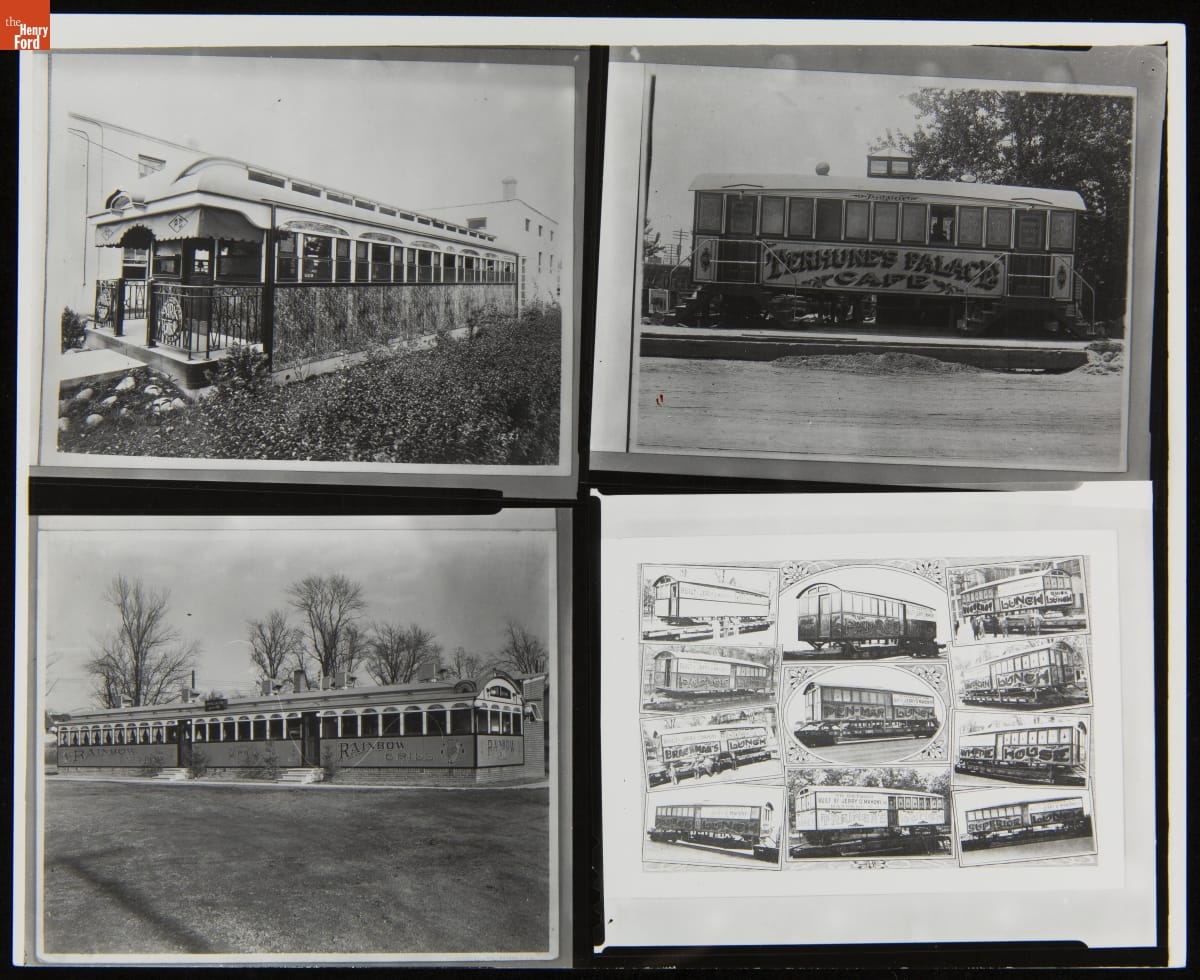
- Jerry O'Mahony Diners and Lunch Cars, 1925-1935 -
- 1925-1935
- Collections - Artifact
Jerry O'Mahony Diners and Lunch Cars, 1925-1935
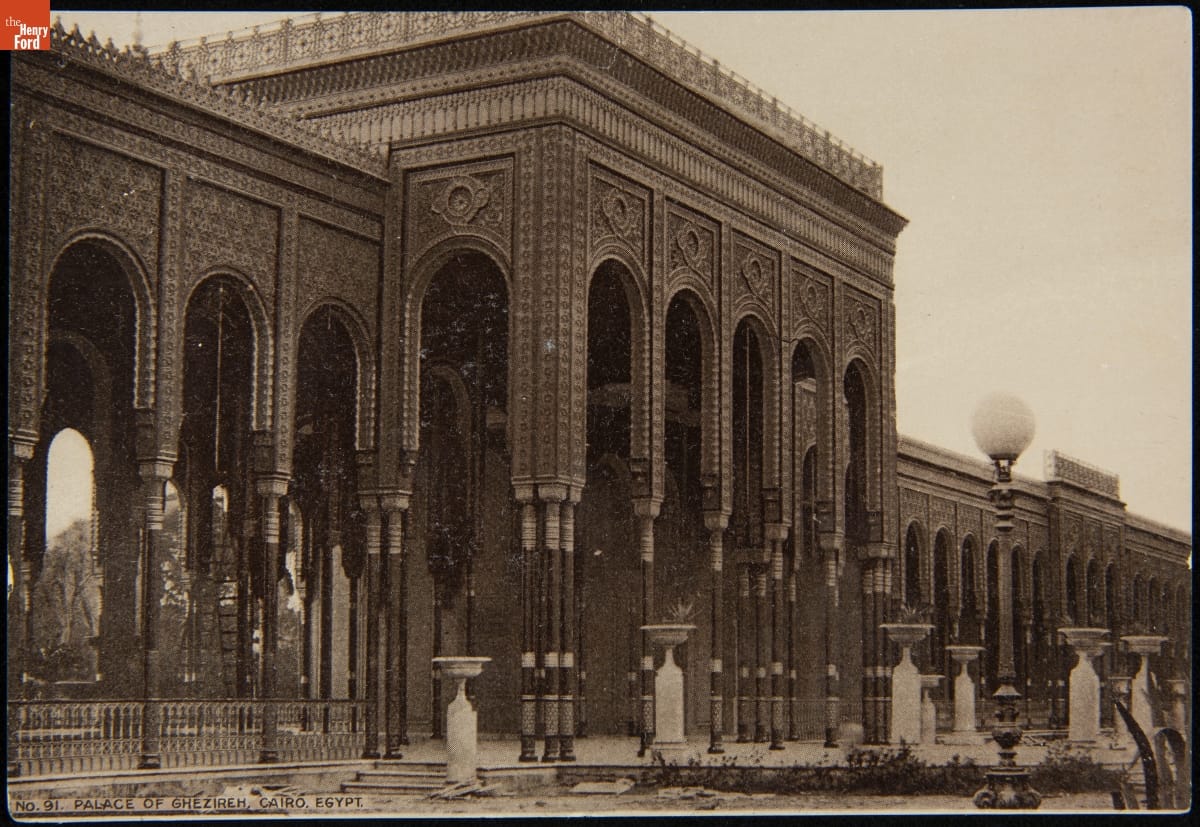
- Trade Card for C.I. Hood & Co. with Hood's Photos of the World, "Palace of Ghezireh, Cairo, Egypt," 1890-1910 - In the late 19th century, trade cards were a major means of advertising goods and services. Patent medicine producer, C.I. Hood & Co., had its own advertising department, creating cookbooks, calendars, and, most abundantly, trade cards. The trade card series, "Hood's Photos of the World," became popular among consumers, as it offered views of far-away places, providing a window to the broader world.
- 1890-1910
- Collections - Artifact
Trade Card for C.I. Hood & Co. with Hood's Photos of the World, "Palace of Ghezireh, Cairo, Egypt," 1890-1910
In the late 19th century, trade cards were a major means of advertising goods and services. Patent medicine producer, C.I. Hood & Co., had its own advertising department, creating cookbooks, calendars, and, most abundantly, trade cards. The trade card series, "Hood's Photos of the World," became popular among consumers, as it offered views of far-away places, providing a window to the broader world.
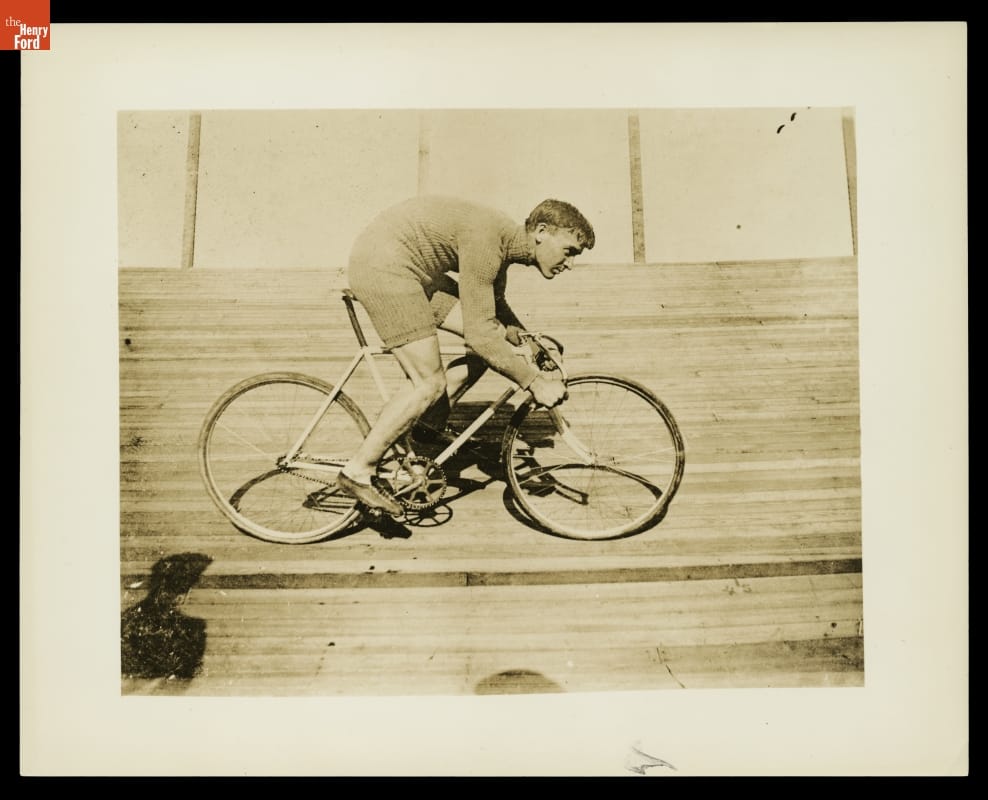
- Barney Oldfield Riding the "Blue Streak" Bicycle on the Salt Palace Board Track, Salt Lake City, Utah, circa 1900 - Auto racing legend Barney Oldfield began his racing career on two wheels. The Ohio native began racing bicycles in his teens -- winning a number of competitions. This photo shows the young Oldfield in his early twenties at a race track in Salt Lake City. In 1902, this fearless Ohioan turned his talents to auto racing -- piloting the Henry Ford designed race car "999."
- circa 1900
- Collections - Artifact
Barney Oldfield Riding the "Blue Streak" Bicycle on the Salt Palace Board Track, Salt Lake City, Utah, circa 1900
Auto racing legend Barney Oldfield began his racing career on two wheels. The Ohio native began racing bicycles in his teens -- winning a number of competitions. This photo shows the young Oldfield in his early twenties at a race track in Salt Lake City. In 1902, this fearless Ohioan turned his talents to auto racing -- piloting the Henry Ford designed race car "999."