
Search
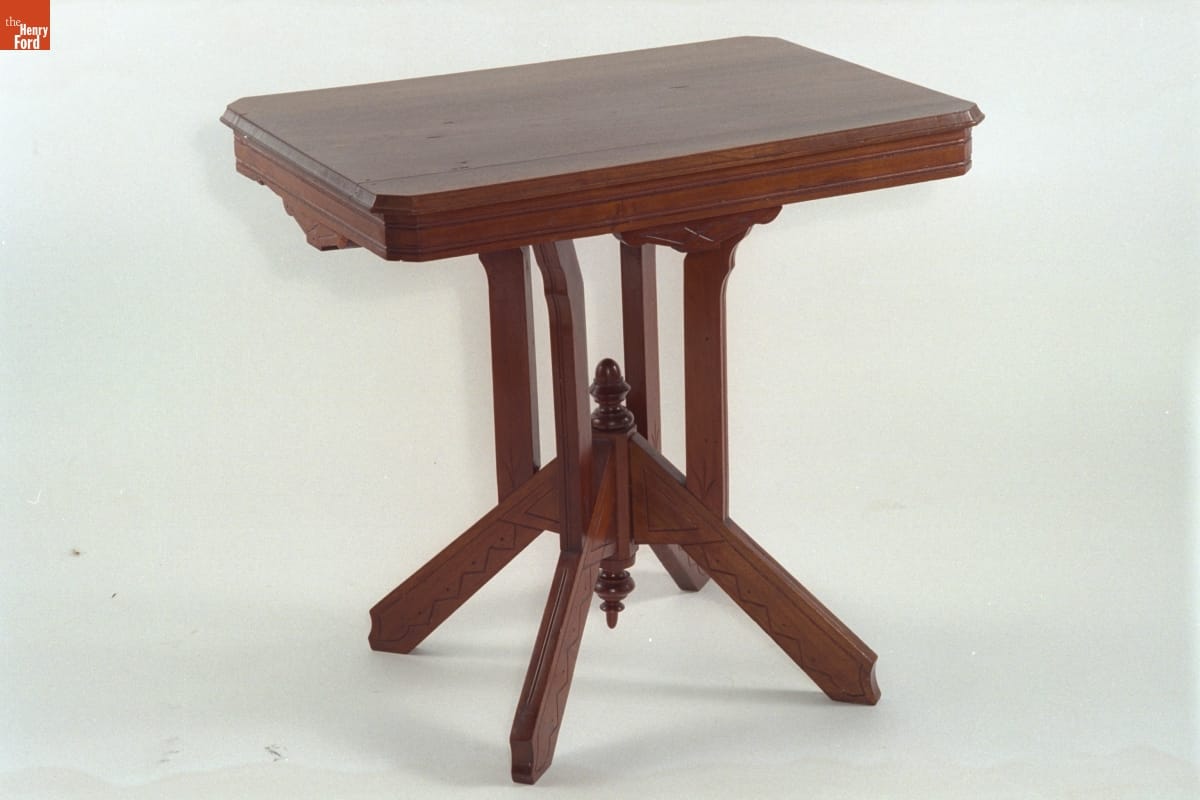
- Parlor Table, 1870-1890 -
- 1870-1890
- Collections - Artifact
Parlor Table, 1870-1890
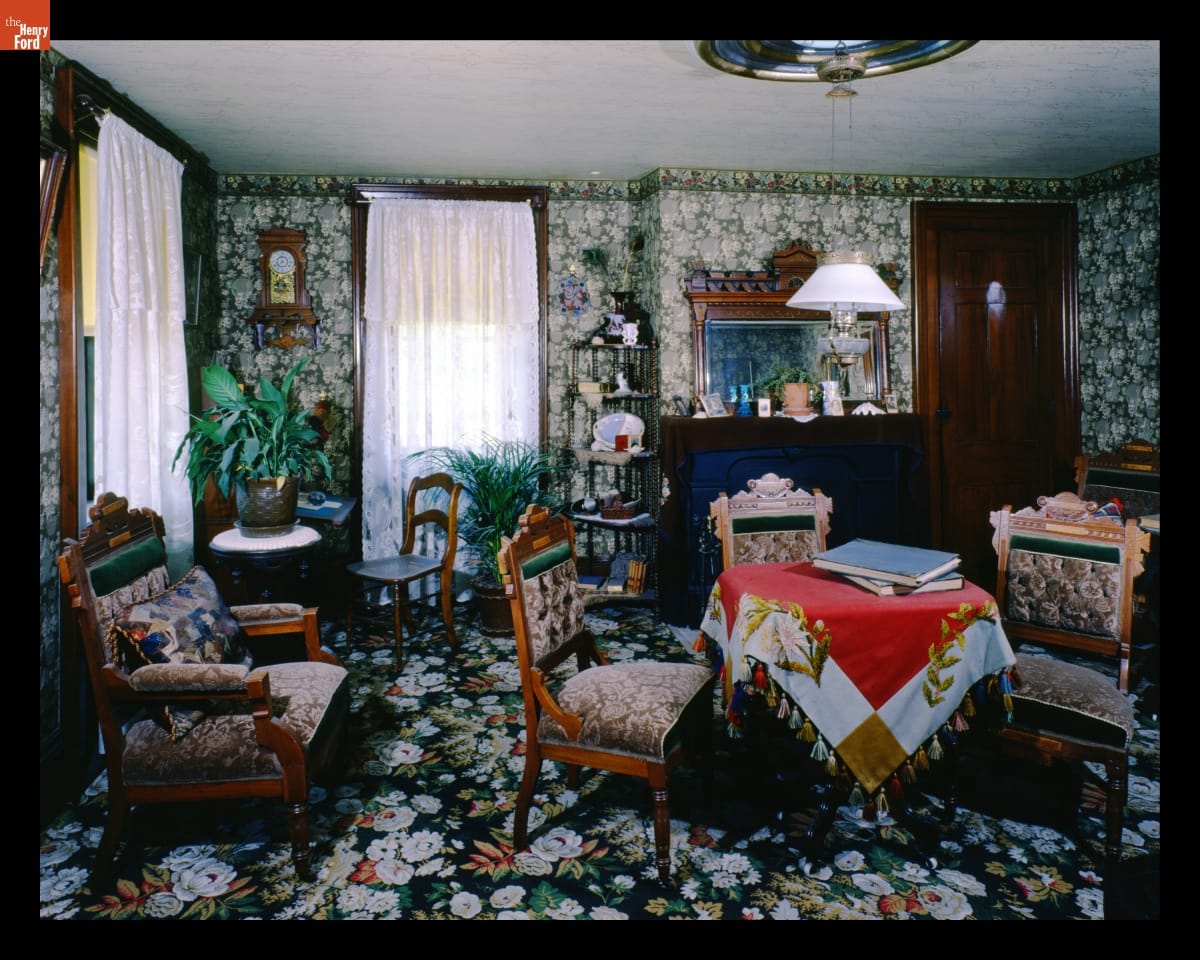
- Parlor inside Firestone Farmhouse in Greenfield Village, July 1985 - Benjamin and Catherine Firestone raised their three children in this farmhouse, including tire maker Harvey Firestone. Originally located near Columbiana, Ohio, the 1828 house was updated in 1882 to appear more stylish and up-to-date. The traditional Pennsylvania German layout of the Firestone's farmhouse was transformed, with a central foyer, separate dining room and kitchen, a sitting room, closets, wallpaper, and fancy new furniture.
- July 01, 1985
- Collections - Artifact
Parlor inside Firestone Farmhouse in Greenfield Village, July 1985
Benjamin and Catherine Firestone raised their three children in this farmhouse, including tire maker Harvey Firestone. Originally located near Columbiana, Ohio, the 1828 house was updated in 1882 to appear more stylish and up-to-date. The traditional Pennsylvania German layout of the Firestone's farmhouse was transformed, with a central foyer, separate dining room and kitchen, a sitting room, closets, wallpaper, and fancy new furniture.
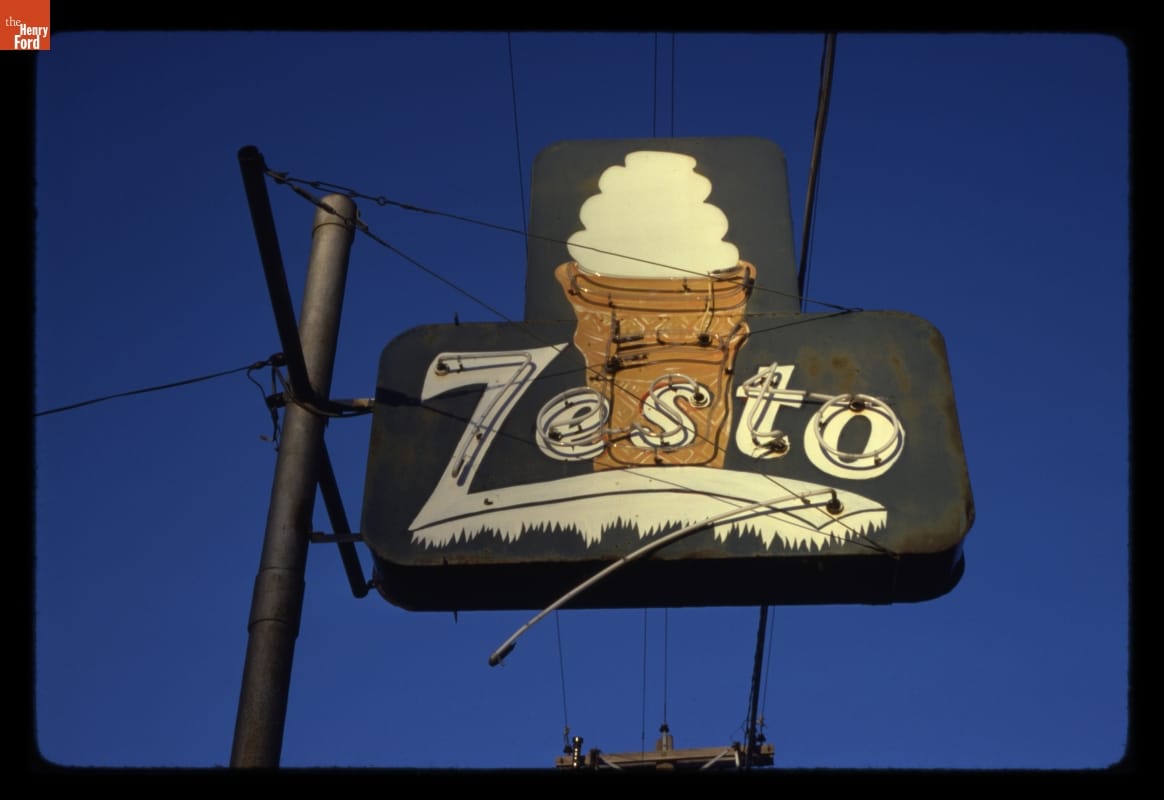
- Zesto, Wichita, Kansas, 1979 - In the mid-1970s, John Margolies began to assemble a visual record of America's built roadside landscape. Over the following three decades, he traveled thousands of miles to photograph the overlooked and often quickly vanishing structures that had grown out of American automobile culture and main street commerce. His photographs of hotels, motels, diners, service stations, drive-ins and attractions celebrate and capture a unique chapter of American history.
- 1979
- Collections - Artifact
Zesto, Wichita, Kansas, 1979
In the mid-1970s, John Margolies began to assemble a visual record of America's built roadside landscape. Over the following three decades, he traveled thousands of miles to photograph the overlooked and often quickly vanishing structures that had grown out of American automobile culture and main street commerce. His photographs of hotels, motels, diners, service stations, drive-ins and attractions celebrate and capture a unique chapter of American history.
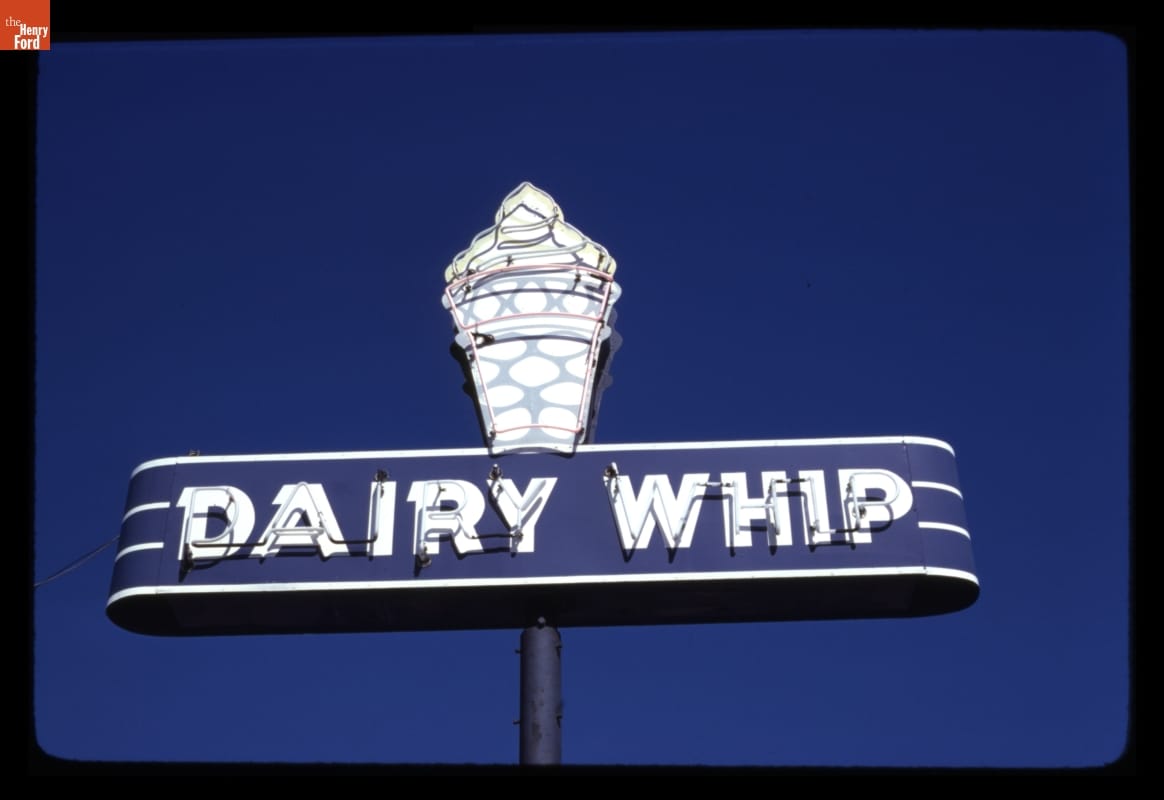
- Dairy Whip, Jackson, Tennessee, 1979 - In the mid-1970s, John Margolies began to assemble a visual record of America's built roadside landscape. Over the following three decades, he traveled thousands of miles to photograph the overlooked and often quickly vanishing structures that had grown out of American automobile culture and main street commerce. His photographs of hotels, motels, diners, service stations, drive-ins and attractions celebrate and capture a unique chapter of American history.
- 1979
- Collections - Artifact
Dairy Whip, Jackson, Tennessee, 1979
In the mid-1970s, John Margolies began to assemble a visual record of America's built roadside landscape. Over the following three decades, he traveled thousands of miles to photograph the overlooked and often quickly vanishing structures that had grown out of American automobile culture and main street commerce. His photographs of hotels, motels, diners, service stations, drive-ins and attractions celebrate and capture a unique chapter of American history.
- Family Parlor Portrait, circa 1900 - The parlor of this middle-class northern Indiana family is filled with fashionable goods that provided a comfortable lifestyle. By the late 19th century, factories were turning out consumer goods of all kinds, advertising told potential customers what was available, and railroads made it easier to get goods to local stores. This family could also have obtained goods by mail order--even the piano.
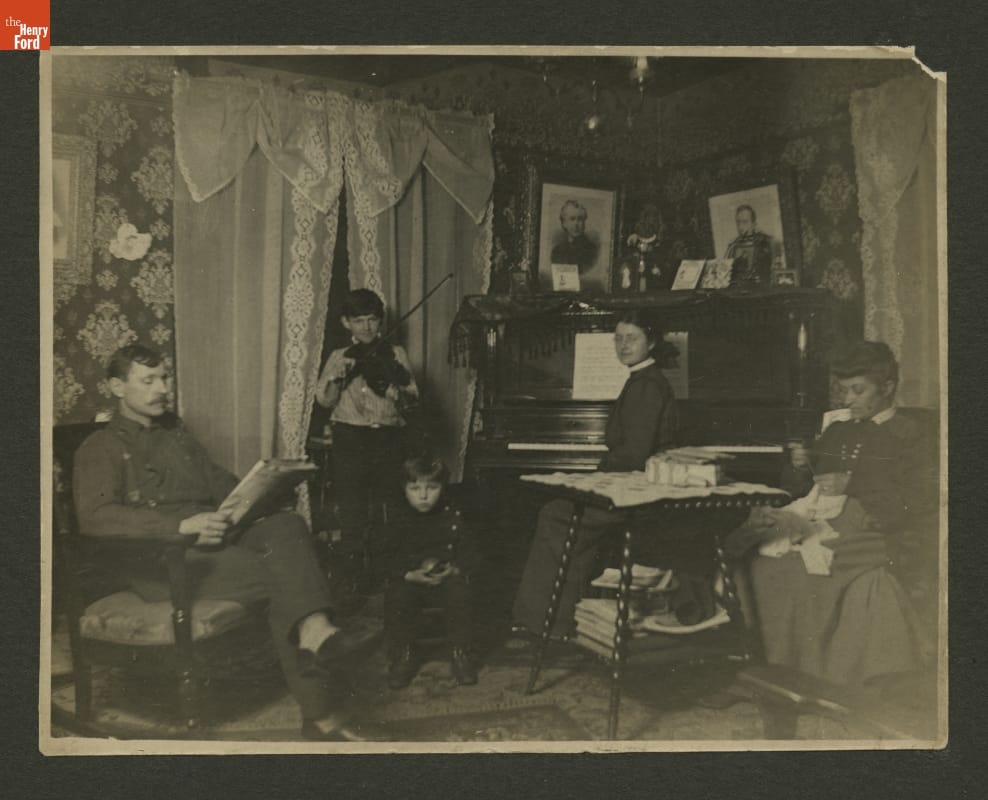
- circa 1895
- Collections - Artifact
Family Parlor Portrait, circa 1900
The parlor of this middle-class northern Indiana family is filled with fashionable goods that provided a comfortable lifestyle. By the late 19th century, factories were turning out consumer goods of all kinds, advertising told potential customers what was available, and railroads made it easier to get goods to local stores. This family could also have obtained goods by mail order--even the piano.
- Children in a Parlor, circa 1898 -
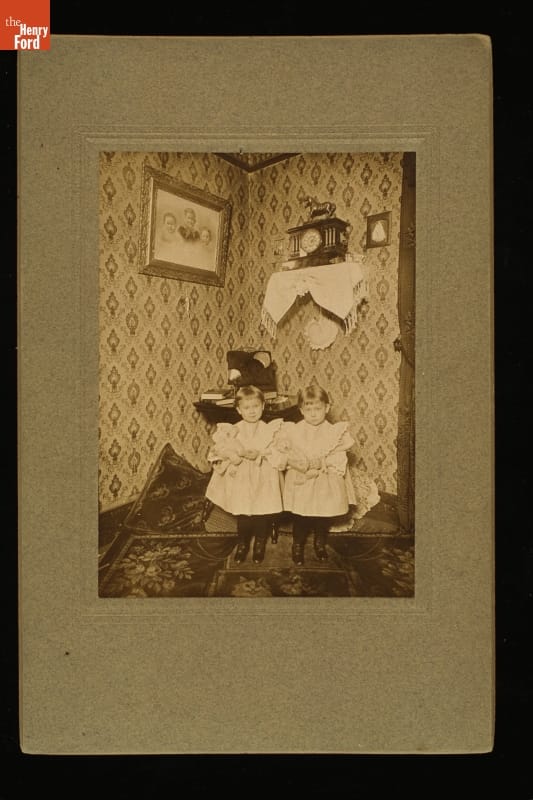
- circa 1898
- Collections - Artifact
Children in a Parlor, circa 1898
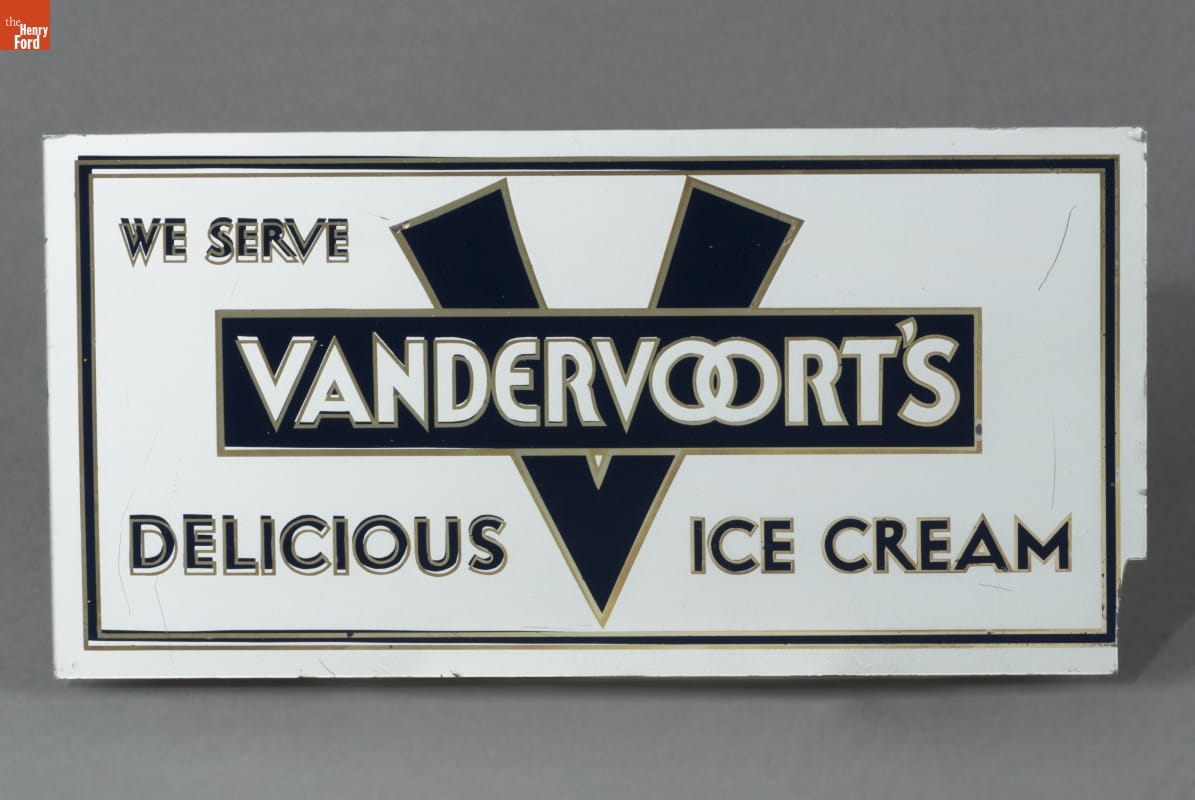
- Vandervoort's Ice Cream Sign -
- Collections - Artifact
Vandervoort's Ice Cream Sign
- Parlor in Firestone Farm at its Original Site, Columbiana County, Ohio, 1878-1927 -
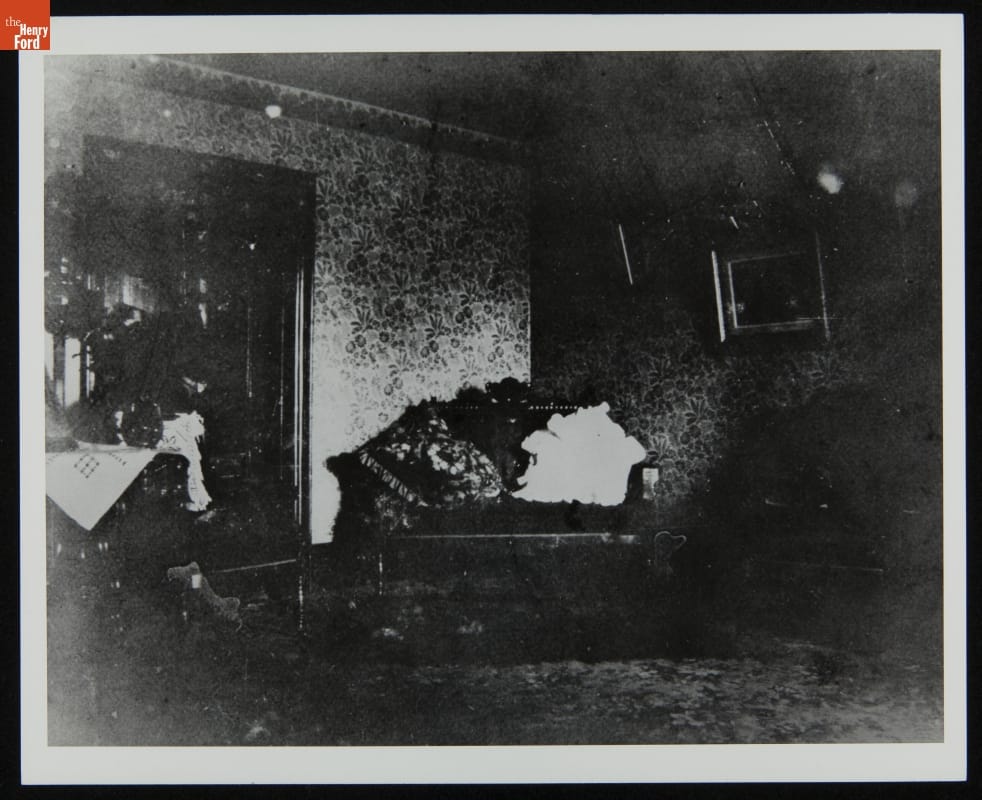
- 1878-1927
- Collections - Artifact
Parlor in Firestone Farm at its Original Site, Columbiana County, Ohio, 1878-1927
- Parlor in Firestone Farm at its Original Site, Columbiana County, Ohio, February 6, 1983 -
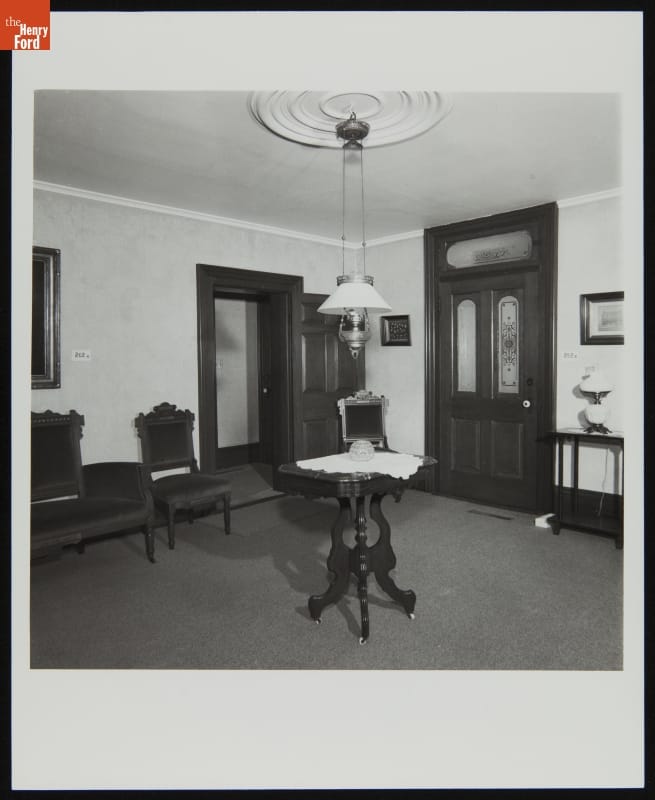
- February 06, 1983
- Collections - Artifact
Parlor in Firestone Farm at its Original Site, Columbiana County, Ohio, February 6, 1983
- Views of the Parlor in Firestone Farm at its Original Site, Columbiana County, Ohio, February 6, 1983 -
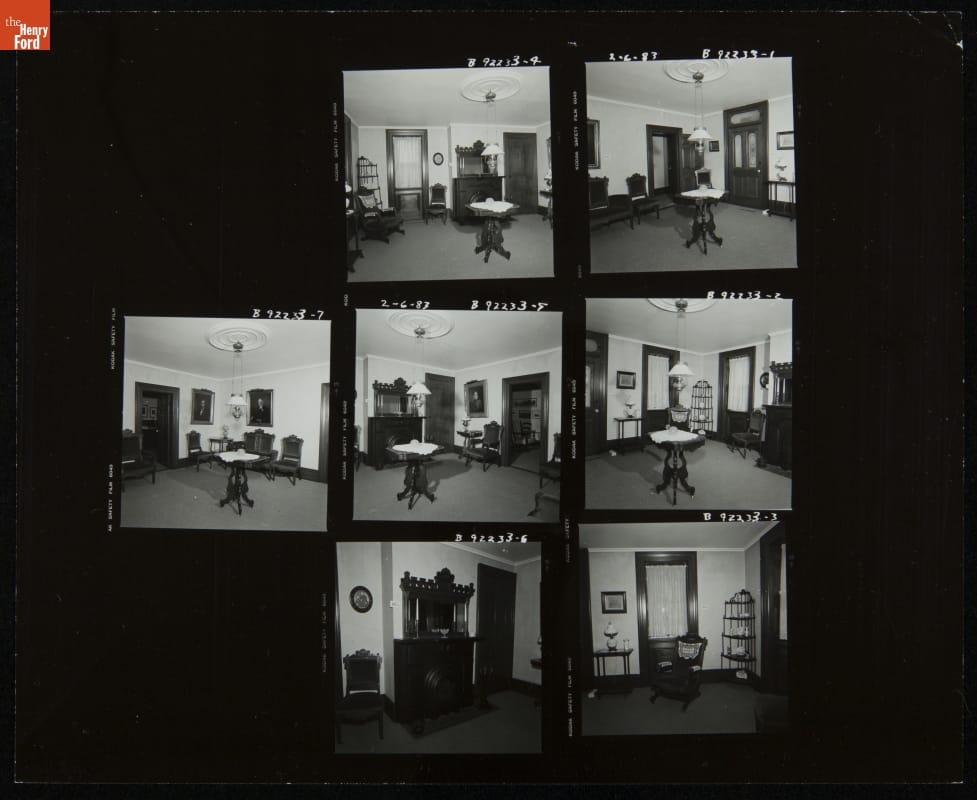
- February 06, 1983
- Collections - Artifact
Views of the Parlor in Firestone Farm at its Original Site, Columbiana County, Ohio, February 6, 1983