
Search
- Henry Ford's Private Railroad Car "Fair Lane," 1921 - By 1920, Henry and Clara Ford found it increasingly difficult to travel with any degree of privacy. They purchased a private railcar and named it <EM>Fair Lane</EM>. The car had four private rooms, an observation lounge, a dining room, and a fully equipped kitchen. It could accommodate eight passengers. The couple made over 400 trips using <EM>Fair Lane</EM> before selling the passenger car in 1942.

- June 23, 1921
- Collections - Artifact
Henry Ford's Private Railroad Car "Fair Lane," 1921
By 1920, Henry and Clara Ford found it increasingly difficult to travel with any degree of privacy. They purchased a private railcar and named it Fair Lane. The car had four private rooms, an observation lounge, a dining room, and a fully equipped kitchen. It could accommodate eight passengers. The couple made over 400 trips using Fair Lane before selling the passenger car in 1942.
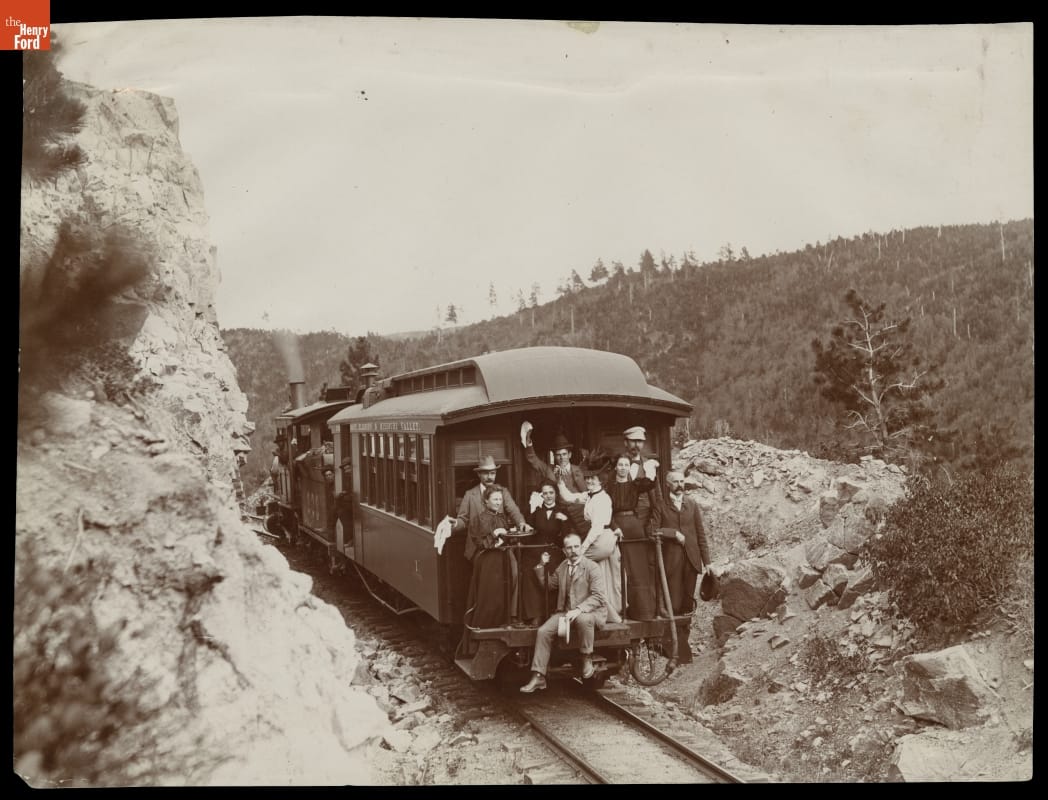
- Passengers on the Fremont, Elkhorn and Missouri Valley Railroad, South Dakota, circa 1895 - Passengers gathered for a photograph when the Fremont, Elkhorn, and Missouri Valley train stopped in a South Dakota mountain pass. The photograph, taken about 1907, shows the happy group on the back platform while the engineer and others peer out from the side.
- circa 1895
- Collections - Artifact
Passengers on the Fremont, Elkhorn and Missouri Valley Railroad, South Dakota, circa 1895
Passengers gathered for a photograph when the Fremont, Elkhorn, and Missouri Valley train stopped in a South Dakota mountain pass. The photograph, taken about 1907, shows the happy group on the back platform while the engineer and others peer out from the side.
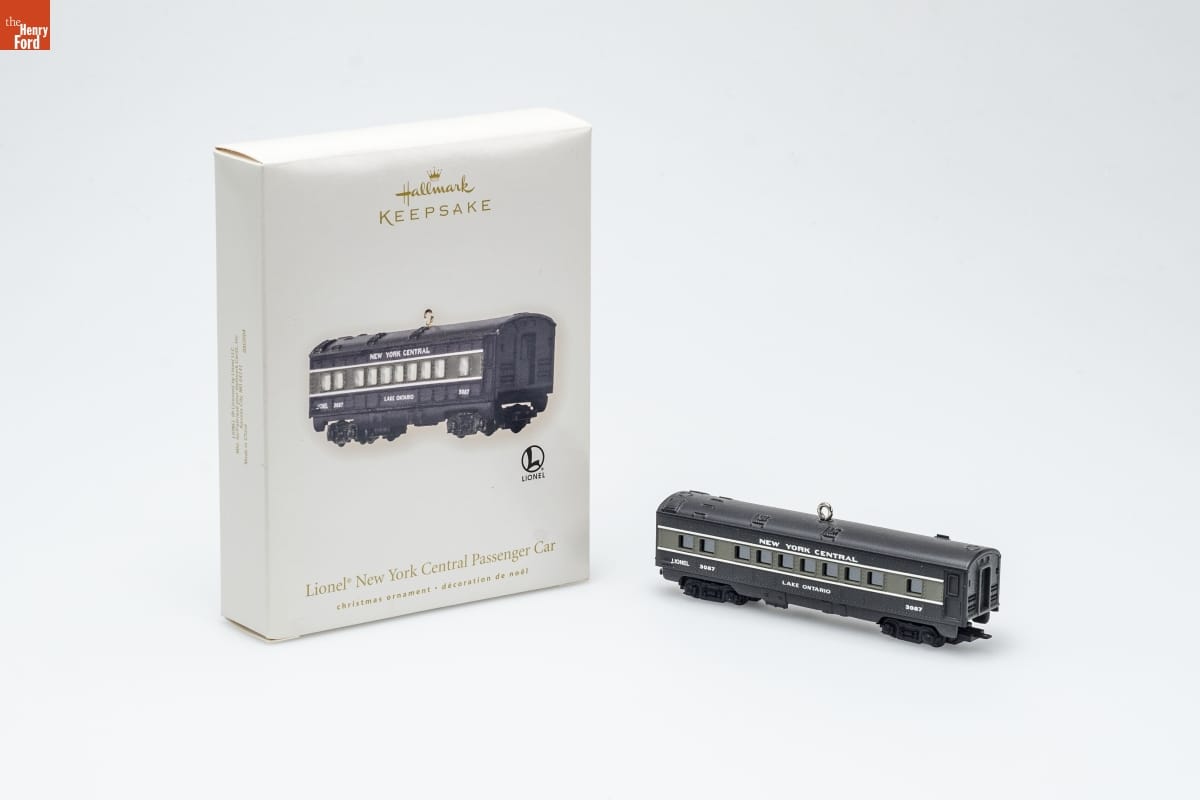
- Hallmark "Lionel New York Central Passenger Car" Christmas Ornament, 2008 - Already known for greeting cards, Hallmark introduced a line of Christmas ornaments in 1973. The company's annual release of an increasing array of ornaments revolutionized Christmas decorating, appealing to customers' interest in marking memories and milestones as well as expressing one's personality and unique tastes.
- 2008
- Collections - Artifact
Hallmark "Lionel New York Central Passenger Car" Christmas Ornament, 2008
Already known for greeting cards, Hallmark introduced a line of Christmas ornaments in 1973. The company's annual release of an increasing array of ornaments revolutionized Christmas decorating, appealing to customers' interest in marking memories and milestones as well as expressing one's personality and unique tastes.
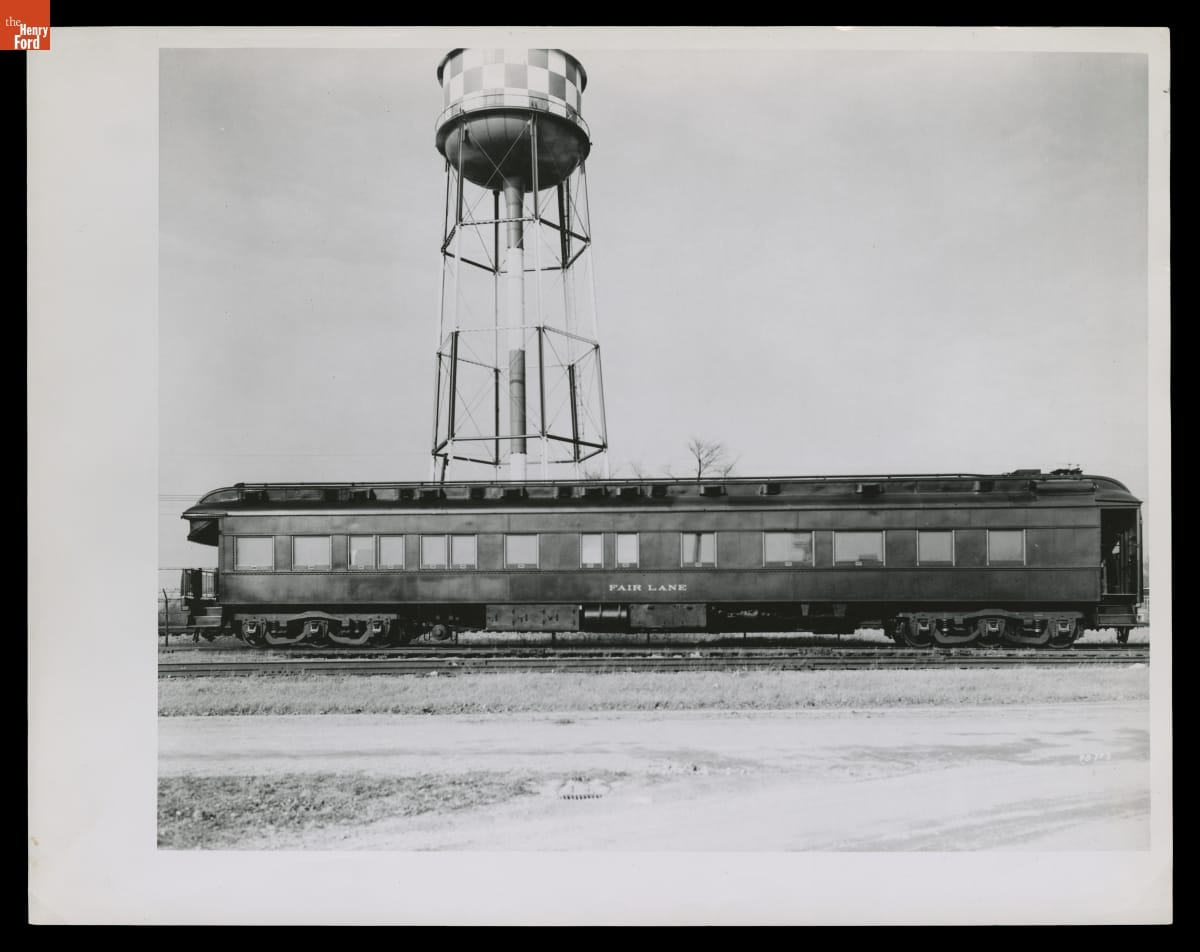
- Henry Ford's Private Railroad Car, "Fair Lane," November 12, 1942 - By 1920, Henry and Clara Ford found it increasingly difficult to travel with any degree of privacy. They purchased a private railcar and named it <EM>Fair Lane</EM>. The car had four private rooms, an observation lounge, a dining room, and a fully equipped kitchen. It could accommodate eight passengers. The couple made over 400 trips using <EM>Fair Lane</EM> before selling the passenger car in 1942.
- November 12, 1942
- Collections - Artifact
Henry Ford's Private Railroad Car, "Fair Lane," November 12, 1942
By 1920, Henry and Clara Ford found it increasingly difficult to travel with any degree of privacy. They purchased a private railcar and named it Fair Lane. The car had four private rooms, an observation lounge, a dining room, and a fully equipped kitchen. It could accommodate eight passengers. The couple made over 400 trips using Fair Lane before selling the passenger car in 1942.
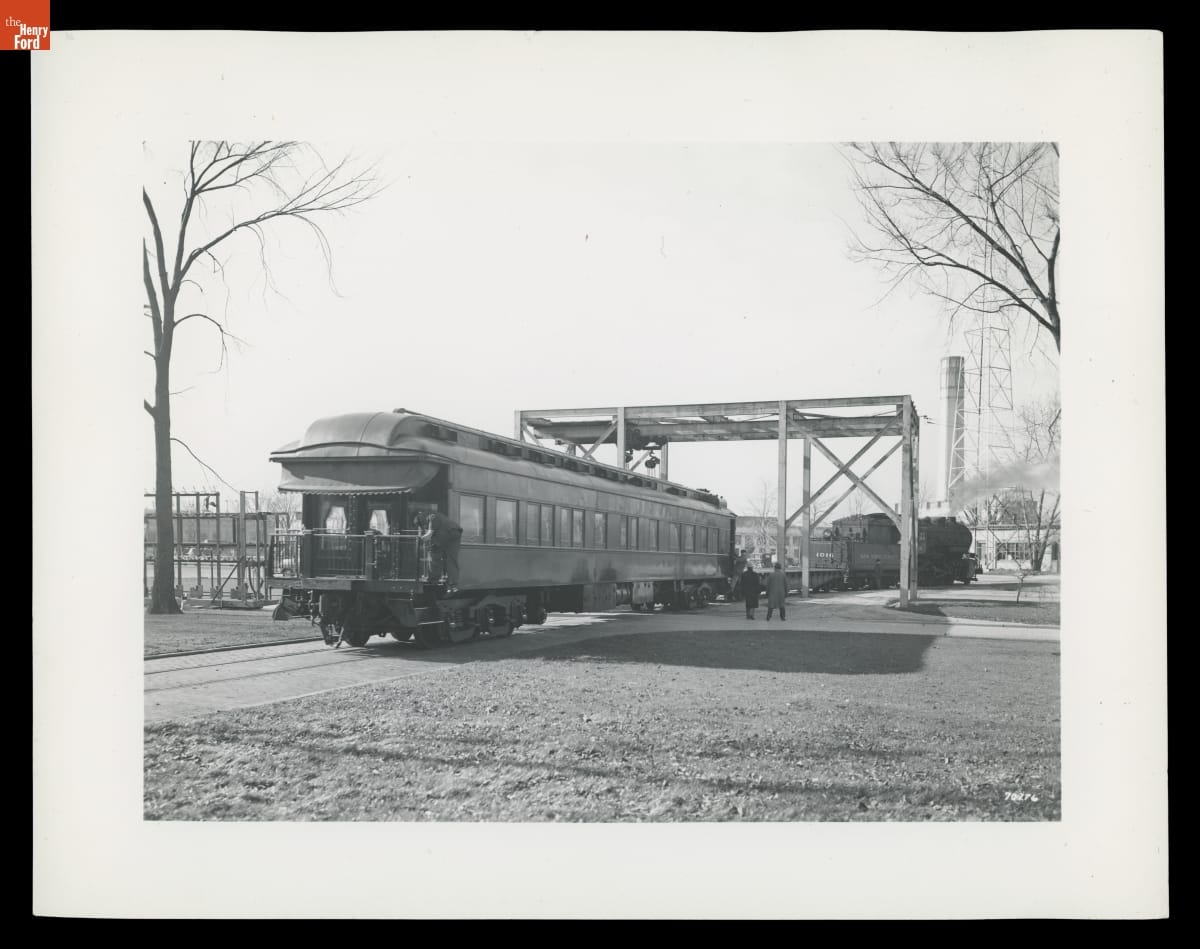
- Henry Ford's Private Railroad Car, "Fair Lane," outside Henry Ford Museum, November 12, 1942 - By 1920, Henry and Clara Ford found it increasingly difficult to travel with any degree of privacy. They purchased a private railcar and named it <EM>Fair Lane</EM>. The car had four private rooms, an observation lounge, a dining room, and a fully equipped kitchen. It could accommodate eight passengers. The couple made over 400 trips using <EM>Fair Lane</EM> before selling the passenger car in 1942.
- November 12, 1942
- Collections - Artifact
Henry Ford's Private Railroad Car, "Fair Lane," outside Henry Ford Museum, November 12, 1942
By 1920, Henry and Clara Ford found it increasingly difficult to travel with any degree of privacy. They purchased a private railcar and named it Fair Lane. The car had four private rooms, an observation lounge, a dining room, and a fully equipped kitchen. It could accommodate eight passengers. The couple made over 400 trips using Fair Lane before selling the passenger car in 1942.
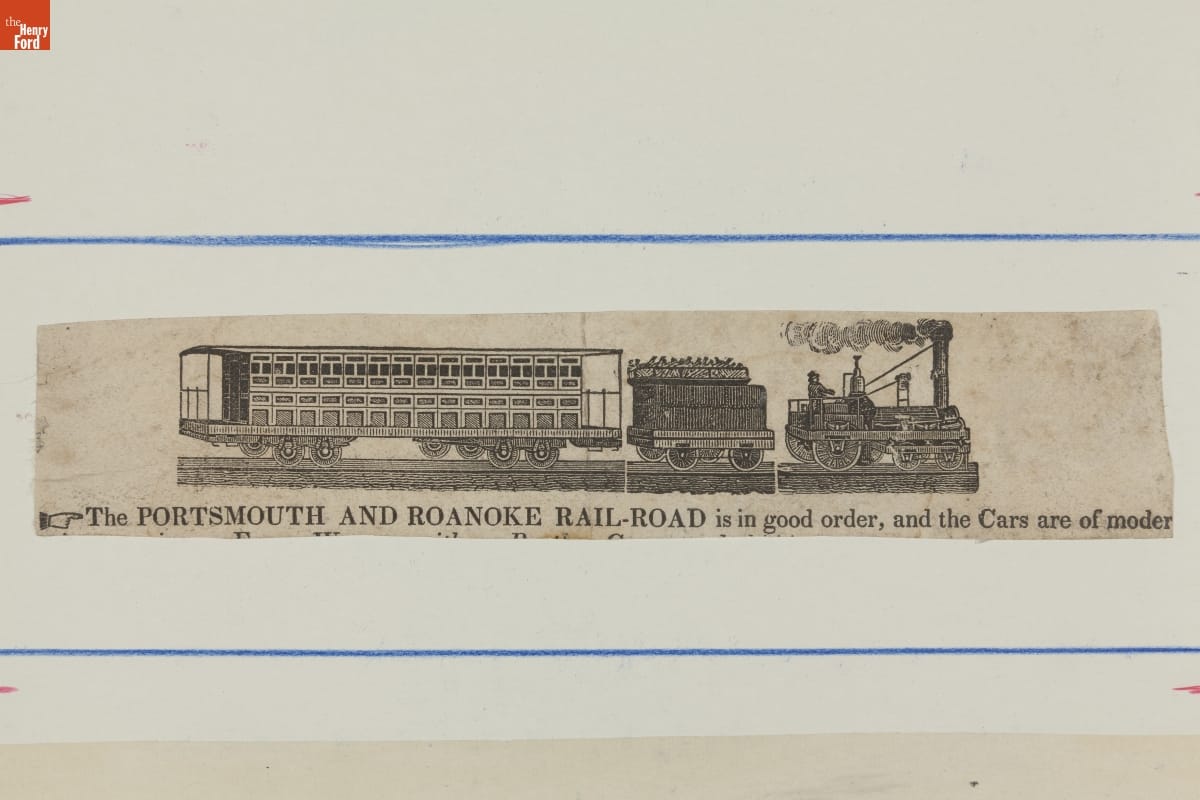
- "Portsmouth and Roanoke Rail-Road," circa 1850 - The Portsmouth and Roanoke Railroad was founded in 1833 to connect settlements along the Roanoke River in North Carolina with the Atlantic Ocean at Portsmouth, Virginia. Many other early American railroads were founded for a similar purpose: to connect interior areas with a regional seaport.
- circa 1850
- Collections - Artifact
"Portsmouth and Roanoke Rail-Road," circa 1850
The Portsmouth and Roanoke Railroad was founded in 1833 to connect settlements along the Roanoke River in North Carolina with the Atlantic Ocean at Portsmouth, Virginia. Many other early American railroads were founded for a similar purpose: to connect interior areas with a regional seaport.
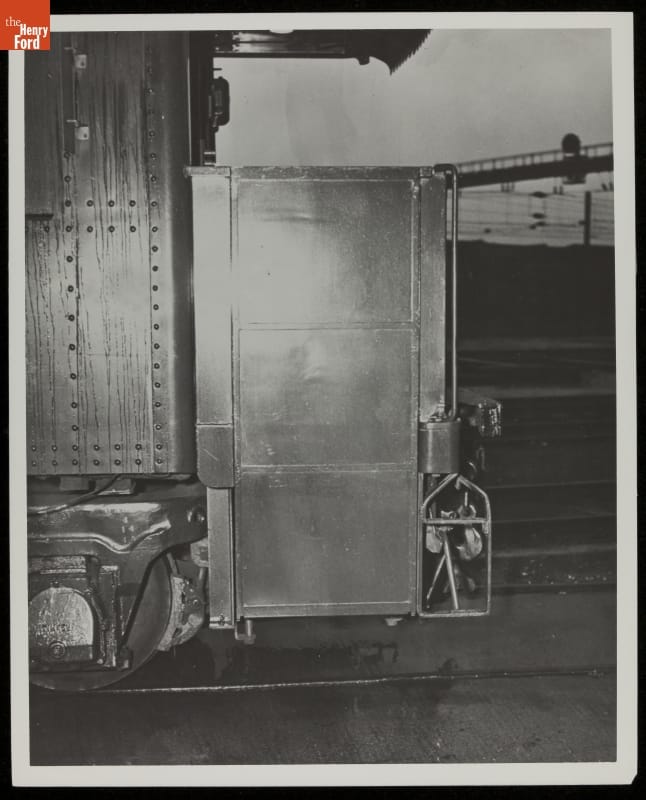
- Lift Created for Franklin D. Roosevelt to Board the Presidential Railcar, "Ferdinand Magellan," circa 1943 - Franklin Delano Roosevelt was diagnosed with polio (later suggested to have been Guillain-Barre syndrome) in 1921 and experienced permanent paralysis in both legs. Though he tried to keep it private, Roosevelt used a wheelchair throughout his presidency (1933-1945). This lift allowed him to board the railcar <em>Ferdinand Magellan</em>, which was equipped for presidential use during World War II.
- circa 1943
- Collections - Artifact
Lift Created for Franklin D. Roosevelt to Board the Presidential Railcar, "Ferdinand Magellan," circa 1943
Franklin Delano Roosevelt was diagnosed with polio (later suggested to have been Guillain-Barre syndrome) in 1921 and experienced permanent paralysis in both legs. Though he tried to keep it private, Roosevelt used a wheelchair throughout his presidency (1933-1945). This lift allowed him to board the railcar Ferdinand Magellan, which was equipped for presidential use during World War II.
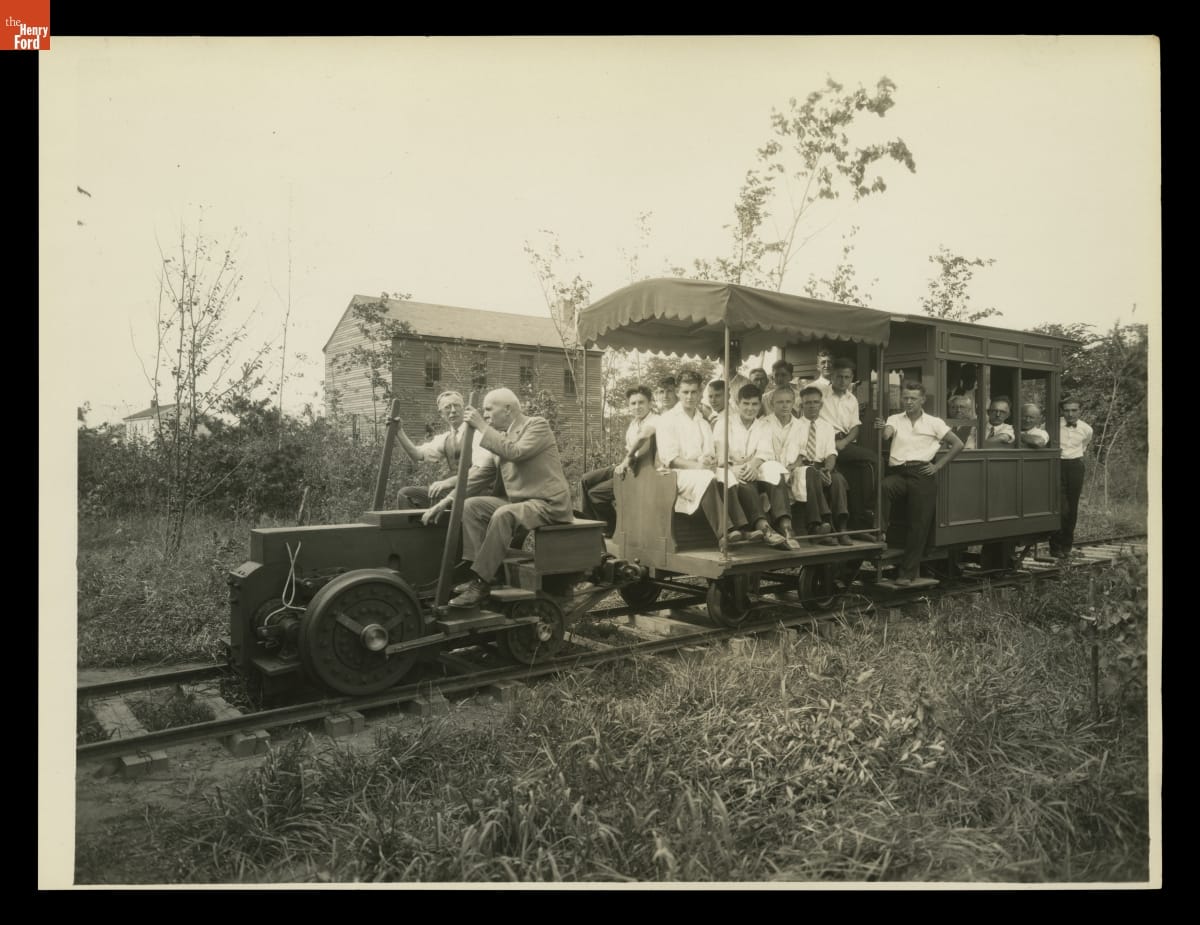
- Francis Jehl Operating 1880 Edison Electric Locomotive in Greenfield Village, August 1930 - This experimental machine built by Thomas Edison represented an early American attempt to design a non-battery electric locomotive. Fed by electricity sent through the rails, the locomotive operated over a three-mile track at Edison's Menlo Park, New Jersey, laboratory, hauling passengers at speeds up to 40 mph. The locomotive and two cars were given to The Henry Ford in 1929.
- August 01, 1930
- Collections - Artifact
Francis Jehl Operating 1880 Edison Electric Locomotive in Greenfield Village, August 1930
This experimental machine built by Thomas Edison represented an early American attempt to design a non-battery electric locomotive. Fed by electricity sent through the rails, the locomotive operated over a three-mile track at Edison's Menlo Park, New Jersey, laboratory, hauling passengers at speeds up to 40 mph. The locomotive and two cars were given to The Henry Ford in 1929.
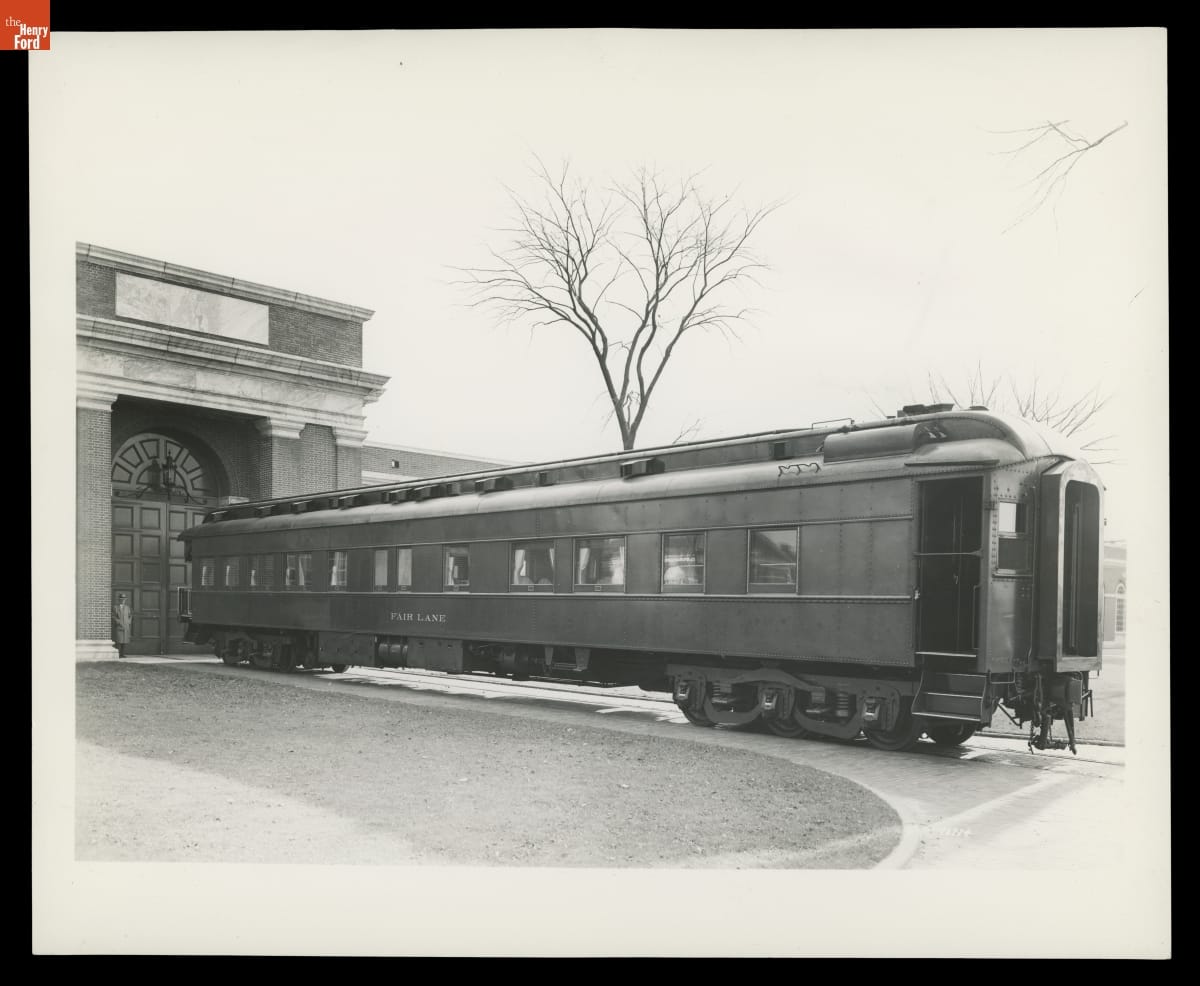
- Henry Ford's Private Railroad Car, "Fair Lane," outside Henry Ford Museum, November 12, 1942 - By 1920, Henry and Clara Ford found it increasingly difficult to travel with any degree of privacy. They purchased a private railcar and named it <EM>Fair Lane</EM>. The car had four private rooms, an observation lounge, a dining room, and a fully equipped kitchen. It could accommodate eight passengers. The couple made over 400 trips using <EM>Fair Lane</EM> before selling the passenger car in 1942.
- November 12, 1942
- Collections - Artifact
Henry Ford's Private Railroad Car, "Fair Lane," outside Henry Ford Museum, November 12, 1942
By 1920, Henry and Clara Ford found it increasingly difficult to travel with any degree of privacy. They purchased a private railcar and named it Fair Lane. The car had four private rooms, an observation lounge, a dining room, and a fully equipped kitchen. It could accommodate eight passengers. The couple made over 400 trips using Fair Lane before selling the passenger car in 1942.
- Interior of Henry Ford's Private Railroad Car, "Fair Lane," June 22, 1921 - By 1920, Henry and Clara Ford found it increasingly difficult to travel in privacy. They purchased a private railroad car and named it <em>Fair Lane</em>. Mrs. Ford designed the car's interior in consultation with Sidney Houghton of London. Houghton had earlier provided the same service for the Fords' yacht, <em>Sialia</em>. The Fords made more than 400 trips with <em>Fair Lane</em>.
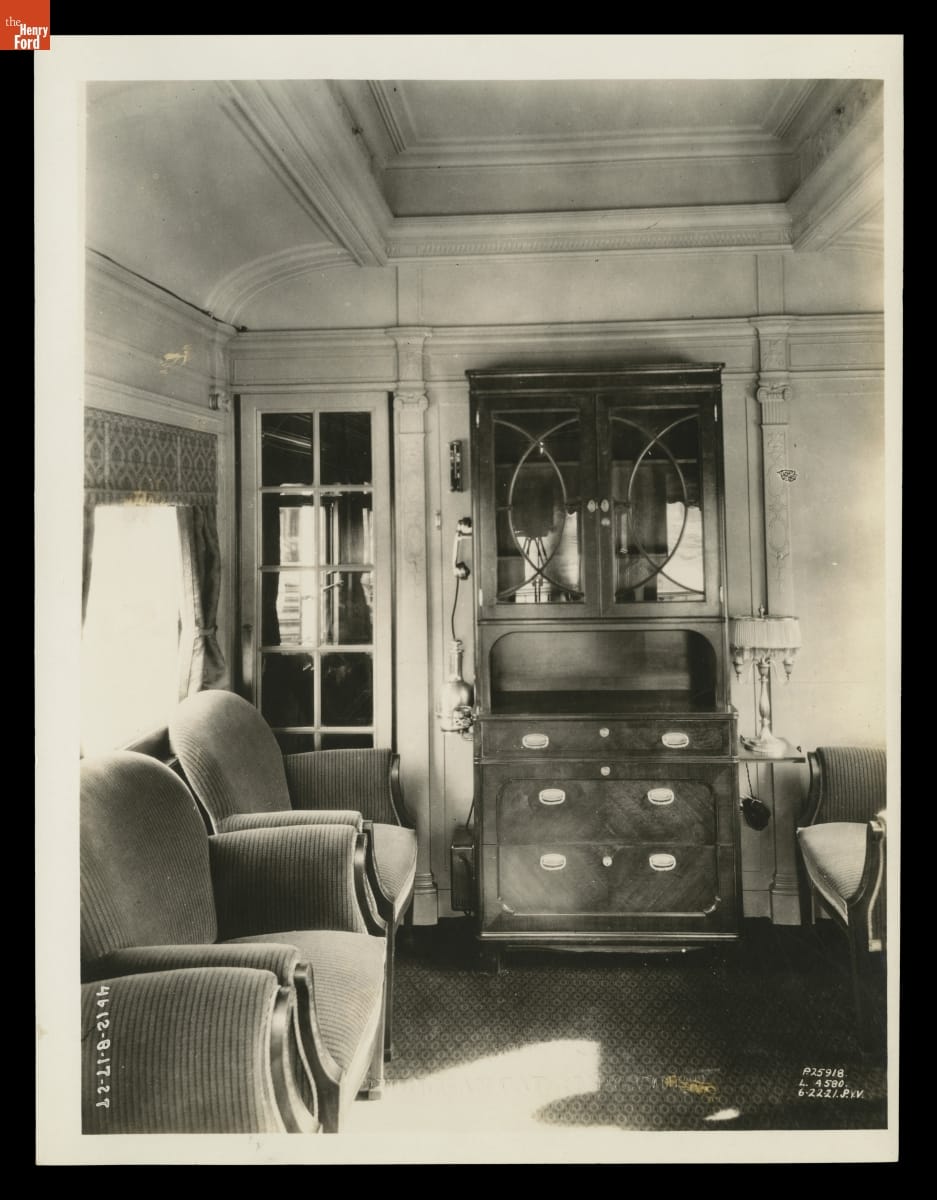
- June 22, 1921
- Collections - Artifact
Interior of Henry Ford's Private Railroad Car, "Fair Lane," June 22, 1921
By 1920, Henry and Clara Ford found it increasingly difficult to travel in privacy. They purchased a private railroad car and named it Fair Lane. Mrs. Ford designed the car's interior in consultation with Sidney Houghton of London. Houghton had earlier provided the same service for the Fords' yacht, Sialia. The Fords made more than 400 trips with Fair Lane.