
Search
- Packing Peaches, circa 1923 -
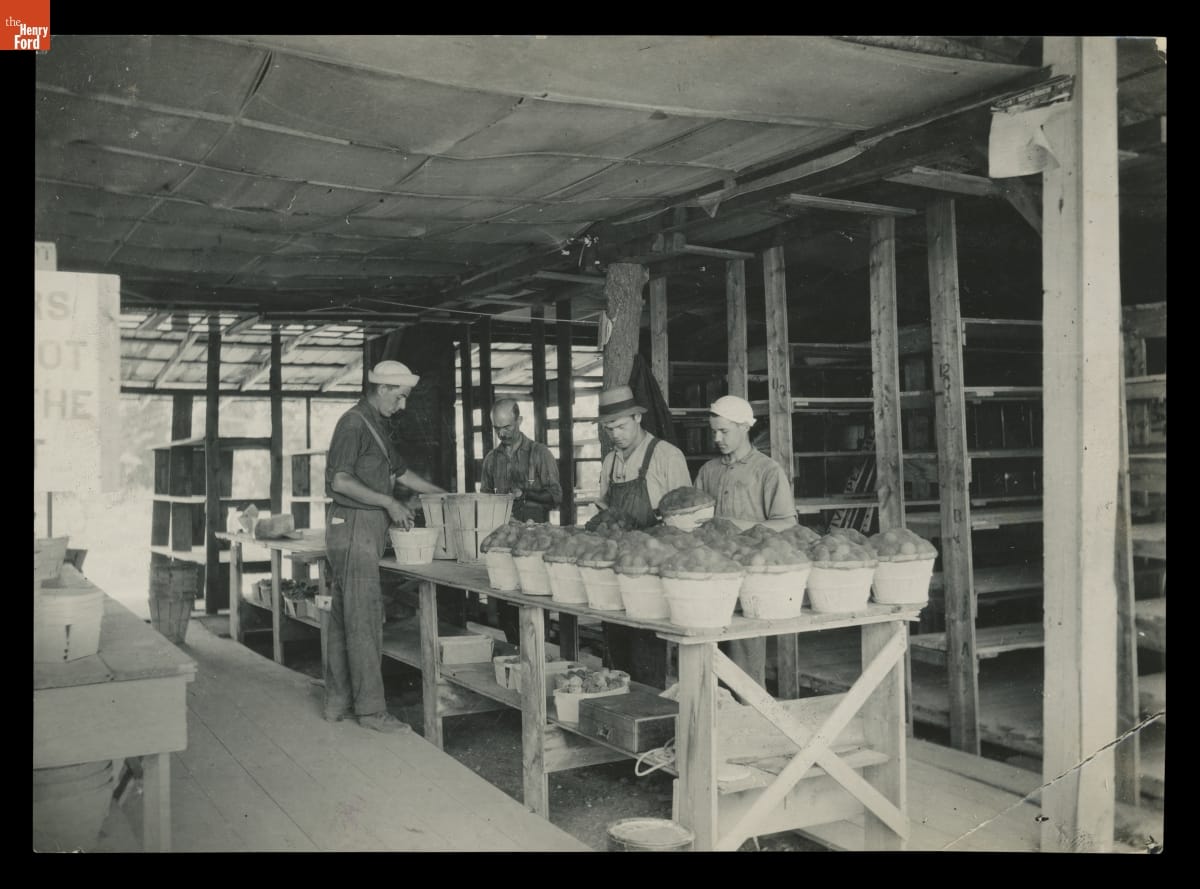
- circa 1923
- Collections - Artifact
Packing Peaches, circa 1923
- Can Label, "Silver Bar Brand Sliced Yellow Cling Peaches," circa 1920 - Manufacturers of similar products sought ways to make their company's goods stand out on store shelves. Attractive labels, like this design for Silver Bar Brand Yellow Cling Peaches, helped catch the attention of potential customers -- hopefully encouraging them to purchase the company's product rather than that of a competitor.
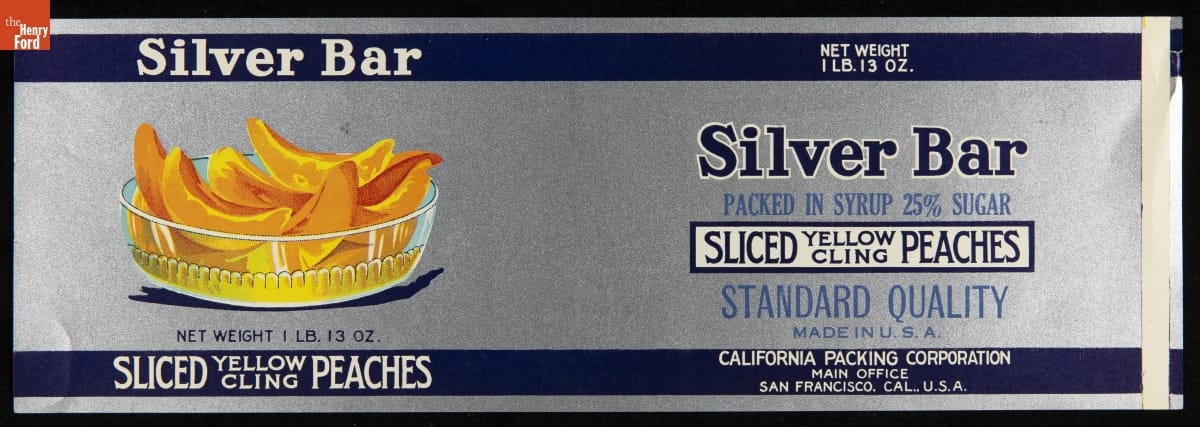
- circa 1920
- Collections - Artifact
Can Label, "Silver Bar Brand Sliced Yellow Cling Peaches," circa 1920
Manufacturers of similar products sought ways to make their company's goods stand out on store shelves. Attractive labels, like this design for Silver Bar Brand Yellow Cling Peaches, helped catch the attention of potential customers -- hopefully encouraging them to purchase the company's product rather than that of a competitor.
- Grand River Valley and Its Famous Peach Orchards, Palisade, Colo. -
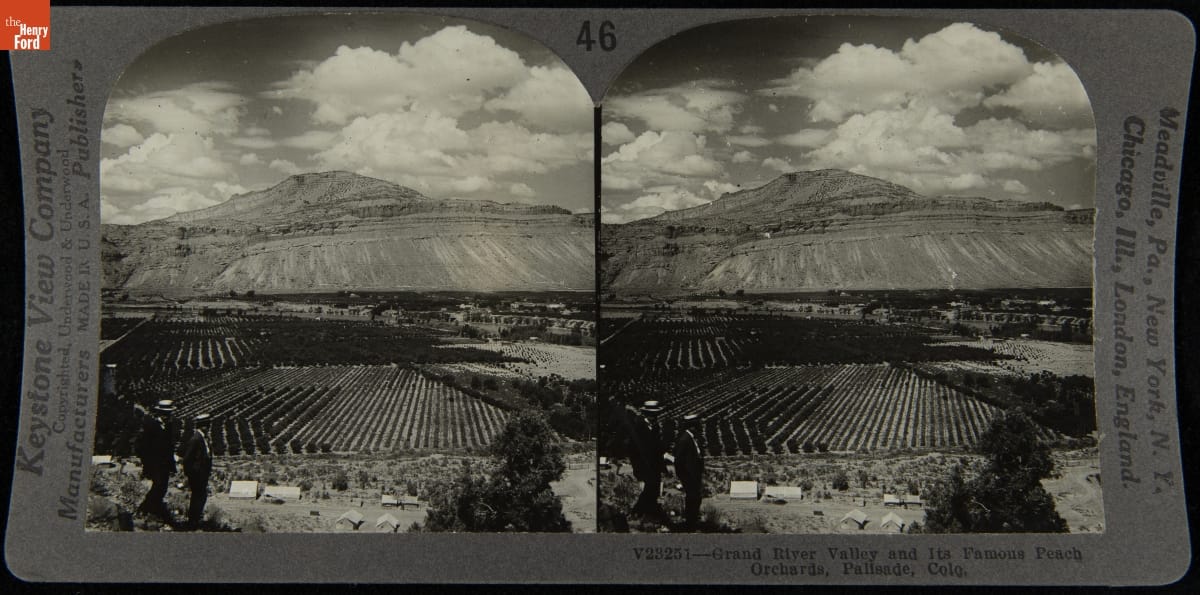
- Collections - Artifact
Grand River Valley and Its Famous Peach Orchards, Palisade, Colo.
- Can Label, "Shasta Brand Yellow Cling Chopped Peaches," 1913-1940 - Manufacturers of similar products sought ways to make their company's goods stand out on store shelves. Attractive labels, like this design for Shasta Brand Yellow Cling Chopped Peaches, helped catch the attention of potential customers -- hopefully encouraging them to purchase the company's product rather than that of a competitor.
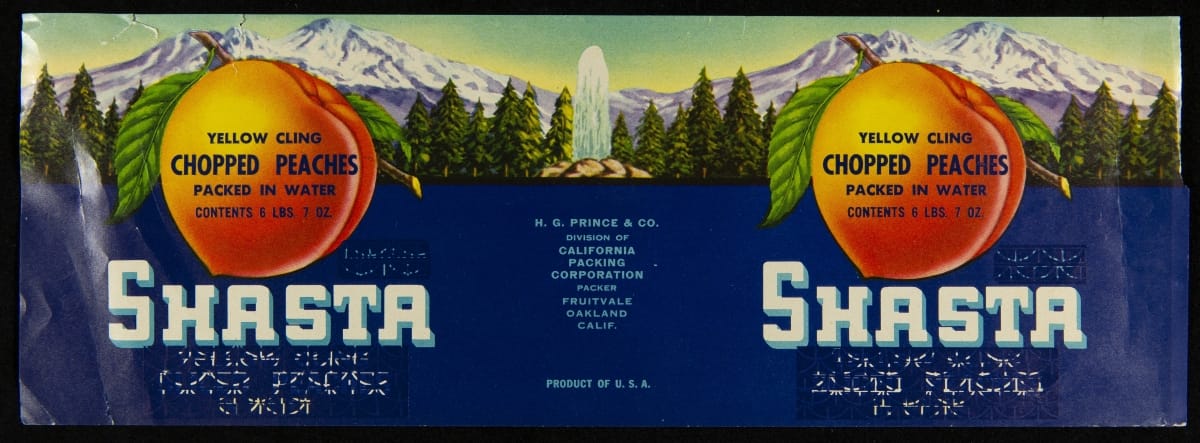
- 1913-1940
- Collections - Artifact
Can Label, "Shasta Brand Yellow Cling Chopped Peaches," 1913-1940
Manufacturers of similar products sought ways to make their company's goods stand out on store shelves. Attractive labels, like this design for Shasta Brand Yellow Cling Chopped Peaches, helped catch the attention of potential customers -- hopefully encouraging them to purchase the company's product rather than that of a competitor.
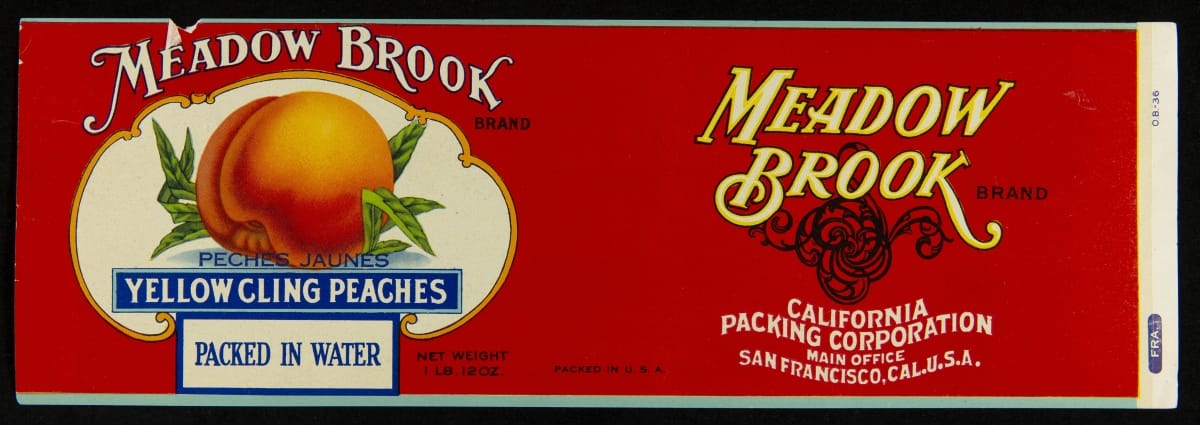
- Can Label, "Meadow Brook Brand Yellow Cling Peaches," circa 1920 - Manufacturers of similar products sought ways to make their company's goods stand out on store shelves. Attractive labels, like this design for Meadow Brook Brand Yellow Cling Peaches, helped catch the attention of potential customers -- hopefully encouraging them to purchase the company's product rather than that of a competitor.
- circa 1920
- Collections - Artifact
Can Label, "Meadow Brook Brand Yellow Cling Peaches," circa 1920
Manufacturers of similar products sought ways to make their company's goods stand out on store shelves. Attractive labels, like this design for Meadow Brook Brand Yellow Cling Peaches, helped catch the attention of potential customers -- hopefully encouraging them to purchase the company's product rather than that of a competitor.
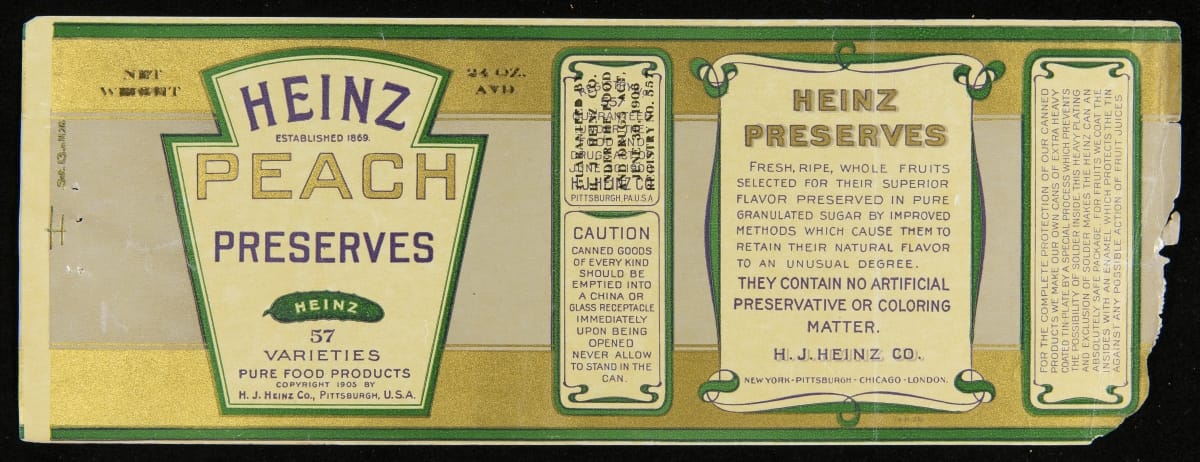
- Can Label, "Heinz Brand Peach Preserves," 1906-1910 - Manufacturers of similar products sought ways to make their companies' goods stand out on store shelves. Some companies established a uniform label design for their multi-product offerings -- a strategy which helped customers distinguish one brand over another. H.J. Heinz products were identified by the famous Heinz pickle and signature "keystone" logo. These design features are still found on Heinz products today.
- 1906-1910
- Collections - Artifact
Can Label, "Heinz Brand Peach Preserves," 1906-1910
Manufacturers of similar products sought ways to make their companies' goods stand out on store shelves. Some companies established a uniform label design for their multi-product offerings -- a strategy which helped customers distinguish one brand over another. H.J. Heinz products were identified by the famous Heinz pickle and signature "keystone" logo. These design features are still found on Heinz products today.
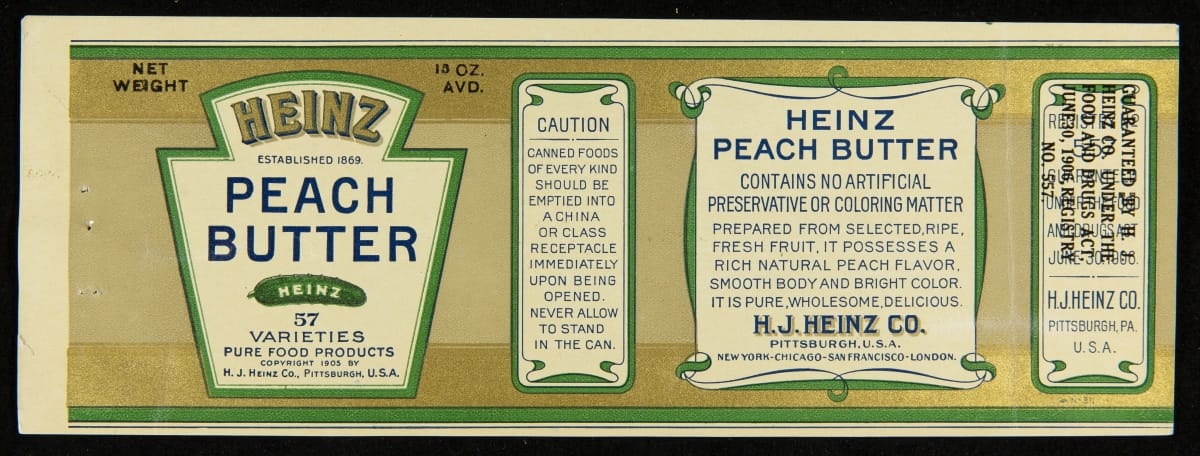
- Can Label, "Heinz Brand Peach Butter," June 30, 1906 - Manufacturers of similar products sought ways to make their companies' goods stand out on store shelves. Some companies established a uniform label design for their multi-product offerings -- a strategy which helped customers distinguish one brand over another. H.J. Heinz products were identified by the famous Heinz pickle and signature "keystone" logo. These design features are still found on Heinz products today.
- June 30, 1906
- Collections - Artifact
Can Label, "Heinz Brand Peach Butter," June 30, 1906
Manufacturers of similar products sought ways to make their companies' goods stand out on store shelves. Some companies established a uniform label design for their multi-product offerings -- a strategy which helped customers distinguish one brand over another. H.J. Heinz products were identified by the famous Heinz pickle and signature "keystone" logo. These design features are still found on Heinz products today.
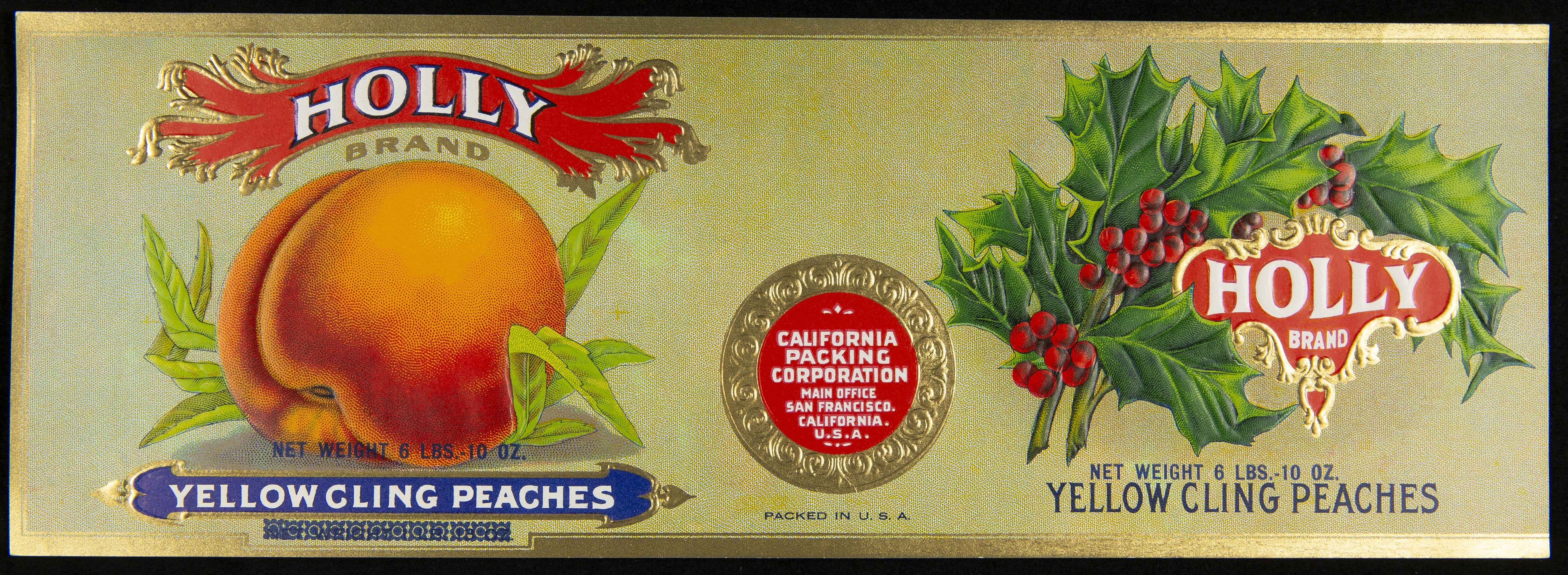
- Can Label, "Holly Brand Peaches," circa 1916 - Manufacturers of similar products sought ways to make their company's goods stand out on store shelves. Attractive labels, like this design for Holly Brand Peaches, helped catch the attention of potential customers - hopefully encouraging them to purchase the company's product rather than that of a competitor.
- circa 1916
- Collections - Artifact
Can Label, "Holly Brand Peaches," circa 1916
Manufacturers of similar products sought ways to make their company's goods stand out on store shelves. Attractive labels, like this design for Holly Brand Peaches, helped catch the attention of potential customers - hopefully encouraging them to purchase the company's product rather than that of a competitor.
- U.S. Plant Patent 291, for Luther Burbank Peach Tree, Granted to Elizabeth Waters Burbank, September 6, 1938 - Natural plant reproduction once seemed beyond human intervention, but in 1930, the U.S. Patent and Trademark Office began recognizing the work of horticulturalists by awarding patents for new or improved plant varieties. Luther Burbank, the prolific American plant breeder, died in 1926, but his life's work helped justify plant patents. Burbank ultimately received 16 patents, awarded posthumously to his widow.
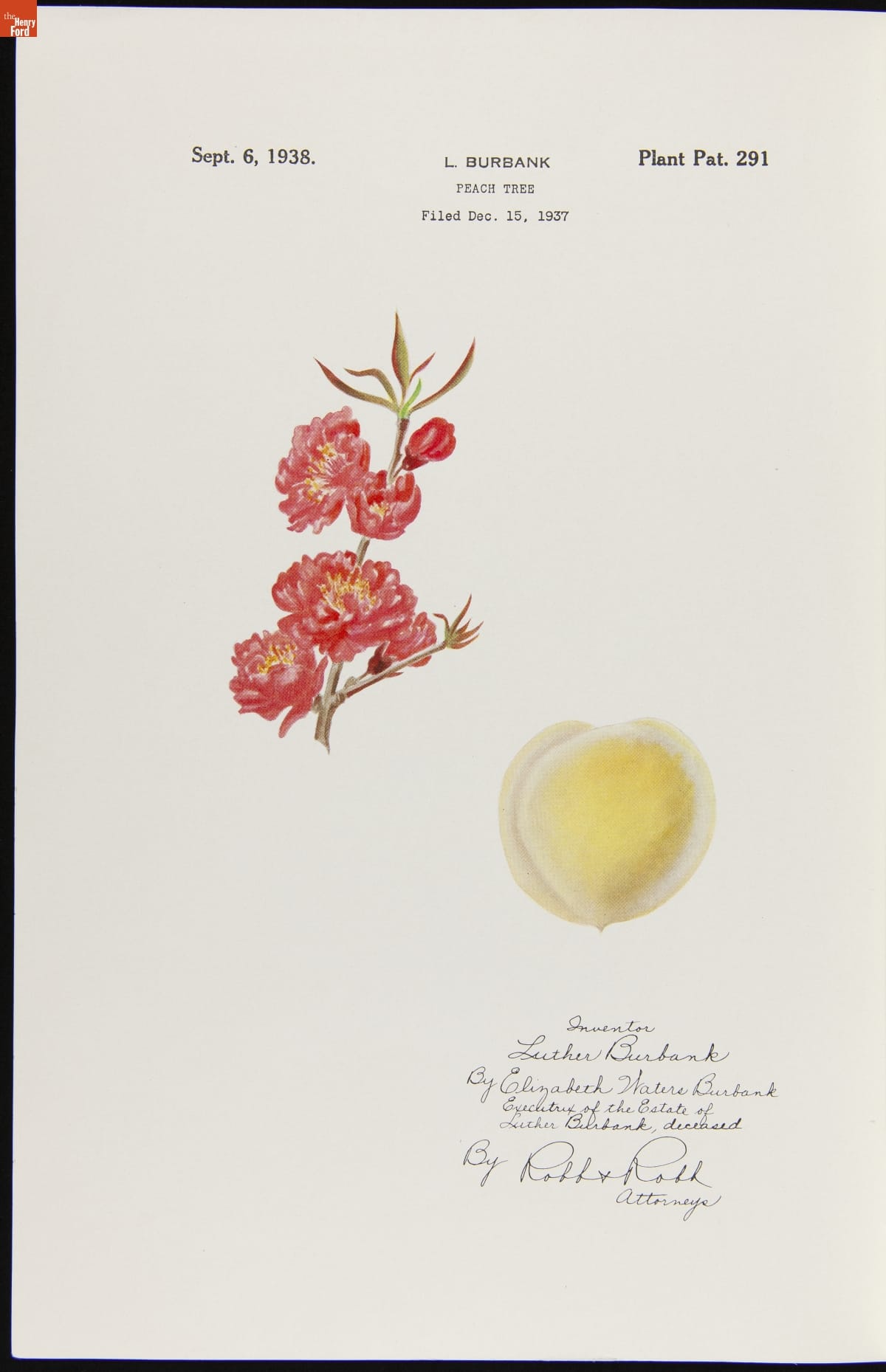
- September 06, 1938
- Collections - Artifact
U.S. Plant Patent 291, for Luther Burbank Peach Tree, Granted to Elizabeth Waters Burbank, September 6, 1938
Natural plant reproduction once seemed beyond human intervention, but in 1930, the U.S. Patent and Trademark Office began recognizing the work of horticulturalists by awarding patents for new or improved plant varieties. Luther Burbank, the prolific American plant breeder, died in 1926, but his life's work helped justify plant patents. Burbank ultimately received 16 patents, awarded posthumously to his widow.
- Fruit Picking Basket, circa 1920 -
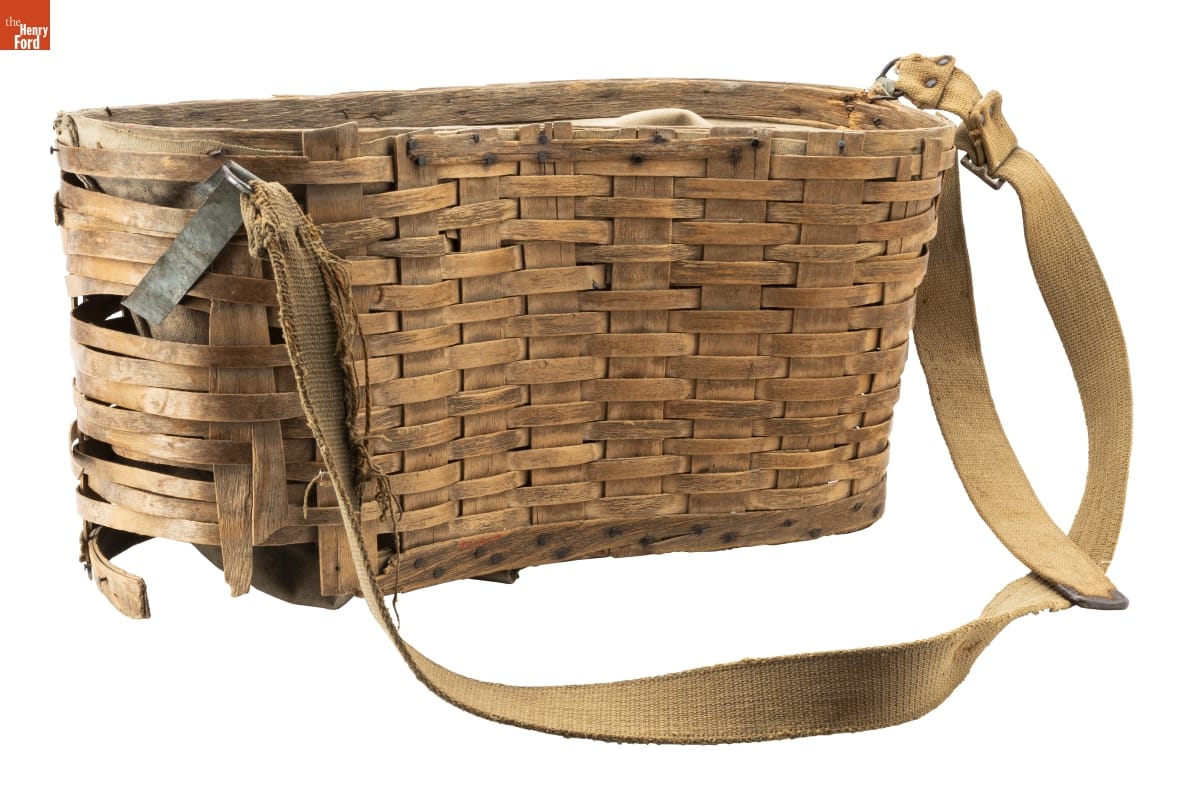
- circa 1920
- Collections - Artifact
Fruit Picking Basket, circa 1920