
Search
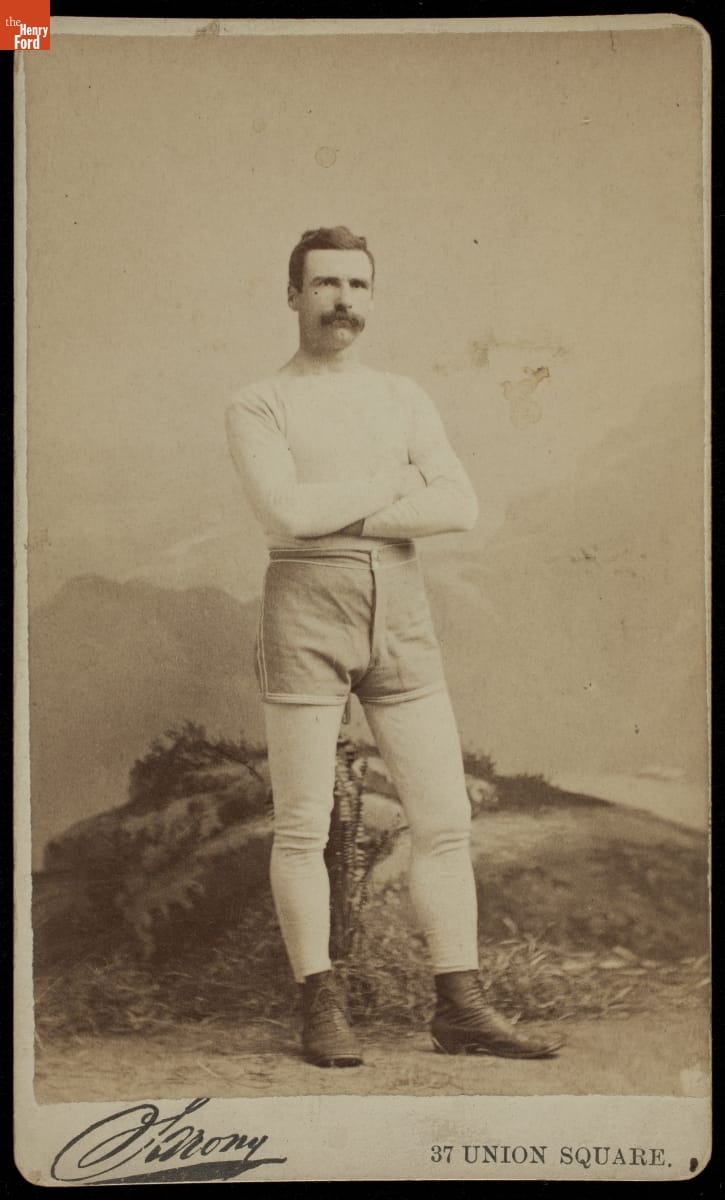
- Portrait of John Ennis, Long-Distance Competitive Walker, 1871-1885 - John Ennis was a well-known long-distance walker in the 1870s and 80s. Competitive walking at that time was a popular spectator sport. Fans crowded into arenas to watch athletes race around a track. Ennis competed in many six-day races and distance events; and his energy never waned. In 1910, at the age of 68, Ennis walked from New York to San Francisco.
- 1871-1885
- Collections - Artifact
Portrait of John Ennis, Long-Distance Competitive Walker, 1871-1885
John Ennis was a well-known long-distance walker in the 1870s and 80s. Competitive walking at that time was a popular spectator sport. Fans crowded into arenas to watch athletes race around a track. Ennis competed in many six-day races and distance events; and his energy never waned. In 1910, at the age of 68, Ennis walked from New York to San Francisco.
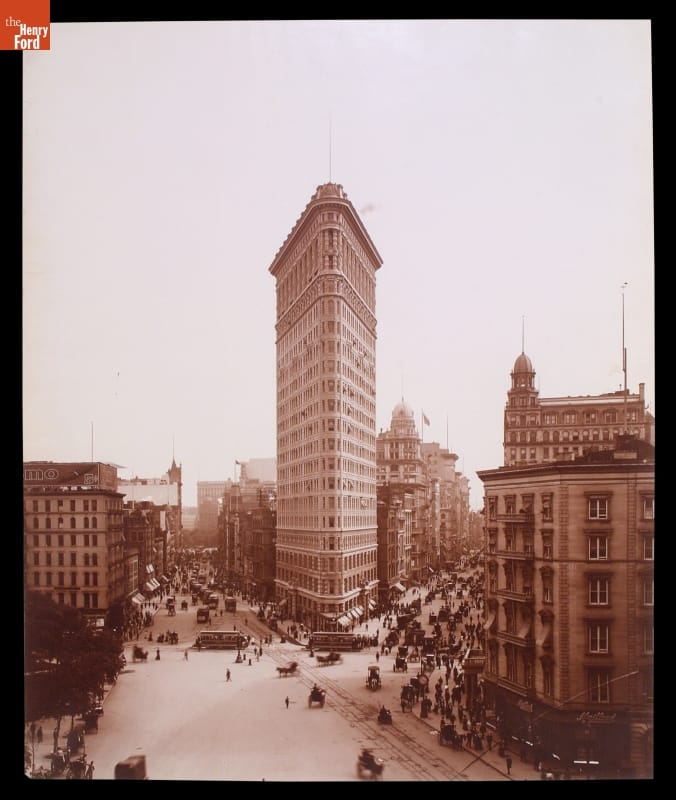
- Flat Iron Building, New York City, 1903 - From 1895 to 1924, the Detroit Publishing Company was one of the major image publishers in the world. The company's wide-ranging stock of original photographs documented life and landscapes from across the nation and around the globe. From the tens of thousands of negatives, the company created prints, postcards, lantern slides, panoramas, and other merchandise for sale to educators, businessmen, advertisers, homeowners and travelers.
- 1903
- Collections - Artifact
Flat Iron Building, New York City, 1903
From 1895 to 1924, the Detroit Publishing Company was one of the major image publishers in the world. The company's wide-ranging stock of original photographs documented life and landscapes from across the nation and around the globe. From the tens of thousands of negatives, the company created prints, postcards, lantern slides, panoramas, and other merchandise for sale to educators, businessmen, advertisers, homeowners and travelers.
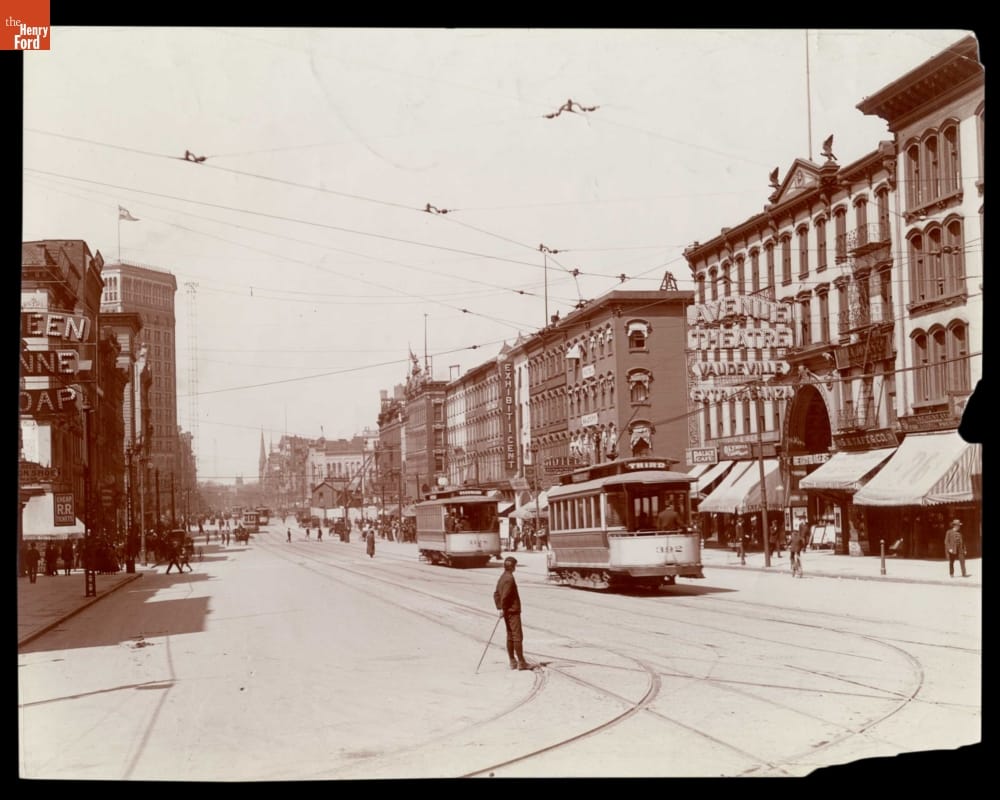
- Woodward Avenue, North from Jefferson Avenue, Detroit, Michigan, circa 1905 - From 1895 to 1924, the Detroit Publishing Company was one of the major image publishers in the world. The company's wide-ranging stock of original photographs documented life and landscapes from across the nation and around the globe. From the tens of thousands of negatives, the company created prints, postcards, lantern slides, panoramas, and other merchandise for sale to educators, businessmen, advertisers, homeowners and travelers.
- circa 1905
- Collections - Artifact
Woodward Avenue, North from Jefferson Avenue, Detroit, Michigan, circa 1905
From 1895 to 1924, the Detroit Publishing Company was one of the major image publishers in the world. The company's wide-ranging stock of original photographs documented life and landscapes from across the nation and around the globe. From the tens of thousands of negatives, the company created prints, postcards, lantern slides, panoramas, and other merchandise for sale to educators, businessmen, advertisers, homeowners and travelers.
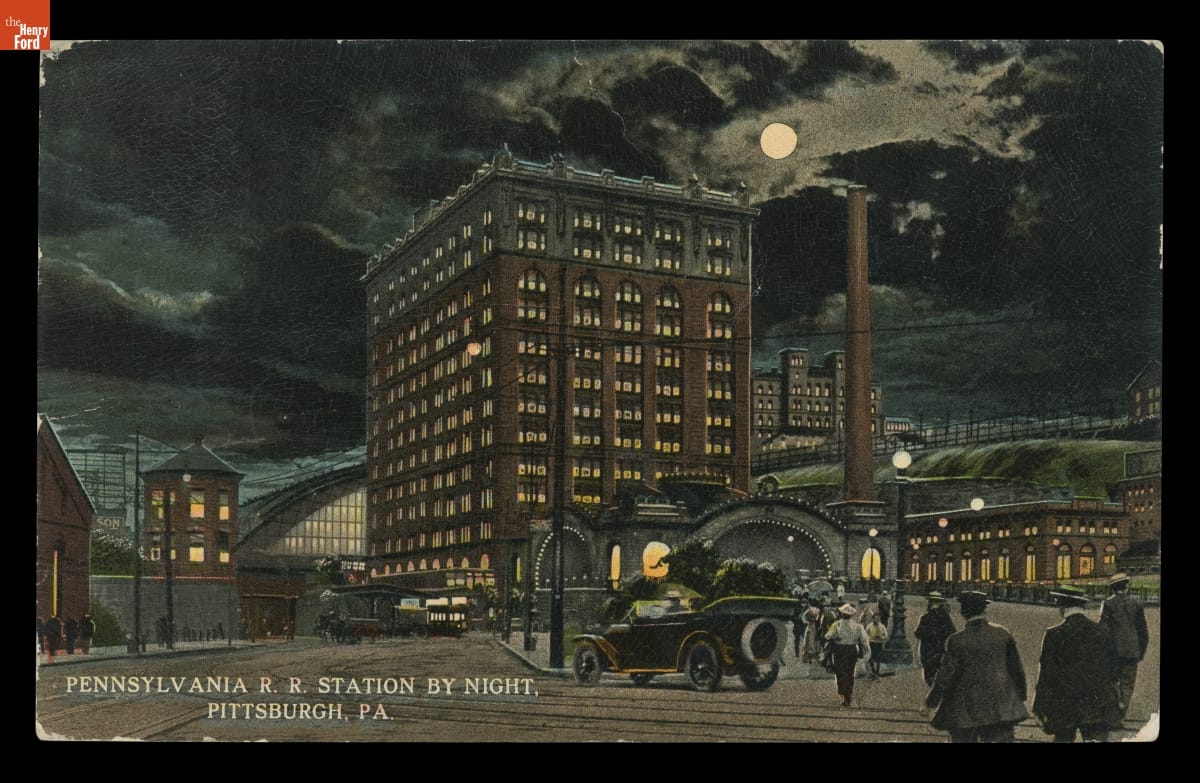
- "Pennsylvania R.R. Station By Night, Pittsburgh, PA," circa 1916 - Pittsburgh's Union Station, credited to Chicago architect Daniel Burnham, opened in 1901. Despite its name implying a union of multiple railroads, Union Station served only the Pennsylvania Railroad and its subsidiaries. Even so, at its peak the building handled hundreds of long-distance and commuter trains each day. Union Station was restored in 1988 and still hosts Amtrak passenger trains today.
- circa 1916
- Collections - Artifact
"Pennsylvania R.R. Station By Night, Pittsburgh, PA," circa 1916
Pittsburgh's Union Station, credited to Chicago architect Daniel Burnham, opened in 1901. Despite its name implying a union of multiple railroads, Union Station served only the Pennsylvania Railroad and its subsidiaries. Even so, at its peak the building handled hundreds of long-distance and commuter trains each day. Union Station was restored in 1988 and still hosts Amtrak passenger trains today.
- Old Market House, Mobile, Alabama, -
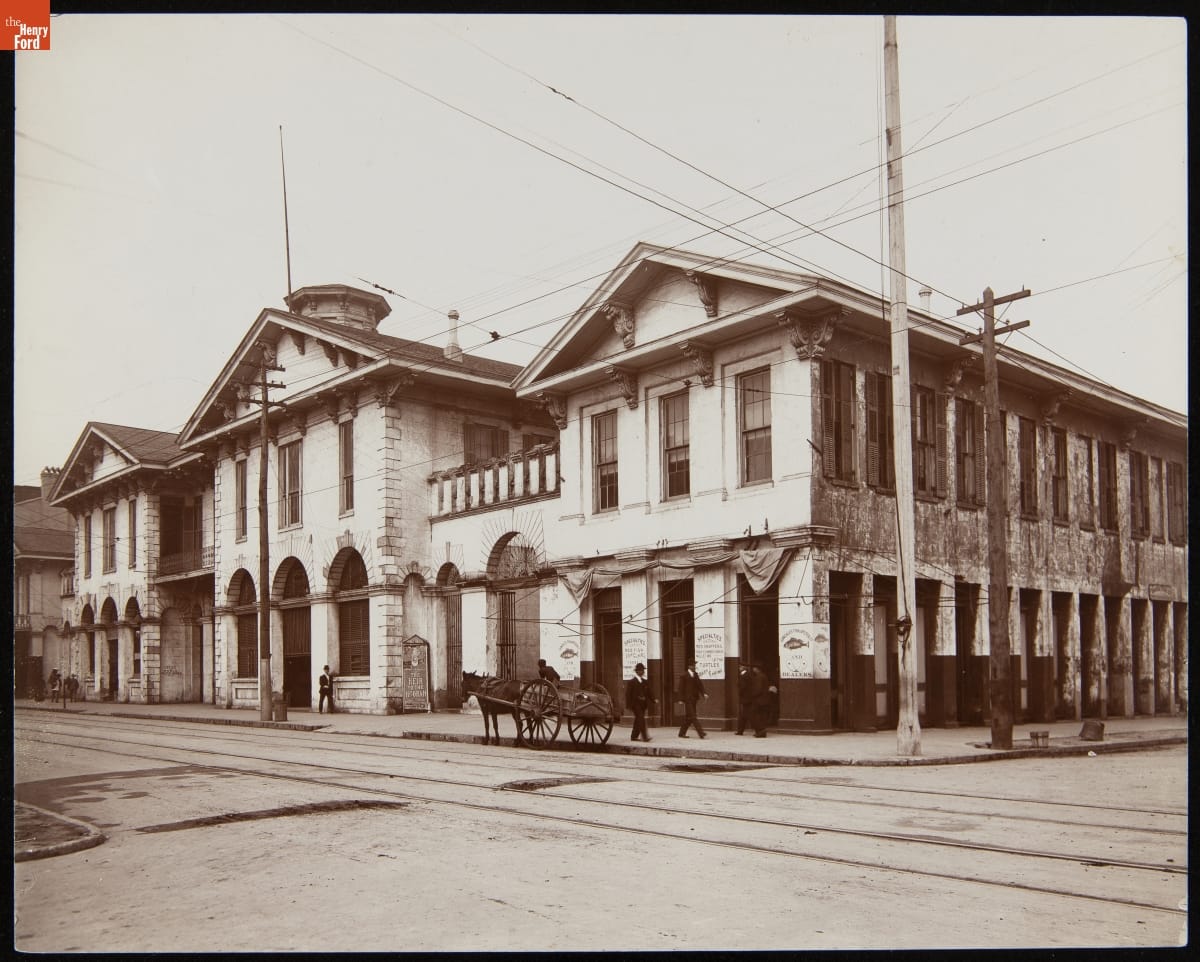
- circa 1906
- Collections - Artifact
Old Market House, Mobile, Alabama,
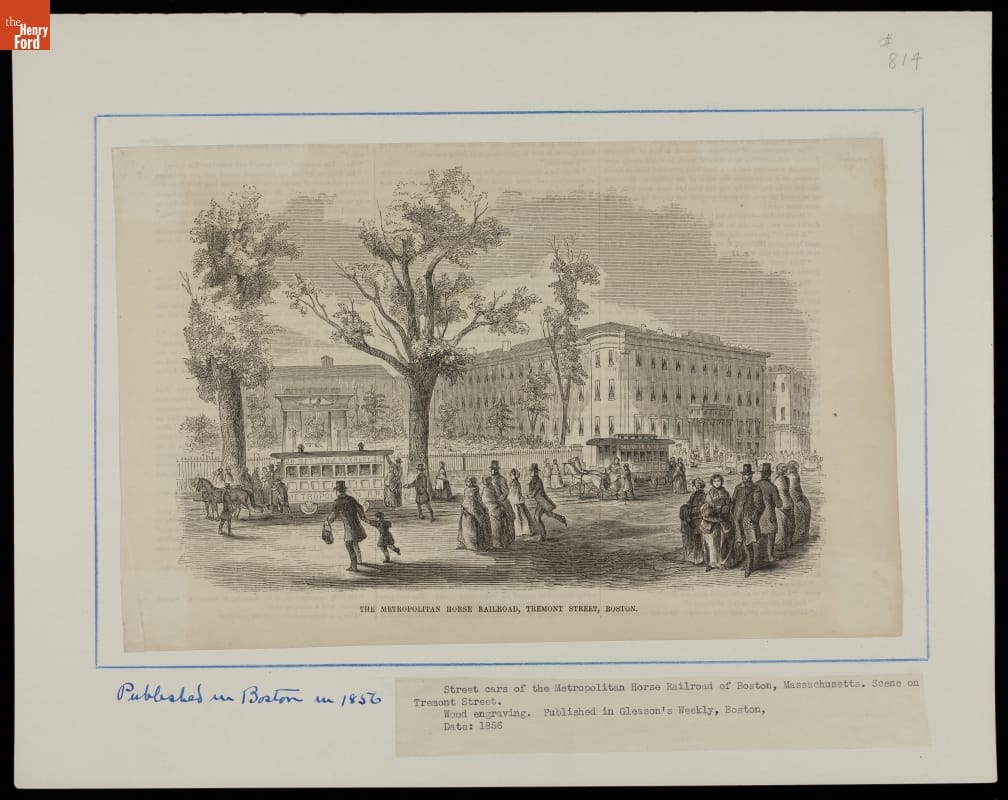
- "Metropolitan Horse Railroad, Tremont Street, Boston," 1856 - City people used streetcars to get to work, do errands, and enjoy leisure activities. But they had to travel on the streetcar's schedule rather than their own.
- 1856
- Collections - Artifact
"Metropolitan Horse Railroad, Tremont Street, Boston," 1856
City people used streetcars to get to work, do errands, and enjoy leisure activities. But they had to travel on the streetcar's schedule rather than their own.
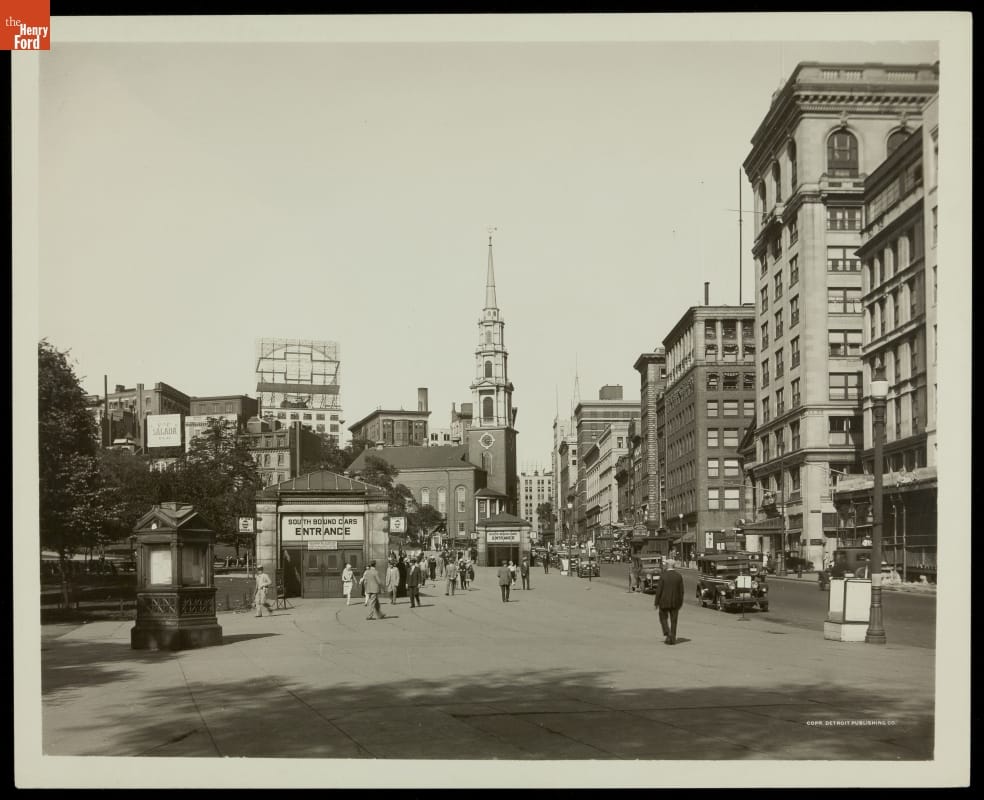
- Tremont Street Mall, Boston, Massachusetts, circa 1925 - As one of the world's major image publishers from 1895 to 1924, the Detroit Publishing Company had a wide-ranging stock of original photographs. This view of Boston's Tremont Street Mall centers on the steeple of Park Street Church. To the left is Boston Common, the oldest public park in the United States (dating from 1634).
- circa 1925
- Collections - Artifact
Tremont Street Mall, Boston, Massachusetts, circa 1925
As one of the world's major image publishers from 1895 to 1924, the Detroit Publishing Company had a wide-ranging stock of original photographs. This view of Boston's Tremont Street Mall centers on the steeple of Park Street Church. To the left is Boston Common, the oldest public park in the United States (dating from 1634).
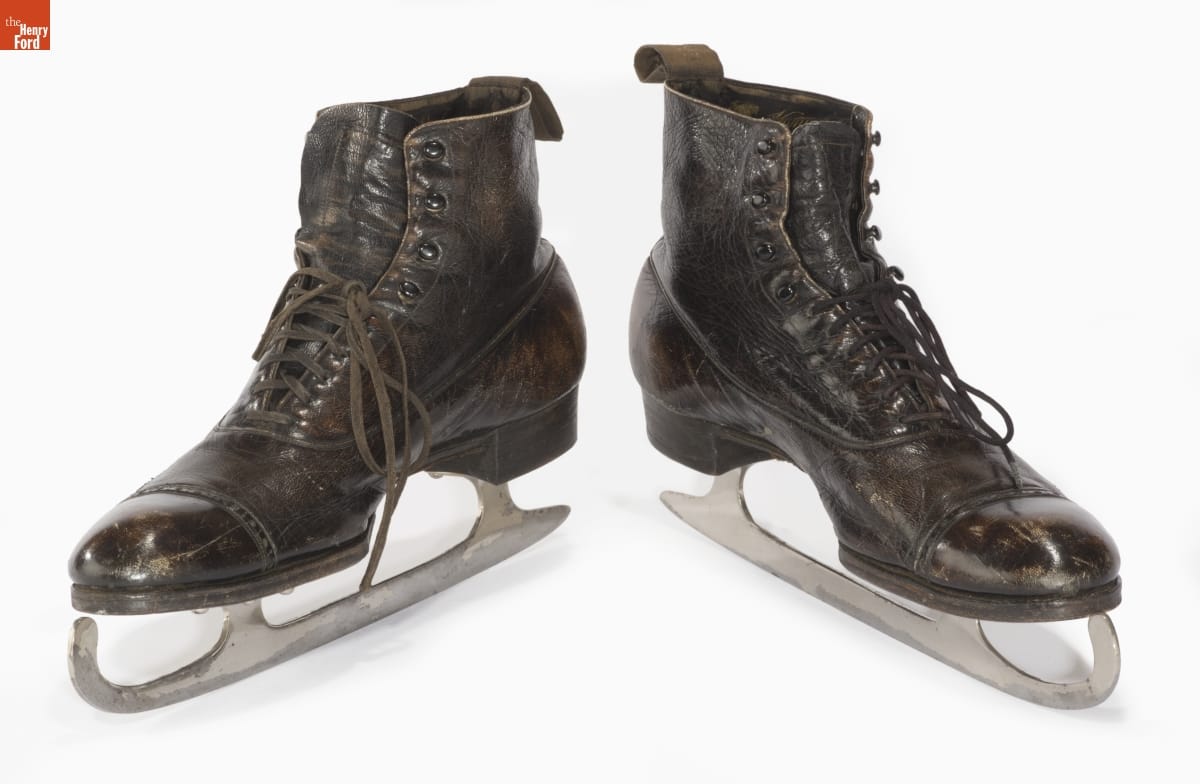
- Pair of Ice Skates Used by Henry Ford, 1920-1935 - Born in 1863, Henry Ford grew up during a time when ice skating was particularly popular. Ford wore these boot skates in the 1920s and 1930s while skating on a frozen pond on his Fair Lane property. He even built a log skating house to warm up in during breaks from skating.
- 1920-1935
- Collections - Artifact
Pair of Ice Skates Used by Henry Ford, 1920-1935
Born in 1863, Henry Ford grew up during a time when ice skating was particularly popular. Ford wore these boot skates in the 1920s and 1930s while skating on a frozen pond on his Fair Lane property. He even built a log skating house to warm up in during breaks from skating.
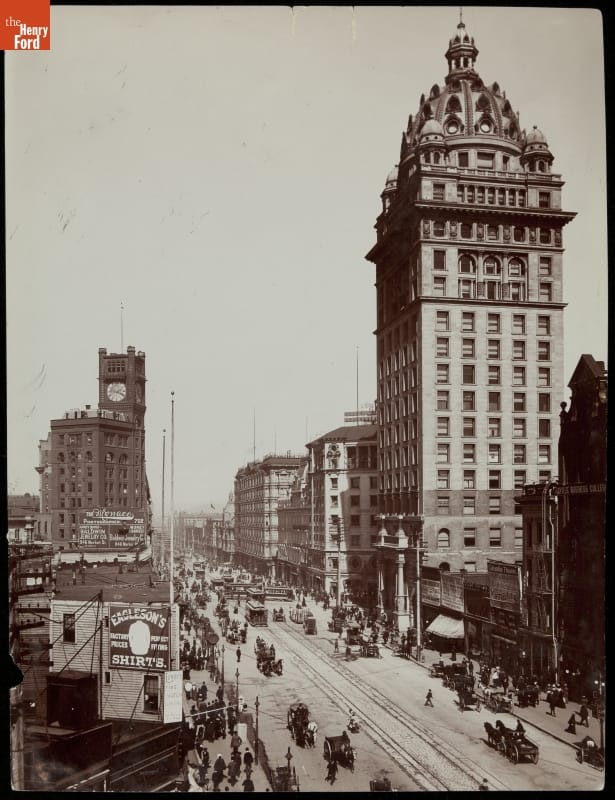
- Street Scene, San Francisco, California, circa 1900 - From 1895 to 1924, the Detroit Publishing Company was one of the major image publishers in the world. The company had a wide-ranging stock of original photographs, including this image of the busy Third and Market Street intersection in San Francisco. The tall, ornate building at left is the Call Building, home of the <EM>San Francisco Call</EM> newspaper.
- circa 1900
- Collections - Artifact
Street Scene, San Francisco, California, circa 1900
From 1895 to 1924, the Detroit Publishing Company was one of the major image publishers in the world. The company had a wide-ranging stock of original photographs, including this image of the busy Third and Market Street intersection in San Francisco. The tall, ornate building at left is the Call Building, home of the San Francisco Call newspaper.
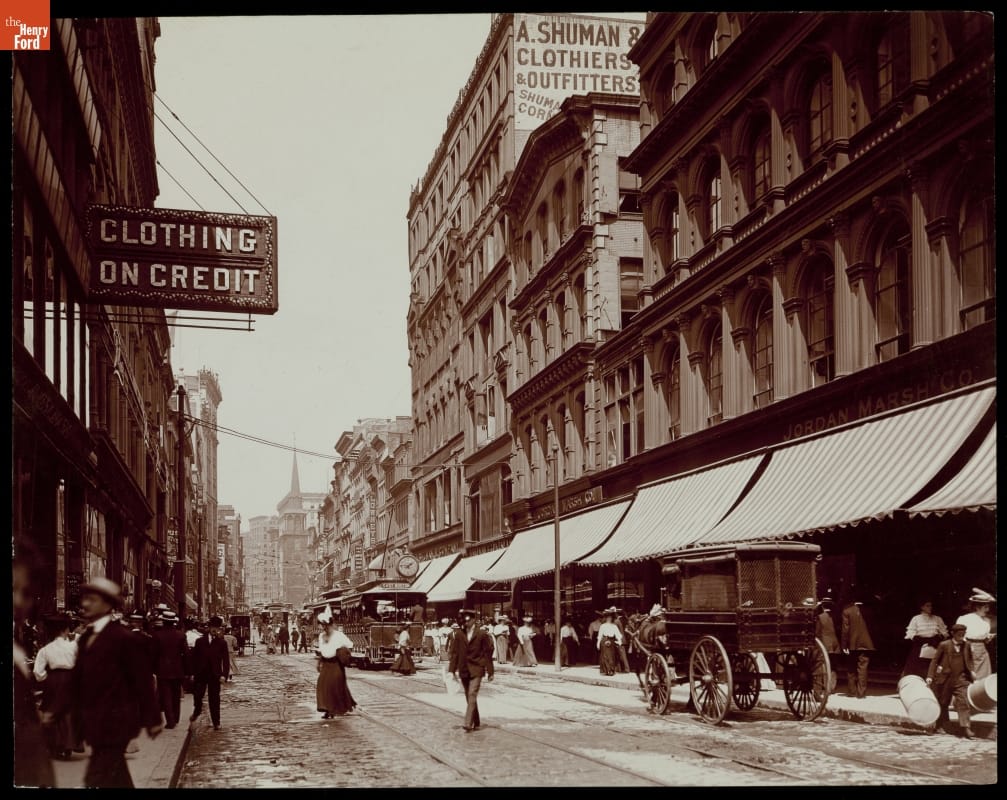
- Washington Street, North from Temple Place, Boston, Massachusetts, circa 1905 - From 1895 to 1924, the Detroit Publishing Company was one of the major image publishers in the world. The company had a wide-ranging stock of original photographs, including many scenes from across North America. This street view shows streetcars, horse-drawn vehicles, and pedestrians along Washington Street in Boston, Massachusetts.
- circa 1905
- Collections - Artifact
Washington Street, North from Temple Place, Boston, Massachusetts, circa 1905
From 1895 to 1924, the Detroit Publishing Company was one of the major image publishers in the world. The company had a wide-ranging stock of original photographs, including many scenes from across North America. This street view shows streetcars, horse-drawn vehicles, and pedestrians along Washington Street in Boston, Massachusetts.