
Search
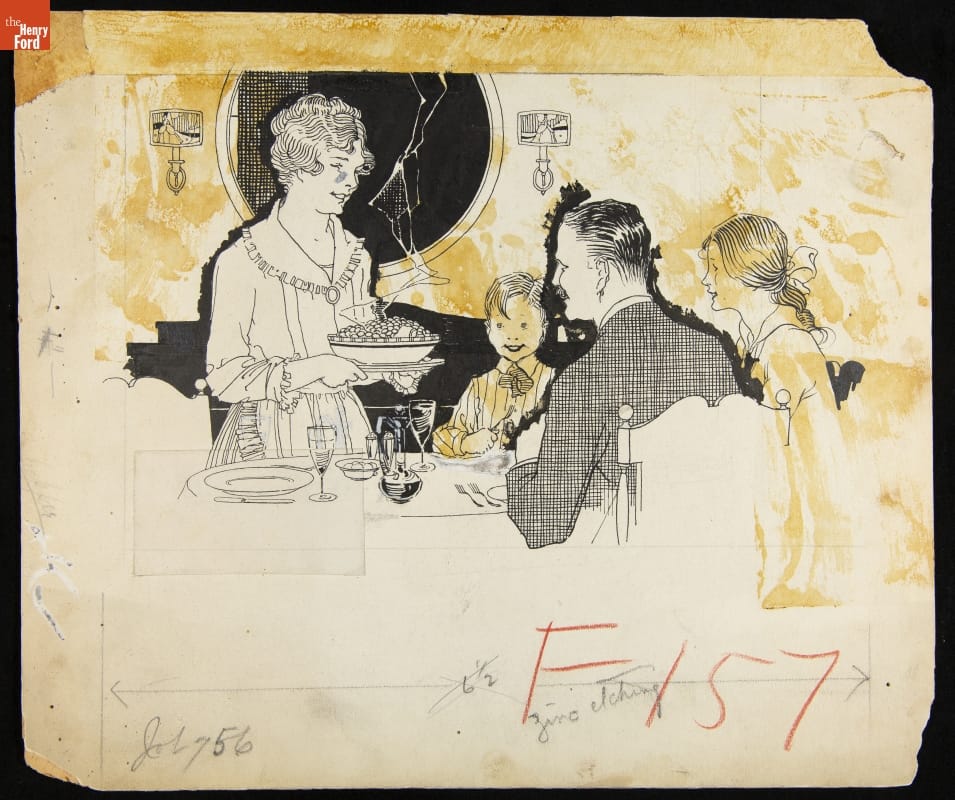
- Drawing of a Woman Serving Heinz Baked Beans to Her Family, circa 1920 - The H.J. Heinz Company employed ambitious and comprehensive advertising strategies to meet consumers at home, in stores, and everywhere in between. Product marketing strongly targeted housewives and women, assuring them that Heinz products were superior. These advertisements, like the one seen here, typically featured a woman purchasing, preparing, cooking, or serving Heinz products to their families.
- circa 1920
- Collections - Artifact
Drawing of a Woman Serving Heinz Baked Beans to Her Family, circa 1920
The H.J. Heinz Company employed ambitious and comprehensive advertising strategies to meet consumers at home, in stores, and everywhere in between. Product marketing strongly targeted housewives and women, assuring them that Heinz products were superior. These advertisements, like the one seen here, typically featured a woman purchasing, preparing, cooking, or serving Heinz products to their families.
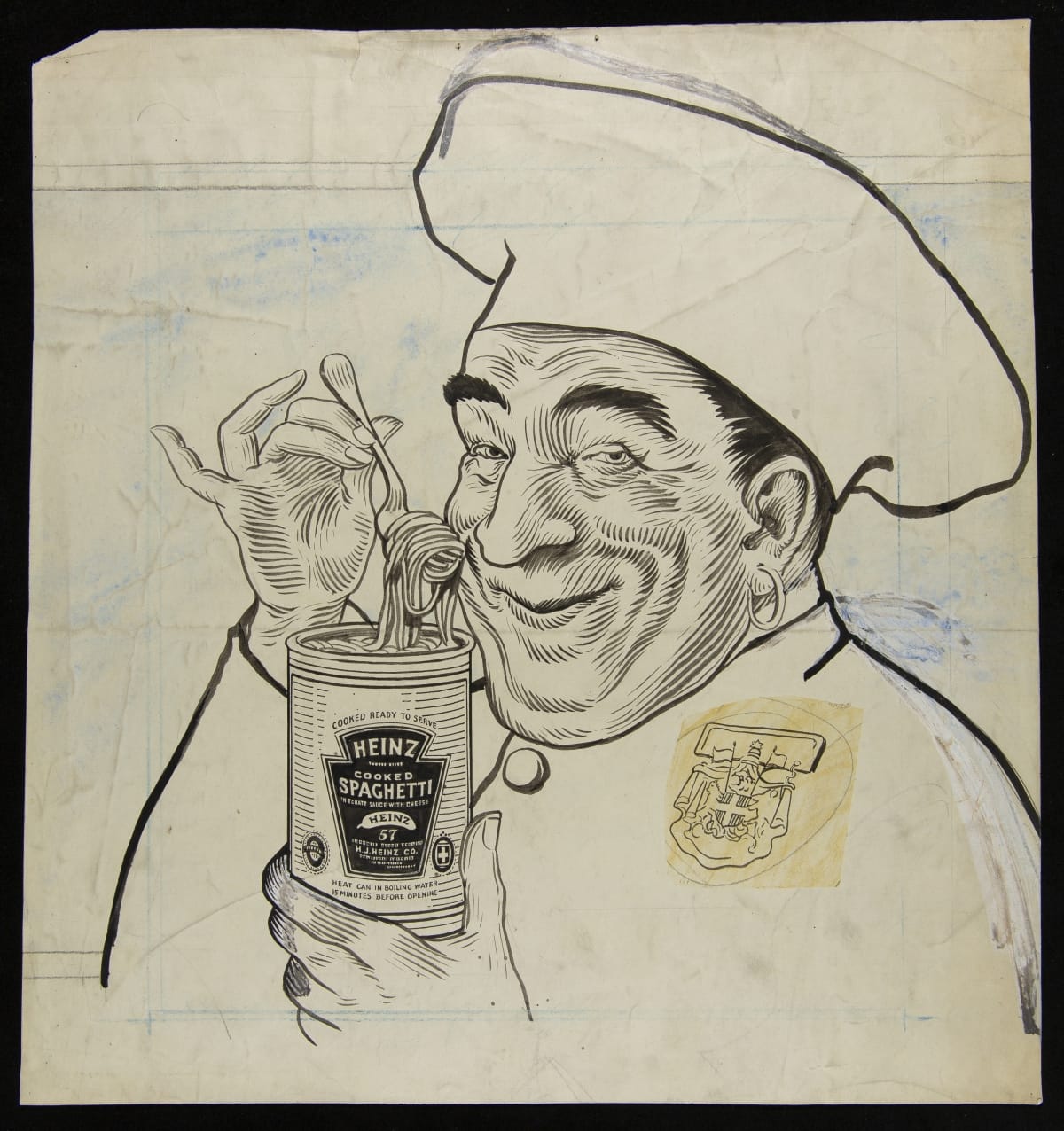
- Advertising Layout Showing Chef with Heinz Cooked Spaghetti, circa 1925 - The H.J. Heinz Company employed ambitious and comprehensive advertising strategies to meet consumers at home, in stores, and everywhere in between. Advertising layouts were a step in the marketing process where the drawing, size, color, and arrangement were taken into consideration before the final advertisement was created. This layout shows a Heinz advertisement for its heat-to-serve spaghetti.
- circa 1925
- Collections - Artifact
Advertising Layout Showing Chef with Heinz Cooked Spaghetti, circa 1925
The H.J. Heinz Company employed ambitious and comprehensive advertising strategies to meet consumers at home, in stores, and everywhere in between. Advertising layouts were a step in the marketing process where the drawing, size, color, and arrangement were taken into consideration before the final advertisement was created. This layout shows a Heinz advertisement for its heat-to-serve spaghetti.
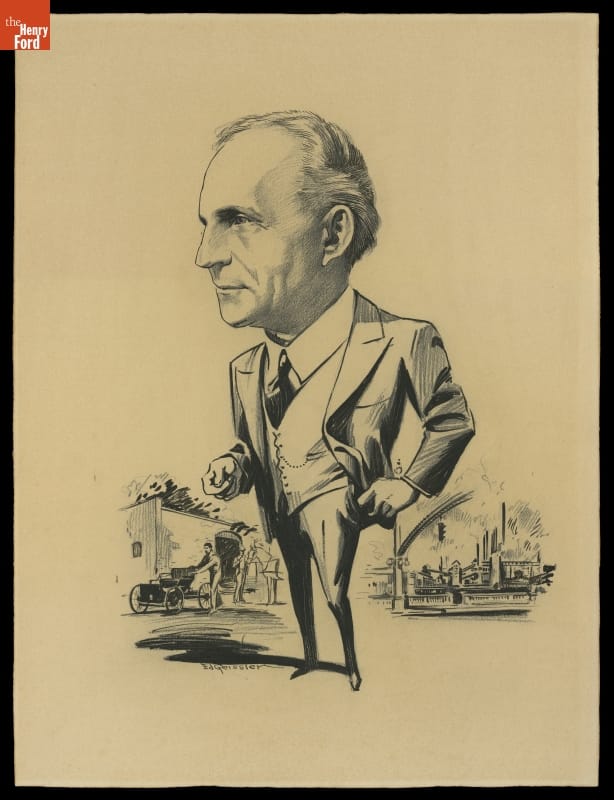
- Caricature Drawing of Henry Ford, circa 1935 - Artist Ed Geissler created this caricature of Henry Ford around 1935. It has the auto magnate flanked by two important locations. At left is the shed on Bagley Avenue in Detroit -- where Ford built his original Quadricycle in 1896. At right is the Rouge factory complex in Dearborn -- the heart of Ford Motor Company's operations in the mid-1930s.
- Collections - Artifact
Caricature Drawing of Henry Ford, circa 1935
Artist Ed Geissler created this caricature of Henry Ford around 1935. It has the auto magnate flanked by two important locations. At left is the shed on Bagley Avenue in Detroit -- where Ford built his original Quadricycle in 1896. At right is the Rouge factory complex in Dearborn -- the heart of Ford Motor Company's operations in the mid-1930s.
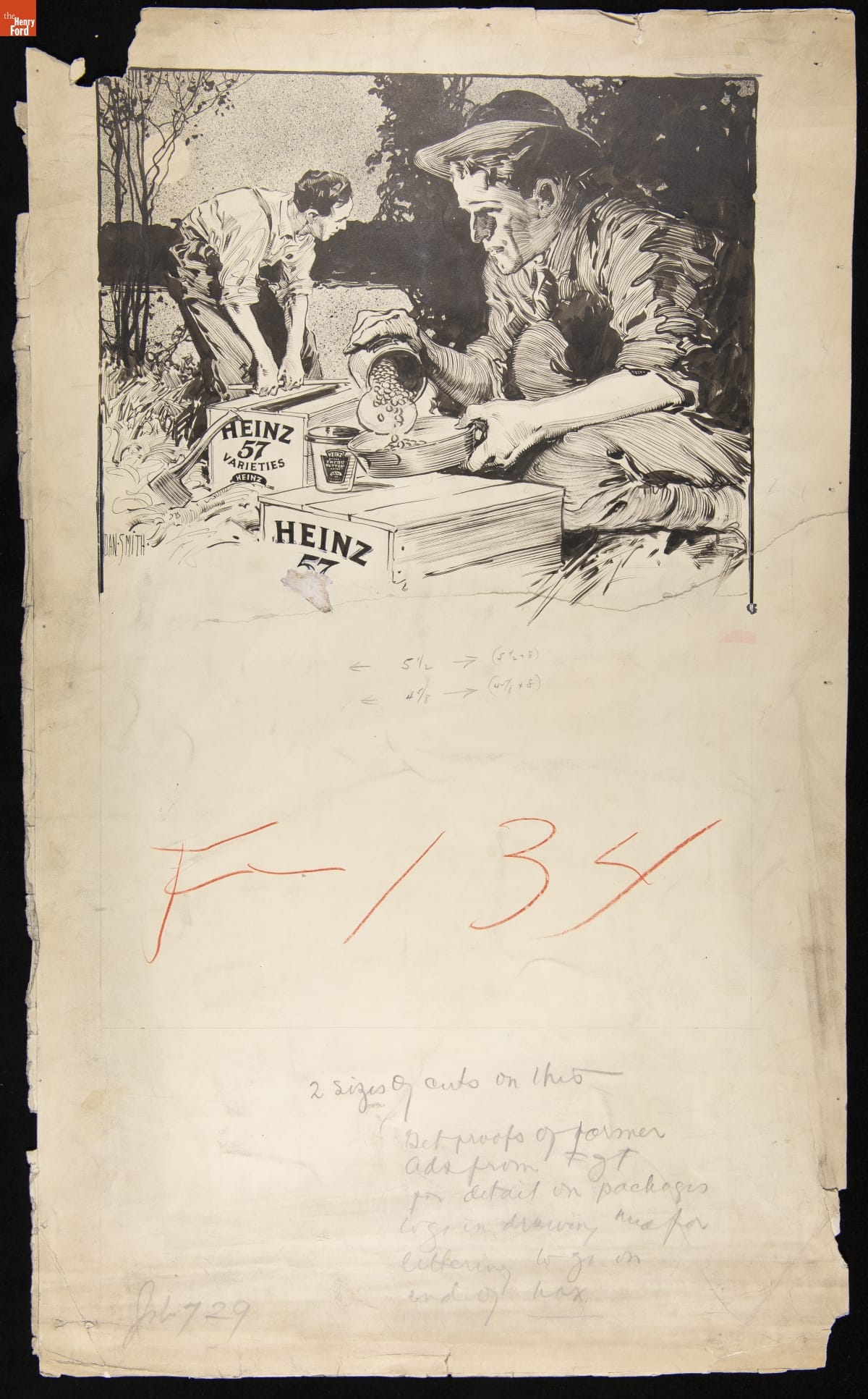
- Advertising Layout Illustration of Campers Preparing to Eat Heinz Products, circa 1925 - The H.J. Heinz Company employed ambitious and comprehensive advertising strategies to meet consumers at home, in stores, and everywhere in between. Some product marketing included showing that Heinz products were suitable for any occasion, event, or outing. This advertising layout shows campers eating Heinz products.
- circa 1925
- Collections - Artifact
Advertising Layout Illustration of Campers Preparing to Eat Heinz Products, circa 1925
The H.J. Heinz Company employed ambitious and comprehensive advertising strategies to meet consumers at home, in stores, and everywhere in between. Some product marketing included showing that Heinz products were suitable for any occasion, event, or outing. This advertising layout shows campers eating Heinz products.
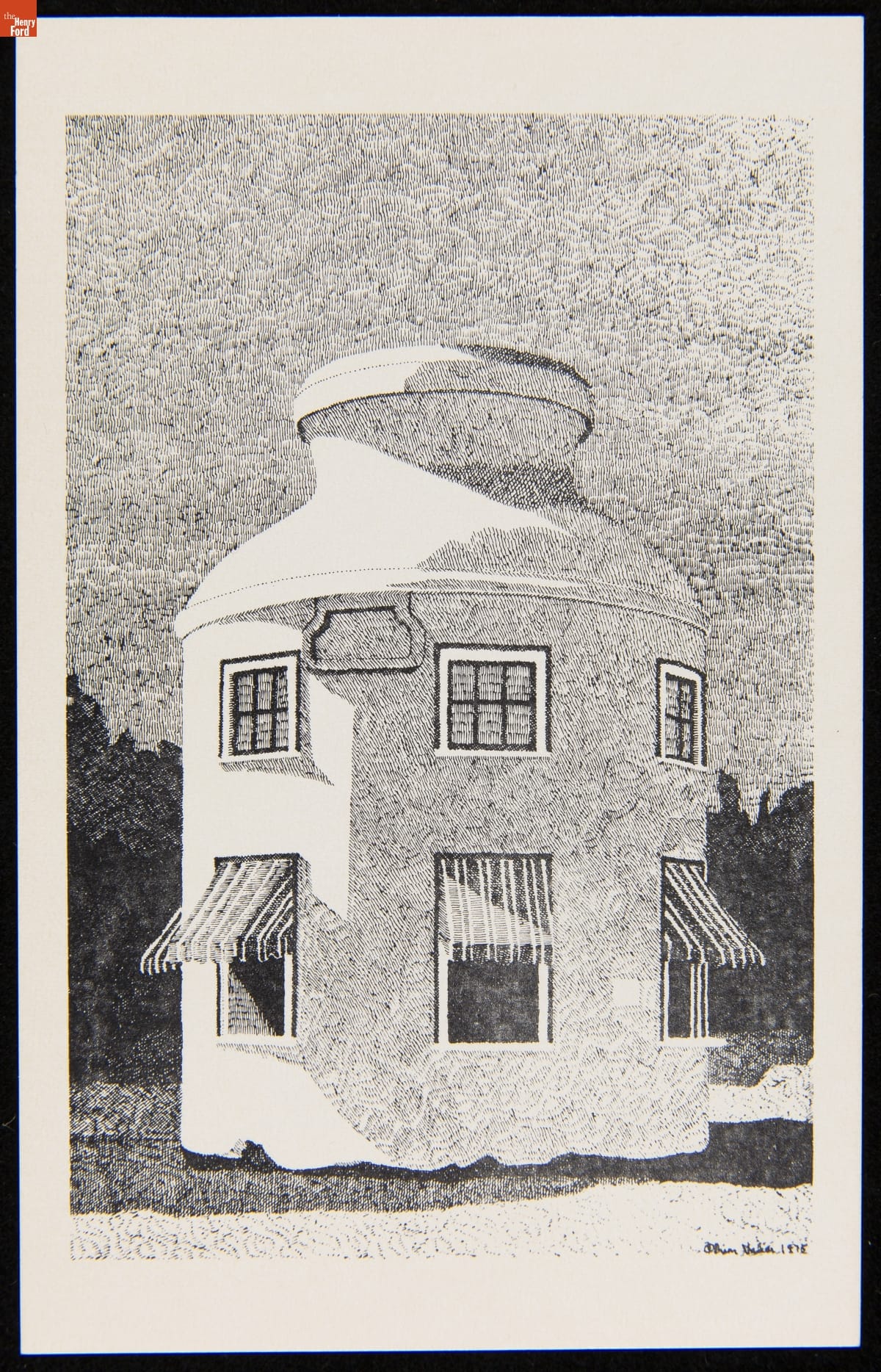
- "Milk Can," 1975 -
- 1975
- Collections - Artifact
"Milk Can," 1975
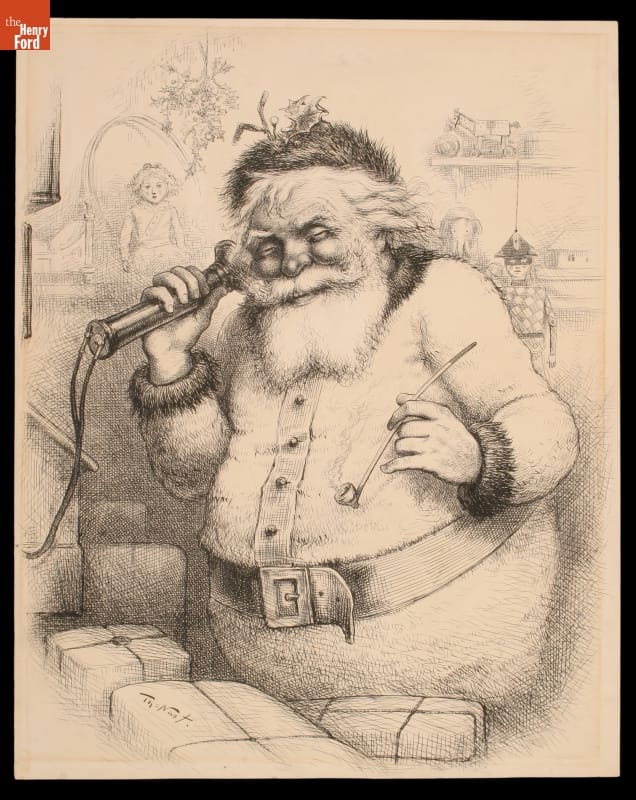
- Pen and Ink Drawing by Thomas Nast, circa 1885, Santa Claus Telephoning - Thomas Nast is best known for the creation of our modern image of Santa Claus. Nast's late 19th-century illustrations popularized the depiction of a rotund, bearded, fur-clad Santa in Americans' imaginations. His drawings not only defined Santa's appearance, but also enhanced other symbols, traditions and events now associated with Christmas and the holiday's jolly old elf.
- circa 1885
- Collections - Artifact
Pen and Ink Drawing by Thomas Nast, circa 1885, Santa Claus Telephoning
Thomas Nast is best known for the creation of our modern image of Santa Claus. Nast's late 19th-century illustrations popularized the depiction of a rotund, bearded, fur-clad Santa in Americans' imaginations. His drawings not only defined Santa's appearance, but also enhanced other symbols, traditions and events now associated with Christmas and the holiday's jolly old elf.
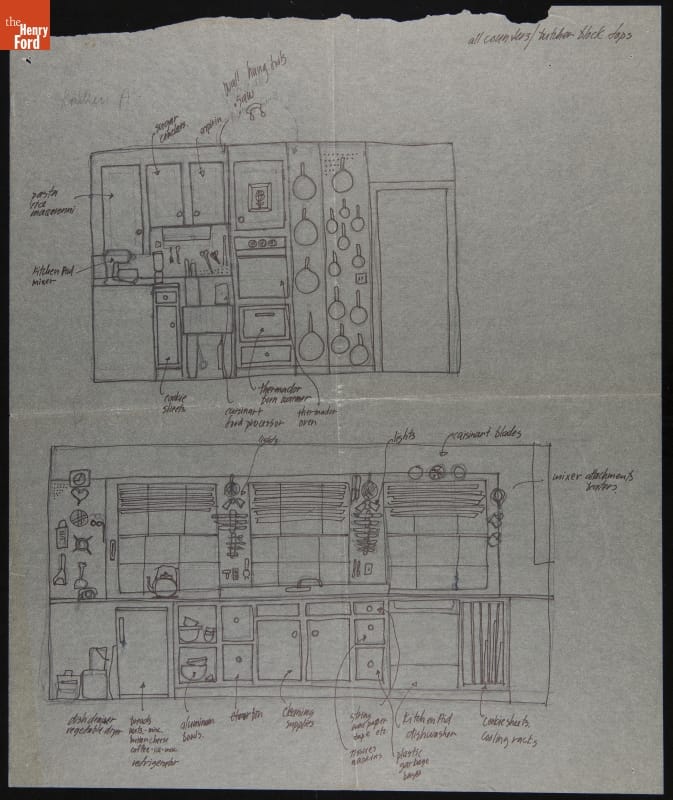
- Ink and Pencil Sketch by Jean Beirise of a Wall in Julia Child's Kitchen, 1977 - In 1977, "Julia's Kitchen: A Design Anatomy" was published as the first in a series of "design anatomies" by <em>Design Quarterly</em>. In this issue, designer Bill Stumpf and his team examined how Julia Child -- a chef well-versed in the functions of a kitchen -- designed her own kitchen. Numerous sketches and photographs, as well as hours of interviews with Paul and Julia Child, informed the issue.
- 1977
- Collections - Artifact
Ink and Pencil Sketch by Jean Beirise of a Wall in Julia Child's Kitchen, 1977
In 1977, "Julia's Kitchen: A Design Anatomy" was published as the first in a series of "design anatomies" by Design Quarterly. In this issue, designer Bill Stumpf and his team examined how Julia Child -- a chef well-versed in the functions of a kitchen -- designed her own kitchen. Numerous sketches and photographs, as well as hours of interviews with Paul and Julia Child, informed the issue.
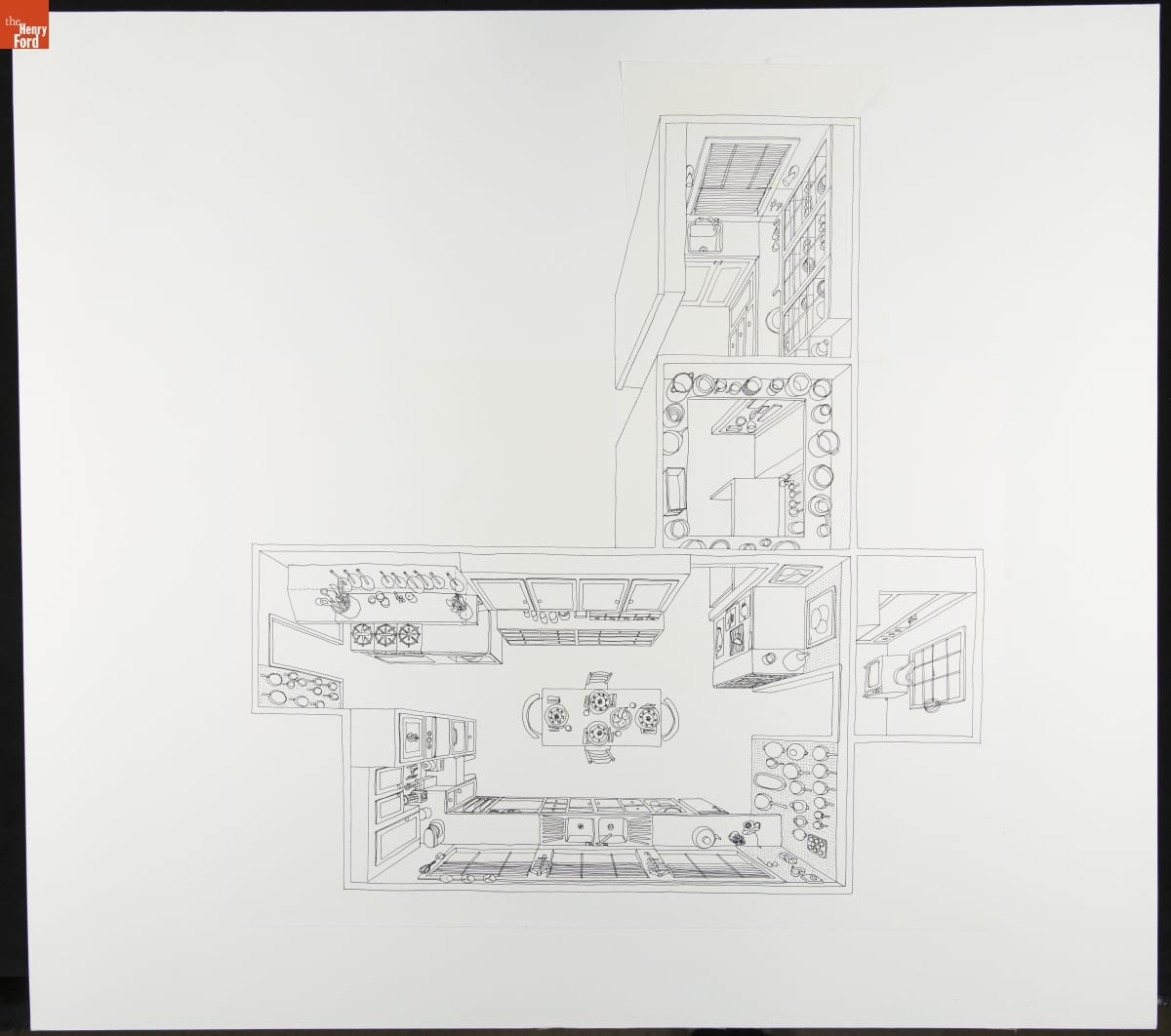
- Overhead View of Julia Child's Kitchen, Pen Drawing by Jean Beirise, 1977 - In 1977, "Julia's Kitchen: A Design Anatomy" was published as the first in a series of "design anatomies" by <em>Design Quarterly</em>. In this issue, designer Bill Stumpf and his team examined how Julia Child -- a chef well-versed in the functions of a kitchen -- designed her own kitchen. Numerous sketches and photographs, as well as hours of interviews with Paul and Julia Child, informed the issue.
- 1977
- Collections - Artifact
Overhead View of Julia Child's Kitchen, Pen Drawing by Jean Beirise, 1977
In 1977, "Julia's Kitchen: A Design Anatomy" was published as the first in a series of "design anatomies" by Design Quarterly. In this issue, designer Bill Stumpf and his team examined how Julia Child -- a chef well-versed in the functions of a kitchen -- designed her own kitchen. Numerous sketches and photographs, as well as hours of interviews with Paul and Julia Child, informed the issue.
- "Mindy's Diner," 1974 -
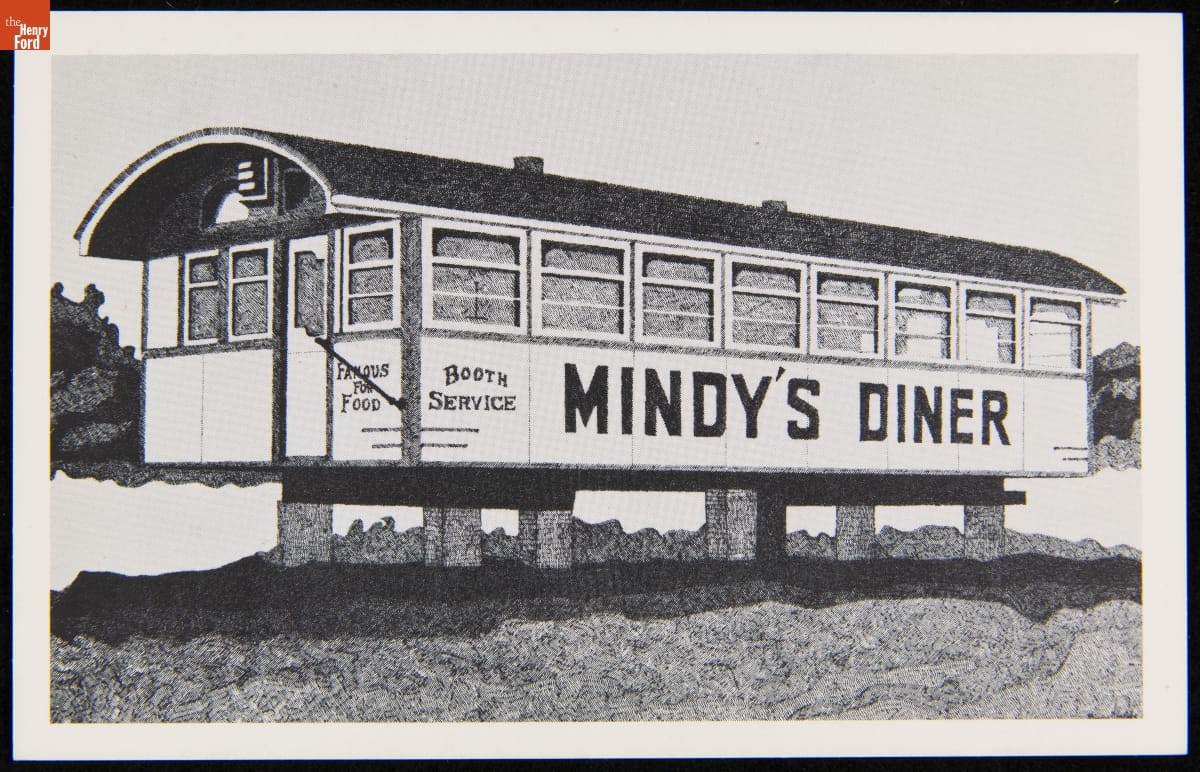
- March 01, 1975
- Collections - Artifact
"Mindy's Diner," 1974
- Design of a Memorial for H. J. Heinz, circa 1919 - The H.J. Heinz Company had humble beginnings in 1869 and has since become one of the most recognized names in the food industry today. This artifact, from the H.J. Heinz Company Collection, is one from The Henry Ford's sizeable collection of material dedicated to telling the company's history of innovative business practices and marketing techniques.
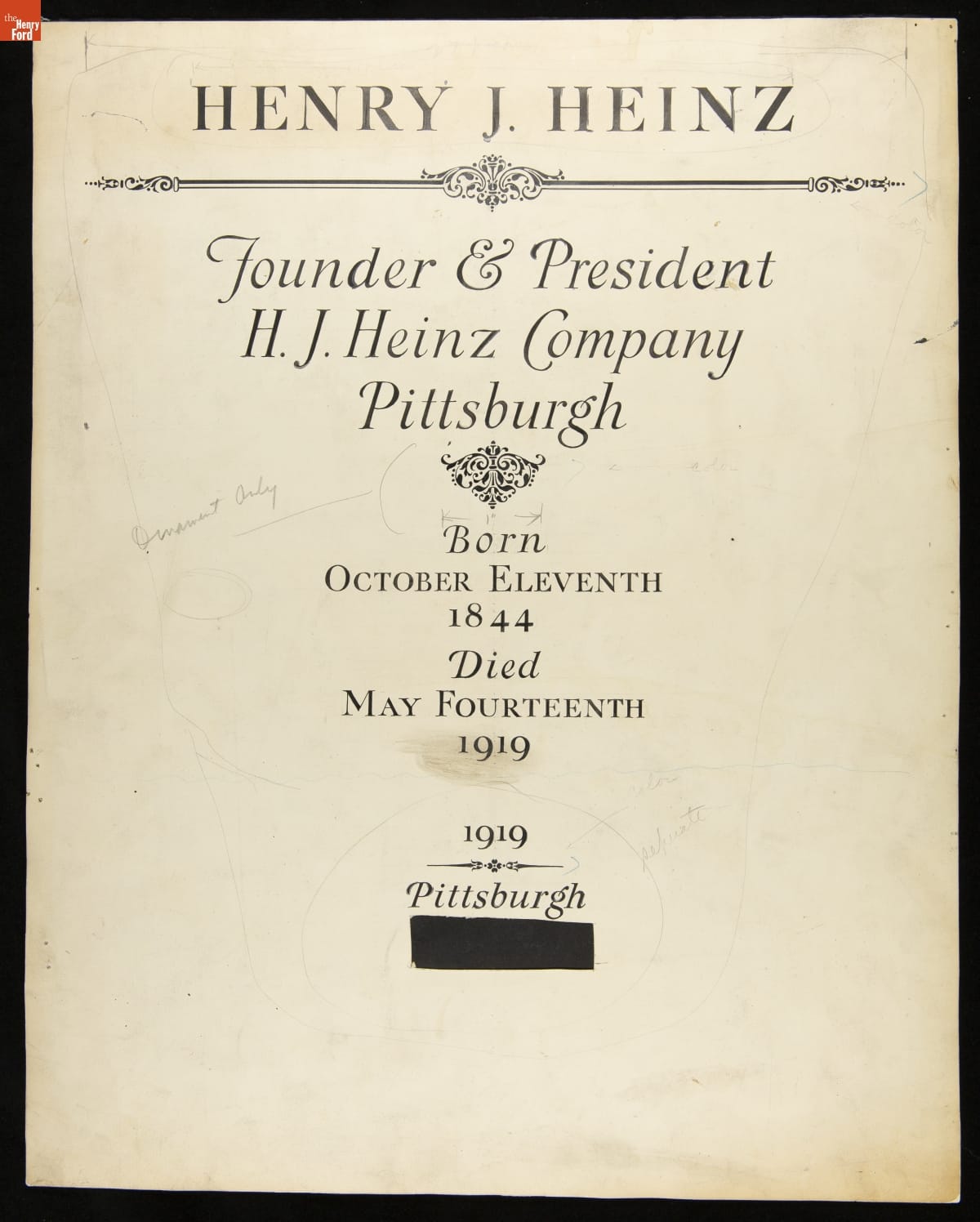
- 11 October 1844 - 14 May 1919
- Collections - Artifact
Design of a Memorial for H. J. Heinz, circa 1919
The H.J. Heinz Company had humble beginnings in 1869 and has since become one of the most recognized names in the food industry today. This artifact, from the H.J. Heinz Company Collection, is one from The Henry Ford's sizeable collection of material dedicated to telling the company's history of innovative business practices and marketing techniques.