
Search
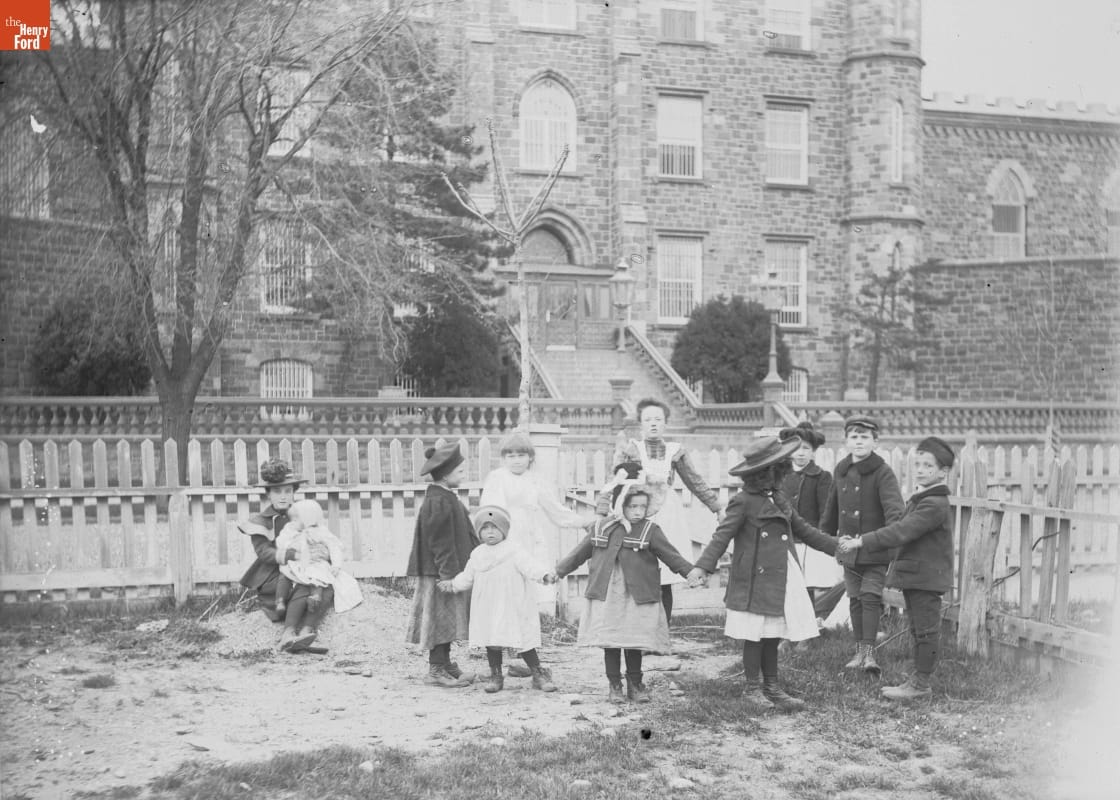
- Penitentiary, Children on Hill, 1890-1915 - In 1890, Jenny Young Chandler, 25 years old and recently widowed, began working for the <EM>New York Herald</EM>. As a photojournalist and feature writer, Chandler captured life in Brooklyn, New York, and vicinity. By 1922, the time of her death, she had produced over 800 glass plate negatives. Her sensitive, insightful photographs depict people from all walks of life and the world in which they lived.
- 1890-1915
- Collections - Artifact
Penitentiary, Children on Hill, 1890-1915
In 1890, Jenny Young Chandler, 25 years old and recently widowed, began working for the New York Herald. As a photojournalist and feature writer, Chandler captured life in Brooklyn, New York, and vicinity. By 1922, the time of her death, she had produced over 800 glass plate negatives. Her sensitive, insightful photographs depict people from all walks of life and the world in which they lived.
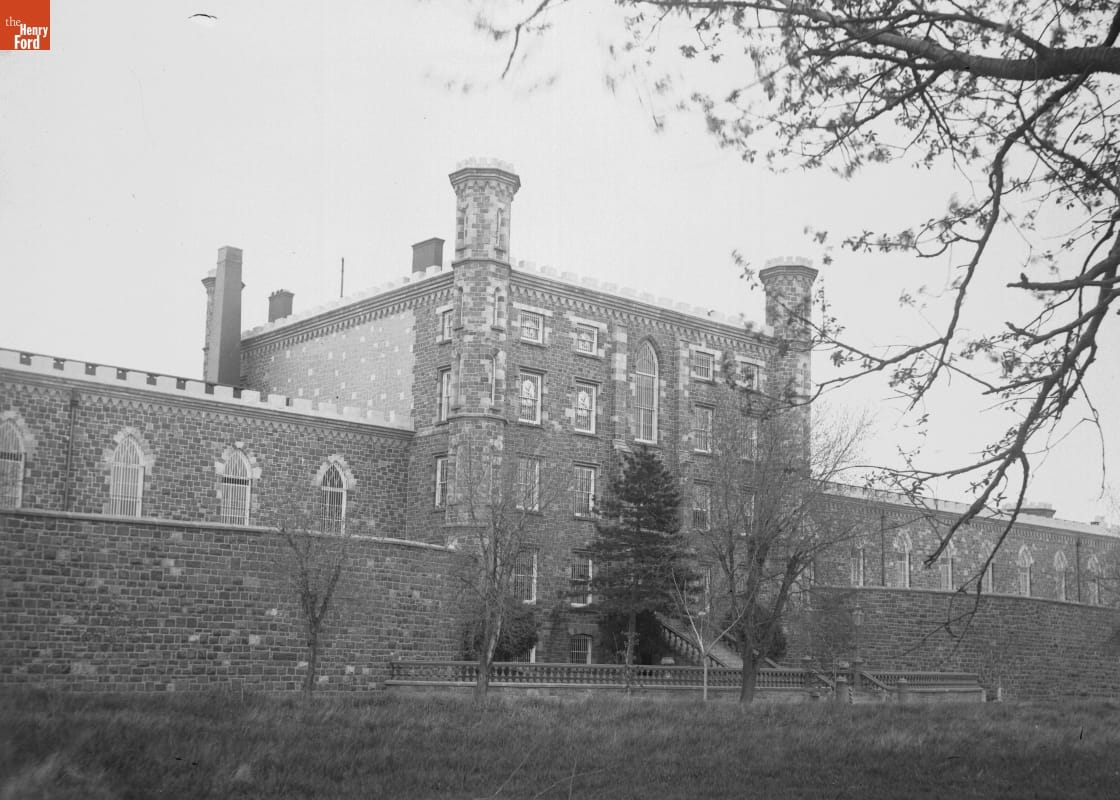
- Penitentiary, the Building, 1890-1915 - In 1890, Jenny Young Chandler, 25 years old and recently widowed, began working for the <EM>New York Herald</EM>. As a photojournalist and feature writer, Chandler captured life in Brooklyn, New York, and vicinity. By 1922, the time of her death, she had produced over 800 glass plate negatives. Her sensitive, insightful photographs depict people from all walks of life and the world in which they lived.
- 1890-1915
- Collections - Artifact
Penitentiary, the Building, 1890-1915
In 1890, Jenny Young Chandler, 25 years old and recently widowed, began working for the New York Herald. As a photojournalist and feature writer, Chandler captured life in Brooklyn, New York, and vicinity. By 1922, the time of her death, she had produced over 800 glass plate negatives. Her sensitive, insightful photographs depict people from all walks of life and the world in which they lived.
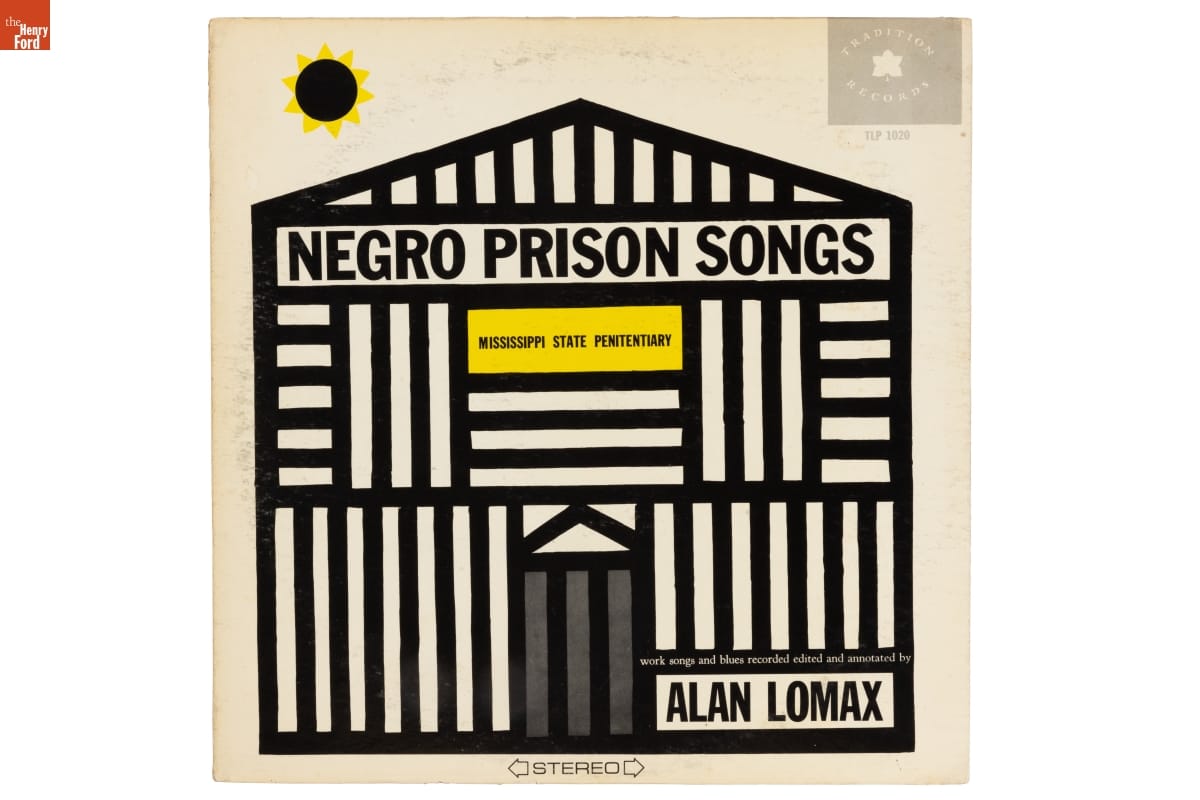
- Record Album "Negro Prison Songs from the Mississippi State Penitentiary" circa 1968 - Folklorist Alan Lomax, believing all people and cultures deserved equal respect, spent his career documenting remote musical traditions. This record's powerful songs, collected 1947-8 at the Mississippi State Penitentiary, attest to the parallels between the Deep South's oppressive prison system--requiring arduous physical labor under constant threat of physical punishment--and the experiences of enslaved work groups on 19th-century plantations.
- 1947
- Collections - Artifact
Record Album "Negro Prison Songs from the Mississippi State Penitentiary" circa 1968
Folklorist Alan Lomax, believing all people and cultures deserved equal respect, spent his career documenting remote musical traditions. This record's powerful songs, collected 1947-8 at the Mississippi State Penitentiary, attest to the parallels between the Deep South's oppressive prison system--requiring arduous physical labor under constant threat of physical punishment--and the experiences of enslaved work groups on 19th-century plantations.