
Search
- Oral History Interview with Jim Hall, January 8, 2009--Photographs--Digital Images--Item 12 - Jim Hall was one of the first auto racers to realize the advantages of aerodynamic downforce. His innovative designs, made while working for Chaparral Cars with Hap Sharp, continue to influence today's top race car designers. In 2009, The Henry Ford interviewed Hall at locations around Midland, Texas, as part of the Collecting Innovation Today Oral History Project.
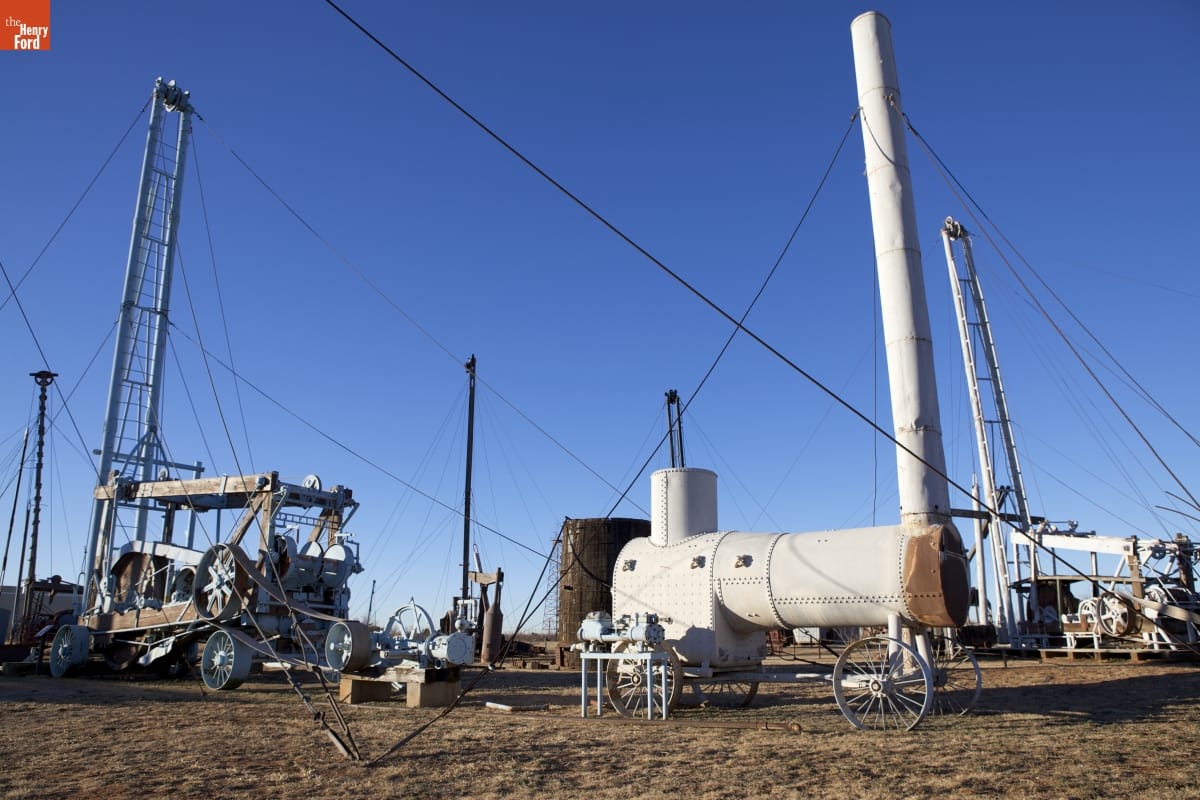
- January 08, 2009
- Collections - Artifact
Oral History Interview with Jim Hall, January 8, 2009--Photographs--Digital Images--Item 12
Jim Hall was one of the first auto racers to realize the advantages of aerodynamic downforce. His innovative designs, made while working for Chaparral Cars with Hap Sharp, continue to influence today's top race car designers. In 2009, The Henry Ford interviewed Hall at locations around Midland, Texas, as part of the Collecting Innovation Today Oral History Project.
- Oral History Interview with Jim Hall, January 8, 2009--Photographs--Digital Images--Item 16 - Jim Hall was one of the first auto racers to realize the advantages of aerodynamic downforce. His innovative designs, made while working for Chaparral Cars with Hap Sharp, continue to influence today's top race car designers. In 2009, The Henry Ford interviewed Hall at locations around Midland, Texas, as part of the Collecting Innovation Today Oral History Project.

- January 08, 2009
- Collections - Artifact
Oral History Interview with Jim Hall, January 8, 2009--Photographs--Digital Images--Item 16
Jim Hall was one of the first auto racers to realize the advantages of aerodynamic downforce. His innovative designs, made while working for Chaparral Cars with Hap Sharp, continue to influence today's top race car designers. In 2009, The Henry Ford interviewed Hall at locations around Midland, Texas, as part of the Collecting Innovation Today Oral History Project.
- Oral History Interview with Jim Hall, January 8, 2009--Photographs--Digital Images--Item 18 - Jim Hall was one of the first auto racers to realize the advantages of aerodynamic downforce. His innovative designs, made while working for Chaparral Cars with Hap Sharp, continue to influence today's top race car designers. In 2009, The Henry Ford interviewed Hall at locations around Midland, Texas, as part of the Collecting Innovation Today Oral History Project.
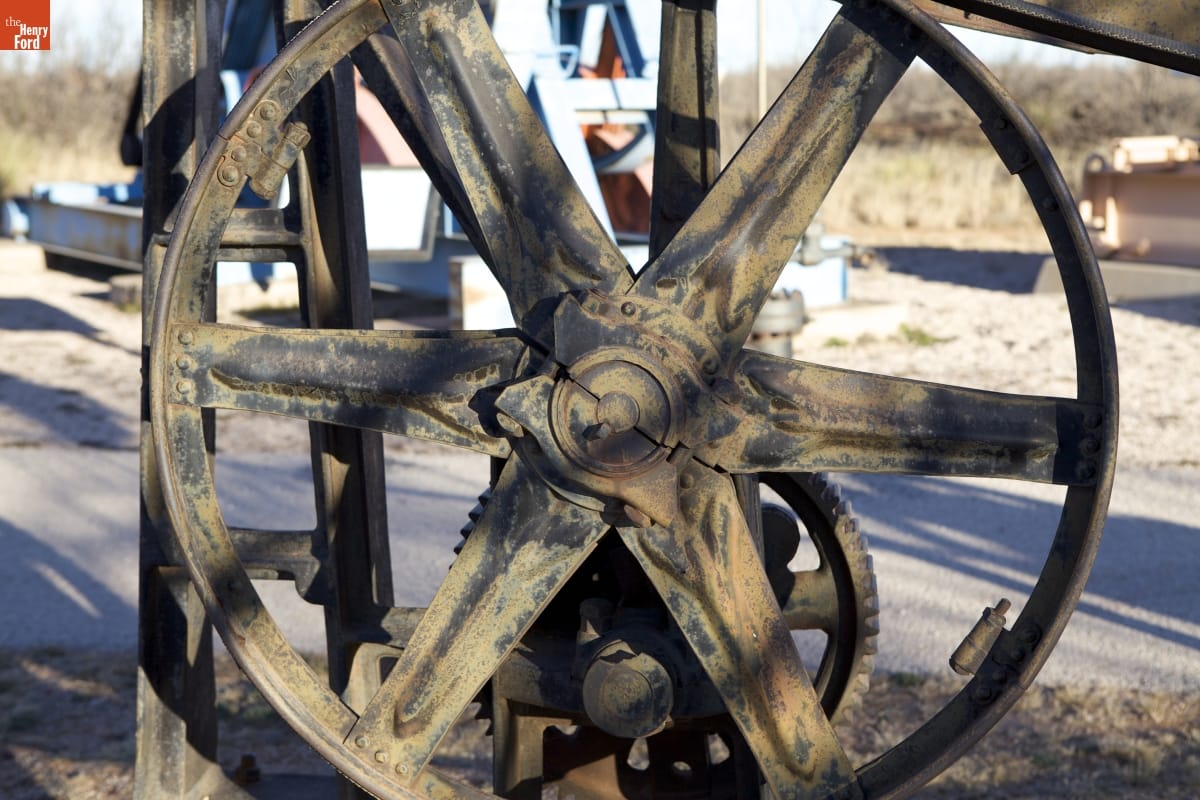
- January 08, 2009
- Collections - Artifact
Oral History Interview with Jim Hall, January 8, 2009--Photographs--Digital Images--Item 18
Jim Hall was one of the first auto racers to realize the advantages of aerodynamic downforce. His innovative designs, made while working for Chaparral Cars with Hap Sharp, continue to influence today's top race car designers. In 2009, The Henry Ford interviewed Hall at locations around Midland, Texas, as part of the Collecting Innovation Today Oral History Project.
- Oral History Interview with Jim Hall, January 8, 2009--Photographs--Digital Images--Item 24 - Jim Hall was one of the first auto racers to realize the advantages of aerodynamic downforce. His innovative designs, made while working for Chaparral Cars with Hap Sharp, continue to influence today's top race car designers. In 2009, The Henry Ford interviewed Hall at locations around Midland, Texas, as part of the Collecting Innovation Today Oral History Project.
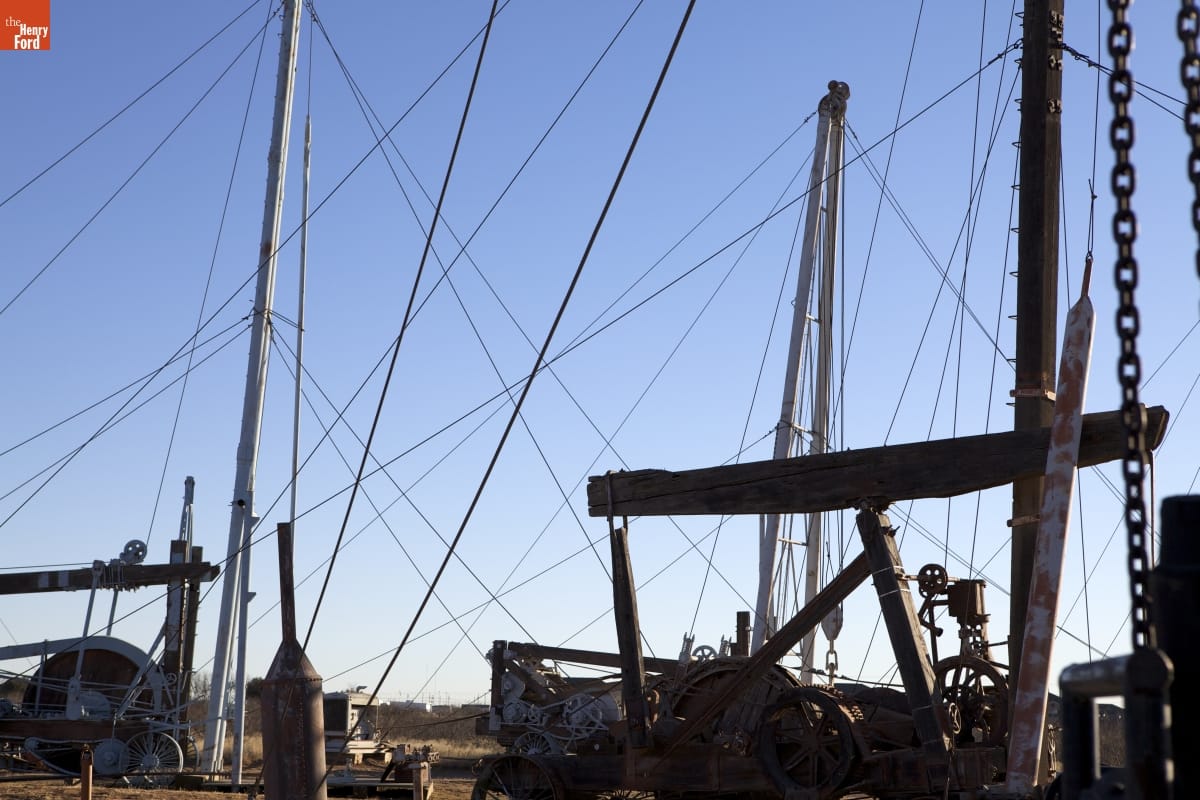
- January 08, 2009
- Collections - Artifact
Oral History Interview with Jim Hall, January 8, 2009--Photographs--Digital Images--Item 24
Jim Hall was one of the first auto racers to realize the advantages of aerodynamic downforce. His innovative designs, made while working for Chaparral Cars with Hap Sharp, continue to influence today's top race car designers. In 2009, The Henry Ford interviewed Hall at locations around Midland, Texas, as part of the Collecting Innovation Today Oral History Project.
- Oral History Interview with Jim Hall, January 8, 2009--Photographs--Digital Images--Item 25 - Jim Hall was one of the first auto racers to realize the advantages of aerodynamic downforce. His innovative designs, made while working for Chaparral Cars with Hap Sharp, continue to influence today's top race car designers. In 2009, The Henry Ford interviewed Hall at locations around Midland, Texas, as part of the Collecting Innovation Today Oral History Project.
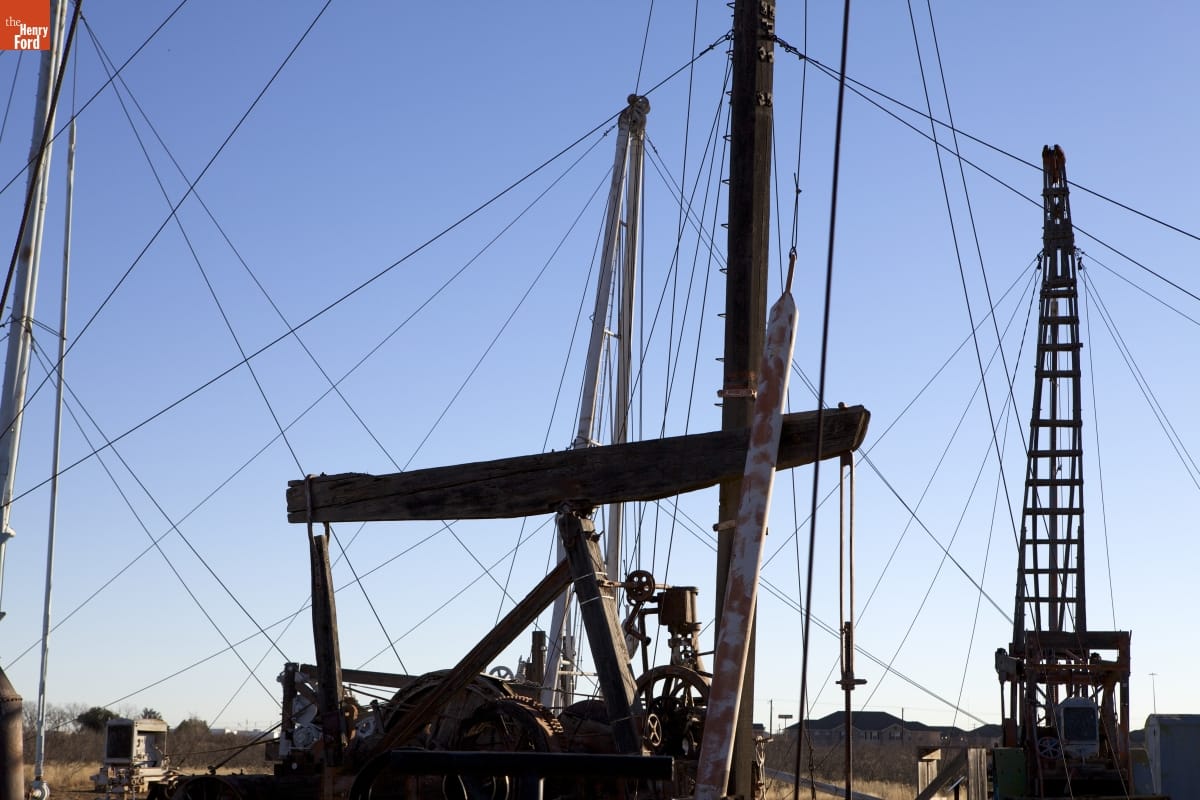
- January 08, 2009
- Collections - Artifact
Oral History Interview with Jim Hall, January 8, 2009--Photographs--Digital Images--Item 25
Jim Hall was one of the first auto racers to realize the advantages of aerodynamic downforce. His innovative designs, made while working for Chaparral Cars with Hap Sharp, continue to influence today's top race car designers. In 2009, The Henry Ford interviewed Hall at locations around Midland, Texas, as part of the Collecting Innovation Today Oral History Project.
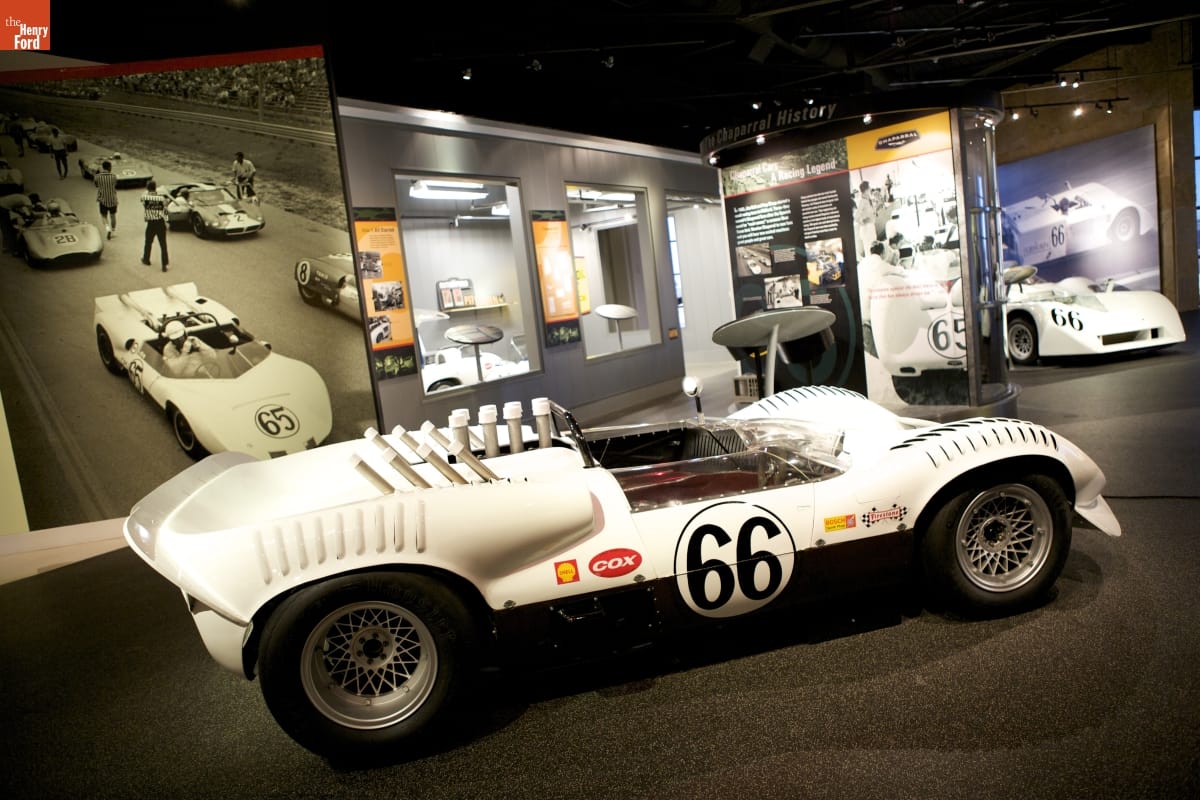
- Oral History Interview with Jim Hall, January 8, 2009--Photographs--Digital Images--Item 31 - Jim Hall was one of the first auto racers to realize the advantages of aerodynamic downforce. His innovative designs, made while working for Chaparral Cars with Hap Sharp, continue to influence today's top race car designers. In 2009, The Henry Ford interviewed Hall at locations around Midland, Texas, as part of the Collecting Innovation Today Oral History Project.
- January 08, 2009
- Collections - Artifact
Oral History Interview with Jim Hall, January 8, 2009--Photographs--Digital Images--Item 31
Jim Hall was one of the first auto racers to realize the advantages of aerodynamic downforce. His innovative designs, made while working for Chaparral Cars with Hap Sharp, continue to influence today's top race car designers. In 2009, The Henry Ford interviewed Hall at locations around Midland, Texas, as part of the Collecting Innovation Today Oral History Project.
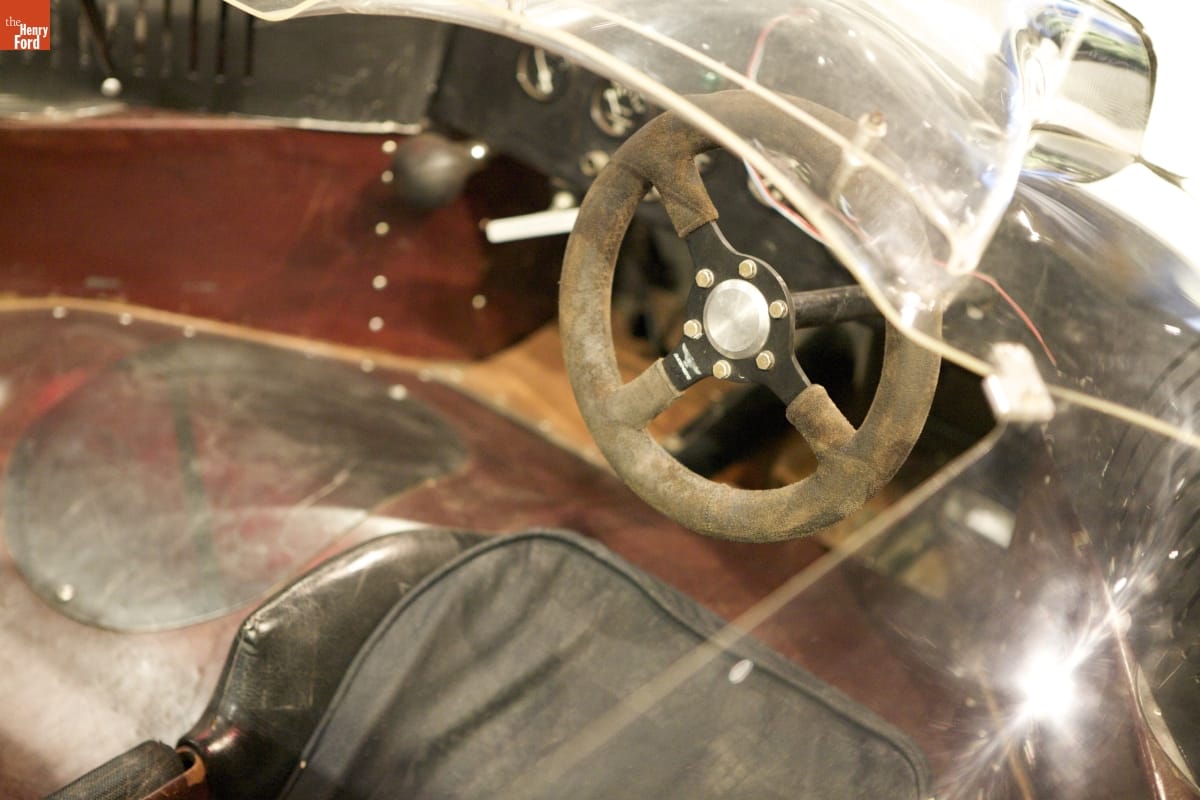
- Oral History Interview with Jim Hall, January 8, 2009--Photographs--Digital Images--Item 33 - Jim Hall was one of the first auto racers to realize the advantages of aerodynamic downforce. His innovative designs, made while working for Chaparral Cars with Hap Sharp, continue to influence today's top race car designers. In 2009, The Henry Ford interviewed Hall at locations around Midland, Texas, as part of the Collecting Innovation Today Oral History Project.
- January 08, 2009
- Collections - Artifact
Oral History Interview with Jim Hall, January 8, 2009--Photographs--Digital Images--Item 33
Jim Hall was one of the first auto racers to realize the advantages of aerodynamic downforce. His innovative designs, made while working for Chaparral Cars with Hap Sharp, continue to influence today's top race car designers. In 2009, The Henry Ford interviewed Hall at locations around Midland, Texas, as part of the Collecting Innovation Today Oral History Project.
- Oral History Interview with Jim Hall, January 8, 2009--Photographs--Digital Images--Item 36 - Jim Hall was one of the first auto racers to realize the advantages of aerodynamic downforce. His innovative designs, made while working for Chaparral Cars with Hap Sharp, continue to influence today's top race car designers. In 2009, The Henry Ford interviewed Hall at locations around Midland, Texas, as part of the Collecting Innovation Today Oral History Project.

- January 08, 2009
- Collections - Artifact
Oral History Interview with Jim Hall, January 8, 2009--Photographs--Digital Images--Item 36
Jim Hall was one of the first auto racers to realize the advantages of aerodynamic downforce. His innovative designs, made while working for Chaparral Cars with Hap Sharp, continue to influence today's top race car designers. In 2009, The Henry Ford interviewed Hall at locations around Midland, Texas, as part of the Collecting Innovation Today Oral History Project.
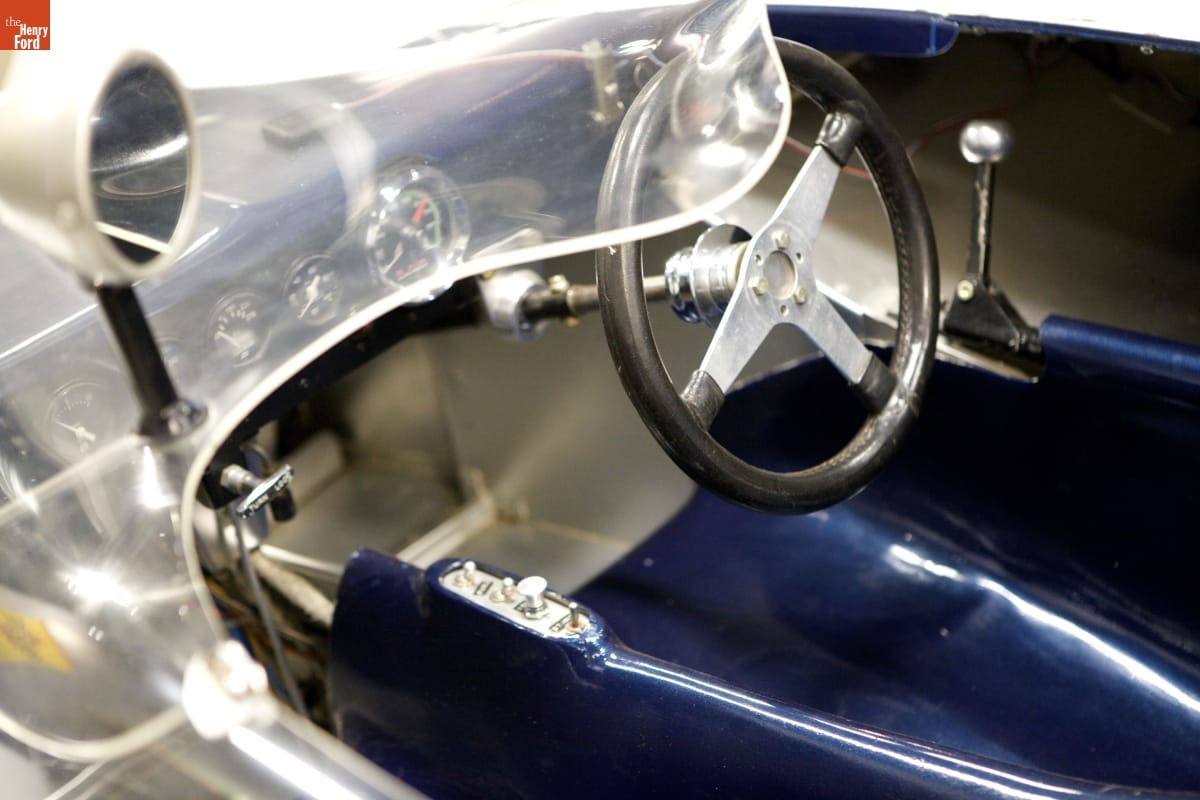
- Oral History Interview with Jim Hall, January 8, 2009--Photographs--Digital Images--Item 40 - Jim Hall was one of the first auto racers to realize the advantages of aerodynamic downforce. His innovative designs, made while working for Chaparral Cars with Hap Sharp, continue to influence today's top race car designers. In 2009, The Henry Ford interviewed Hall at locations around Midland, Texas, as part of the Collecting Innovation Today Oral History Project.
- January 08, 2009
- Collections - Artifact
Oral History Interview with Jim Hall, January 8, 2009--Photographs--Digital Images--Item 40
Jim Hall was one of the first auto racers to realize the advantages of aerodynamic downforce. His innovative designs, made while working for Chaparral Cars with Hap Sharp, continue to influence today's top race car designers. In 2009, The Henry Ford interviewed Hall at locations around Midland, Texas, as part of the Collecting Innovation Today Oral History Project.
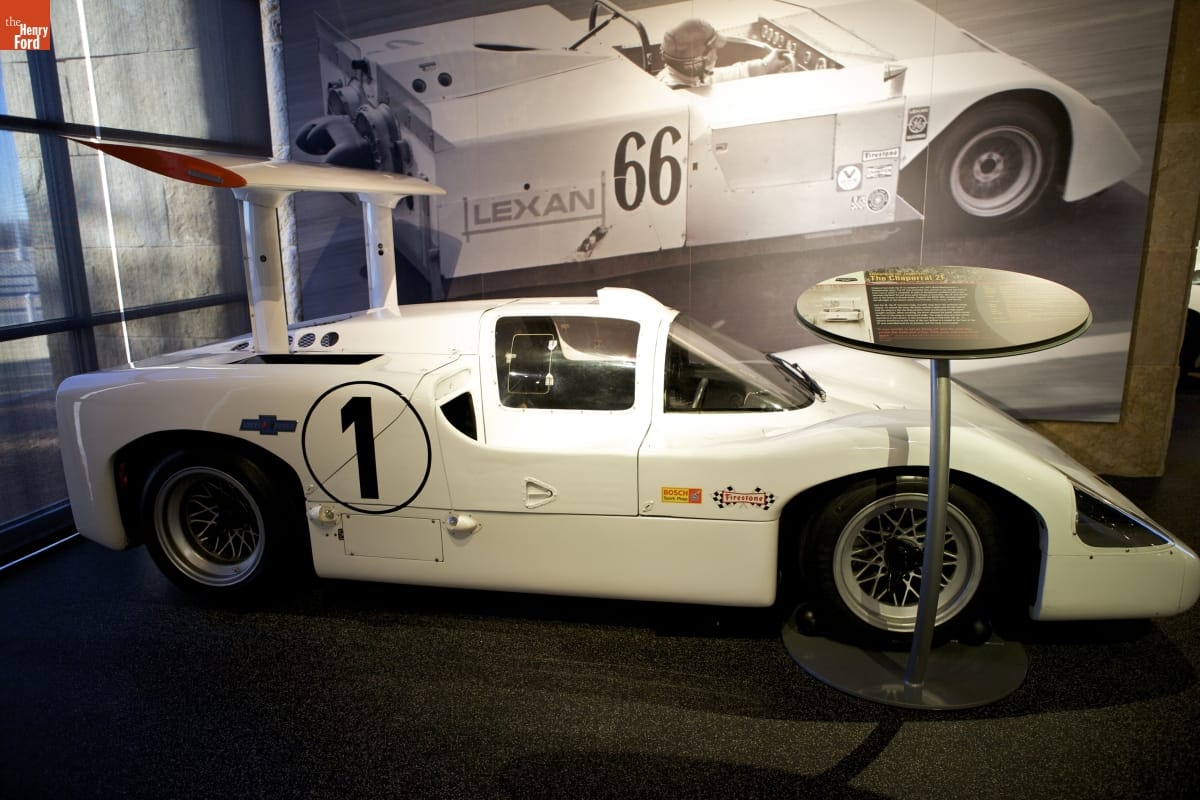
- Oral History Interview with Jim Hall, January 8, 2009--Photographs--Digital Images--Item 41 - Jim Hall was one of the first auto racers to realize the advantages of aerodynamic downforce. His innovative designs, made while working for Chaparral Cars with Hap Sharp, continue to influence today's top race car designers. In 2009, The Henry Ford interviewed Hall at locations around Midland, Texas, as part of the Collecting Innovation Today Oral History Project.
- January 08, 2009
- Collections - Artifact
Oral History Interview with Jim Hall, January 8, 2009--Photographs--Digital Images--Item 41
Jim Hall was one of the first auto racers to realize the advantages of aerodynamic downforce. His innovative designs, made while working for Chaparral Cars with Hap Sharp, continue to influence today's top race car designers. In 2009, The Henry Ford interviewed Hall at locations around Midland, Texas, as part of the Collecting Innovation Today Oral History Project.