
Search
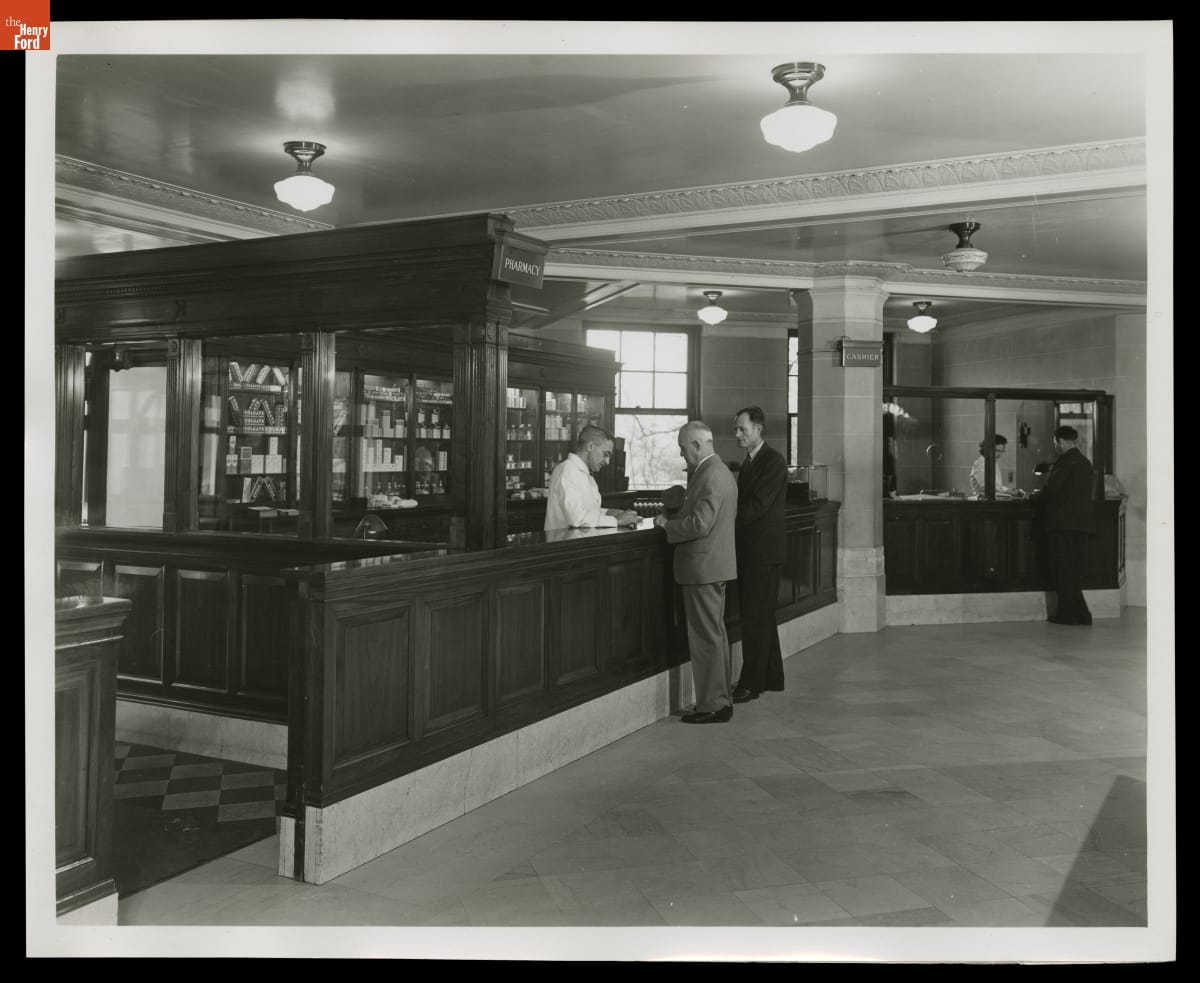
- Pharmacy Counter at Henry Ford Hospital, Detroit, Michigan, November 1946 - In 1915, Henry Ford funded a new hospital for Detroit. Designed and built in consultation with leading medical experts, Henry Ford Hospital employed salaried doctors and charged low, fixed fees to patients. By Mr. Ford's death in 1947, some 1,600 people were on the hospital's staff and more than $16.5 million had been invested in the facility.
- November 06, 1946
- Collections - Artifact
Pharmacy Counter at Henry Ford Hospital, Detroit, Michigan, November 1946
In 1915, Henry Ford funded a new hospital for Detroit. Designed and built in consultation with leading medical experts, Henry Ford Hospital employed salaried doctors and charged low, fixed fees to patients. By Mr. Ford's death in 1947, some 1,600 people were on the hospital's staff and more than $16.5 million had been invested in the facility.
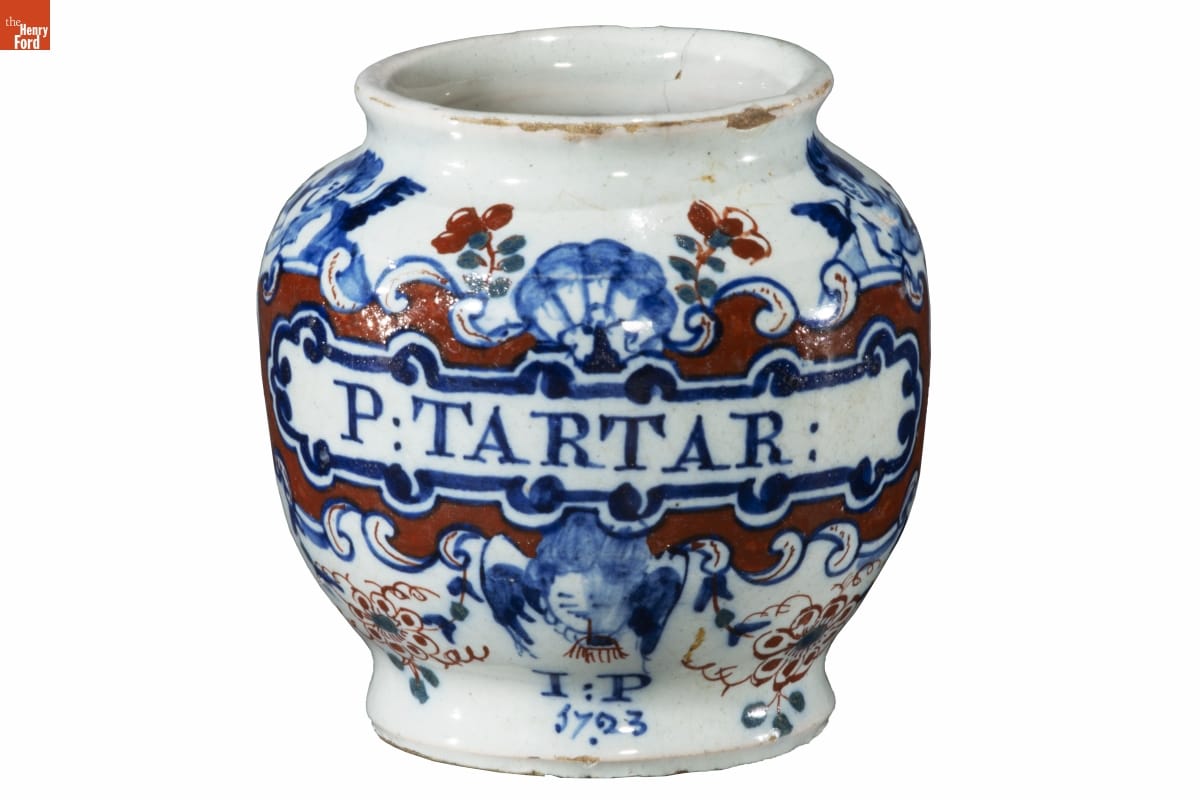
- Drug Jar, 1723 - Eighteenth-century druggists displayed jars, like this one, in their apothecaries. These drug jars held various substances thought to promote health and well-being. The labels provided quick identification of ingredients, while the decorative containers conveyed the druggist's worldliness and professionalism to those in need of health services.
- 1723
- Collections - Artifact
Drug Jar, 1723
Eighteenth-century druggists displayed jars, like this one, in their apothecaries. These drug jars held various substances thought to promote health and well-being. The labels provided quick identification of ingredients, while the decorative containers conveyed the druggist's worldliness and professionalism to those in need of health services.
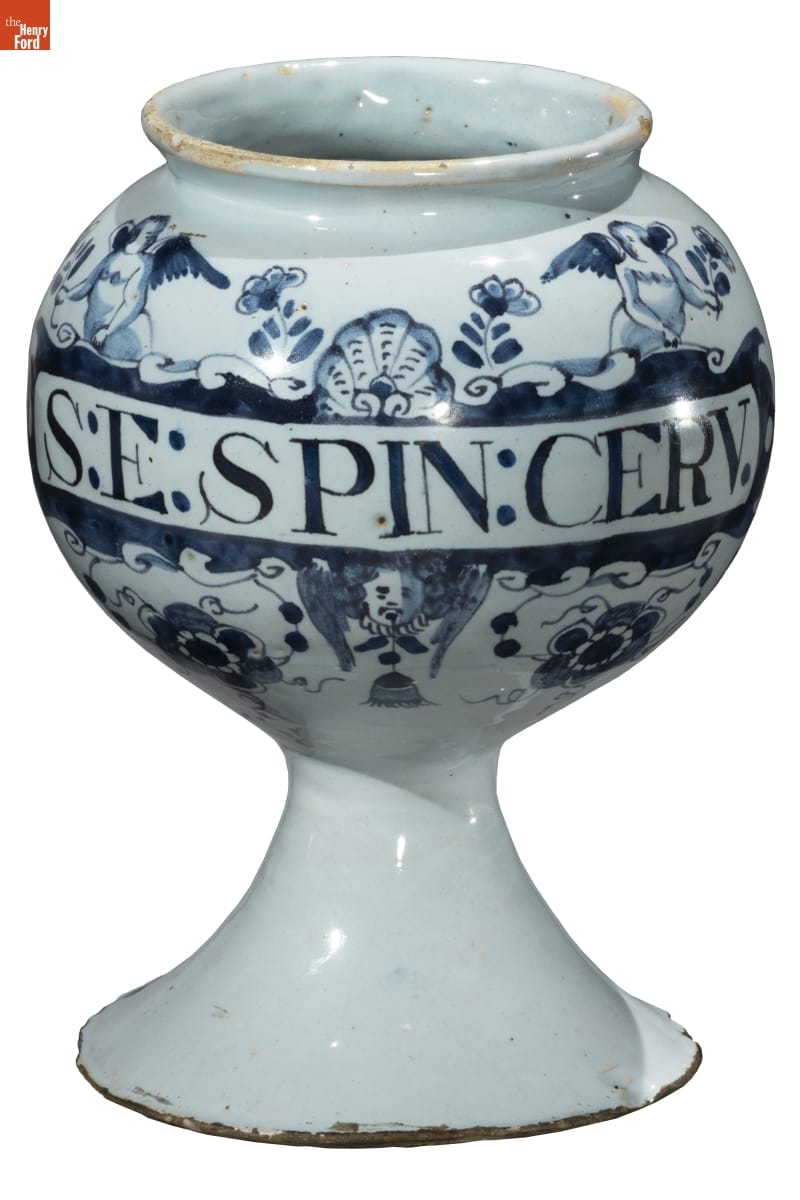
- Drug Jar, 1720-1740 - Eighteenth-century druggists displayed jars, like this one, in their apothecaries. These drug jars held various substances thought to promote health and well-being. The labels provided quick identification of ingredients, while the decorative containers conveyed the druggist's worldliness and professionalism to those in need of health services.
- circa 1720
- Collections - Artifact
Drug Jar, 1720-1740
Eighteenth-century druggists displayed jars, like this one, in their apothecaries. These drug jars held various substances thought to promote health and well-being. The labels provided quick identification of ingredients, while the decorative containers conveyed the druggist's worldliness and professionalism to those in need of health services.
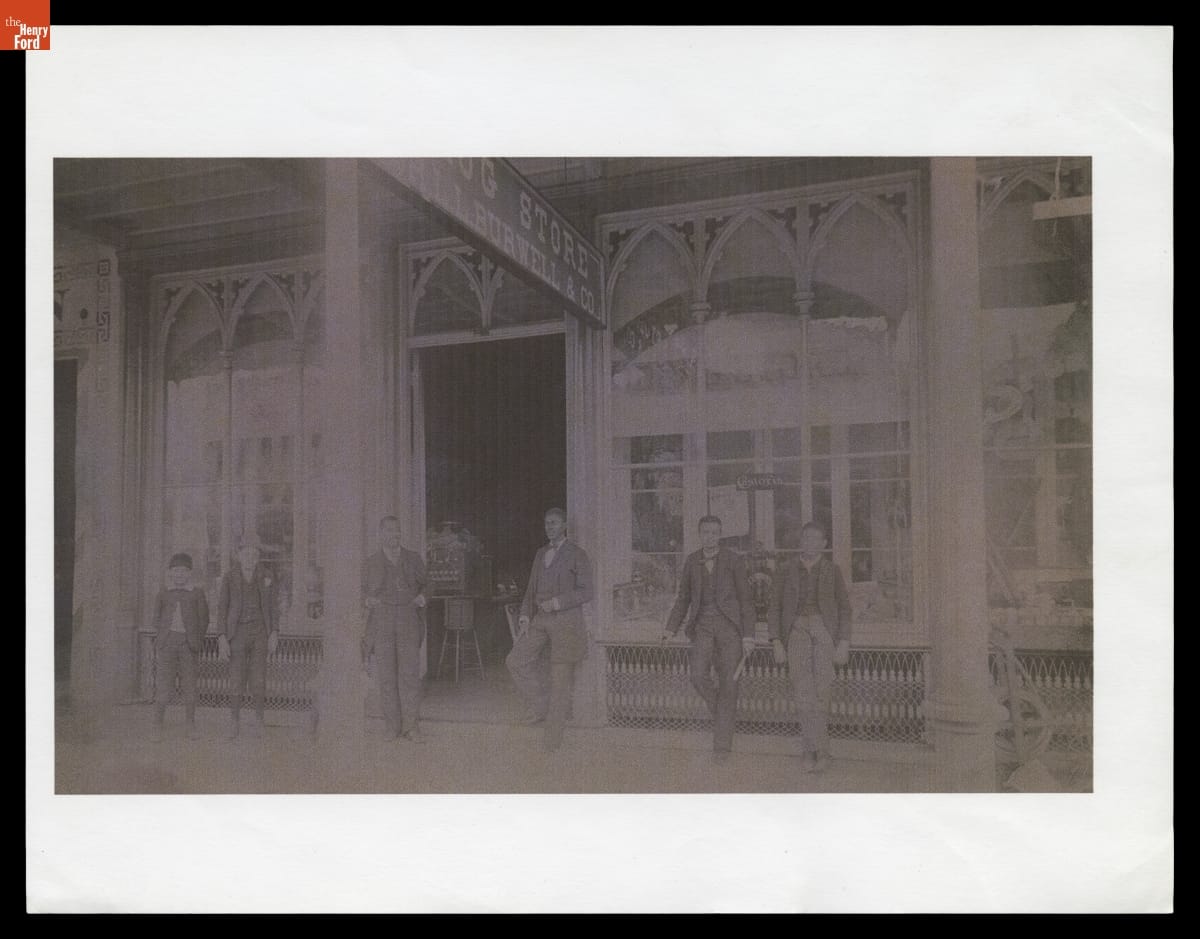
- Burwell & Co. Drug Store, Selma, Alabama -
- Collections - Artifact
Burwell & Co. Drug Store, Selma, Alabama
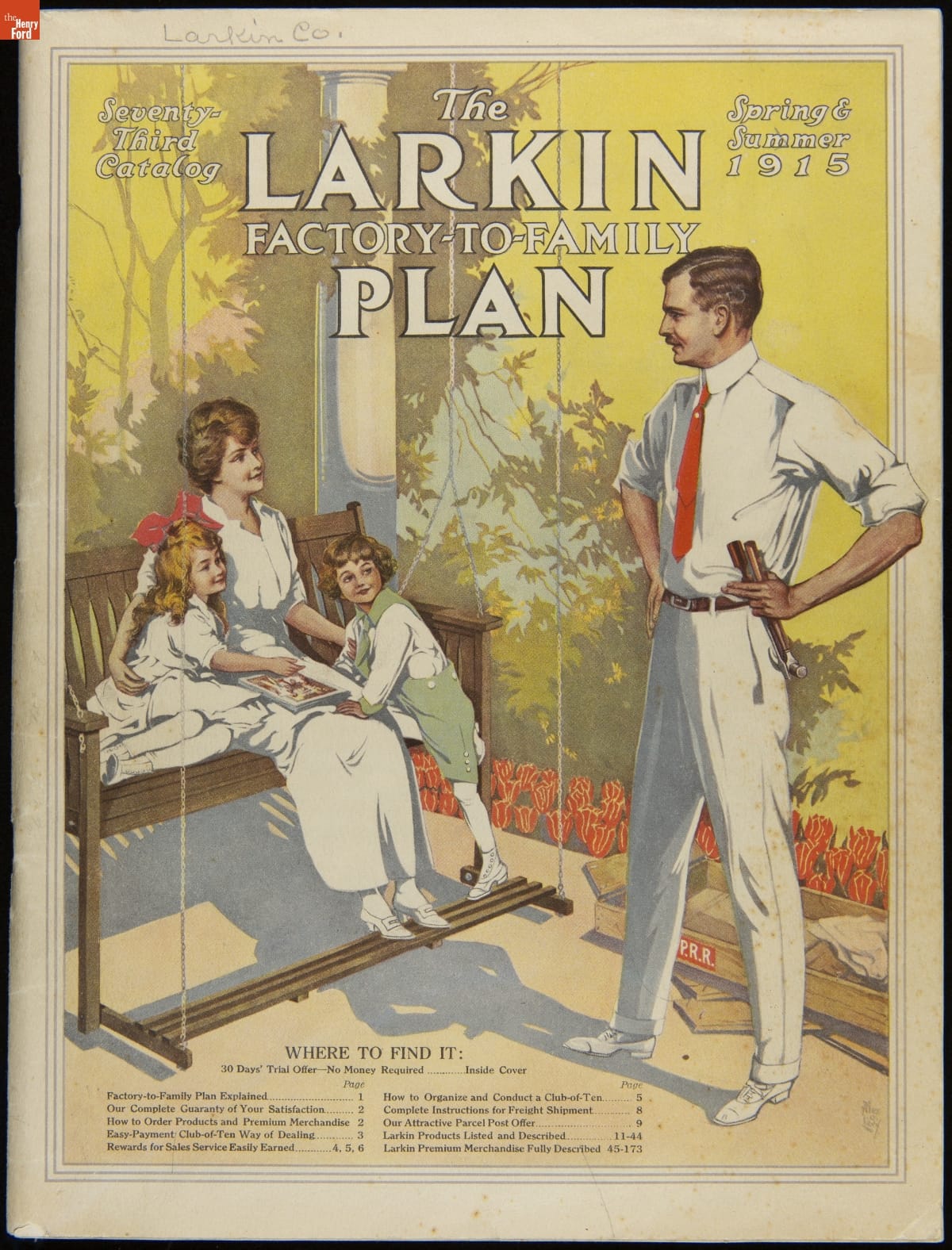
- Larkin Company Trade Catalog, "The Larkin Factory to Family Plan, 73rd Catalog," Spring and Summer 1915 - John D. Larkin established a soap manufacturing company in 1875. He hired his brother-in-law, Elbert Hubbard, as a salesman. Hubbard developed "The Larkin Idea," a plan that sold goods directly to consumers through mail-order catalogs and offered incentivizing giveaways. It was a success. By the early 1900s, Larkin's catalogs contained pages of products and even more pages of premiums from which customers could choose.
- 1915
- Collections - Artifact
Larkin Company Trade Catalog, "The Larkin Factory to Family Plan, 73rd Catalog," Spring and Summer 1915
John D. Larkin established a soap manufacturing company in 1875. He hired his brother-in-law, Elbert Hubbard, as a salesman. Hubbard developed "The Larkin Idea," a plan that sold goods directly to consumers through mail-order catalogs and offered incentivizing giveaways. It was a success. By the early 1900s, Larkin's catalogs contained pages of products and even more pages of premiums from which customers could choose.
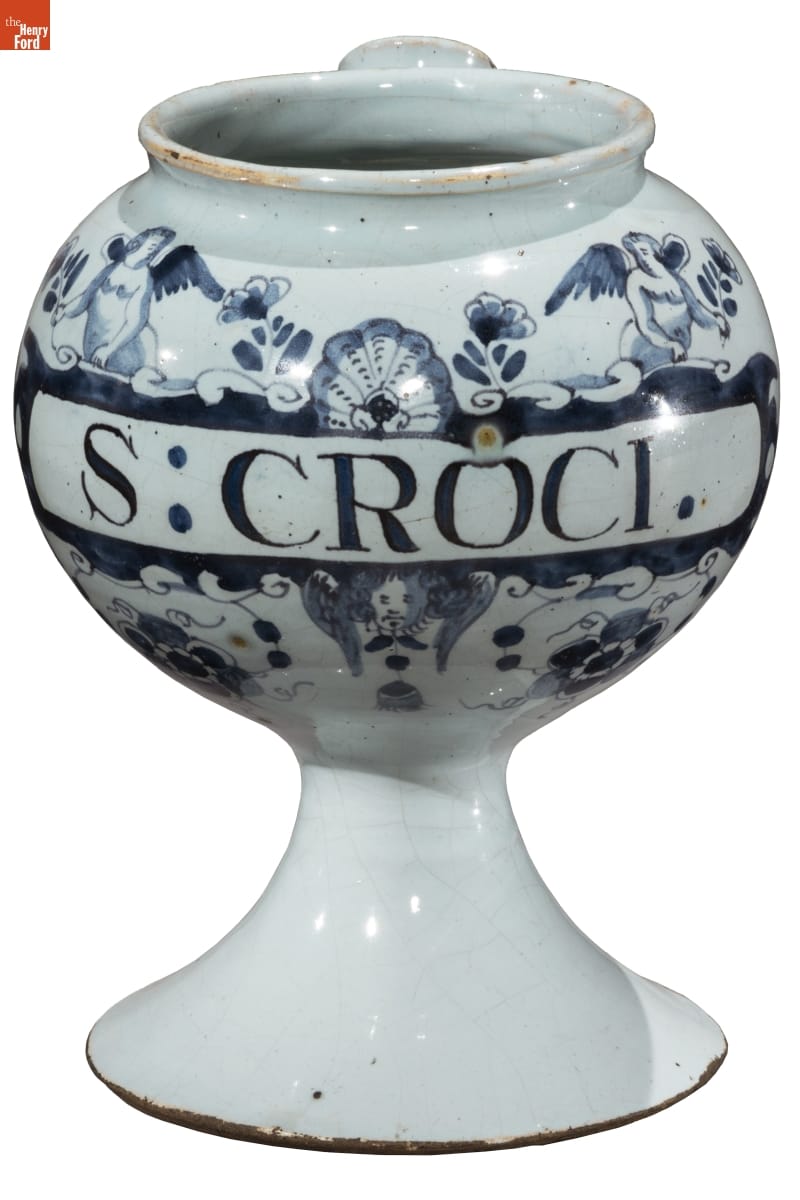
- Drug Jar, 1720-1740 - Eighteenth-century druggists displayed jars, like this one, in their apothecaries. These drug jars held various substances thought to promote health and well-being. The labels provided quick identification of ingredients, while the decorative containers conveyed the druggist's worldliness and professionalism to those in need of health services.
- circa 1720
- Collections - Artifact
Drug Jar, 1720-1740
Eighteenth-century druggists displayed jars, like this one, in their apothecaries. These drug jars held various substances thought to promote health and well-being. The labels provided quick identification of ingredients, while the decorative containers conveyed the druggist's worldliness and professionalism to those in need of health services.
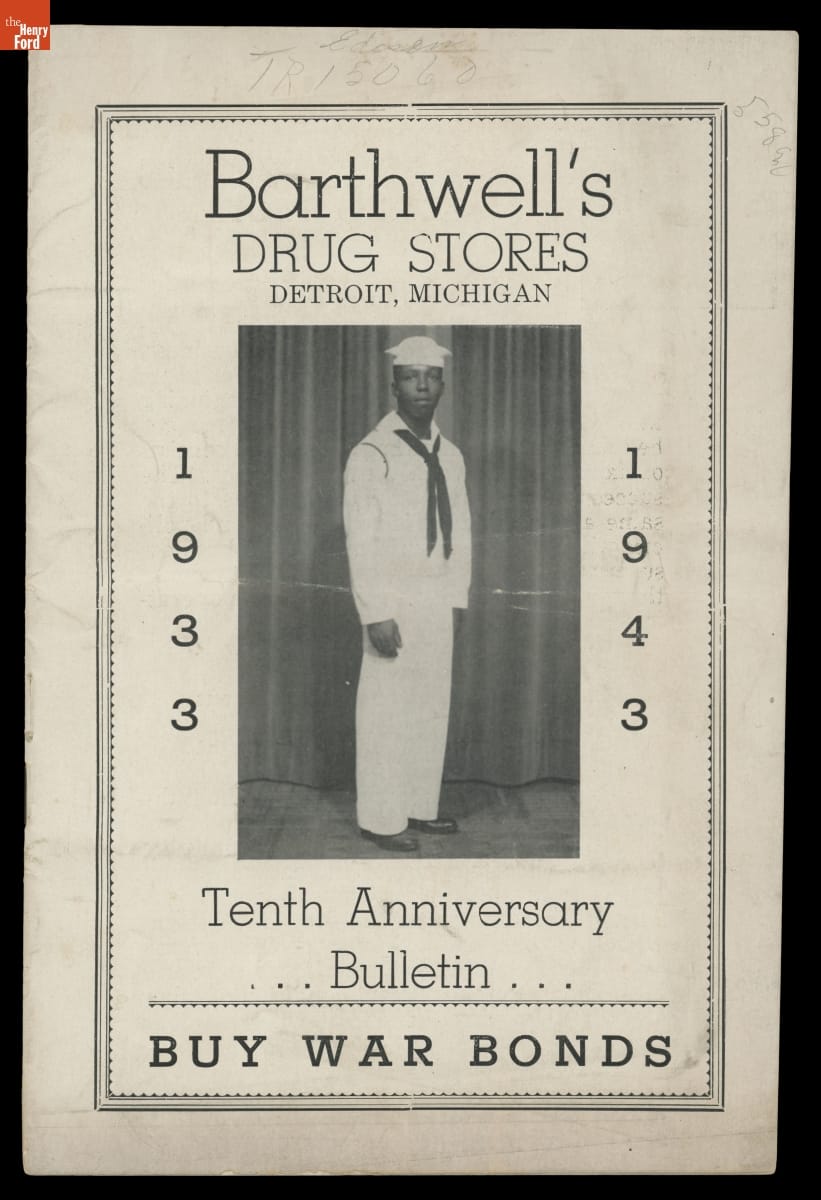
- Trade Catalog, "Barthwell's Drug Stores Tenth Anniversary Bulletin," 1943 -
- 1933-1943
- Collections - Artifact
Trade Catalog, "Barthwell's Drug Stores Tenth Anniversary Bulletin," 1943
- Merck Pharmaceutical Samples, circa 1884 -

- circa 1884
- Collections - Artifact
Merck Pharmaceutical Samples, circa 1884
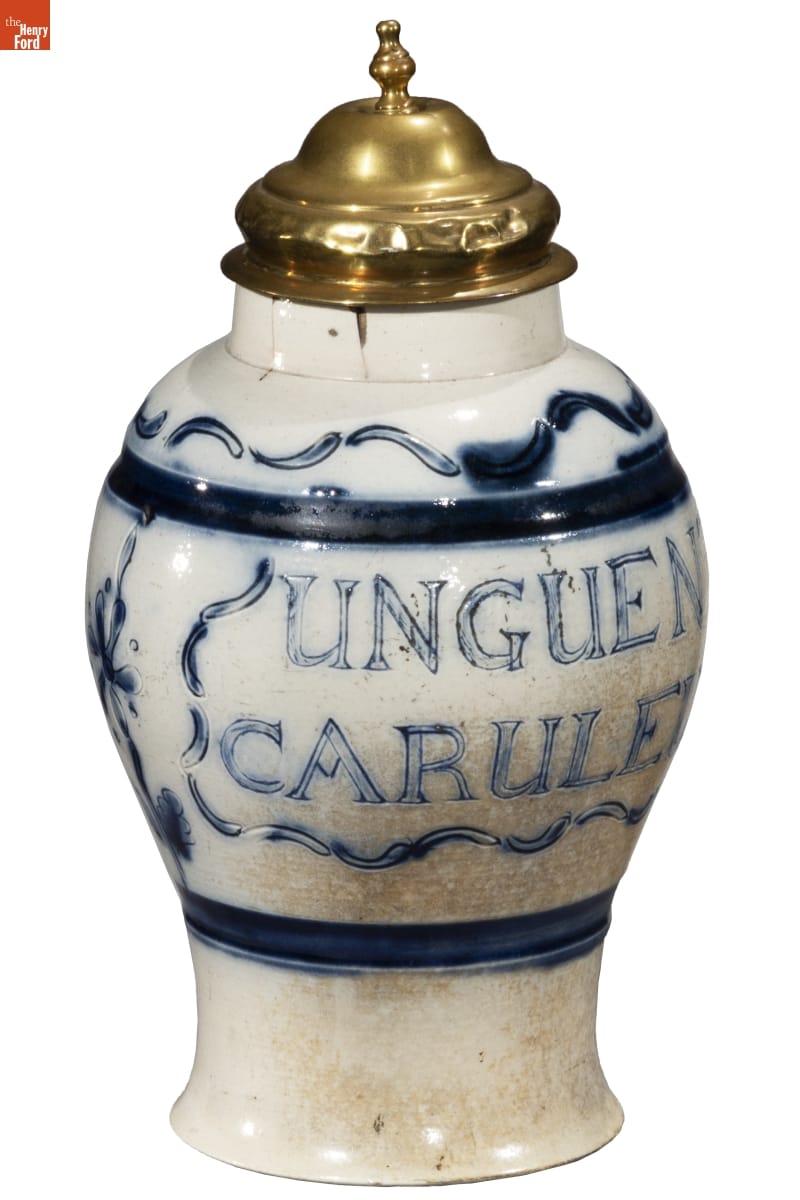
- Apothecary Jar, 1750-1760 -
- 1750-1760
- Collections - Artifact
Apothecary Jar, 1750-1760
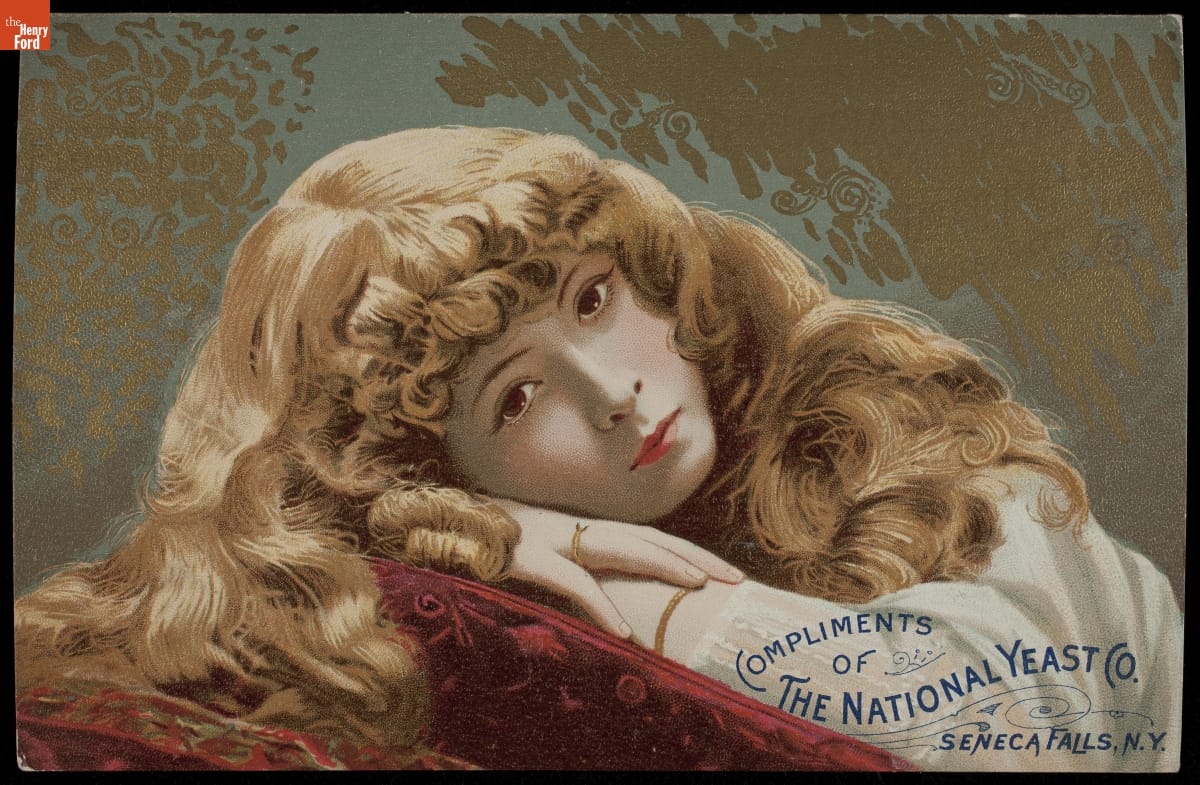
- Trade Card for Dr. McLanes Celebrated Liver Pills, Fleming Bros., National Yeast Co., 1880-1900 - In the last third of the nineteenth century, an unprecedented variety of consumer goods and services flooded the American market. Advertisers, armed with new methods of color printing, bombarded potential customers with trade cards. Americans enjoyed and often saved the vibrant little advertisements found in product packages or distributed by local merchants. Many survive as historical records of commercialism in the United States.
- 1880-1900
- Collections - Artifact
Trade Card for Dr. McLanes Celebrated Liver Pills, Fleming Bros., National Yeast Co., 1880-1900
In the last third of the nineteenth century, an unprecedented variety of consumer goods and services flooded the American market. Advertisers, armed with new methods of color printing, bombarded potential customers with trade cards. Americans enjoyed and often saved the vibrant little advertisements found in product packages or distributed by local merchants. Many survive as historical records of commercialism in the United States.