
Search
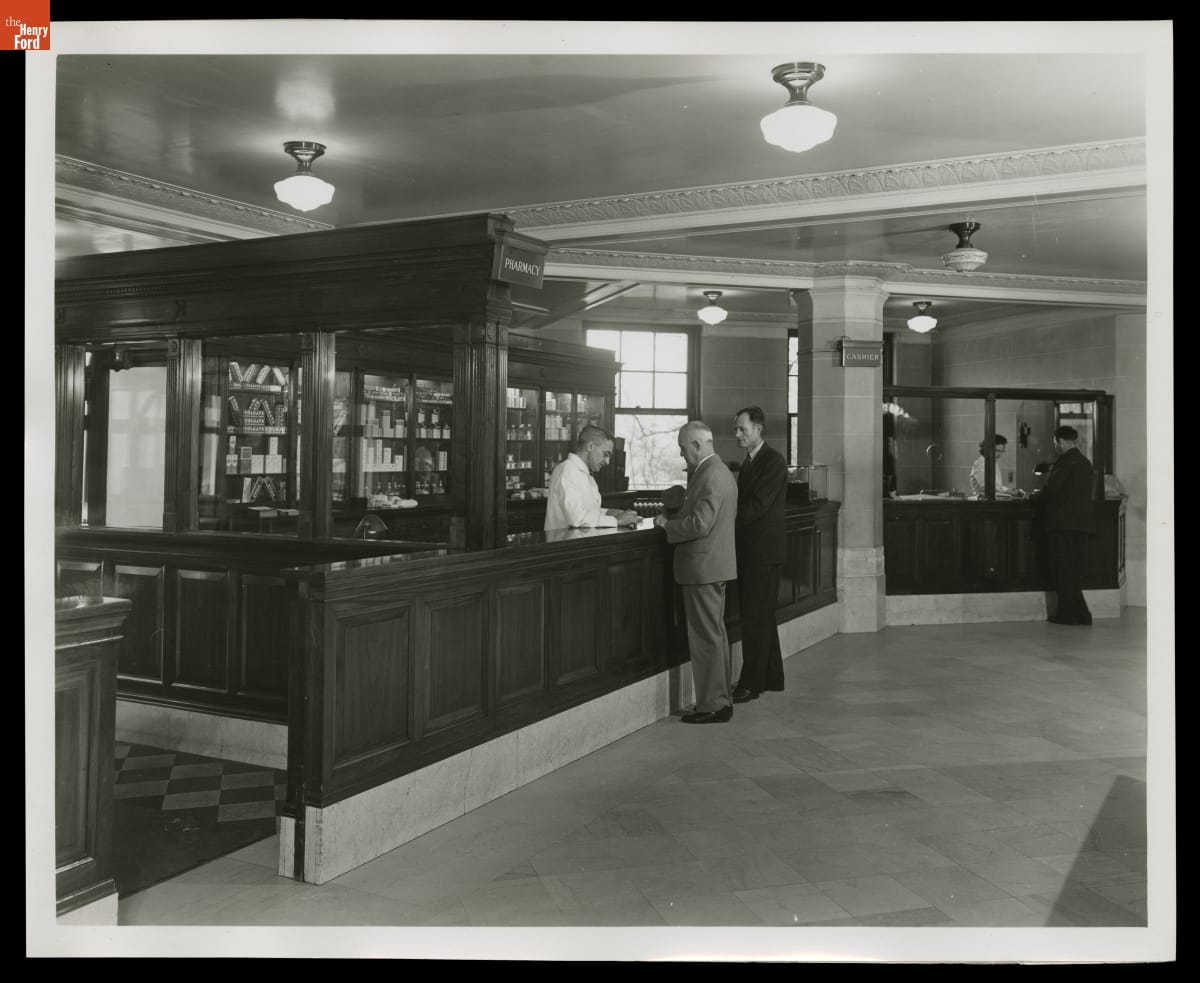
- Pharmacy Counter at Henry Ford Hospital, Detroit, Michigan, November 1946 - In 1915, Henry Ford funded a new hospital for Detroit. Designed and built in consultation with leading medical experts, Henry Ford Hospital employed salaried doctors and charged low, fixed fees to patients. By Mr. Ford's death in 1947, some 1,600 people were on the hospital's staff and more than $16.5 million had been invested in the facility.
- November 06, 1946
- Collections - Artifact
Pharmacy Counter at Henry Ford Hospital, Detroit, Michigan, November 1946
In 1915, Henry Ford funded a new hospital for Detroit. Designed and built in consultation with leading medical experts, Henry Ford Hospital employed salaried doctors and charged low, fixed fees to patients. By Mr. Ford's death in 1947, some 1,600 people were on the hospital's staff and more than $16.5 million had been invested in the facility.
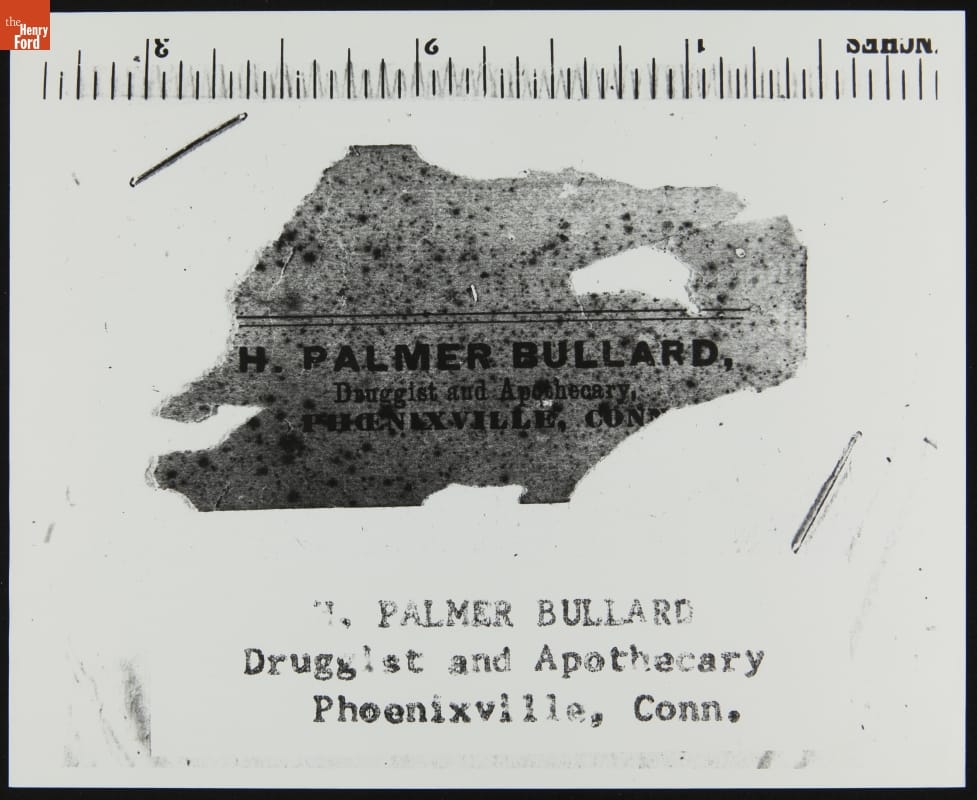
- Label Used by Henry Palmer Bullard in the Phoenixville Post Office, 1882-1884 -
- 1882-1884
- Collections - Artifact
Label Used by Henry Palmer Bullard in the Phoenixville Post Office, 1882-1884
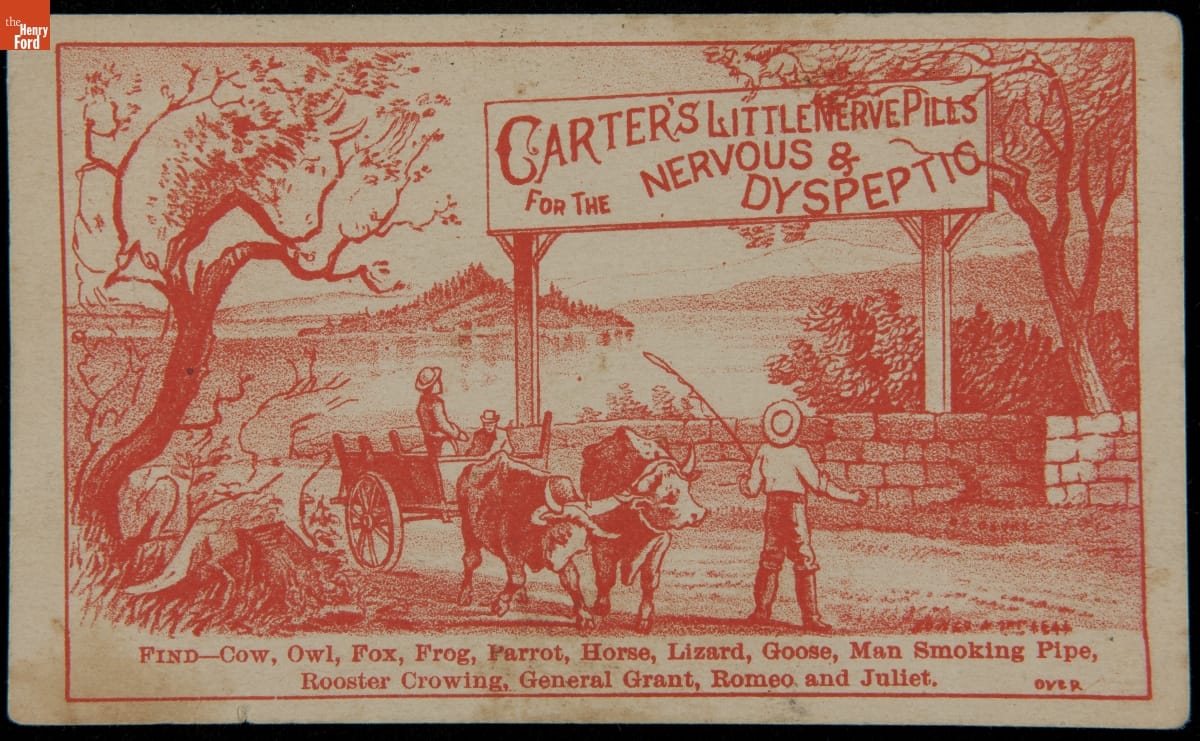
- Trade Card for Carter's Little Nerve Pills, Carter Medicine Co., 1880-1898 - In the last third of the nineteenth century, an unprecedented variety of consumer goods flooded the American market. Some enterprising advertisers sought to distinguish their products from the competition, distributing trade cards that incorporated a puzzle or game. Americans enjoyed and often saved the popular little advertisements, which survive as historical records of consumerism in the United States.
- 1880-1898
- Collections - Artifact
Trade Card for Carter's Little Nerve Pills, Carter Medicine Co., 1880-1898
In the last third of the nineteenth century, an unprecedented variety of consumer goods flooded the American market. Some enterprising advertisers sought to distinguish their products from the competition, distributing trade cards that incorporated a puzzle or game. Americans enjoyed and often saved the popular little advertisements, which survive as historical records of consumerism in the United States.
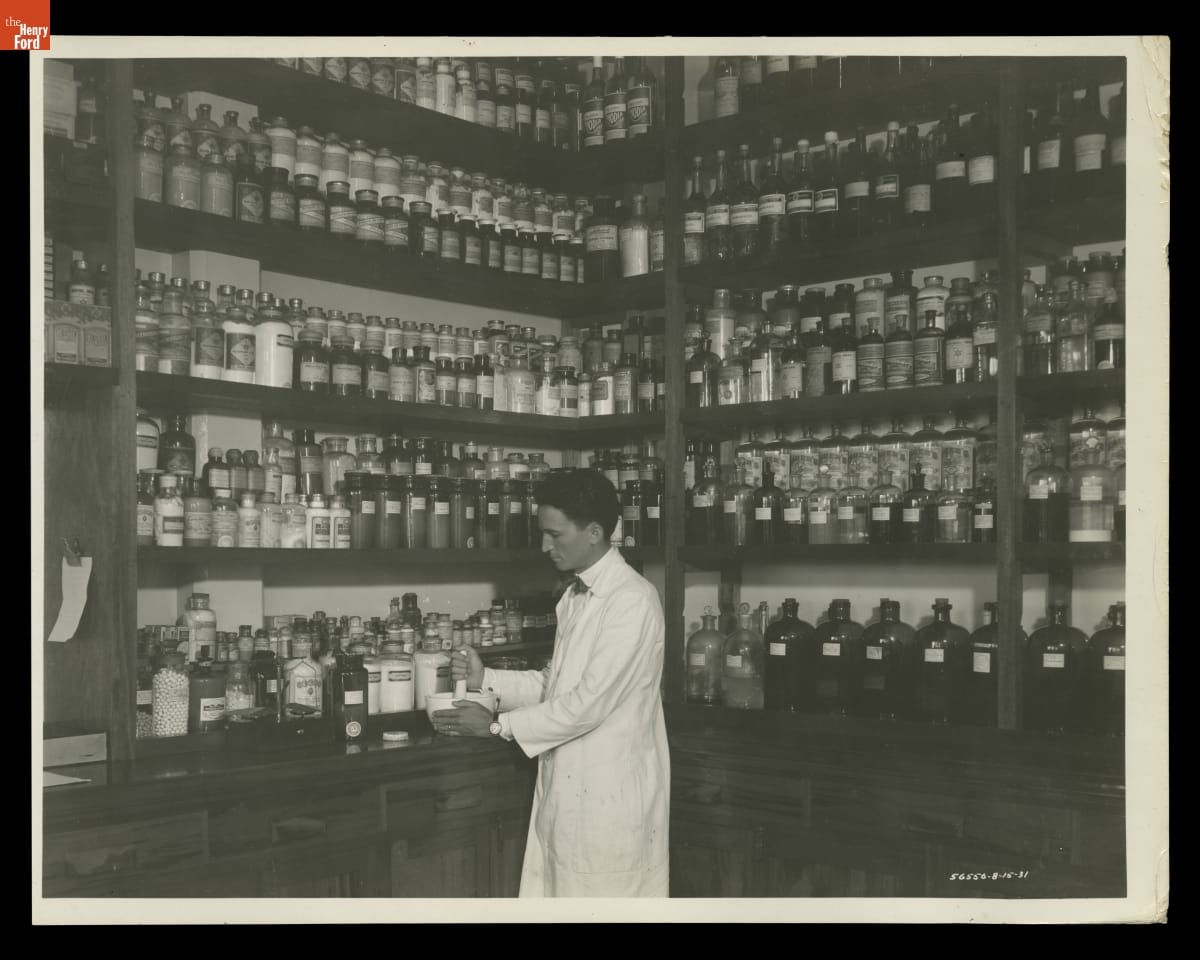
- Hospital Pharmacy at Fordlandia, Brazil, August 1931 - Henry Ford established Fordlandia and Belterra in the Brazilian rainforest to supply rubber for automobile production. He began shipping machinery and supplies to the Amazon in 1928. Ford paid the indigenous workers good wages and supplied various amenities -- he also imposed foreign work traditions and behavioral restrictions which the workers resented. The plantations failed and Ford Motor Company disposed of the project in 1945.
- August 15, 1931
- Collections - Artifact
Hospital Pharmacy at Fordlandia, Brazil, August 1931
Henry Ford established Fordlandia and Belterra in the Brazilian rainforest to supply rubber for automobile production. He began shipping machinery and supplies to the Amazon in 1928. Ford paid the indigenous workers good wages and supplied various amenities -- he also imposed foreign work traditions and behavioral restrictions which the workers resented. The plantations failed and Ford Motor Company disposed of the project in 1945.
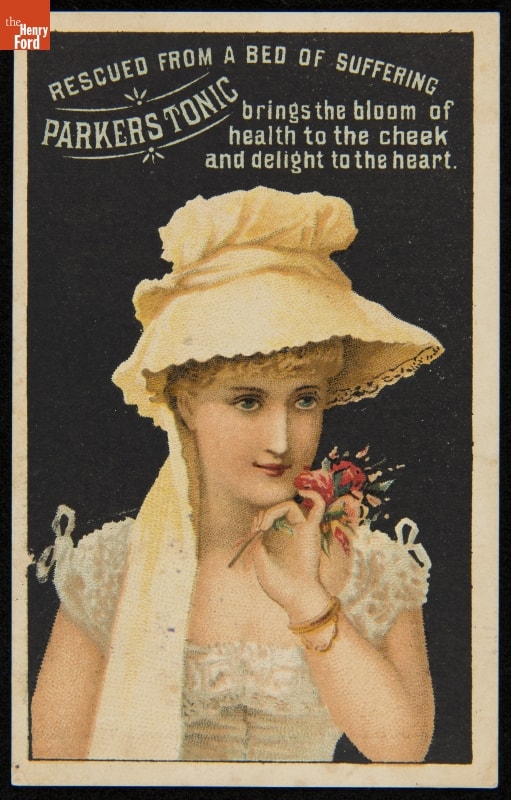
- Trade Card for Hiscox & Co., "Parker's Tonic Brings the Bloom of Health," circa 1900 - In the last third of the nineteenth century, an unprecedented variety of consumer goods and services flooded the American market. Advertisers, armed with new methods of color printing, bombarded potential customers with trade cards. Americans enjoyed and often saved the vibrant little advertisements found in product packages or distributed by local merchants. Many survive as historical records of commercialism in the United States.
- circa 1900
- Collections - Artifact
Trade Card for Hiscox & Co., "Parker's Tonic Brings the Bloom of Health," circa 1900
In the last third of the nineteenth century, an unprecedented variety of consumer goods and services flooded the American market. Advertisers, armed with new methods of color printing, bombarded potential customers with trade cards. Americans enjoyed and often saved the vibrant little advertisements found in product packages or distributed by local merchants. Many survive as historical records of commercialism in the United States.
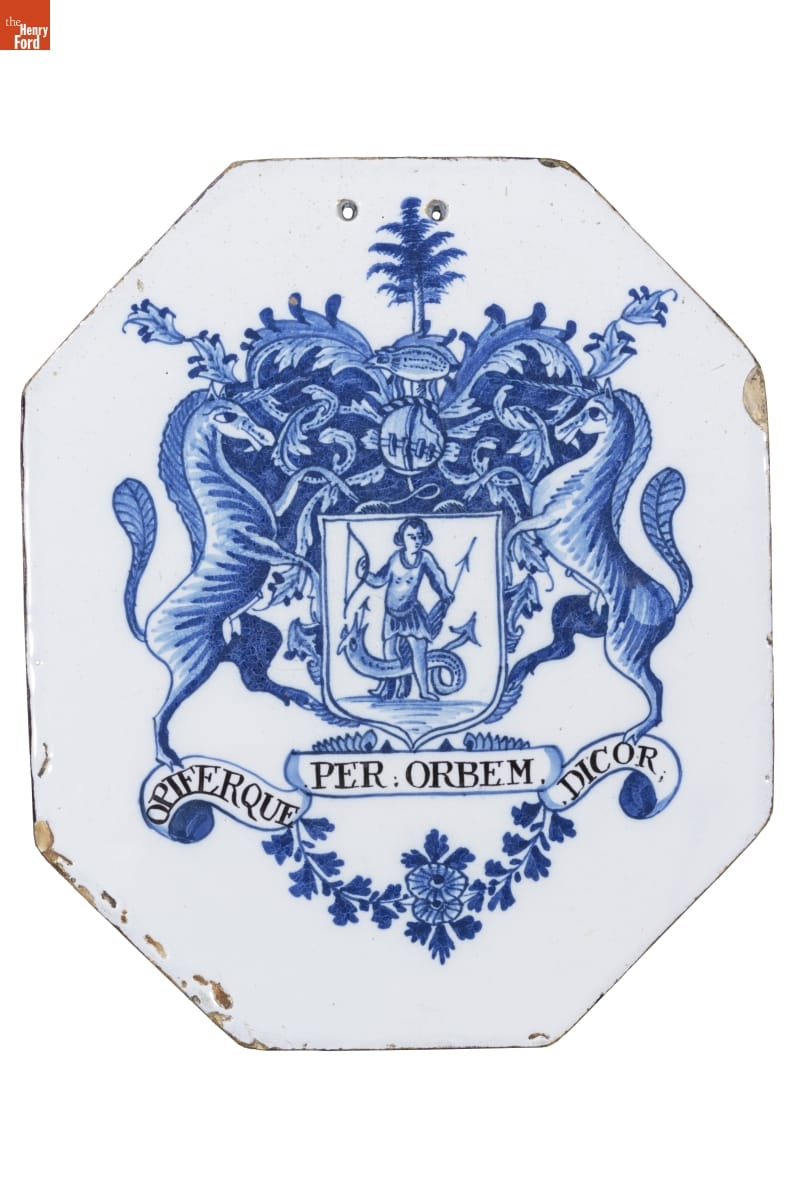
- Pill Slab, 1700-1740 -
- 1700-1740
- Collections - Artifact
Pill Slab, 1700-1740
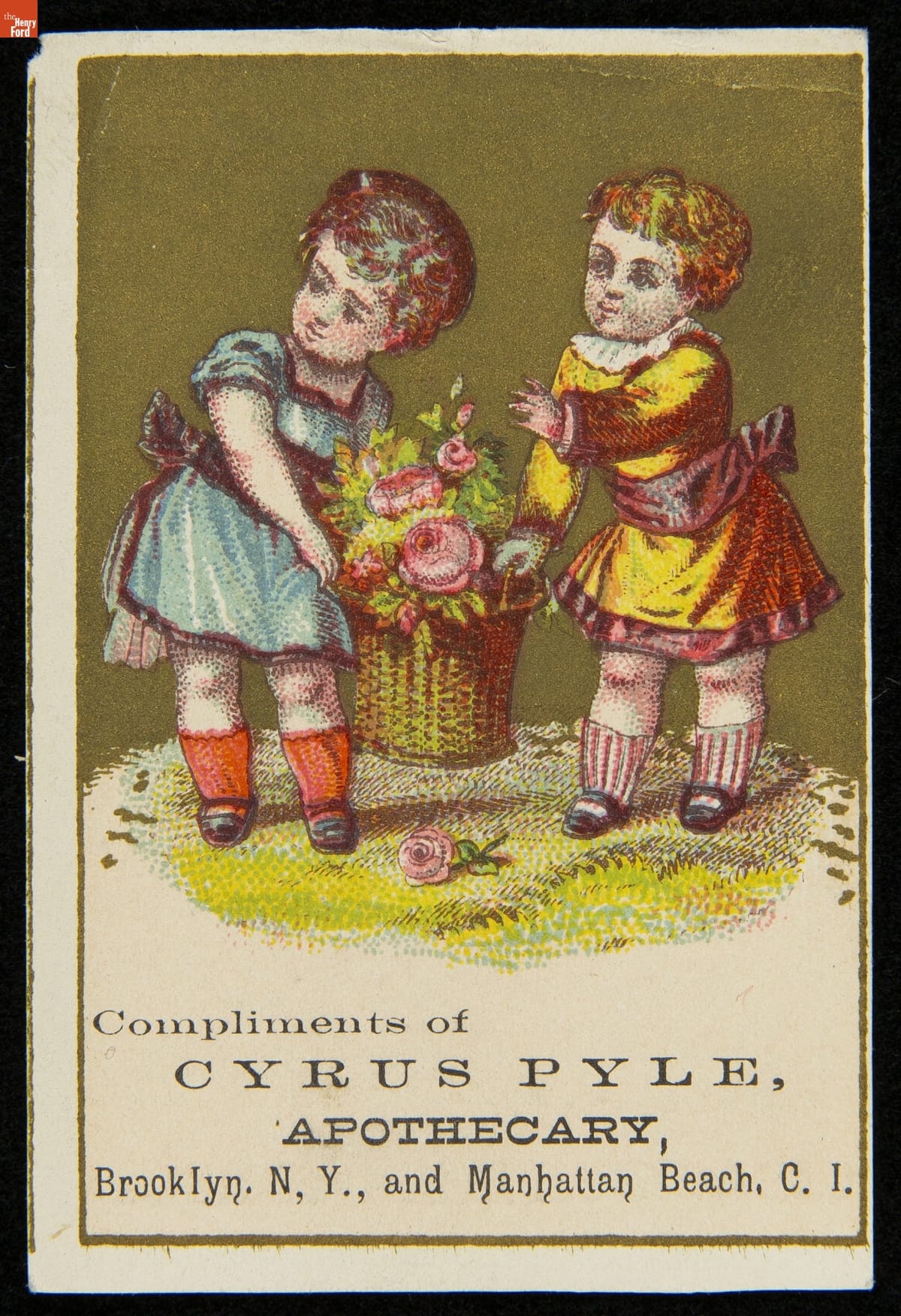
- Trade Card for Cyrus Pyle, Apothecary Products, 1875-1885 - In the last third of the nineteenth century, an unprecedented variety of consumer goods and services flooded the American market. Advertisers, armed with new methods of color printing, bombarded potential customers with trade cards. Americans enjoyed and often saved the vibrant little advertisements found in product packages or distributed by local merchants. Many survive as historical records of commercialism in the United States.
- 1875-1885
- Collections - Artifact
Trade Card for Cyrus Pyle, Apothecary Products, 1875-1885
In the last third of the nineteenth century, an unprecedented variety of consumer goods and services flooded the American market. Advertisers, armed with new methods of color printing, bombarded potential customers with trade cards. Americans enjoyed and often saved the vibrant little advertisements found in product packages or distributed by local merchants. Many survive as historical records of commercialism in the United States.