
Search
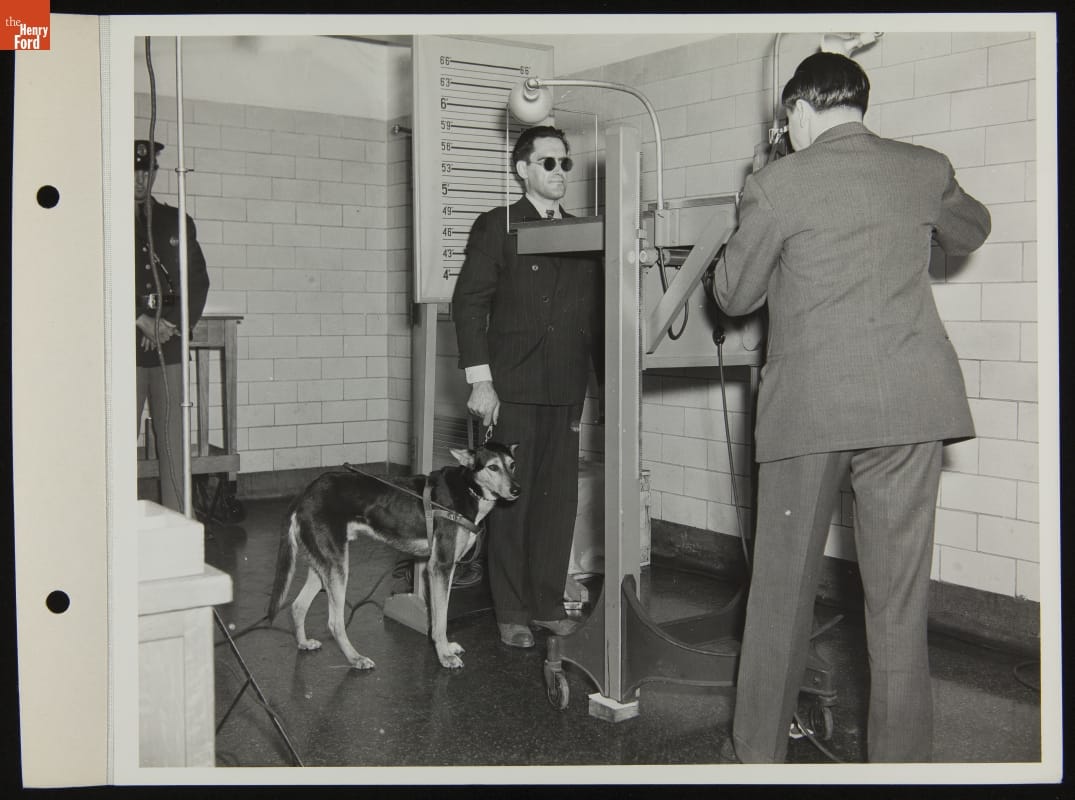
- Ford Employee Sylvester Rypkowski with Service Dog "Blackie," Being Photographed for ID Badge, October 1942 - Henry Ford believed in providing equal employment opportunities to people with disabilities -- a practice he began in the early years of his company. During World War II, Ford employed thousands of workers with disabilities. In October 1942, Ford Motor Company photographed Sylvester Rypkowski and his service dog, Blackie, as they became members of the Rouge plant's workforce.
- October 05, 1942
- Collections - Artifact
Ford Employee Sylvester Rypkowski with Service Dog "Blackie," Being Photographed for ID Badge, October 1942
Henry Ford believed in providing equal employment opportunities to people with disabilities -- a practice he began in the early years of his company. During World War II, Ford employed thousands of workers with disabilities. In October 1942, Ford Motor Company photographed Sylvester Rypkowski and his service dog, Blackie, as they became members of the Rouge plant's workforce.
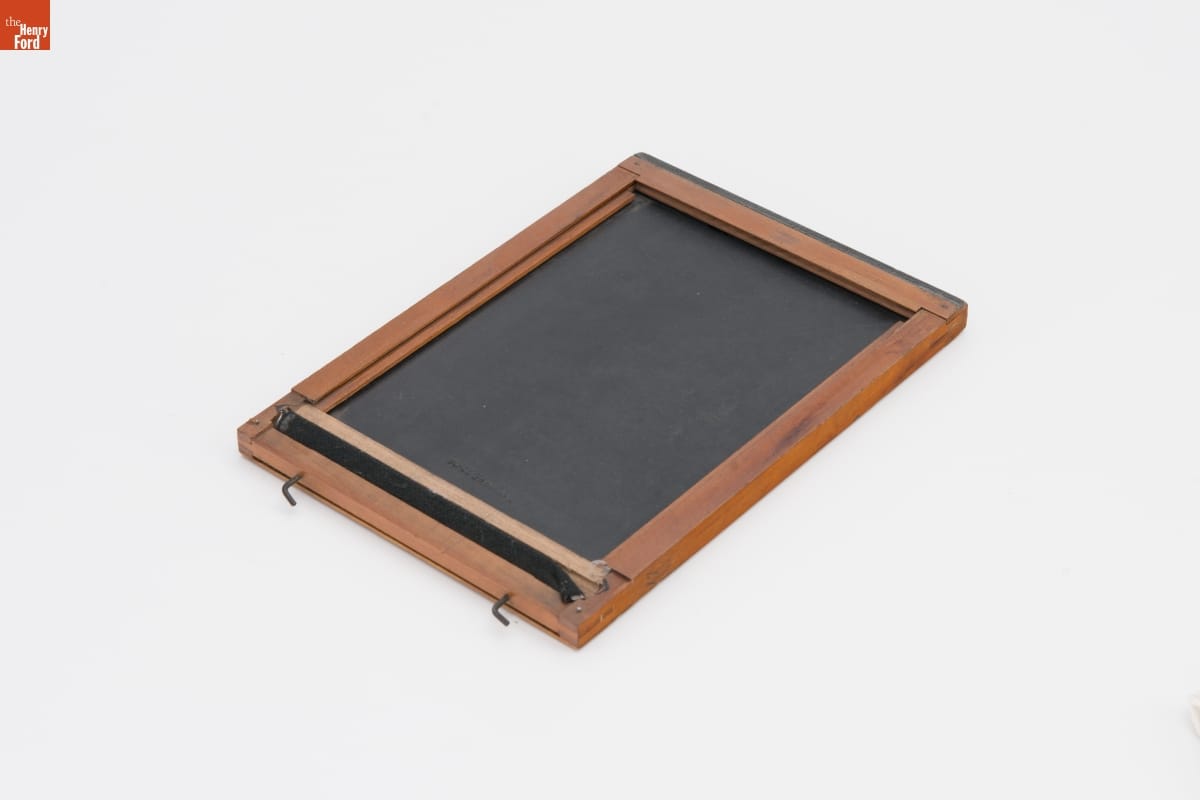
- Plate Film Holder, 1908-1920 - Wet plate photography was a primary photographic method until the invention of roll-film in the 1880s. Metal or glass plates were coated with light-sensitive collodion, placed into holders, and exposed in a camera. Before the plate dried, it was developed in a darkroom. Exacting and demanding, wet plate photography was the opposite of being a mobile, spontaneous, or user-friendly process.
- 1908-1920
- Collections - Artifact
Plate Film Holder, 1908-1920
Wet plate photography was a primary photographic method until the invention of roll-film in the 1880s. Metal or glass plates were coated with light-sensitive collodion, placed into holders, and exposed in a camera. Before the plate dried, it was developed in a darkroom. Exacting and demanding, wet plate photography was the opposite of being a mobile, spontaneous, or user-friendly process.
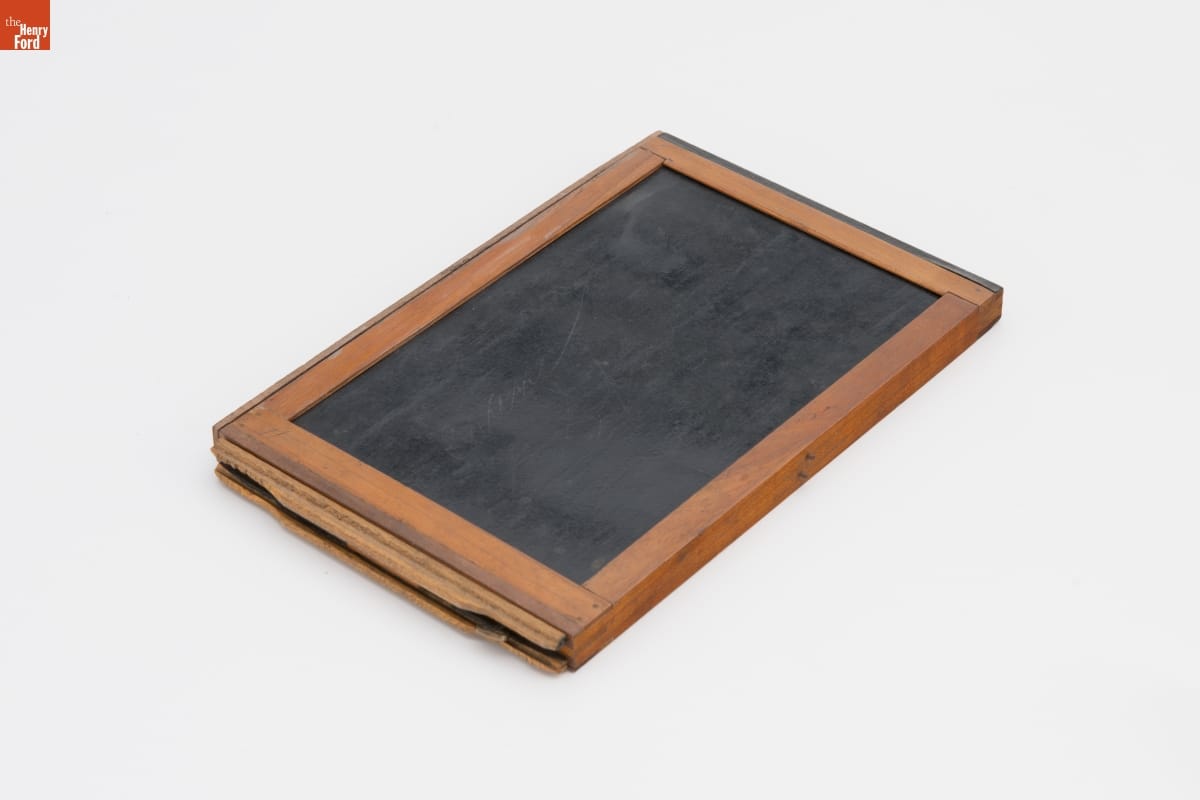
- Plate Film Holder, 1870-1920 - Wet plate photography was a primary photographic method until the invention of roll-film in the 1880s. Metal or glass plates were coated with light-sensitive collodion, placed into holders, and exposed in a camera. Before the plate dried, it was developed in a darkroom. Exacting and demanding, wet plate photography was the opposite of being a mobile, spontaneous, or user-friendly process.
- 1870-1920
- Collections - Artifact
Plate Film Holder, 1870-1920
Wet plate photography was a primary photographic method until the invention of roll-film in the 1880s. Metal or glass plates were coated with light-sensitive collodion, placed into holders, and exposed in a camera. Before the plate dried, it was developed in a darkroom. Exacting and demanding, wet plate photography was the opposite of being a mobile, spontaneous, or user-friendly process.
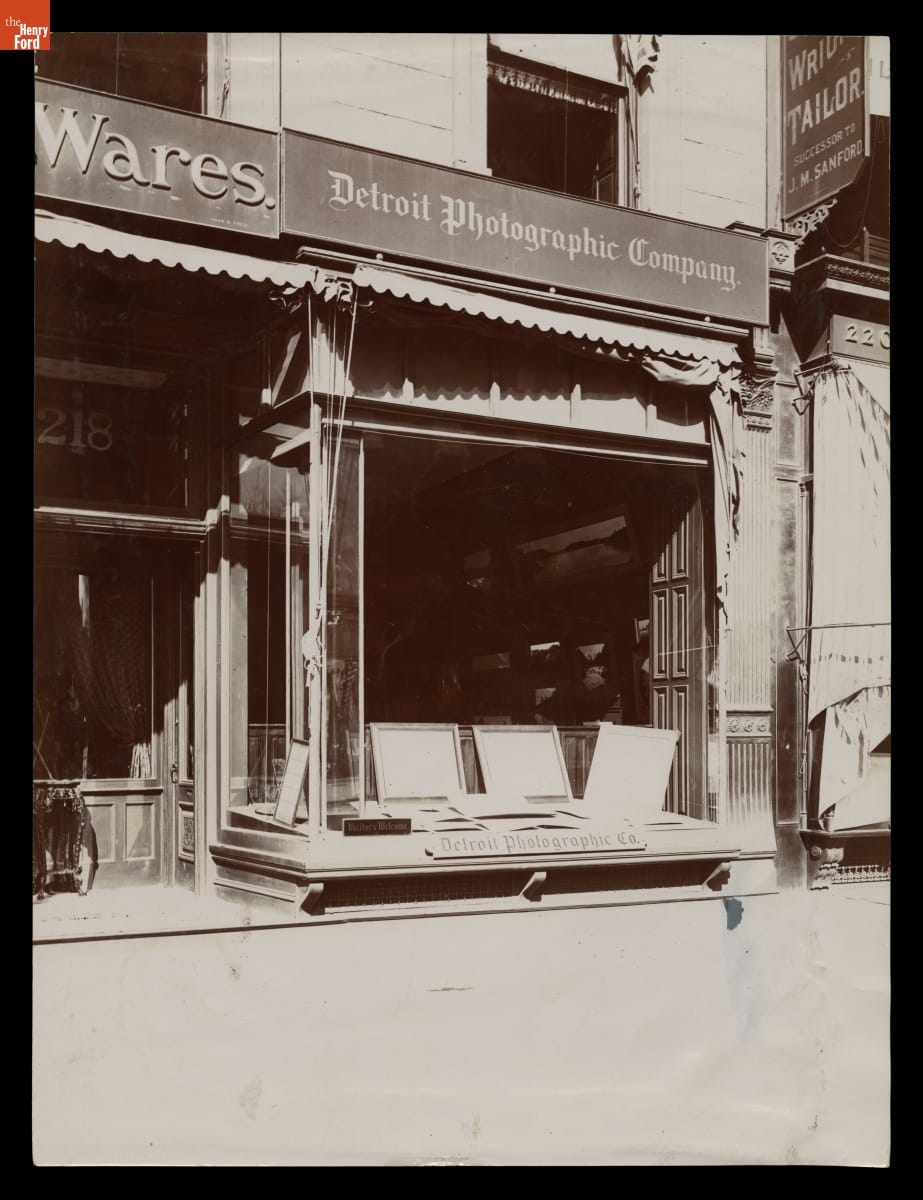
- Detroit Photographic Company Retail Outlet, New York City, 1900-1910 - From 1895 to 1924, the Detroit Publishing Company was one of the major image publishers in the world. The company's wide-ranging stock of original photographs documented life and landscapes from across the nation and around the globe. From the tens of thousands of negatives, the company created prints, postcards, lantern slides, panoramas, and other merchandise for sale to educators, businessmen, advertisers, homeowners and travelers.
- circa 1900
- Collections - Artifact
Detroit Photographic Company Retail Outlet, New York City, 1900-1910
From 1895 to 1924, the Detroit Publishing Company was one of the major image publishers in the world. The company's wide-ranging stock of original photographs documented life and landscapes from across the nation and around the globe. From the tens of thousands of negatives, the company created prints, postcards, lantern slides, panoramas, and other merchandise for sale to educators, businessmen, advertisers, homeowners and travelers.
- Kodak Sheet Film Holder, circa 1925 - In 1913, Kodak introduced their pioneering Eastman Portrait Film for the professional photographer as an alternative to glass plate photography. Individual sheets of flexible cellulose nitrate were housed in light-safe film holders. Large format film produced by Kodak and others held copious amounts of information, perfect for crisp, faithful reproductions. A less flammable "safety" sheet film was introduced in 1925.
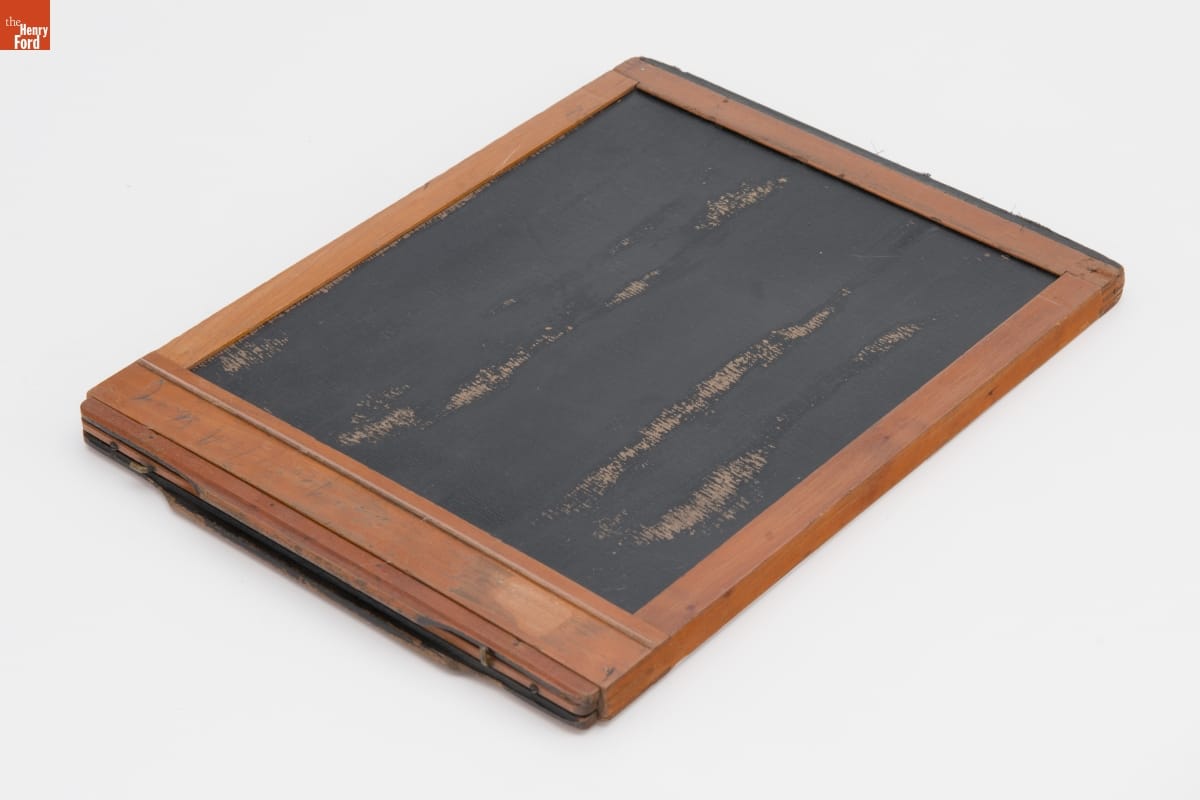
- circa 1925
- Collections - Artifact
Kodak Sheet Film Holder, circa 1925
In 1913, Kodak introduced their pioneering Eastman Portrait Film for the professional photographer as an alternative to glass plate photography. Individual sheets of flexible cellulose nitrate were housed in light-safe film holders. Large format film produced by Kodak and others held copious amounts of information, perfect for crisp, faithful reproductions. A less flammable "safety" sheet film was introduced in 1925.
- Plate Film Holder, 1915-1925 - Wet plate photography was a primary photographic method until the invention of roll-film in the 1880s. Metal or glass plates were coated with light-sensitive collodion, placed into holders, and exposed in a camera. Before the plate dried, it was developed in a darkroom. Exacting and demanding, wet plate photography was the opposite of being a mobile, spontaneous, or user-friendly process.
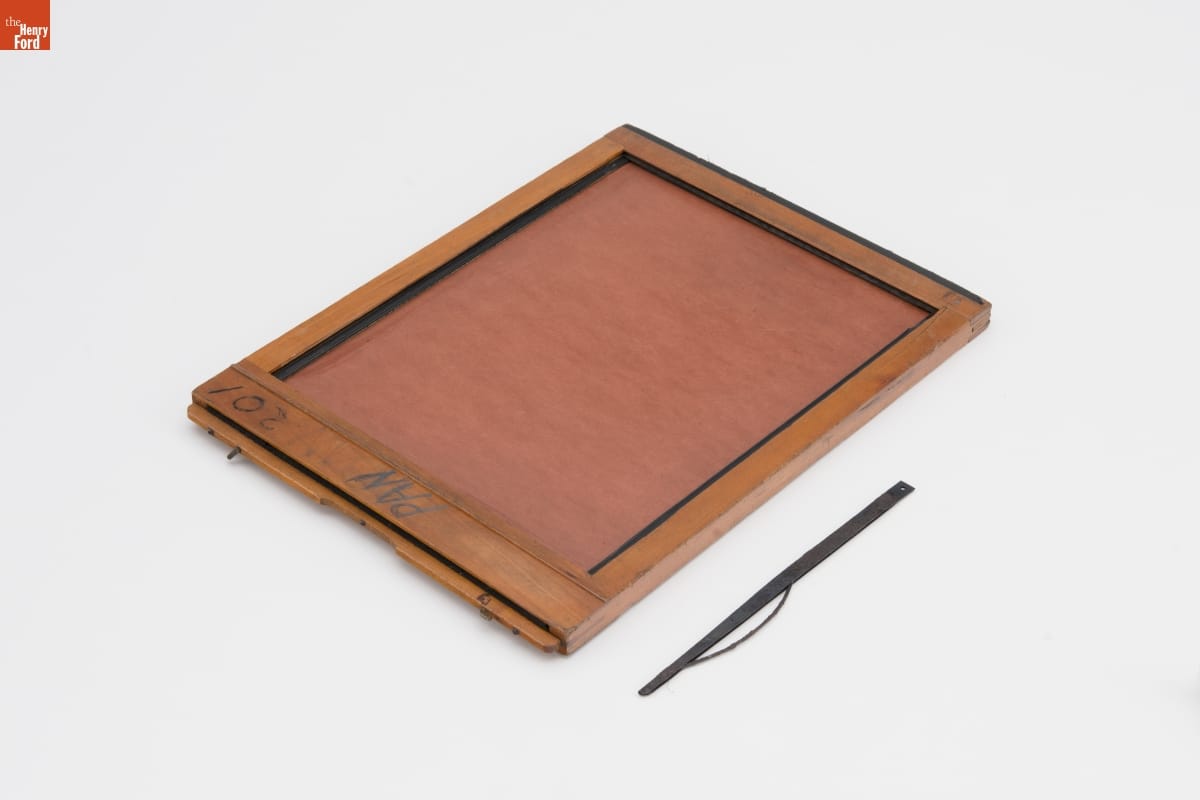
- 1915-1925
- Collections - Artifact
Plate Film Holder, 1915-1925
Wet plate photography was a primary photographic method until the invention of roll-film in the 1880s. Metal or glass plates were coated with light-sensitive collodion, placed into holders, and exposed in a camera. Before the plate dried, it was developed in a darkroom. Exacting and demanding, wet plate photography was the opposite of being a mobile, spontaneous, or user-friendly process.
- Graflex Photographic Plate Holder, circa 1925 - This Graflex aerial camera magazine holds multiple sheets of film. Film sheets are loaded into the metal body of the magazine. After making an exposure a lever slides towards the leather bag; the film shifts into the attached bag and then up into the stack of film sheets. Safe from further exposure by light, the film remains here until processing.
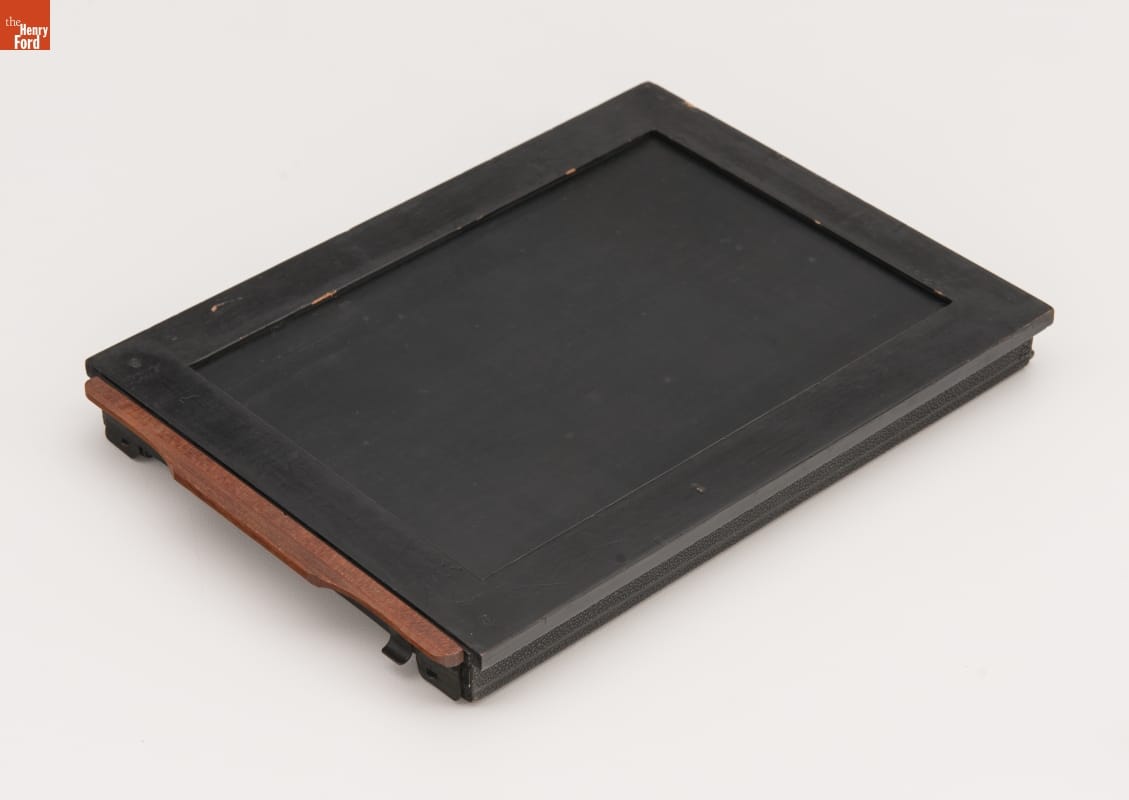
- circa 1925
- Collections - Artifact
Graflex Photographic Plate Holder, circa 1925
This Graflex aerial camera magazine holds multiple sheets of film. Film sheets are loaded into the metal body of the magazine. After making an exposure a lever slides towards the leather bag; the film shifts into the attached bag and then up into the stack of film sheets. Safe from further exposure by light, the film remains here until processing.
- Korona Film Holder, 1902-1920 - Dry plate photography was a primary photographic method until the invention of roll-film in the 1880s. Glass plates coated with light-sensitive gelatin were placed into holders, and exposed in a camera. George Eastman automated this process with his plate-coating machine and factory in 1879. Exacting and demanding, plate-based photography was the opposite of being a mobile or spontaneous process.
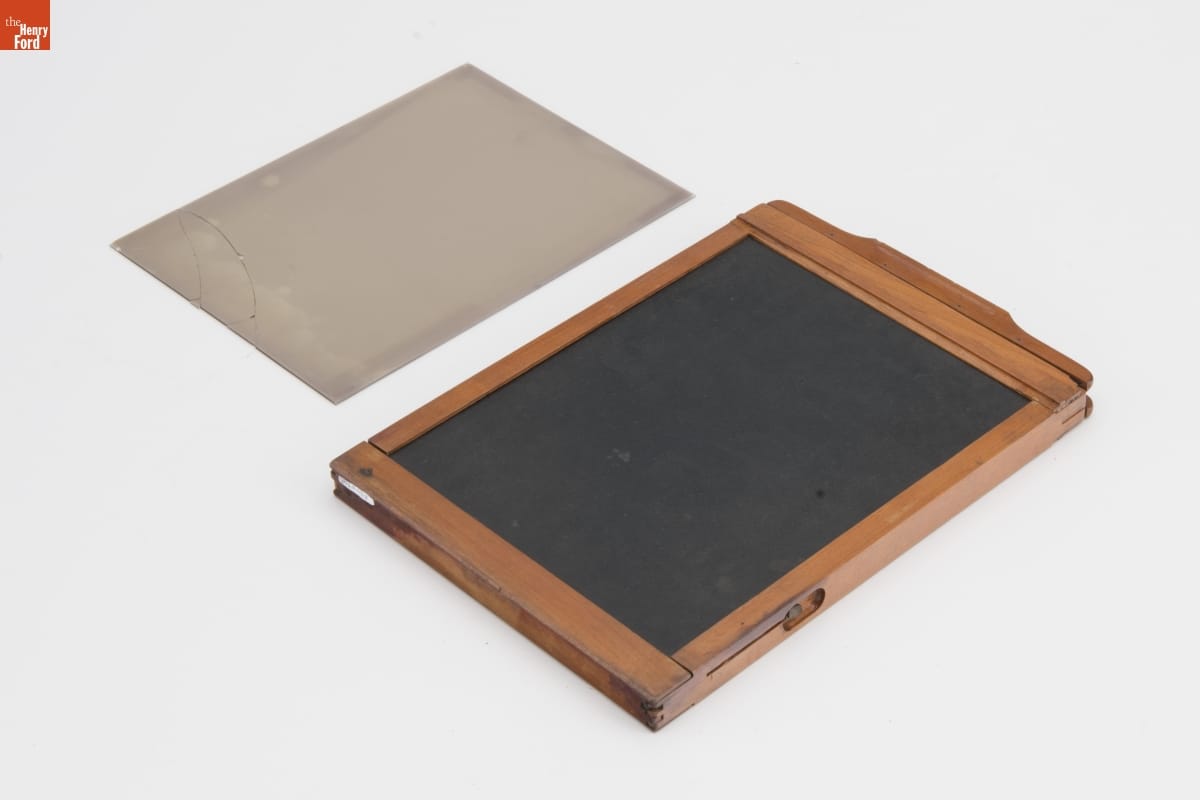
- 1902-1920
- Collections - Artifact
Korona Film Holder, 1902-1920
Dry plate photography was a primary photographic method until the invention of roll-film in the 1880s. Glass plates coated with light-sensitive gelatin were placed into holders, and exposed in a camera. George Eastman automated this process with his plate-coating machine and factory in 1879. Exacting and demanding, plate-based photography was the opposite of being a mobile or spontaneous process.
- Korona Film Holder, 1902-1920 - Wet plate photography was a primary photographic method until the invention of roll-film in the 1880s. Metal or glass plates were coated with light-sensitive collodion, placed into holders, and exposed in a camera. Before the plate dried, it was developed in a darkroom. Exacting and demanding, wet plate photography was the opposite of being a mobile, spontaneous, or user-friendly process.
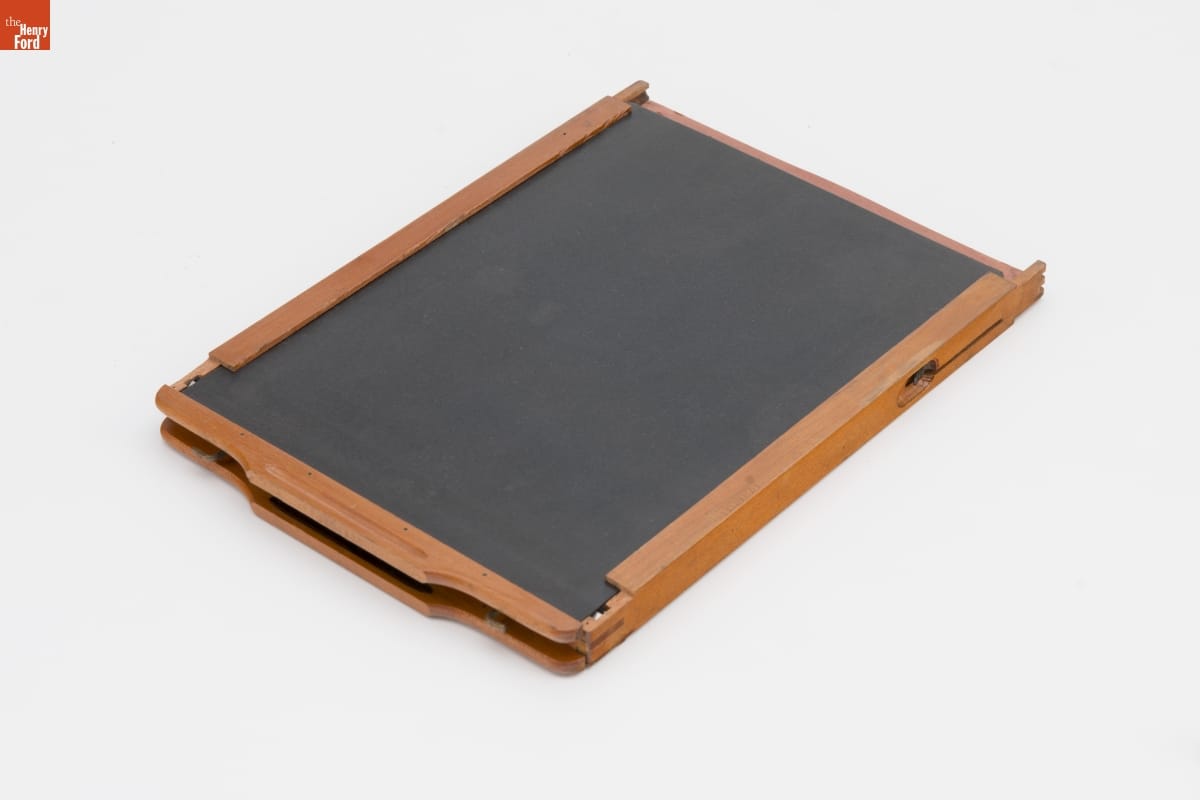
- 1902-1920
- Collections - Artifact
Korona Film Holder, 1902-1920
Wet plate photography was a primary photographic method until the invention of roll-film in the 1880s. Metal or glass plates were coated with light-sensitive collodion, placed into holders, and exposed in a camera. Before the plate dried, it was developed in a darkroom. Exacting and demanding, wet plate photography was the opposite of being a mobile, spontaneous, or user-friendly process.
- Kodak Sheet Film Holder, circa 1925 - In 1913, Kodak introduced their pioneering Eastman Portrait Film for the professional photographer as an alternative to glass plate photography. Individual sheets of flexible cellulose nitrate were housed in light-safe film holders. Large format film produced by Kodak and others held copious amounts of information, perfect for crisp, faithful reproductions. A less flammable "safety" sheet film was introduced in 1925.
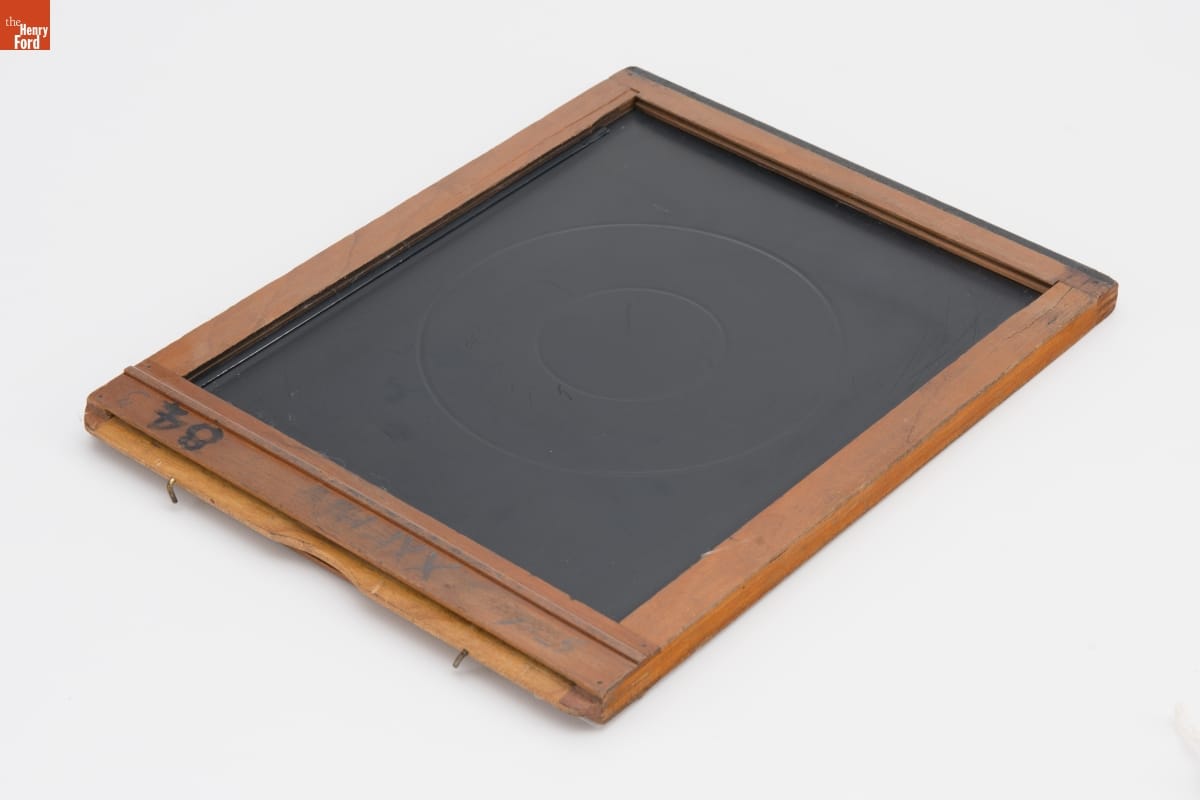
- circa 1925
- Collections - Artifact
Kodak Sheet Film Holder, circa 1925
In 1913, Kodak introduced their pioneering Eastman Portrait Film for the professional photographer as an alternative to glass plate photography. Individual sheets of flexible cellulose nitrate were housed in light-safe film holders. Large format film produced by Kodak and others held copious amounts of information, perfect for crisp, faithful reproductions. A less flammable "safety" sheet film was introduced in 1925.