
Search
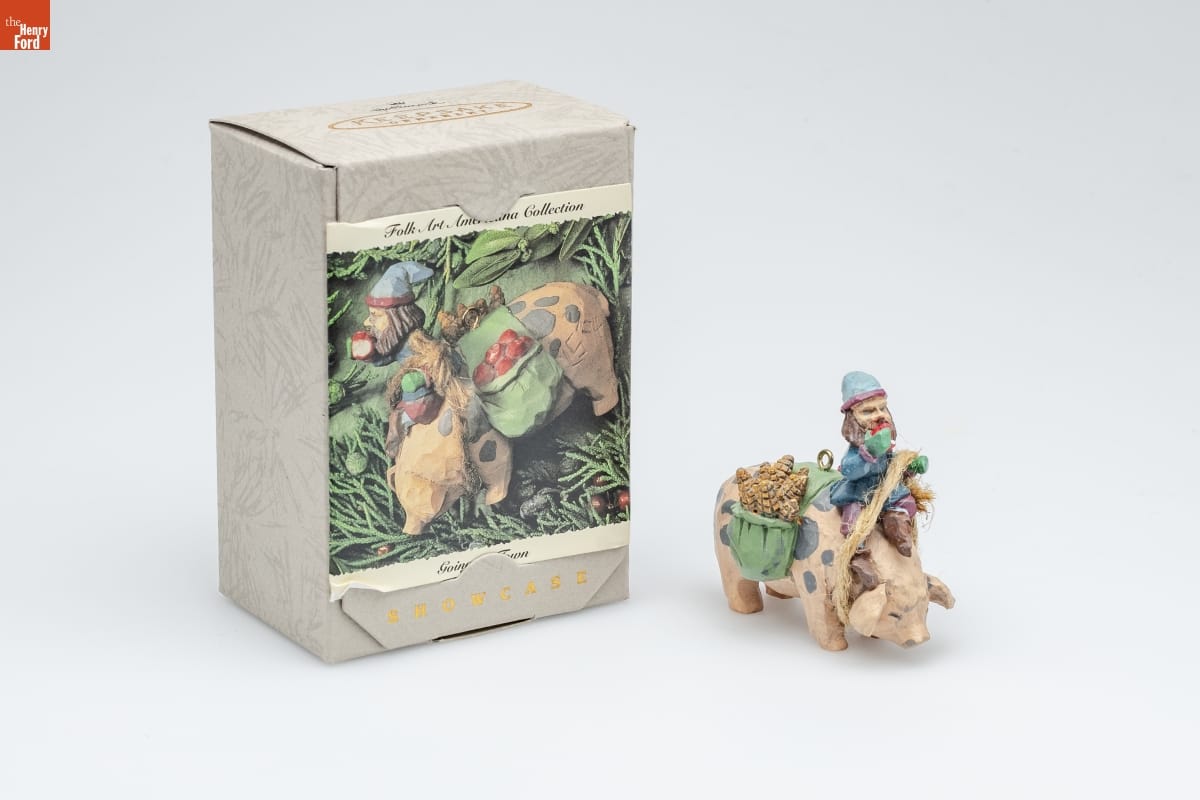
- Hallmark "Folk Art Americana Collection: Going to Town" Christmas Ornament, 1994 - Already known for greeting cards, Hallmark introduced a line of Christmas ornaments in 1973. The company's annual release of an increasing array of ornaments revolutionized Christmas decorating, appealing to customers' interest in marking memories and milestones as well as expressing one's personality and unique tastes.
- 1994
- Collections - Artifact
Hallmark "Folk Art Americana Collection: Going to Town" Christmas Ornament, 1994
Already known for greeting cards, Hallmark introduced a line of Christmas ornaments in 1973. The company's annual release of an increasing array of ornaments revolutionized Christmas decorating, appealing to customers' interest in marking memories and milestones as well as expressing one's personality and unique tastes.
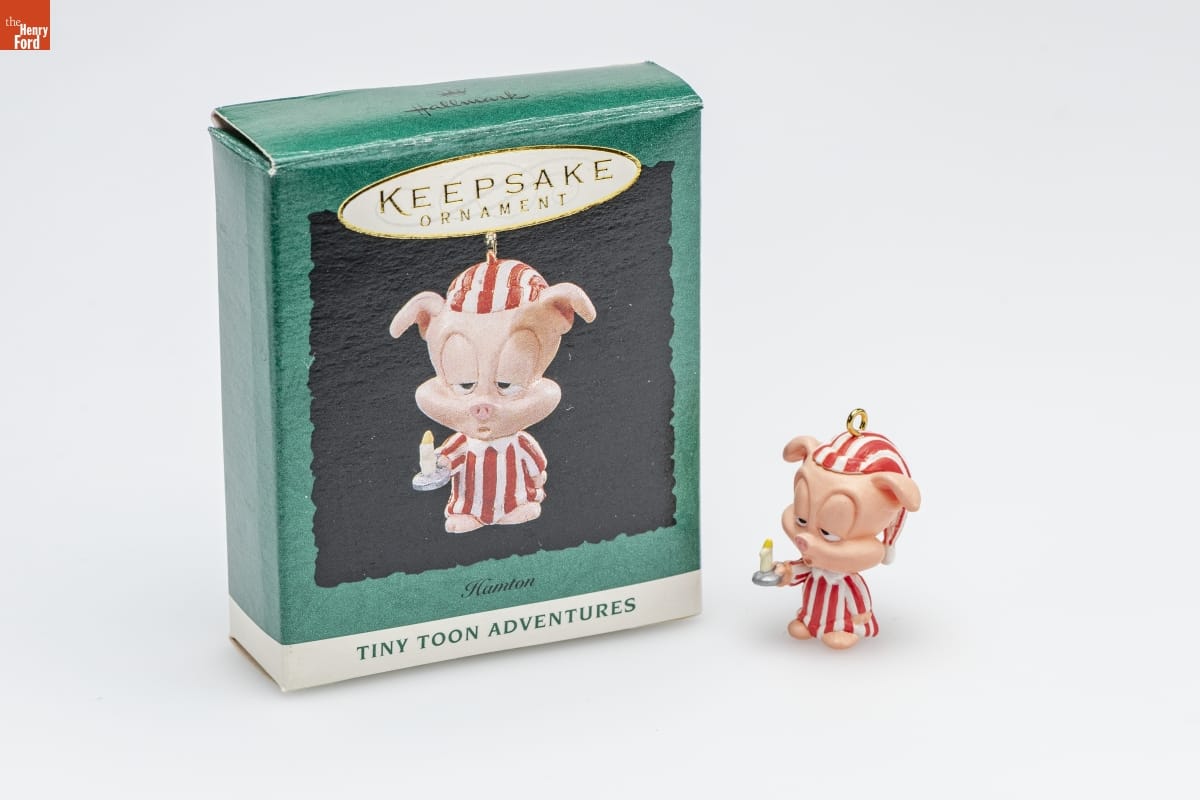
- Hallmark "Tiny Toon Adventures: Hamton" Miniature Christmas Ornament, 1994 - Already known for greeting cards, Hallmark introduced a line of Christmas ornaments in 1973. The company's annual release of an increasing array of ornaments revolutionized Christmas decorating, appealing to customers' interest in marking memories and milestones as well as expressing one's personality and unique tastes.
- 1994
- Collections - Artifact
Hallmark "Tiny Toon Adventures: Hamton" Miniature Christmas Ornament, 1994
Already known for greeting cards, Hallmark introduced a line of Christmas ornaments in 1973. The company's annual release of an increasing array of ornaments revolutionized Christmas decorating, appealing to customers' interest in marking memories and milestones as well as expressing one's personality and unique tastes.
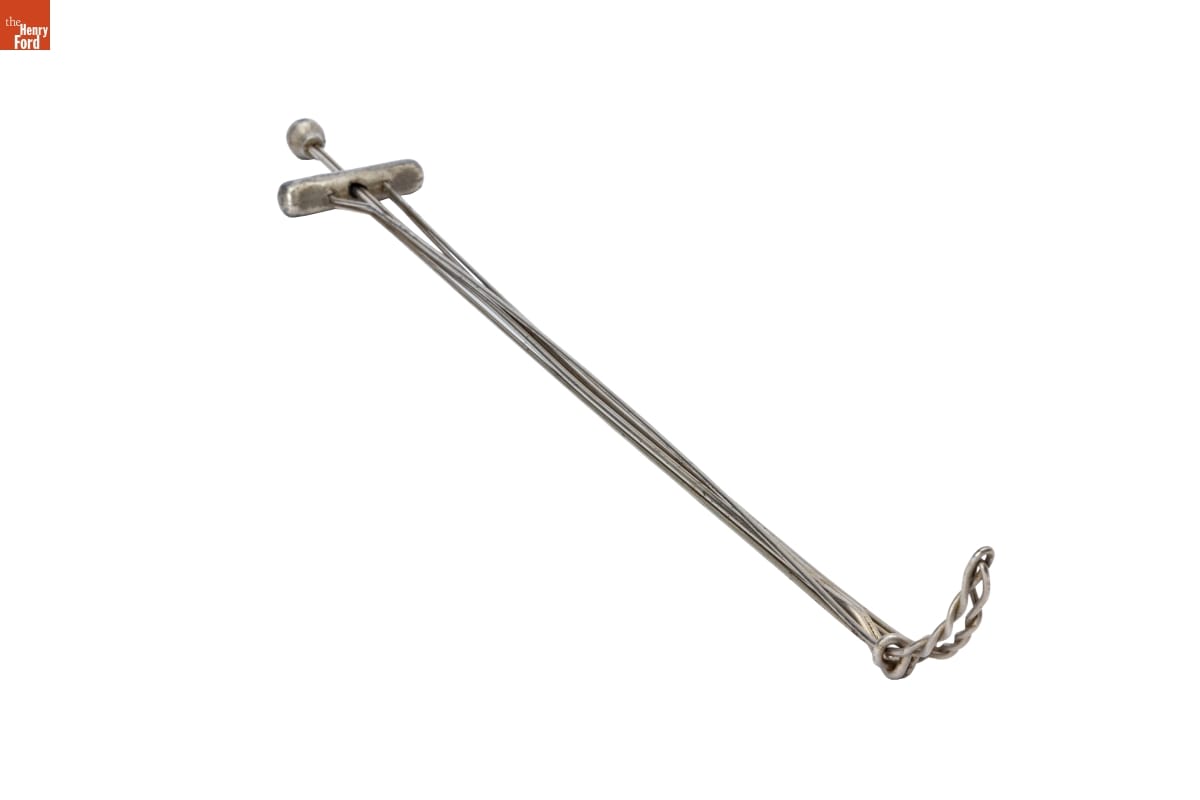
- Pig Puller, circa 1915 - Many domesticated farm animals (such as hogs and sheep) give birth naturally without assistance. However, veterinarians may intervene if the mother is having difficulty or if the piglet (hog) or lamb (sheep) is in an incorrect position or stillborn. Veterinarians use an extractor or "puller" to loop a wire securely around the animal to help guide it through the birth canal.
- circa 1915
- Collections - Artifact
Pig Puller, circa 1915
Many domesticated farm animals (such as hogs and sheep) give birth naturally without assistance. However, veterinarians may intervene if the mother is having difficulty or if the piglet (hog) or lamb (sheep) is in an incorrect position or stillborn. Veterinarians use an extractor or "puller" to loop a wire securely around the animal to help guide it through the birth canal.
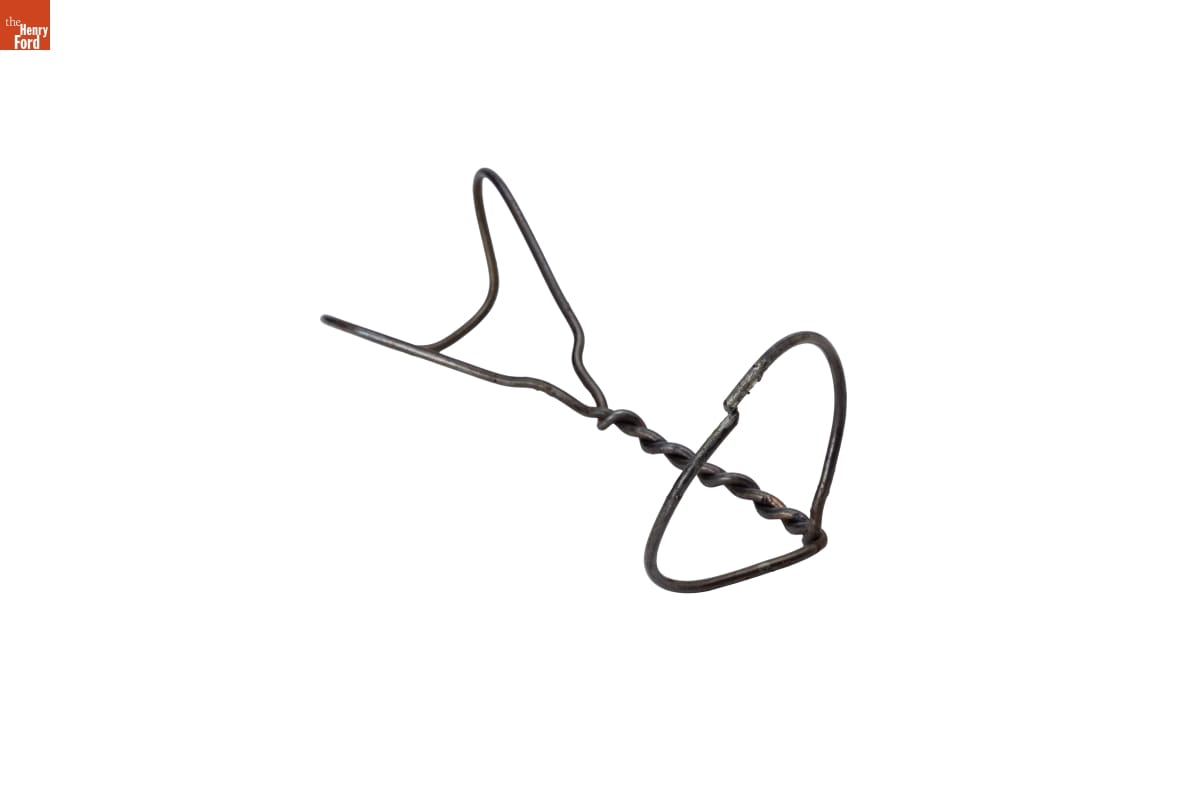
- Hog Restraint, circa 1910 -
- circa 1910
- Collections - Artifact
Hog Restraint, circa 1910
- Ear Notcher -
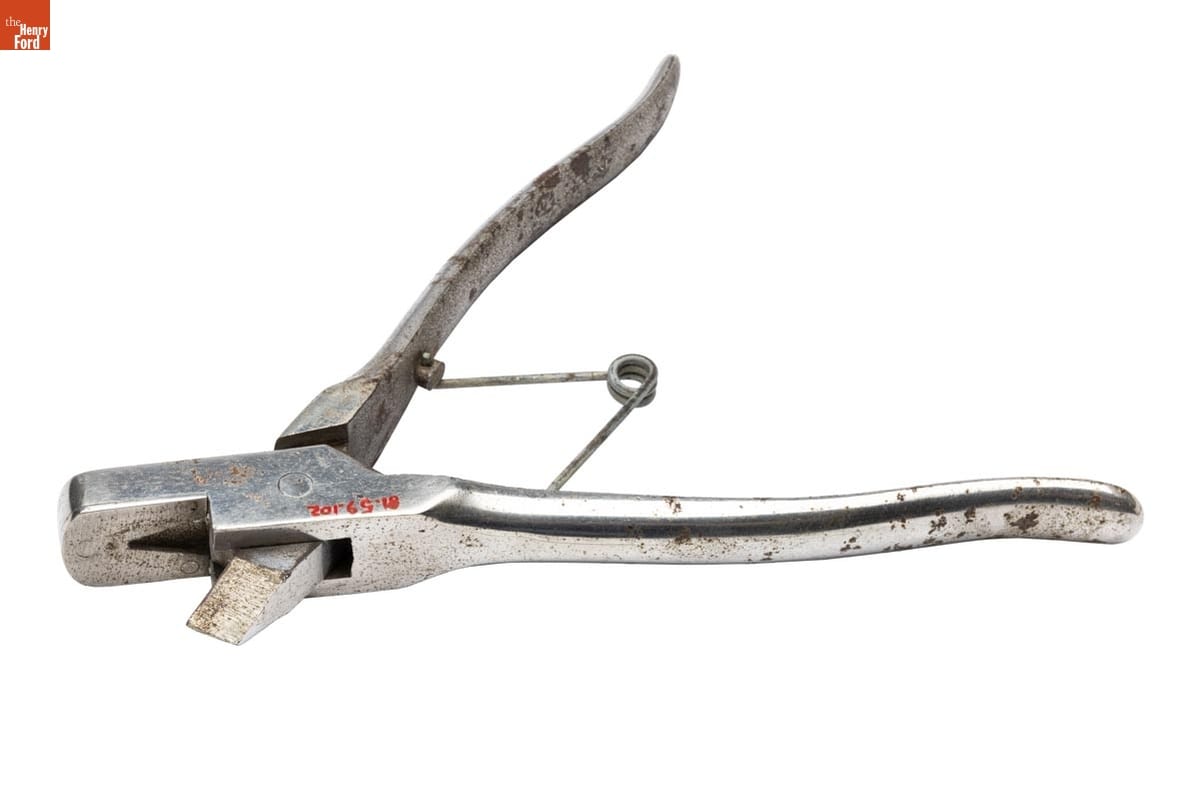
- Collections - Artifact
Ear Notcher
- Hog Scraper - When manually processing a slaughtered pig for its meat before modern mechanized processing methods, farmers or butchers removed protective bristles and hairs by hand-scraping the hide with a tool like this. Dipping the carcass in warm water first loosened the bristles. After scraping, the hide is removed, and the meat is processed. Bristles and hides may then be sold as by-products of butchering.
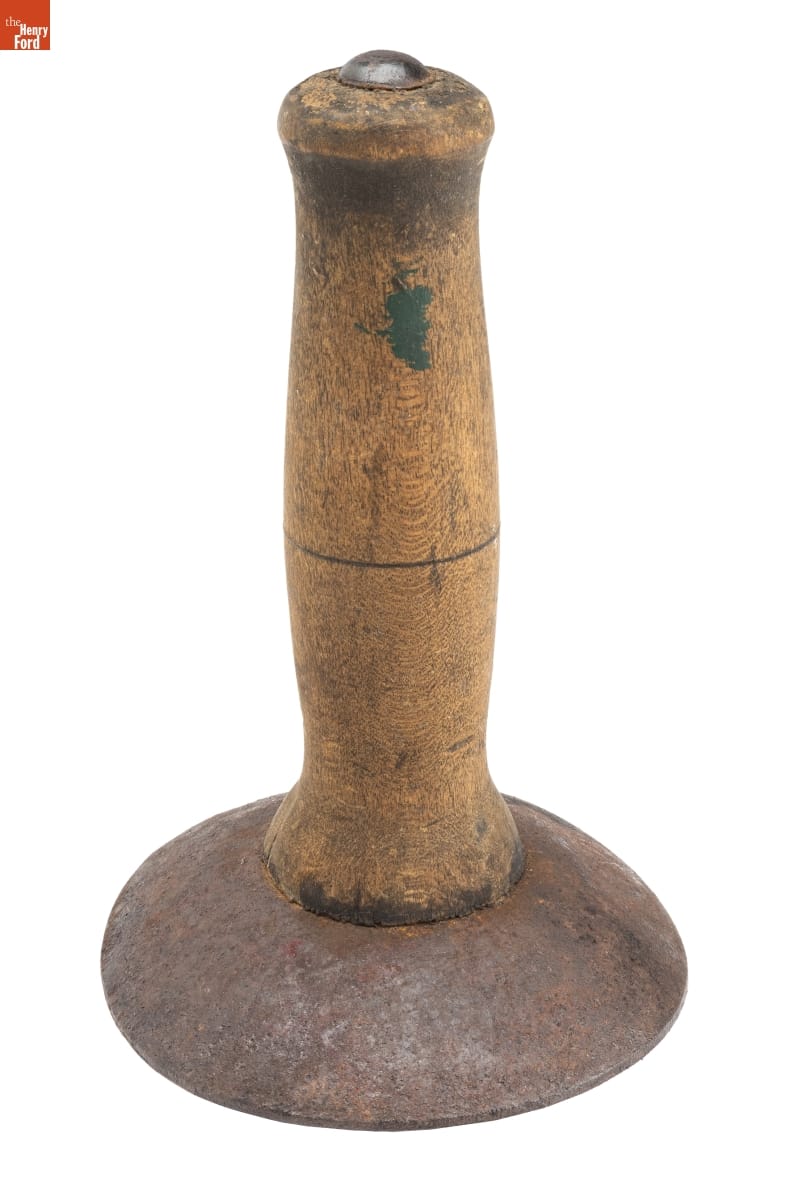
- Collections - Artifact
Hog Scraper
When manually processing a slaughtered pig for its meat before modern mechanized processing methods, farmers or butchers removed protective bristles and hairs by hand-scraping the hide with a tool like this. Dipping the carcass in warm water first loosened the bristles. After scraping, the hide is removed, and the meat is processed. Bristles and hides may then be sold as by-products of butchering.
- Lois with Two Piglets, Kelley Farm, Rockville, Connecticut, 1948 -
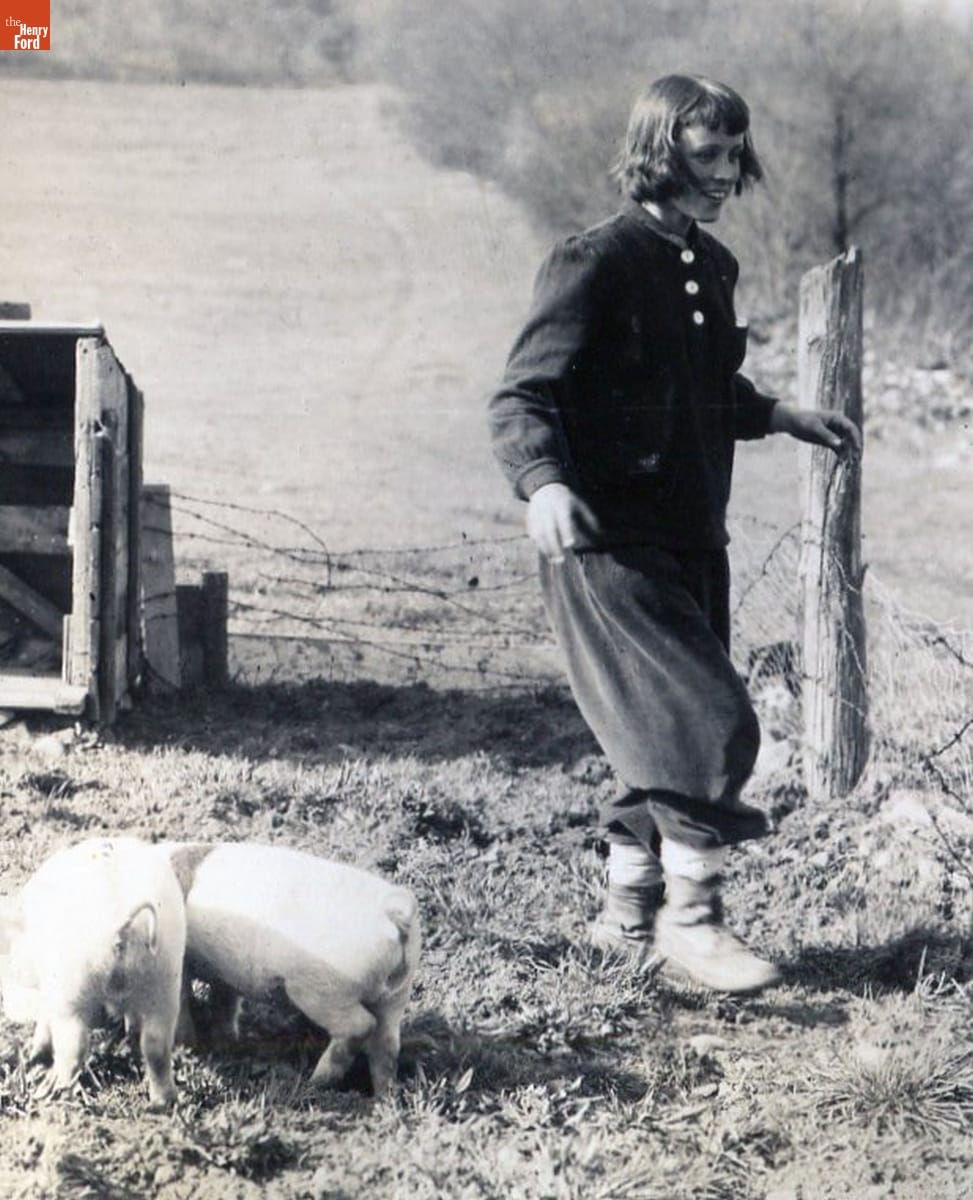
- 1948
- Collections - Artifact
Lois with Two Piglets, Kelley Farm, Rockville, Connecticut, 1948
- Piggy Bank, 1870-1920 - In the late-19th and early-20th centuries, toy banks were marketed to parents as a way to encourage thrift in children. Some banks used mechanical actions to deposit a coin, while others, like this one, just had a slot where the coin was dropped. These simple banks came in a variety of shapes that delighted children of all ages.
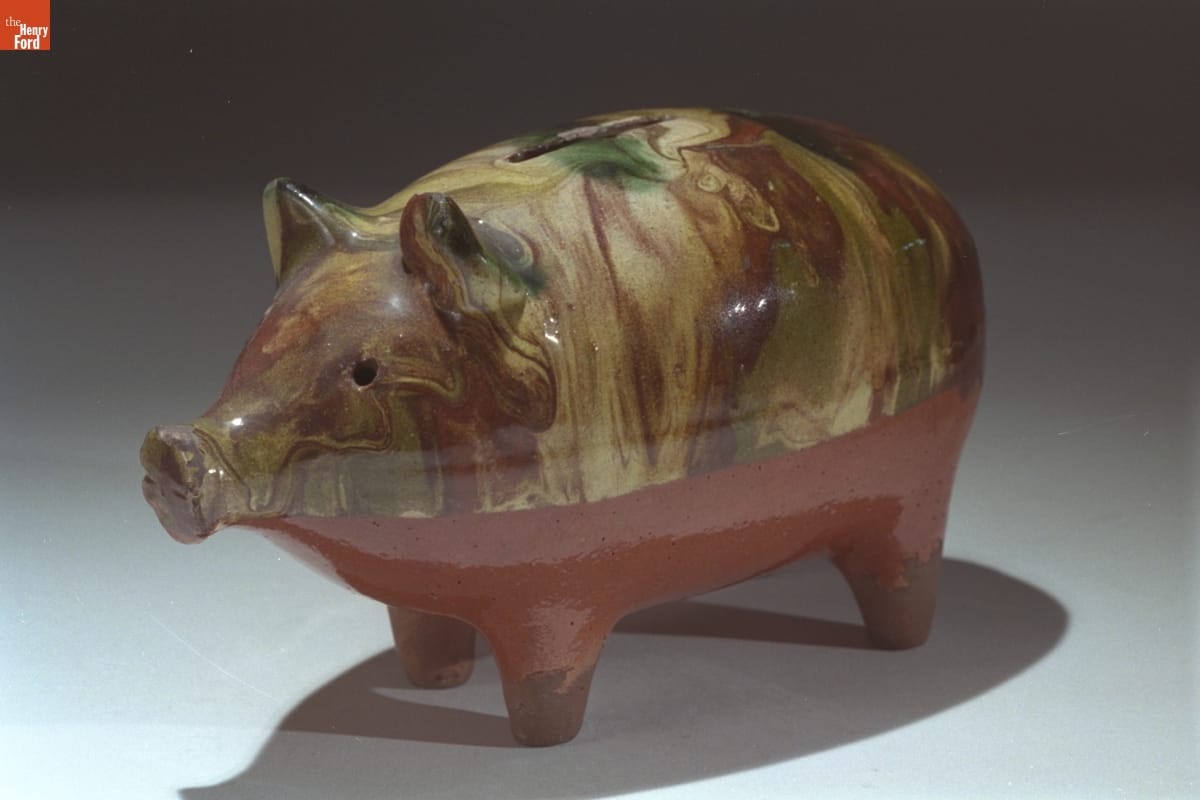
- 1870-1920
- Collections - Artifact
Piggy Bank, 1870-1920
In the late-19th and early-20th centuries, toy banks were marketed to parents as a way to encourage thrift in children. Some banks used mechanical actions to deposit a coin, while others, like this one, just had a slot where the coin was dropped. These simple banks came in a variety of shapes that delighted children of all ages.
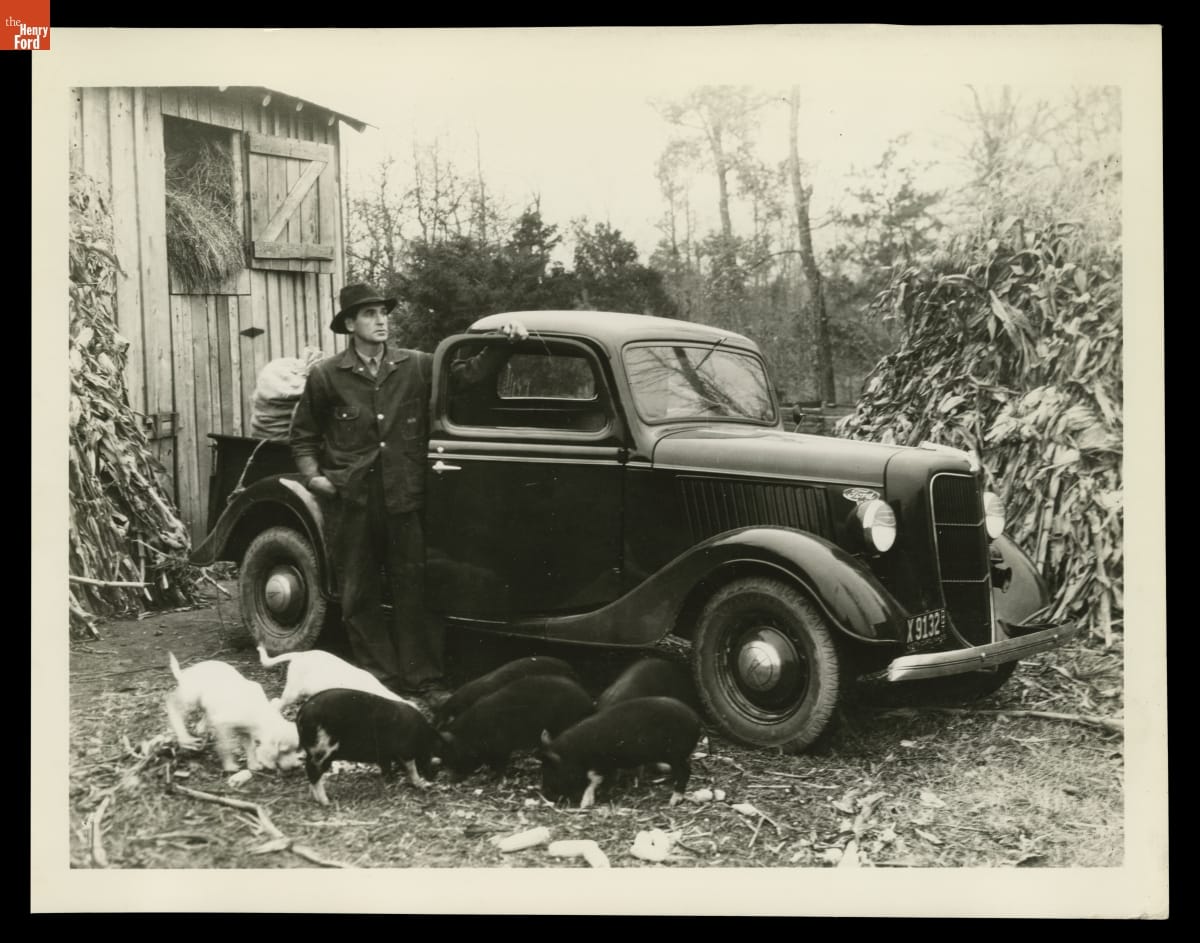
- Exum M. Causey with Ford V-8 Pickup, Greensboro, North Carolina, March 1936 - Ford Motor Company's trucks received small design changes to their radiator shells and wheels for 1936. Buyers could choose from multiple body styles including the pickup, the sedan delivery truck, and the panel truck. If they preferred, buyers could also purchase a basic chassis and add a custom body. Exum Causey posed with his Ford pickup for this promotional photo.
- March 03, 1936
- Collections - Artifact
Exum M. Causey with Ford V-8 Pickup, Greensboro, North Carolina, March 1936
Ford Motor Company's trucks received small design changes to their radiator shells and wheels for 1936. Buyers could choose from multiple body styles including the pickup, the sedan delivery truck, and the panel truck. If they preferred, buyers could also purchase a basic chassis and add a custom body. Exum Causey posed with his Ford pickup for this promotional photo.
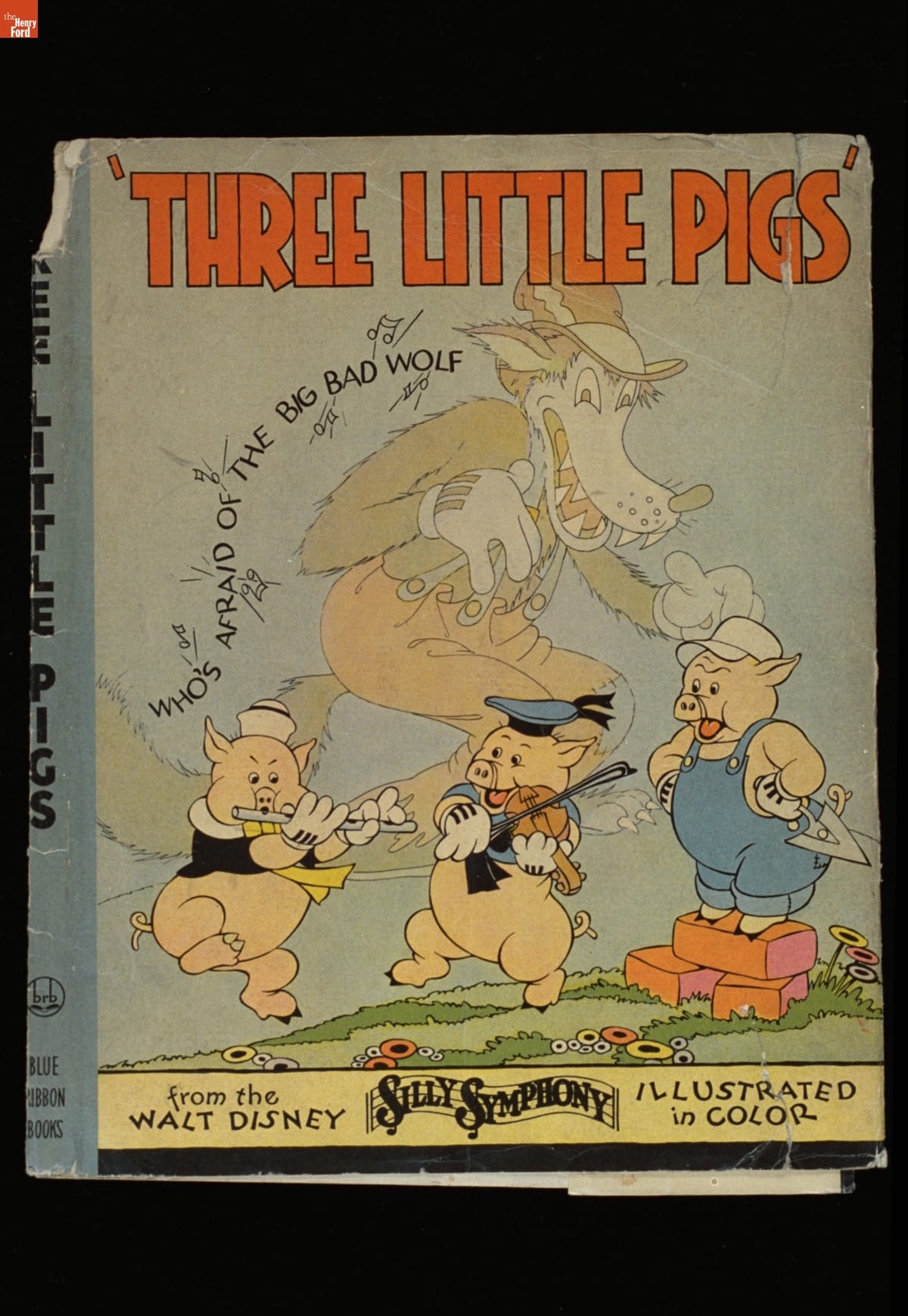
- Three Little Pigs, 1933 -
- 1933
- Collections - Artifact
Three Little Pigs, 1933