
Search
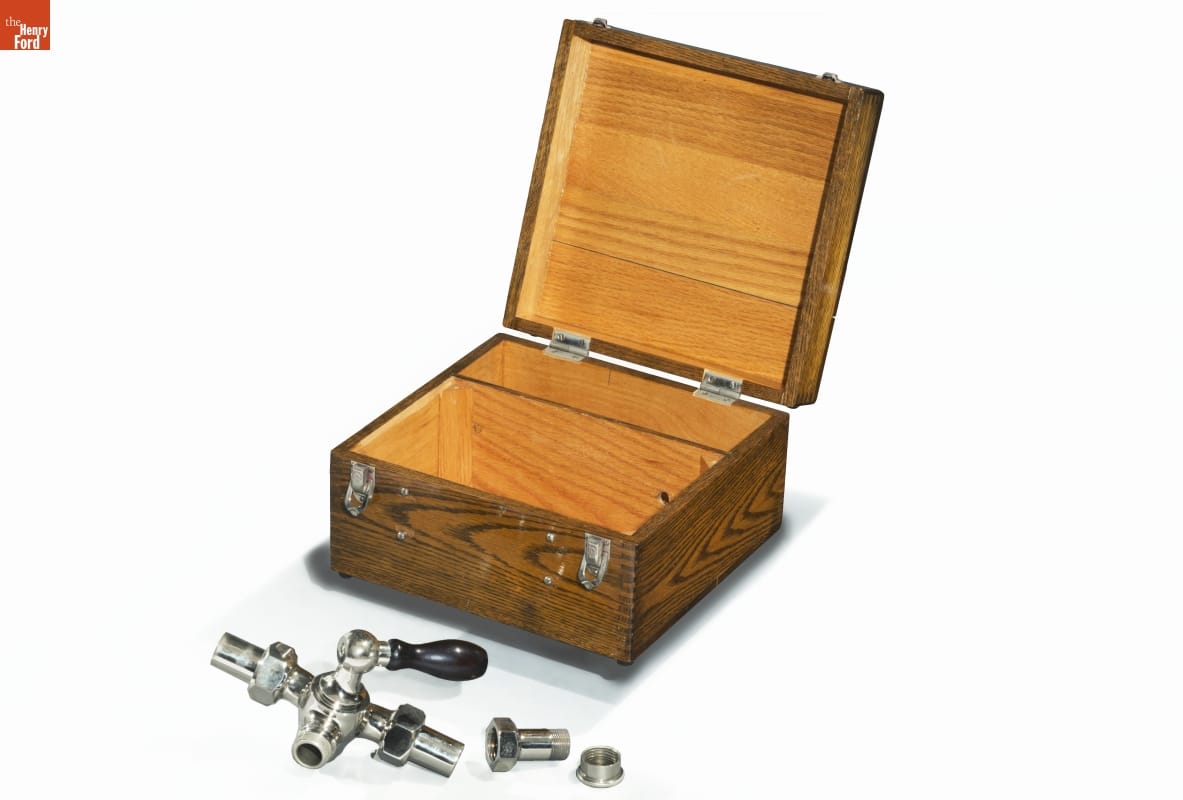
- Case with Pipe -
- Collections - Artifact
Case with Pipe
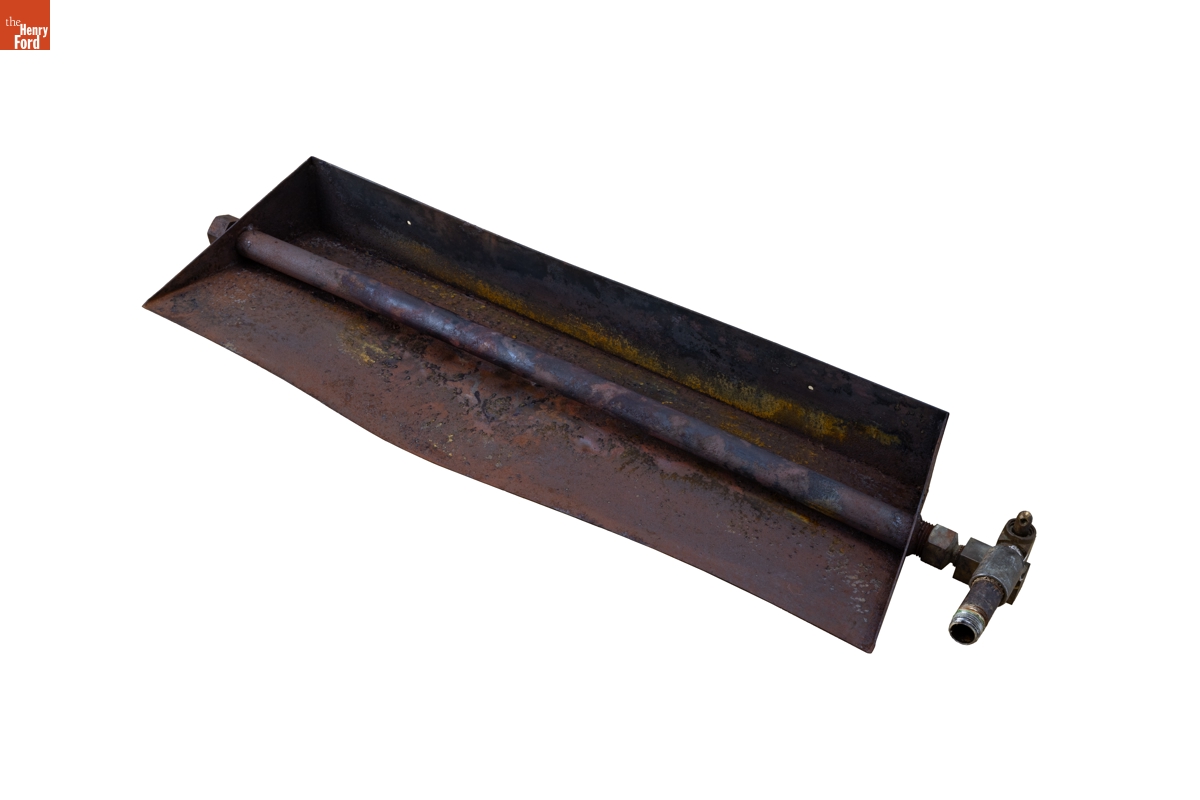
- Fireplace Gas Pipe Used by the Jackson Family, Selma, Alabama - In 2023, The Henry Ford acquired the Selma, Alabama, home of Dr. Sullivan and Richie Jean Sherrod Jackson, where Dr. Martin Luther King and Civil Rights leaders planned the 1965 Selma-to-Montgomery Voting Rights marches. The Jackson Home opened in Greenfield Village in 2026. The home and its contents not only document the voting rights struggle but also shed light on 20th-century Black American middle-class life.
- Collections - Artifact
Fireplace Gas Pipe Used by the Jackson Family, Selma, Alabama
In 2023, The Henry Ford acquired the Selma, Alabama, home of Dr. Sullivan and Richie Jean Sherrod Jackson, where Dr. Martin Luther King and Civil Rights leaders planned the 1965 Selma-to-Montgomery Voting Rights marches. The Jackson Home opened in Greenfield Village in 2026. The home and its contents not only document the voting rights struggle but also shed light on 20th-century Black American middle-class life.
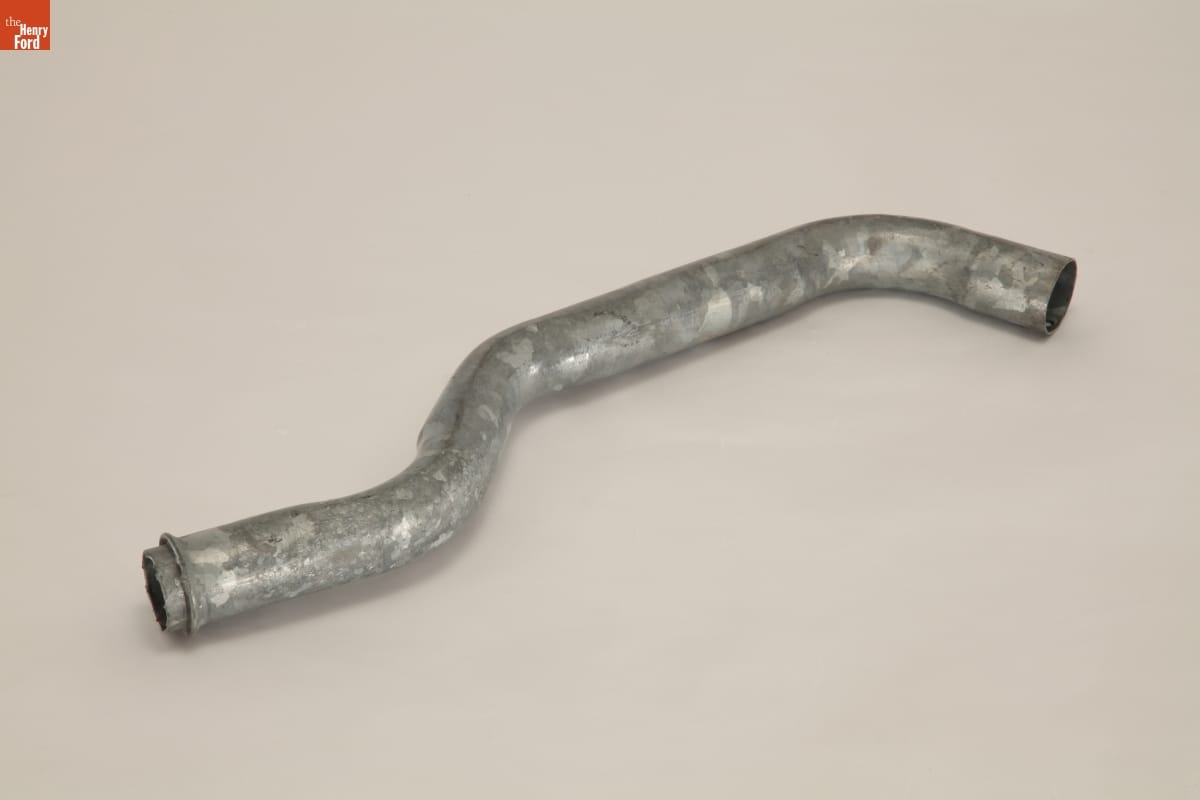
- Chevrolet Impala Front Exhaust Pipe, 1958 - Internal combustion engines produce exhaust gases -- including unburned hydrocarbons, carbon monoxide, and nitrogen oxides -- that must be vented from the engine. Gases generally are routed through a manifold or header, then through an exhaust pipe that ends at a port at the car's rear. A muffler near the end of the pipe reduces noise.
- 1958
- Collections - Artifact
Chevrolet Impala Front Exhaust Pipe, 1958
Internal combustion engines produce exhaust gases -- including unburned hydrocarbons, carbon monoxide, and nitrogen oxides -- that must be vented from the engine. Gases generally are routed through a manifold or header, then through an exhaust pipe that ends at a port at the car's rear. A muffler near the end of the pipe reduces noise.
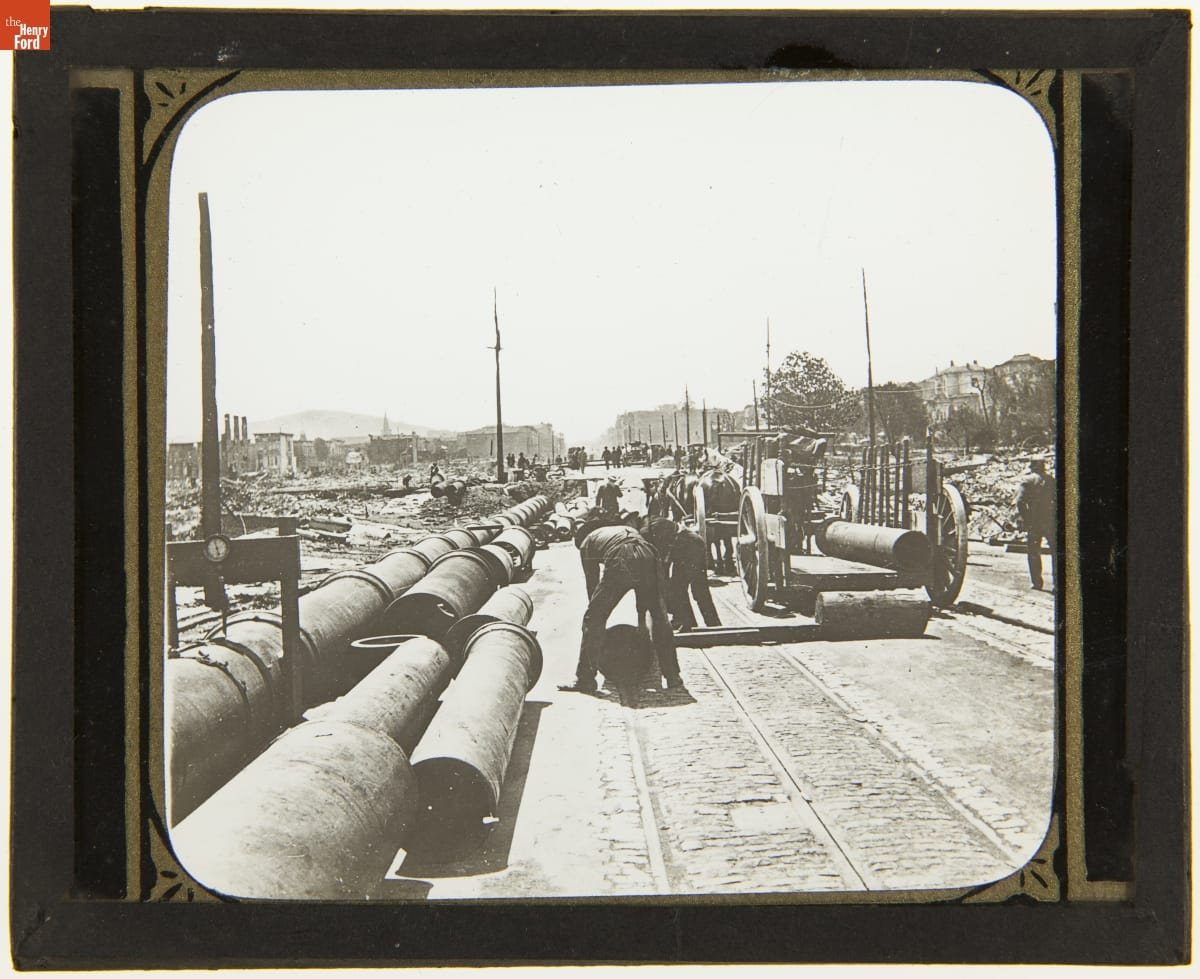
- Water Main Laid Temporarily on Surface after San Francisco Earthquake, 1906 - On April 18, 1906, San Francisco and the northern California coast were hit by a major earthquake with an estimated magnitude of 7.9. Following the earthquake, ruptured gas lines fed fires that destroyed some 25,000 buildings in the city. More than 3,000 people were killed and San Francisco was devastated. This lantern slide documents some of the damage.
- 1906
- Collections - Artifact
Water Main Laid Temporarily on Surface after San Francisco Earthquake, 1906
On April 18, 1906, San Francisco and the northern California coast were hit by a major earthquake with an estimated magnitude of 7.9. Following the earthquake, ruptured gas lines fed fires that destroyed some 25,000 buildings in the city. More than 3,000 people were killed and San Francisco was devastated. This lantern slide documents some of the damage.
- Ford Station Wagon Rear Exhaust Pipe, 1965 - Internal combustion engines produce exhaust gases -- including unburned hydrocarbons, carbon monoxide, and nitrogen oxides -- that must be vented from the engine. Gases generally are routed through a manifold or header, then through an exhaust pipe that ends at a port at the car's rear. A muffler near the end of the pipe reduces noise.
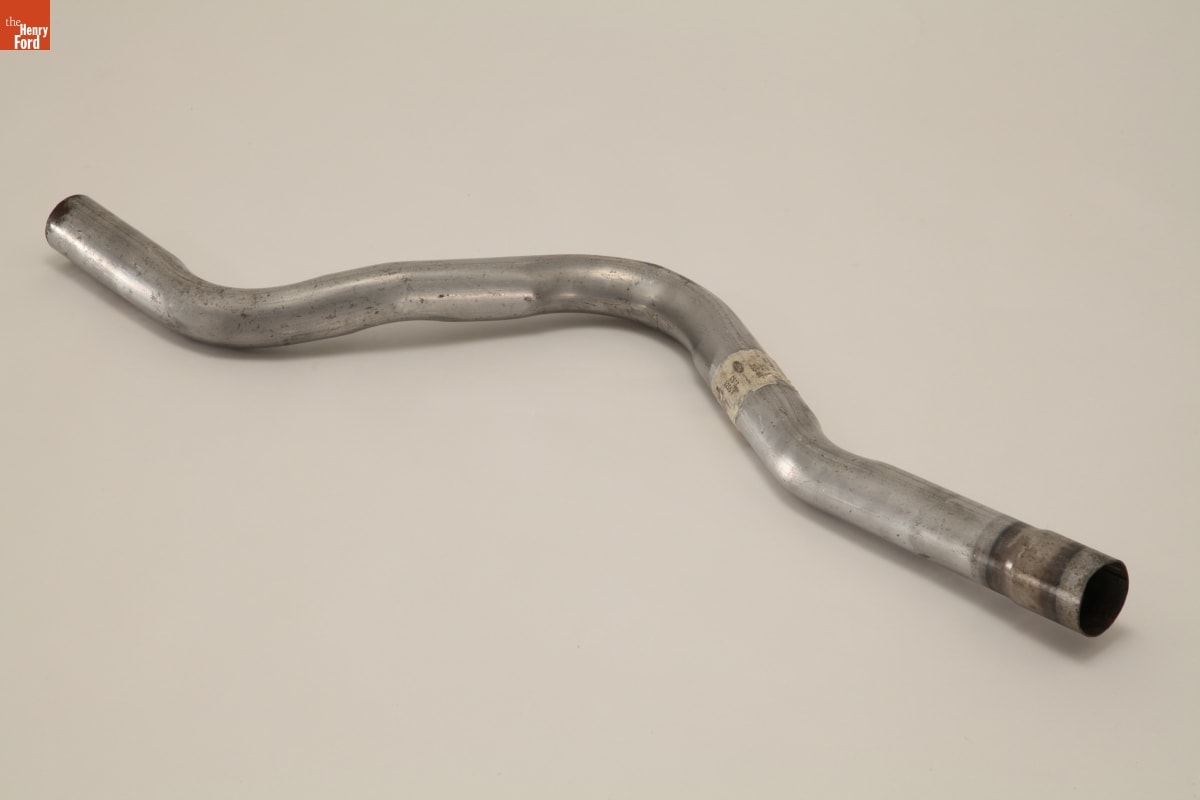
- 1965
- Collections - Artifact
Ford Station Wagon Rear Exhaust Pipe, 1965
Internal combustion engines produce exhaust gases -- including unburned hydrocarbons, carbon monoxide, and nitrogen oxides -- that must be vented from the engine. Gases generally are routed through a manifold or header, then through an exhaust pipe that ends at a port at the car's rear. A muffler near the end of the pipe reduces noise.
- Studebaker Lark Exhaust Pipe, 1962 - Internal combustion engines produce exhaust gases -- including unburned hydrocarbons, carbon monoxide, and nitrogen oxides -- that must be vented from the engine. Gases generally are routed through a manifold or header, then through an exhaust pipe that ends at a port at the car's rear. A muffler near the end of the pipe reduces noise.
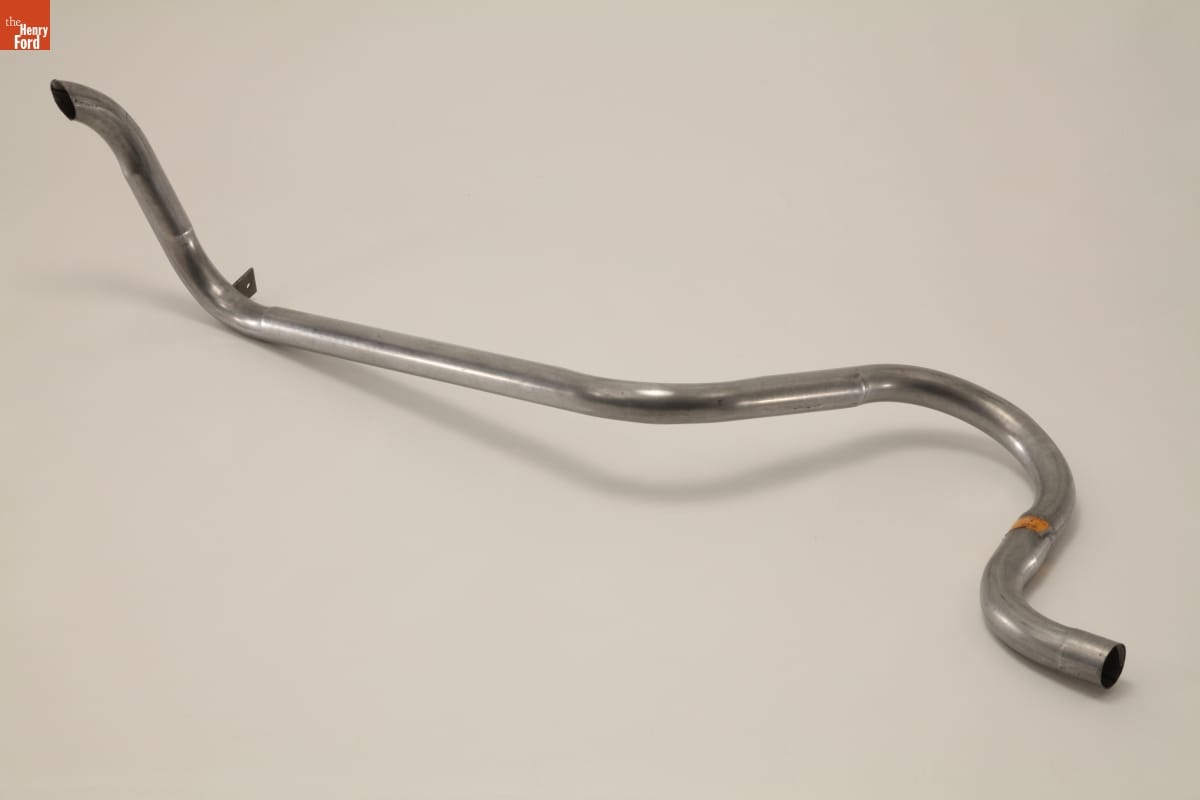
- 1962
- Collections - Artifact
Studebaker Lark Exhaust Pipe, 1962
Internal combustion engines produce exhaust gases -- including unburned hydrocarbons, carbon monoxide, and nitrogen oxides -- that must be vented from the engine. Gases generally are routed through a manifold or header, then through an exhaust pipe that ends at a port at the car's rear. A muffler near the end of the pipe reduces noise.
- Sweep Bend Pipe, Used at Breuninger's Dairy, 1915 -
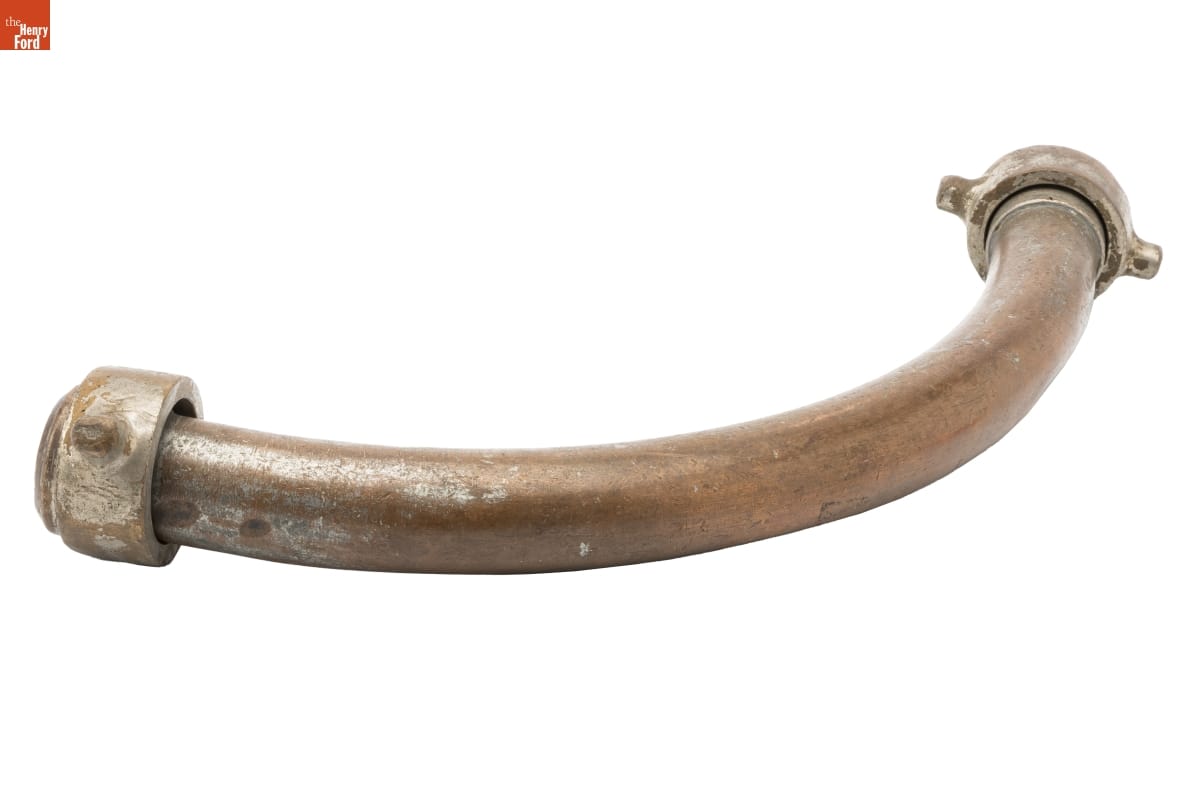
- 1915
- Collections - Artifact
Sweep Bend Pipe, Used at Breuninger's Dairy, 1915
- Menlo Park Relic, Excavated in 1928 from the Original Site of Thomas Edison's Menlo Park Laboratory -
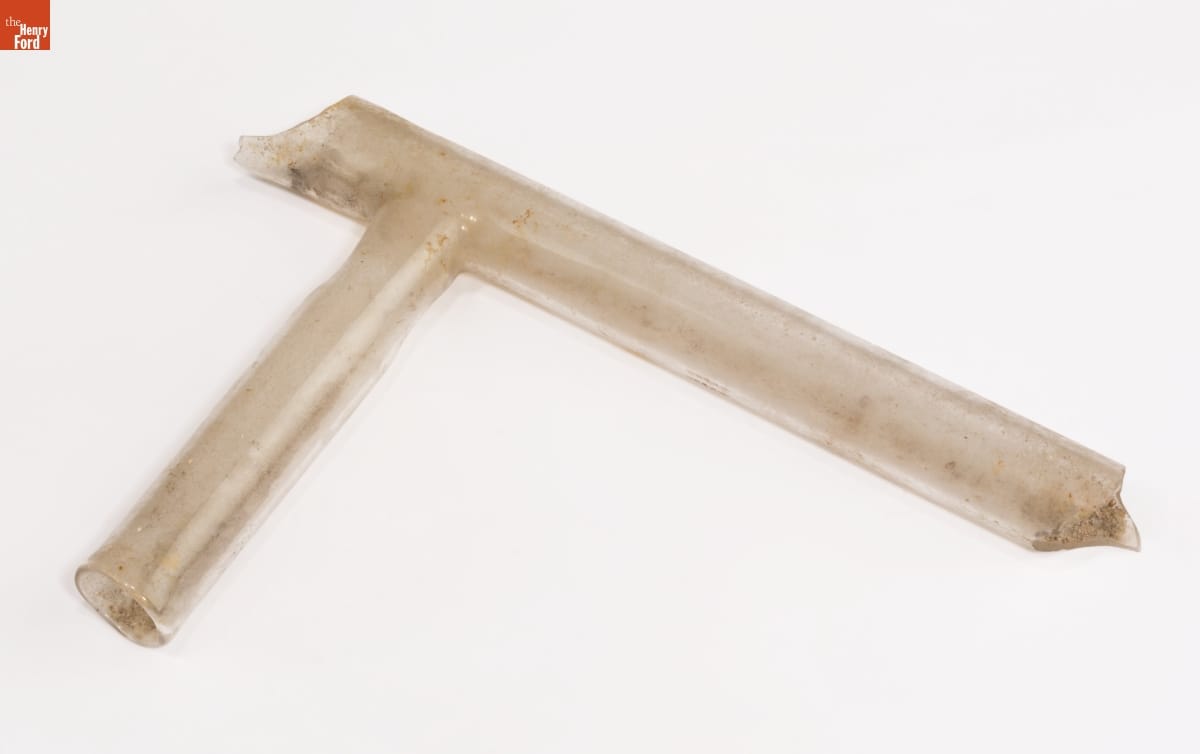
- 1928
- Collections - Artifact
Menlo Park Relic, Excavated in 1928 from the Original Site of Thomas Edison's Menlo Park Laboratory
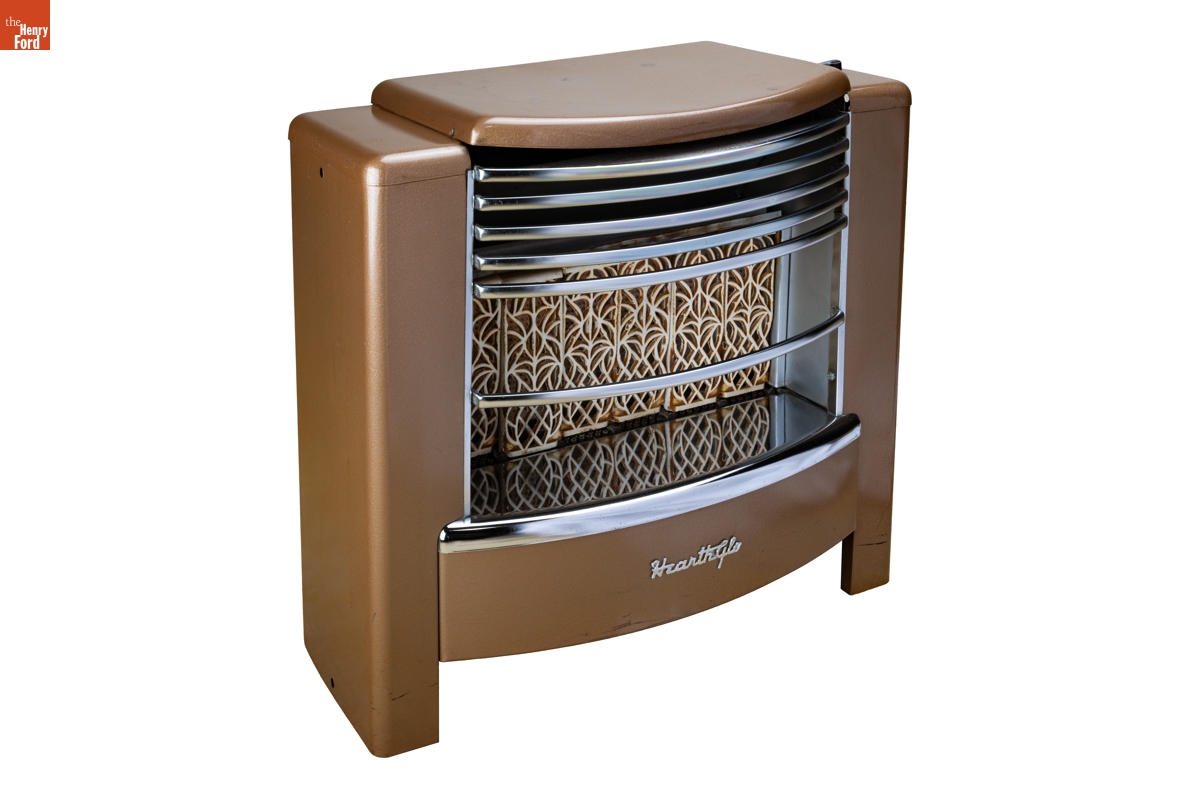
- Gas Heater Used by the Jackson Family, Selma, Alabama - In 2023, The Henry Ford acquired the Selma, Alabama, home of Dr. Sullivan and Richie Jean Sherrod Jackson, where Dr. Martin Luther King and Civil Rights leaders planned the 1965 Selma-to-Montgomery Voting Rights marches. The Jackson Home opened in Greenfield Village in 2026. The home and its contents not only document the voting rights struggle but also shed light on 20th-century Black American middle-class life.
- Collections - Artifact
Gas Heater Used by the Jackson Family, Selma, Alabama
In 2023, The Henry Ford acquired the Selma, Alabama, home of Dr. Sullivan and Richie Jean Sherrod Jackson, where Dr. Martin Luther King and Civil Rights leaders planned the 1965 Selma-to-Montgomery Voting Rights marches. The Jackson Home opened in Greenfield Village in 2026. The home and its contents not only document the voting rights struggle but also shed light on 20th-century Black American middle-class life.
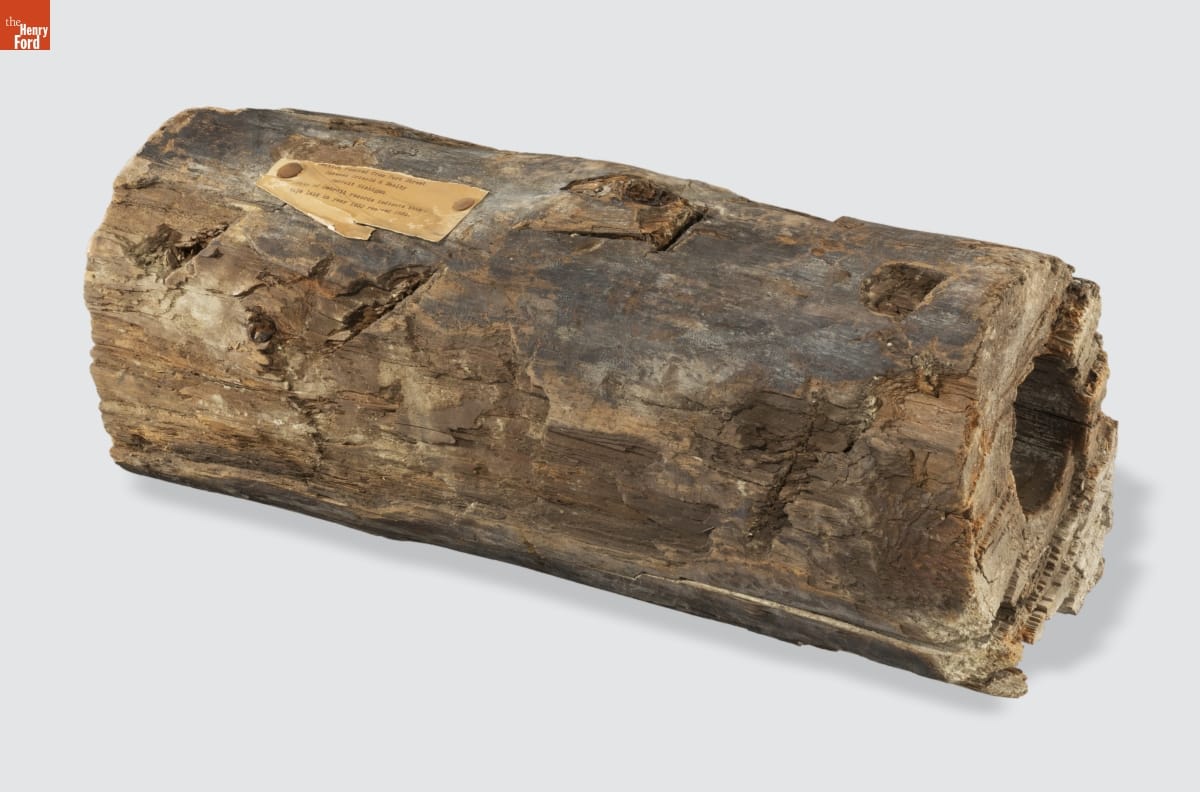
- Section of Wood Water Pipe, Used in Detroit, 1829-1830 -
- 1829-1830
- Collections - Artifact
Section of Wood Water Pipe, Used in Detroit, 1829-1830