
Search
- Miniature Pitchfork Used by Ford Family, 1920-1924 -
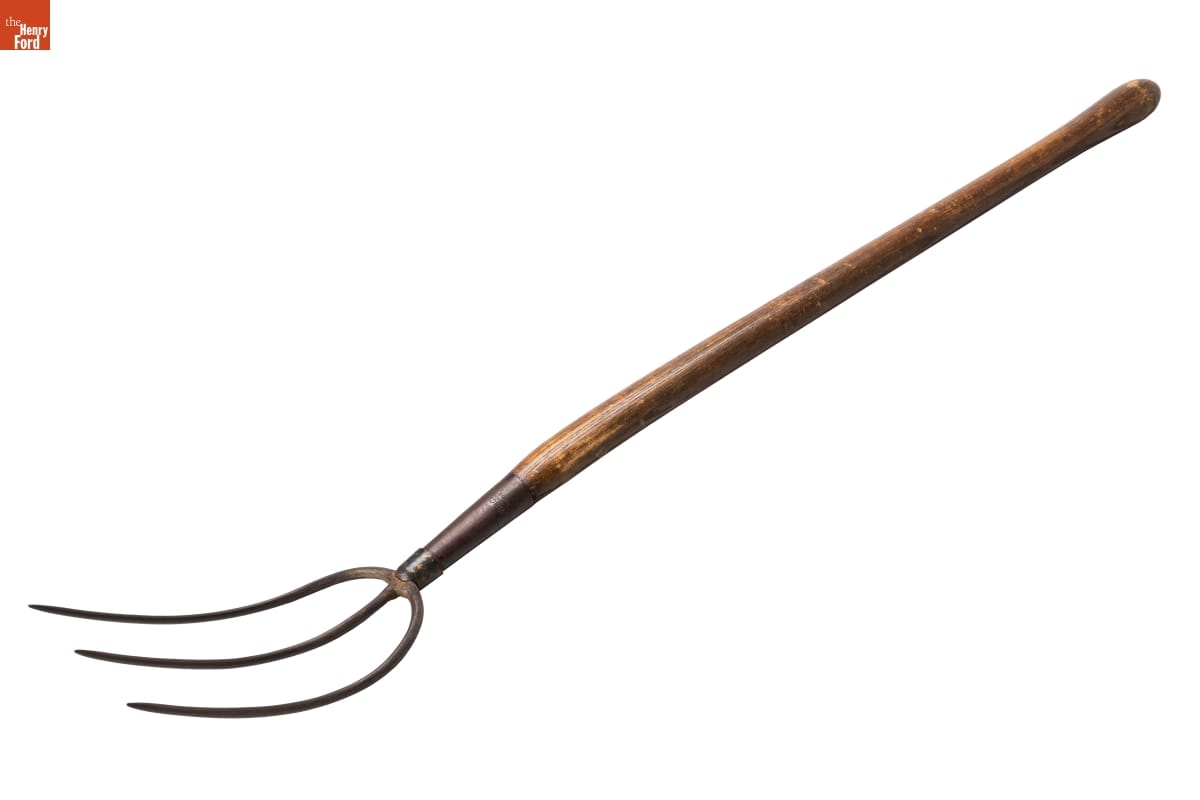
- 1920-1924
- Collections - Artifact
Miniature Pitchfork Used by Ford Family, 1920-1924
- Pitchfork, 1850-1860 - Forks worked as extensions of farmers' arms, allowing them to lift and move larger quantities of grain, straw or hay than they could do with just their hands. This fork started as a square wooden piece of ash or hickory. Riving (or separating) one end, bending the five- or six- tines (or points) and spreading them apart created a useful tool for moving short grains like barley, loose straw or manure.
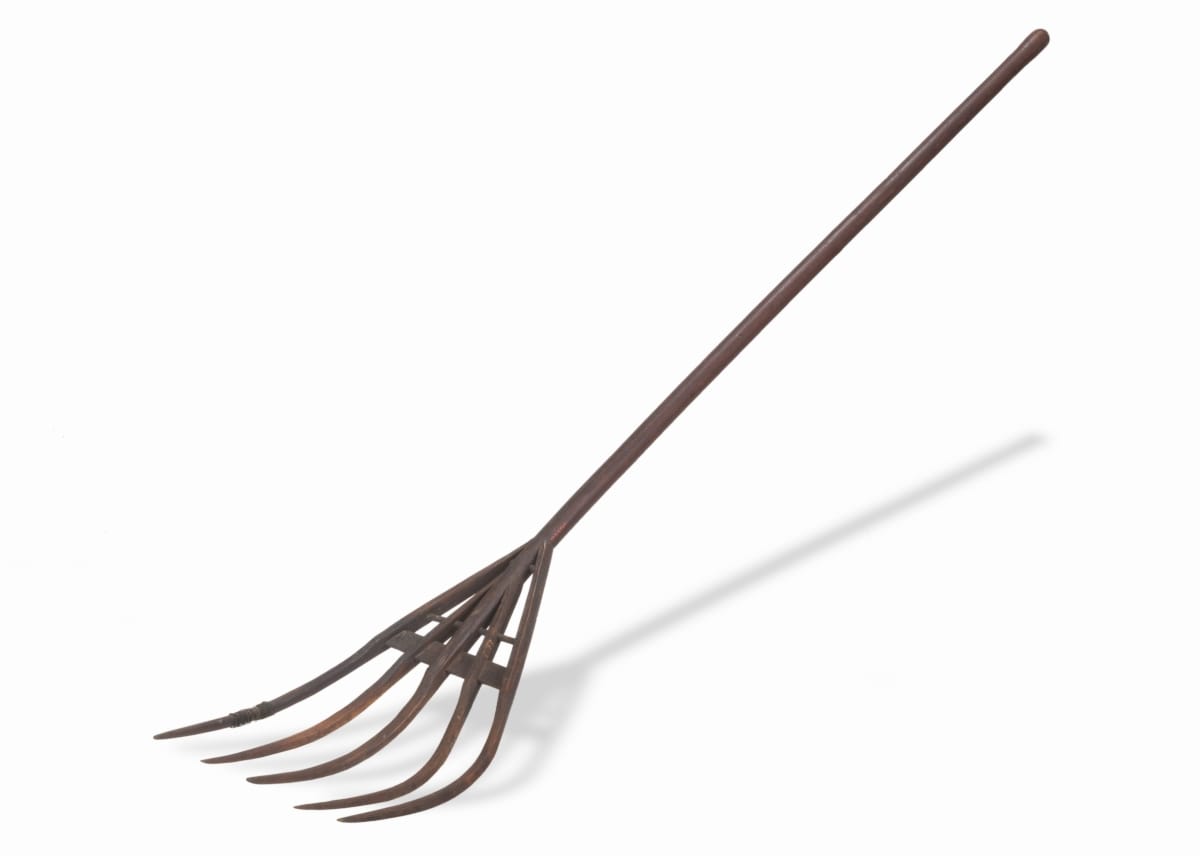
- 1850-1860
- Collections - Artifact
Pitchfork, 1850-1860
Forks worked as extensions of farmers' arms, allowing them to lift and move larger quantities of grain, straw or hay than they could do with just their hands. This fork started as a square wooden piece of ash or hickory. Riving (or separating) one end, bending the five- or six- tines (or points) and spreading them apart created a useful tool for moving short grains like barley, loose straw or manure.
- Pitchfork, 1800-1900 - Forks worked as extensions of farmers' arms, allowing them to skewer, lift, and move larger quantities of grain, straw or hay than they could do with just their hands. This fork started as a small tree (the trunk is the handle) with four branches, transformed into four tines, or points (one of which has broken off). Farmers used a four-tine fork like this to move loose hay or straw.
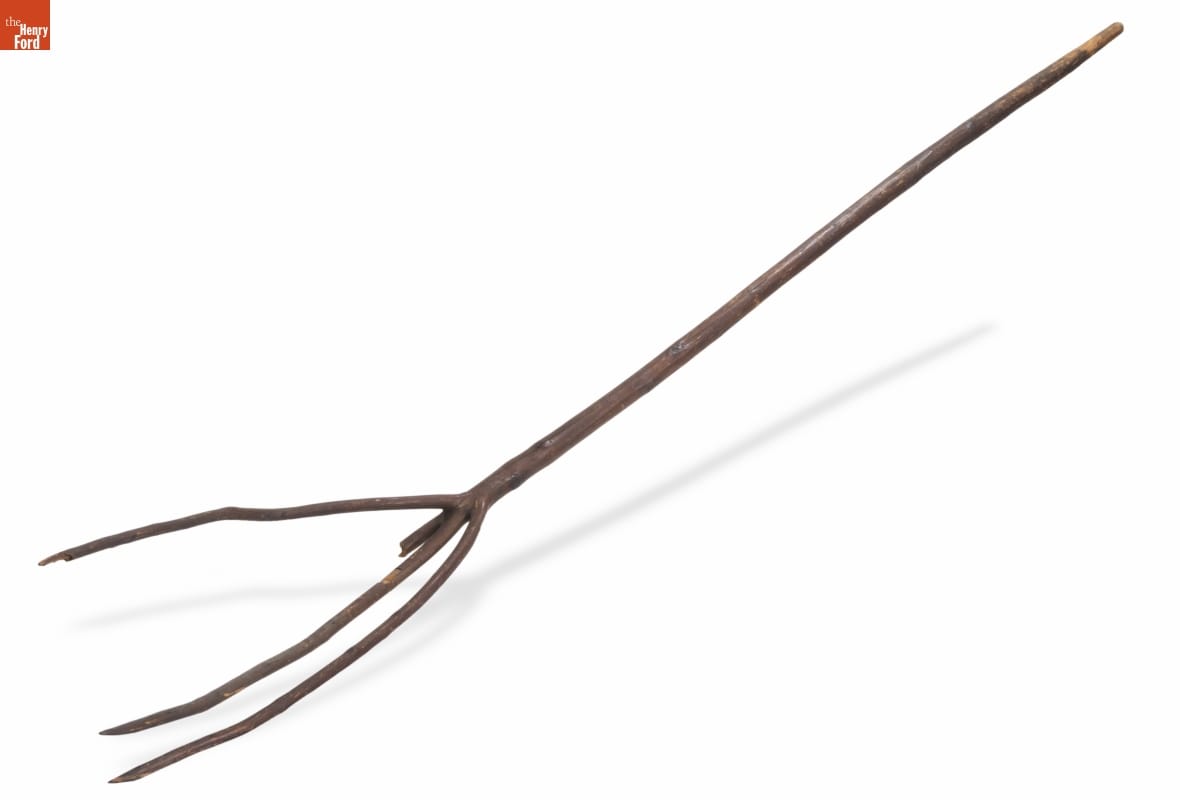
- 1800-1900
- Collections - Artifact
Pitchfork, 1800-1900
Forks worked as extensions of farmers' arms, allowing them to skewer, lift, and move larger quantities of grain, straw or hay than they could do with just their hands. This fork started as a small tree (the trunk is the handle) with four branches, transformed into four tines, or points (one of which has broken off). Farmers used a four-tine fork like this to move loose hay or straw.
- Pitchfork, circa 1870 - Forks worked as extensions of farmers' arms, allowing them to skewer, lift, and move larger quantities of grain, straw or hay than they could do with just their hands. This fork started as a square wooden piece of ash or hickory. Riving (or separating) one end and bending the tines (or points) created a useful tool. Farmers used three- and four-tine forks to move loose hay or straw.
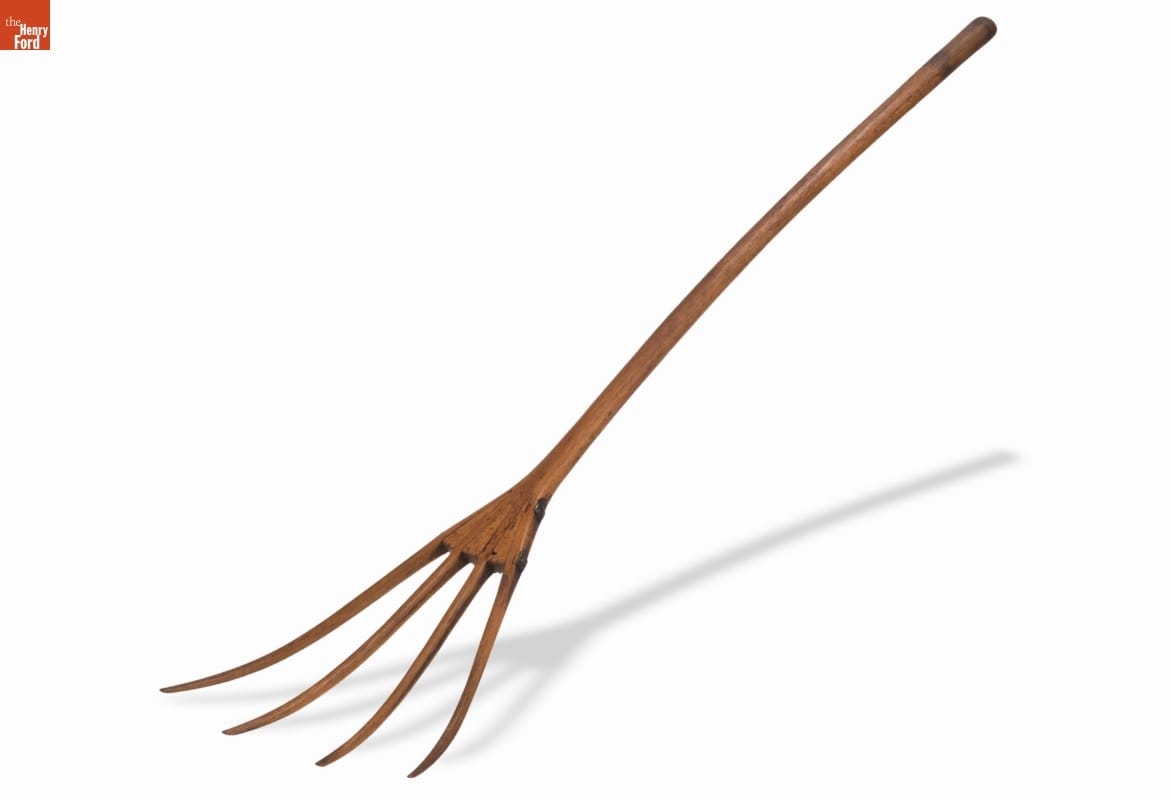
- circa 1870
- Collections - Artifact
Pitchfork, circa 1870
Forks worked as extensions of farmers' arms, allowing them to skewer, lift, and move larger quantities of grain, straw or hay than they could do with just their hands. This fork started as a square wooden piece of ash or hickory. Riving (or separating) one end and bending the tines (or points) created a useful tool. Farmers used three- and four-tine forks to move loose hay or straw.
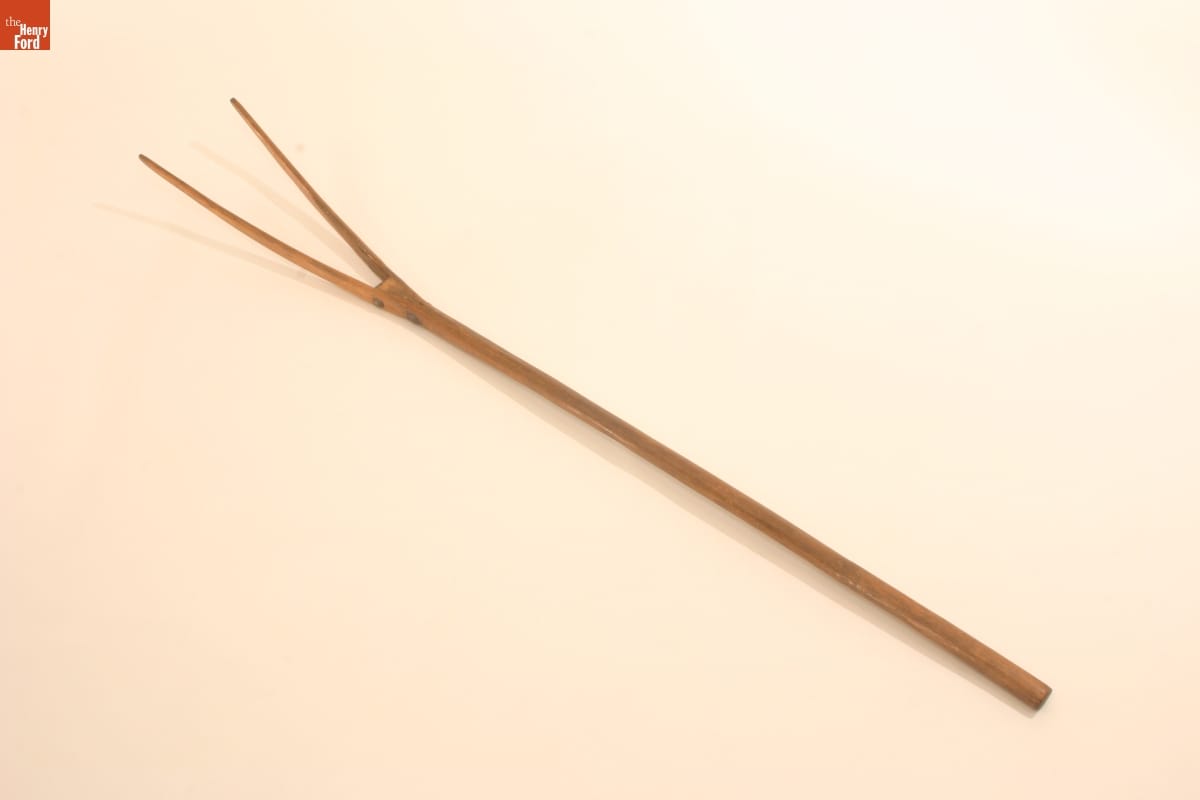
- Pitchfork, circa 1870 - Forks worked as extensions of farmers' arms, allowing them to skewer, lift, and move larger quantities of grain, straw or hay than they could do with just their hands. This fork started as a square wooden piece of ash or hickory. Riving (or separating) one end and bending the tines (or points) created two- and three-tine forks that farmers used to move bundles of grain or hay cut from stacks.
- circa 1870
- Collections - Artifact
Pitchfork, circa 1870
Forks worked as extensions of farmers' arms, allowing them to skewer, lift, and move larger quantities of grain, straw or hay than they could do with just their hands. This fork started as a square wooden piece of ash or hickory. Riving (or separating) one end and bending the tines (or points) created two- and three-tine forks that farmers used to move bundles of grain or hay cut from stacks.
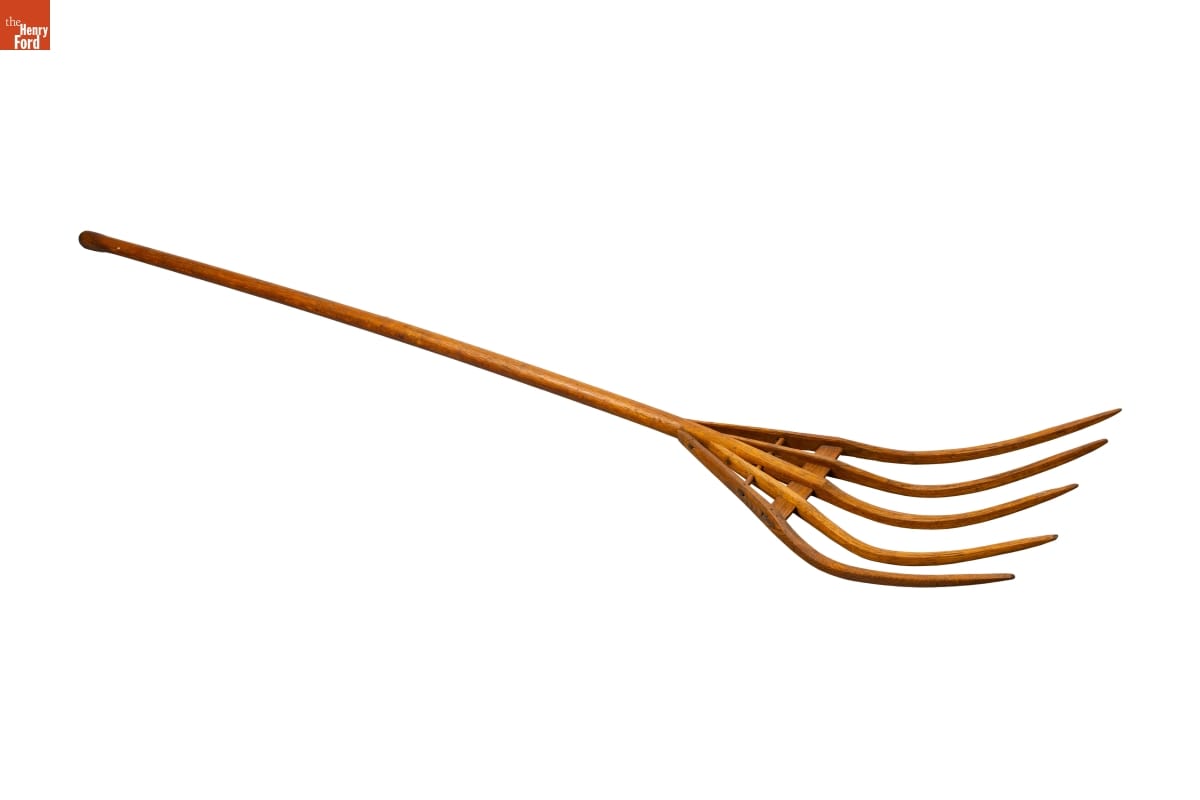
- Hay Fork, circa 1885 -
- circa 1885
- Collections - Artifact
Hay Fork, circa 1885
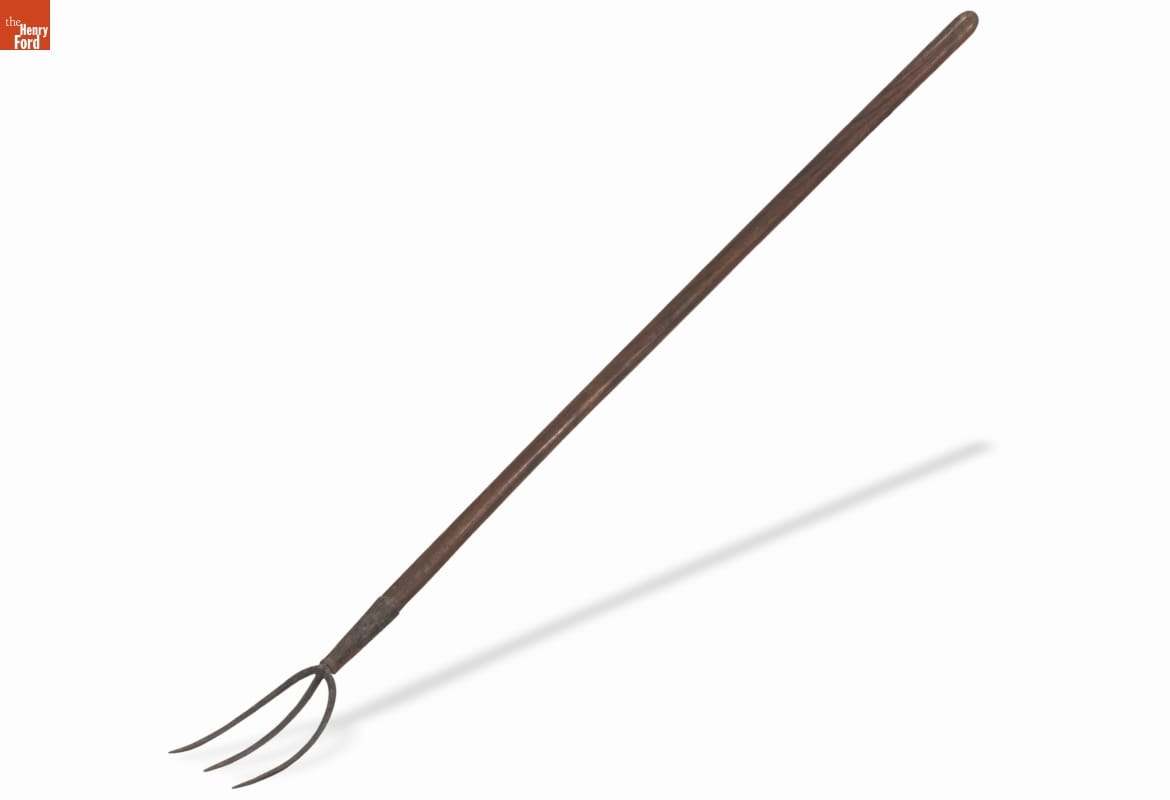
- Pitchfork, 1855-1865 - Pitchforks worked as extensions of farmers' arms, allowing them to skewer, lift, and move larger quantities of hay, sheaves of grain, or straw than they could do with just their hands. They used different fork designs for different jobs. Two- and three-tine forks like this (with short metal points) worked best to pitch bundles of grain from field to wagon to thresher.
- 1855-1865
- Collections - Artifact
Pitchfork, 1855-1865
Pitchforks worked as extensions of farmers' arms, allowing them to skewer, lift, and move larger quantities of hay, sheaves of grain, or straw than they could do with just their hands. They used different fork designs for different jobs. Two- and three-tine forks like this (with short metal points) worked best to pitch bundles of grain from field to wagon to thresher.
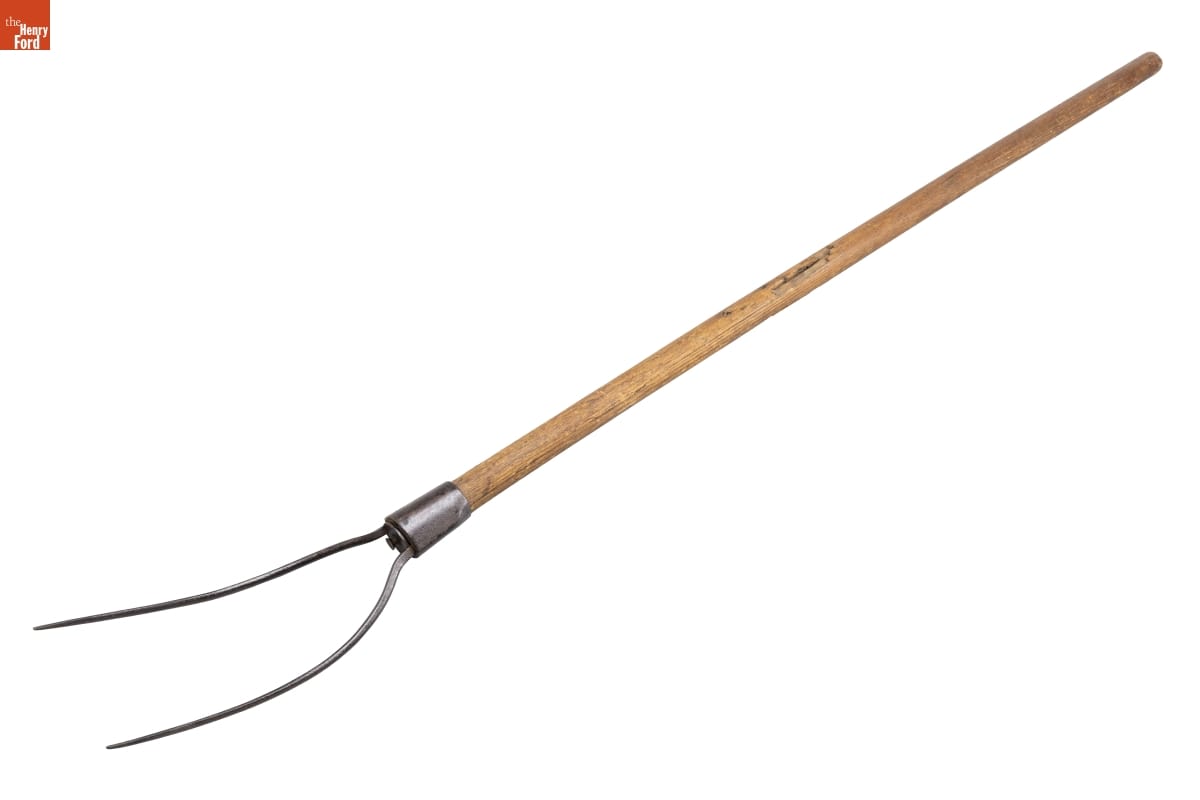
- Sheaf Fork, circa 1875 - Pitchforks worked as extensions of farmers' arms, allowing them to skewer, lift, and move larger quantities of hay, sheaves of grain, or straw than they could do with just their hands. They used different fork designs for different jobs. Two- and three-tine forks like this (with short metal points) worked best to pitch bundles of grain from field to wagon to thresher.
- circa 1875
- Collections - Artifact
Sheaf Fork, circa 1875
Pitchforks worked as extensions of farmers' arms, allowing them to skewer, lift, and move larger quantities of hay, sheaves of grain, or straw than they could do with just their hands. They used different fork designs for different jobs. Two- and three-tine forks like this (with short metal points) worked best to pitch bundles of grain from field to wagon to thresher.
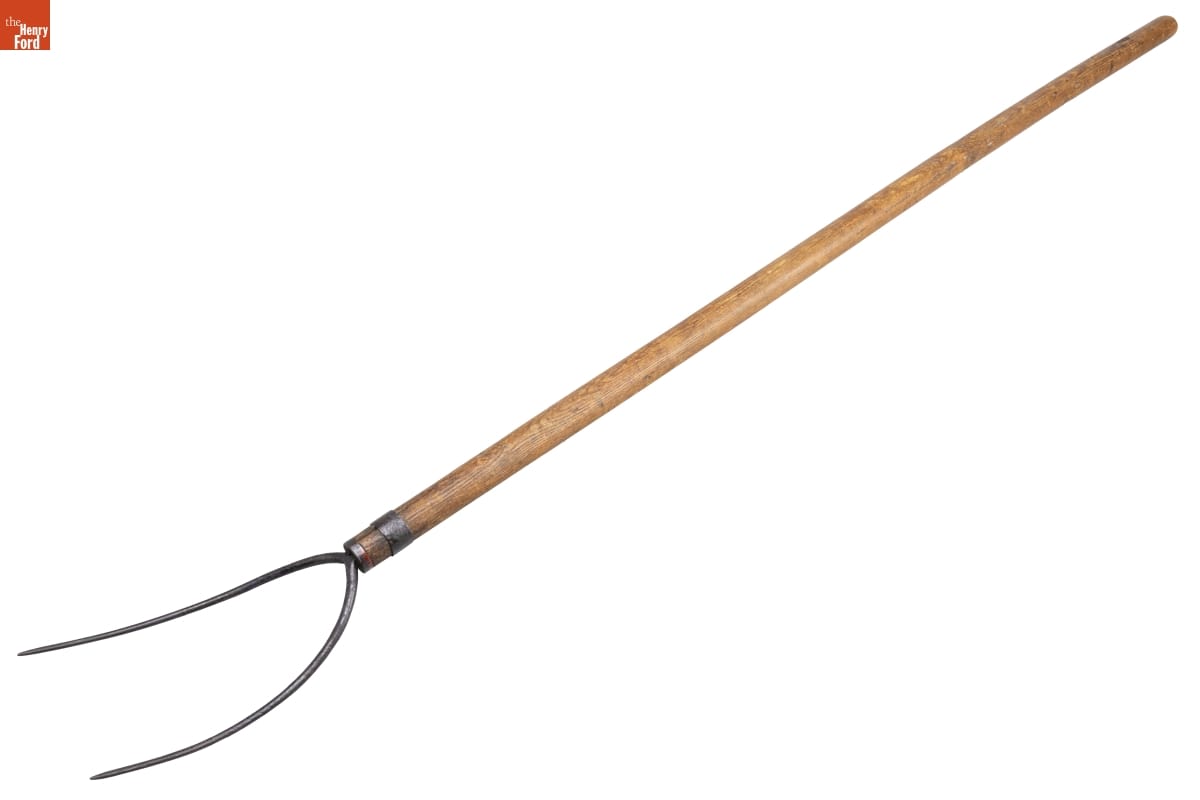
- Sheaf Fork, circa 1870 - Pitchforks worked as extensions of farmers' arms, allowing them to skewer, lift, and move larger quantities of hay, sheaves of grain, or straw than they could do with just their hands. They used different fork designs for different jobs. Two- and three-tine forks like this (with short metal points) worked best to pitch bundles of grain from field to wagon to thresher.
- circa 1870
- Collections - Artifact
Sheaf Fork, circa 1870
Pitchforks worked as extensions of farmers' arms, allowing them to skewer, lift, and move larger quantities of hay, sheaves of grain, or straw than they could do with just their hands. They used different fork designs for different jobs. Two- and three-tine forks like this (with short metal points) worked best to pitch bundles of grain from field to wagon to thresher.
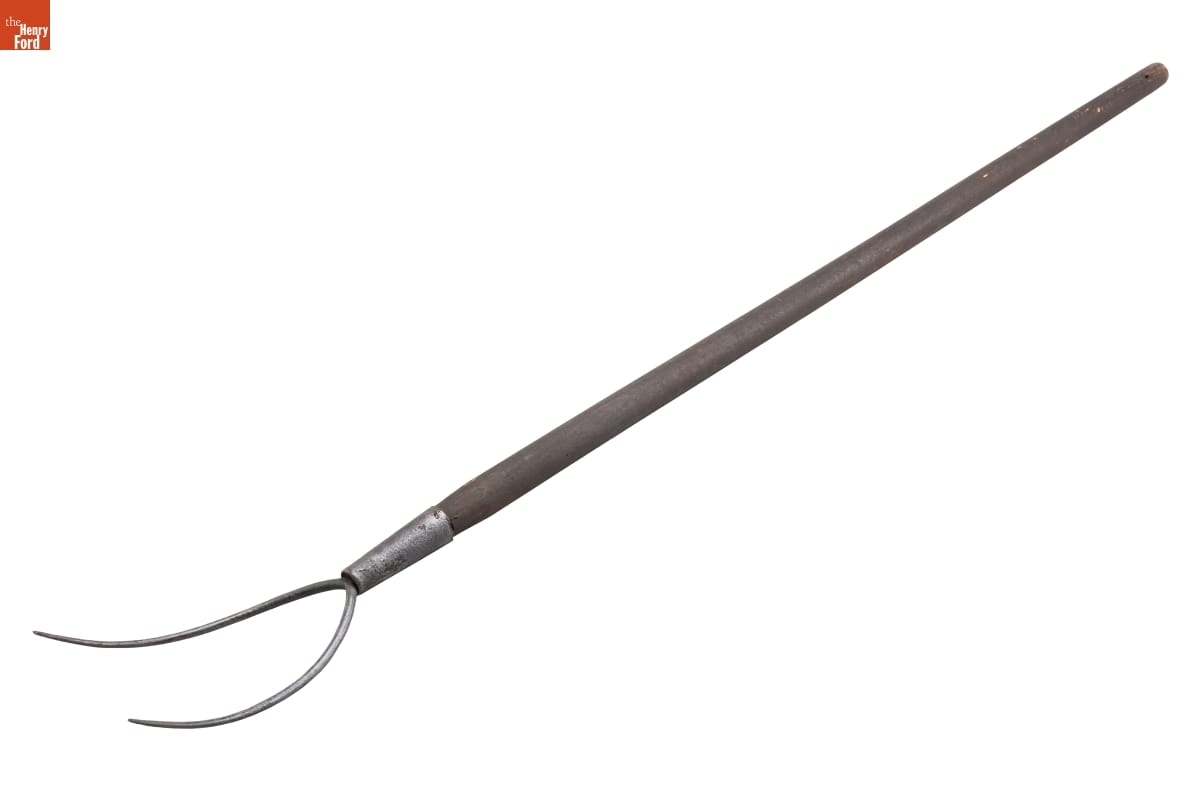
- Sheaf Fork - Pitchforks worked as extensions of farmers' arms, allowing them to skewer, lift, and move larger quantities of hay, sheaves of grain, or straw than they could do with just their hands. They used different fork designs for different jobs. Two- and three-tine forks like this (with short metal points) worked best to pitch bundles of grain from field to wagon to thresher.
- Collections - Artifact
Sheaf Fork
Pitchforks worked as extensions of farmers' arms, allowing them to skewer, lift, and move larger quantities of hay, sheaves of grain, or straw than they could do with just their hands. They used different fork designs for different jobs. Two- and three-tine forks like this (with short metal points) worked best to pitch bundles of grain from field to wagon to thresher.