
Search
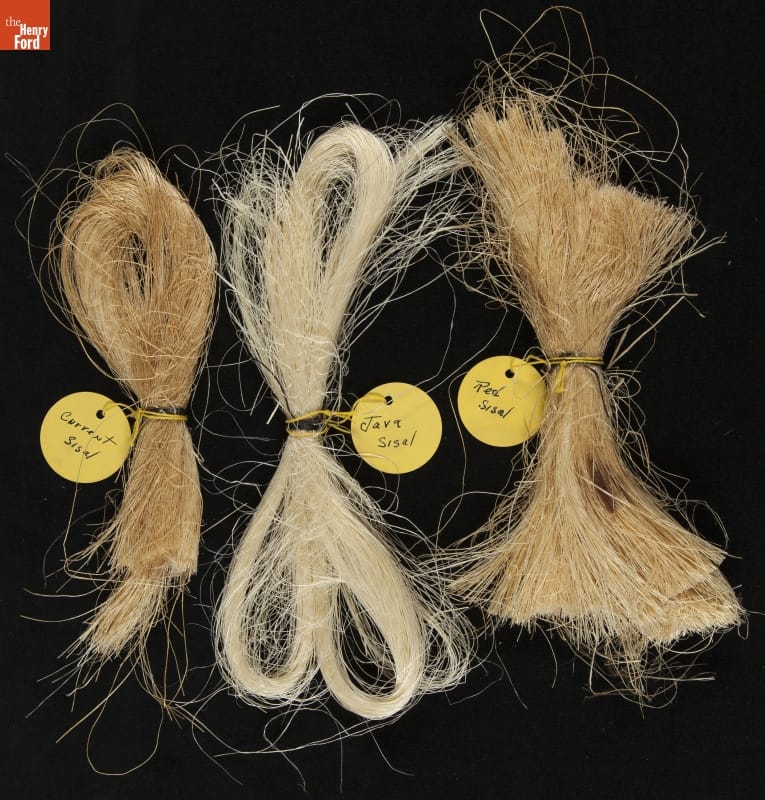
- "Plant Samples--Sample #73--Java Sisal, Red Sisal and Current Sisal, 1931" - In 1928, Henry Ford established rubber tree plantations in the Brazilian rainforest to supply rubber for automobile production. He also explored how to profit from the native plants already growing on his land holdings. Samples of Brazilian plants like this were sent to Ford's Rouge factory in Dearborn, Michigan, to determine if they could be used to make commercially viable products.
- June 04, 1931
- Collections - Artifact
"Plant Samples--Sample #73--Java Sisal, Red Sisal and Current Sisal, 1931"
In 1928, Henry Ford established rubber tree plantations in the Brazilian rainforest to supply rubber for automobile production. He also explored how to profit from the native plants already growing on his land holdings. Samples of Brazilian plants like this were sent to Ford's Rouge factory in Dearborn, Michigan, to determine if they could be used to make commercially viable products.
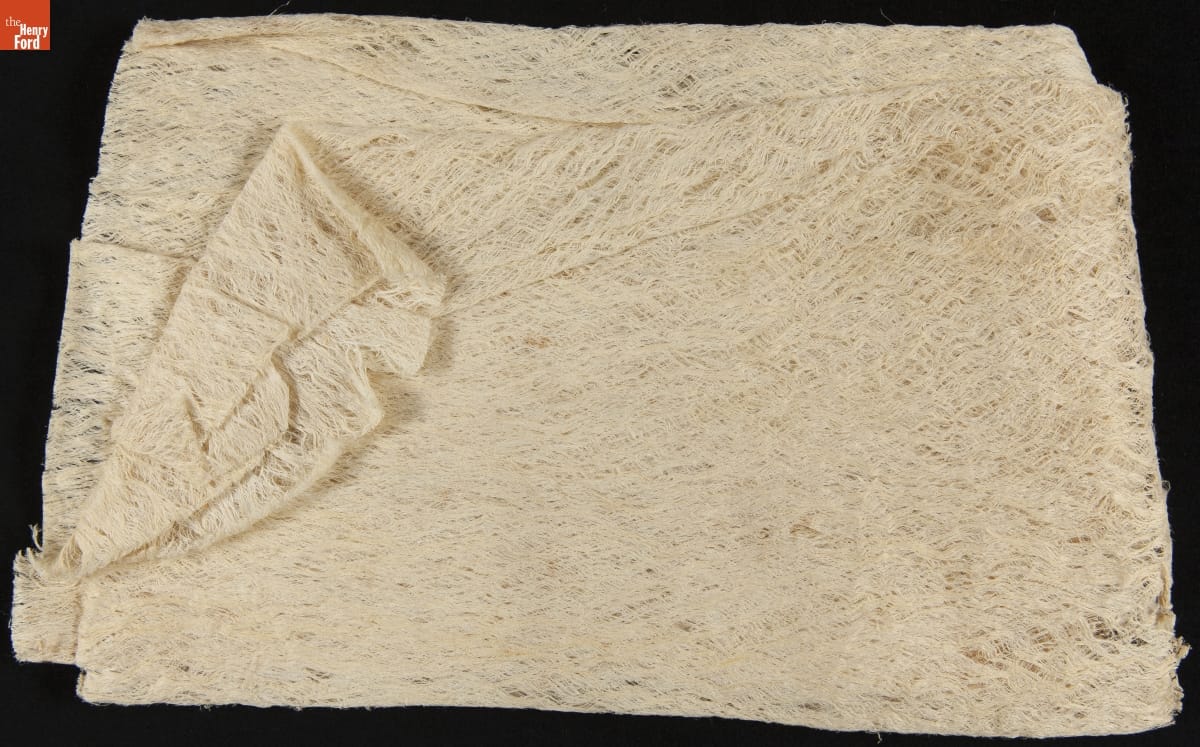
- Tree Bark and Wood Pulp Samples from Brazil, Sample #12, 1925-1928 - In 1928, Henry Ford established rubber tree plantations in the Brazilian rainforest to supply rubber for automobile production. He also explored how to profit from the native plants already growing on his land holdings. Samples of Brazilian plants like this were sent to Ford's Rouge factory in Dearborn, Michigan, to determine if they could be used to make commercially viable products.
- 1925-1928
- Collections - Artifact
Tree Bark and Wood Pulp Samples from Brazil, Sample #12, 1925-1928
In 1928, Henry Ford established rubber tree plantations in the Brazilian rainforest to supply rubber for automobile production. He also explored how to profit from the native plants already growing on his land holdings. Samples of Brazilian plants like this were sent to Ford's Rouge factory in Dearborn, Michigan, to determine if they could be used to make commercially viable products.
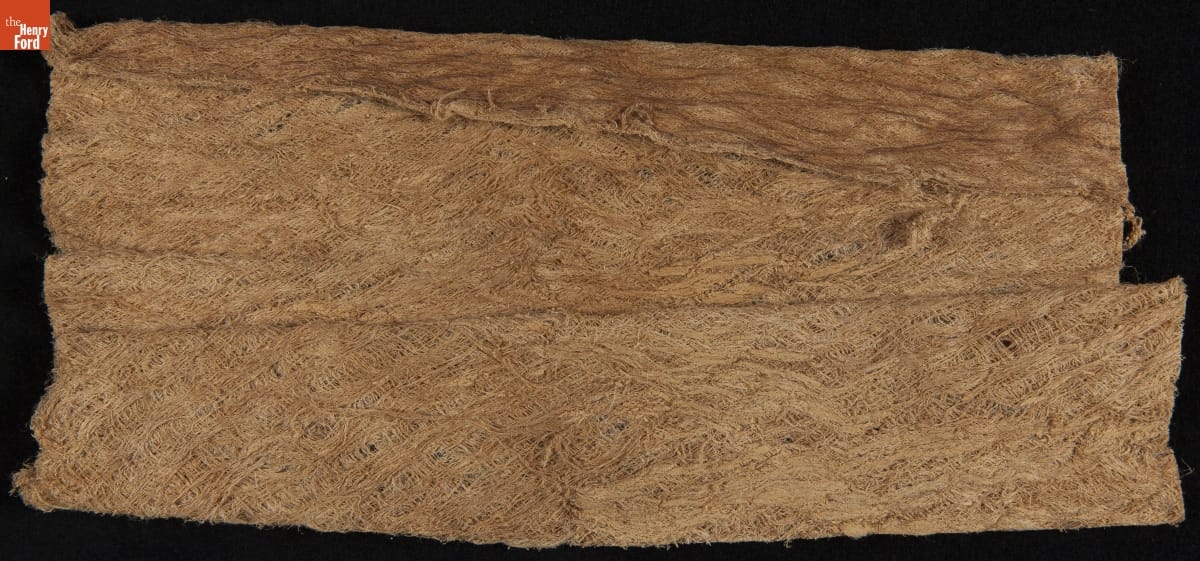
- Tree Bark and Wood Pulp Samples from Brazil, Sample #14, 1925-1928 - In 1928, Henry Ford established rubber tree plantations in the Brazilian rainforest to supply rubber for automobile production. He also explored how to profit from the native plants already growing on his land holdings. Samples of Brazilian plants like this were sent to Ford's Rouge factory in Dearborn, Michigan, to determine if they could be used to make commercially viable products.
- 1925-1928
- Collections - Artifact
Tree Bark and Wood Pulp Samples from Brazil, Sample #14, 1925-1928
In 1928, Henry Ford established rubber tree plantations in the Brazilian rainforest to supply rubber for automobile production. He also explored how to profit from the native plants already growing on his land holdings. Samples of Brazilian plants like this were sent to Ford's Rouge factory in Dearborn, Michigan, to determine if they could be used to make commercially viable products.
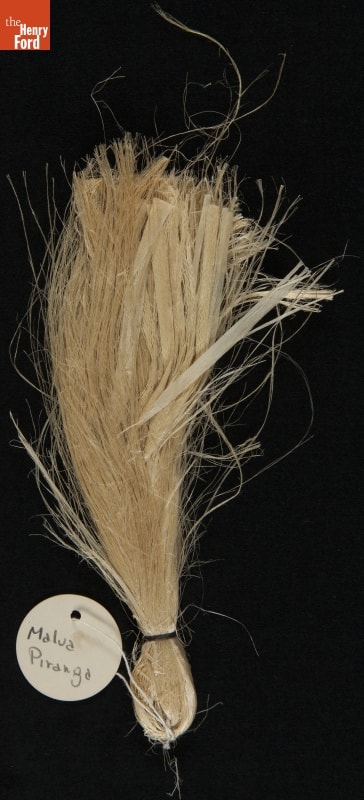
- "Plant Samples--Sample #49--Malva Pirango, 1931" - In 1928, Henry Ford established rubber tree plantations in the Brazilian rainforest to supply rubber for automobile production. He also explored how to profit from the native plants already growing on his land holdings. Samples of Brazilian plants like this were sent to Ford's Rouge factory in Dearborn, Michigan, to determine if they could be used to make commercially viable products.
- May 01, 1931
- Collections - Artifact
"Plant Samples--Sample #49--Malva Pirango, 1931"
In 1928, Henry Ford established rubber tree plantations in the Brazilian rainforest to supply rubber for automobile production. He also explored how to profit from the native plants already growing on his land holdings. Samples of Brazilian plants like this were sent to Ford's Rouge factory in Dearborn, Michigan, to determine if they could be used to make commercially viable products.
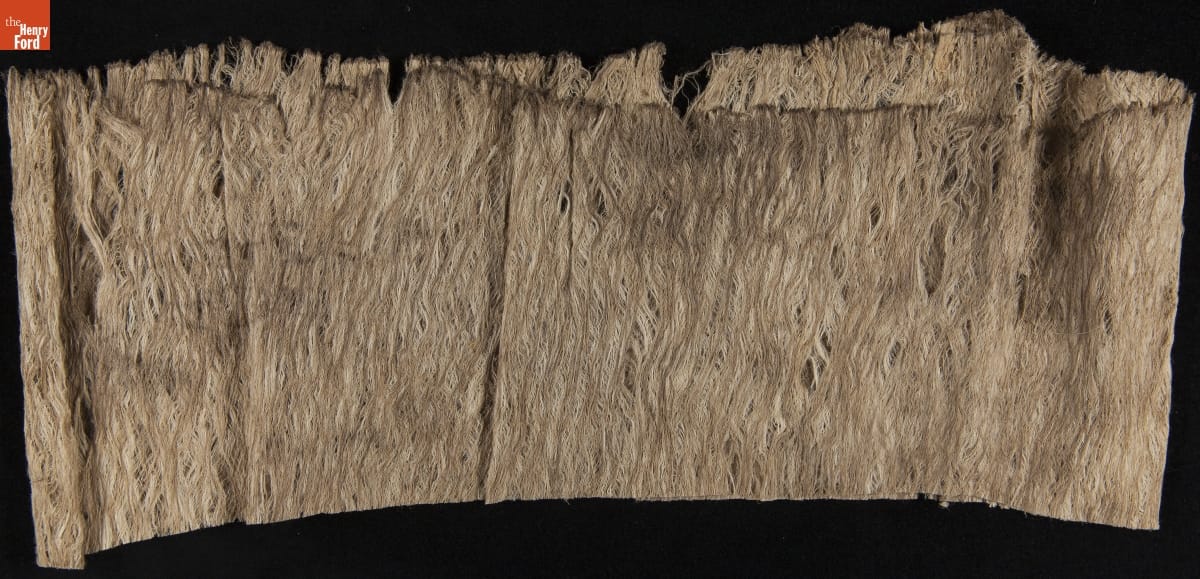
- Tree Bark and Wood Pulp Samples from Brazil, Sample #10, 1925-1928 - In 1928, Henry Ford established rubber tree plantations in the Brazilian rainforest to supply rubber for automobile production. He also explored how to profit from the native plants already growing on his land holdings. Samples of Brazilian plants like this were sent to Ford's Rouge factory in Dearborn, Michigan, to determine if they could be used to make commercially viable products.
- 1925-1928
- Collections - Artifact
Tree Bark and Wood Pulp Samples from Brazil, Sample #10, 1925-1928
In 1928, Henry Ford established rubber tree plantations in the Brazilian rainforest to supply rubber for automobile production. He also explored how to profit from the native plants already growing on his land holdings. Samples of Brazilian plants like this were sent to Ford's Rouge factory in Dearborn, Michigan, to determine if they could be used to make commercially viable products.
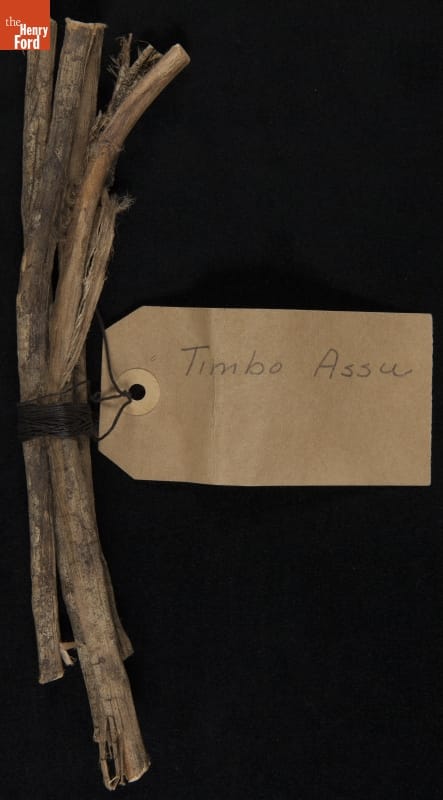
- Tree Bark and Wood Pulp Samples from Brazil, Sample #1, Timbo Assu, 1925-1928 - In 1928, Henry Ford established rubber tree plantations in the Brazilian rainforest to supply rubber for automobile production. He also explored how to profit from the native plants already growing on his land holdings. Samples of Brazilian plants like this were sent to Ford's Rouge factory in Dearborn, Michigan, to determine if they could be used to make commercially viable products.
- 1925-1928
- Collections - Artifact
Tree Bark and Wood Pulp Samples from Brazil, Sample #1, Timbo Assu, 1925-1928
In 1928, Henry Ford established rubber tree plantations in the Brazilian rainforest to supply rubber for automobile production. He also explored how to profit from the native plants already growing on his land holdings. Samples of Brazilian plants like this were sent to Ford's Rouge factory in Dearborn, Michigan, to determine if they could be used to make commercially viable products.
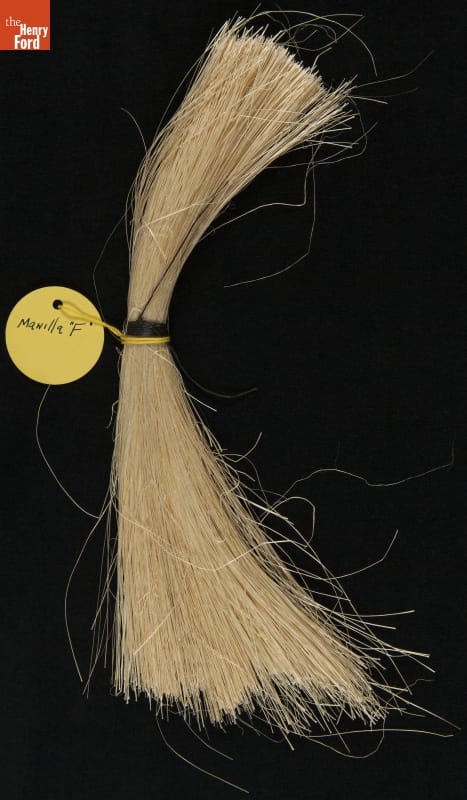
- "Plant Samples--Sample #9--Manilla String, 1931" - In 1928, Henry Ford established rubber tree plantations in the Brazilian rainforest to supply rubber for automobile production. He also explored how to profit from the native plants already growing on his land holdings. Samples of Brazilian plants like this were sent to Ford's Rouge factory in Dearborn, Michigan, to determine if they could be used to make commercially viable products.
- 1931
- Collections - Artifact
"Plant Samples--Sample #9--Manilla String, 1931"
In 1928, Henry Ford established rubber tree plantations in the Brazilian rainforest to supply rubber for automobile production. He also explored how to profit from the native plants already growing on his land holdings. Samples of Brazilian plants like this were sent to Ford's Rouge factory in Dearborn, Michigan, to determine if they could be used to make commercially viable products.
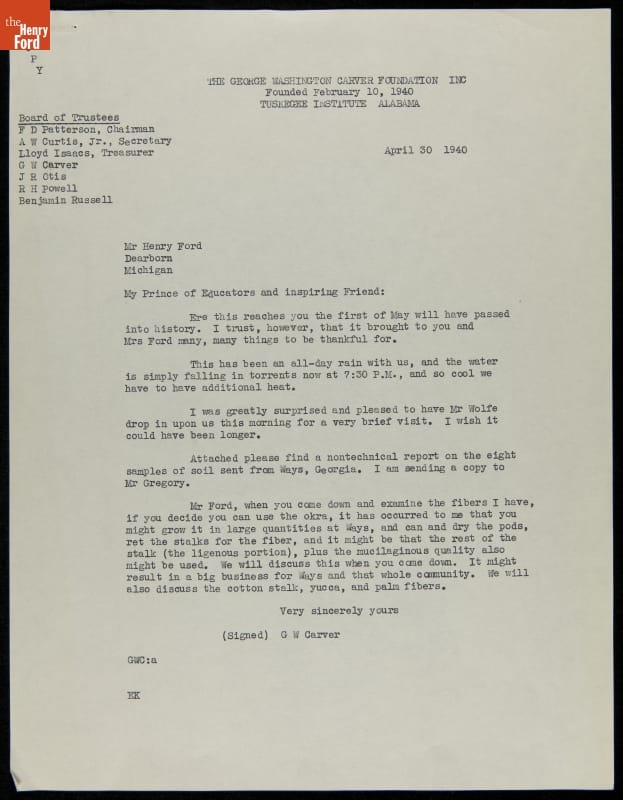
- Letter and Soil Sample Analysis, from George Washington Carver to Henry Ford, April 30, 1940 - George Washington Carver and Henry Ford became friends in the late 1930s, drawn together by a mutual interest in developing new industrial products from the fruits of the soil. Carver's warm letters to Ford, Clara Ford, and Ford's secretary Frank Campsall speak to the genuine depth of the friendship. Carver often gives Ford advice on research avenues to pursue and suggests recipes for natural health.
- April 30, 1940
- Collections - Artifact
Letter and Soil Sample Analysis, from George Washington Carver to Henry Ford, April 30, 1940
George Washington Carver and Henry Ford became friends in the late 1930s, drawn together by a mutual interest in developing new industrial products from the fruits of the soil. Carver's warm letters to Ford, Clara Ford, and Ford's secretary Frank Campsall speak to the genuine depth of the friendship. Carver often gives Ford advice on research avenues to pursue and suggests recipes for natural health.
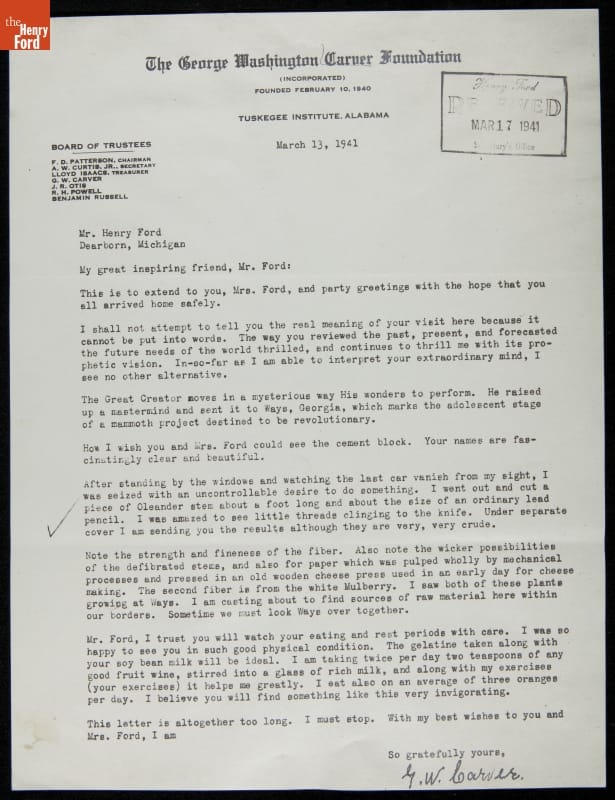
- Letter from George Washington Carver to Henry Ford, March 13, 1941 - George Washington Carver and Henry Ford became friends in the late 1930s, drawn together by a mutual interest in developing new industrial products from the fruits of the soil. Carver's warm letters to Ford, Clara Ford, and Ford's secretary Frank Campsall speak to the genuine depth of the friendship. Carver often gives Ford advice on research avenues to pursue and suggests recipes for natural health.
- March 13, 1941
- Collections - Artifact
Letter from George Washington Carver to Henry Ford, March 13, 1941
George Washington Carver and Henry Ford became friends in the late 1930s, drawn together by a mutual interest in developing new industrial products from the fruits of the soil. Carver's warm letters to Ford, Clara Ford, and Ford's secretary Frank Campsall speak to the genuine depth of the friendship. Carver often gives Ford advice on research avenues to pursue and suggests recipes for natural health.
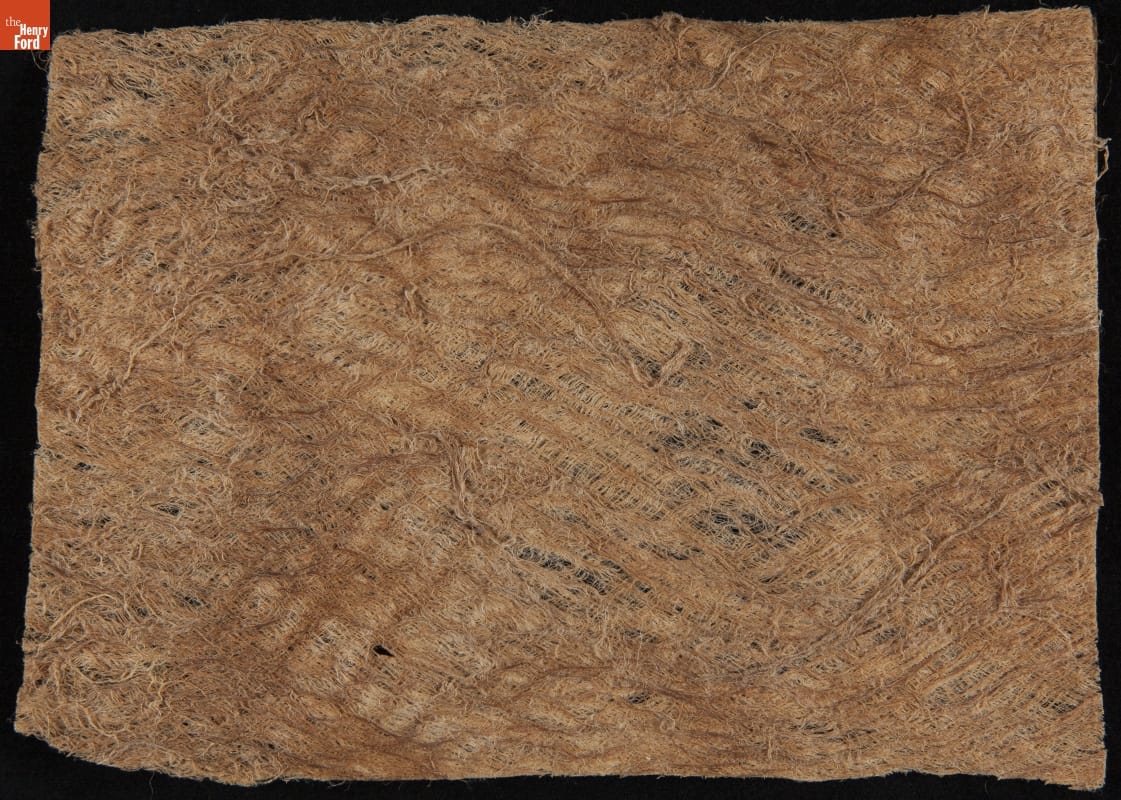
- Tree Bark and Wood Pulp Samples from Brazil, Sample #6, Apuhy, 1925-1928 - In 1928, Henry Ford established rubber tree plantations in the Brazilian rainforest to supply rubber for automobile production. He also explored how to profit from the native plants already growing on his land holdings. Samples of Brazilian plants like this were sent to Ford's Rouge factory in Dearborn, Michigan, to determine if they could be used to make commercially viable products.
- 1925-1928
- Collections - Artifact
Tree Bark and Wood Pulp Samples from Brazil, Sample #6, Apuhy, 1925-1928
In 1928, Henry Ford established rubber tree plantations in the Brazilian rainforest to supply rubber for automobile production. He also explored how to profit from the native plants already growing on his land holdings. Samples of Brazilian plants like this were sent to Ford's Rouge factory in Dearborn, Michigan, to determine if they could be used to make commercially viable products.