
Search
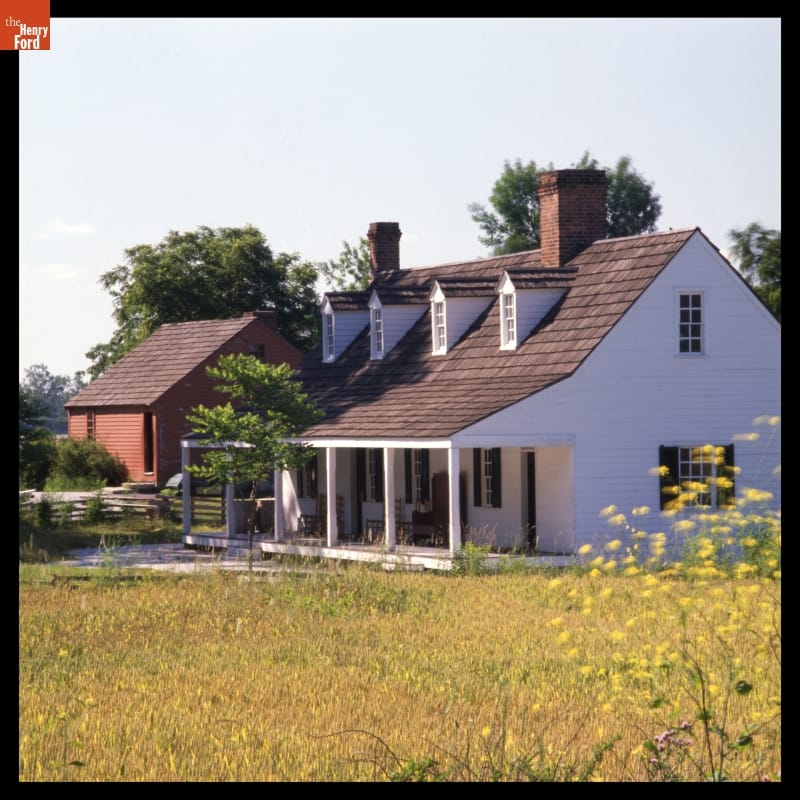
- Susquehanna Plantation in Greenfield Village, August 1989 - Henry Carroll owned this southern Maryland house (pictured here at Greenfield Village) in the decades before and after the Civil War. Its form -- one room deep with porches -- invited cooling breezes in the warm, humid climate. In 1860, the Carrolls raised tobacco and wheat on their 700-acre plantation. Seventy-five enslaved African Americans provided the skill and labor that supported the Carroll family's comfortable life.
- August 01, 1989
- Collections - Artifact
Susquehanna Plantation in Greenfield Village, August 1989
Henry Carroll owned this southern Maryland house (pictured here at Greenfield Village) in the decades before and after the Civil War. Its form -- one room deep with porches -- invited cooling breezes in the warm, humid climate. In 1860, the Carrolls raised tobacco and wheat on their 700-acre plantation. Seventy-five enslaved African Americans provided the skill and labor that supported the Carroll family's comfortable life.
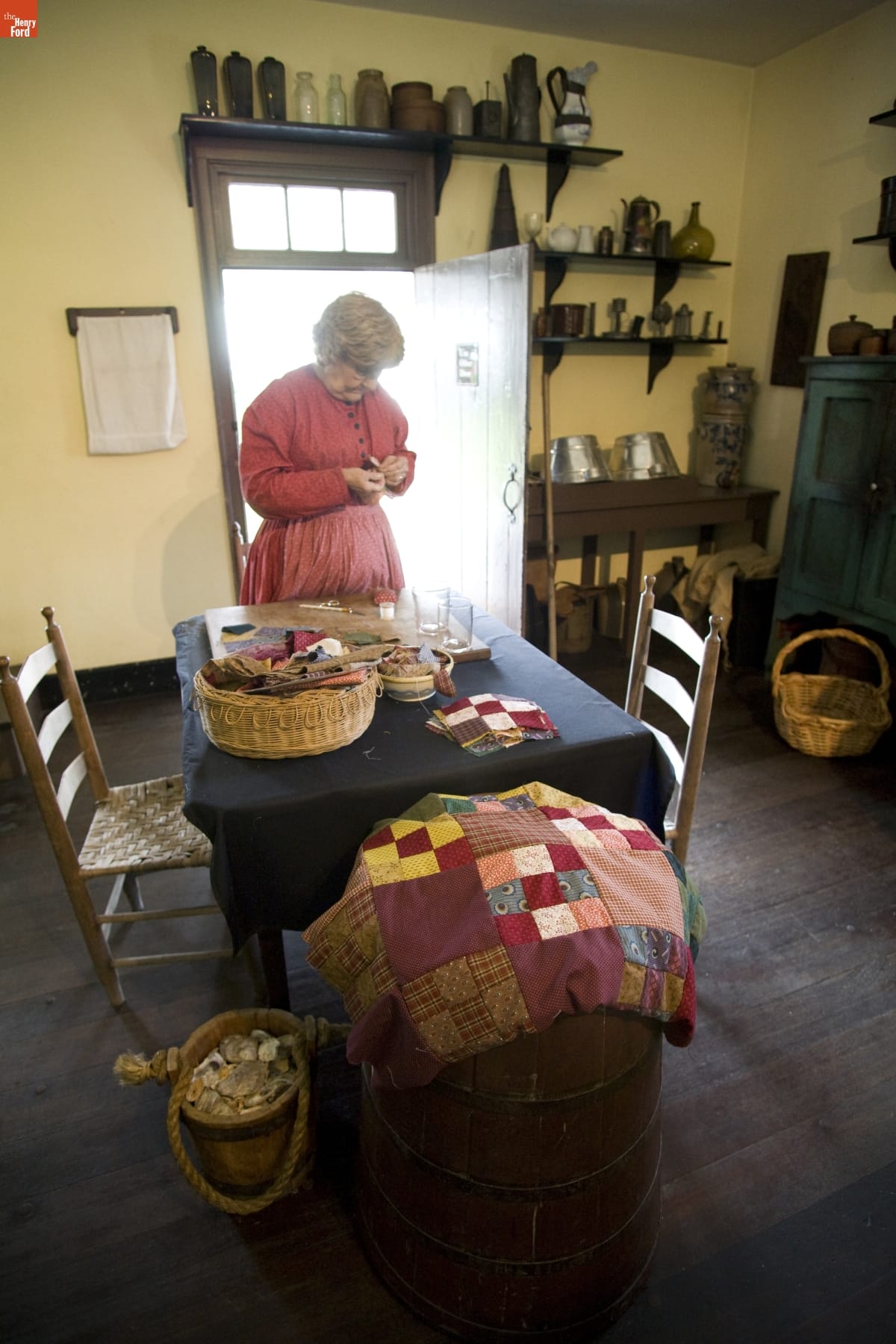
- Susquehanna Plantation in Greenfield Village, October 2007 - Henry Carroll's Susquehanna Plantation was one of the largest, most productive farms in southern Maryland before the Civil War. Henry Ford had Carroll's house moved to Greenfield Village in 1942. Costumed presenters in 2007 interpreted the daily life of those living on prosperous Maryland estates--both the landowners and the enslaved African Americans whose skills and labor made these plantations profitable.
- October 01, 2007
- Collections - Artifact
Susquehanna Plantation in Greenfield Village, October 2007
Henry Carroll's Susquehanna Plantation was one of the largest, most productive farms in southern Maryland before the Civil War. Henry Ford had Carroll's house moved to Greenfield Village in 1942. Costumed presenters in 2007 interpreted the daily life of those living on prosperous Maryland estates--both the landowners and the enslaved African Americans whose skills and labor made these plantations profitable.
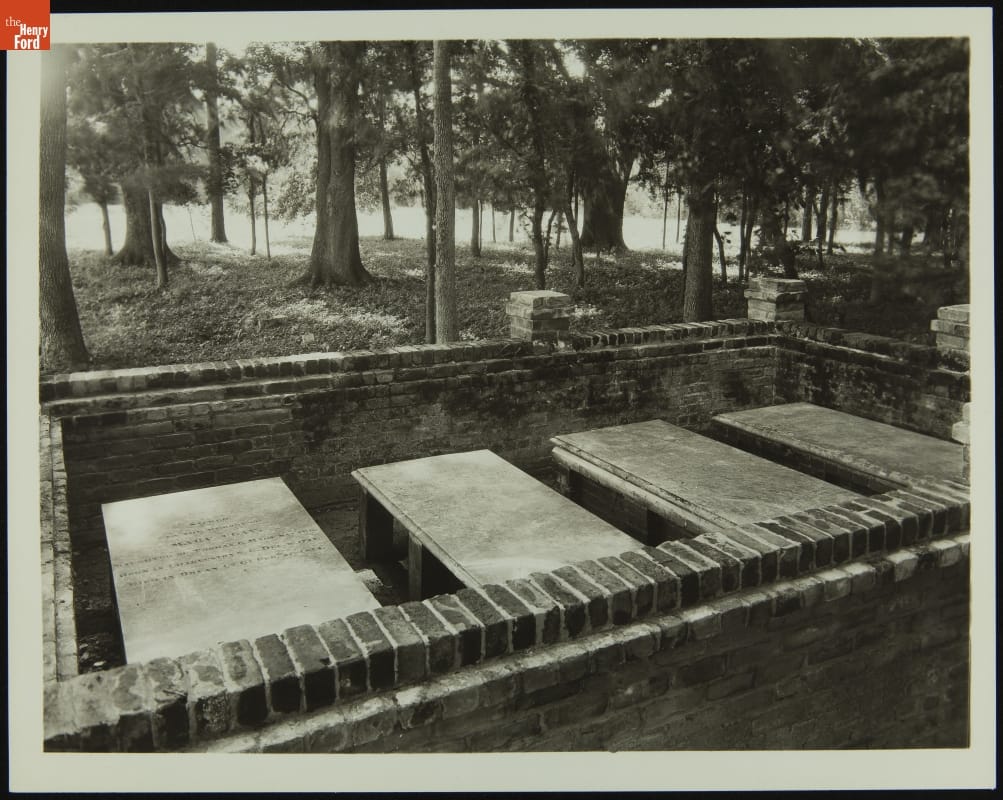
- Burnt Church Cemetery in Richmond Hill, Georgia, circa 1940 - Henry Ford purchased vast amounts of land around present-day Richmond Hill, Georgia, beginning in the 1920s. Ford eventually acquired 85,000 acres -- and even built a winter residence. Located in the area is this historic cemetery. A pre-Civil War Presbyterian Church that served the local plantation community stood nearby, but it burned in 1882. The unfortunate event gave the cemetery its name.
- circa 1940
- Collections - Artifact
Burnt Church Cemetery in Richmond Hill, Georgia, circa 1940
Henry Ford purchased vast amounts of land around present-day Richmond Hill, Georgia, beginning in the 1920s. Ford eventually acquired 85,000 acres -- and even built a winter residence. Located in the area is this historic cemetery. A pre-Civil War Presbyterian Church that served the local plantation community stood nearby, but it burned in 1882. The unfortunate event gave the cemetery its name.
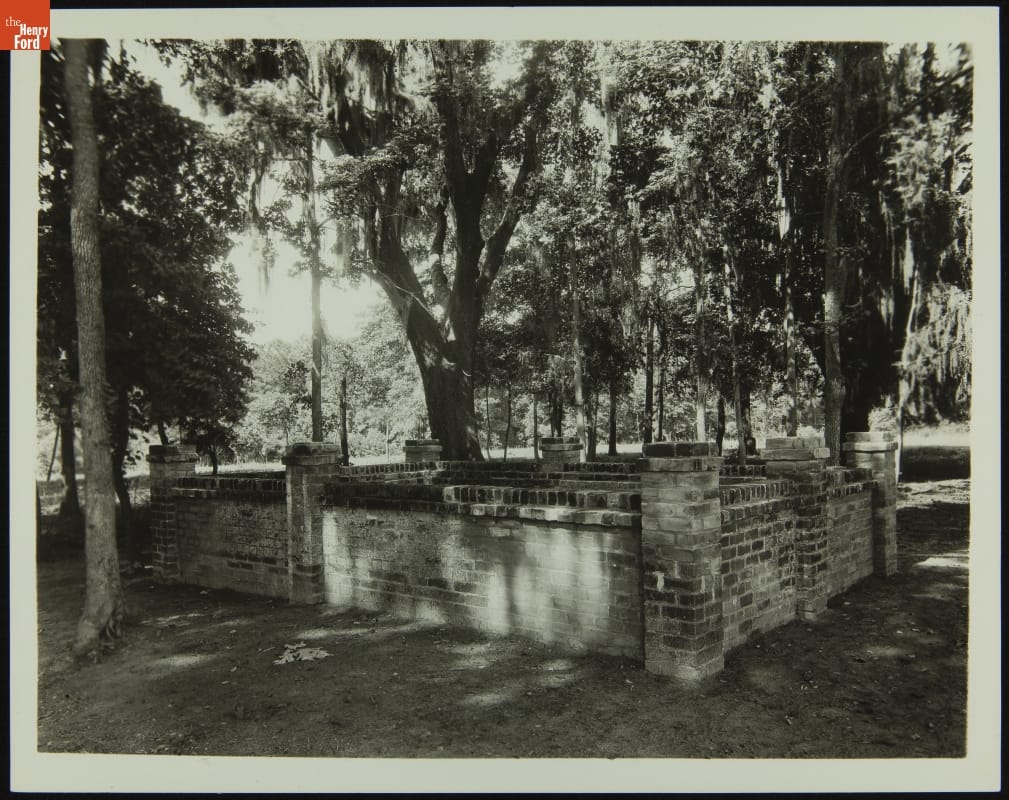
- Burnt Church Cemetery in Richmond Hill, Georgia, circa 1940 - Henry Ford purchased vast amounts of land around present-day Richmond Hill, Georgia, beginning in the 1920s. Ford eventually acquired 85,000 acres -- and even built a winter residence. Located in the area is this historic cemetery. A pre-Civil War Presbyterian Church that served the local plantation community stood nearby, but it burned in 1882. The unfortunate event gave the cemetery its name.
- circa 1940
- Collections - Artifact
Burnt Church Cemetery in Richmond Hill, Georgia, circa 1940
Henry Ford purchased vast amounts of land around present-day Richmond Hill, Georgia, beginning in the 1920s. Ford eventually acquired 85,000 acres -- and even built a winter residence. Located in the area is this historic cemetery. A pre-Civil War Presbyterian Church that served the local plantation community stood nearby, but it burned in 1882. The unfortunate event gave the cemetery its name.
- Radio Transmitter House, Fordlandia, Brazil -
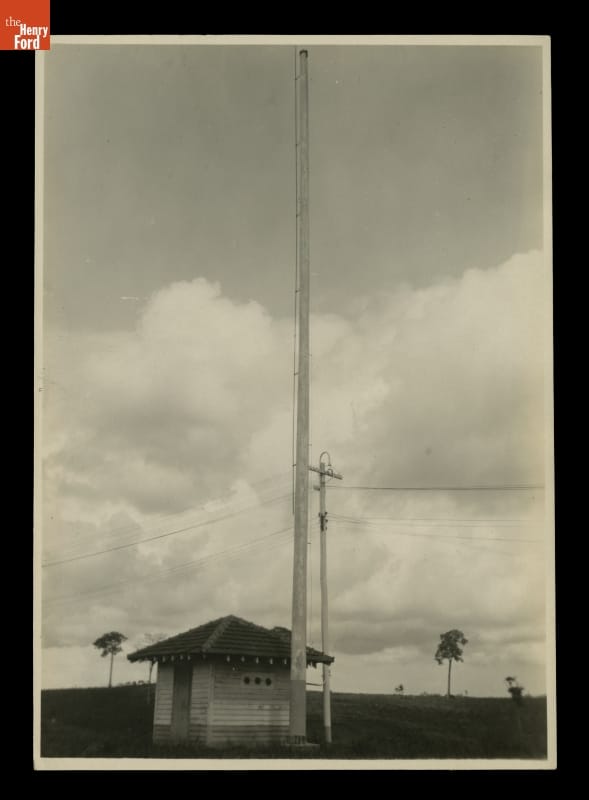
- 1926 - 1946
- Collections - Artifact
Radio Transmitter House, Fordlandia, Brazil
- Construction of Radio Transmitter House, Fordlandia, Brazil, March 1929 -
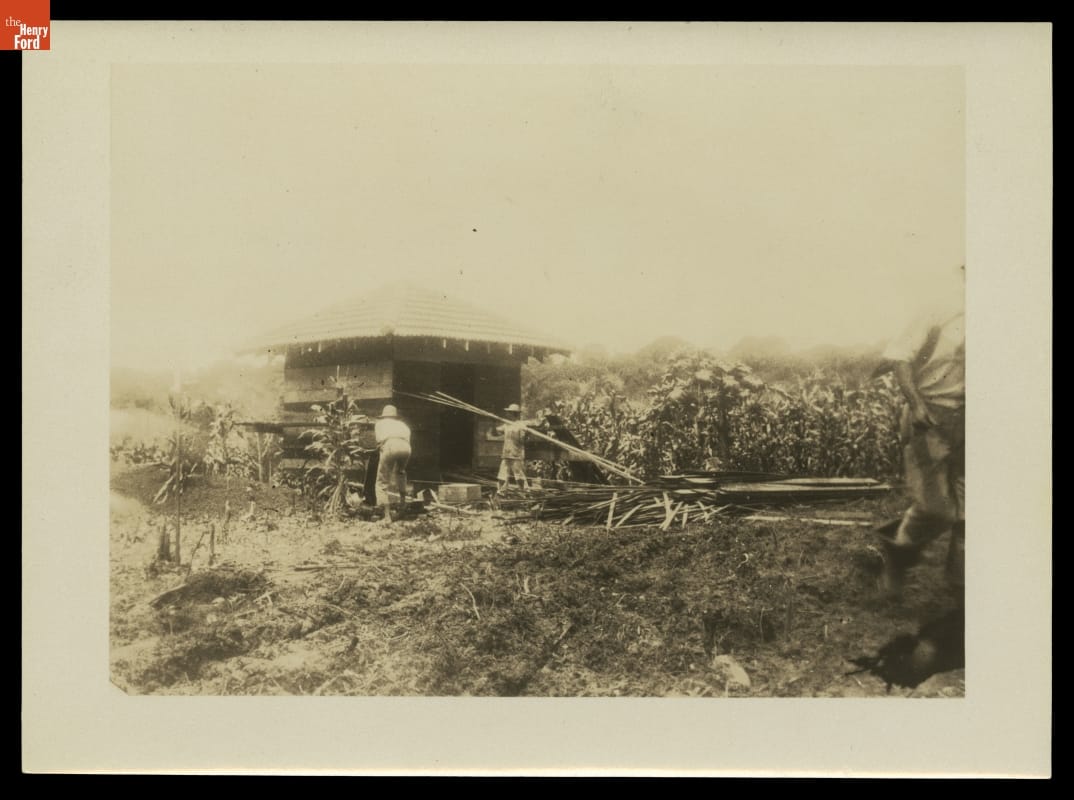
- March 23, 1929
- Collections - Artifact
Construction of Radio Transmitter House, Fordlandia, Brazil, March 1929
- Susquehanna Plantation in Greenfield Village, October 2007 - Henry Carroll's Susquehanna Plantation was one of the largest, most productive farms in southern Maryland before the Civil War. Henry Ford had Carroll's house moved to Greenfield Village in 1942. Costumed presenters in 2007 interpreted the daily life of those living on prosperous Maryland estates--both the landowners and the enslaved African Americans whose skills and labor made these plantations profitable.
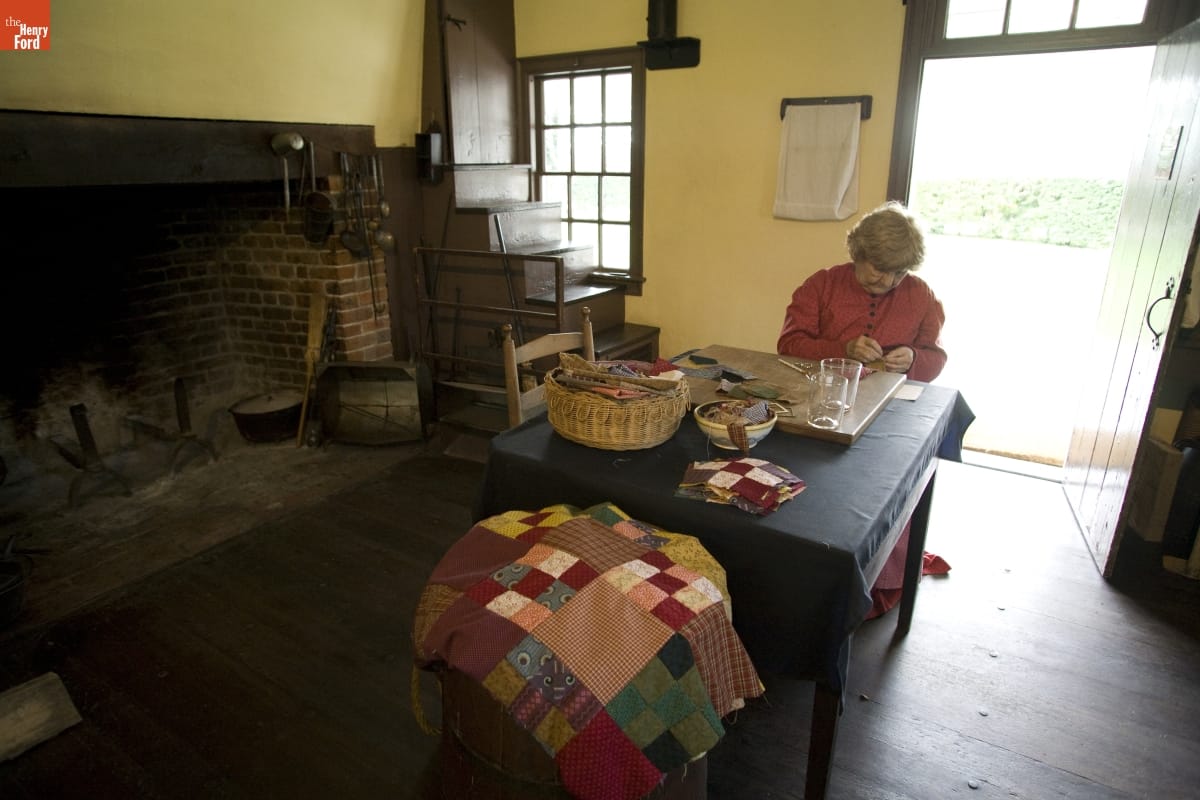
- October 01, 2007
- Collections - Artifact
Susquehanna Plantation in Greenfield Village, October 2007
Henry Carroll's Susquehanna Plantation was one of the largest, most productive farms in southern Maryland before the Civil War. Henry Ford had Carroll's house moved to Greenfield Village in 1942. Costumed presenters in 2007 interpreted the daily life of those living on prosperous Maryland estates--both the landowners and the enslaved African Americans whose skills and labor made these plantations profitable.
- Radio Transmitter House, Fordlandia, Brazil, 1929 -
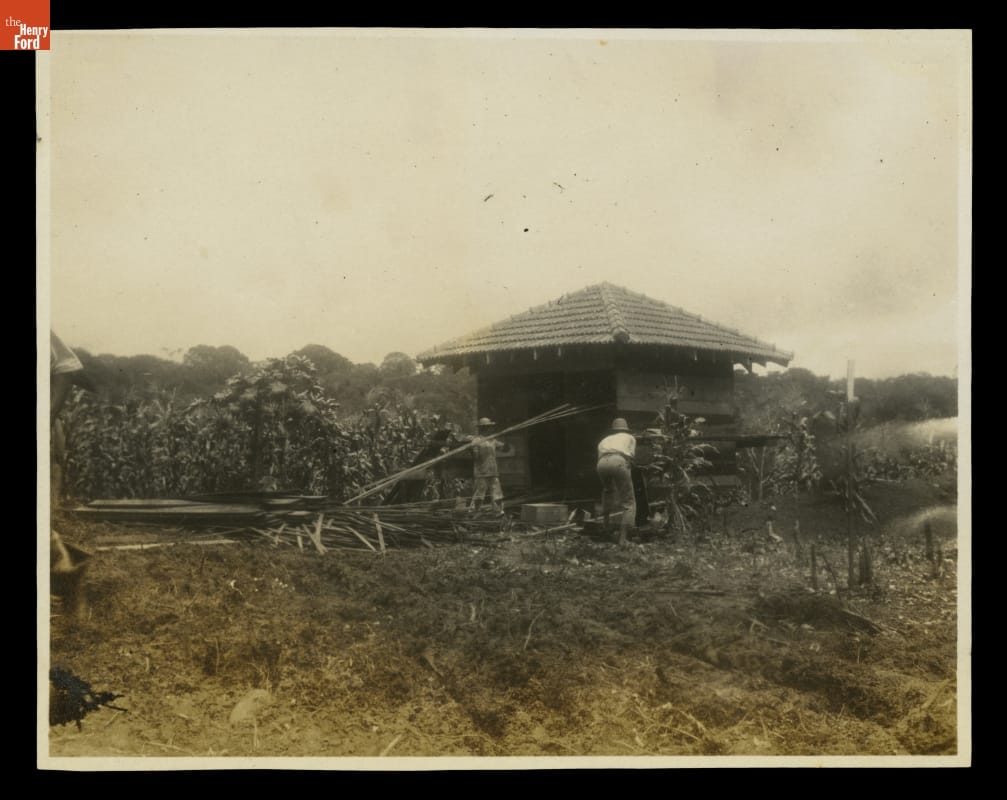
- March 23, 1929
- Collections - Artifact
Radio Transmitter House, Fordlandia, Brazil, 1929
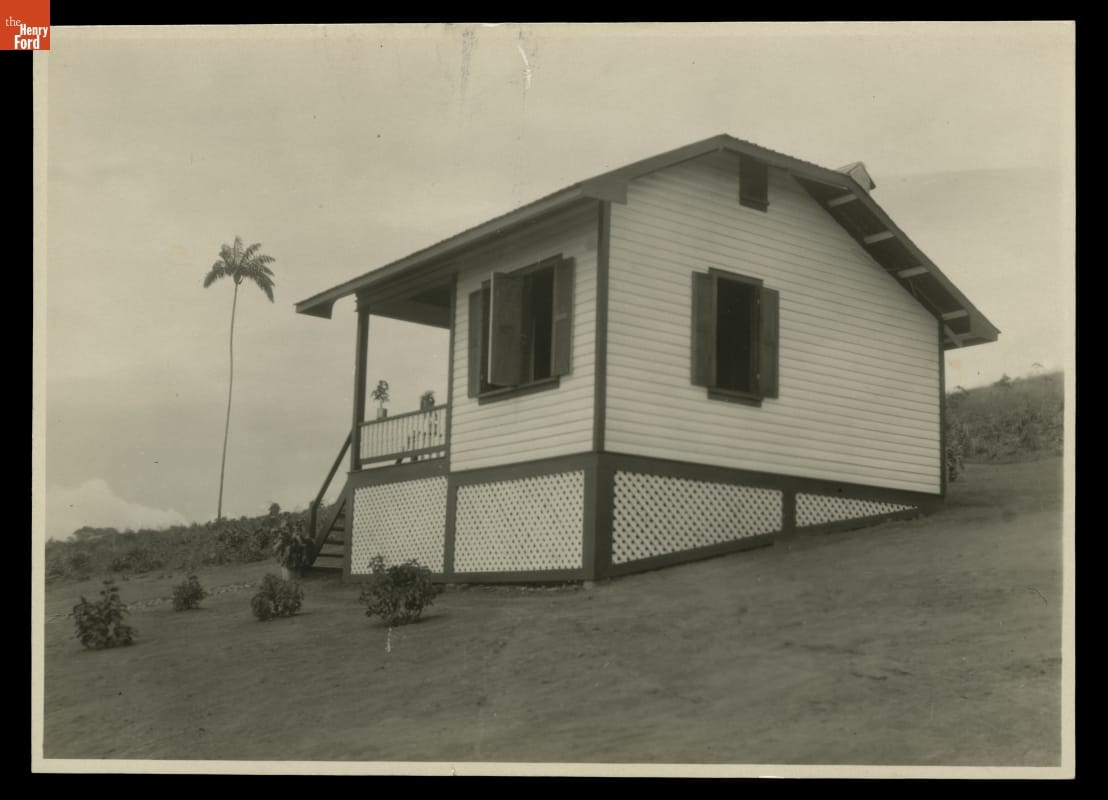
- Employee Housing, Fordlandia, Brazil, June 1932 - In 1928, Ford Motor Company established Fordlandia, a 2.5 million-acre rubber plantation and industrial town, in the Amazon Rainforest. Native workers rioted two years later against imposed American work rules and behavioral restrictions. To alleviate tensions, Ford began building new housing and other amenities. The building designs, however, were patterned after management's Midwestern American aesthetics -- inappropriate for Brazil's tropical climate.
- June 20, 1932
- Collections - Artifact
Employee Housing, Fordlandia, Brazil, June 1932
In 1928, Ford Motor Company established Fordlandia, a 2.5 million-acre rubber plantation and industrial town, in the Amazon Rainforest. Native workers rioted two years later against imposed American work rules and behavioral restrictions. To alleviate tensions, Ford began building new housing and other amenities. The building designs, however, were patterned after management's Midwestern American aesthetics -- inappropriate for Brazil's tropical climate.
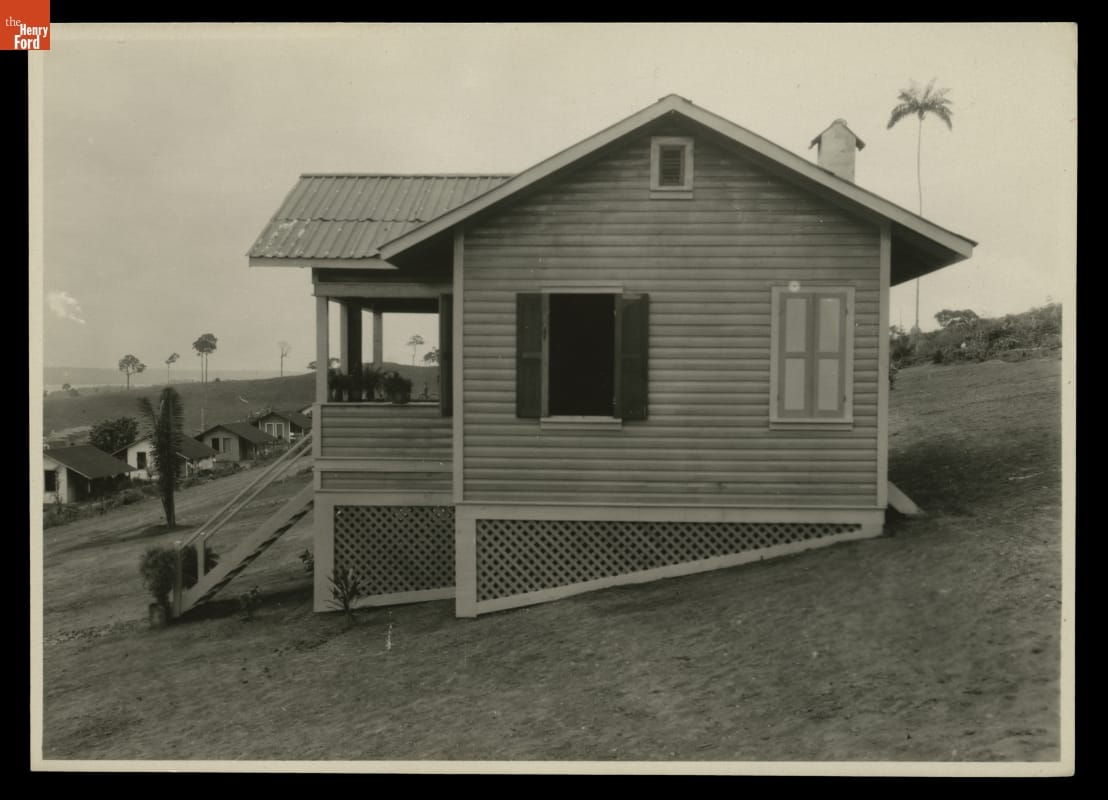
- Employee Housing, Fordlandia, Brazil, June 1932 - In 1928, Ford Motor Company established Fordlandia, a 2.5 million-acre rubber plantation and industrial town, in the Amazon Rainforest. Native workers rioted two years later against imposed American work rules and behavioral restrictions. To alleviate tensions, Ford began building new housing and other amenities. The building designs, however, were patterned after management's Midwestern American aesthetics -- inappropriate for Brazil's tropical climate.
- June 20, 1932
- Collections - Artifact
Employee Housing, Fordlandia, Brazil, June 1932
In 1928, Ford Motor Company established Fordlandia, a 2.5 million-acre rubber plantation and industrial town, in the Amazon Rainforest. Native workers rioted two years later against imposed American work rules and behavioral restrictions. To alleviate tensions, Ford began building new housing and other amenities. The building designs, however, were patterned after management's Midwestern American aesthetics -- inappropriate for Brazil's tropical climate.