
Search
- Kodak Photographic Plate, 1900-1920 -
- 1900-1920
- Collections - Artifact
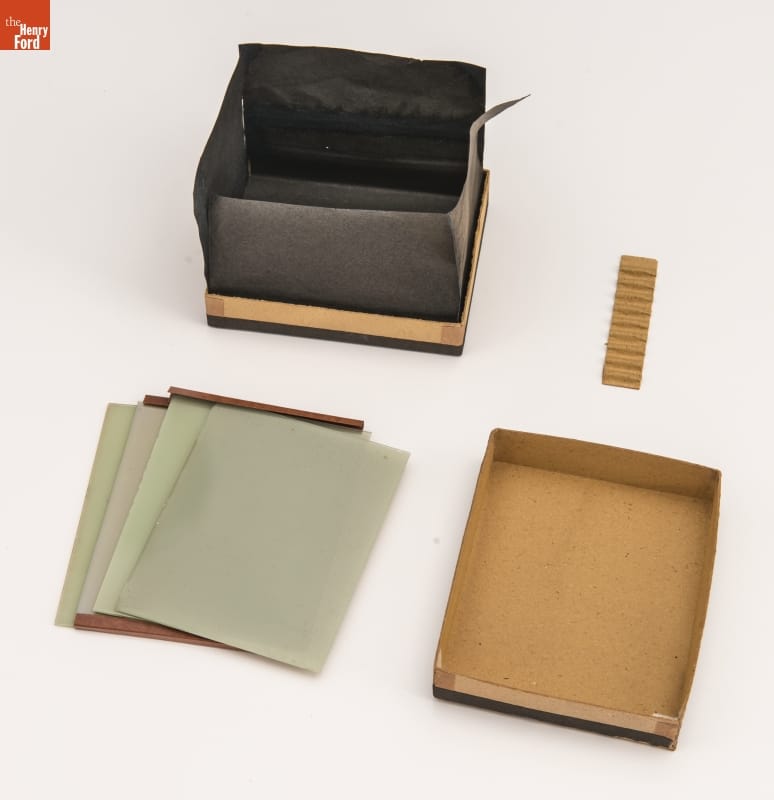
Kodak Photographic Plate, 1900-1920
- Glass Photographic Plate, 1870-1920 - Dry plate photography was a primary photographic method until the invention of roll-film in the 1880s. Glass plates coated with light-sensitive gelatin were placed into holders, and exposed in a camera. George Eastman automated this process with his plate-coating machine and factory in 1879. Exacting and demanding, plate-based photography was the opposite of being a mobile or spontaneous process.
- 1870-1920
- Collections - Artifact
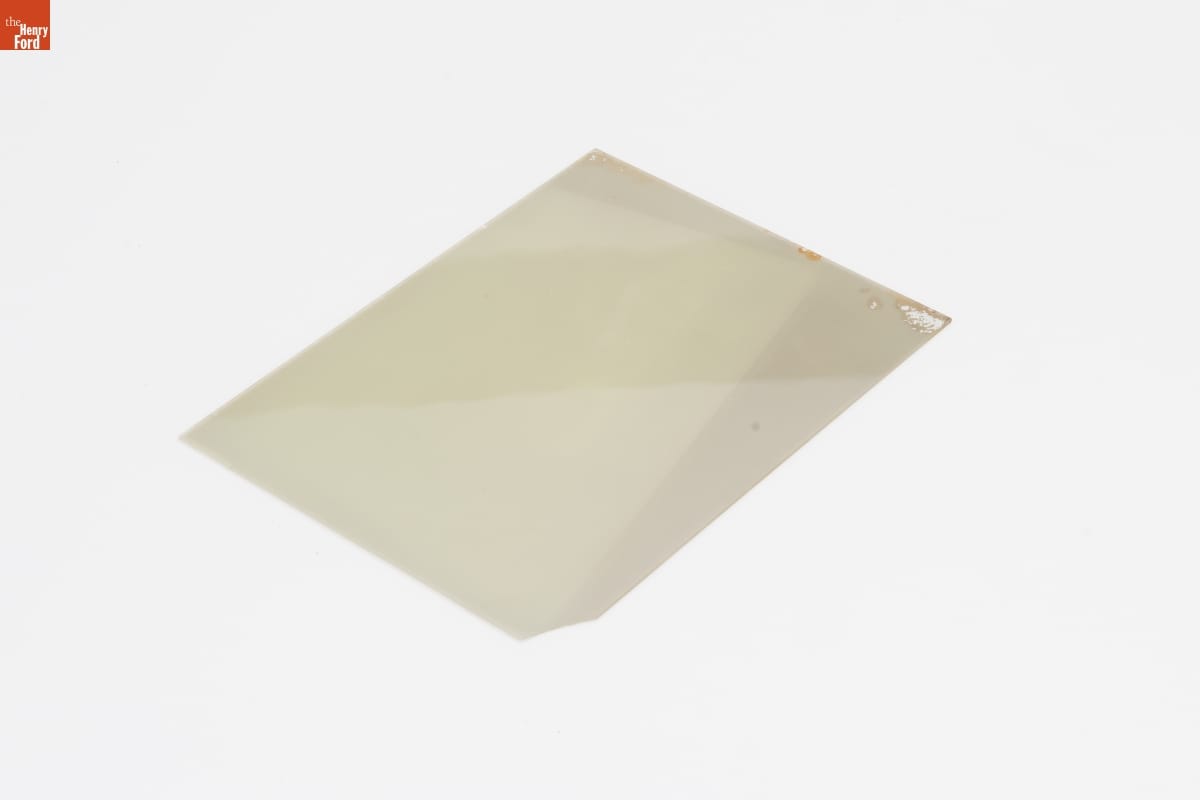
Glass Photographic Plate, 1870-1920
Dry plate photography was a primary photographic method until the invention of roll-film in the 1880s. Glass plates coated with light-sensitive gelatin were placed into holders, and exposed in a camera. George Eastman automated this process with his plate-coating machine and factory in 1879. Exacting and demanding, plate-based photography was the opposite of being a mobile or spontaneous process.
- "The Pittsburgh House of Glass," House No. 5, Town of Tomorrow Village, New York World's Fair, 1940 - The 1939-40 New York World's Fair encouraged a depression-weary public that the future would be rosy. One exhibition, the Town of Tomorrow, particularly expressed the fair's utopian "Building the World of Tomorrow" theme. Fifteen Demonstration Homes comprised the Town of Tomorrow. Each house practically demonstrated modern building equipment and materials, which were described for fairgoers in a complimentary booklet.
- 1939-1940
- Collections - Artifact
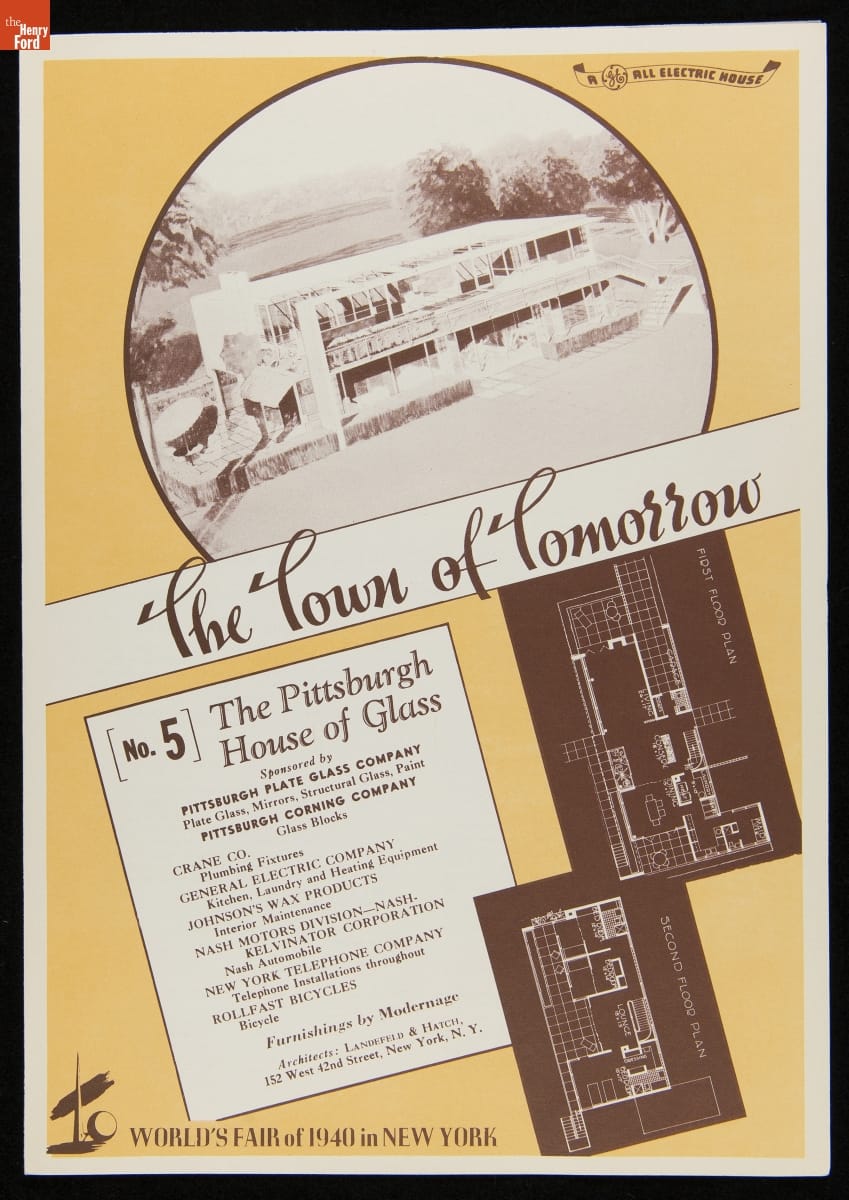
"The Pittsburgh House of Glass," House No. 5, Town of Tomorrow Village, New York World's Fair, 1940
The 1939-40 New York World's Fair encouraged a depression-weary public that the future would be rosy. One exhibition, the Town of Tomorrow, particularly expressed the fair's utopian "Building the World of Tomorrow" theme. Fifteen Demonstration Homes comprised the Town of Tomorrow. Each house practically demonstrated modern building equipment and materials, which were described for fairgoers in a complimentary booklet.
- Box of Kodak Photographic Plates, 1900-1920 -
- 1900-1920
- Collections - Artifact
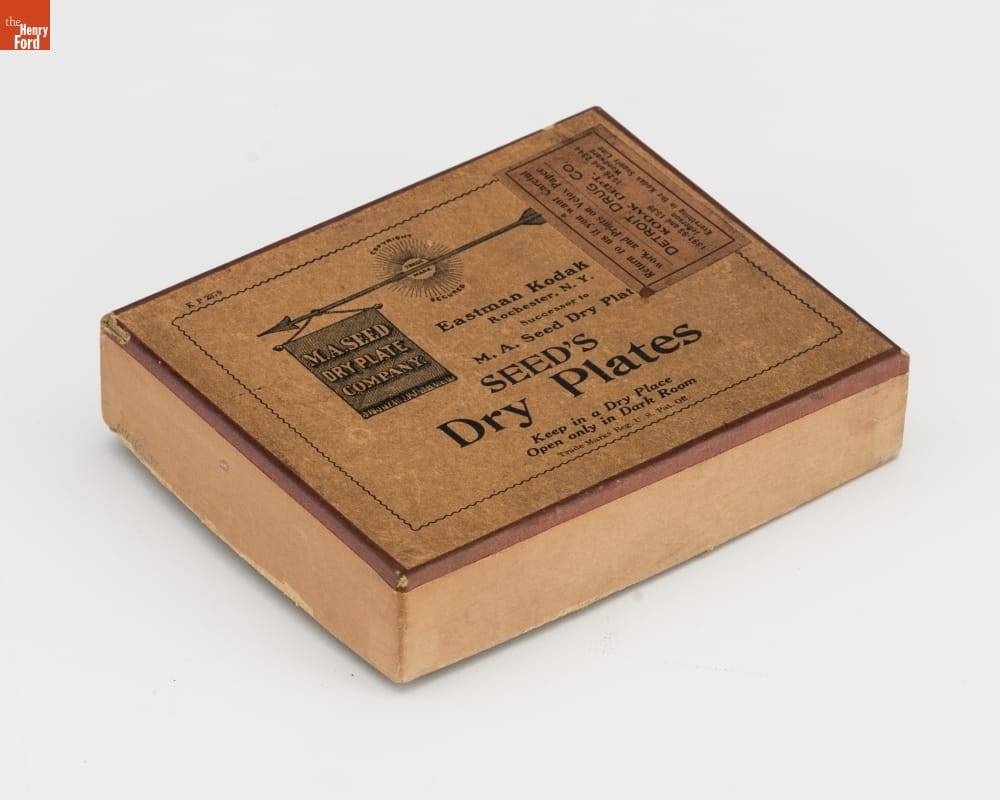
Box of Kodak Photographic Plates, 1900-1920
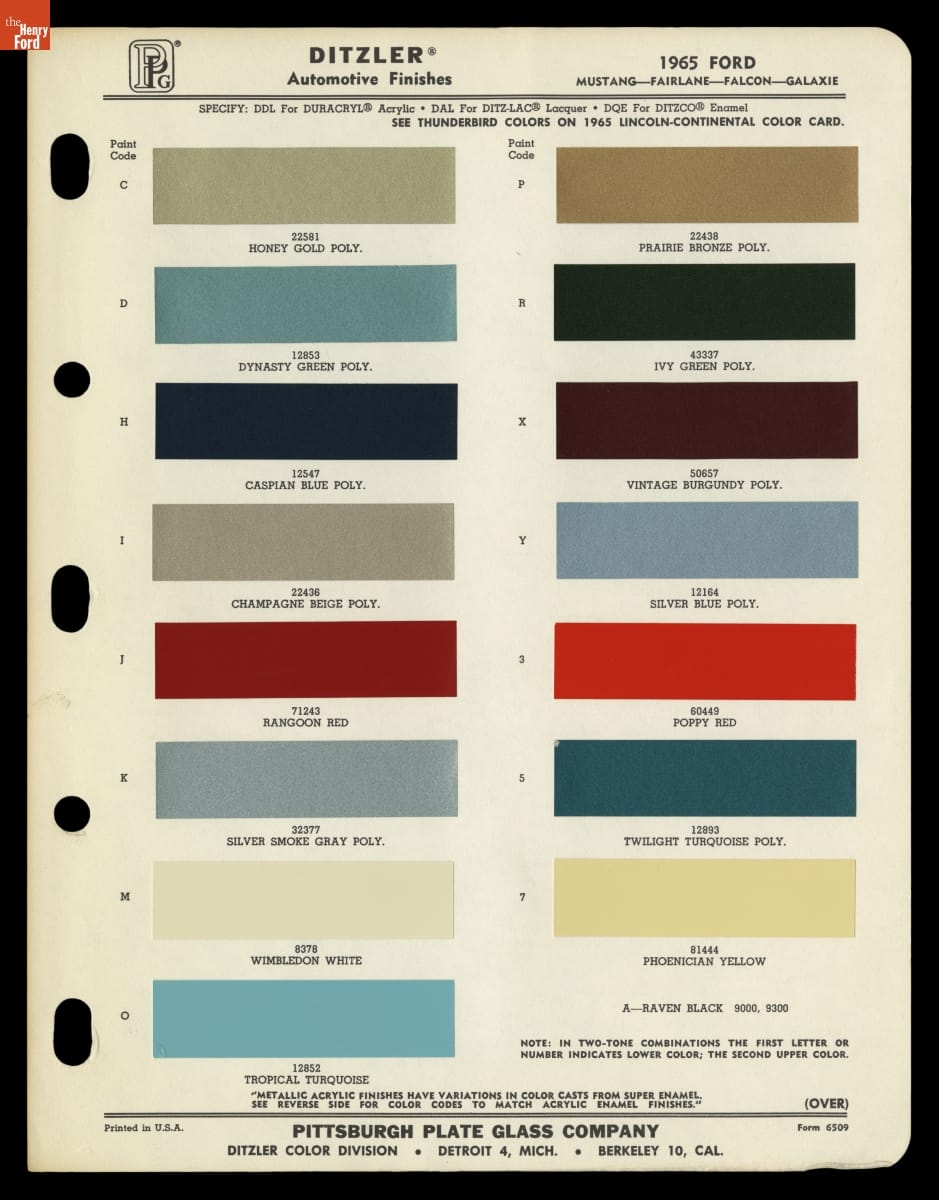
- "Ditzler Automotive Finishes," Paint Colors for 1965 Ford Mustang, Fairlane, Falcon and Galaxie Cars - Ford Motor Company's color sample cards provided dealers and customers with a look at exterior color options for Ford automobiles. The cards contained paint samples of available exterior finishes. Color options presented in early-release advanced cards were always subject to change.
- 1965
- Collections - Artifact
"Ditzler Automotive Finishes," Paint Colors for 1965 Ford Mustang, Fairlane, Falcon and Galaxie Cars
Ford Motor Company's color sample cards provided dealers and customers with a look at exterior color options for Ford automobiles. The cards contained paint samples of available exterior finishes. Color options presented in early-release advanced cards were always subject to change.
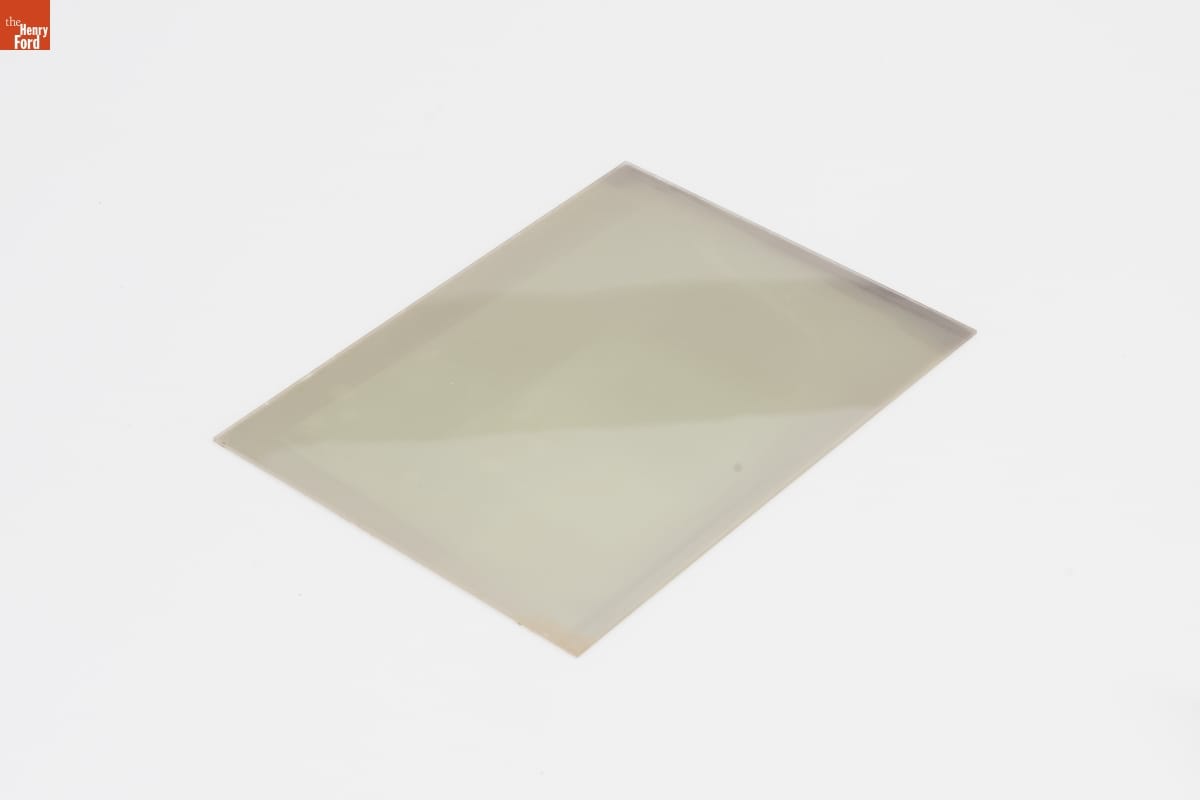
- Glass Photographic Plate, 1870-1920 - Dry plate photography was a primary photographic method until the invention of roll-film in the 1880s. Glass plates coated with light-sensitive gelatin were placed into holders, and exposed in a camera. George Eastman automated this process with his plate-coating machine and factory in 1879. Exacting and demanding, plate-based photography was the opposite of being a mobile or spontaneous process.
- 1870-1920
- Collections - Artifact
Glass Photographic Plate, 1870-1920
Dry plate photography was a primary photographic method until the invention of roll-film in the 1880s. Glass plates coated with light-sensitive gelatin were placed into holders, and exposed in a camera. George Eastman automated this process with his plate-coating machine and factory in 1879. Exacting and demanding, plate-based photography was the opposite of being a mobile or spontaneous process.
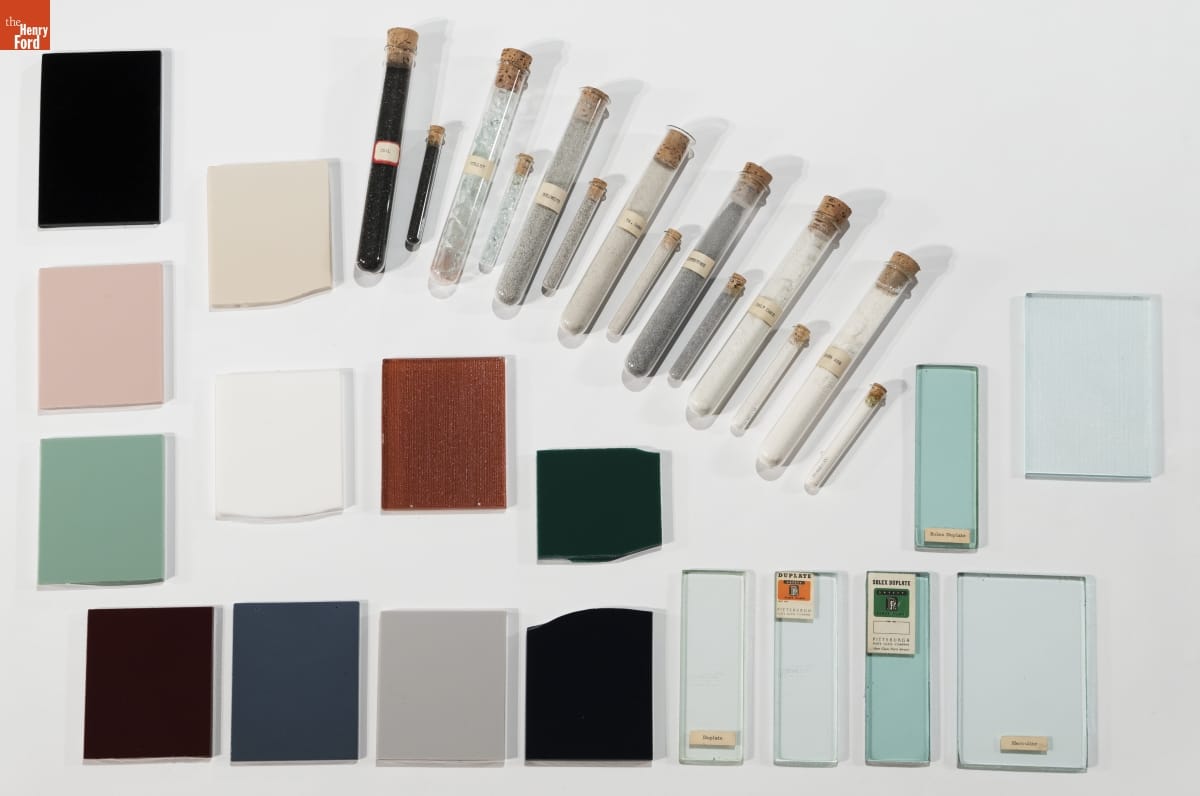
- Pittsburgh Plate Glass Company Samples and Raw Materials, 1938-1968 - Formed in 1883, Pittsburgh Plate Glass Company became the first American firm to produce high-quality, flat plate glass. The rapid growth of the automotive industry in the early 20th century opened a massive new market for the company's products, and it expanded into manufacturing automotive paints. The firm was rebranded as PPG Industries in 1968.
- 1938-1968
- Collections - Artifact
Pittsburgh Plate Glass Company Samples and Raw Materials, 1938-1968
Formed in 1883, Pittsburgh Plate Glass Company became the first American firm to produce high-quality, flat plate glass. The rapid growth of the automotive industry in the early 20th century opened a massive new market for the company's products, and it expanded into manufacturing automotive paints. The firm was rebranded as PPG Industries in 1968.
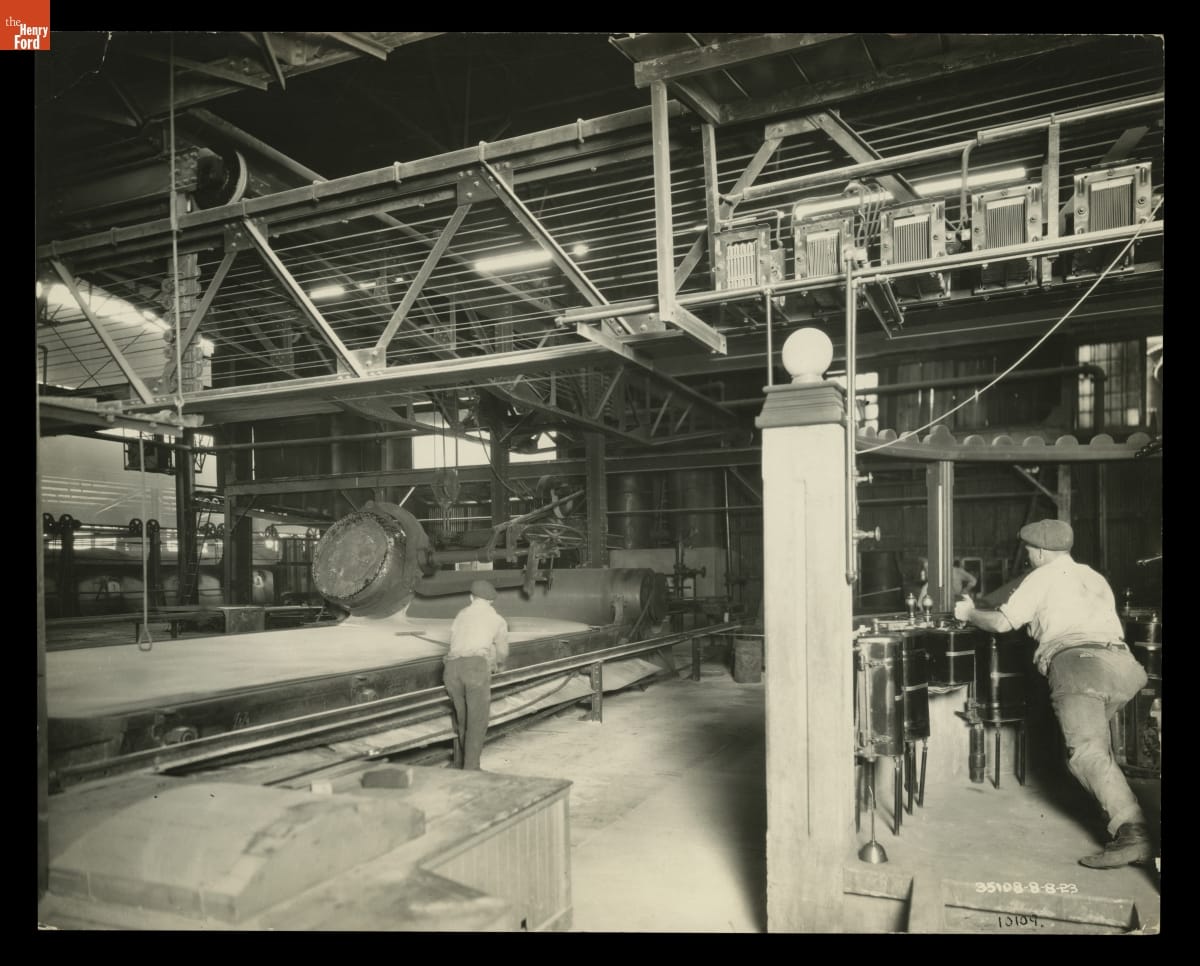
- Allegheny Plate Glass Company Plant, Glassmere, Pennsylvania, August 1923 - Ford Motor Company bought Allegheny Plate Glass Company in 1923. Allegheny's factory, seen here, was near Pittsburgh, Pennsylvania. The purchase expanded Ford's capacity to manufacture window glass for its vehicles. But shipping glass to Detroit proved impractical. Ford opened its own large glass plant at the Rouge, and it sold the Allegheny factory soon afterward.
- August 01, 1923
- Collections - Artifact
Allegheny Plate Glass Company Plant, Glassmere, Pennsylvania, August 1923
Ford Motor Company bought Allegheny Plate Glass Company in 1923. Allegheny's factory, seen here, was near Pittsburgh, Pennsylvania. The purchase expanded Ford's capacity to manufacture window glass for its vehicles. But shipping glass to Detroit proved impractical. Ford opened its own large glass plant at the Rouge, and it sold the Allegheny factory soon afterward.