
Search
- Plexiglas and Plastic Models Used at the Willow Run Bomber Plant, February 1944 - The American automobile industry's greatest contribution to the World War II effort, apart from the sheer scale of its work, was its technical expertise in quantity manufacturing. Automakers refined the smallest details in an item to increase the speed with which it could be made. That knowledge was reflected in everything auto companies produced during the war, from helmets to helicopters.
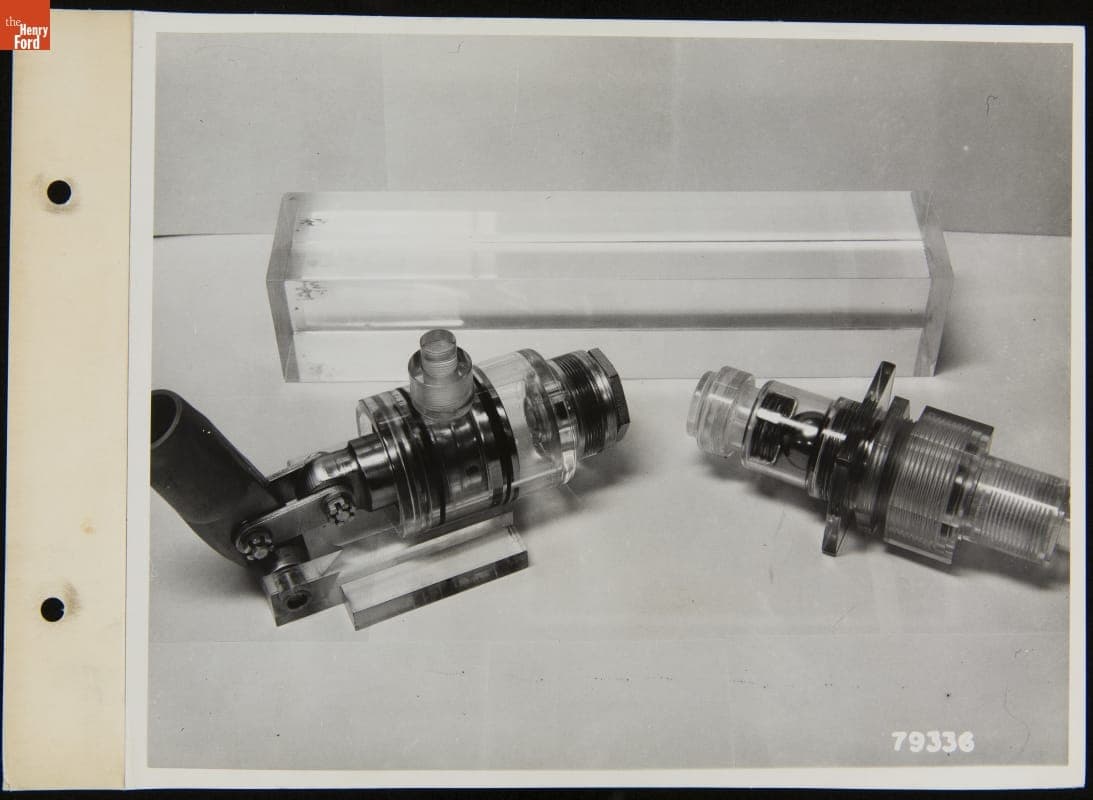
- February 03, 1944
- Collections - Artifact
Plexiglas and Plastic Models Used at the Willow Run Bomber Plant, February 1944
The American automobile industry's greatest contribution to the World War II effort, apart from the sheer scale of its work, was its technical expertise in quantity manufacturing. Automakers refined the smallest details in an item to increase the speed with which it could be made. That knowledge was reflected in everything auto companies produced during the war, from helmets to helicopters.
- Plexiglas and Plastic Model Used at the Willow Run Bomber Plant, February 1944 - The American automobile industry's greatest contribution to the World War II effort, apart from the sheer scale of its work, was its technical expertise in quantity manufacturing. Automakers refined the smallest details in an item to increase the speed with which it could be made. That knowledge was reflected in everything auto companies produced during the war, from helmets to helicopters.
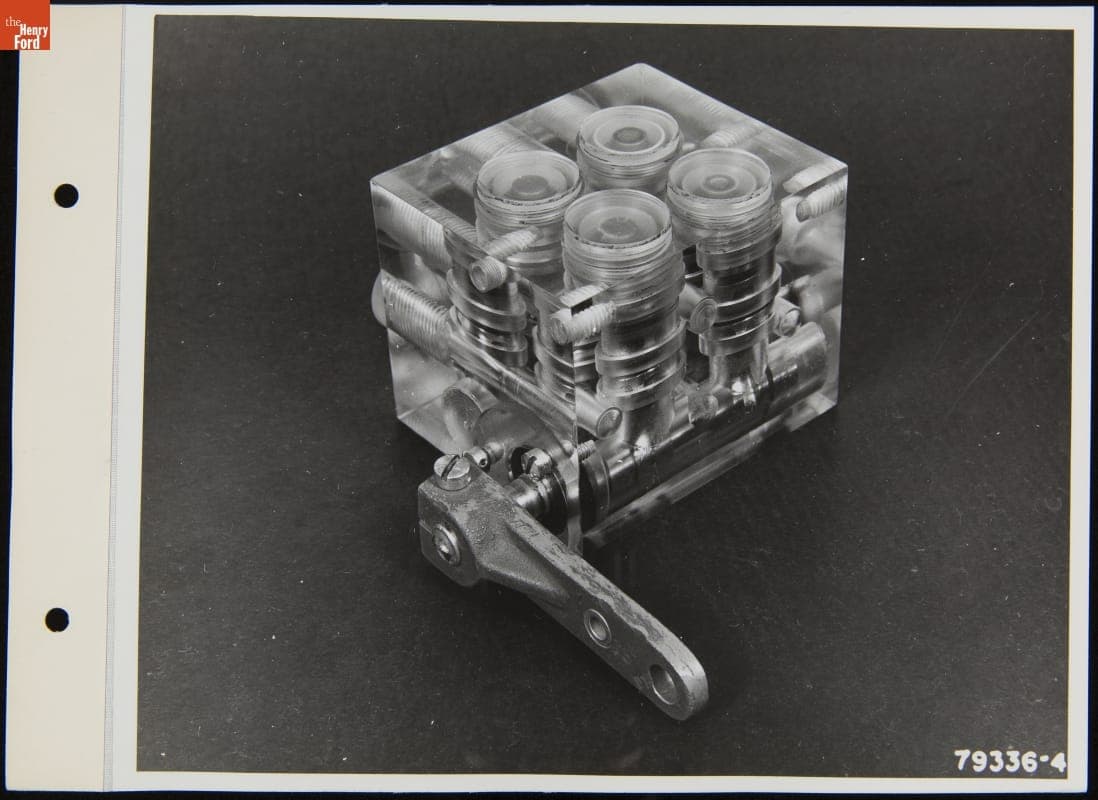
- February 03, 1944
- Collections - Artifact
Plexiglas and Plastic Model Used at the Willow Run Bomber Plant, February 1944
The American automobile industry's greatest contribution to the World War II effort, apart from the sheer scale of its work, was its technical expertise in quantity manufacturing. Automakers refined the smallest details in an item to increase the speed with which it could be made. That knowledge was reflected in everything auto companies produced during the war, from helmets to helicopters.