
Search
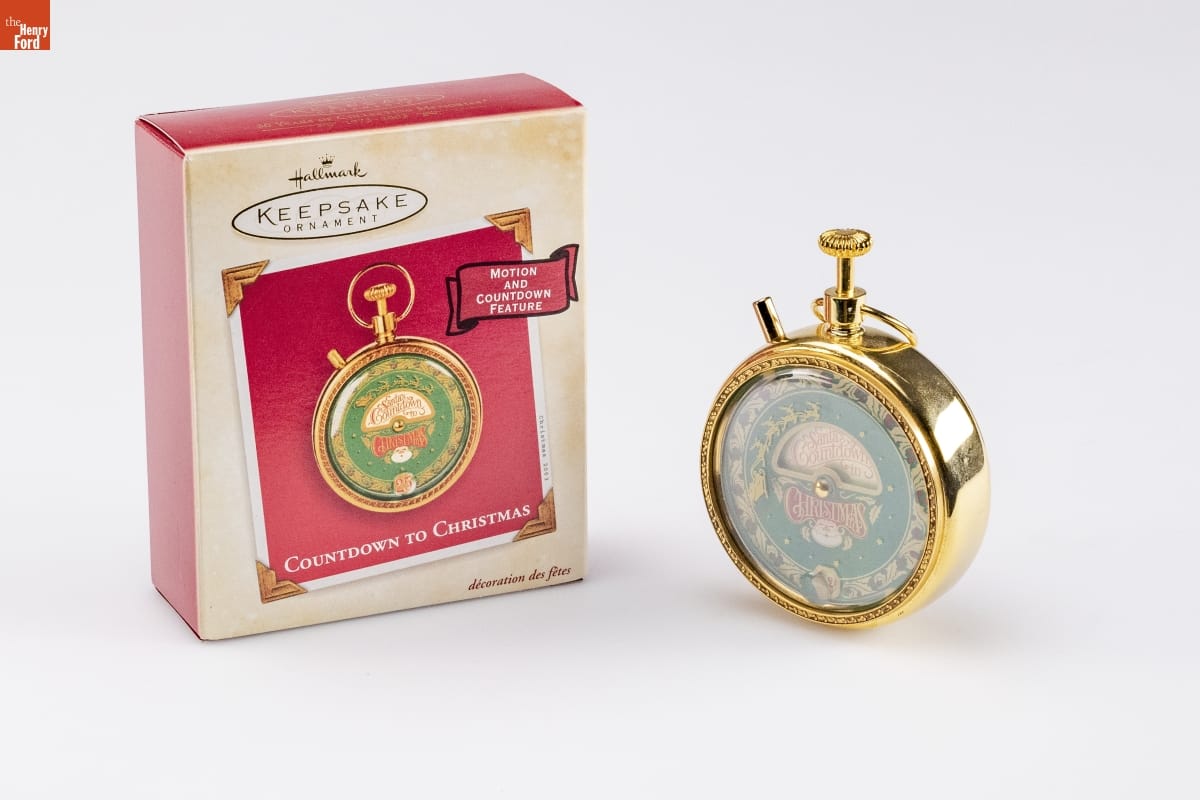
- Hallmark "Countdown to Christmas" Christmas Ornament, 2003 - Already known for greeting cards, Hallmark introduced a line of Christmas ornaments in 1973. The company's annual release of an increasing array of ornaments revolutionized Christmas decorating, appealing to customers' interest in marking memories and milestones as well as expressing one's personality and unique tastes.
- 2003
- Collections - Artifact
Hallmark "Countdown to Christmas" Christmas Ornament, 2003
Already known for greeting cards, Hallmark introduced a line of Christmas ornaments in 1973. The company's annual release of an increasing array of ornaments revolutionized Christmas decorating, appealing to customers' interest in marking memories and milestones as well as expressing one's personality and unique tastes.
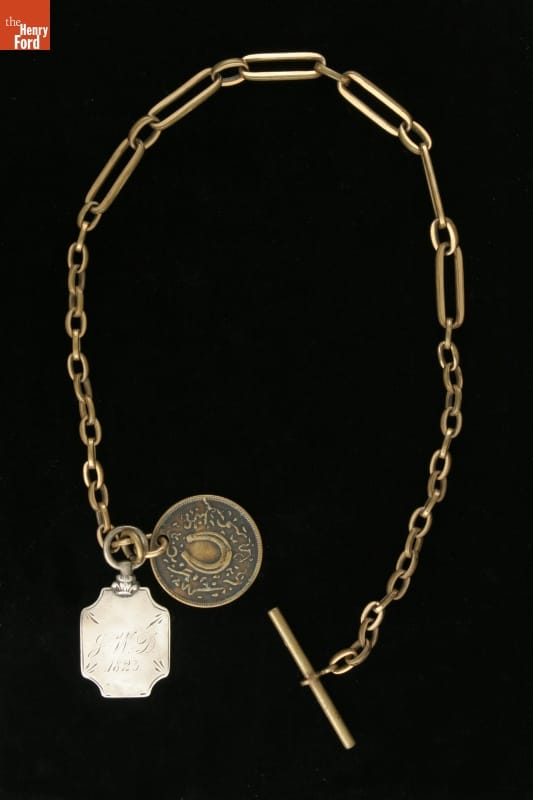
- Watch Chain with Fobs, circa 1900 - By the late 1800s, a fob generally referred to an ornament that hung from a watch chain. Fobs included small seals, jewels, medallions, pendants, or other charms. These adornments may have had special personal meaning to the wearer, signifying a person's character or identity.
- circa 1900
- Collections - Artifact
Watch Chain with Fobs, circa 1900
By the late 1800s, a fob generally referred to an ornament that hung from a watch chain. Fobs included small seals, jewels, medallions, pendants, or other charms. These adornments may have had special personal meaning to the wearer, signifying a person's character or identity.
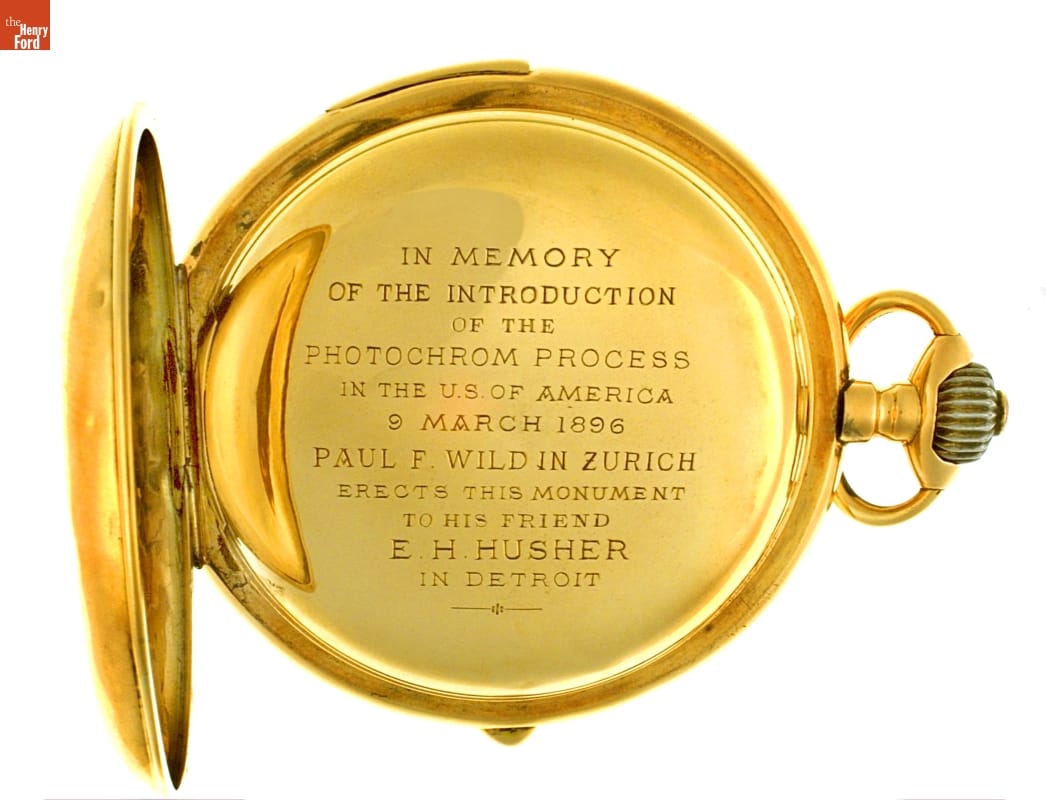
- Pocket Watch Commemorating the Introduction of the Photochrom Process in the US, 1896 -
- March 09, 1896
- Collections - Artifact
Pocket Watch Commemorating the Introduction of the Photochrom Process in the US, 1896
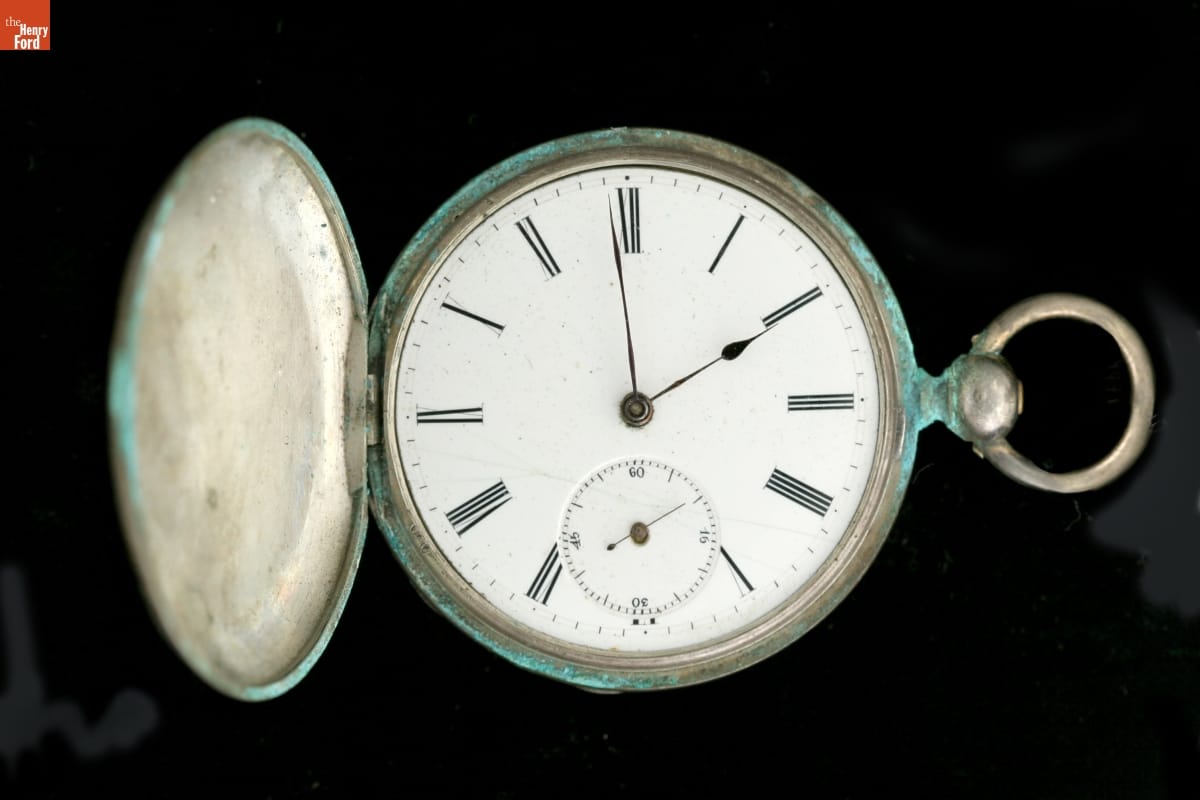
- Pocket Watch, 1840-1860, Carried by Civil War Sergeant James C. Broadwell - According to family tradition, this pocket watch was carried by Sergeant James C. Broadwell during the Civil War. Broadwell fought with Company F of the 2nd Ohio Infantry Regiment. His company saw action throughout the Tennessee and Cumberland River valleys and fought in the Battle of Atlanta in 1864.
- 1861-1865
- Collections - Artifact
Pocket Watch, 1840-1860, Carried by Civil War Sergeant James C. Broadwell
According to family tradition, this pocket watch was carried by Sergeant James C. Broadwell during the Civil War. Broadwell fought with Company F of the 2nd Ohio Infantry Regiment. His company saw action throughout the Tennessee and Cumberland River valleys and fought in the Battle of Atlanta in 1864.
- Seyffert Pocket Watch, circa 1800 -
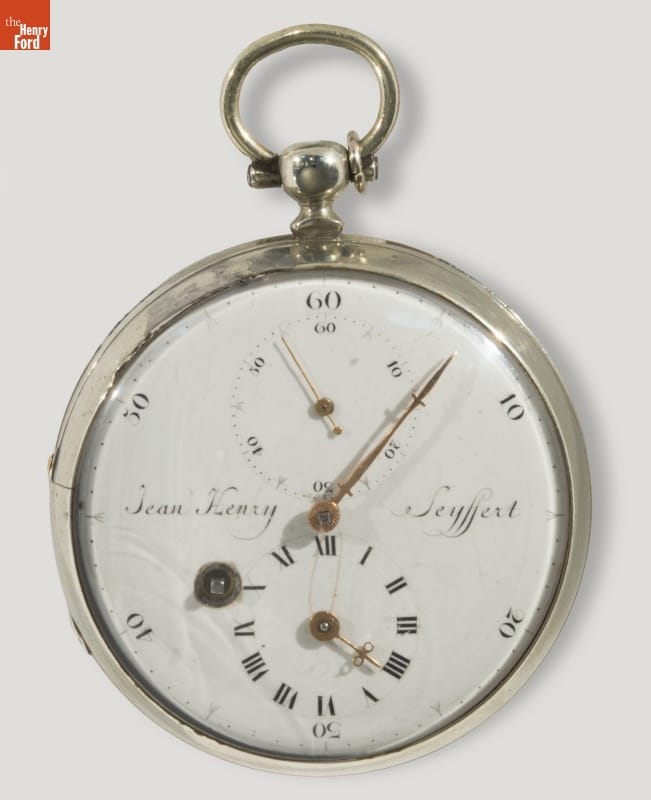
- circa 1800
- Collections - Artifact
Seyffert Pocket Watch, circa 1800
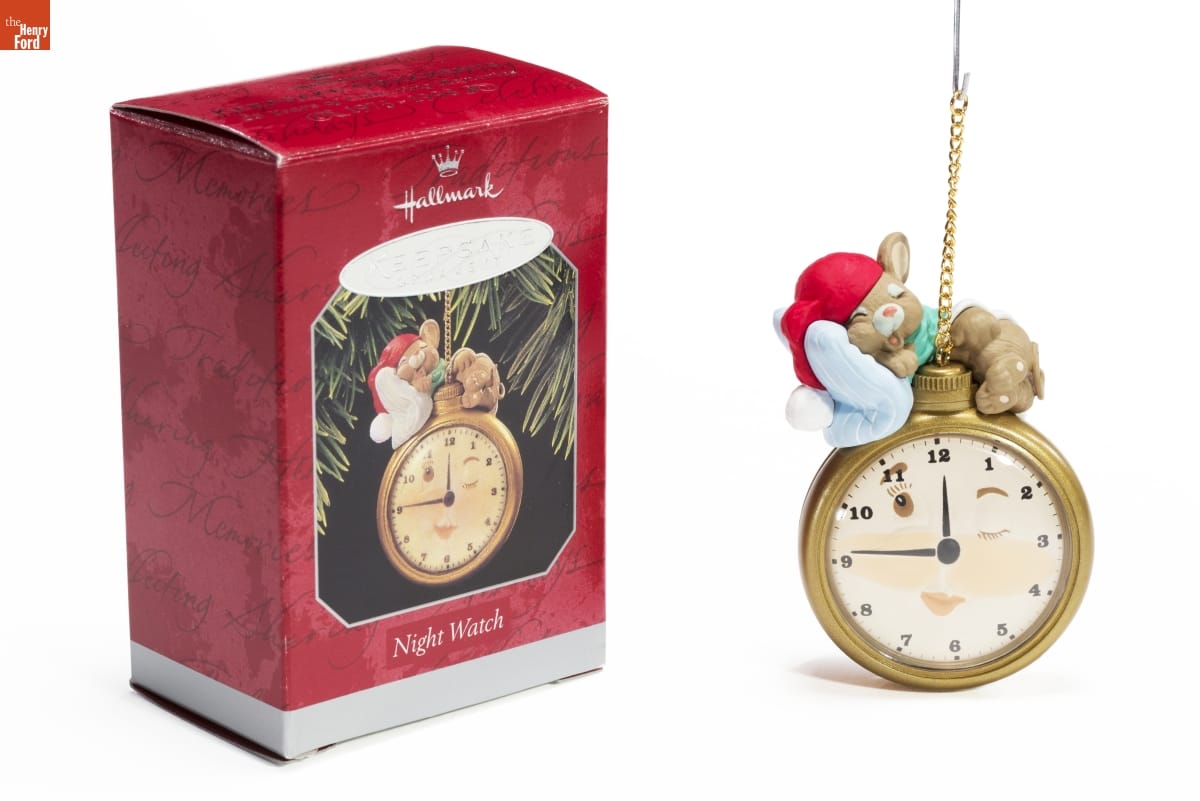
- Hallmark "Night Watch" Christmas Ornament, 1998 - Already known for greeting cards, Hallmark introduced a line of Christmas ornaments in 1973. The company's annual release of an increasing array of ornaments revolutionized Christmas decorating, appealing to customers' interest in marking memories and milestones as well as expressing one's personality and unique tastes.
- 1998
- Collections - Artifact
Hallmark "Night Watch" Christmas Ornament, 1998
Already known for greeting cards, Hallmark introduced a line of Christmas ornaments in 1973. The company's annual release of an increasing array of ornaments revolutionized Christmas decorating, appealing to customers' interest in marking memories and milestones as well as expressing one's personality and unique tastes.
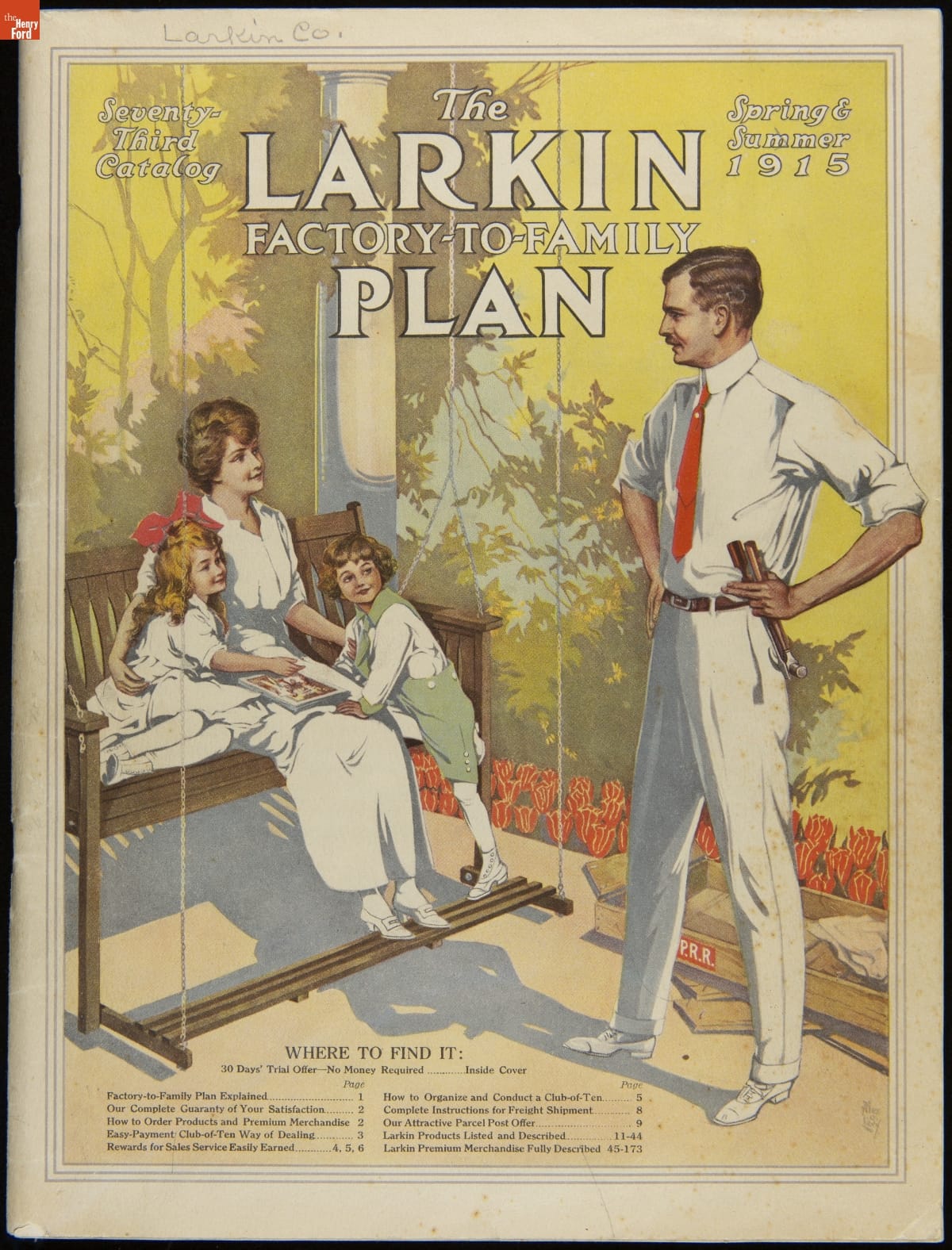
- Larkin Company Trade Catalog, "The Larkin Factory to Family Plan, 73rd Catalog," Spring and Summer 1915 - John D. Larkin established a soap manufacturing company in 1875. He hired his brother-in-law, Elbert Hubbard, as a salesman. Hubbard developed "The Larkin Idea," a plan that sold goods directly to consumers through mail-order catalogs and offered incentivizing giveaways. It was a success. By the early 1900s, Larkin's catalogs contained pages of products and even more pages of premiums from which customers could choose.
- 1915
- Collections - Artifact
Larkin Company Trade Catalog, "The Larkin Factory to Family Plan, 73rd Catalog," Spring and Summer 1915
John D. Larkin established a soap manufacturing company in 1875. He hired his brother-in-law, Elbert Hubbard, as a salesman. Hubbard developed "The Larkin Idea," a plan that sold goods directly to consumers through mail-order catalogs and offered incentivizing giveaways. It was a success. By the early 1900s, Larkin's catalogs contained pages of products and even more pages of premiums from which customers could choose.
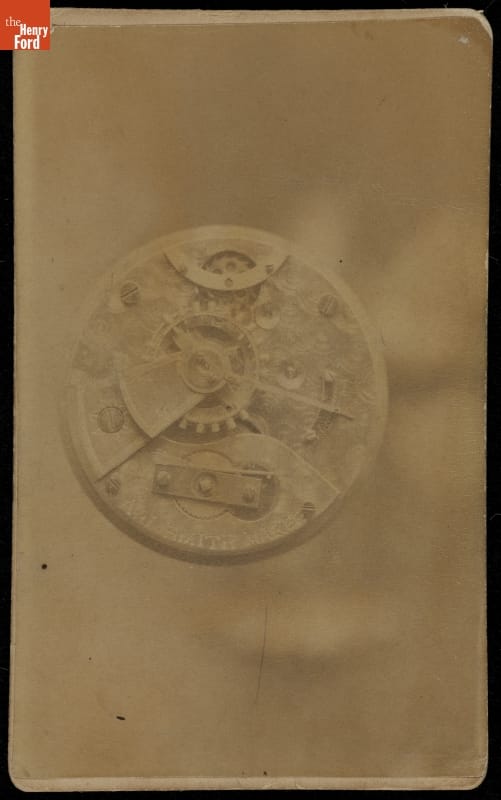
- Pocket Watch Movement, circa 1870 - This carte-de-visite, made around 1870, shows the movement - or internal mechanism - of a pocket watch. Cartes-de-visite, small photographic prints on cardboard stock, were made in professional photographers' studios. Americans collected and exchanged cartes-de-visites, which remained popular in the United States from the Civil War in the 1860s through the 1880s.
- circa 1870
- Collections - Artifact
Pocket Watch Movement, circa 1870
This carte-de-visite, made around 1870, shows the movement - or internal mechanism - of a pocket watch. Cartes-de-visite, small photographic prints on cardboard stock, were made in professional photographers' studios. Americans collected and exchanged cartes-de-visites, which remained popular in the United States from the Civil War in the 1860s through the 1880s.
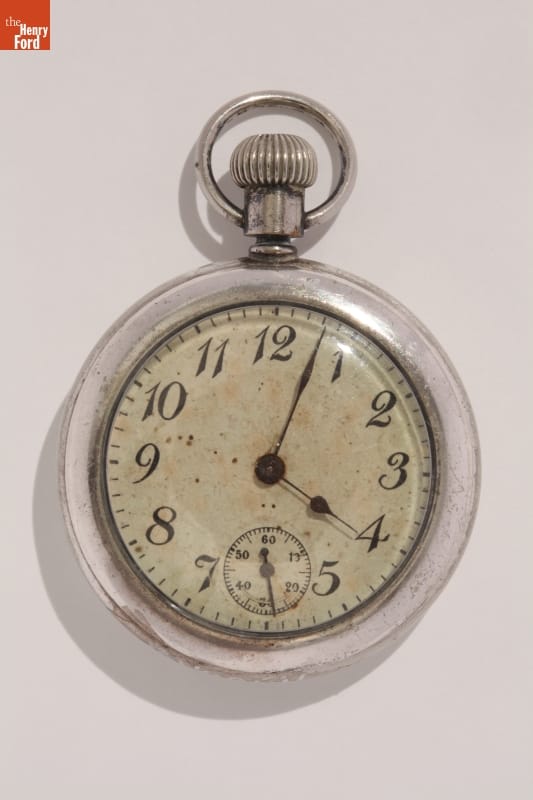
- Panama-Pacific International Exposition Souvenir Pocket Watch, 1915 - The Panama-Pacific International Exposition celebrated the 1914 completion of the Panama Canal and the 400th anniversary of the discovery of the Pacific Ocean. Nearly nineteen million people visited San Francisco, recently recovered from a devastating 1906 earthquake, during the fair in 1915. Many returned home with mementos of the exhibition, such as this souvenir pocket watch.
- 1915
- Collections - Artifact
Panama-Pacific International Exposition Souvenir Pocket Watch, 1915
The Panama-Pacific International Exposition celebrated the 1914 completion of the Panama Canal and the 400th anniversary of the discovery of the Pacific Ocean. Nearly nineteen million people visited San Francisco, recently recovered from a devastating 1906 earthquake, during the fair in 1915. Many returned home with mementos of the exhibition, such as this souvenir pocket watch.
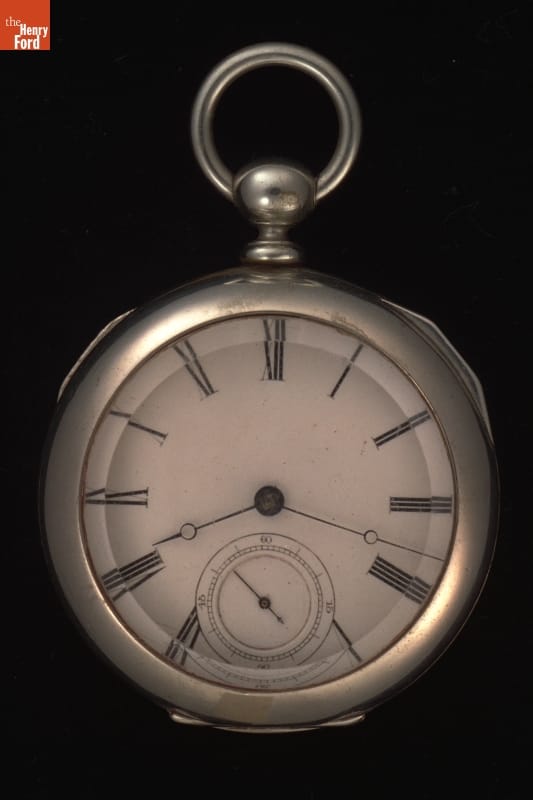
- Pocket Watch, 1870-1875 -
- 1870-1875
- Collections - Artifact
Pocket Watch, 1870-1875