
Search
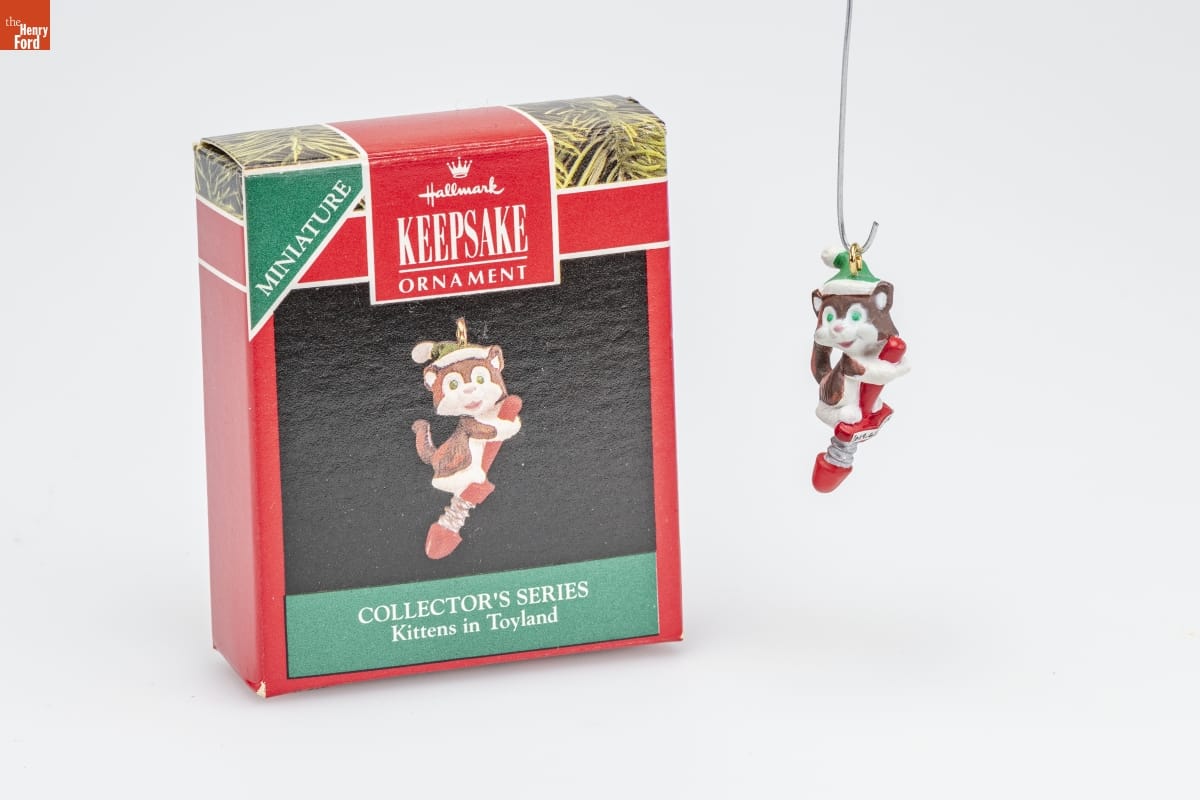
- Hallmark "Kittens in Toyland Series" Miniature Christmas Ornament, 1992 - Already known for greeting cards, Hallmark introduced a line of Christmas ornaments in 1973. The company's annual release of an increasing array of ornaments revolutionized Christmas decorating, appealing to customers' interest in marking memories and milestones as well as expressing one's personality and unique tastes.
- 1992
- Collections - Artifact
Hallmark "Kittens in Toyland Series" Miniature Christmas Ornament, 1992
Already known for greeting cards, Hallmark introduced a line of Christmas ornaments in 1973. The company's annual release of an increasing array of ornaments revolutionized Christmas decorating, appealing to customers' interest in marking memories and milestones as well as expressing one's personality and unique tastes.
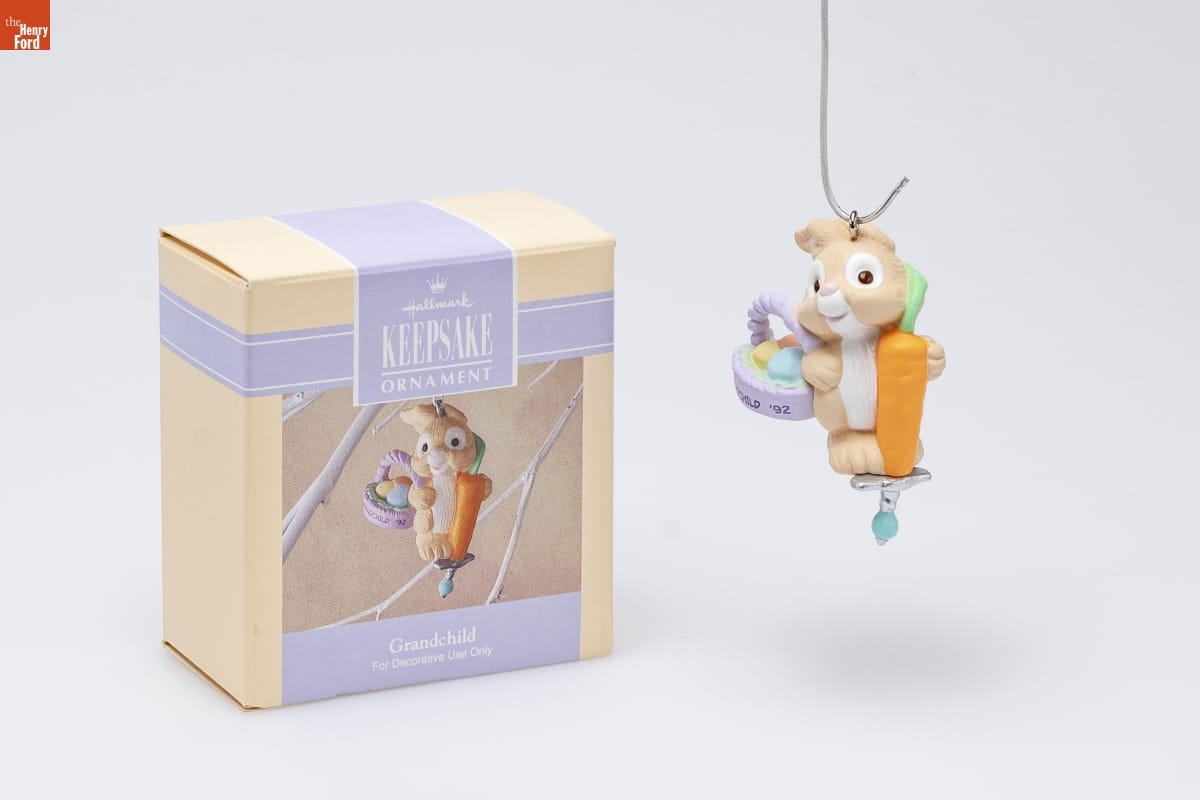
- Hallmark "Grandchild" Easter Ornament, 1992 - Hallmark introduced a line of Christmas ornaments in 1973. These ornaments appealed to customers' interest in marking memories, commemorating milestones, and expressing one's personality and unique tastes. This success led the company to produce ornaments for other holidays. Hallmark marketed and sold Easter and springtime ornaments in several series dating back to the 1990s.
- 1992
- Collections - Artifact
Hallmark "Grandchild" Easter Ornament, 1992
Hallmark introduced a line of Christmas ornaments in 1973. These ornaments appealed to customers' interest in marking memories, commemorating milestones, and expressing one's personality and unique tastes. This success led the company to produce ornaments for other holidays. Hallmark marketed and sold Easter and springtime ornaments in several series dating back to the 1990s.
- Pogo Stick, 1920-1930 -
- 1920-1930
- Collections - Artifact
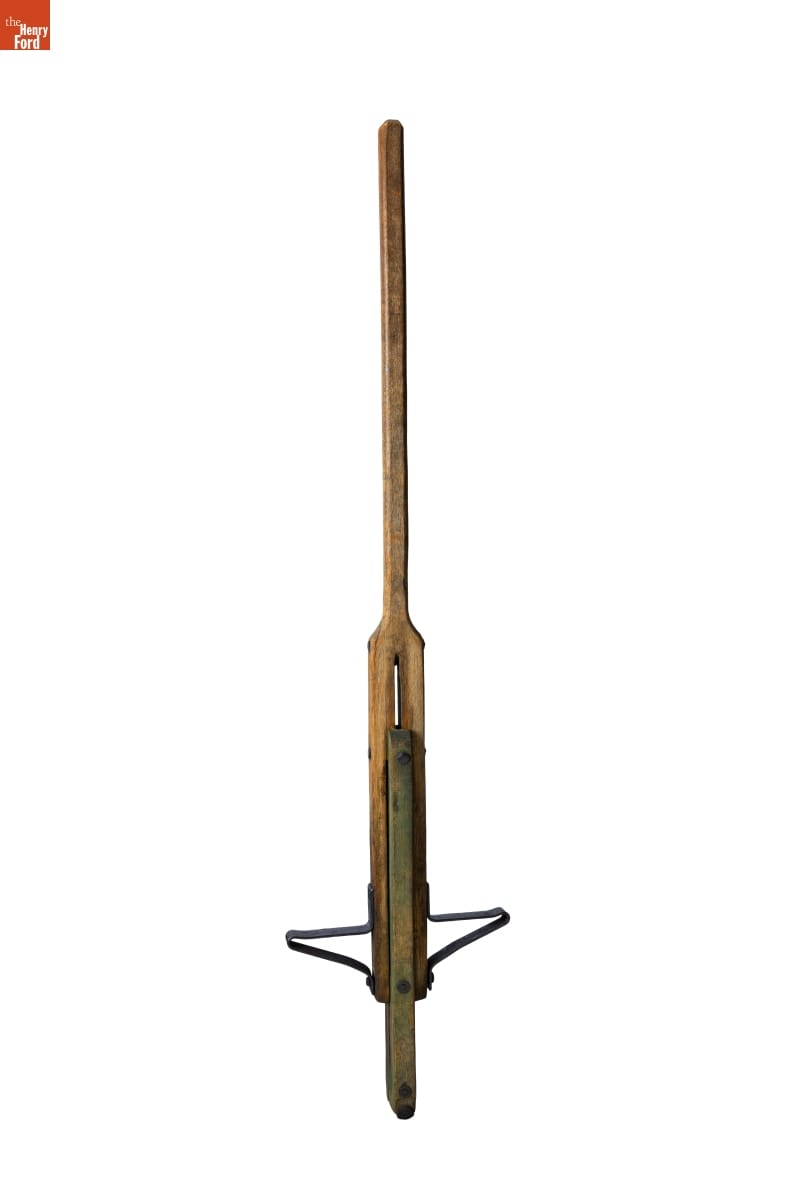
Pogo Stick, 1920-1930
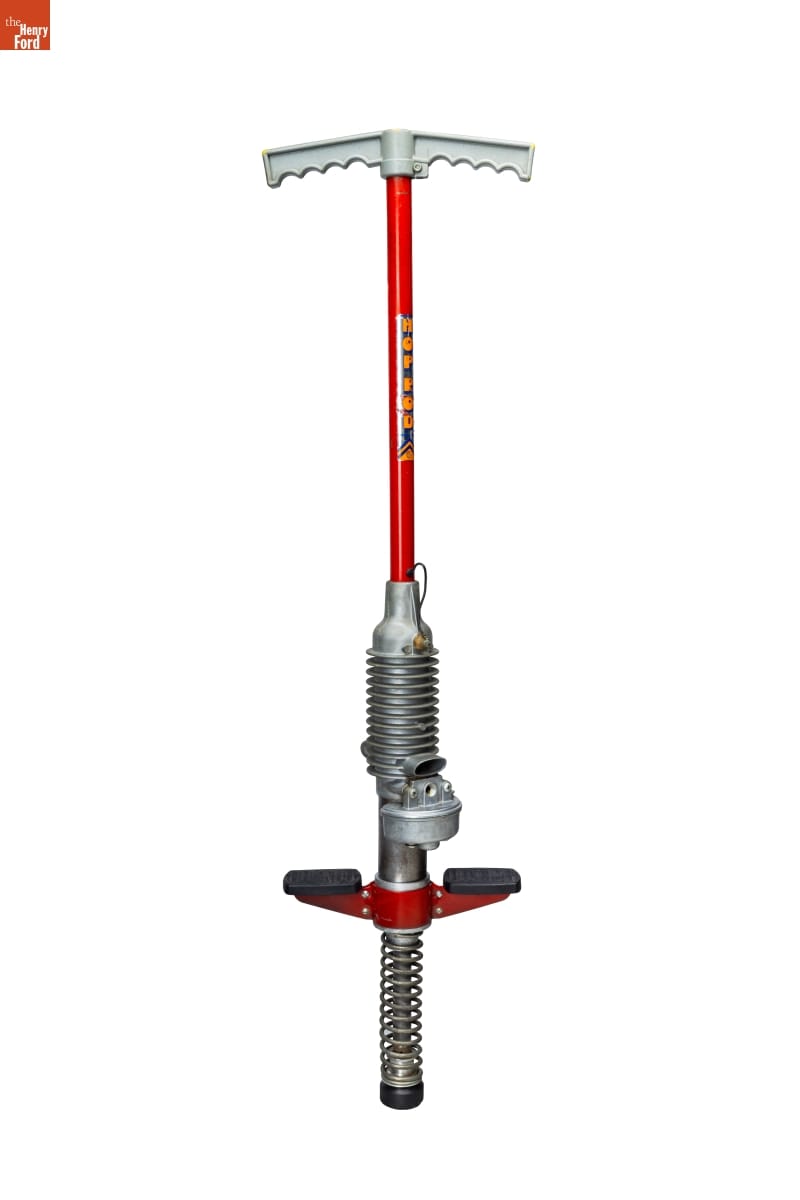
- "Hop Rod" Pogo Stick, 1971-1975 - Gordon Spitzmesser of Elwood, Indiana, received a U.S. patent for a "combustible gas-powered pogo stick" on March 22, 1960. His son Edwin demonstrated it on national television in 1961. Spitzmesser never produced his invention but sold the patent to Chance Mfg. Co. of Wichita, Kansas, which manufactured the one-cylinder, two-cycle "Hop Rod" in the early 1970s.
- 1971-1975
- Collections - Artifact
"Hop Rod" Pogo Stick, 1971-1975
Gordon Spitzmesser of Elwood, Indiana, received a U.S. patent for a "combustible gas-powered pogo stick" on March 22, 1960. His son Edwin demonstrated it on national television in 1961. Spitzmesser never produced his invention but sold the patent to Chance Mfg. Co. of Wichita, Kansas, which manufactured the one-cylinder, two-cycle "Hop Rod" in the early 1970s.