
Search
- View Over the Bow of USS Eagle 3, Bound for Arkhangelsk, May-June 1919 - World War I ended before any of the 60 Ford-built Eagle submarine chasers could participate in the conflict. But three Eagle boats were sent to northern Russia in 1919 to aid the American Expeditionary Force in action against the Bolsheviks. The Americans landed at Arkhangelsk, near the Arctic Circle, and called themselves the "Polar Bears."
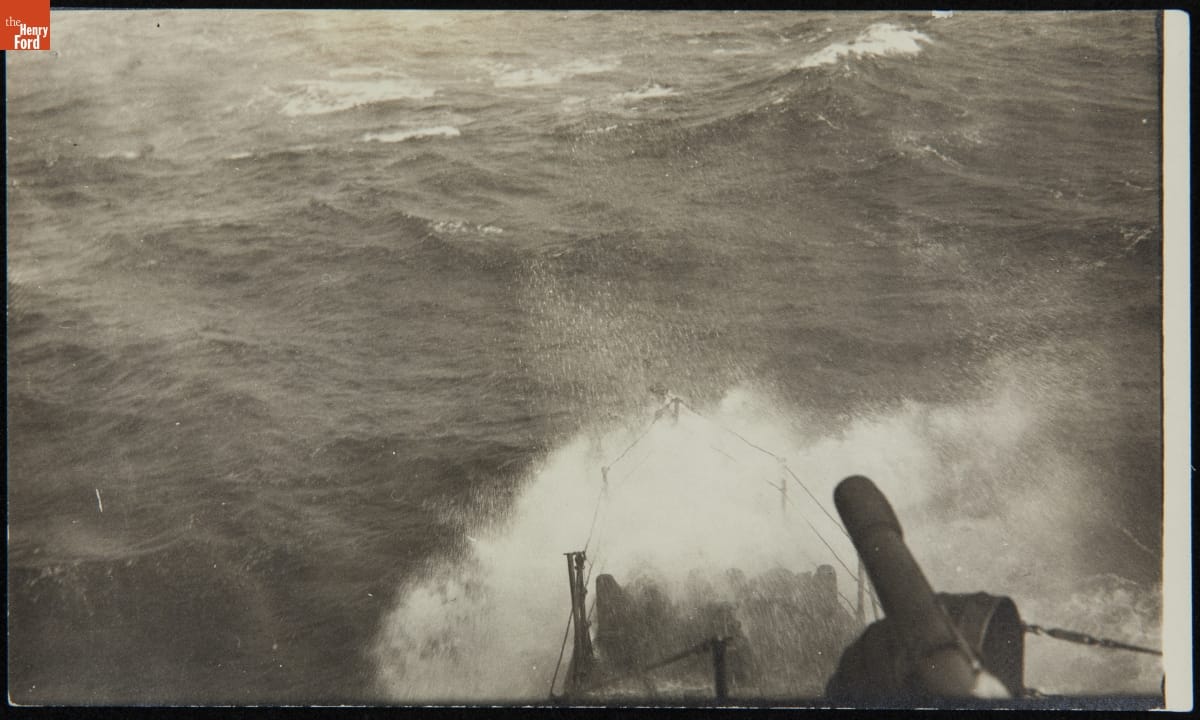
- May 1919-June 1919
- Collections - Artifact
View Over the Bow of USS Eagle 3, Bound for Arkhangelsk, May-June 1919
World War I ended before any of the 60 Ford-built Eagle submarine chasers could participate in the conflict. But three Eagle boats were sent to northern Russia in 1919 to aid the American Expeditionary Force in action against the Bolsheviks. The Americans landed at Arkhangelsk, near the Arctic Circle, and called themselves the "Polar Bears."
- USS Eagles 1 and 2 from the Stern of Eagle 3 on the English Channel, Bound for Arkhangelsk, May 1919 - World War I ended before any of the 60 Ford-built Eagle submarine chasers could participate in the conflict. But three Eagle boats were sent to northern Russia in 1919 to aid the American Expeditionary Force in action against the Bolsheviks. The Americans landed at Arkhangelsk, near the Arctic Circle, and called themselves the "Polar Bears."
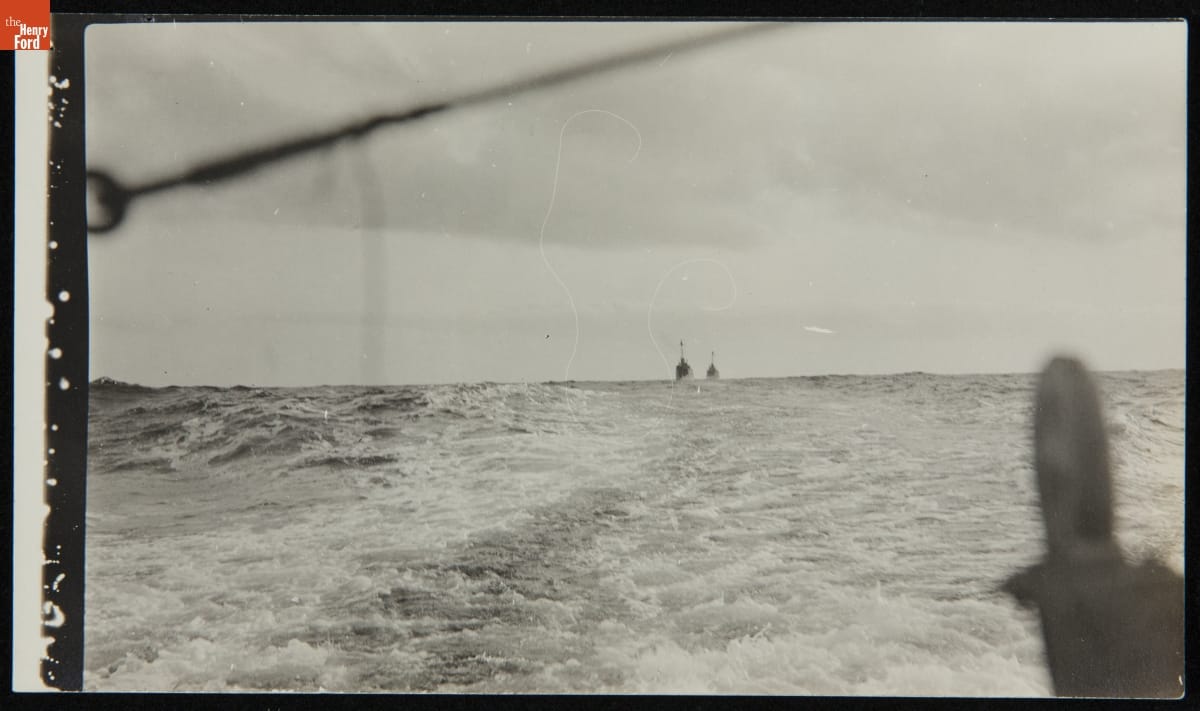
- May 01, 1919
- Collections - Artifact
USS Eagles 1 and 2 from the Stern of Eagle 3 on the English Channel, Bound for Arkhangelsk, May 1919
World War I ended before any of the 60 Ford-built Eagle submarine chasers could participate in the conflict. But three Eagle boats were sent to northern Russia in 1919 to aid the American Expeditionary Force in action against the Bolsheviks. The Americans landed at Arkhangelsk, near the Arctic Circle, and called themselves the "Polar Bears."
- USS Eagles 1, 2, and 3 at Plymouth, England, Bound for Arkhangelsk, May 1919 - World War I ended before any of the 60 Ford-built Eagle submarine chasers could participate in the conflict. But three Eagle boats were sent to northern Russia in 1919 to aid the American Expeditionary Force in action against the Bolsheviks. The Americans landed at Arkhangelsk, near the Arctic Circle, and called themselves the "Polar Bears."
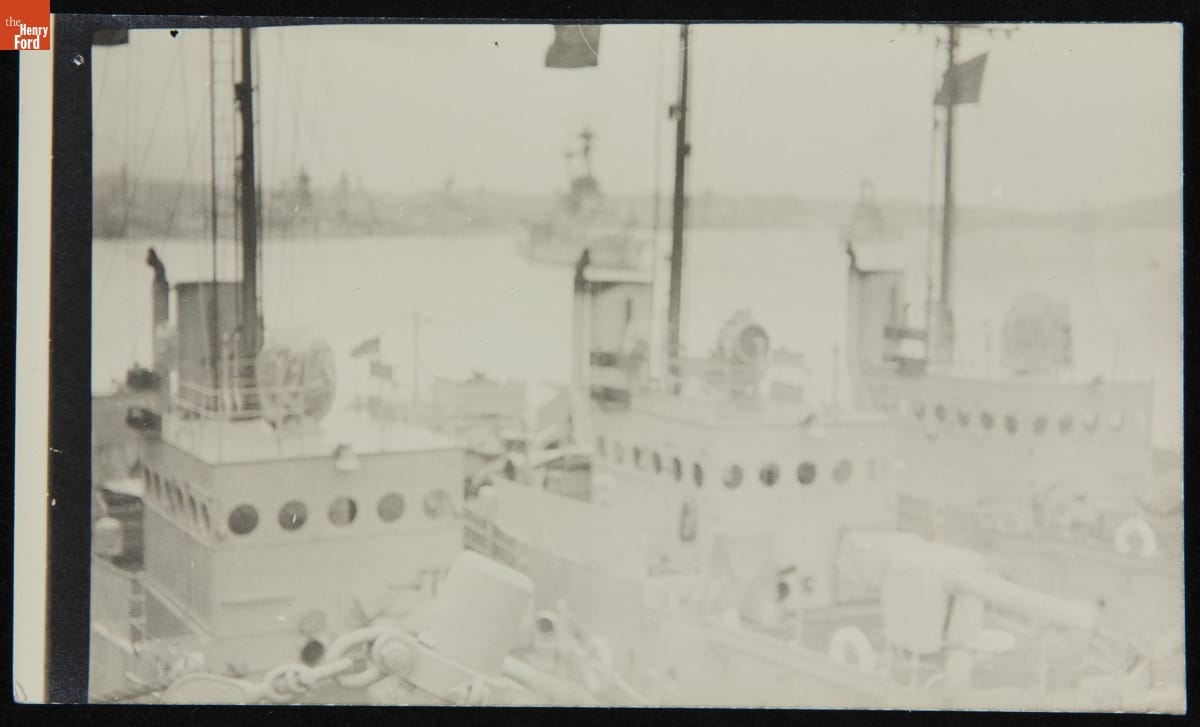
- May 01, 1919
- Collections - Artifact
USS Eagles 1, 2, and 3 at Plymouth, England, Bound for Arkhangelsk, May 1919
World War I ended before any of the 60 Ford-built Eagle submarine chasers could participate in the conflict. But three Eagle boats were sent to northern Russia in 1919 to aid the American Expeditionary Force in action against the Bolsheviks. The Americans landed at Arkhangelsk, near the Arctic Circle, and called themselves the "Polar Bears."
- USS Eagles 1, 2, and 3 at Plymouth, England, Bound for Arkhangelsk, May 1919 - World War I ended before any of the 60 Ford-built Eagle submarine chasers could participate in the conflict. But three Eagle boats were sent to northern Russia in 1919 to aid the American Expeditionary Force in action against the Bolsheviks. The Americans landed at Arkhangelsk, near the Arctic Circle, and called themselves the "Polar Bears."
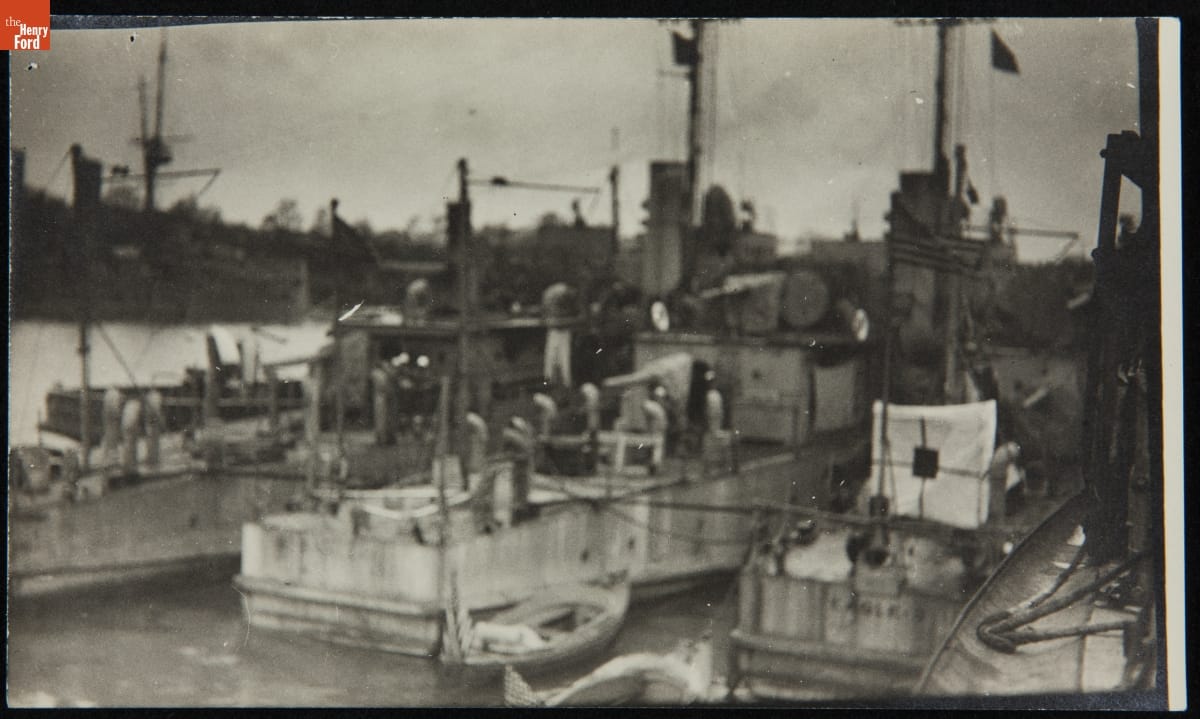
- May 01, 1919
- Collections - Artifact
USS Eagles 1, 2, and 3 at Plymouth, England, Bound for Arkhangelsk, May 1919
World War I ended before any of the 60 Ford-built Eagle submarine chasers could participate in the conflict. But three Eagle boats were sent to northern Russia in 1919 to aid the American Expeditionary Force in action against the Bolsheviks. The Americans landed at Arkhangelsk, near the Arctic Circle, and called themselves the "Polar Bears."
- Hammerfest, Norway from USS Eagle 3, Bound for Arkhangelsk, May 20, 1919 - World War I ended before any of the 60 Ford-built Eagle submarine chasers could participate in the conflict. But three Eagle boats were sent to northern Russia in 1919 to aid the American Expeditionary Force in action against the Bolsheviks. The Americans landed at Arkhangelsk, near the Arctic Circle, and called themselves the "Polar Bears."
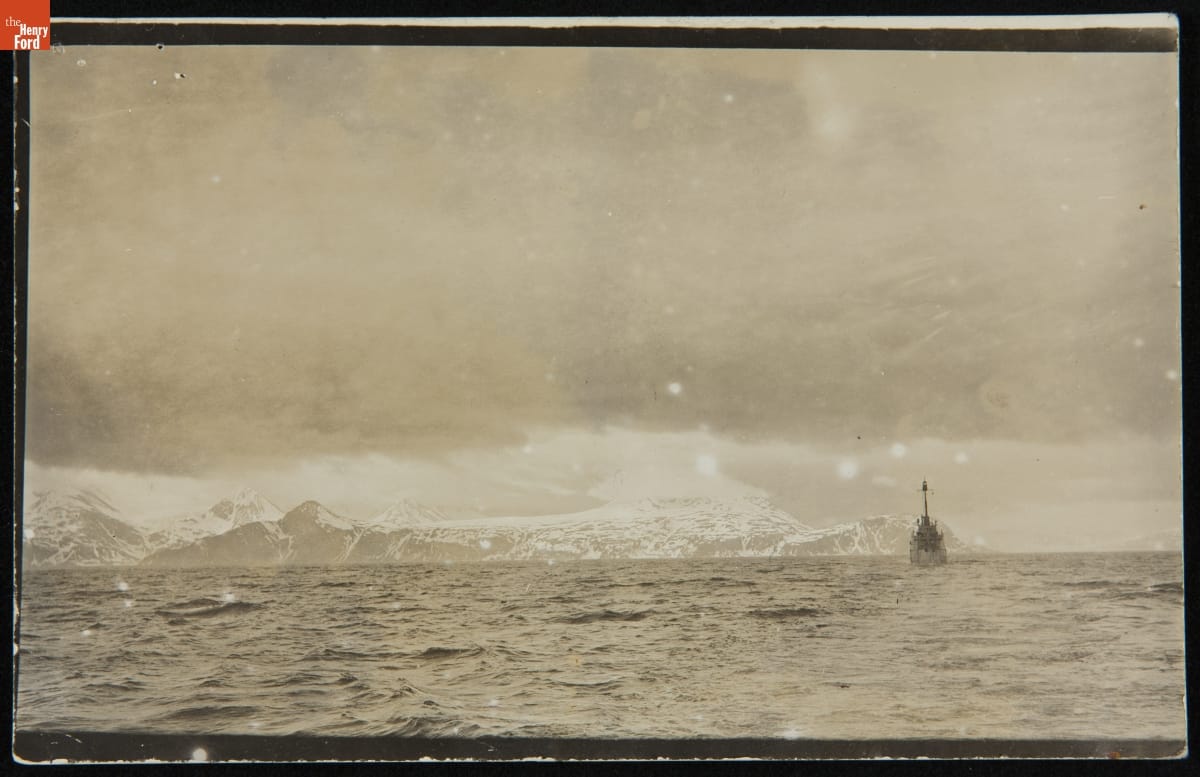
- May 20, 1919
- Collections - Artifact
Hammerfest, Norway from USS Eagle 3, Bound for Arkhangelsk, May 20, 1919
World War I ended before any of the 60 Ford-built Eagle submarine chasers could participate in the conflict. But three Eagle boats were sent to northern Russia in 1919 to aid the American Expeditionary Force in action against the Bolsheviks. The Americans landed at Arkhangelsk, near the Arctic Circle, and called themselves the "Polar Bears."
- USS Eagle Boat off Northern Russia, Bound for Arkhangelsk, June 14, 1919 - World War I ended before any of the 60 Ford-built Eagle submarine chasers could participate in the conflict. But three Eagle boats were sent to northern Russia in 1919 to aid the American Expeditionary Force in action against the Bolsheviks. The Americans landed at Arkhangelsk, near the Arctic Circle, and called themselves the "Polar Bears."
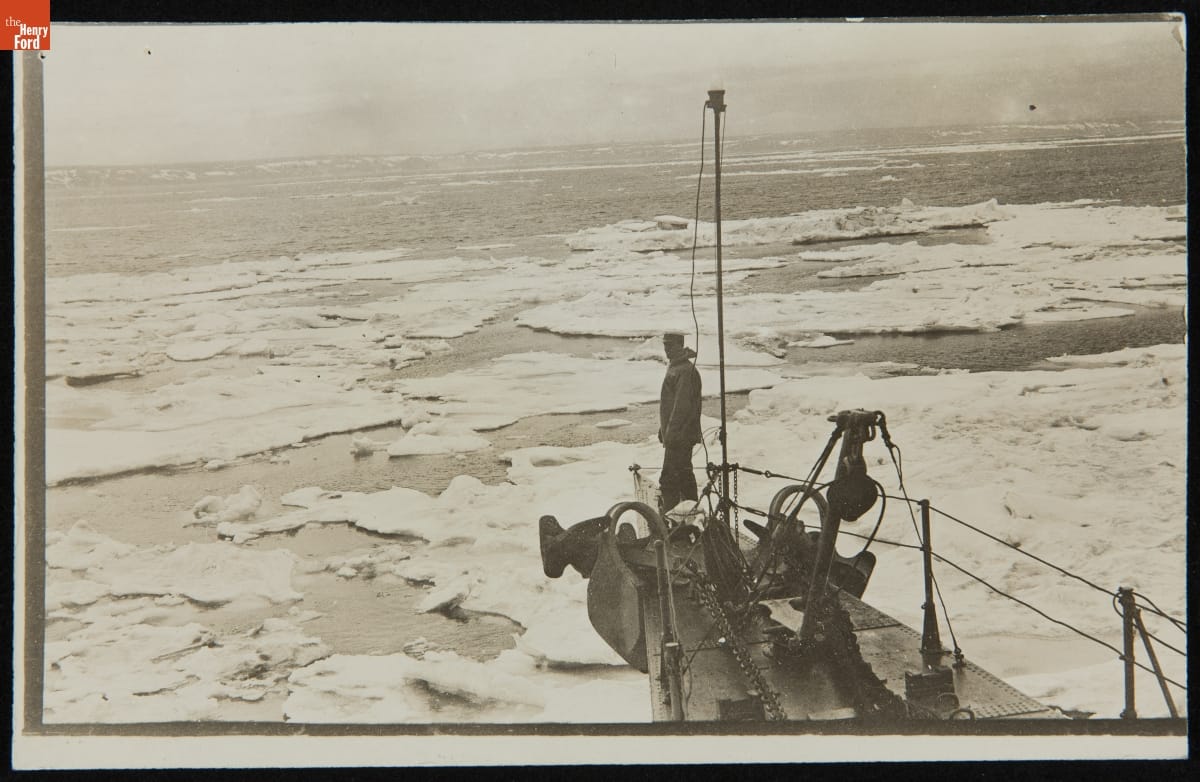
- June 14, 1919
- Collections - Artifact
USS Eagle Boat off Northern Russia, Bound for Arkhangelsk, June 14, 1919
World War I ended before any of the 60 Ford-built Eagle submarine chasers could participate in the conflict. But three Eagle boats were sent to northern Russia in 1919 to aid the American Expeditionary Force in action against the Bolsheviks. The Americans landed at Arkhangelsk, near the Arctic Circle, and called themselves the "Polar Bears."
- USS Eagle Boats Bound for Arkhangelsk, 1919 - World War I ended before any of the 60 Ford-built Eagle submarine chasers could participate in the conflict. But three Eagle boats were sent to northern Russia in 1919 to aid the American Expeditionary Force in action against the Bolsheviks. The Americans landed at Arkhangelsk, near the Arctic Circle, and called themselves the "Polar Bears."
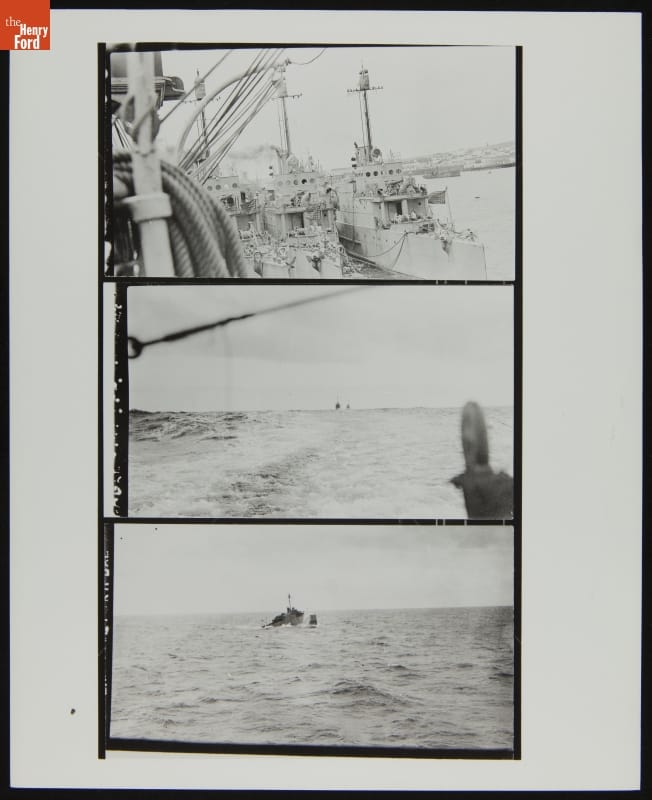
- 1919
- Collections - Artifact
USS Eagle Boats Bound for Arkhangelsk, 1919
World War I ended before any of the 60 Ford-built Eagle submarine chasers could participate in the conflict. But three Eagle boats were sent to northern Russia in 1919 to aid the American Expeditionary Force in action against the Bolsheviks. The Americans landed at Arkhangelsk, near the Arctic Circle, and called themselves the "Polar Bears."
- USS Eagles 1, 2, and 3 at Plymouth, England, Bound for Arkhangelsk, May 1919 - World War I ended before any of the 60 Ford-built Eagle submarine chasers could participate in the conflict. But three Eagle boats were sent to northern Russia in 1919 to aid the American Expeditionary Force in action against the Bolsheviks. The Americans landed at Arkhangelsk, near the Arctic Circle, and called themselves the "Polar Bears."
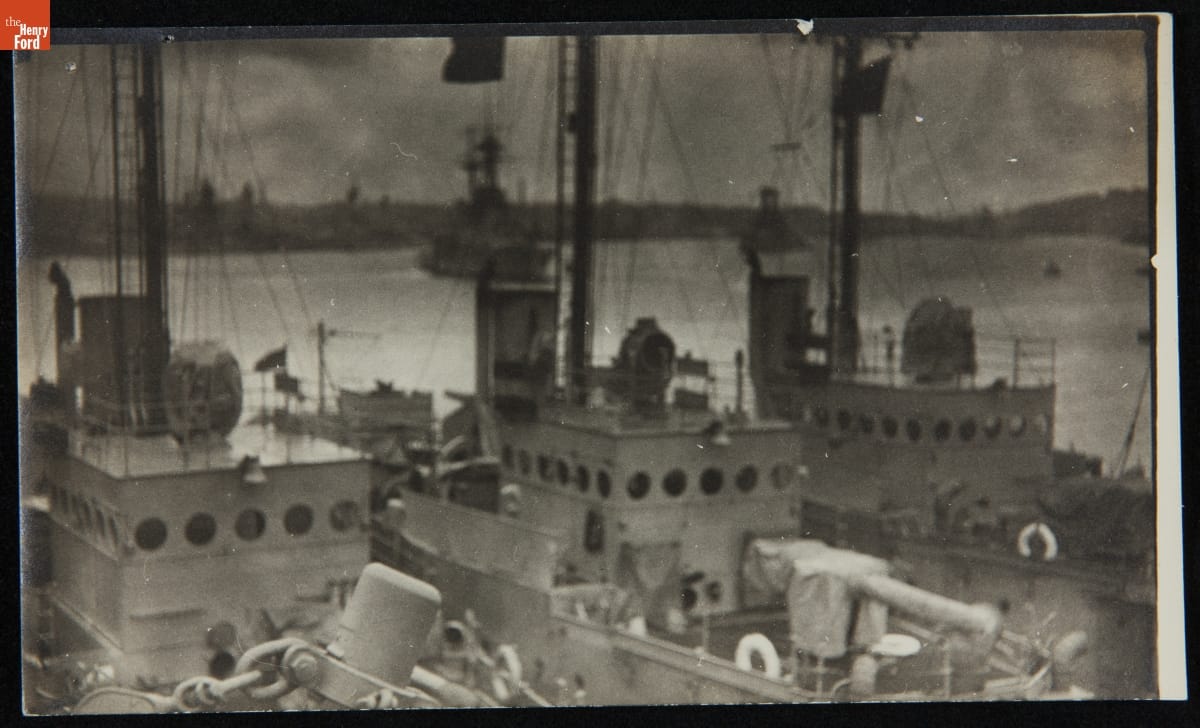
- May 01, 1919
- Collections - Artifact
USS Eagles 1, 2, and 3 at Plymouth, England, Bound for Arkhangelsk, May 1919
World War I ended before any of the 60 Ford-built Eagle submarine chasers could participate in the conflict. But three Eagle boats were sent to northern Russia in 1919 to aid the American Expeditionary Force in action against the Bolsheviks. The Americans landed at Arkhangelsk, near the Arctic Circle, and called themselves the "Polar Bears."
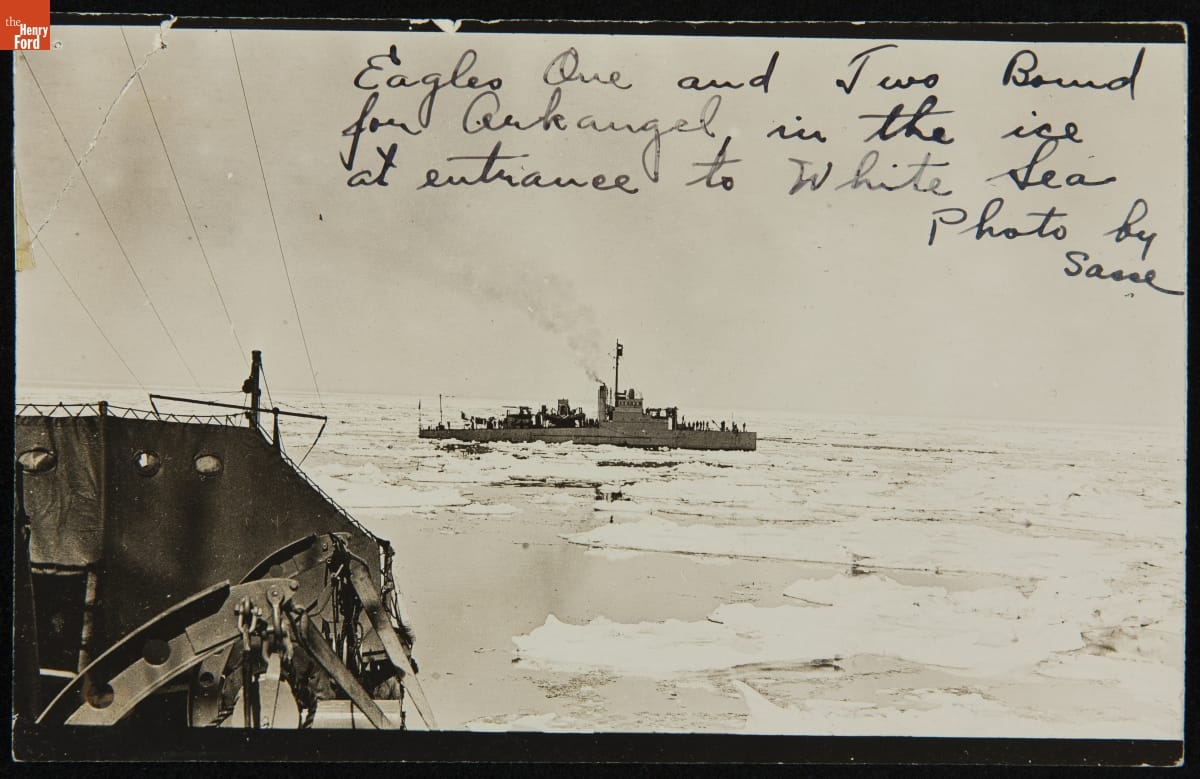
- USS Eagles 1 and 2 off Northern Russia at Entrance to the White Sea, Bound for Arkhangelsk, June 1919 - World War I ended before any of the 60 Ford-built Eagle submarine chasers could participate in the conflict. But three Eagle boats were sent to northern Russia in 1919 to aid the American Expeditionary Force in action against the Bolsheviks. The Americans landed at Arkhangelsk, near the Arctic Circle, and called themselves the "Polar Bears."
- June 01, 1919
- Collections - Artifact
USS Eagles 1 and 2 off Northern Russia at Entrance to the White Sea, Bound for Arkhangelsk, June 1919
World War I ended before any of the 60 Ford-built Eagle submarine chasers could participate in the conflict. But three Eagle boats were sent to northern Russia in 1919 to aid the American Expeditionary Force in action against the Bolsheviks. The Americans landed at Arkhangelsk, near the Arctic Circle, and called themselves the "Polar Bears."
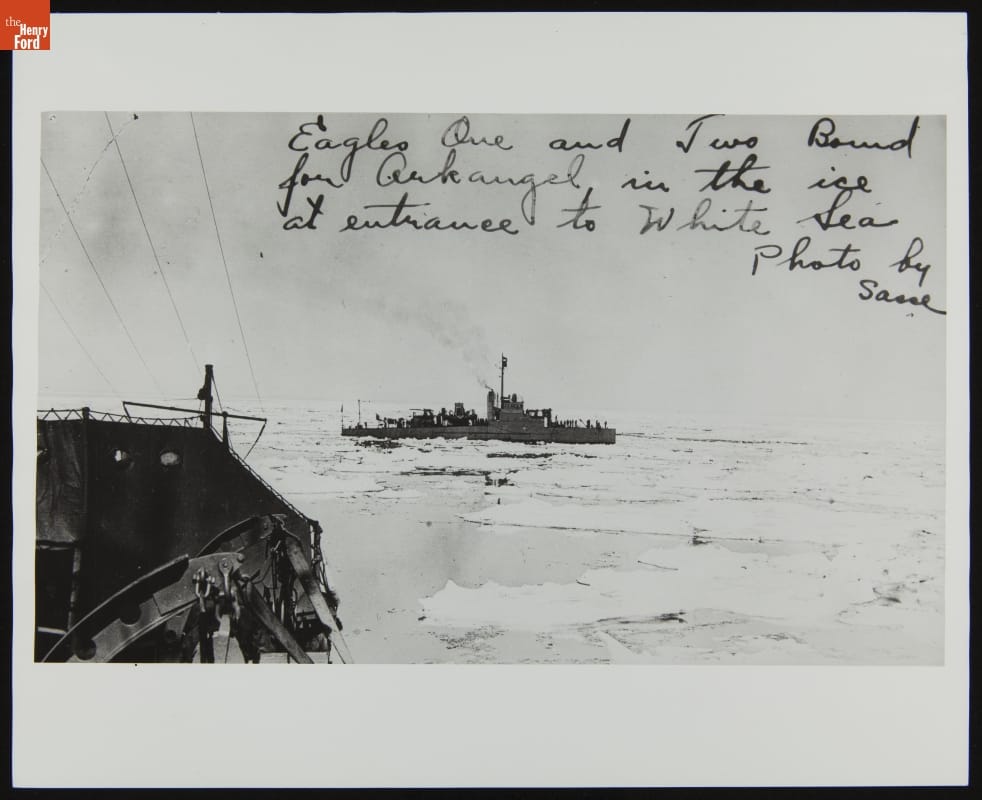
- USS Eagles 1 and 2 in Ice at Entrance to White Sea, Bound for Arkhangelsk, 1919 - World War I ended before any of the 60 Ford-built Eagle submarine chasers could participate in the conflict. But three Eagle boats were sent to northern Russia in 1919 to aid the American Expeditionary Force in action against the Bolsheviks. The Americans landed at Arkhangelsk, near the Arctic Circle, and called themselves the "Polar Bears."
- May 1919-June 1919
- Collections - Artifact
USS Eagles 1 and 2 in Ice at Entrance to White Sea, Bound for Arkhangelsk, 1919
World War I ended before any of the 60 Ford-built Eagle submarine chasers could participate in the conflict. But three Eagle boats were sent to northern Russia in 1919 to aid the American Expeditionary Force in action against the Bolsheviks. The Americans landed at Arkhangelsk, near the Arctic Circle, and called themselves the "Polar Bears."