
Search
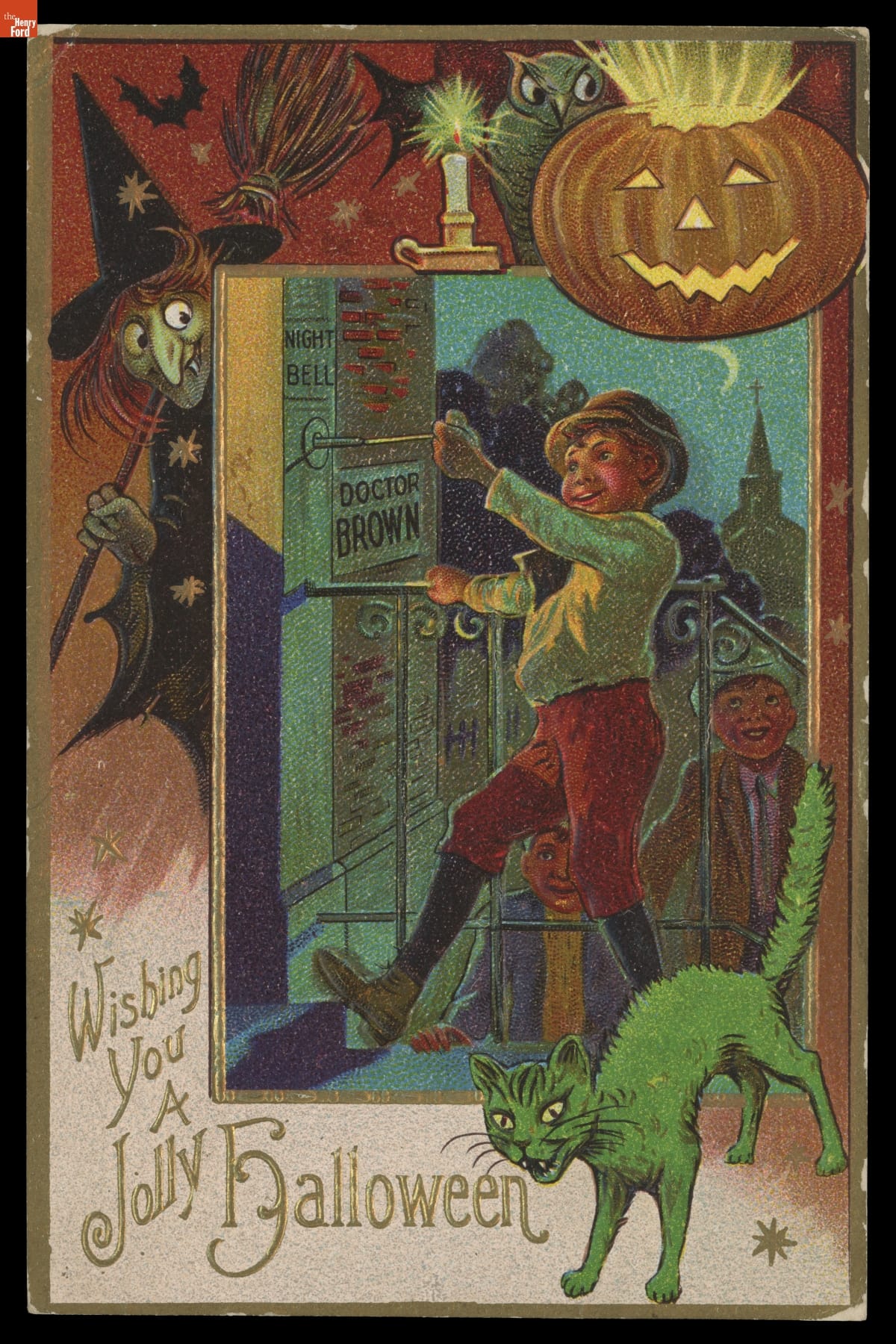
- Wishing You a Jolly Halloween, October 29, 1913 - Anonymous mischief had long been an expected part of Halloween. After all, it was the night the spirits were out! Pranks and practical jokes of all sorts were popular--especially among young men and boys. Most pranks were just annoying. Other pranks were more destructive--especially in urban areas--leading communities to begin hosting children's parties by the 1920s to discourage vandalism.
- October 29, 1913
- Collections - Artifact
Wishing You a Jolly Halloween, October 29, 1913
Anonymous mischief had long been an expected part of Halloween. After all, it was the night the spirits were out! Pranks and practical jokes of all sorts were popular--especially among young men and boys. Most pranks were just annoying. Other pranks were more destructive--especially in urban areas--leading communities to begin hosting children's parties by the 1920s to discourage vandalism.
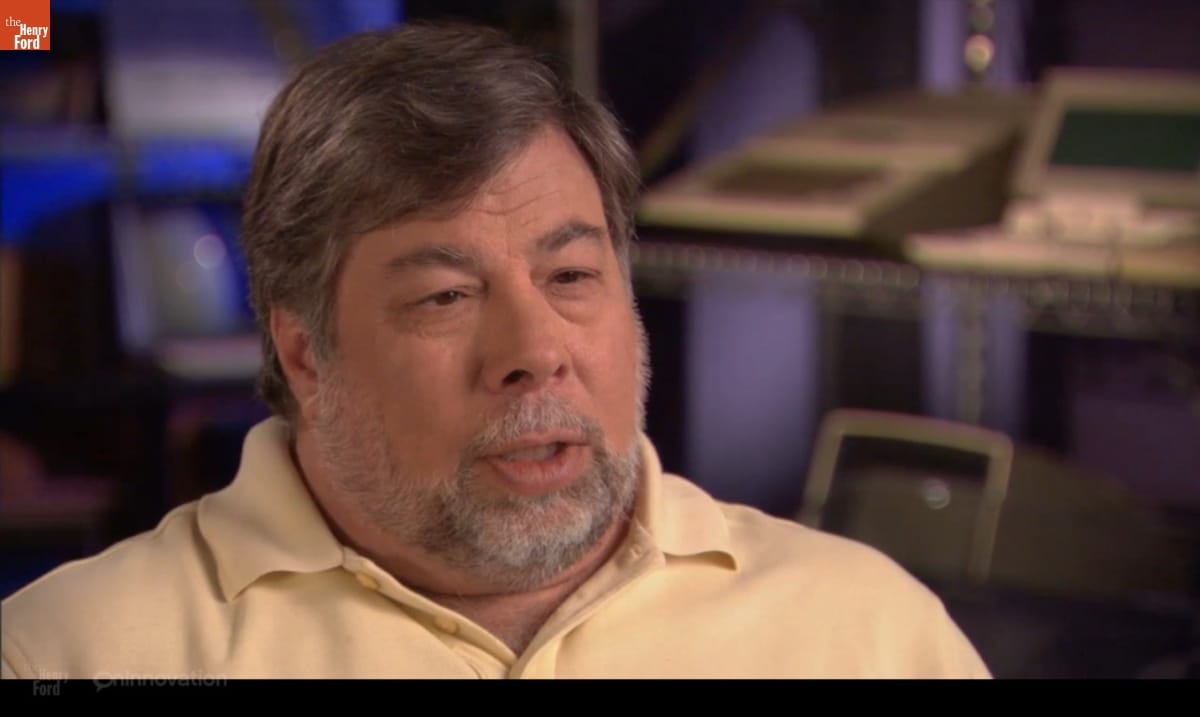
- "Pranks, Part 2," Clip from Interview with Steve Wozniak, August 18, 2008 - American computer engineer Stephen Wozniak co-founded Apple Computer (now Apple Inc.) with Steve Jobs in 1976. Wozniak's inventions and machines--he created the Apple 1 and Apple II computers--contributed greatly to the personal computer revolution of the 1970s and 80s. In 2008, staff from The Henry Ford interviewed Wozniak at the Computer History Museum in California as part of the Collecting Innovation Today Oral History Project.
- August 18, 2008
- Collections - Artifact
"Pranks, Part 2," Clip from Interview with Steve Wozniak, August 18, 2008
American computer engineer Stephen Wozniak co-founded Apple Computer (now Apple Inc.) with Steve Jobs in 1976. Wozniak's inventions and machines--he created the Apple 1 and Apple II computers--contributed greatly to the personal computer revolution of the 1970s and 80s. In 2008, staff from The Henry Ford interviewed Wozniak at the Computer History Museum in California as part of the Collecting Innovation Today Oral History Project.
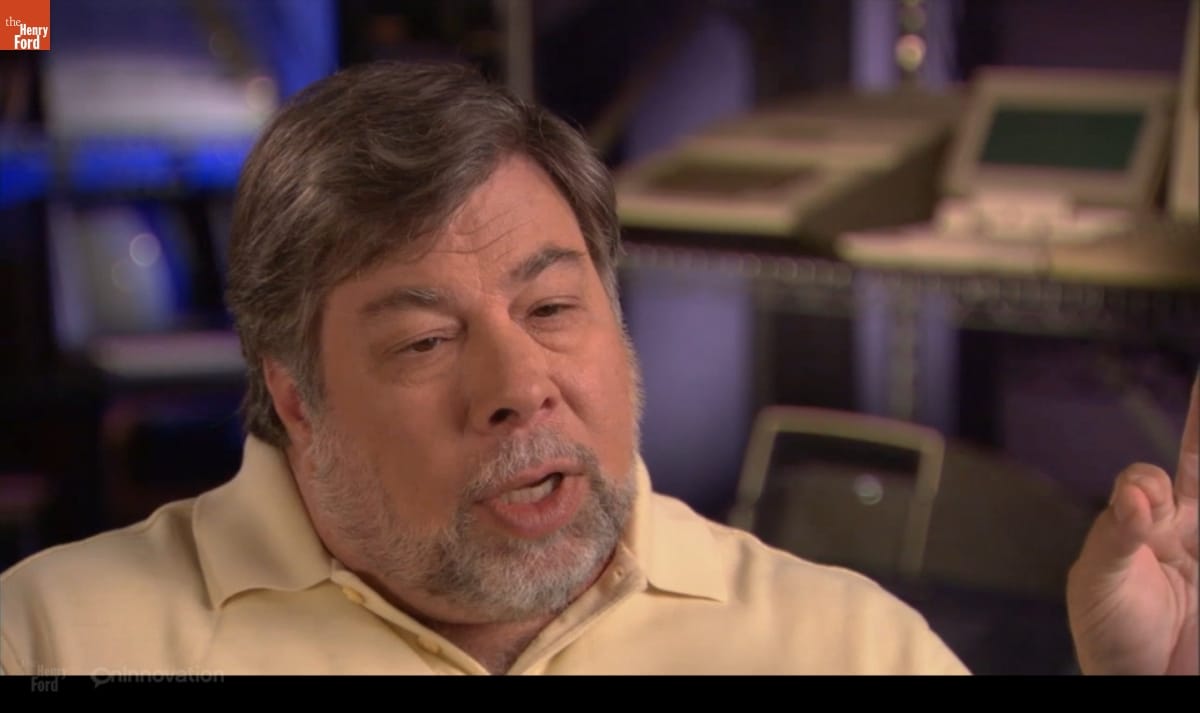
- "Pranks," Clip from Interview with Steve Wozniak, August 18, 2008 - American computer engineer Stephen Wozniak co-founded Apple Computer (now Apple Inc.) with Steve Jobs in 1976. Wozniak's inventions and machines--he created the Apple 1 and Apple II computers--contributed greatly to the personal computer revolution of the 1970s and 80s. In 2008, staff from The Henry Ford interviewed Wozniak at the Computer History Museum in California as part of the Collecting Innovation Today Oral History Project.
- August 18, 2008
- Collections - Artifact
"Pranks," Clip from Interview with Steve Wozniak, August 18, 2008
American computer engineer Stephen Wozniak co-founded Apple Computer (now Apple Inc.) with Steve Jobs in 1976. Wozniak's inventions and machines--he created the Apple 1 and Apple II computers--contributed greatly to the personal computer revolution of the 1970s and 80s. In 2008, staff from The Henry Ford interviewed Wozniak at the Computer History Museum in California as part of the Collecting Innovation Today Oral History Project.
- Dog Posing in Sprint Car, circa 1940 -
- circa 1940
- Collections - Artifact
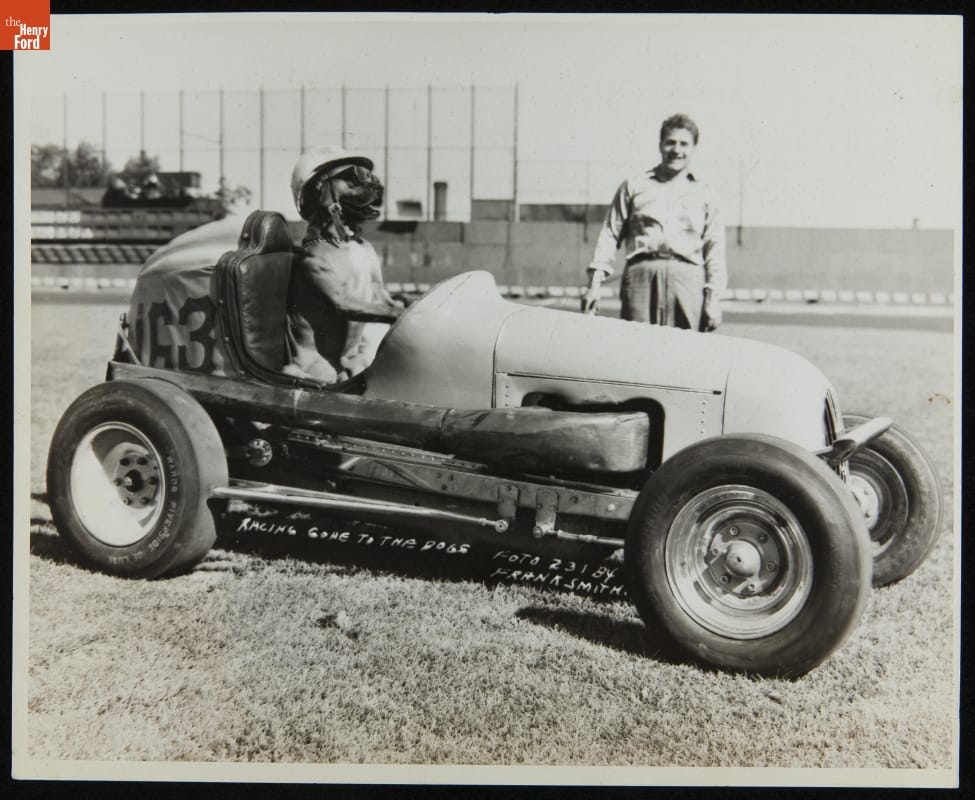
Dog Posing in Sprint Car, circa 1940
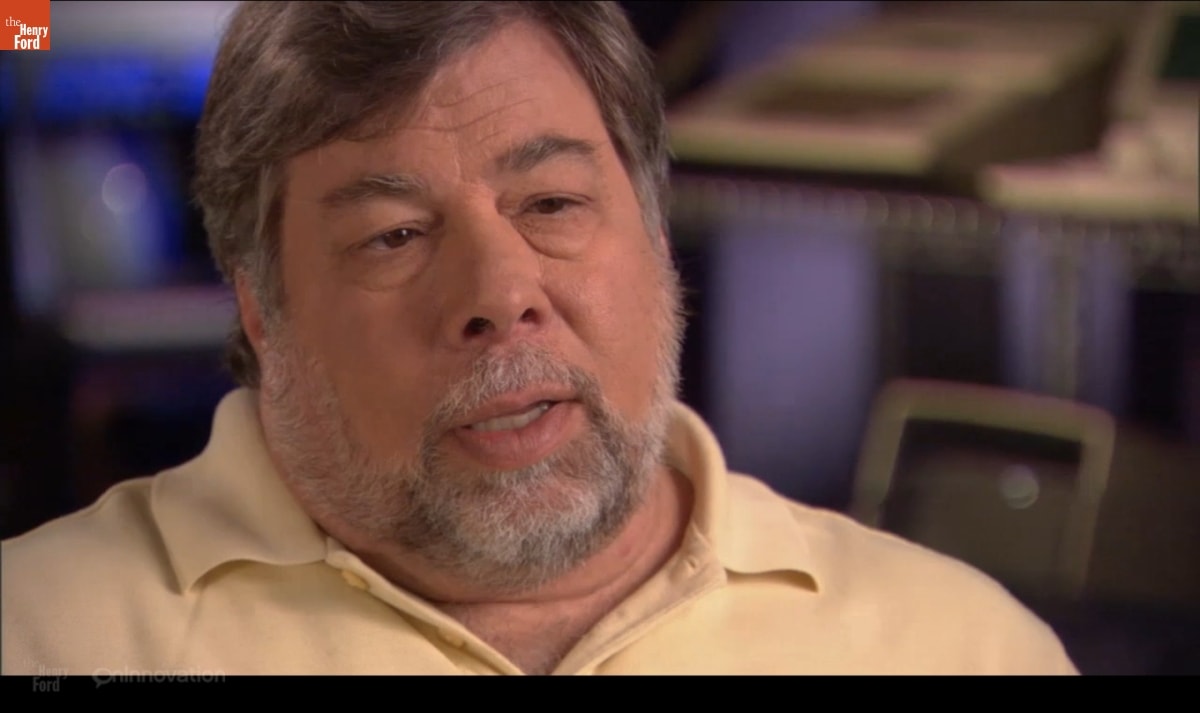
- "Laughter," Clip from Interview with Steve Wozniak, August 18, 2008 - American computer engineer Stephen Wozniak co-founded Apple Computer (now Apple Inc.) with Steve Jobs in 1976. Wozniak's inventions and machines--he created the Apple 1 and Apple II computers--contributed greatly to the personal computer revolution of the 1970s and 80s. In 2008, staff from The Henry Ford interviewed Wozniak at the Computer History Museum in California as part of the Collecting Innovation Today Oral History Project.
- August 18, 2008
- Collections - Artifact
"Laughter," Clip from Interview with Steve Wozniak, August 18, 2008
American computer engineer Stephen Wozniak co-founded Apple Computer (now Apple Inc.) with Steve Jobs in 1976. Wozniak's inventions and machines--he created the Apple 1 and Apple II computers--contributed greatly to the personal computer revolution of the 1970s and 80s. In 2008, staff from The Henry Ford interviewed Wozniak at the Computer History Museum in California as part of the Collecting Innovation Today Oral History Project.
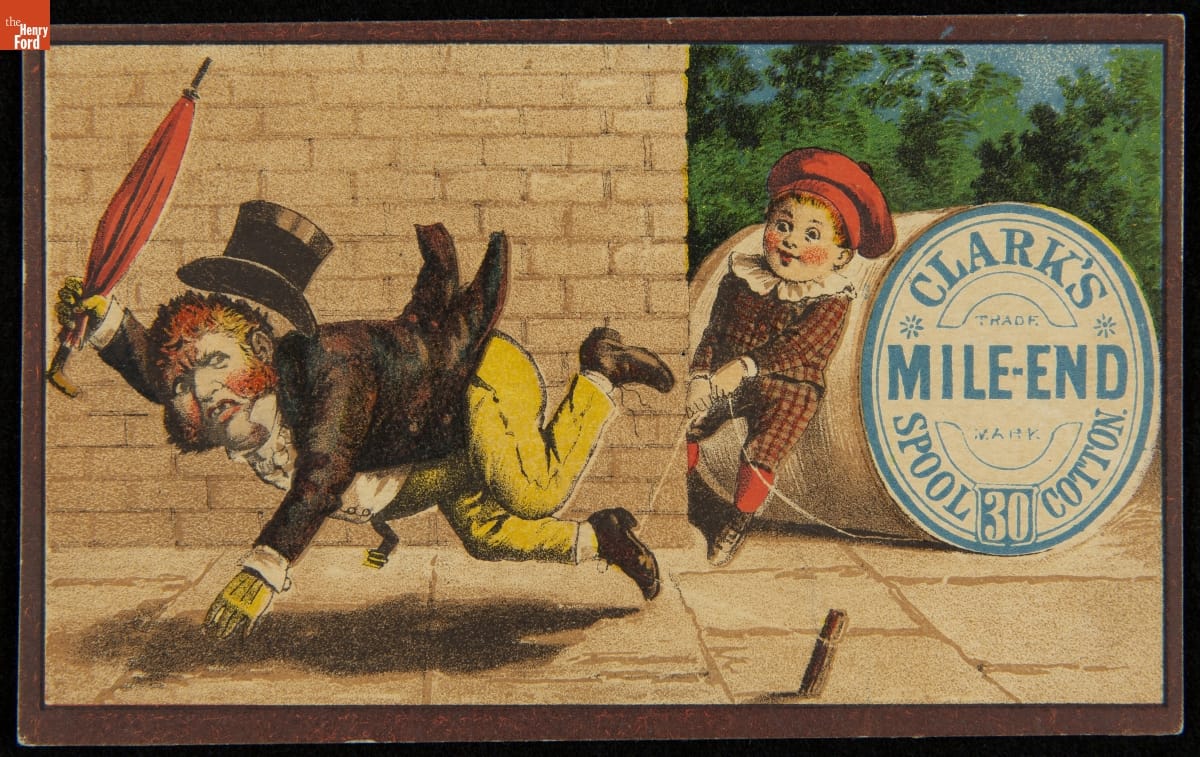
- Trade Card for Clark's Mile-End Spool Cotton, Clark's O.N.T., 1880-1890 - In the last third of the nineteenth century, an unprecedented variety of consumer goods and services flooded the American market. Advertisers, armed with new methods of color printing, bombarded potential customers with trade cards. Americans enjoyed and often saved the vibrant little advertisements found in product packages or distributed by local merchants. Many survive as historical records of commercialism in the United States.
- 1880-1890
- Collections - Artifact
Trade Card for Clark's Mile-End Spool Cotton, Clark's O.N.T., 1880-1890
In the last third of the nineteenth century, an unprecedented variety of consumer goods and services flooded the American market. Advertisers, armed with new methods of color printing, bombarded potential customers with trade cards. Americans enjoyed and often saved the vibrant little advertisements found in product packages or distributed by local merchants. Many survive as historical records of commercialism in the United States.
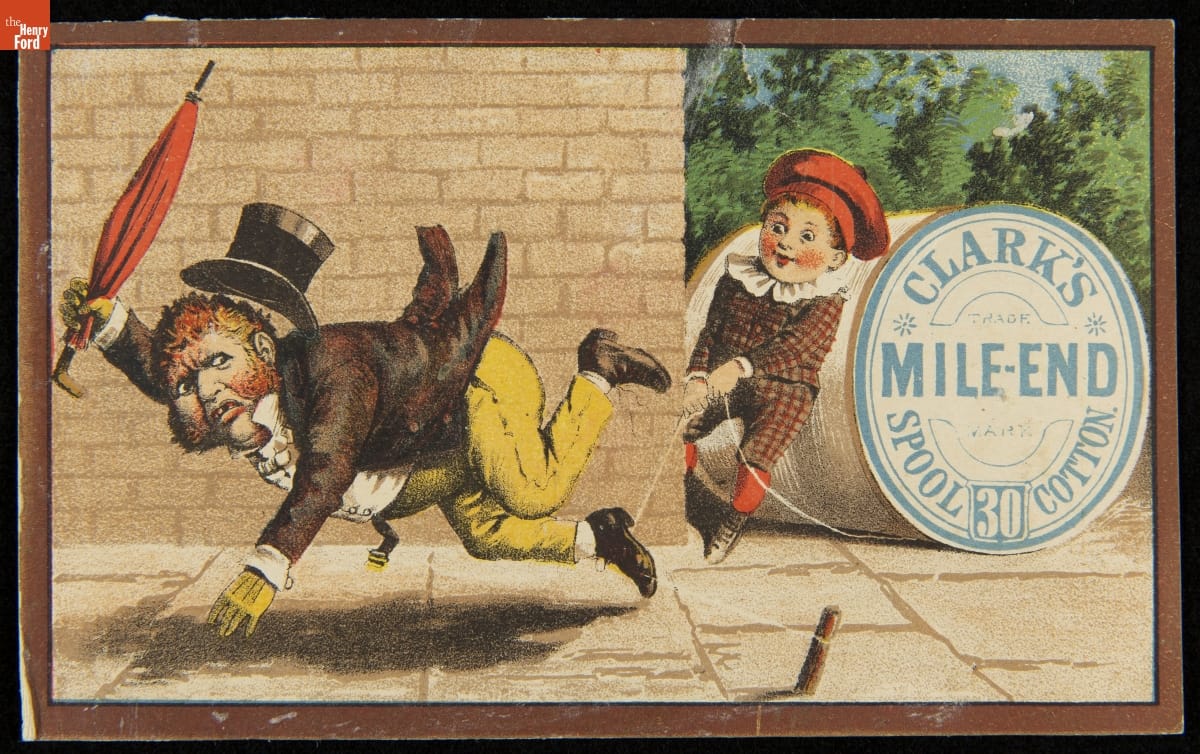
- Trade Card for Clark's Mile-End Spool Cotton, Clark's O.N.T., 1880-1890 - In the last third of the nineteenth century, an unprecedented variety of consumer goods and services flooded the American market. Advertisers, armed with new methods of color printing, bombarded potential customers with trade cards. Americans enjoyed and often saved the vibrant little advertisements found in product packages or distributed by local merchants. Many survive as historical records of commercialism in the United States.
- 1880-1890
- Collections - Artifact
Trade Card for Clark's Mile-End Spool Cotton, Clark's O.N.T., 1880-1890
In the last third of the nineteenth century, an unprecedented variety of consumer goods and services flooded the American market. Advertisers, armed with new methods of color printing, bombarded potential customers with trade cards. Americans enjoyed and often saved the vibrant little advertisements found in product packages or distributed by local merchants. Many survive as historical records of commercialism in the United States.
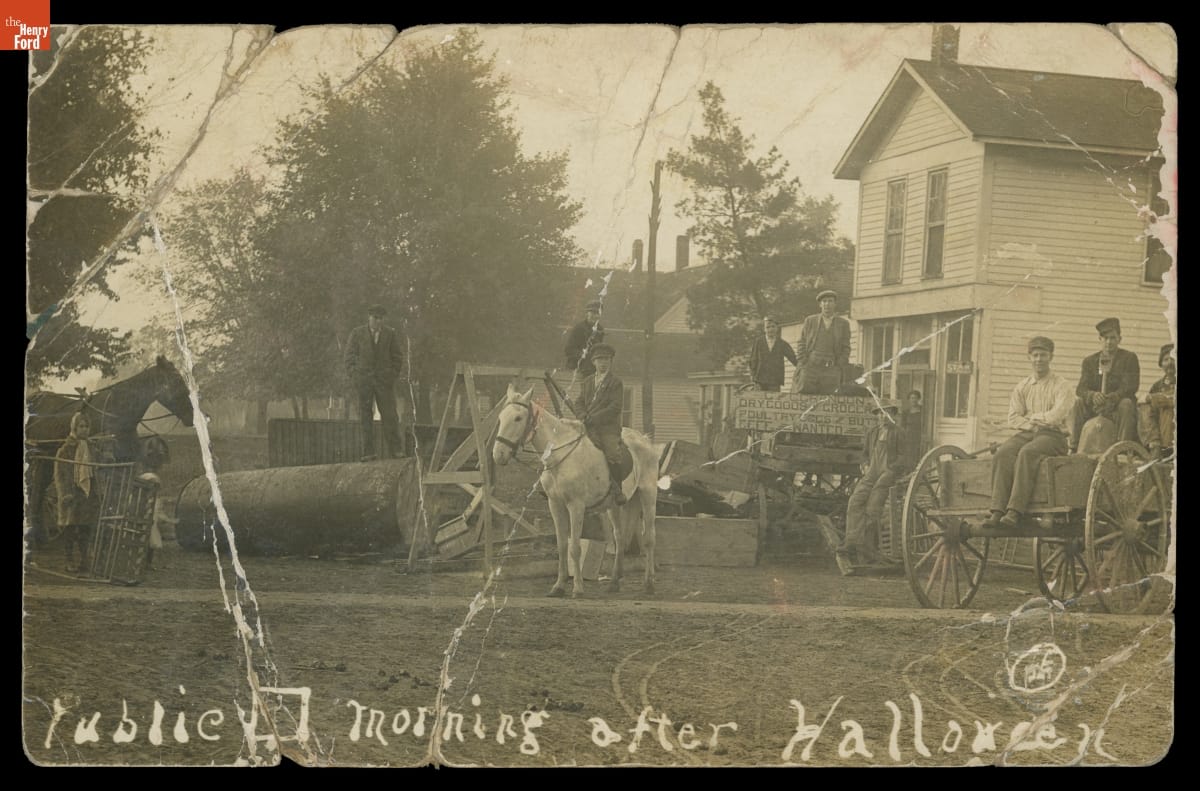
- Public Square Morning after Halloween, 1912 - Anonymous mischief had long been an expected part of Halloween. After all, it was the night the spirits were out! Pranks and practical jokes of all sorts were popular--especially among young men and boys. Most pranks were just annoying. Other pranks were more destructive--especially in urban areas--leading communities to begin hosting children's parties by the 1920s to discourage vandalism.
- 1912
- Collections - Artifact
Public Square Morning after Halloween, 1912
Anonymous mischief had long been an expected part of Halloween. After all, it was the night the spirits were out! Pranks and practical jokes of all sorts were popular--especially among young men and boys. Most pranks were just annoying. Other pranks were more destructive--especially in urban areas--leading communities to begin hosting children's parties by the 1920s to discourage vandalism.
- "Wishing You a Jolly Halloween," circa 1910 - Anonymous mischief had long been an expected part of Halloween. After all, it was the night the spirits were out! Pranks and practical jokes of all sorts were popular--especially among young men and boys. Most pranks were just annoying. Other pranks were more destructive--especially in urban areas--leading communities to begin hosting children's parties by the 1920s to discourage vandalism.
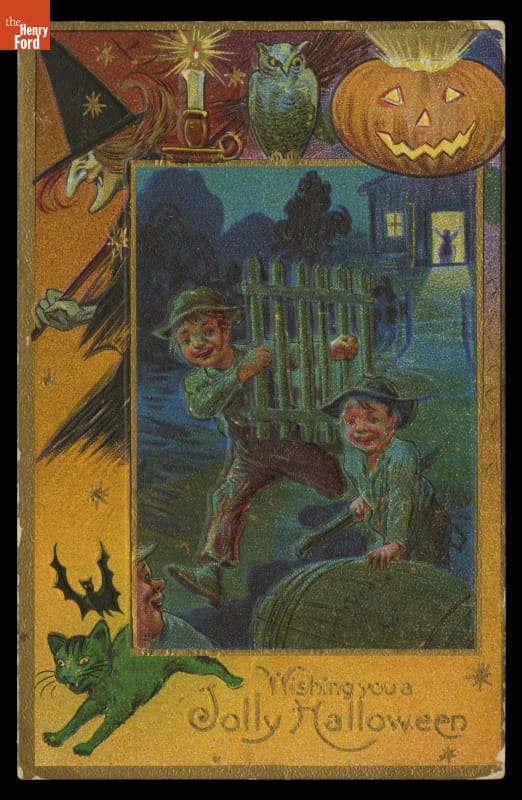
- circa 1910
- Collections - Artifact
"Wishing You a Jolly Halloween," circa 1910
Anonymous mischief had long been an expected part of Halloween. After all, it was the night the spirits were out! Pranks and practical jokes of all sorts were popular--especially among young men and boys. Most pranks were just annoying. Other pranks were more destructive--especially in urban areas--leading communities to begin hosting children's parties by the 1920s to discourage vandalism.