
Search
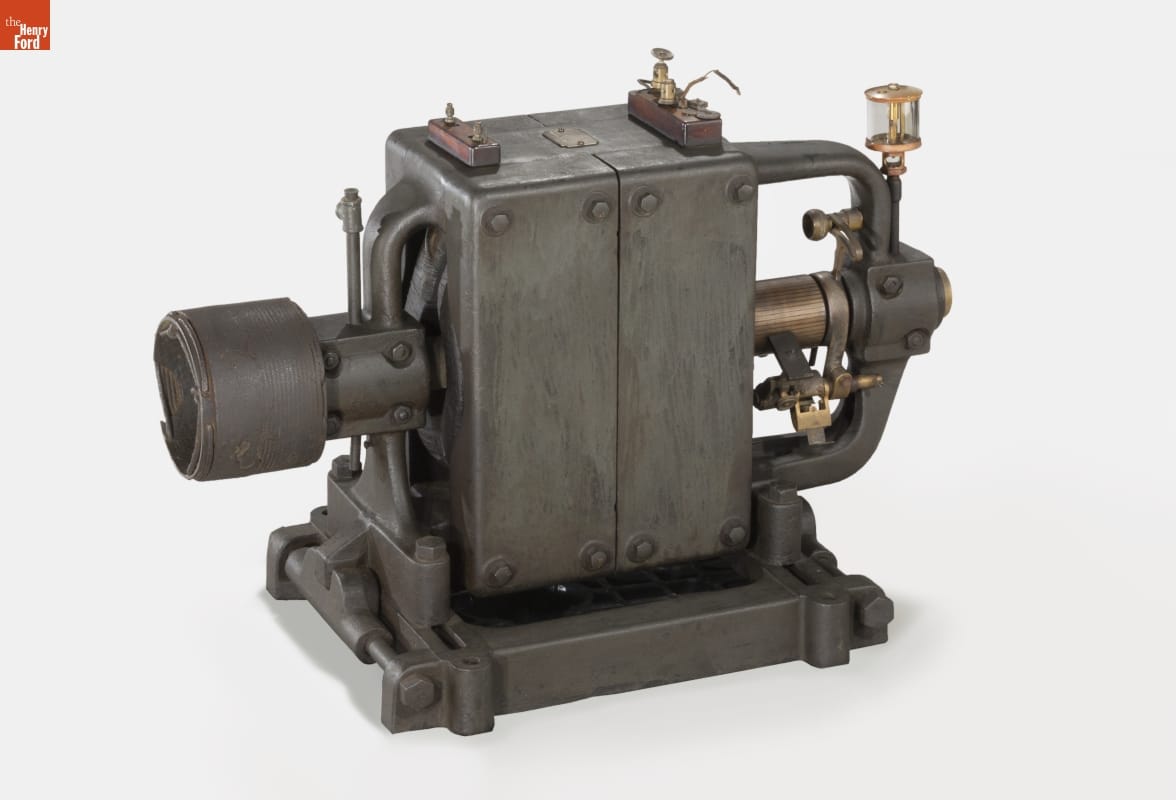
- Eickemeyer Dynamo, Used by the Haxton Canning Company, 1889 - Rudolf Eickemeyer developed his "ironclad" dynamo in the 1880s. The unique method of construction--its heavy iron field coil construction and iron sheathing--gave the dynamo its nickname. It was compact, rugged and efficient, though the ironclad design made it difficult to cool. This dynamo supplied power for the lighting system and small motors at the Haxton Canning Company in Oakfield, New York, for 15 years.
- 1889
- Collections - Artifact
Eickemeyer Dynamo, Used by the Haxton Canning Company, 1889
Rudolf Eickemeyer developed his "ironclad" dynamo in the 1880s. The unique method of construction--its heavy iron field coil construction and iron sheathing--gave the dynamo its nickname. It was compact, rugged and efficient, though the ironclad design made it difficult to cool. This dynamo supplied power for the lighting system and small motors at the Haxton Canning Company in Oakfield, New York, for 15 years.
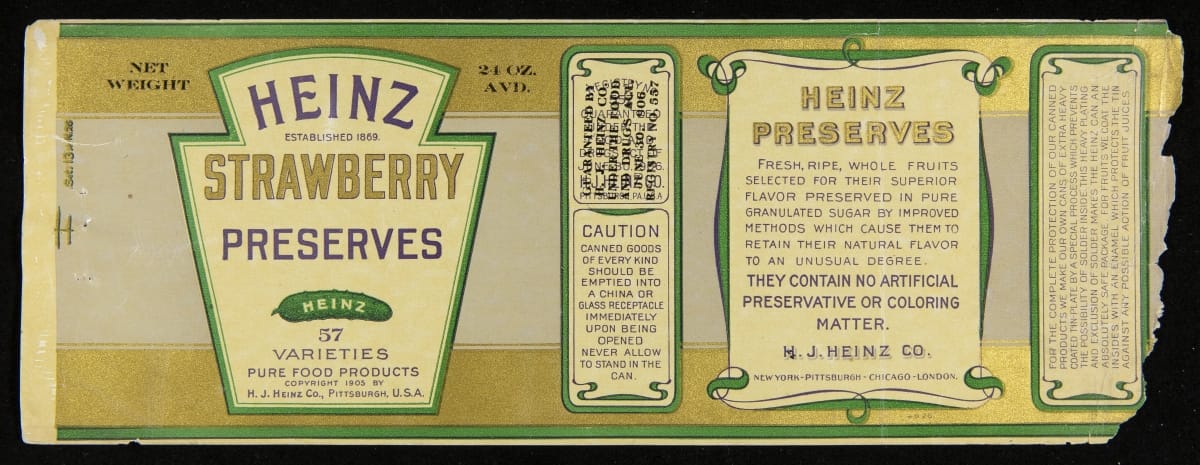
- Can Label, "Heinz Brand Strawberry Preserves," 1906-1910 - Manufacturers of similar products sought ways to make their companies' goods stand out on store shelves. Some companies established a uniform label design for their multi-product offerings -- a strategy which helped customers distinguish one brand over another. H.J. Heinz products were identified by the famous Heinz pickle and signature "keystone" logo. These design features are still found on Heinz products today.
- 1906-1910
- Collections - Artifact
Can Label, "Heinz Brand Strawberry Preserves," 1906-1910
Manufacturers of similar products sought ways to make their companies' goods stand out on store shelves. Some companies established a uniform label design for their multi-product offerings -- a strategy which helped customers distinguish one brand over another. H.J. Heinz products were identified by the famous Heinz pickle and signature "keystone" logo. These design features are still found on Heinz products today.
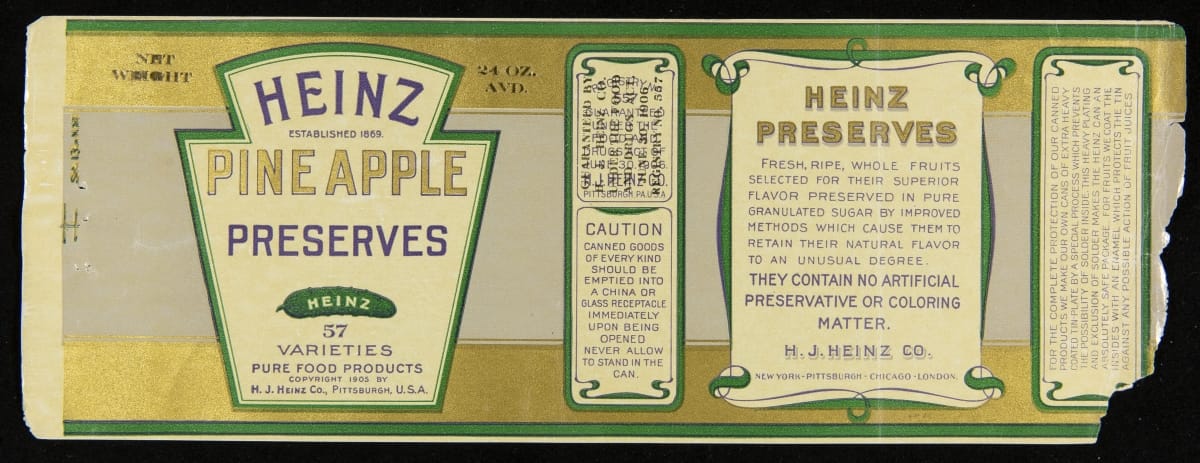
- Can Label, "Heinz Brand Pineapple Preserves," 1906-1910 - Manufacturers of similar products sought ways to make their companies' goods stand out on store shelves. Some companies established a uniform label design for their multi-product offerings -- a strategy which helped customers distinguish one brand over another. H.J. Heinz products were identified by the famous Heinz pickle and signature "keystone" logo. These design features are still found on Heinz products today.
- 1906-1910
- Collections - Artifact
Can Label, "Heinz Brand Pineapple Preserves," 1906-1910
Manufacturers of similar products sought ways to make their companies' goods stand out on store shelves. Some companies established a uniform label design for their multi-product offerings -- a strategy which helped customers distinguish one brand over another. H.J. Heinz products were identified by the famous Heinz pickle and signature "keystone" logo. These design features are still found on Heinz products today.
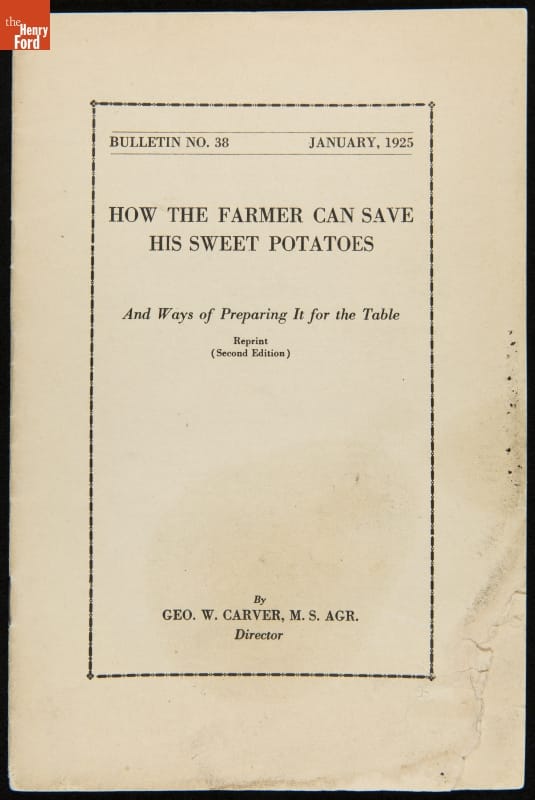
- How the Farmer Can Save His Sweet Potatoes and Ways of Preparing It for the Table, January 1925 (2nd ed.) -
- January 01, 1925
- Collections - Artifact
How the Farmer Can Save His Sweet Potatoes and Ways of Preparing It for the Table, January 1925 (2nd ed.)
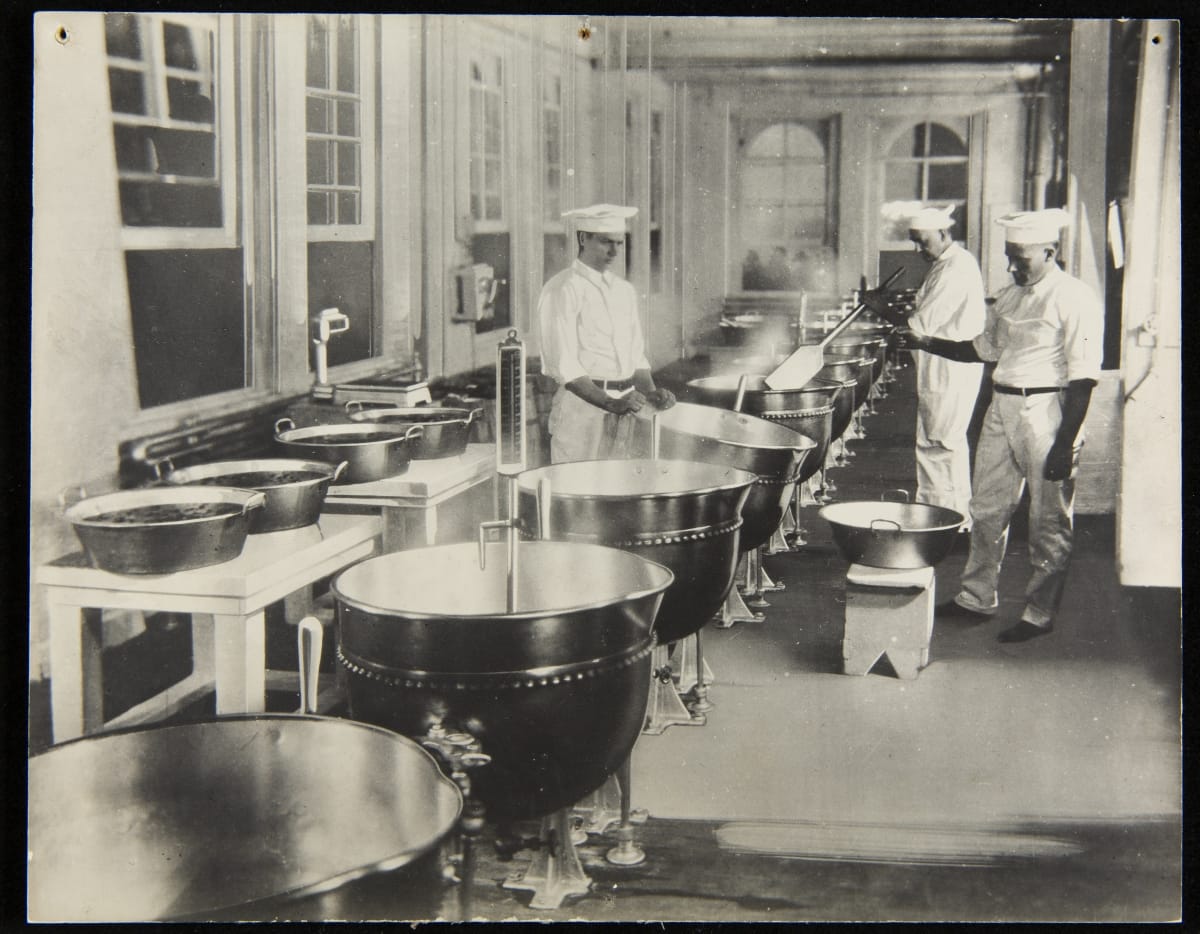
- Employees in Preserves Department of Main Plant, H. J. Heinz Company, Pittsburgh, Pennsylvania, circa 1920 - Before complete mechanization of the manufacturing process, many tasks at the Heinz factory were done by hand. The H.J. Heinz Company documented the many departments of the manufacturing process through photographs. This photograph shows employees in the Preserves Department. Instead of glass jars or bottles, fruit preserves and butters were sold in stoneware crocks.
- circa 1920
- Collections - Artifact
Employees in Preserves Department of Main Plant, H. J. Heinz Company, Pittsburgh, Pennsylvania, circa 1920
Before complete mechanization of the manufacturing process, many tasks at the Heinz factory were done by hand. The H.J. Heinz Company documented the many departments of the manufacturing process through photographs. This photograph shows employees in the Preserves Department. Instead of glass jars or bottles, fruit preserves and butters were sold in stoneware crocks.
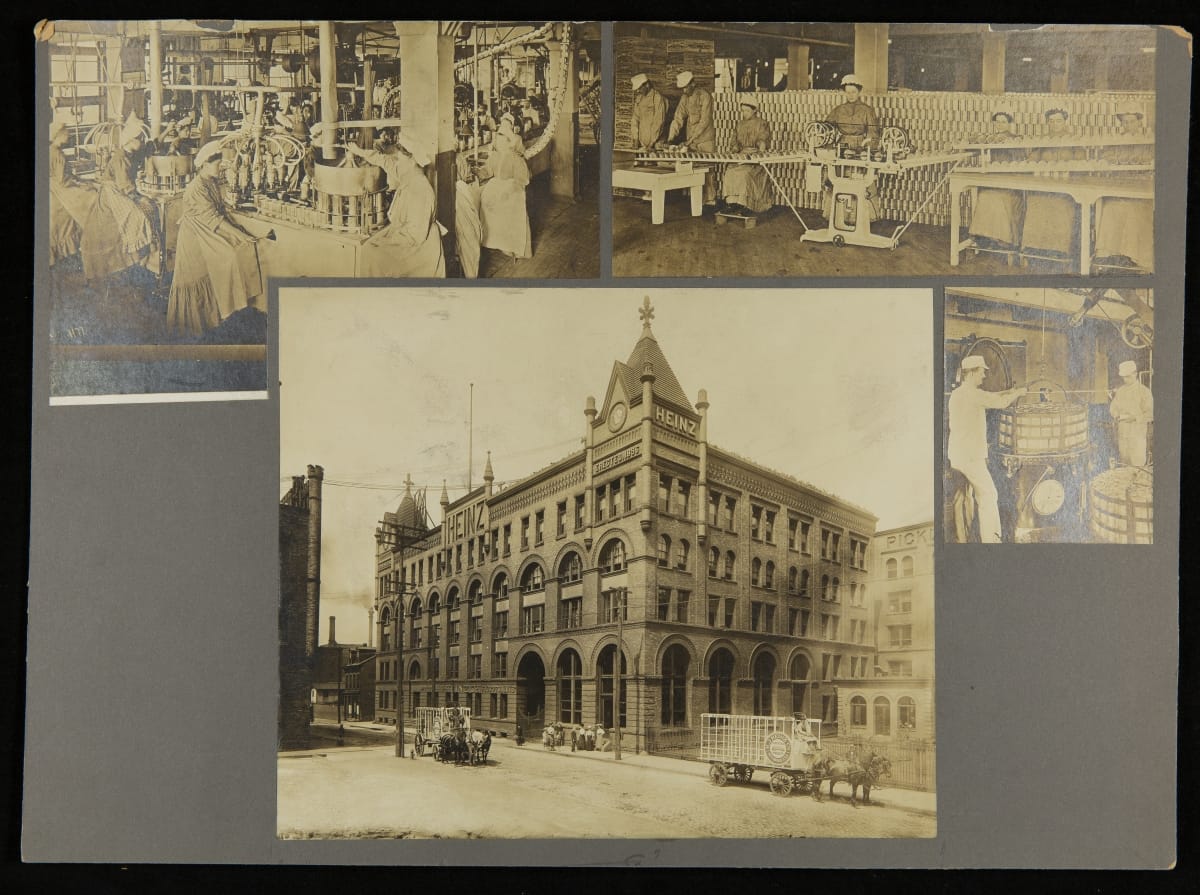
- Photomontage Showing H. J. Heinz Company Main Plant in Pittsburgh, Pennsylvania, circa 1910 - Photographs of the H.J. Heinz factory -- including buildings, employees, and the manufacturing process -- were often taken and then modified for advertising and publications. This advertising layout features several modified photographs of the various steps in the manufacturing process.
- circa 1910
- Collections - Artifact
Photomontage Showing H. J. Heinz Company Main Plant in Pittsburgh, Pennsylvania, circa 1910
Photographs of the H.J. Heinz factory -- including buildings, employees, and the manufacturing process -- were often taken and then modified for advertising and publications. This advertising layout features several modified photographs of the various steps in the manufacturing process.
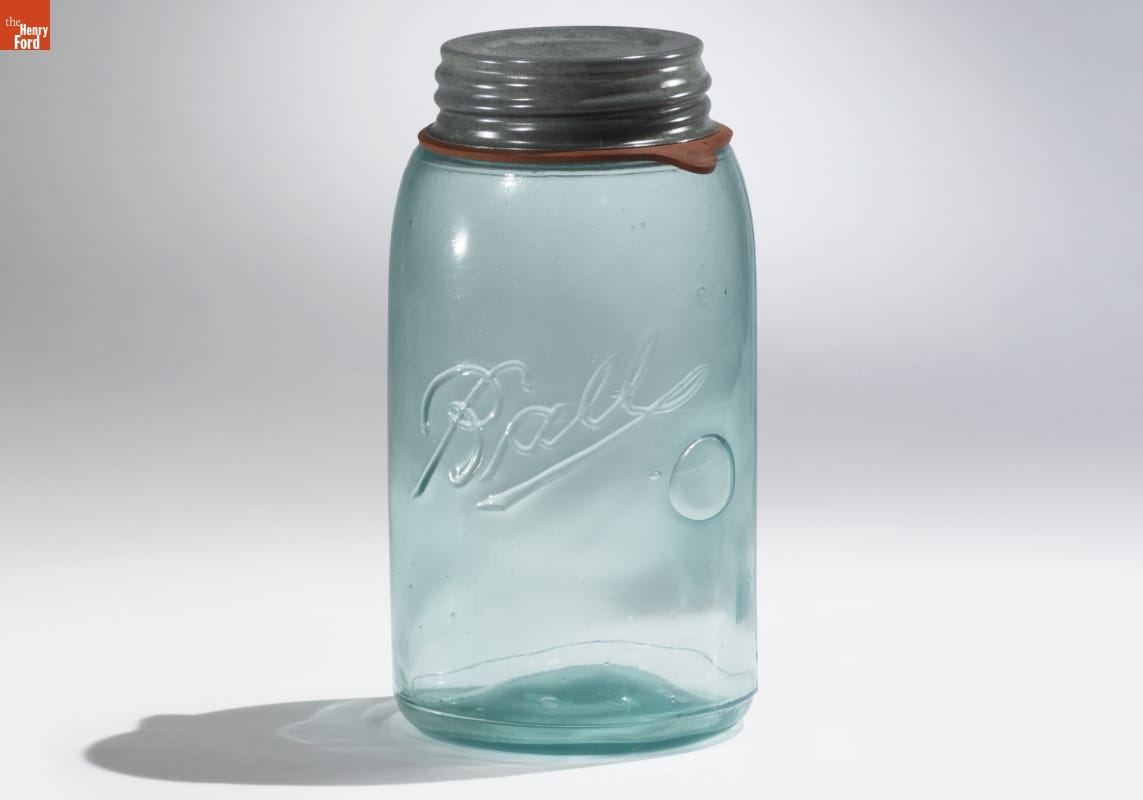
- Jar, circa 1930 -
- circa 1930
- Collections - Artifact
Jar, circa 1930
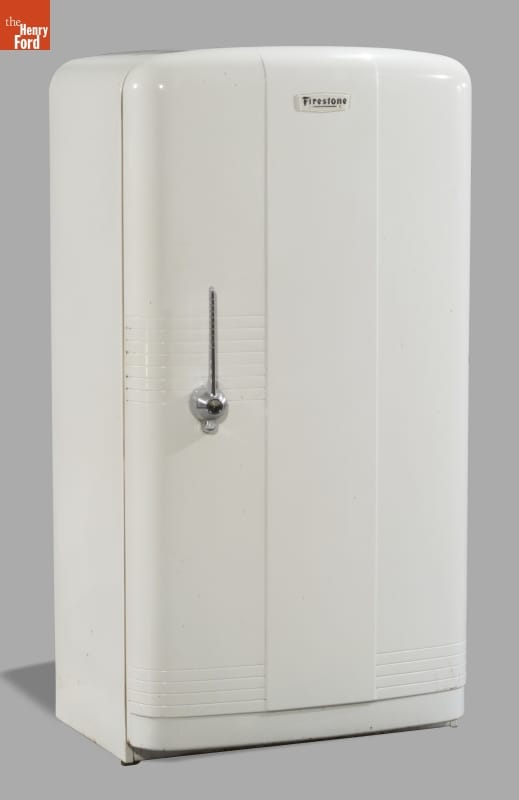
- Refrigerator -
- 1950-1955
- Collections - Artifact
Refrigerator
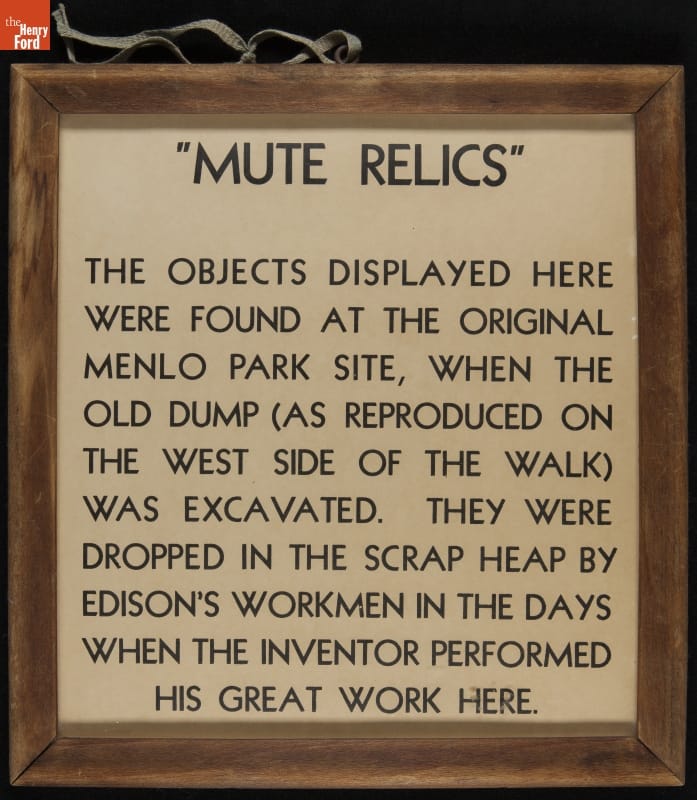
- "Mute Relics" Sign Used in Greenfield Village on an Early Exhibit Case outside Menlo Park Laboratory -
- circa 1930
- Collections - Artifact
"Mute Relics" Sign Used in Greenfield Village on an Early Exhibit Case outside Menlo Park Laboratory
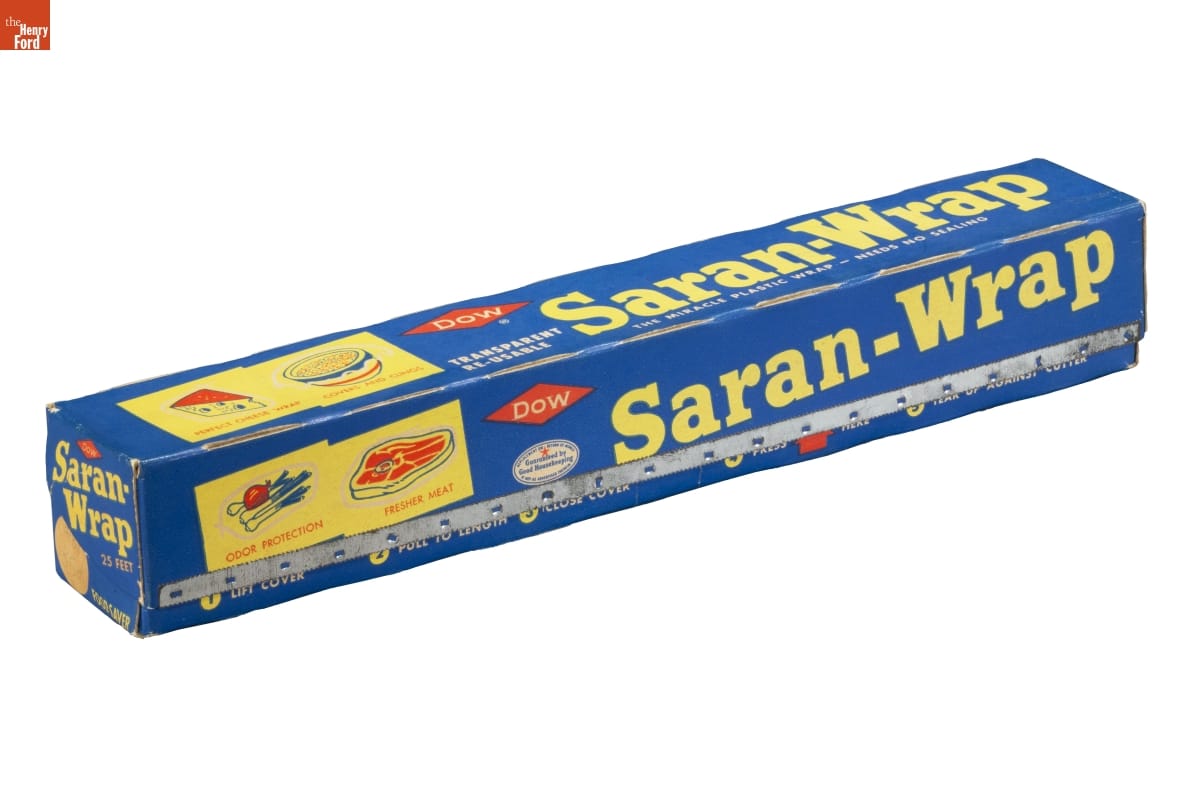
- "Saran Wrap" Transparent Cling Wrap, circa 1954 - Saran Wrap, introduced in 1953, came from the research and development that created many plastics during World War II. Its strength and tight clinginess--and ability to keep food fresher longer--made it popular with consumers. Though convenient and inexpensive, plastic wrap is made from chemicals that are potentially harmful as they break down. Plastic wrap is hard to recycle, contributing to the plastic pollution crisis.
- circa 1954
- Collections - Artifact
"Saran Wrap" Transparent Cling Wrap, circa 1954
Saran Wrap, introduced in 1953, came from the research and development that created many plastics during World War II. Its strength and tight clinginess--and ability to keep food fresher longer--made it popular with consumers. Though convenient and inexpensive, plastic wrap is made from chemicals that are potentially harmful as they break down. Plastic wrap is hard to recycle, contributing to the plastic pollution crisis.