
Search
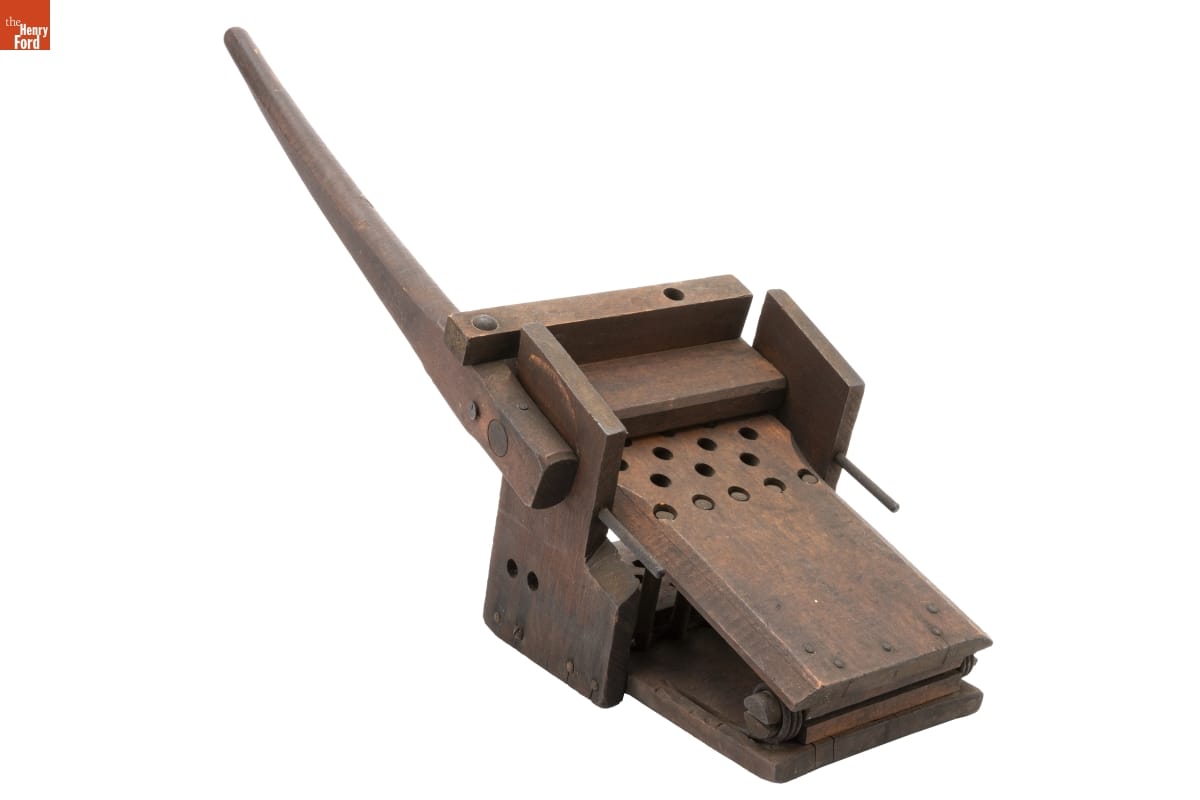
- Press -
- Collections - Artifact
Press
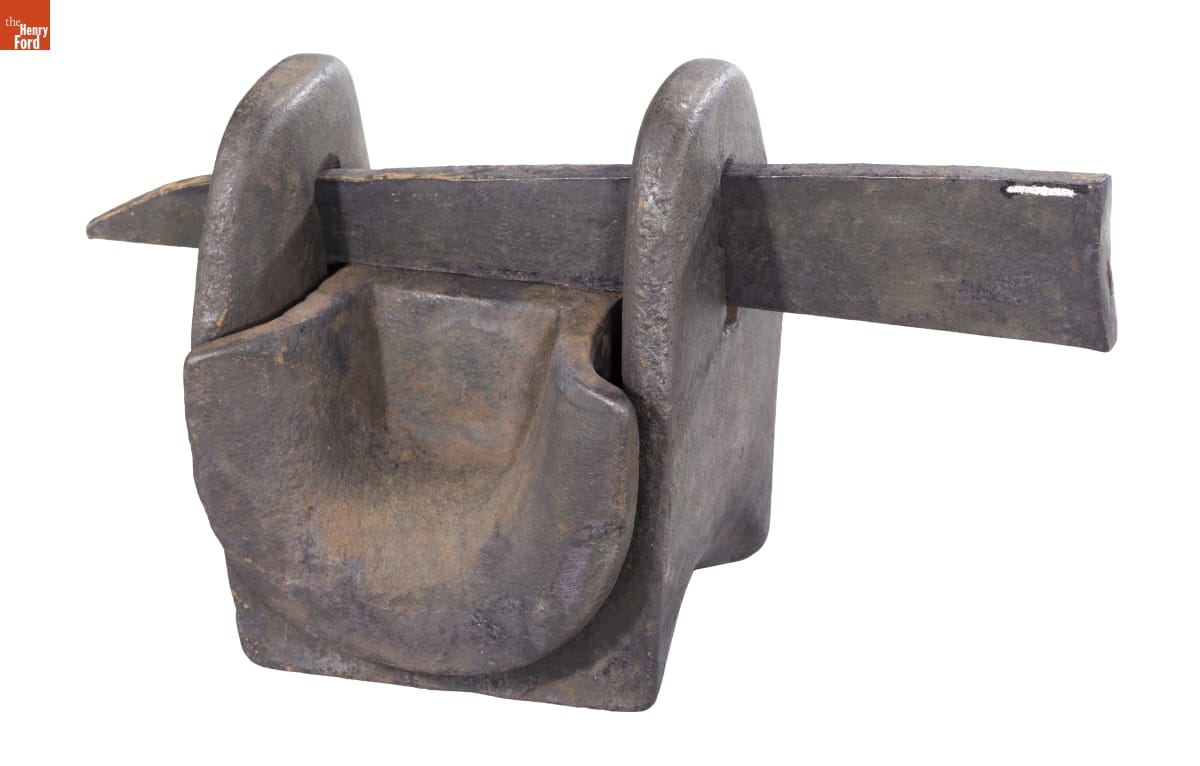
- Leather Press -
- Collections - Artifact
Leather Press
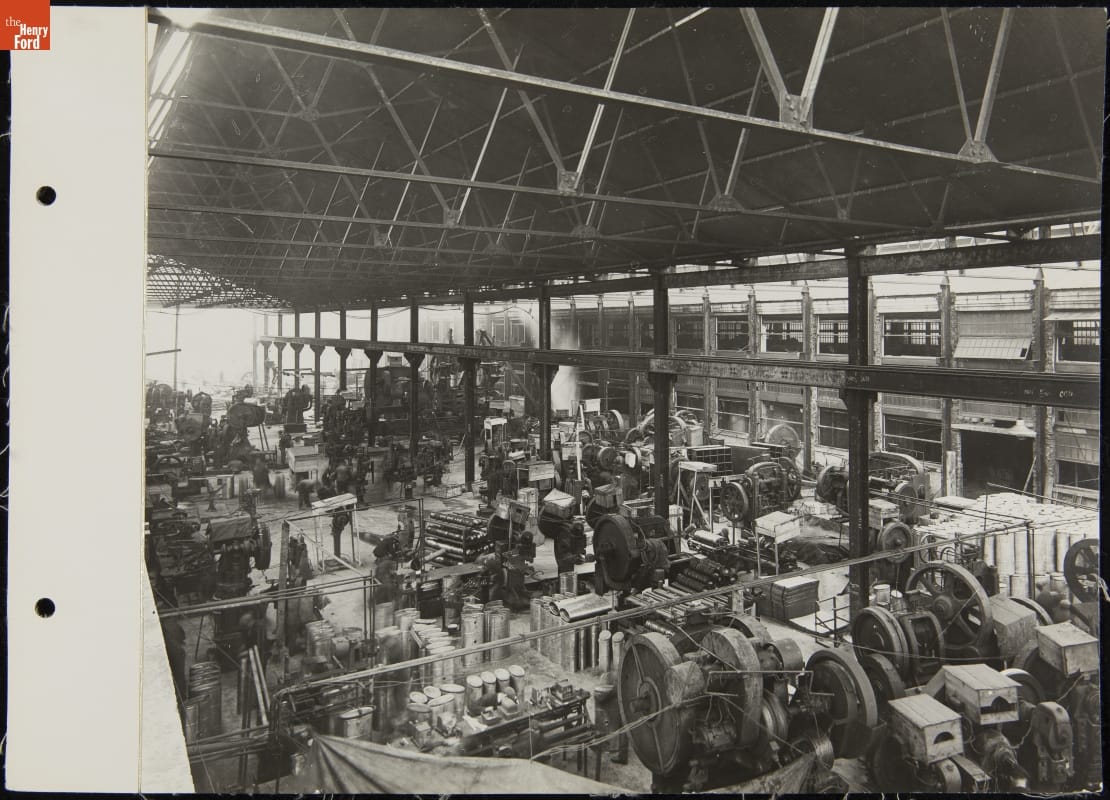
- South End View of Press Building, Ford Plant at Cork, Ireland, March 1929 - Henry Ford formed an Irish subsidiary company, Henry Ford & Son Limited, in 1917. Two years later, he opened a tractor plant in County Cork, Ireland -- his father's birthplace. Soon the factory began producing automobile engines and parts for Ford factories in England. Apart from a temporary closure during World War II, the plant remained in operation until 1984.
- March 22, 1929
- Collections - Artifact
South End View of Press Building, Ford Plant at Cork, Ireland, March 1929
Henry Ford formed an Irish subsidiary company, Henry Ford & Son Limited, in 1917. Two years later, he opened a tractor plant in County Cork, Ireland -- his father's birthplace. Soon the factory began producing automobile engines and parts for Ford factories in England. Apart from a temporary closure during World War II, the plant remained in operation until 1984.
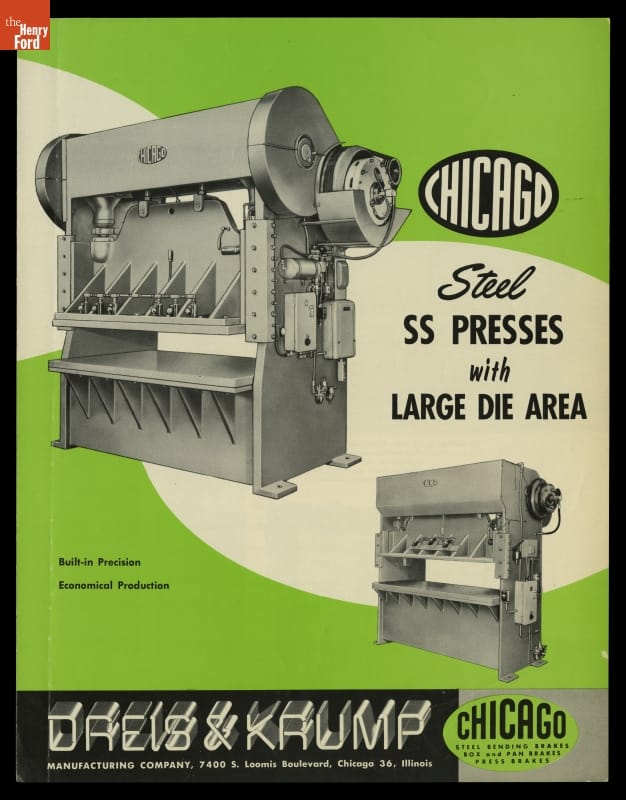
- Sales Brochure, "Chicago Steel SS Presses with Large Die Area," Dreis & Krump Manufacturing Company, 1954 -
- 1954
- Collections - Artifact
Sales Brochure, "Chicago Steel SS Presses with Large Die Area," Dreis & Krump Manufacturing Company, 1954
- Wool Press, 1850-1875 -
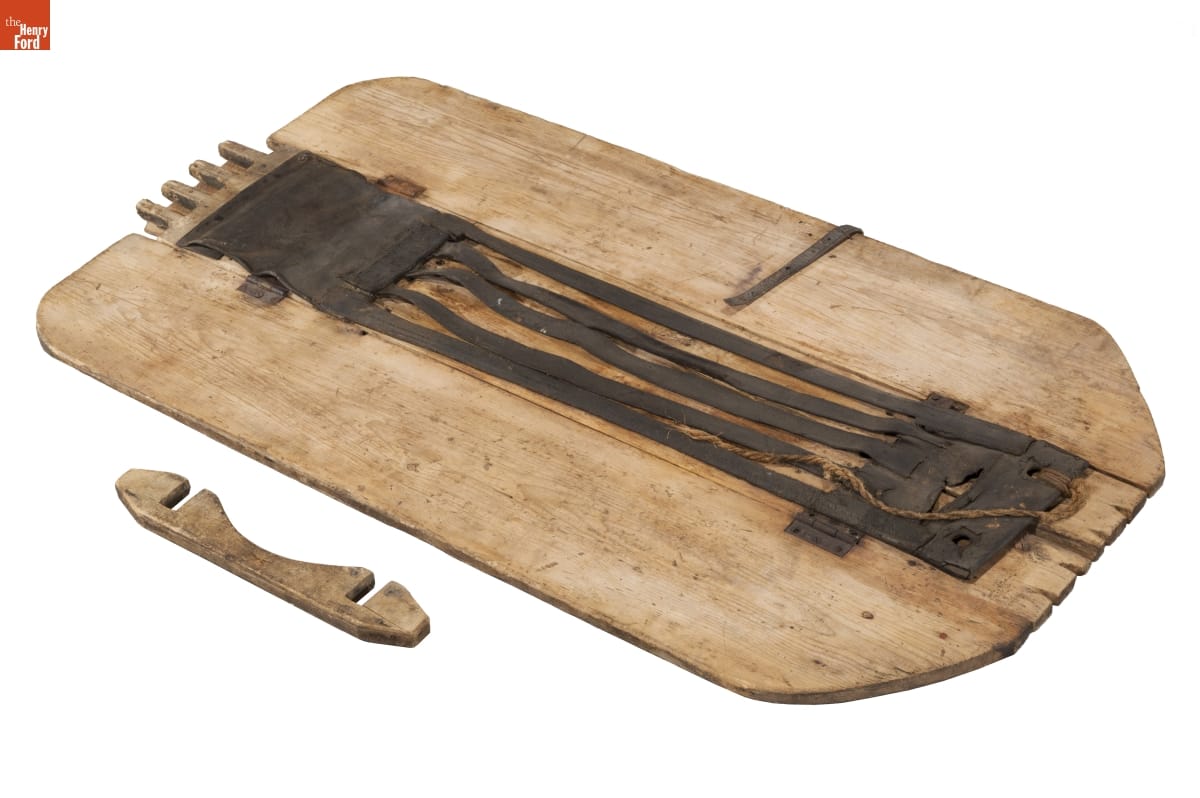
- 1850-1875
- Collections - Artifact
Wool Press, 1850-1875
- Glass Press, Used by Cambridge Glass Works, circa 1920 -
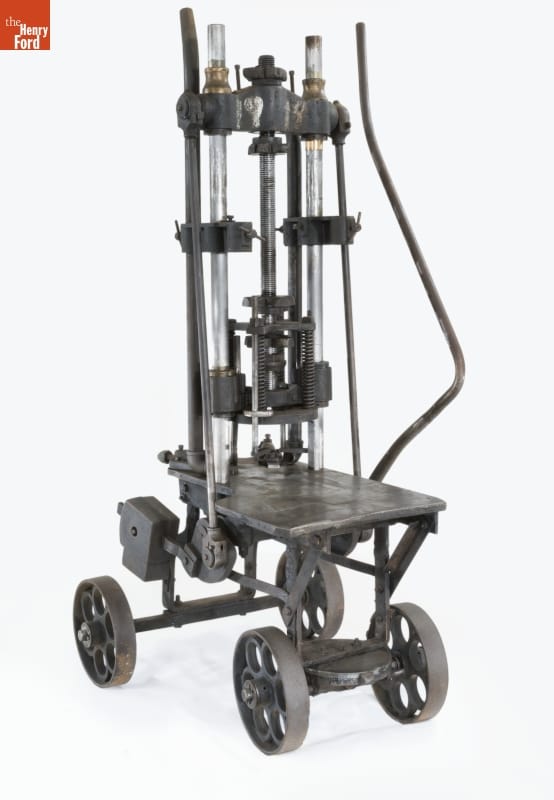
- circa 1920
- Collections - Artifact
Glass Press, Used by Cambridge Glass Works, circa 1920
- Miniature Vertical Press, Displayed at the New York World's Fair, 1939 - Henry Ford firmly believed in the "practical educational value" of World's Fair exhibits. During the 1939-40 New York World's Fair, he highlighted the work of students attending his experimental schools. In a miniature machine shop in the Ford building, boys from Ford's Edison Institute Schools operated quarter-size replicas based on machines from Thomas Edison's Menlo Park.
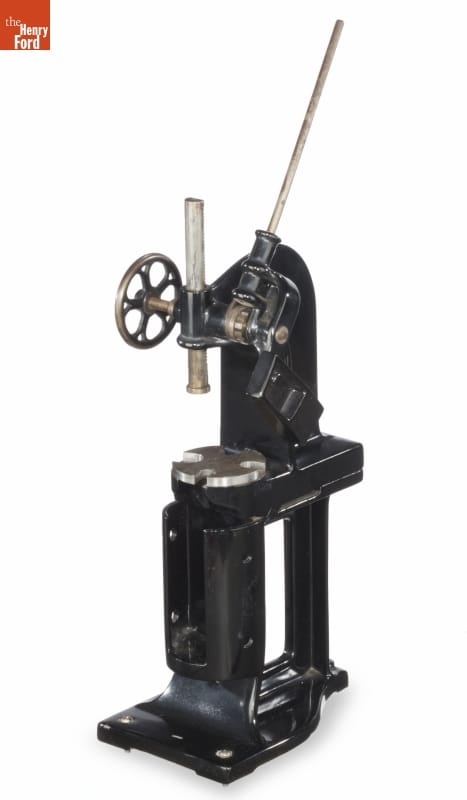
- 1939
- Collections - Artifact
Miniature Vertical Press, Displayed at the New York World's Fair, 1939
Henry Ford firmly believed in the "practical educational value" of World's Fair exhibits. During the 1939-40 New York World's Fair, he highlighted the work of students attending his experimental schools. In a miniature machine shop in the Ford building, boys from Ford's Edison Institute Schools operated quarter-size replicas based on machines from Thomas Edison's Menlo Park.
- Model of a Unimate Industrial Robot Working with a Forging Press, circa 1964 - George Devol revolutionized manufacturing with his invention of the Unimate -- the world's first industrial robot. These rugged programmable units were designed to perform repetitive, arduous and hazardous tasks. The first Unimate was installed in a General Motors plant in 1961. This photograph, part of a larger archival collection documenting Devol's work, illustrates the functions and uses of his innovative idea.
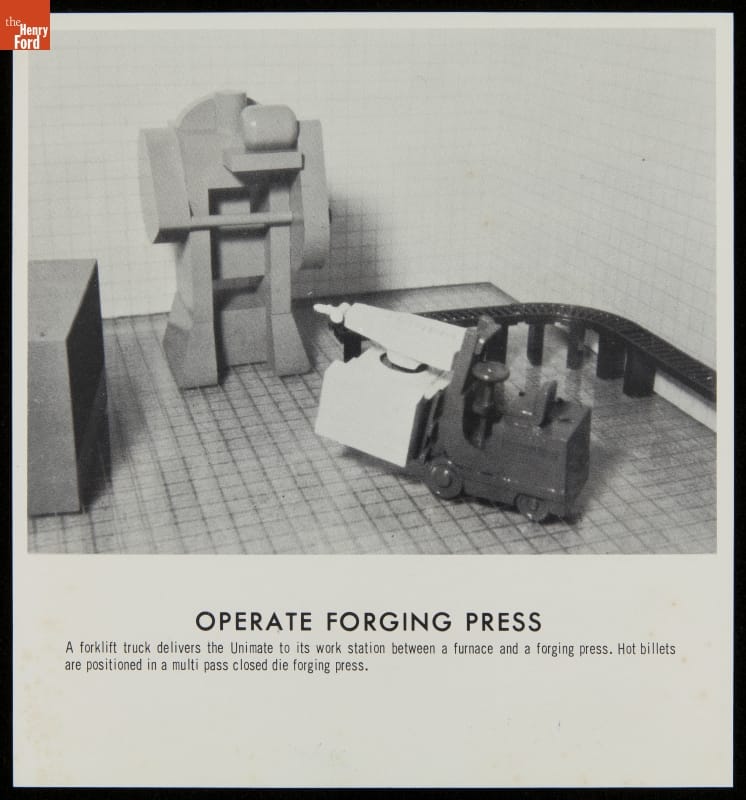
- circa 1964
- Collections - Artifact
Model of a Unimate Industrial Robot Working with a Forging Press, circa 1964
George Devol revolutionized manufacturing with his invention of the Unimate -- the world's first industrial robot. These rugged programmable units were designed to perform repetitive, arduous and hazardous tasks. The first Unimate was installed in a General Motors plant in 1961. This photograph, part of a larger archival collection documenting Devol's work, illustrates the functions and uses of his innovative idea.
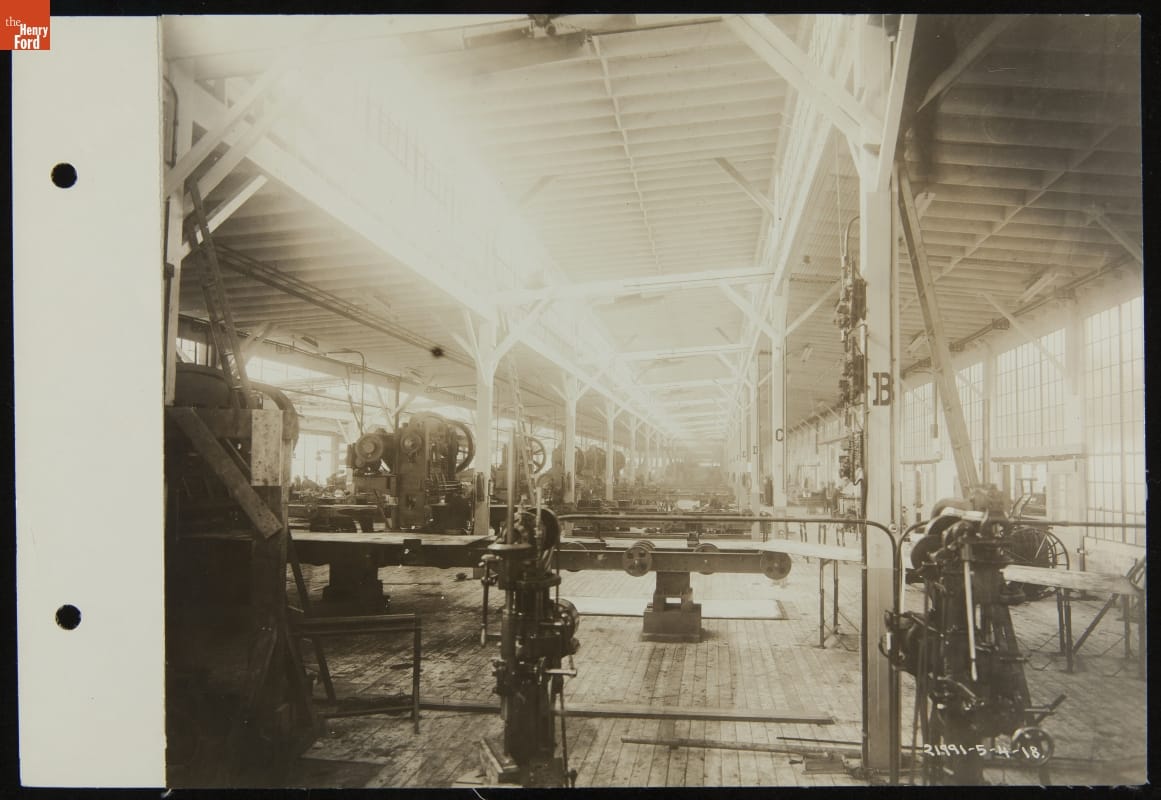
- Interior of Ford Rouge Plant "A" Building, May 1918 - Ford Motor Company built Eagle anti-submarine boats for the U.S. Navy during World War I. Ford assembled the boats, using mass production techniques, at a new plant near the mouth of the Rouge River. The factory consisted of three primary buildings. The "A" Building was where steel sheets were cut to size and punched in preparation for riveting.
- May 04, 1918
- Collections - Artifact
Interior of Ford Rouge Plant "A" Building, May 1918
Ford Motor Company built Eagle anti-submarine boats for the U.S. Navy during World War I. Ford assembled the boats, using mass production techniques, at a new plant near the mouth of the Rouge River. The factory consisted of three primary buildings. The "A" Building was where steel sheets were cut to size and punched in preparation for riveting.
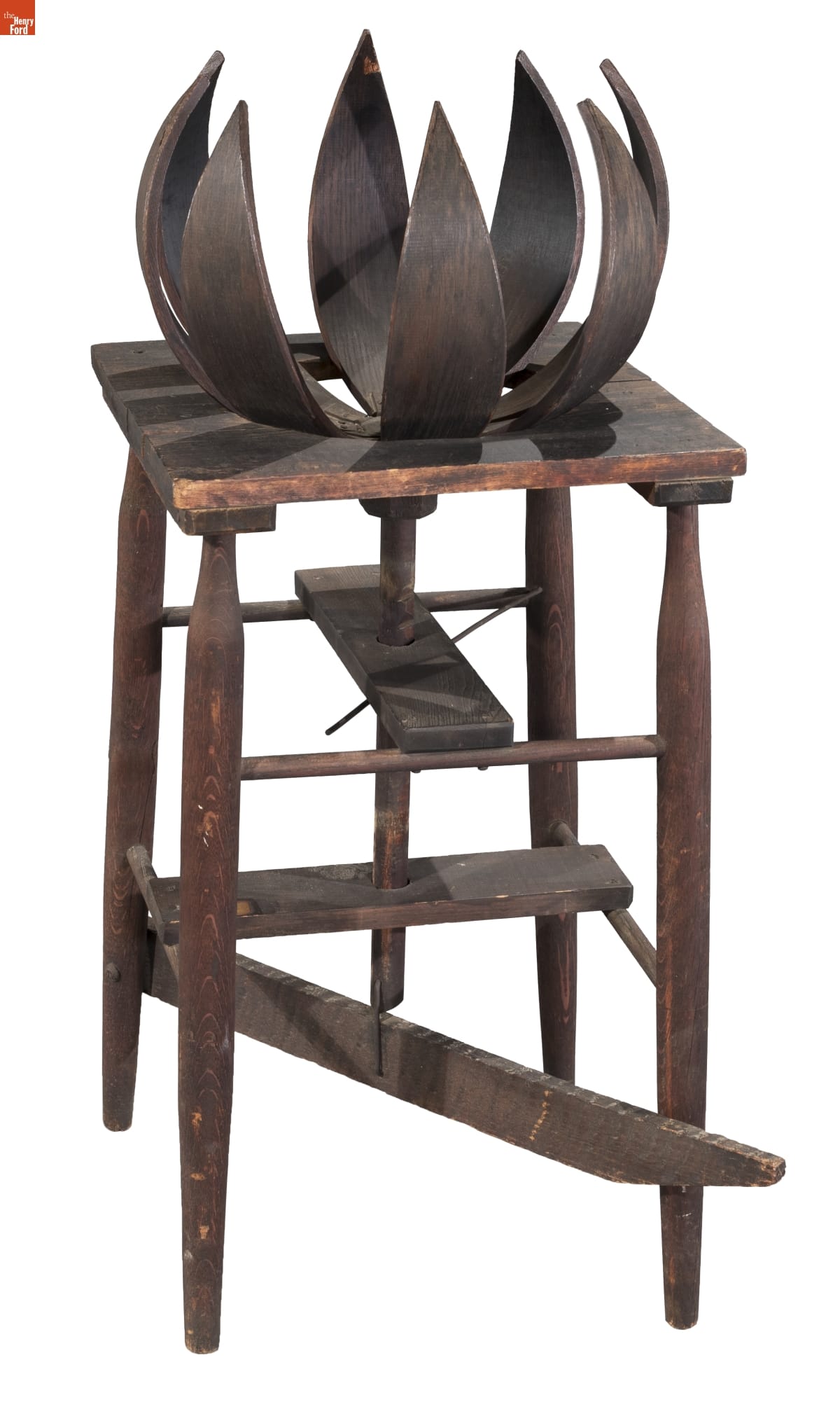
- Fleece Tying Apparatus, circa 1875 -
- circa 1875
- Collections - Artifact
Fleece Tying Apparatus, circa 1875