
Search
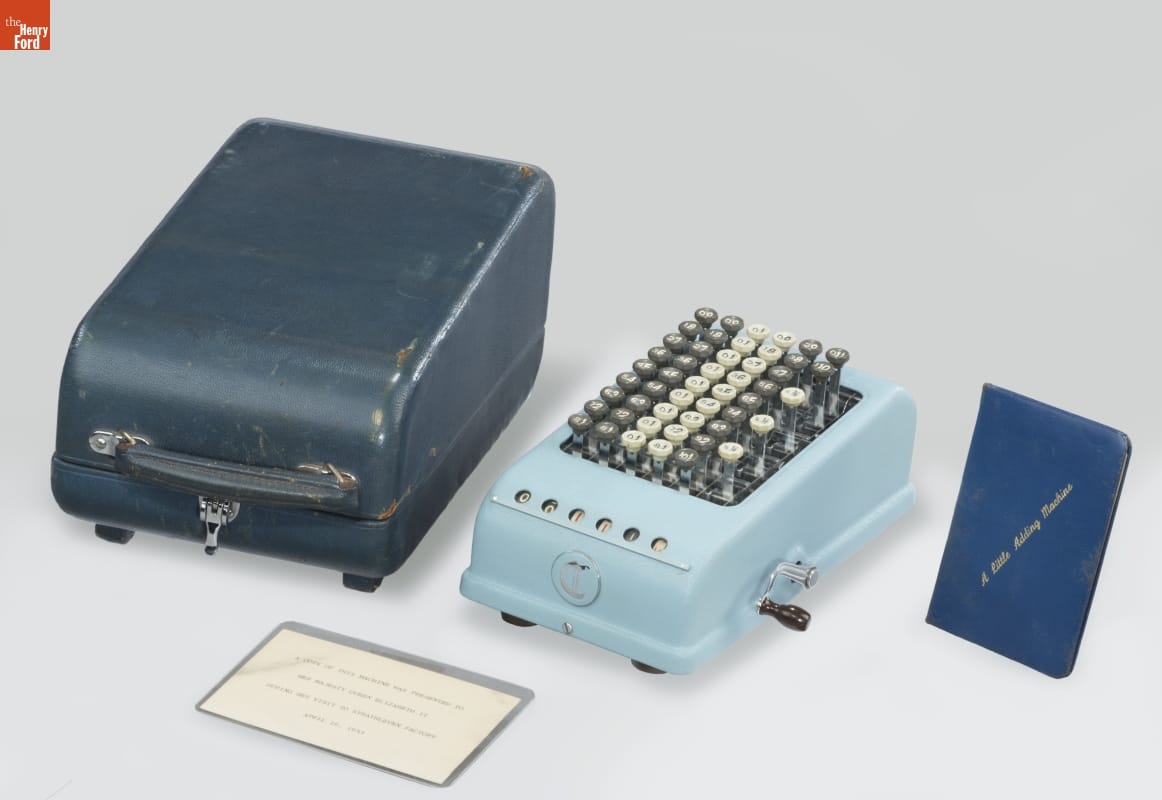
- Copy of a Custom "Baby Calculator" Presented to Queen Elizabeth II for Prince Charles, 1953 -
- 1953
- Collections - Artifact
Copy of a Custom "Baby Calculator" Presented to Queen Elizabeth II for Prince Charles, 1953
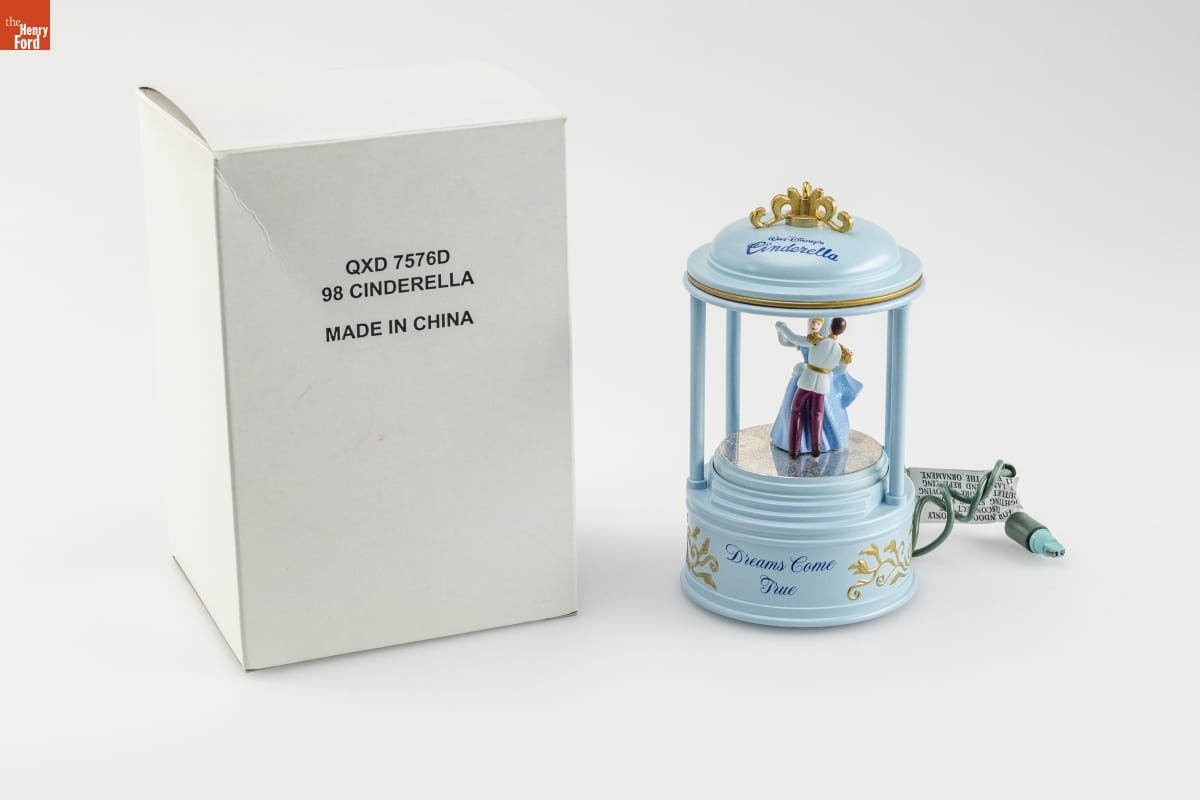
- Hallmark "Cinderella" Christmas Ornament, 1998 - Already known for greeting cards, Hallmark introduced a line of Christmas ornaments in 1973. The company's annual release of an increasing array of ornaments revolutionized Christmas decorating, appealing to customers' interest in marking memories and milestones as well as expressing one's personality and unique tastes.
- 1998
- Collections - Artifact
Hallmark "Cinderella" Christmas Ornament, 1998
Already known for greeting cards, Hallmark introduced a line of Christmas ornaments in 1973. The company's annual release of an increasing array of ornaments revolutionized Christmas decorating, appealing to customers' interest in marking memories and milestones as well as expressing one's personality and unique tastes.
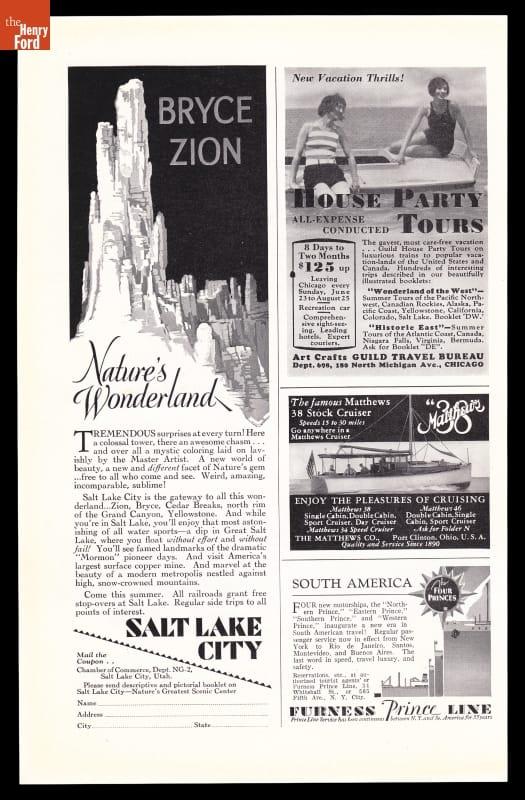
- Furness Prince Steamboat Line Advertisement, "South America," July 1929 - Furness Withy was formed in Hartlepool, England, in 1891. The company operated a fleet of cargo ships and passenger liners, with its passenger ships offering regular transatlantic service between Britain and North America. It acquired the Prince Line -- and its routes between New York City and South America -- in 1916. Furness Withy ended its passenger operations in 1966.
- July 01, 1929
- Collections - Artifact
Furness Prince Steamboat Line Advertisement, "South America," July 1929
Furness Withy was formed in Hartlepool, England, in 1891. The company operated a fleet of cargo ships and passenger liners, with its passenger ships offering regular transatlantic service between Britain and North America. It acquired the Prince Line -- and its routes between New York City and South America -- in 1916. Furness Withy ended its passenger operations in 1966.
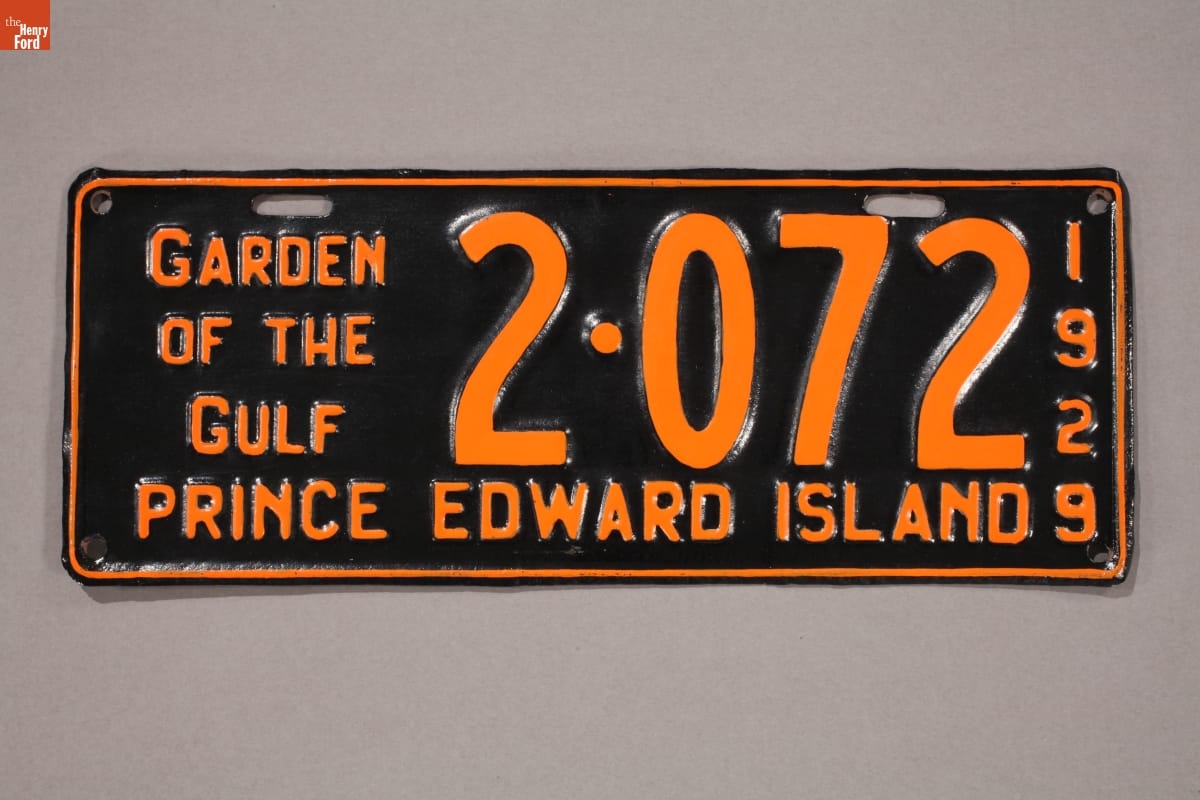
- Prince Edward Island License Plate, 1929 - Early license plates issued by Canadian provincial governments consisted of porcelain coated steel, embossed or painted tin, or fiberboard. By the 1920s most provinces produced plates made of embossed steel. Automobiles registered in Prince Edward Island in 1929 sported a plate like this one.
- 1929
- Collections - Artifact
Prince Edward Island License Plate, 1929
Early license plates issued by Canadian provincial governments consisted of porcelain coated steel, embossed or painted tin, or fiberboard. By the 1920s most provinces produced plates made of embossed steel. Automobiles registered in Prince Edward Island in 1929 sported a plate like this one.
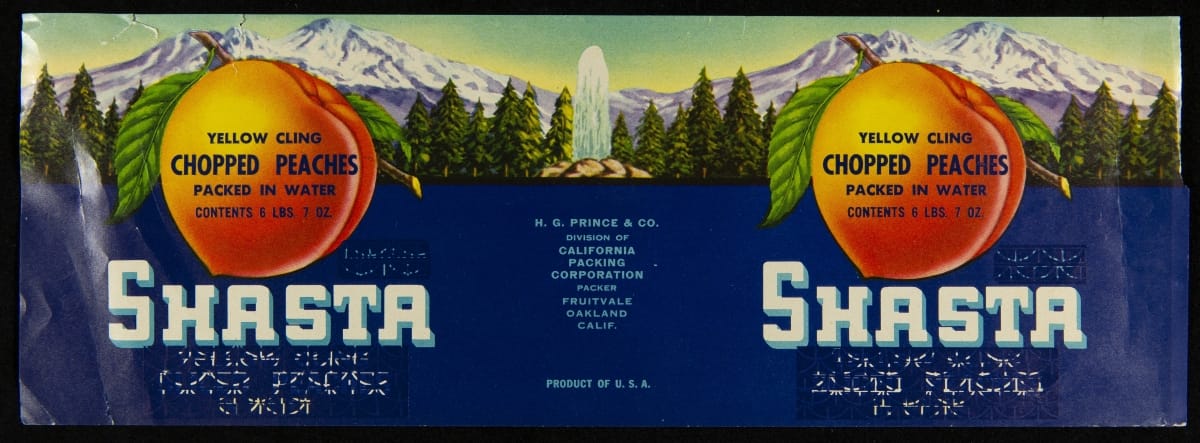
- Can Label, "Shasta Brand Yellow Cling Chopped Peaches," 1913-1940 - Manufacturers of similar products sought ways to make their company's goods stand out on store shelves. Attractive labels, like this design for Shasta Brand Yellow Cling Chopped Peaches, helped catch the attention of potential customers -- hopefully encouraging them to purchase the company's product rather than that of a competitor.
- 1913-1940
- Collections - Artifact
Can Label, "Shasta Brand Yellow Cling Chopped Peaches," 1913-1940
Manufacturers of similar products sought ways to make their company's goods stand out on store shelves. Attractive labels, like this design for Shasta Brand Yellow Cling Chopped Peaches, helped catch the attention of potential customers -- hopefully encouraging them to purchase the company's product rather than that of a competitor.
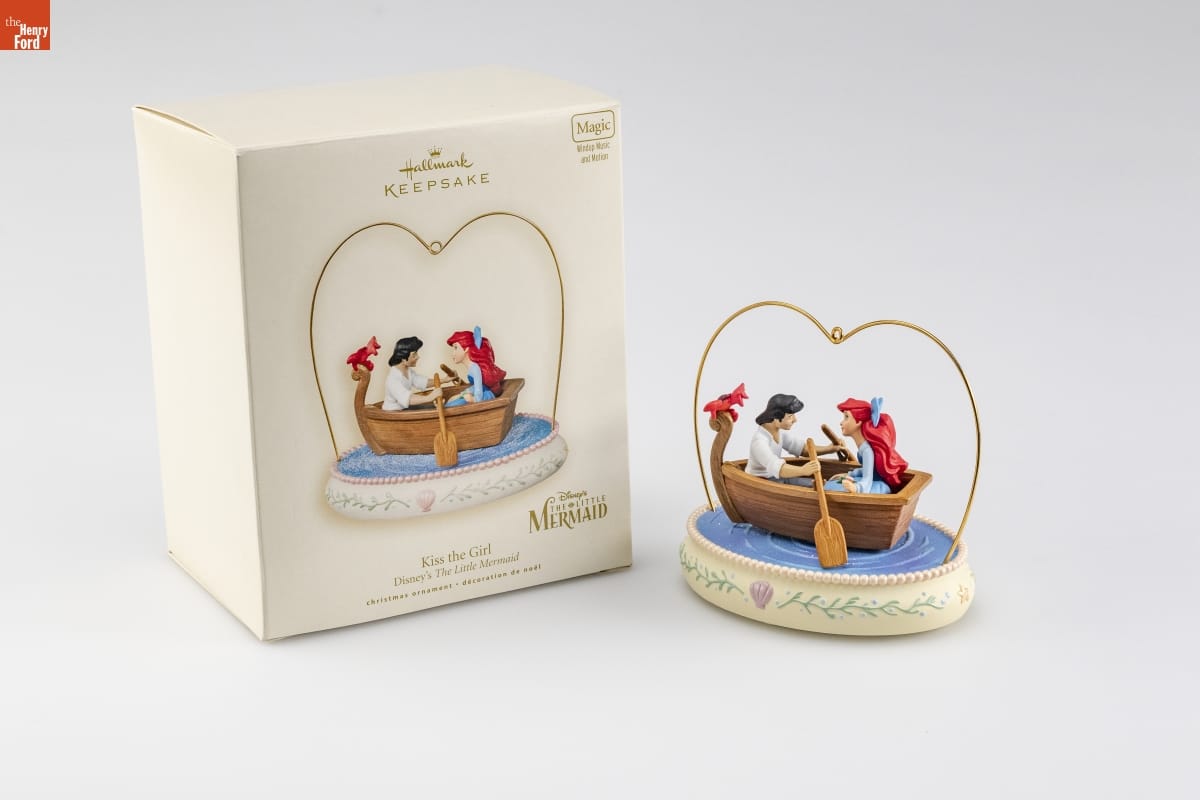
- Hallmark "Disney's The Little Mermaid: Kiss the Girl" Christmas Ornament, 2007 - Already known for greeting cards, Hallmark introduced a line of Christmas ornaments in 1973. The company's annual release of an increasing array of ornaments revolutionized Christmas decorating, appealing to customers' interest in marking memories and milestones as well as expressing one's personality and unique tastes.
- 2007
- Collections - Artifact
Hallmark "Disney's The Little Mermaid: Kiss the Girl" Christmas Ornament, 2007
Already known for greeting cards, Hallmark introduced a line of Christmas ornaments in 1973. The company's annual release of an increasing array of ornaments revolutionized Christmas decorating, appealing to customers' interest in marking memories and milestones as well as expressing one's personality and unique tastes.
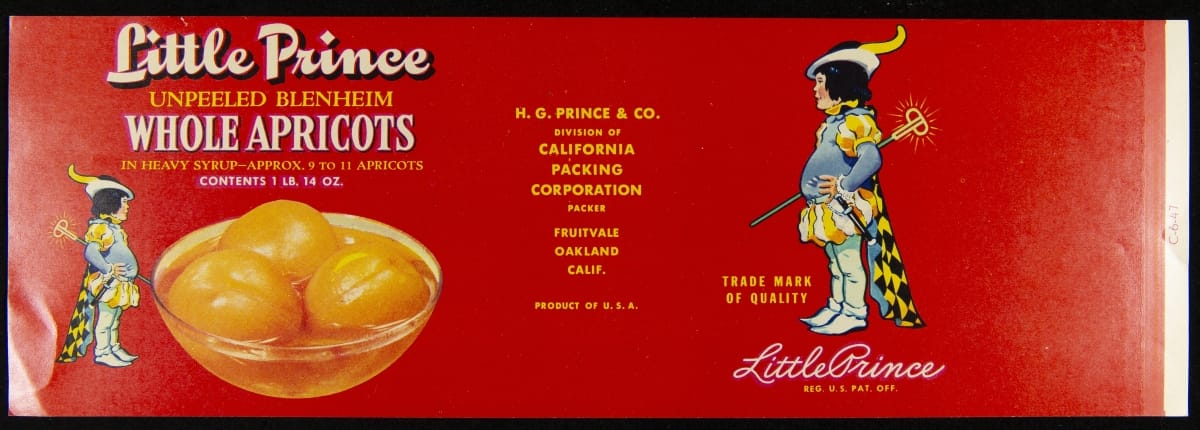
- Can Label, "Little Prince Brand Unpeeled Blenheim Whole Apricots," 1913-1940 - Manufacturers of similar products sought ways to make their company's goods stand out on store shelves. Attractive labels, like this design for Little Prince Brand Unpeeled Blenheim Whole Apricots, helped catch the attention of potential customers -- hopefully encouraging them to purchase the company's product rather than that of a competitor.
- 1913-1940
- Collections - Artifact
Can Label, "Little Prince Brand Unpeeled Blenheim Whole Apricots," 1913-1940
Manufacturers of similar products sought ways to make their company's goods stand out on store shelves. Attractive labels, like this design for Little Prince Brand Unpeeled Blenheim Whole Apricots, helped catch the attention of potential customers -- hopefully encouraging them to purchase the company's product rather than that of a competitor.
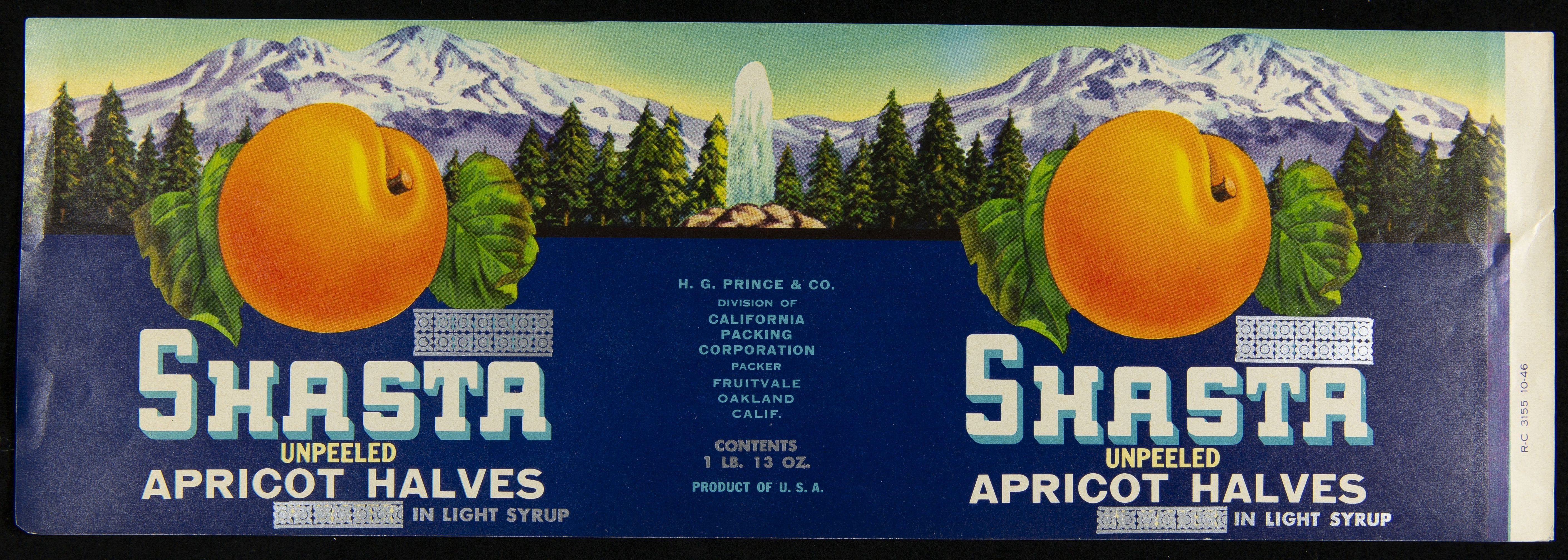
- Can Label, "Shasta Brand Unpeeled Apricot Halves," 1928-1940 - Manufacturers of similar products sought ways to make their company's goods stand out on store shelves. Attractive labels, like this design for Shasta Brand Unpeeled Apricot Halves, helped catch the attention of potential customers - hopefully encouraging them to purchase the company's product rather than that of a competitor.
- 1928-1940
- Collections - Artifact
Can Label, "Shasta Brand Unpeeled Apricot Halves," 1928-1940
Manufacturers of similar products sought ways to make their company's goods stand out on store shelves. Attractive labels, like this design for Shasta Brand Unpeeled Apricot Halves, helped catch the attention of potential customers - hopefully encouraging them to purchase the company's product rather than that of a competitor.
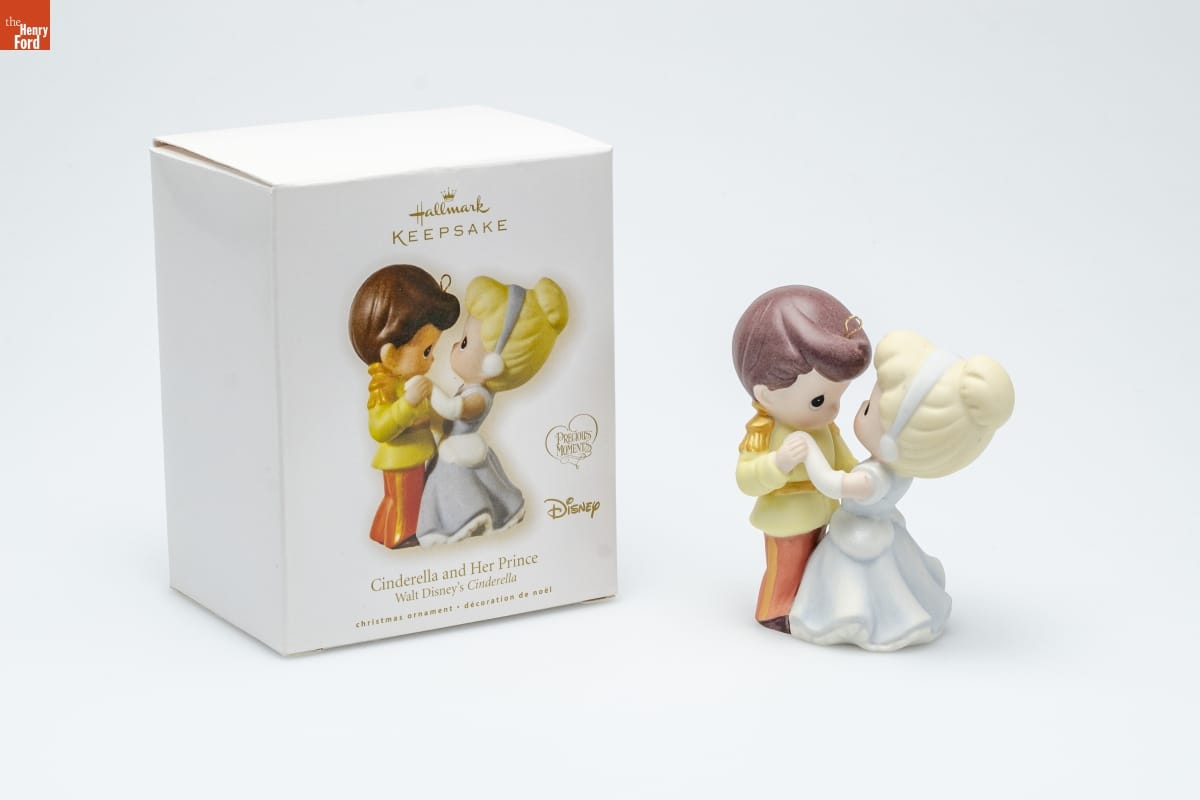
- Hallmark "Precious Moments and Walt Disney's Cinderella: Cinderella and Her Prince" Christmas Ornament, 2008 - Already known for greeting cards, Hallmark introduced a line of Christmas ornaments in 1973. The company's annual release of an increasing array of ornaments revolutionized Christmas decorating, appealing to customers' interest in marking memories and milestones as well as expressing one's personality and unique tastes.
- 2008
- Collections - Artifact
Hallmark "Precious Moments and Walt Disney's Cinderella: Cinderella and Her Prince" Christmas Ornament, 2008
Already known for greeting cards, Hallmark introduced a line of Christmas ornaments in 1973. The company's annual release of an increasing array of ornaments revolutionized Christmas decorating, appealing to customers' interest in marking memories and milestones as well as expressing one's personality and unique tastes.
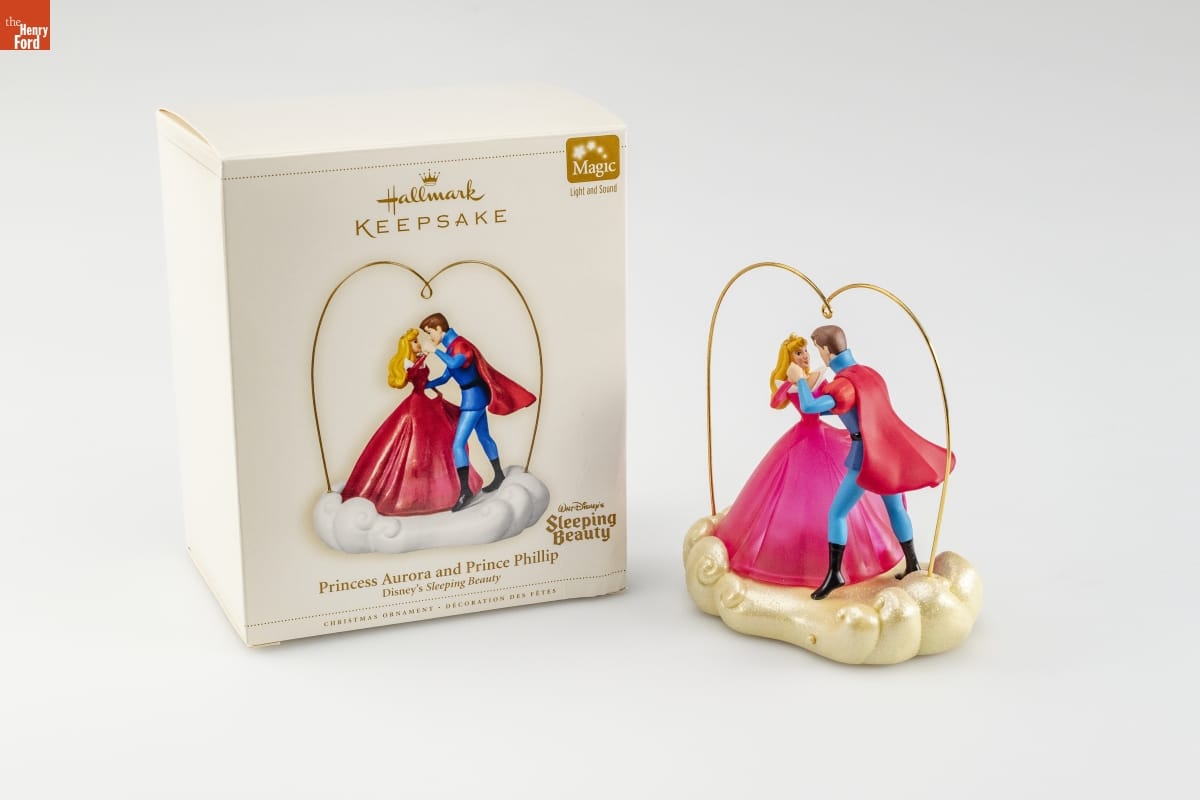
- Hallmark "Disney's Sleeping Beauty: Princess Aurora and Prince Phillip" Christmas Ornament, 2006 - Already known for greeting cards, Hallmark introduced a line of Christmas ornaments in 1973. The company's annual release of an increasing array of ornaments revolutionized Christmas decorating, appealing to customers' interest in marking memories and milestones as well as expressing one's personality and unique tastes.
- 2006
- Collections - Artifact
Hallmark "Disney's Sleeping Beauty: Princess Aurora and Prince Phillip" Christmas Ornament, 2006
Already known for greeting cards, Hallmark introduced a line of Christmas ornaments in 1973. The company's annual release of an increasing array of ornaments revolutionized Christmas decorating, appealing to customers' interest in marking memories and milestones as well as expressing one's personality and unique tastes.