
Search
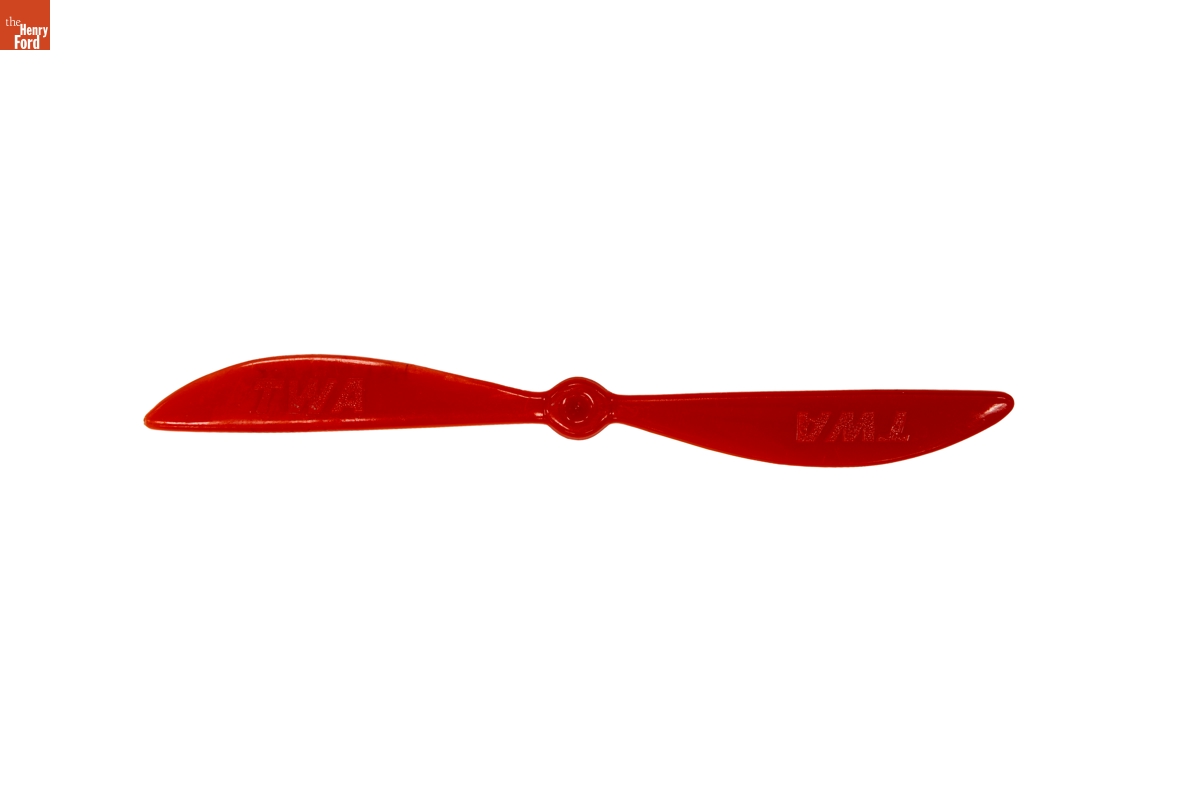
- TWA Swizzle Stick, 1965-1975 - Diane Beers joined TWA as a flight attendant in 1965 but left to marry Richard Hill a year later -- a time when many airlines employed only single women in that job. Beers Hill continued her interest in the aviation industry. Her memorabilia collection included many airline swizzle sticks and stirrers for cocktails and coffee -- some delightfully shaped like airplane propellers.
- 1965-1975
- Collections - Artifact
TWA Swizzle Stick, 1965-1975
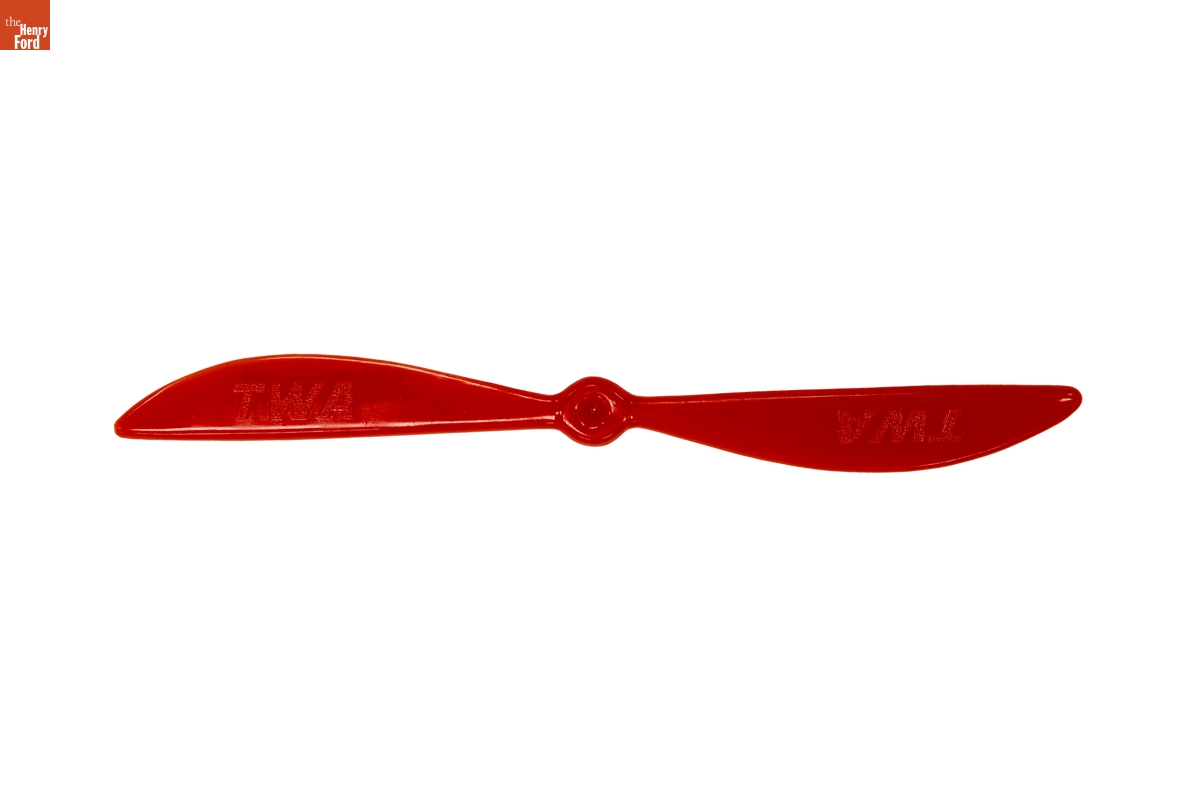
Diane Beers joined TWA as a flight attendant in 1965 but left to marry Richard Hill a year later -- a time when many airlines employed only single women in that job. Beers Hill continued her interest in the aviation industry. Her memorabilia collection included many airline swizzle sticks and stirrers for cocktails and coffee -- some delightfully shaped like airplane propellers.
- TWA Swizzle Stick, 1965-1975 - Diane Beers joined TWA as a flight attendant in 1965 but left to marry Richard Hill a year later -- a time when many airlines employed only single women in that job. Beers Hill continued her interest in the aviation industry. Her memorabilia collection included many airline swizzle sticks and stirrers for cocktails and coffee -- some delightfully shaped like airplane propellers.
- 1965-1975
- Collections - Artifact
TWA Swizzle Stick, 1965-1975
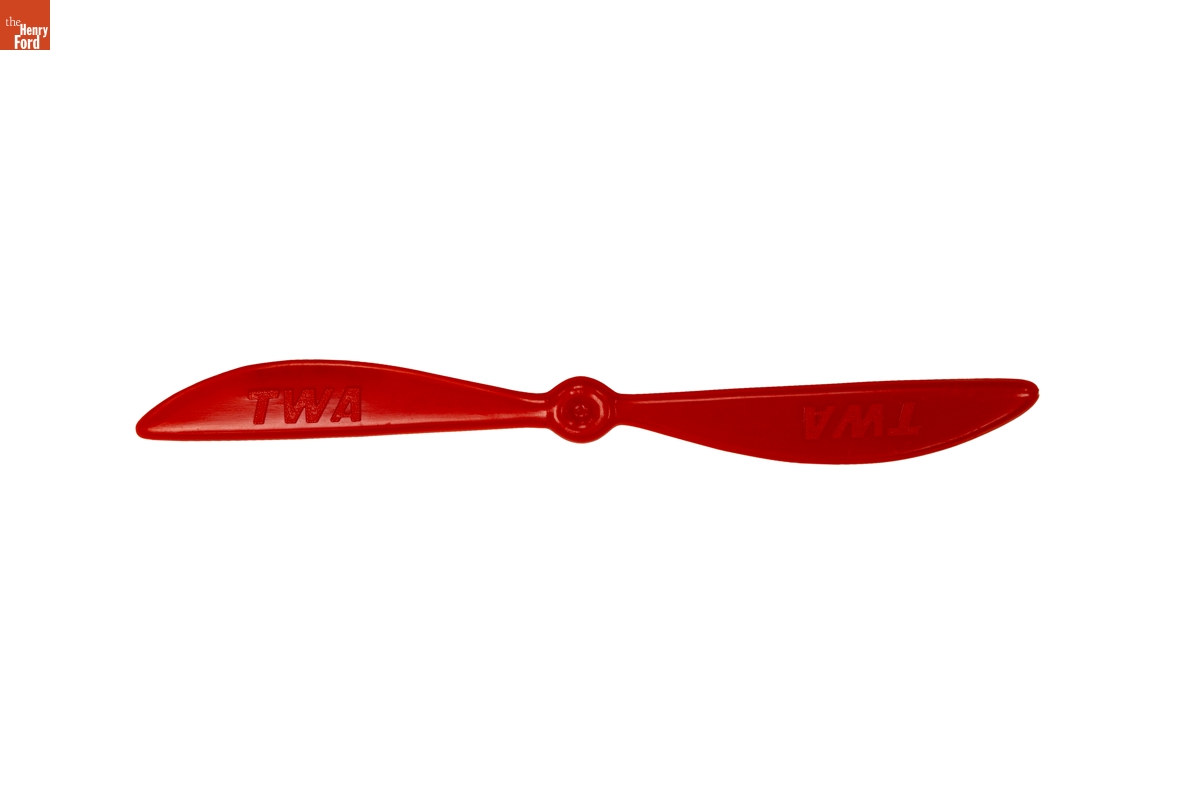
Diane Beers joined TWA as a flight attendant in 1965 but left to marry Richard Hill a year later -- a time when many airlines employed only single women in that job. Beers Hill continued her interest in the aviation industry. Her memorabilia collection included many airline swizzle sticks and stirrers for cocktails and coffee -- some delightfully shaped like airplane propellers.
- TWA Swizzle Stick, 1965-1975 - Diane Beers joined TWA as a flight attendant in 1965 but left to marry Richard Hill a year later -- a time when many airlines employed only single women in that job. Beers Hill continued her interest in the aviation industry. Her memorabilia collection included many airline swizzle sticks and stirrers for cocktails and coffee -- some delightfully shaped like airplane propellers.
- 1965-1975
- Collections - Artifact
TWA Swizzle Stick, 1965-1975
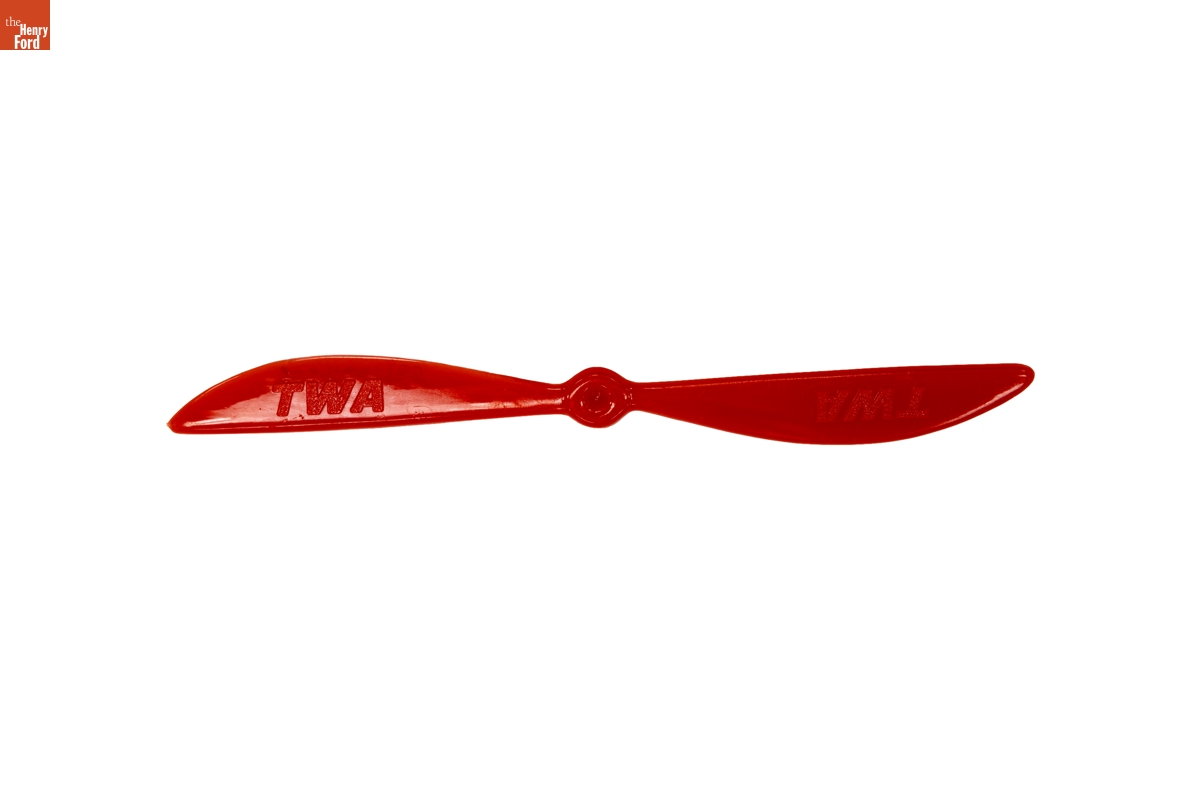
Diane Beers joined TWA as a flight attendant in 1965 but left to marry Richard Hill a year later -- a time when many airlines employed only single women in that job. Beers Hill continued her interest in the aviation industry. Her memorabilia collection included many airline swizzle sticks and stirrers for cocktails and coffee -- some delightfully shaped like airplane propellers.
- TWA Swizzle Stick, 1965-1975 - Diane Beers joined TWA as a flight attendant in 1965 but left to marry Richard Hill a year later -- a time when many airlines employed only single women in that job. Beers Hill continued her interest in the aviation industry. Her memorabilia collection included many airline swizzle sticks and stirrers for cocktails and coffee -- some delightfully shaped like airplane propellers.
- 1965-1975
- Collections - Artifact
TWA Swizzle Stick, 1965-1975
Diane Beers joined TWA as a flight attendant in 1965 but left to marry Richard Hill a year later -- a time when many airlines employed only single women in that job. Beers Hill continued her interest in the aviation industry. Her memorabilia collection included many airline swizzle sticks and stirrers for cocktails and coffee -- some delightfully shaped like airplane propellers.
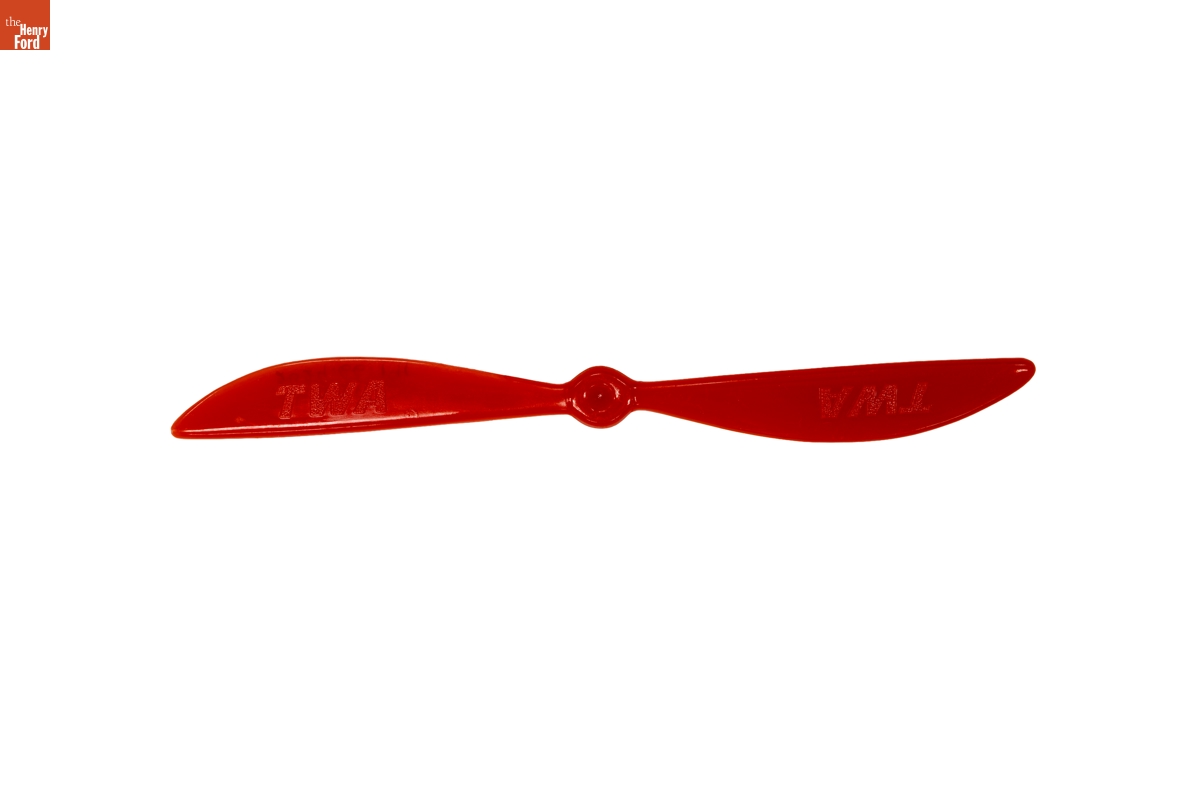
- TWA Swizzle Stick, 1965-1975 - Diane Beers joined TWA as a flight attendant in 1965 but left to marry Richard Hill a year later -- a time when many airlines employed only single women in that job. Beers Hill continued her interest in the aviation industry. Her memorabilia collection included many airline swizzle sticks and stirrers for cocktails and coffee -- some delightfully shaped like airplane propellers.
- 1965-1975
- Collections - Artifact
TWA Swizzle Stick, 1965-1975
Diane Beers joined TWA as a flight attendant in 1965 but left to marry Richard Hill a year later -- a time when many airlines employed only single women in that job. Beers Hill continued her interest in the aviation industry. Her memorabilia collection included many airline swizzle sticks and stirrers for cocktails and coffee -- some delightfully shaped like airplane propellers.
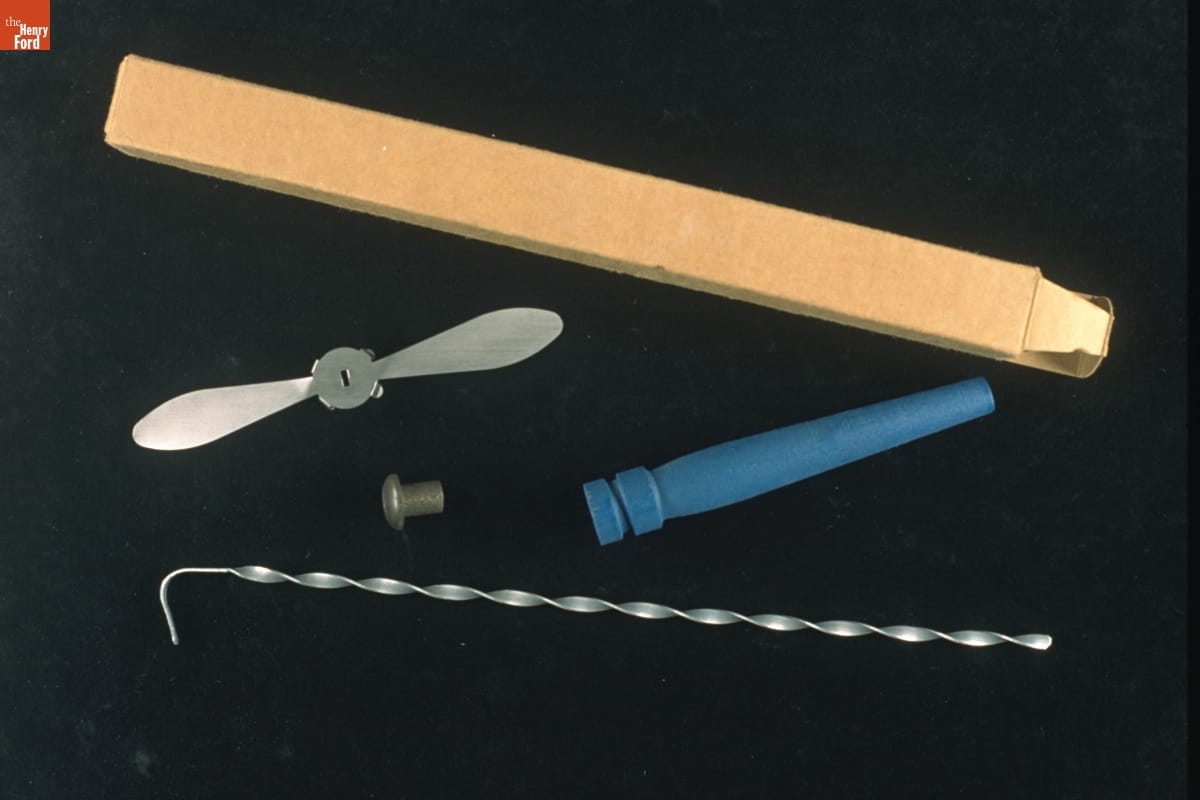
- Toy Propeller, Used by James Greenhoe, 1937-1946 -
- 1937-1946
- Collections - Artifact
Toy Propeller, Used by James Greenhoe, 1937-1946
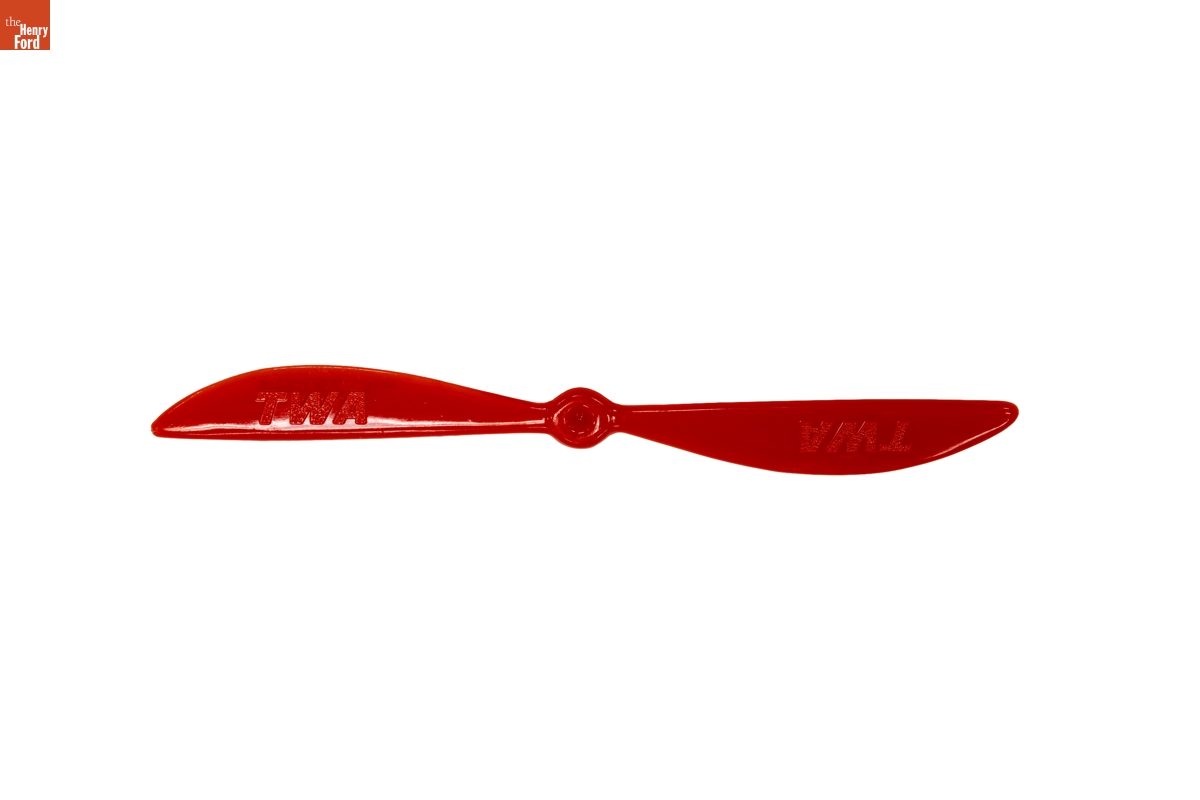
- TWA Swizzle Stick, 1965-1975 - Diane Beers joined TWA as a flight attendant in 1965 but left to marry Richard Hill a year later -- a time when many airlines employed only single women in that job. Beers Hill continued her interest in the aviation industry. Her memorabilia collection included many airline swizzle sticks and stirrers for cocktails and coffee -- some delightfully shaped like airplane propellers.
- 1965-1975
- Collections - Artifact
TWA Swizzle Stick, 1965-1975
Diane Beers joined TWA as a flight attendant in 1965 but left to marry Richard Hill a year later -- a time when many airlines employed only single women in that job. Beers Hill continued her interest in the aviation industry. Her memorabilia collection included many airline swizzle sticks and stirrers for cocktails and coffee -- some delightfully shaped like airplane propellers.
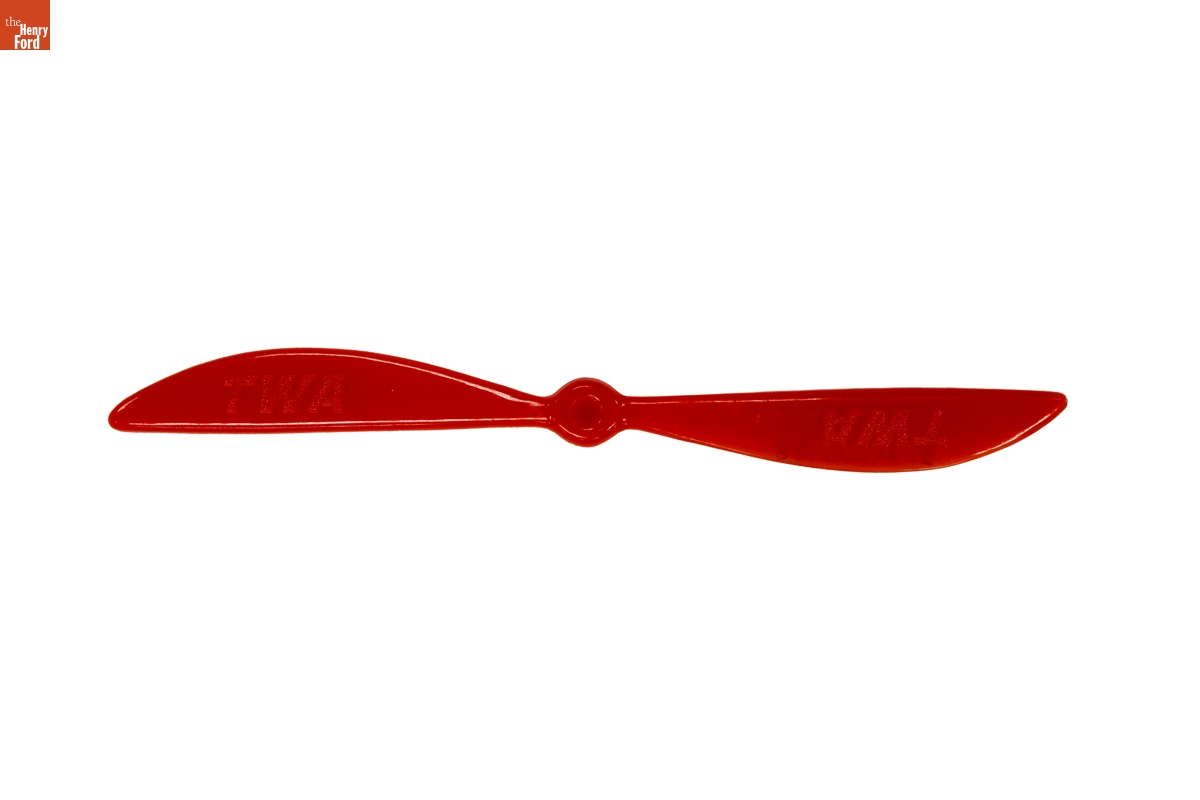
- TWA Swizzle Stick, 1965-1975 - Diane Beers joined TWA as a flight attendant in 1965 but left to marry Richard Hill a year later -- a time when many airlines employed only single women in that job. Beers Hill continued her interest in the aviation industry. Her memorabilia collection included many airline swizzle sticks and stirrers for cocktails and coffee -- some delightfully shaped like airplane propellers.
- 1965-1975
- Collections - Artifact
TWA Swizzle Stick, 1965-1975
Diane Beers joined TWA as a flight attendant in 1965 but left to marry Richard Hill a year later -- a time when many airlines employed only single women in that job. Beers Hill continued her interest in the aviation industry. Her memorabilia collection included many airline swizzle sticks and stirrers for cocktails and coffee -- some delightfully shaped like airplane propellers.
- TWA Swizzle Stick, 1965-1975 - Diane Beers joined TWA as a flight attendant in 1965 but left to marry Richard Hill a year later -- a time when many airlines employed only single women in that job. Beers Hill continued her interest in the aviation industry. Her memorabilia collection included many airline swizzle sticks and stirrers for cocktails and coffee -- some delightfully shaped like airplane propellers.
- 1965-1975
- Collections - Artifact
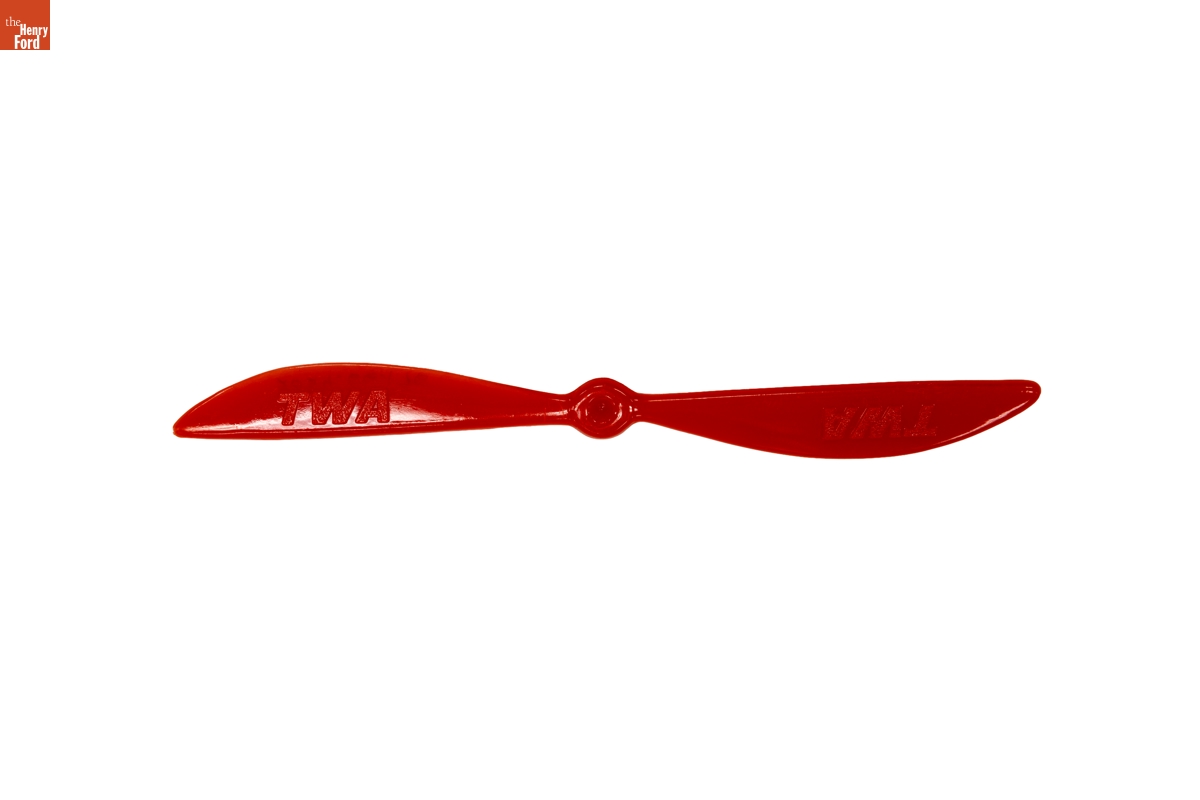
TWA Swizzle Stick, 1965-1975
Diane Beers joined TWA as a flight attendant in 1965 but left to marry Richard Hill a year later -- a time when many airlines employed only single women in that job. Beers Hill continued her interest in the aviation industry. Her memorabilia collection included many airline swizzle sticks and stirrers for cocktails and coffee -- some delightfully shaped like airplane propellers.
- TWA Swizzle Stick, 1965-1975 - Diane Beers joined TWA as a flight attendant in 1965 but left to marry Richard Hill a year later -- a time when many airlines employed only single women in that job. Beers Hill continued her interest in the aviation industry. Her memorabilia collection included many airline swizzle sticks and stirrers for cocktails and coffee -- some delightfully shaped like airplane propellers.
- 1965-1975
- Collections - Artifact
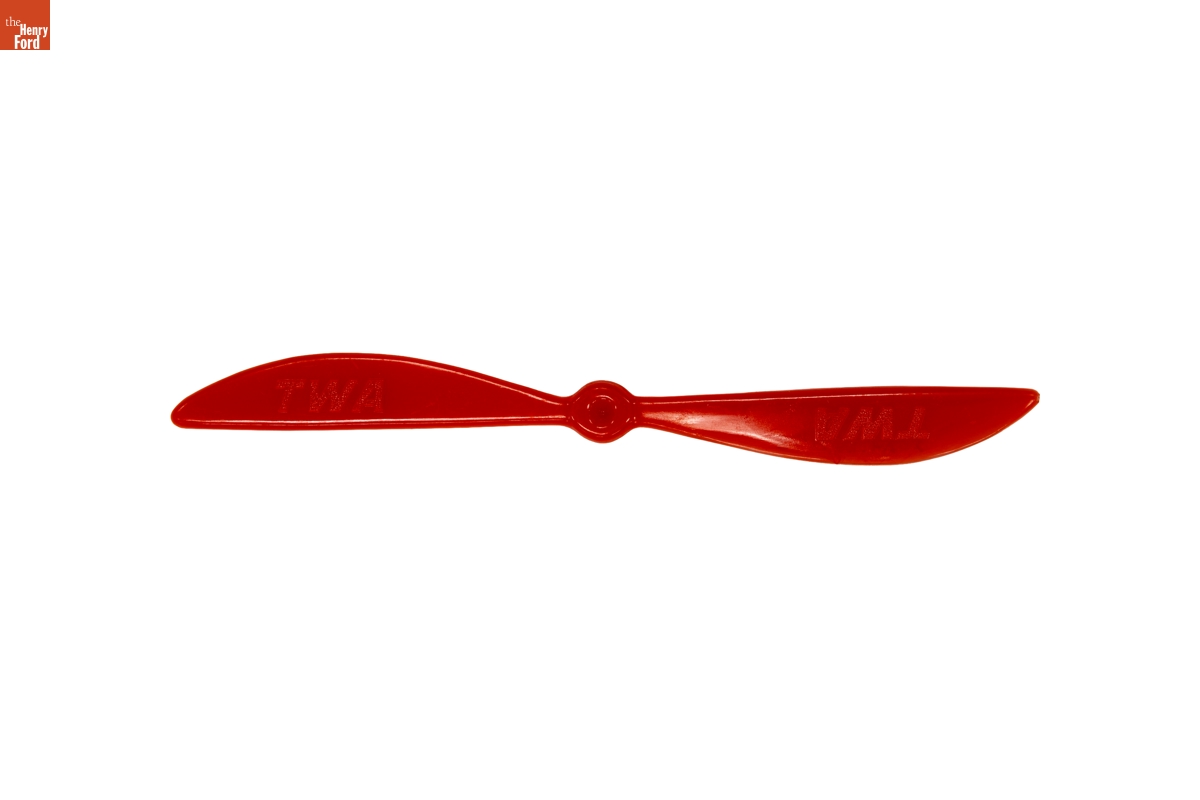
TWA Swizzle Stick, 1965-1975
Diane Beers joined TWA as a flight attendant in 1965 but left to marry Richard Hill a year later -- a time when many airlines employed only single women in that job. Beers Hill continued her interest in the aviation industry. Her memorabilia collection included many airline swizzle sticks and stirrers for cocktails and coffee -- some delightfully shaped like airplane propellers.