
Search
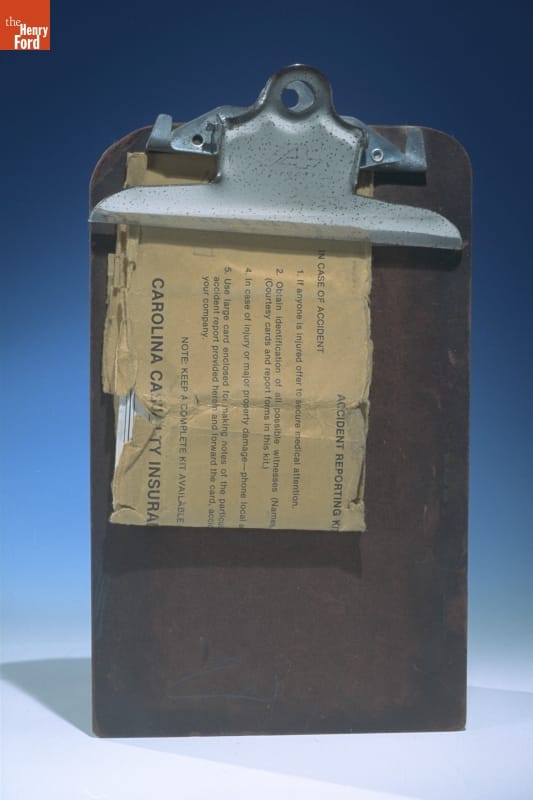
- Clipboard Used on Montgomery City Bus Lines, circa 1955 - This clipboard was used in the 1950s by a driver for the Montgomery (Alabama) City Bus Lines. While riding a Montgomery bus - on exhibit in the Henry Ford Museum - in 1955, Rosa Parks refused to give up her seat to a white man, leading to a widespread bus boycott by African Americans.
- circa 1955
- Collections - Artifact
Clipboard Used on Montgomery City Bus Lines, circa 1955
This clipboard was used in the 1950s by a driver for the Montgomery (Alabama) City Bus Lines. While riding a Montgomery bus - on exhibit in the Henry Ford Museum - in 1955, Rosa Parks refused to give up her seat to a white man, leading to a widespread bus boycott by African Americans.
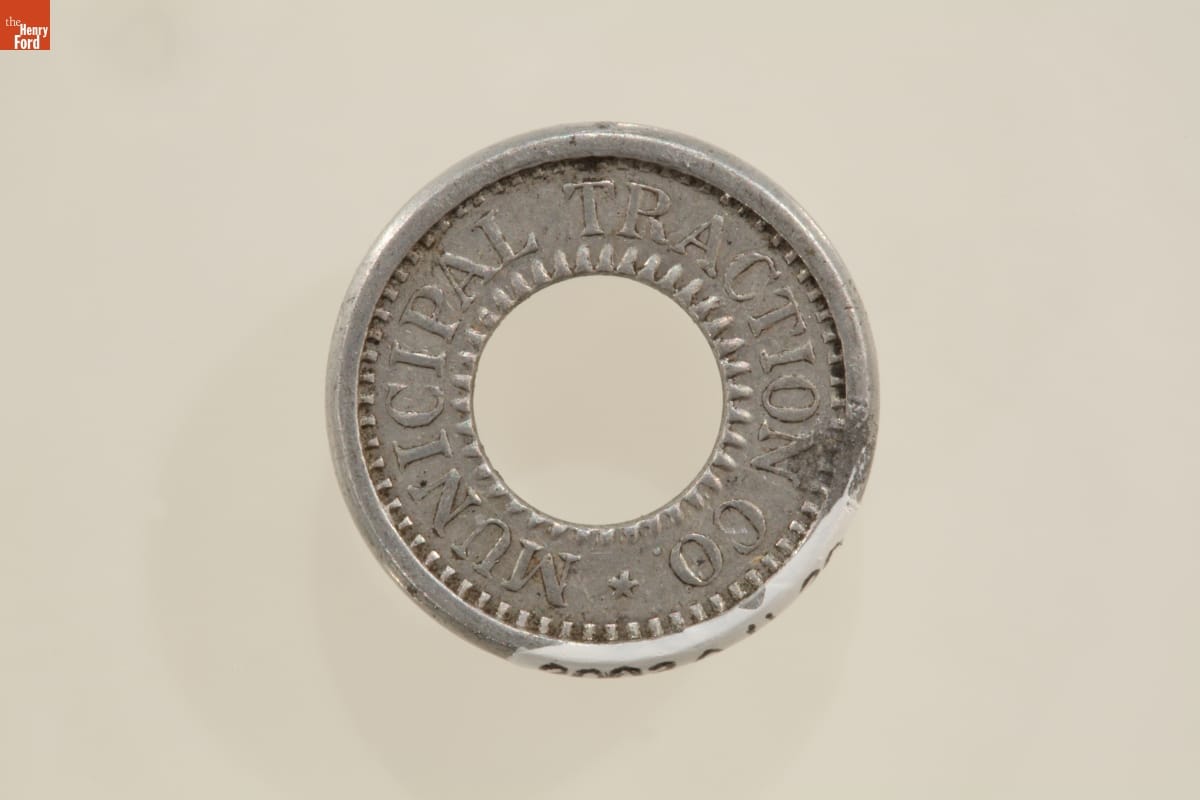
- Cleveland Municipal Transit Token, 1908 - Operating and financing a streetcar business was complicated. This token from Cleveland dates from a turbulent period where a privately owned streetcar company was in the process of transferring its operations to the city, further complicated by a transit strike. For riders, the immediate effect of the merger agreement was an affordable 3-cent fare.
- 1908
- Collections - Artifact
Cleveland Municipal Transit Token, 1908
Operating and financing a streetcar business was complicated. This token from Cleveland dates from a turbulent period where a privately owned streetcar company was in the process of transferring its operations to the city, further complicated by a transit strike. For riders, the immediate effect of the merger agreement was an affordable 3-cent fare.
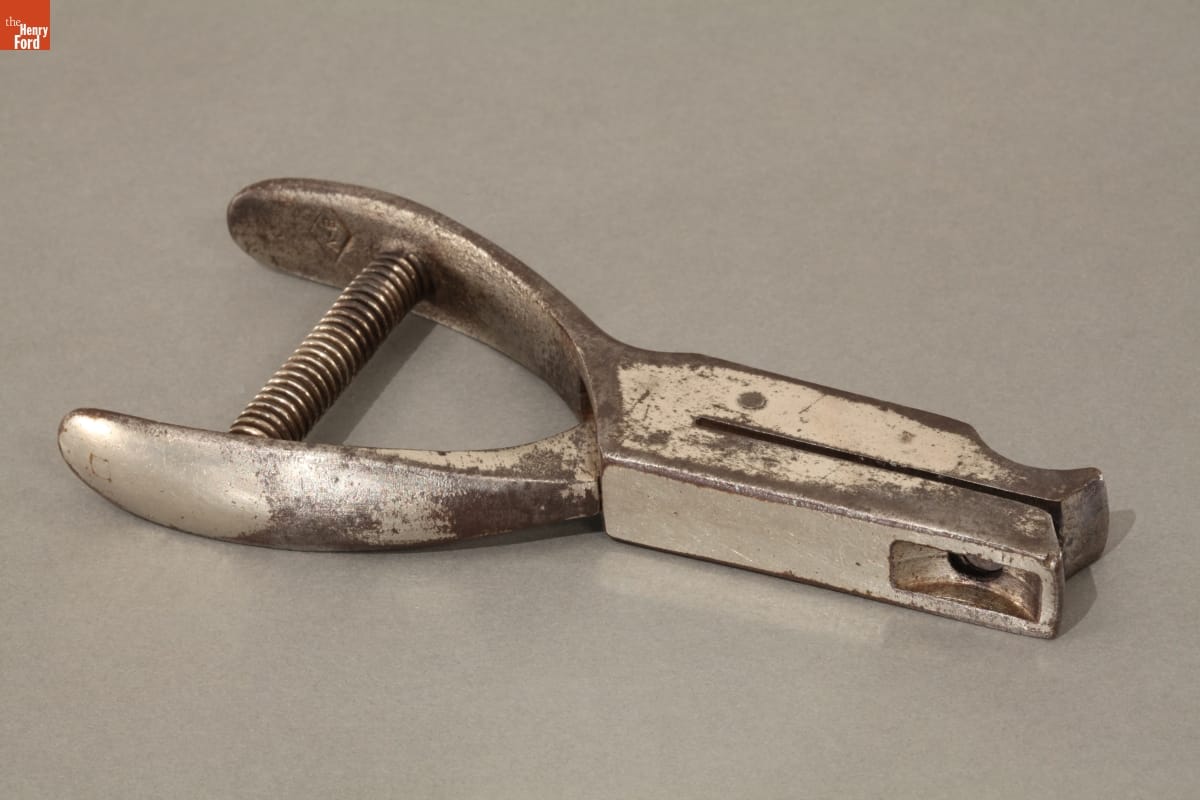
- Ticket Punch Used on Montgomery City Bus Lines, circa 1955 - This ticket punch was used in the 1950s by a driver for the Montgomery (Alabama) City Bus Lines. While riding a Montgomery bus in 1955, Rosa Parks refused to give up her seat to a white man, leading to a widespread bus boycott by African Americans.
- circa 1955
- Collections - Artifact
Ticket Punch Used on Montgomery City Bus Lines, circa 1955
This ticket punch was used in the 1950s by a driver for the Montgomery (Alabama) City Bus Lines. While riding a Montgomery bus in 1955, Rosa Parks refused to give up her seat to a white man, leading to a widespread bus boycott by African Americans.
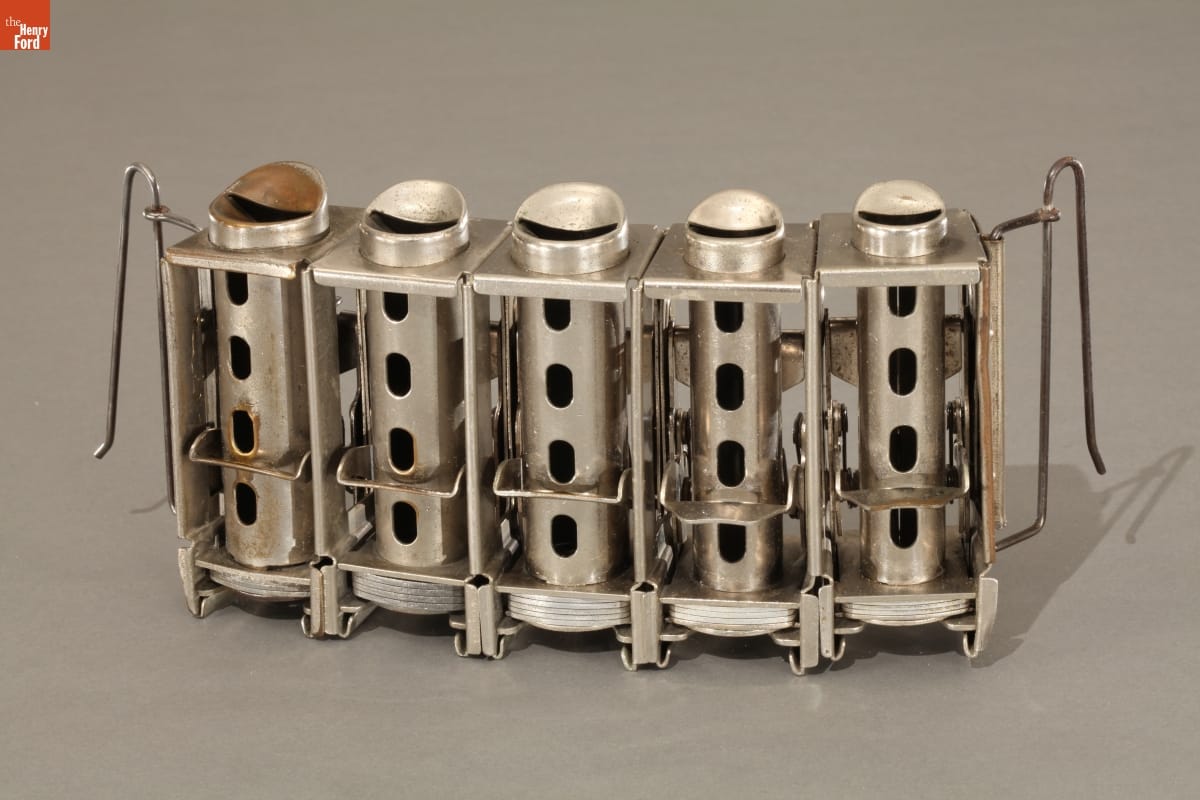
- Coin Changer Used on Montgomery City Bus Lines, circa 1955 - This coin (money) changer was used in the 1950s by a driver for the Montgomery (Alabama) City Bus Lines. While riding a Montgomery bus in 1955, Rosa Parks refused to give up her seat to a white man, leading to a widespread bus boycott by African Americans.
- circa 1955
- Collections - Artifact
Coin Changer Used on Montgomery City Bus Lines, circa 1955
This coin (money) changer was used in the 1950s by a driver for the Montgomery (Alabama) City Bus Lines. While riding a Montgomery bus in 1955, Rosa Parks refused to give up her seat to a white man, leading to a widespread bus boycott by African Americans.
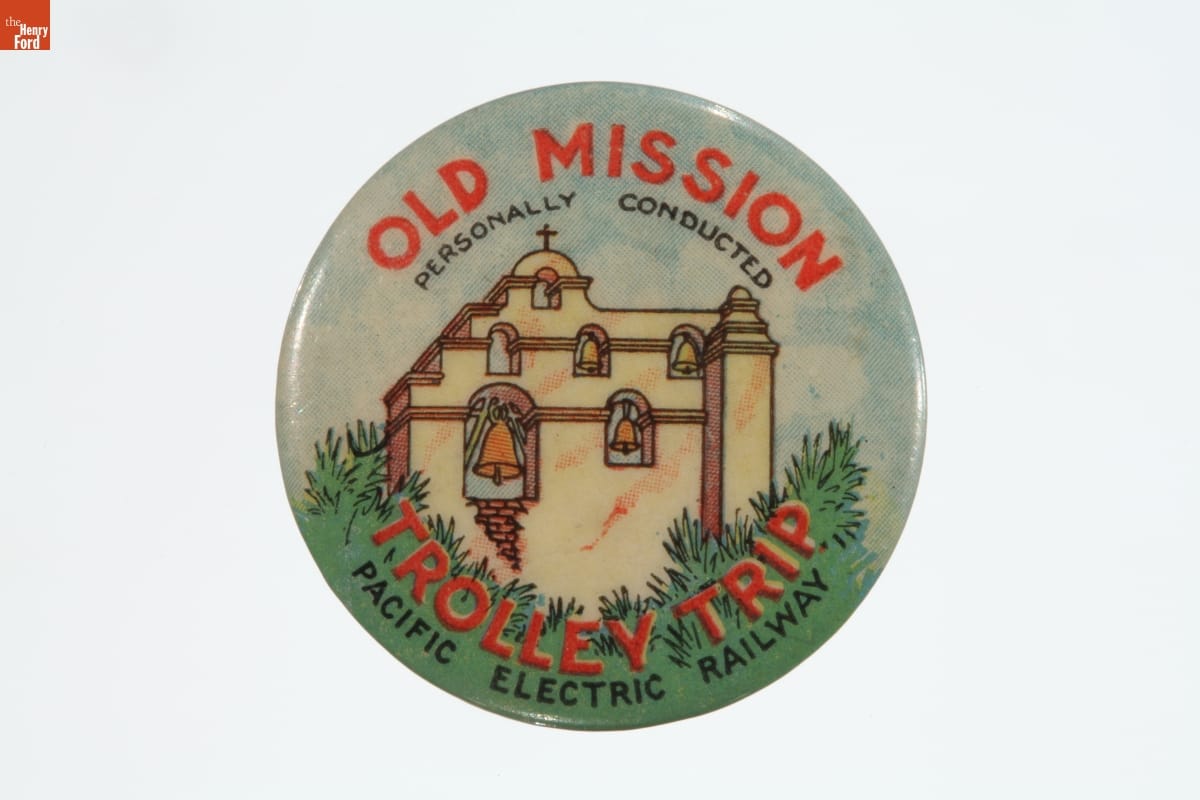
- Panama-Pacific International Exposition Souvenir Pacific Electric Railway Button, 1915 - The Panama-Pacific International Exposition celebrated the 1914 completion of the Panama Canal and the 400th anniversary of the discovery of the Pacific Ocean. The fair also provided the opportunity for companies to advertise to millions of people. The Pacific Electric Railway distributed this button, featuring one of California's picturesque Spanish missions, to fairgoers in San Francisco during the 1915 exhibition.
- 1915
- Collections - Artifact
Panama-Pacific International Exposition Souvenir Pacific Electric Railway Button, 1915
The Panama-Pacific International Exposition celebrated the 1914 completion of the Panama Canal and the 400th anniversary of the discovery of the Pacific Ocean. The fair also provided the opportunity for companies to advertise to millions of people. The Pacific Electric Railway distributed this button, featuring one of California's picturesque Spanish missions, to fairgoers in San Francisco during the 1915 exhibition.
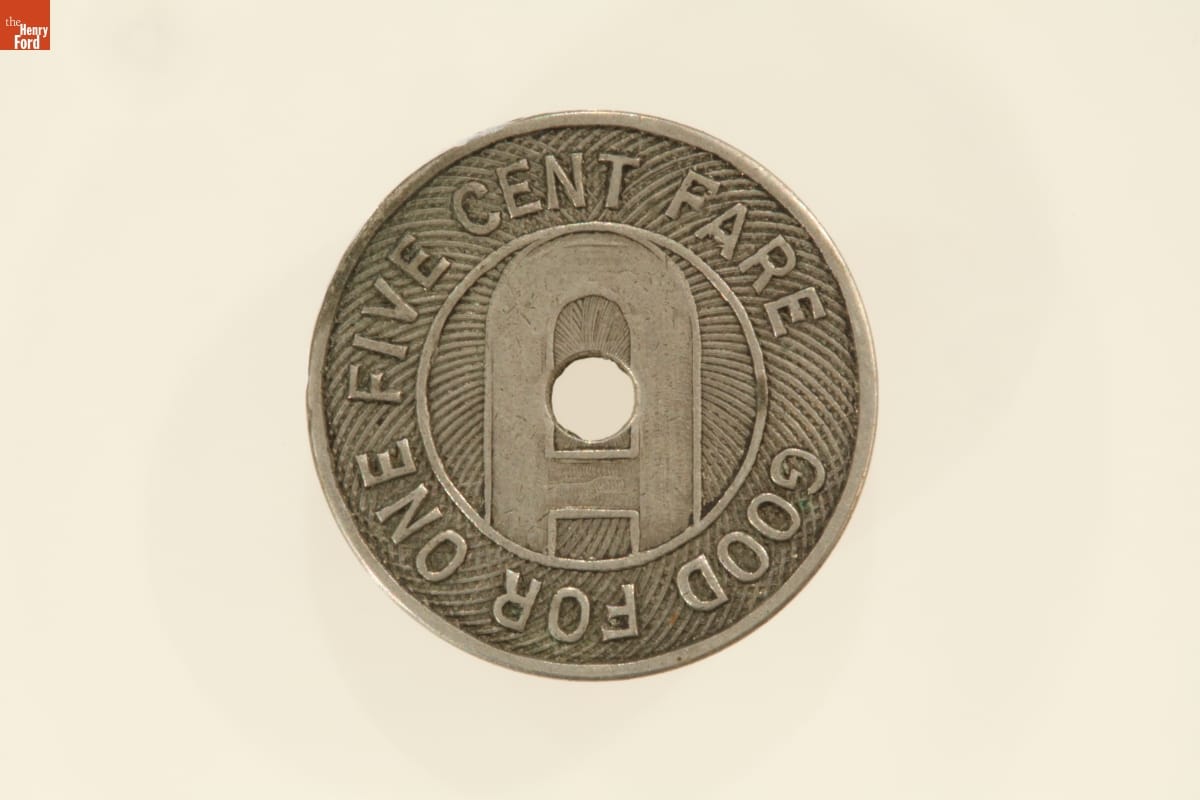
- Detroit Department of Street Railways Token, circa 1925 - Streetcars were a convenient, practical and affordable way to get around cities. A passenger used this 5-cent token to ride streetcars operated by the Detroit Department of Street Railways (DSR). The DSR, formed in 1922 when the city bought the privately owned Detroit United Railways, added bus service in the late 1920s.
- circa 1925
- Collections - Artifact
Detroit Department of Street Railways Token, circa 1925
Streetcars were a convenient, practical and affordable way to get around cities. A passenger used this 5-cent token to ride streetcars operated by the Detroit Department of Street Railways (DSR). The DSR, formed in 1922 when the city bought the privately owned Detroit United Railways, added bus service in the late 1920s.
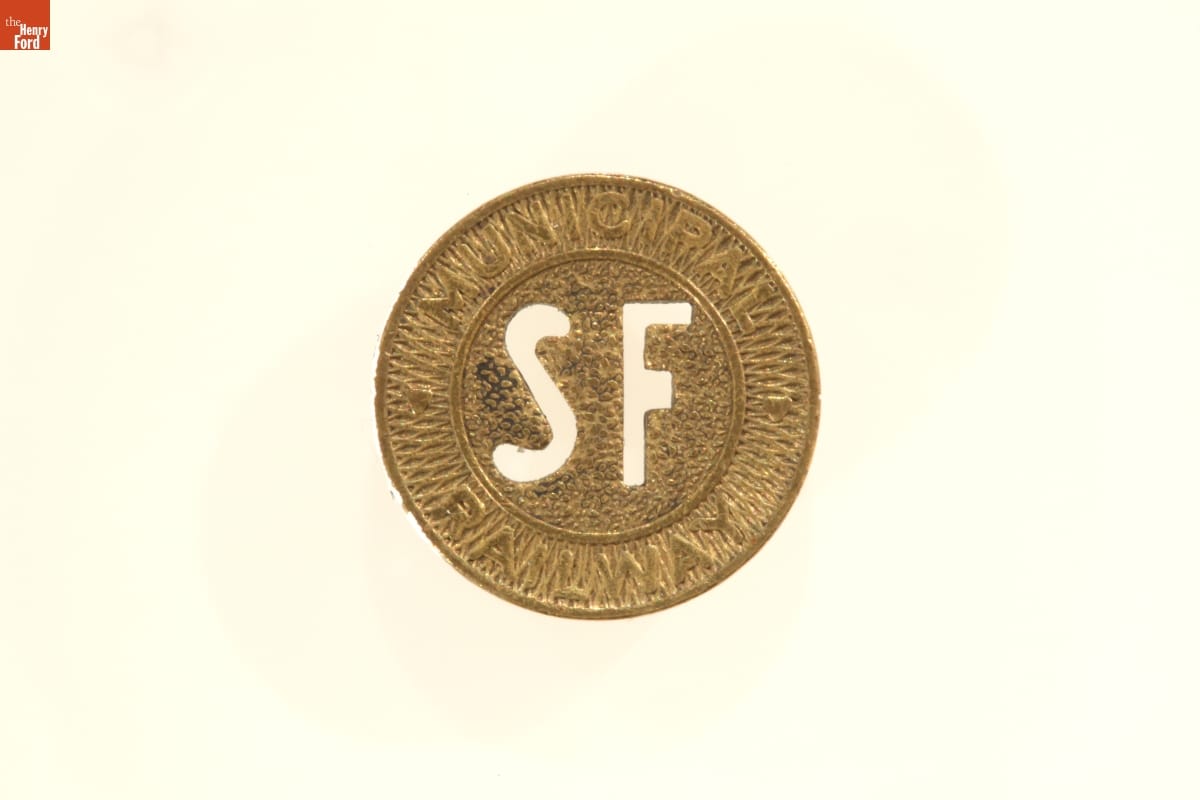
- San Francisco Municipal Railway "MUNI" Token, circa 1995 - This token is good for one fare on the buses, streetcars, and trolleys run by "Muni," San Francisco's public transit agency.
- circa 1995
- Collections - Artifact
San Francisco Municipal Railway "MUNI" Token, circa 1995
This token is good for one fare on the buses, streetcars, and trolleys run by "Muni," San Francisco's public transit agency.
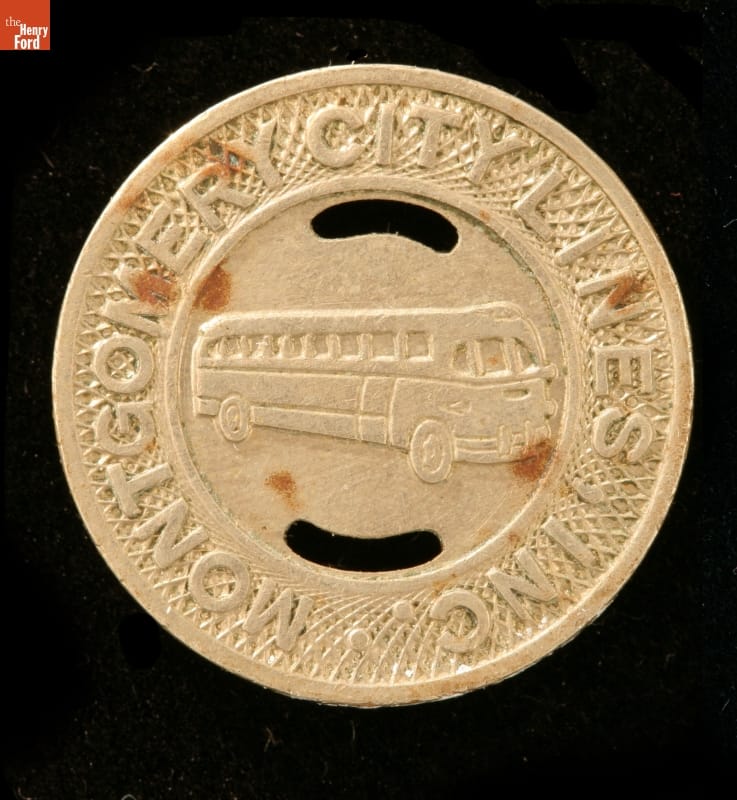
- Transportation Token, Montgomery City Bus Lines, circa 1955 - In the 1950s, this token was good for one fare on buses run by the Montgomery (Alabama) City Bus Lines. While riding a Montgomery bus in 1955, Rosa Parks refused to give up her seat to a white man, leading to a widespread bus boycott by African Americans.
- circa 1955
- Collections - Artifact
Transportation Token, Montgomery City Bus Lines, circa 1955
In the 1950s, this token was good for one fare on buses run by the Montgomery (Alabama) City Bus Lines. While riding a Montgomery bus in 1955, Rosa Parks refused to give up her seat to a white man, leading to a widespread bus boycott by African Americans.
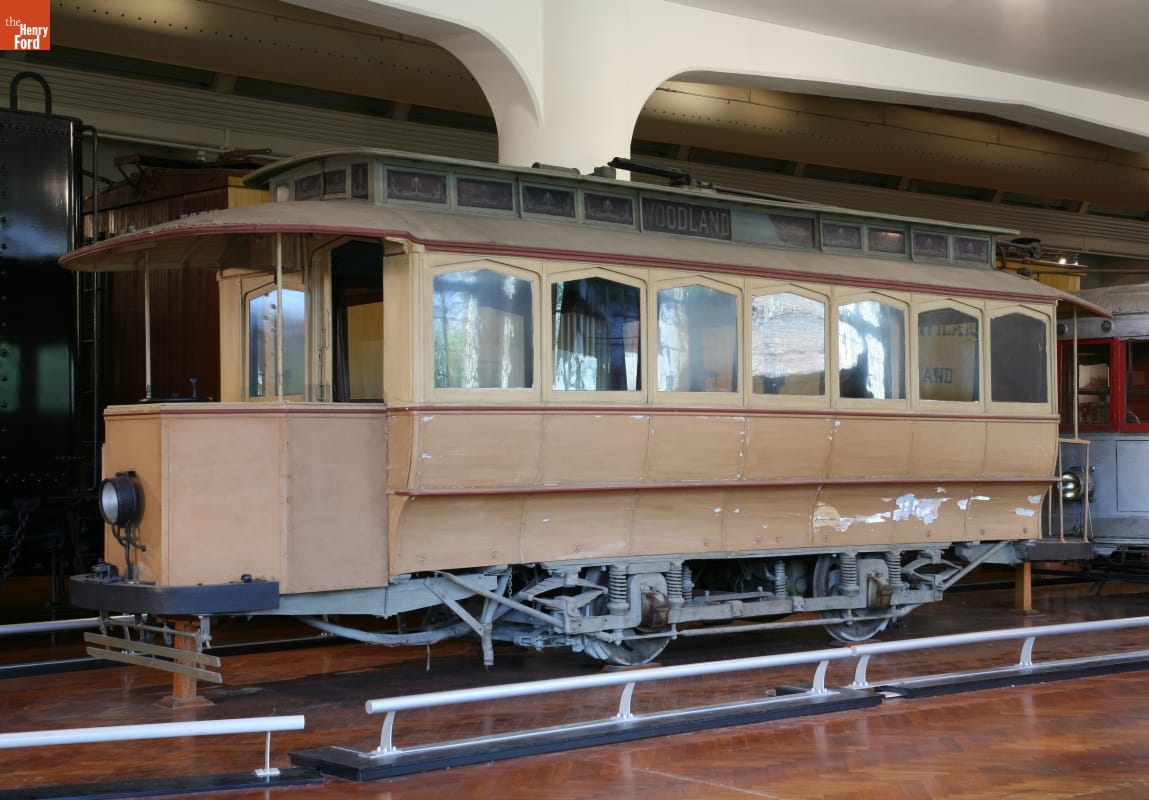
- J.G. Brill Company Streetcar, 1892 - Powering early streetcars was challenging. Horses needed care and feeding, and left messes in the street. Cable systems were complex and costly. Electric streetcars, introduced in 1888, solved these problems and expanded the industry. Soon streetcars connected city centers, neighborhoods, and increasingly distant suburbs. This trolley, built by the J.G. Brill Company of Philadelphia, carried riders in Cleveland from 1892-1903.
- 1892
- Collections - Artifact
J.G. Brill Company Streetcar, 1892
Powering early streetcars was challenging. Horses needed care and feeding, and left messes in the street. Cable systems were complex and costly. Electric streetcars, introduced in 1888, solved these problems and expanded the industry. Soon streetcars connected city centers, neighborhoods, and increasingly distant suburbs. This trolley, built by the J.G. Brill Company of Philadelphia, carried riders in Cleveland from 1892-1903.
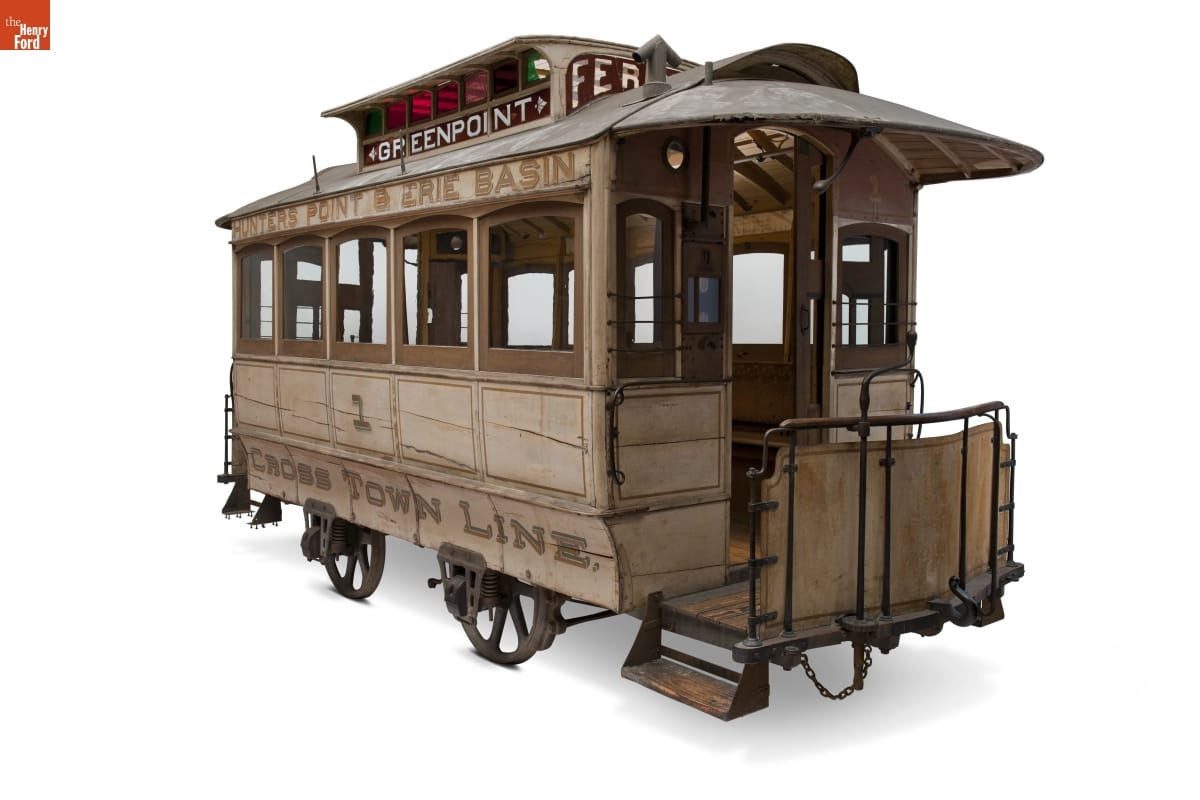
- Jones Horse-Drawn Streetcar, circa 1875 - The horse-drawn streetcar was an important means of public transportation in 19th-century American cities. New York's Brooklyn City Railroad ran this car on its line between Hunters Point in Long Island City, and Erie Basin in South Brooklyn. But horses were expensive to stable and feed -- and messy too. Operators embraced electric streetcars starting in the late 1880s.
- circa 1875
- Collections - Artifact
Jones Horse-Drawn Streetcar, circa 1875
The horse-drawn streetcar was an important means of public transportation in 19th-century American cities. New York's Brooklyn City Railroad ran this car on its line between Hunters Point in Long Island City, and Erie Basin in South Brooklyn. But horses were expensive to stable and feed -- and messy too. Operators embraced electric streetcars starting in the late 1880s.