
Search
- Henry Ford's Private Railroad Car, "Fair Lane," November 12, 1942 - By 1920, Henry and Clara Ford found it increasingly difficult to travel with any degree of privacy. They purchased a private railcar and named it <EM>Fair Lane</EM>. The car had four private rooms, an observation lounge, a dining room, and a fully equipped kitchen. It could accommodate eight passengers. The couple made over 400 trips using <EM>Fair Lane</EM> before selling the passenger car in 1942.
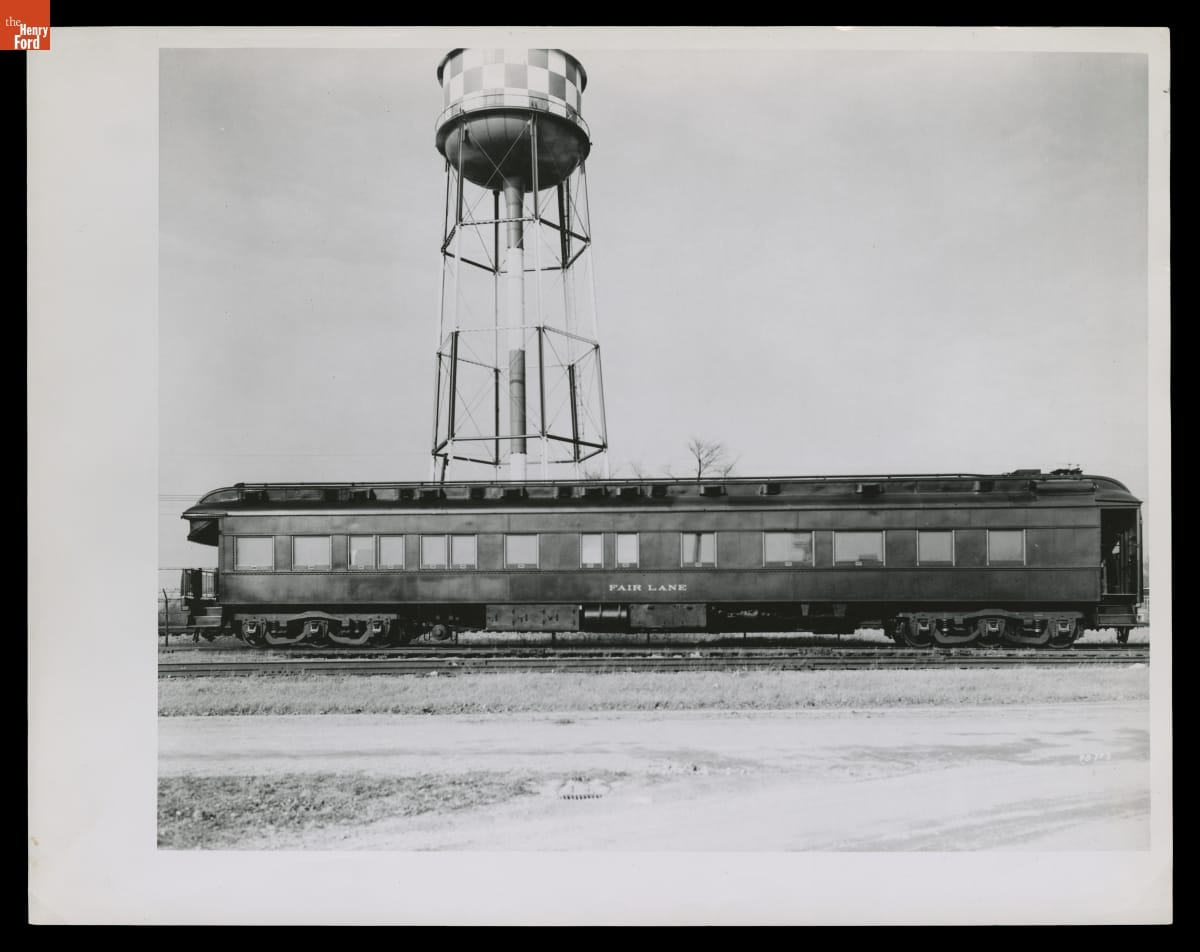
- November 12, 1942
- Collections - Artifact
Henry Ford's Private Railroad Car, "Fair Lane," November 12, 1942
By 1920, Henry and Clara Ford found it increasingly difficult to travel with any degree of privacy. They purchased a private railcar and named it Fair Lane. The car had four private rooms, an observation lounge, a dining room, and a fully equipped kitchen. It could accommodate eight passengers. The couple made over 400 trips using Fair Lane before selling the passenger car in 1942.
- Henry Ford's Private Railroad Car, "Fair Lane," outside Henry Ford Museum, November 12, 1942 - By 1920, Henry and Clara Ford found it increasingly difficult to travel with any degree of privacy. They purchased a private railcar and named it <EM>Fair Lane</EM>. The car had four private rooms, an observation lounge, a dining room, and a fully equipped kitchen. It could accommodate eight passengers. The couple made over 400 trips using <EM>Fair Lane</EM> before selling the passenger car in 1942.
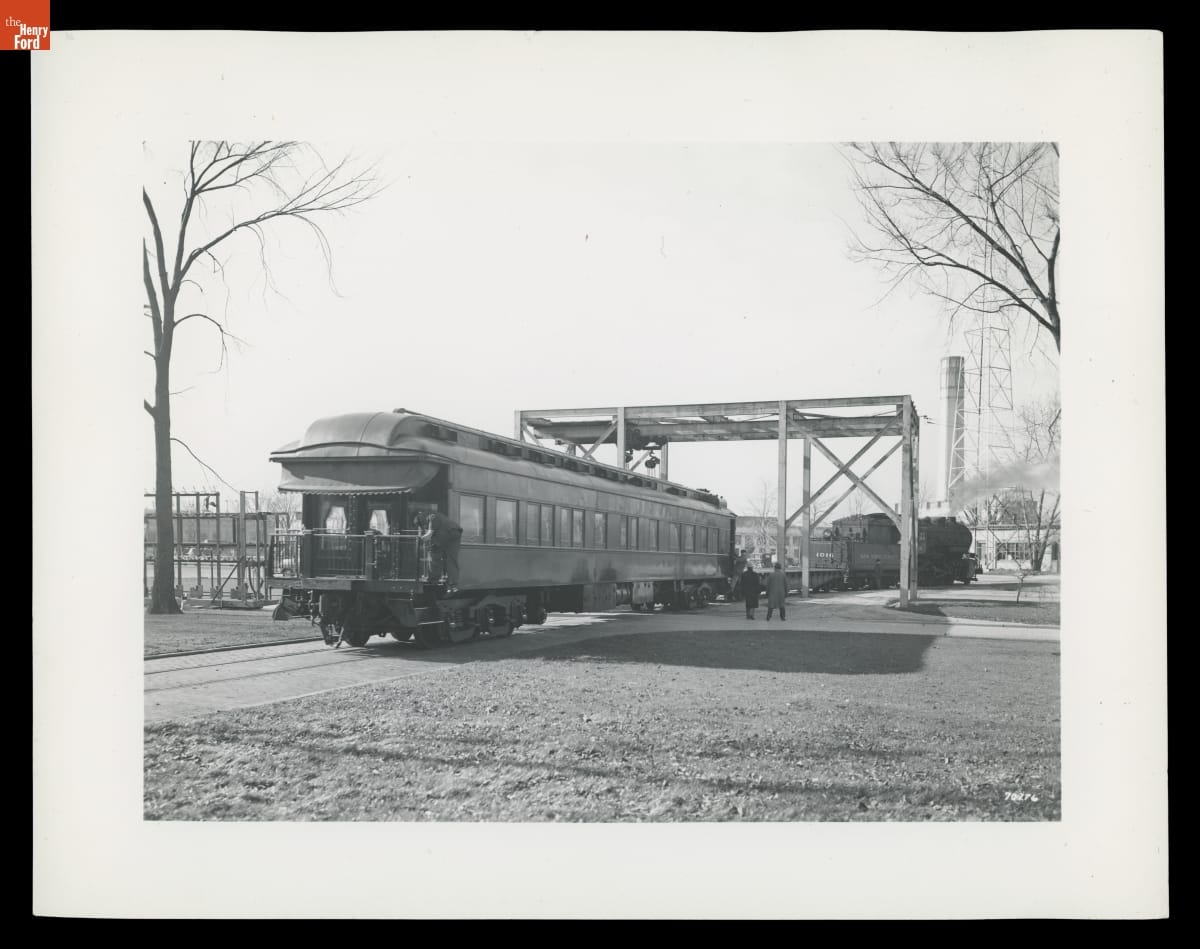
- November 12, 1942
- Collections - Artifact
Henry Ford's Private Railroad Car, "Fair Lane," outside Henry Ford Museum, November 12, 1942
By 1920, Henry and Clara Ford found it increasingly difficult to travel with any degree of privacy. They purchased a private railcar and named it Fair Lane. The car had four private rooms, an observation lounge, a dining room, and a fully equipped kitchen. It could accommodate eight passengers. The couple made over 400 trips using Fair Lane before selling the passenger car in 1942.
- Application Letters from Charles Jones for Work as Steward or Porter on the Fair Lane, Henry Ford's Private Rail Car, 1922-1923 - Henry and Clara Ford purchased <em>Fair Lane</em>, their private railroad passenger car, in 1921. When stories about the railcar appeared in newspapers, experienced railroad porters, stewards and cooks sent letters of interest about working for the Fords. Generally, <em>Fair Lane</em> was staffed by a porter to attend to passengers' needs, and a cook to prepare meals.
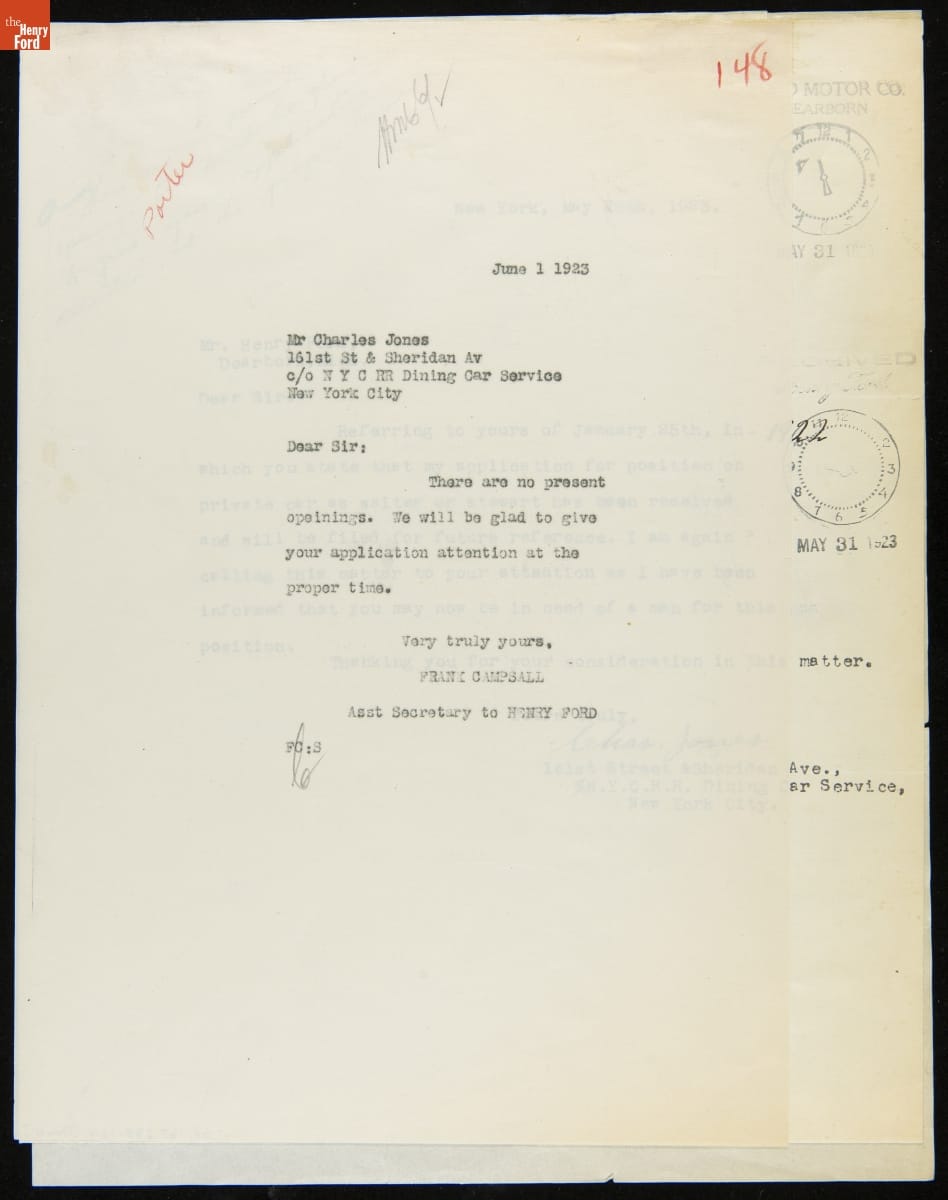
- January 1922-June 1923
- Collections - Artifact
Application Letters from Charles Jones for Work as Steward or Porter on the Fair Lane, Henry Ford's Private Rail Car, 1922-1923
Henry and Clara Ford purchased Fair Lane, their private railroad passenger car, in 1921. When stories about the railcar appeared in newspapers, experienced railroad porters, stewards and cooks sent letters of interest about working for the Fords. Generally, Fair Lane was staffed by a porter to attend to passengers' needs, and a cook to prepare meals.
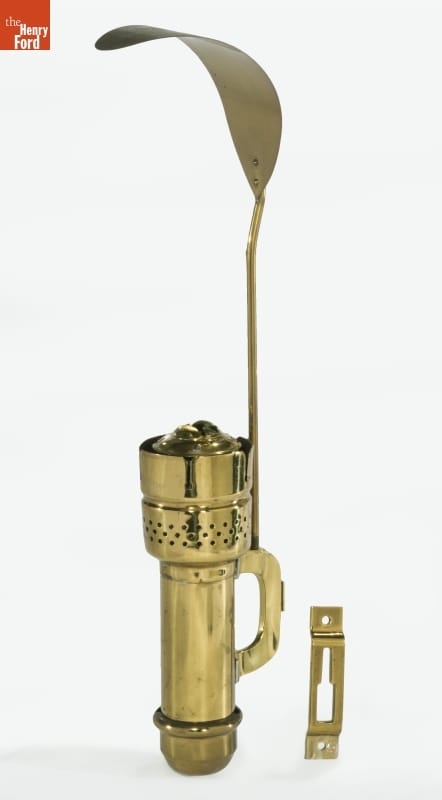
- Candleholder -
- Collections - Artifact
Candleholder
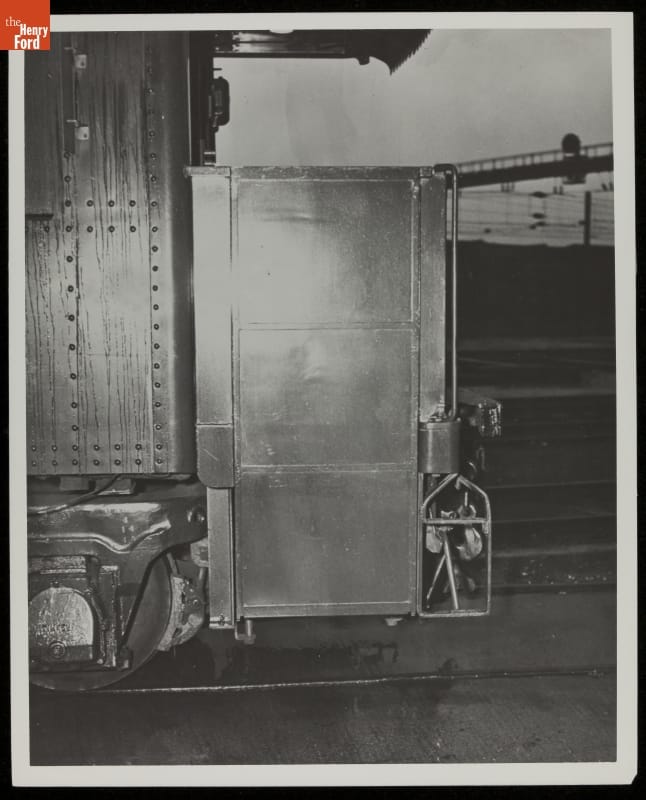
- Lift Created for Franklin D. Roosevelt to Board the Presidential Railcar, "Ferdinand Magellan," circa 1943 - Franklin Delano Roosevelt was diagnosed with polio (later suggested to have been Guillain-Barre syndrome) in 1921 and experienced permanent paralysis in both legs. Though he tried to keep it private, Roosevelt used a wheelchair throughout his presidency (1933-1945). This lift allowed him to board the railcar <em>Ferdinand Magellan</em>, which was equipped for presidential use during World War II.
- circa 1943
- Collections - Artifact
Lift Created for Franklin D. Roosevelt to Board the Presidential Railcar, "Ferdinand Magellan," circa 1943
Franklin Delano Roosevelt was diagnosed with polio (later suggested to have been Guillain-Barre syndrome) in 1921 and experienced permanent paralysis in both legs. Though he tried to keep it private, Roosevelt used a wheelchair throughout his presidency (1933-1945). This lift allowed him to board the railcar Ferdinand Magellan, which was equipped for presidential use during World War II.
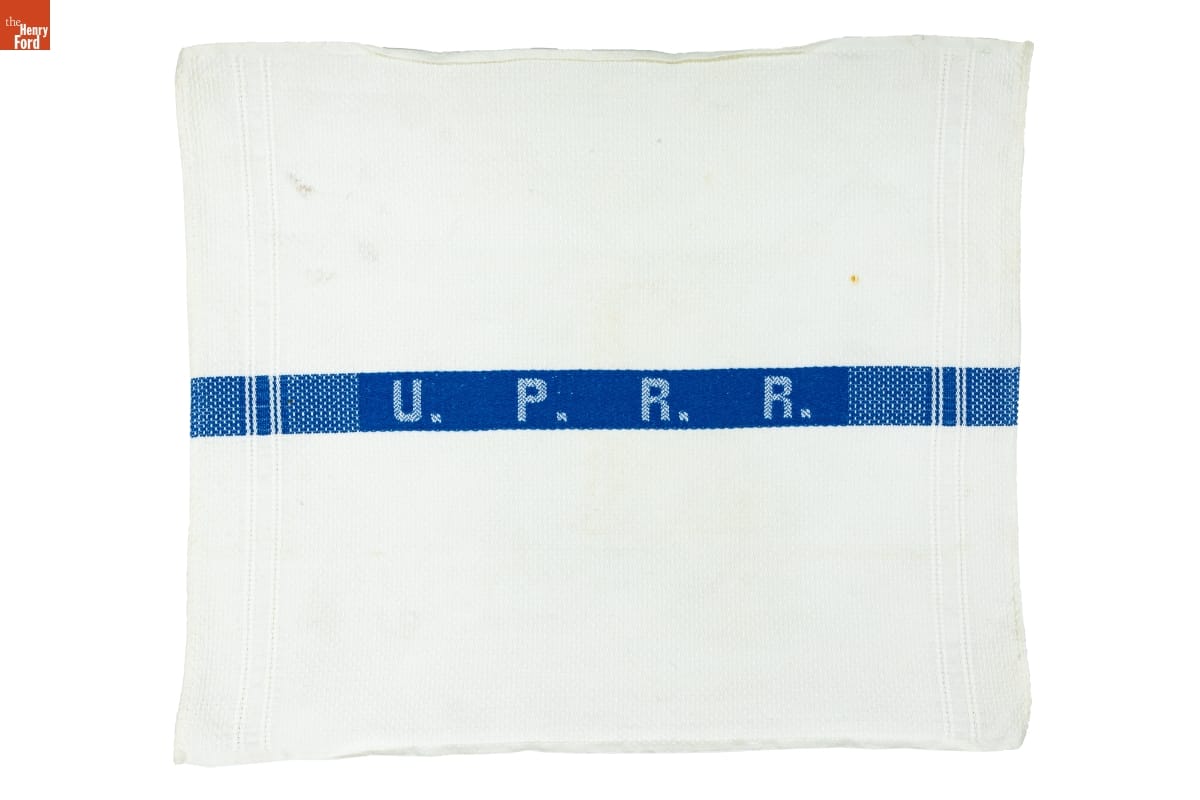
- Hand Towel Used on Pullman Passenger Cars - From its founding in 1867 until its demise a century later, Pullman was synonymous with first-class travel on American railroads. The company built sleeping cars and operated them under contract with host railroads. For Black Americans, jobs as Pullman porters offered a pathway into the middle class, though the work was difficult. This hand towel was used on Union Pacific trains.
- Collections - Artifact
Hand Towel Used on Pullman Passenger Cars
From its founding in 1867 until its demise a century later, Pullman was synonymous with first-class travel on American railroads. The company built sleeping cars and operated them under contract with host railroads. For Black Americans, jobs as Pullman porters offered a pathway into the middle class, though the work was difficult. This hand towel was used on Union Pacific trains.
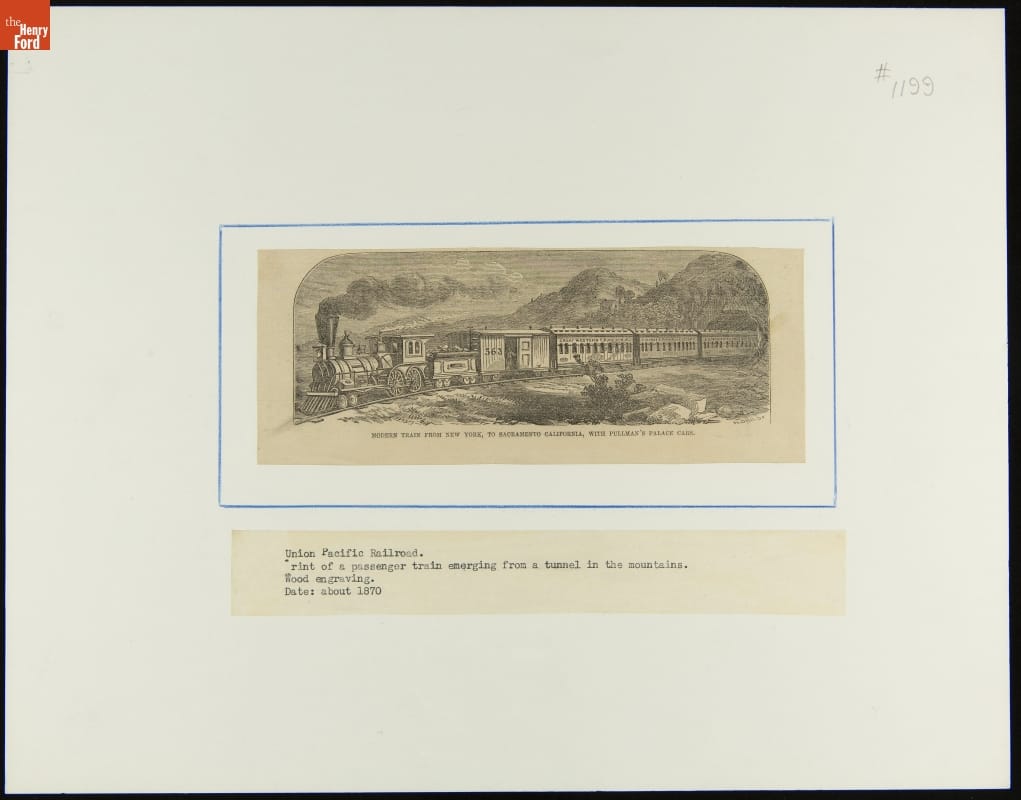
- Modern Train from New York, to Sacramento, California, with Pullman's Palace Cars, circa 1870 - The completion of the First Transcontinental Railroad in 1869 dramatically improved travel between the eastern United States and California. Pullman soon began operating first-class sleeping cars on Union Pacific trains between Omaha, Nebraska, and the connection with the Central Pacific in Utah. A journey that had taken months by wagon was reduced to about a week by railroad.
- circa 1870
- Collections - Artifact
Modern Train from New York, to Sacramento, California, with Pullman's Palace Cars, circa 1870
The completion of the First Transcontinental Railroad in 1869 dramatically improved travel between the eastern United States and California. Pullman soon began operating first-class sleeping cars on Union Pacific trains between Omaha, Nebraska, and the connection with the Central Pacific in Utah. A journey that had taken months by wagon was reduced to about a week by railroad.
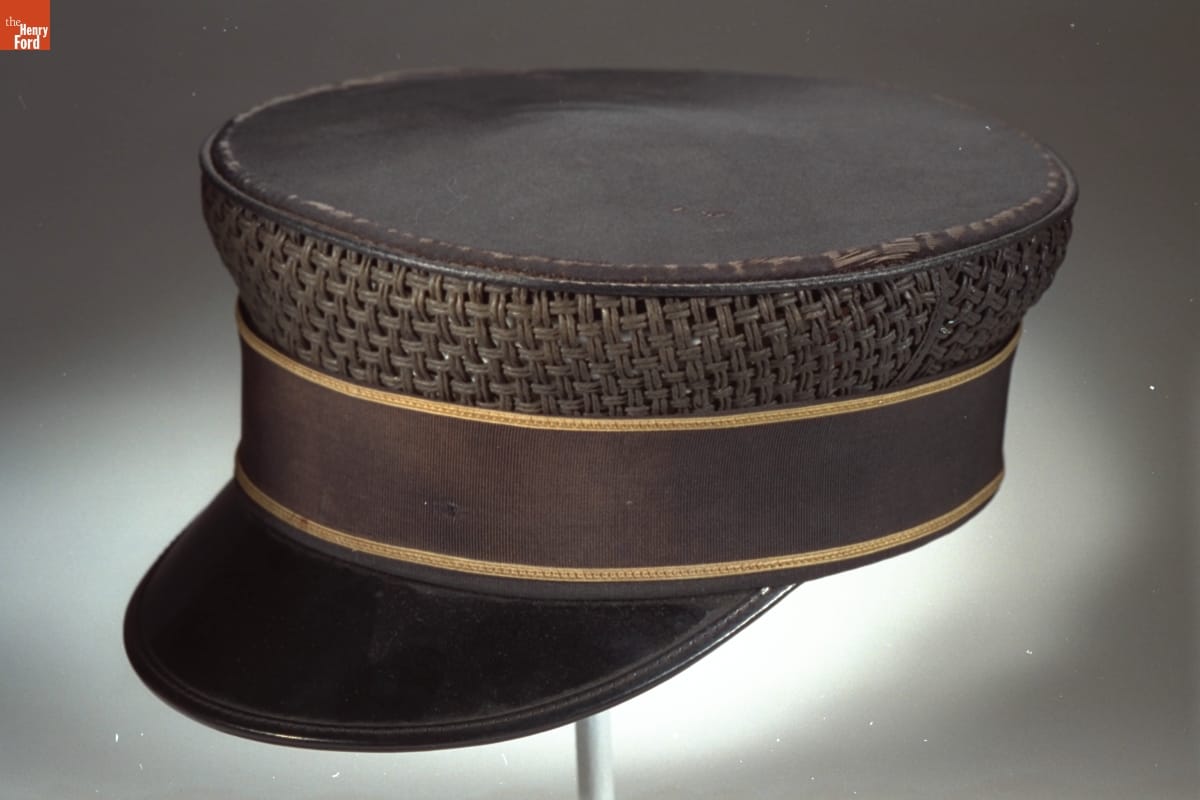
- Conductor's Cap, 1885-1920 - Standard uniforms and caps made railroad staff easily recognizable to passengers. This hat, by Marshall Field & Company of Chicago, projects authority while also providing practical benefits to the wearer. The patent leather visor shades the eyes while the ventilated crown prevents overheating. Marshall Field's supplied uniforms, linens and upholstery to the nearby Pullman Company, builder of railroad passenger cars.
- 1885-1920
- Collections - Artifact
Conductor's Cap, 1885-1920
Standard uniforms and caps made railroad staff easily recognizable to passengers. This hat, by Marshall Field & Company of Chicago, projects authority while also providing practical benefits to the wearer. The patent leather visor shades the eyes while the ventilated crown prevents overheating. Marshall Field's supplied uniforms, linens and upholstery to the nearby Pullman Company, builder of railroad passenger cars.
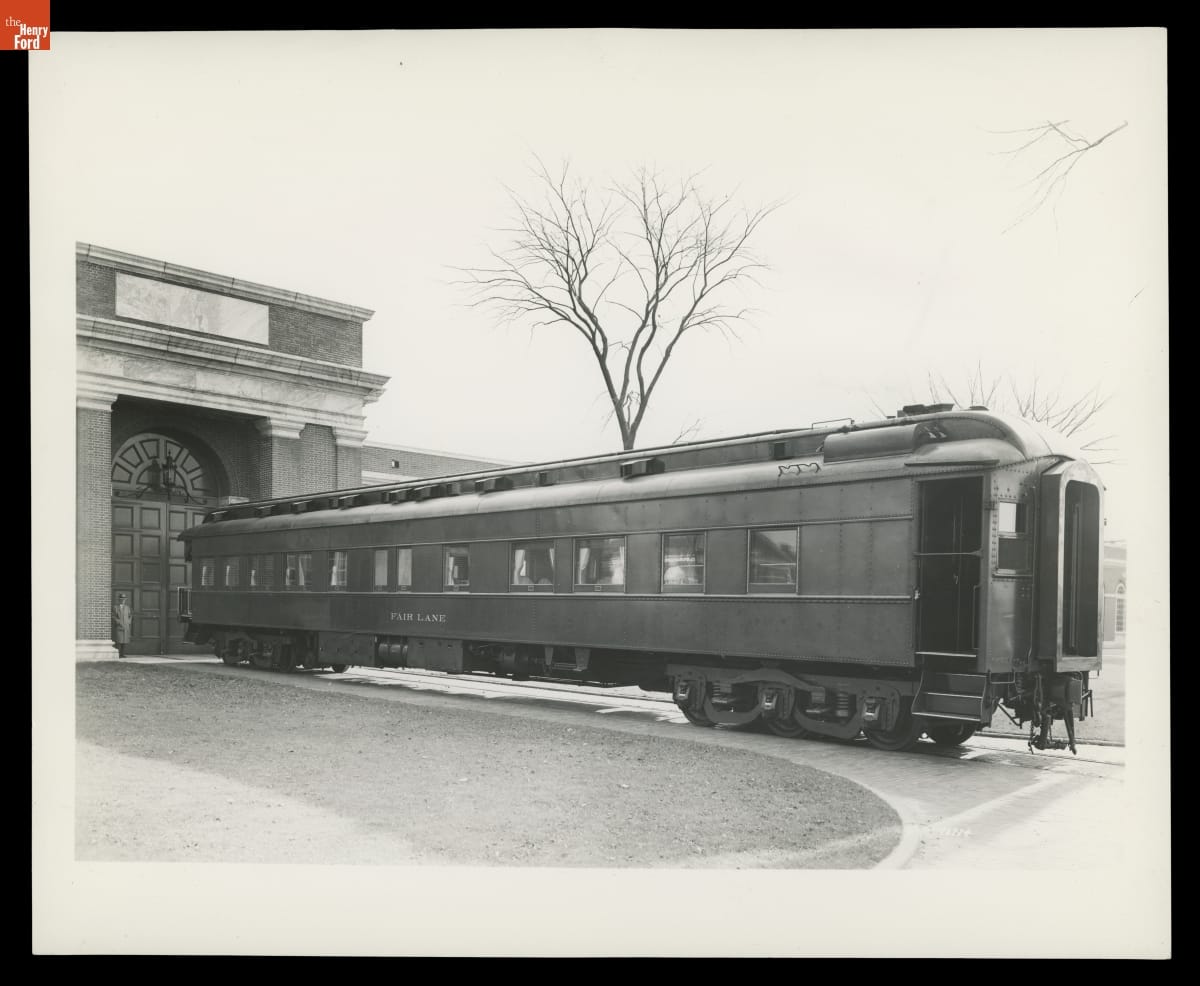
- Henry Ford's Private Railroad Car, "Fair Lane," outside Henry Ford Museum, November 12, 1942 - By 1920, Henry and Clara Ford found it increasingly difficult to travel with any degree of privacy. They purchased a private railcar and named it <EM>Fair Lane</EM>. The car had four private rooms, an observation lounge, a dining room, and a fully equipped kitchen. It could accommodate eight passengers. The couple made over 400 trips using <EM>Fair Lane</EM> before selling the passenger car in 1942.
- November 12, 1942
- Collections - Artifact
Henry Ford's Private Railroad Car, "Fair Lane," outside Henry Ford Museum, November 12, 1942
By 1920, Henry and Clara Ford found it increasingly difficult to travel with any degree of privacy. They purchased a private railcar and named it Fair Lane. The car had four private rooms, an observation lounge, a dining room, and a fully equipped kitchen. It could accommodate eight passengers. The couple made over 400 trips using Fair Lane before selling the passenger car in 1942.
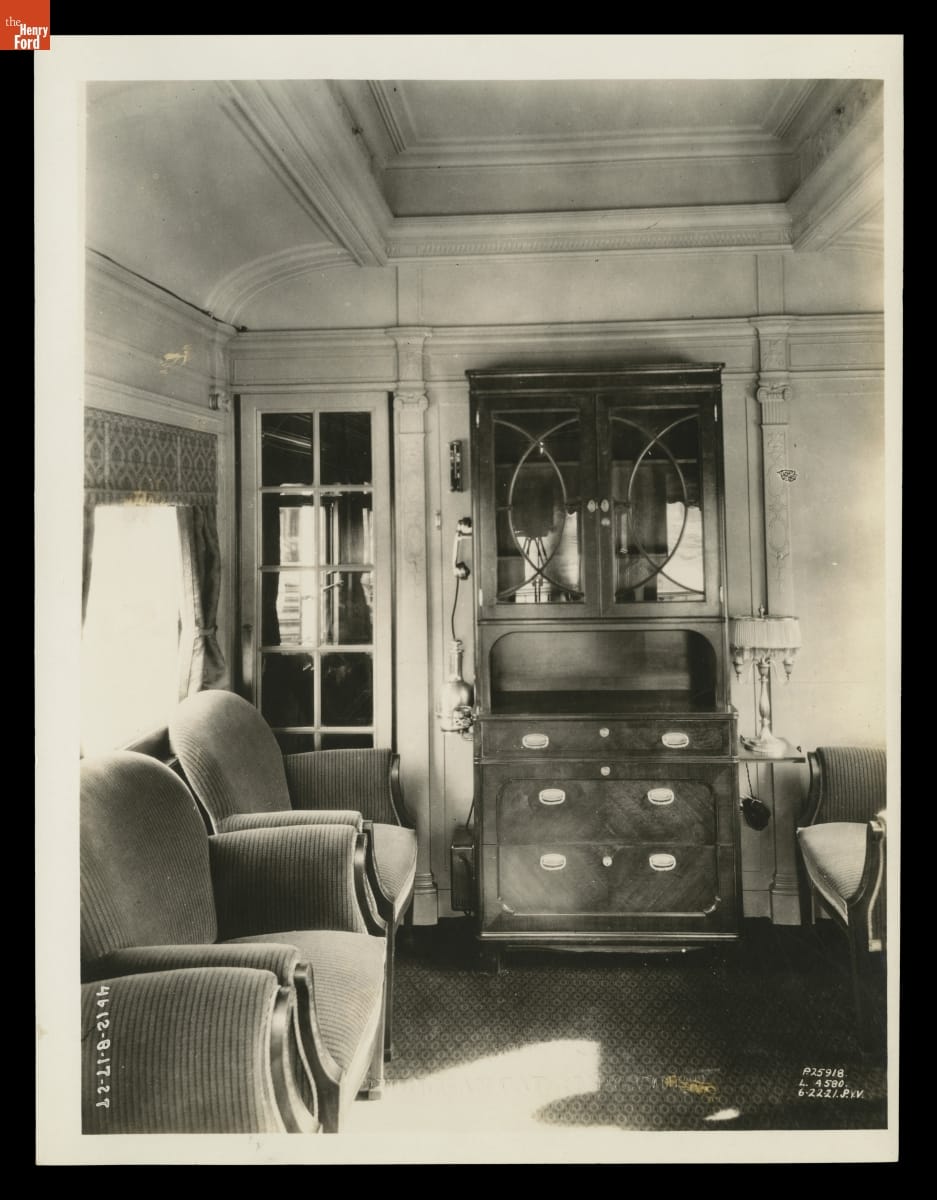
- Interior of Henry Ford's Private Railroad Car, "Fair Lane," June 22, 1921 - By 1920, Henry and Clara Ford found it increasingly difficult to travel in privacy. They purchased a private railroad car and named it <em>Fair Lane</em>. Mrs. Ford designed the car's interior in consultation with Sidney Houghton of London. Houghton had earlier provided the same service for the Fords' yacht, <em>Sialia</em>. The Fords made more than 400 trips with <em>Fair Lane</em>.
- June 22, 1921
- Collections - Artifact
Interior of Henry Ford's Private Railroad Car, "Fair Lane," June 22, 1921
By 1920, Henry and Clara Ford found it increasingly difficult to travel in privacy. They purchased a private railroad car and named it Fair Lane. Mrs. Ford designed the car's interior in consultation with Sidney Houghton of London. Houghton had earlier provided the same service for the Fords' yacht, Sialia. The Fords made more than 400 trips with Fair Lane.