
Search
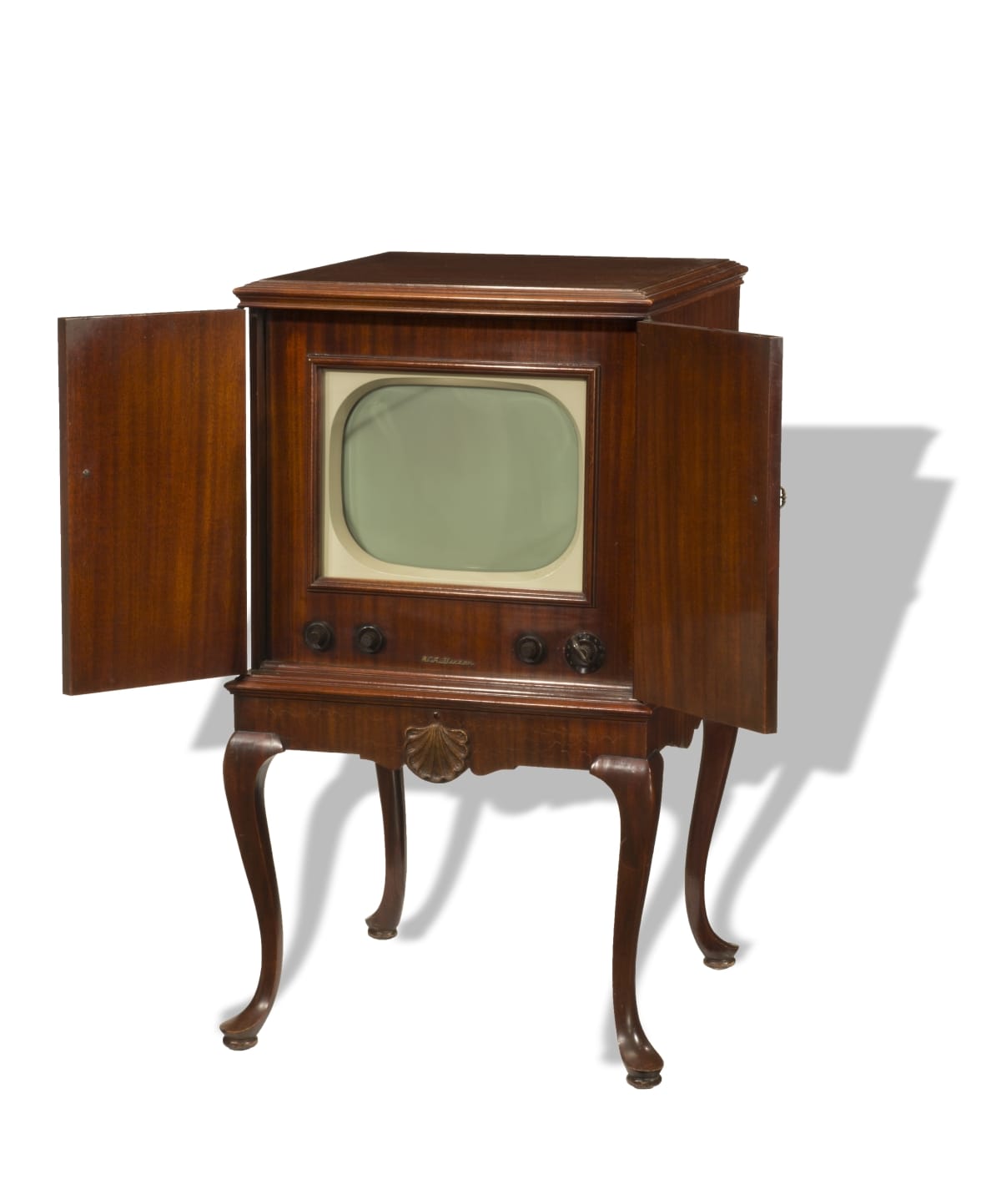
- RCA-Victor Console Television Receiver, 1948 - This television was at the top of R.C.A.'s 1949 line. It sports a 16 inch screen described as "America's Sweet 16" in the company's advertising, when the standard screen was only 10 inches. Most importantly, the case could blend into the owner's Queen Anne style decor, with its hand rubbed walnut or mahogany finish. This model was also offered in Federal and Modern style cabinets.
- 1948
- Collections - Artifact
RCA-Victor Console Television Receiver, 1948
This television was at the top of R.C.A.'s 1949 line. It sports a 16 inch screen described as "America's Sweet 16" in the company's advertising, when the standard screen was only 10 inches. Most importantly, the case could blend into the owner's Queen Anne style decor, with its hand rubbed walnut or mahogany finish. This model was also offered in Federal and Modern style cabinets.
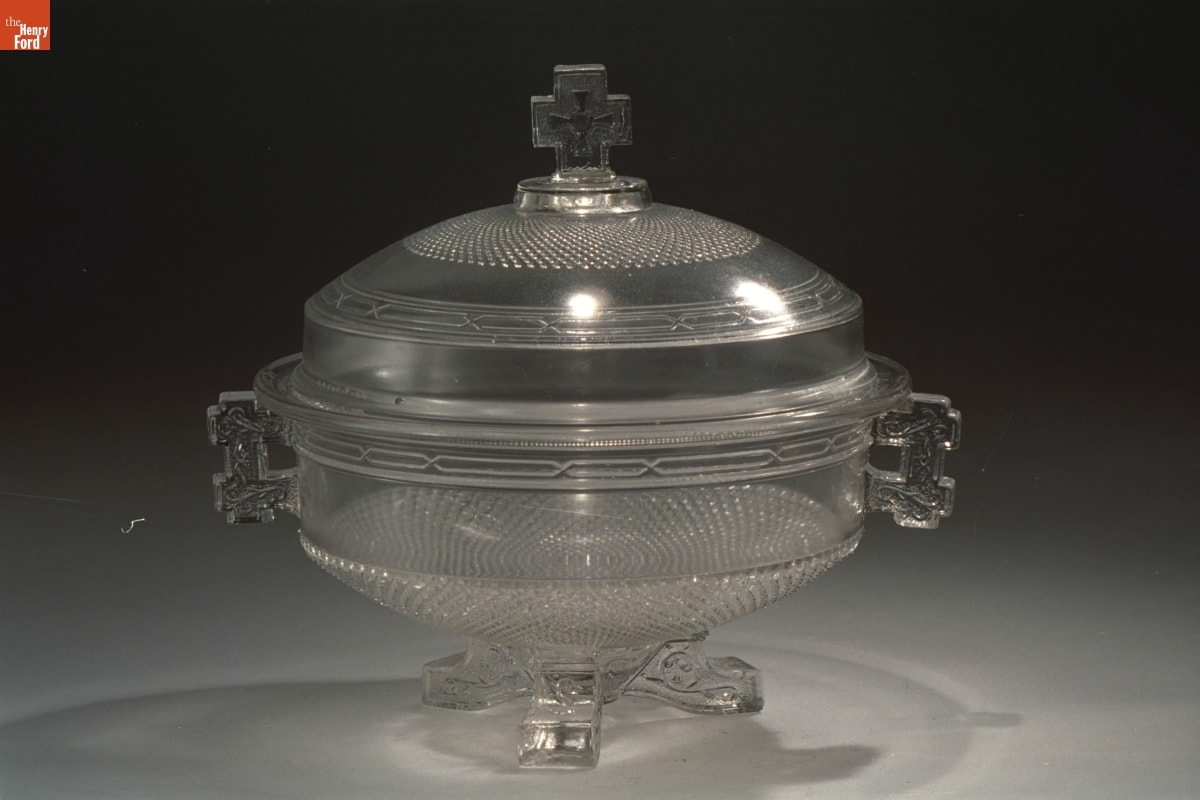
- Covered Compote, 1879-1890 - Compotes are all-purpose serving dishes. These usually footed bowls -- with or without lids or covers -- held special desserts, fruits, candies or sauces, jellies and other foods. Blown or pressed glass compotes provided a culinary presentation method suitable to 19th-century middle-class households.
- 1879-1890
- Collections - Artifact
Covered Compote, 1879-1890
Compotes are all-purpose serving dishes. These usually footed bowls -- with or without lids or covers -- held special desserts, fruits, candies or sauces, jellies and other foods. Blown or pressed glass compotes provided a culinary presentation method suitable to 19th-century middle-class households.
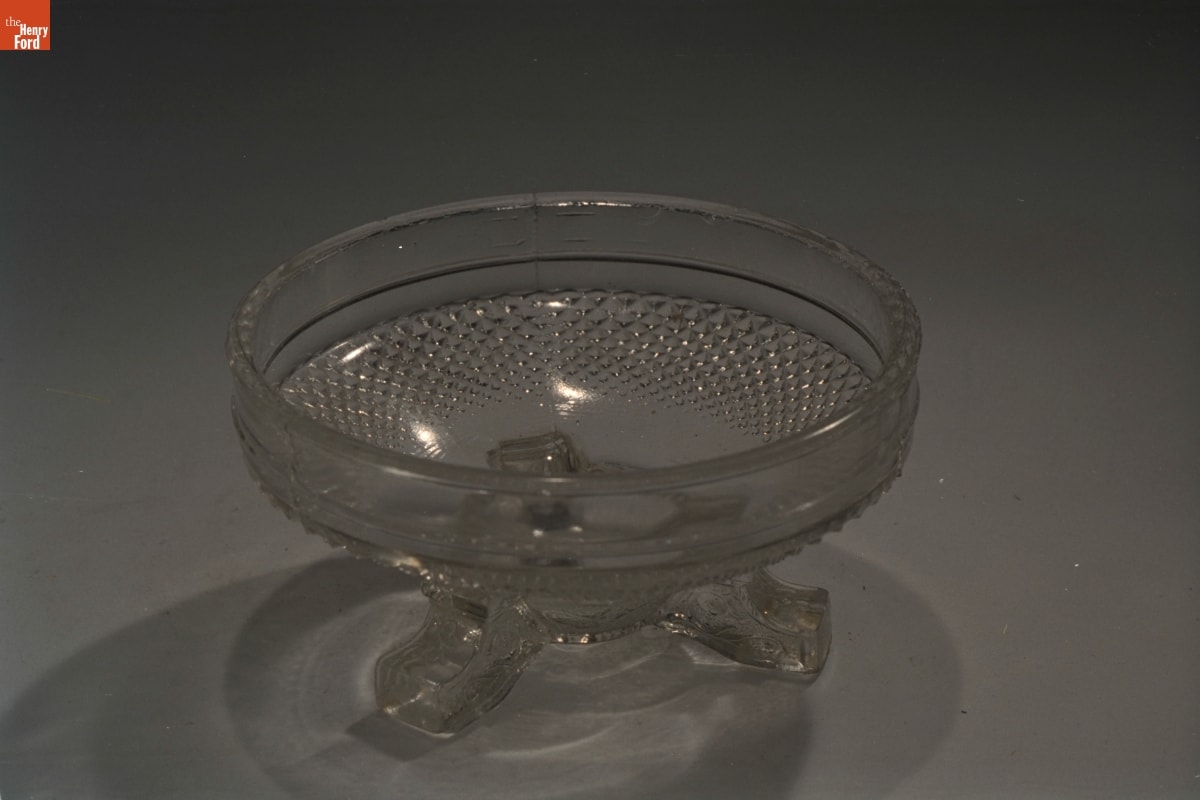
- Sauce Dish, 1880-1890 - Nineteenth-century American glassmakers experimented with new methods to create products for a growing consumer market. In the 1820s, pressing glass into metal molds by machine was perfected, and by the mid-1800s, manufacturers were creating a variety of inexpensive pressed glass housewares. America's middle-class consumers could now decorate their homes with attractive glass bowls, creamers, dishes, plates, vases, and other tableware.
- 1880-1890
- Collections - Artifact
Sauce Dish, 1880-1890
Nineteenth-century American glassmakers experimented with new methods to create products for a growing consumer market. In the 1820s, pressing glass into metal molds by machine was perfected, and by the mid-1800s, manufacturers were creating a variety of inexpensive pressed glass housewares. America's middle-class consumers could now decorate their homes with attractive glass bowls, creamers, dishes, plates, vases, and other tableware.
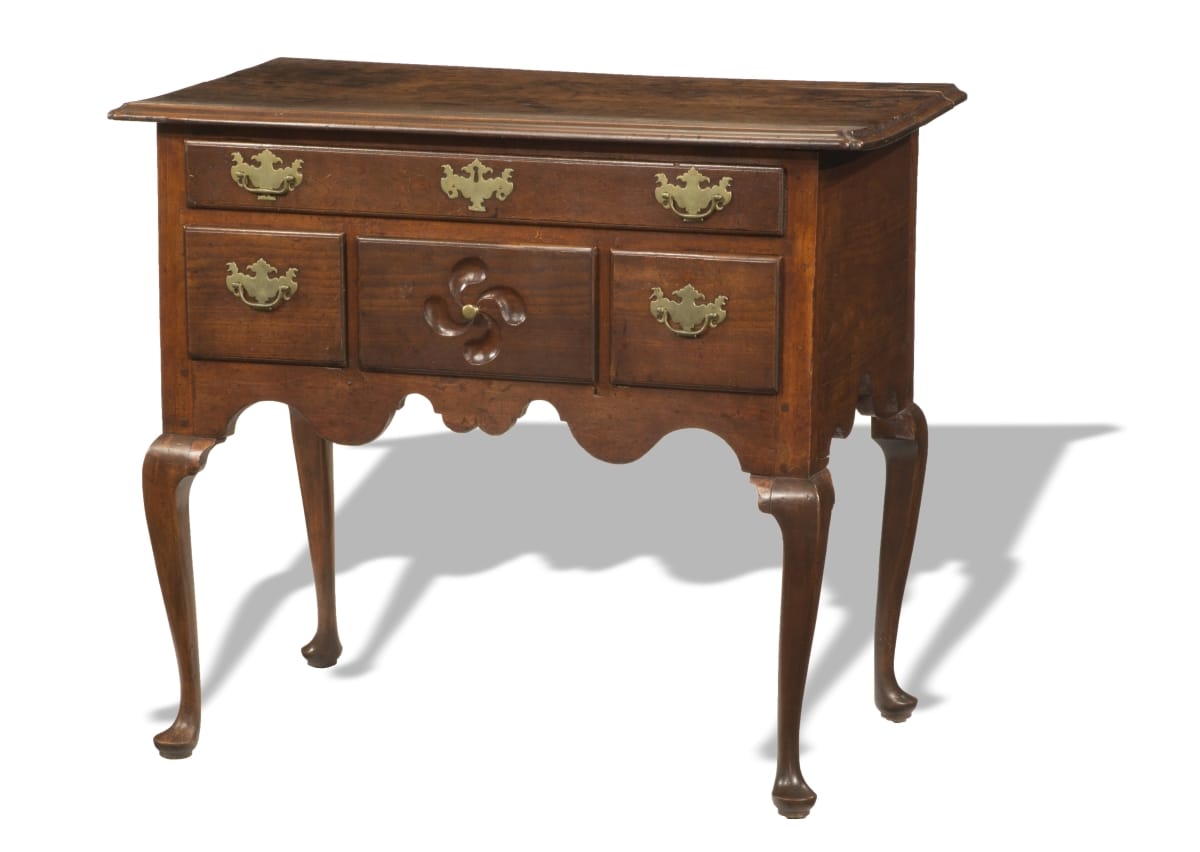
- Dressing Table, 1765-1780 - In the 18th century, dressing tables were made for the homes of well-to-do. This example was made in the small river town of Wethersfield, Connecticut. In rural areas, craftsmen mixed and matched styles and design elements or invented their own. The pinwheel design carved in the center drawer of this piece is a good example.
- 1765-1780
- Collections - Artifact
Dressing Table, 1765-1780
In the 18th century, dressing tables were made for the homes of well-to-do. This example was made in the small river town of Wethersfield, Connecticut. In rural areas, craftsmen mixed and matched styles and design elements or invented their own. The pinwheel design carved in the center drawer of this piece is a good example.
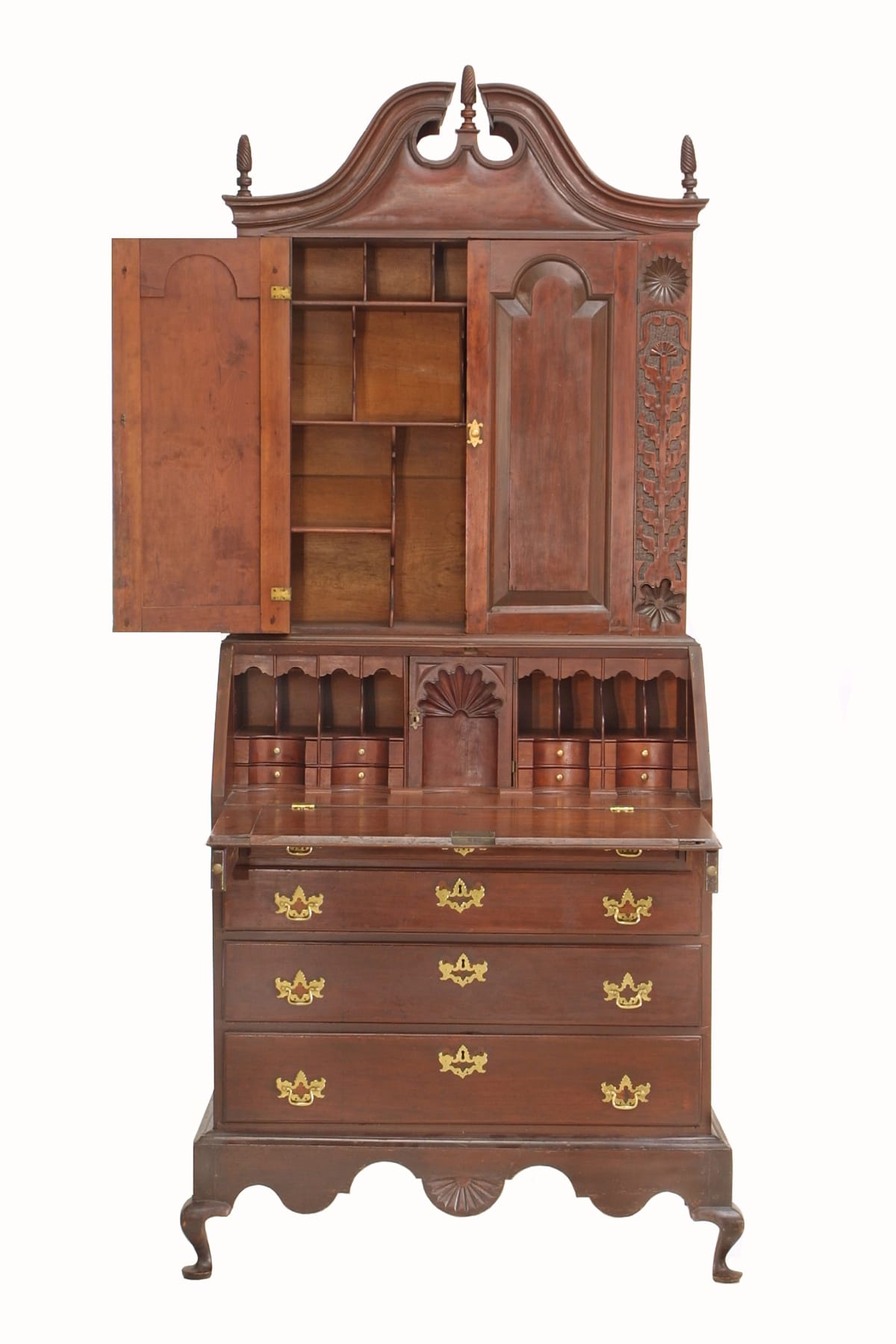
- Secretary Desk, 1760-1780 - American businessmen and merchants in the mid-18th century used secretary desks as home offices. These large desks provide a writing surface, shelves for books and a storage space for papers -- perhaps even a secret drawer for important documents. Placed in a parlor or other public room, this secretary projected the owner's wealth and social status to visitors.
- 1760-1780
- Collections - Artifact
Secretary Desk, 1760-1780
American businessmen and merchants in the mid-18th century used secretary desks as home offices. These large desks provide a writing surface, shelves for books and a storage space for papers -- perhaps even a secret drawer for important documents. Placed in a parlor or other public room, this secretary projected the owner's wealth and social status to visitors.
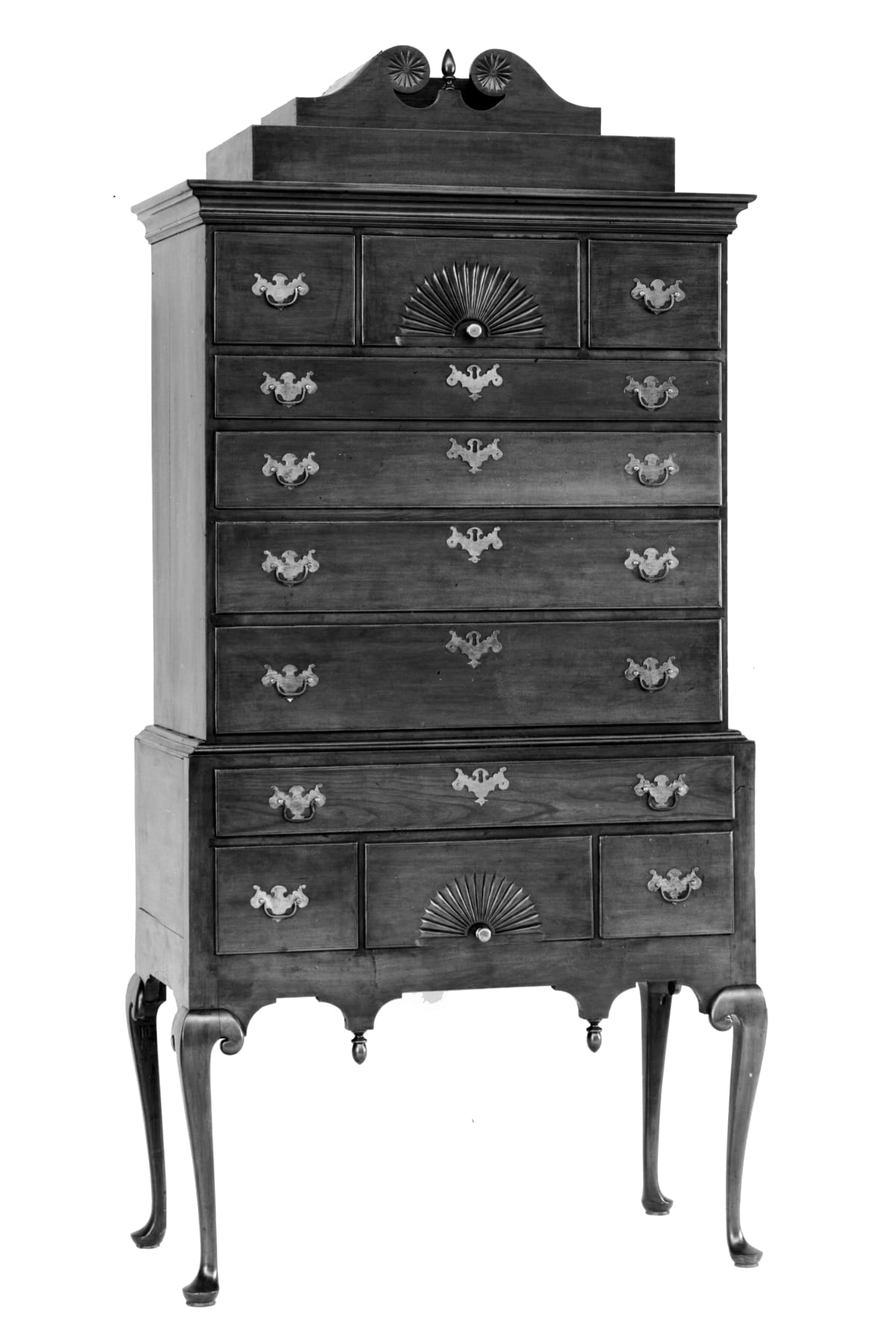
- High Chest of Drawers, 1770-1785 - High chests like this were not only used to store clothing and valuables in a wealthy household but also served as expressions of the stylishness of their owners. This piece is distinctive in the steps on the top to show off the owner's china and perhaps, metal wares, much like a modern china cabinet.
- 1770-1785
- Collections - Artifact
High Chest of Drawers, 1770-1785
High chests like this were not only used to store clothing and valuables in a wealthy household but also served as expressions of the stylishness of their owners. This piece is distinctive in the steps on the top to show off the owner's china and perhaps, metal wares, much like a modern china cabinet.
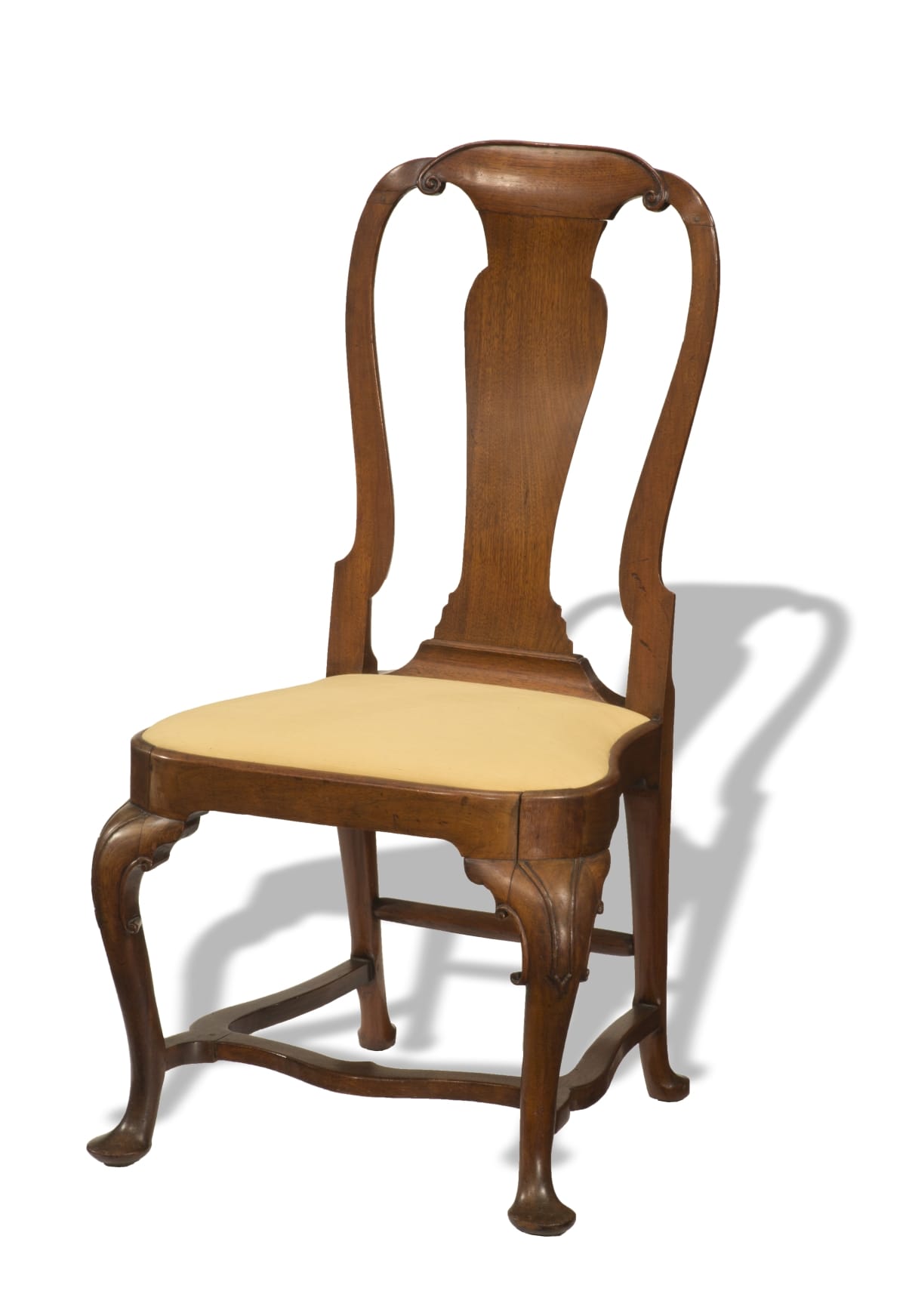
- Side Chair, 1740-1760 -
- 1740-1760
- Collections - Artifact
Side Chair, 1740-1760
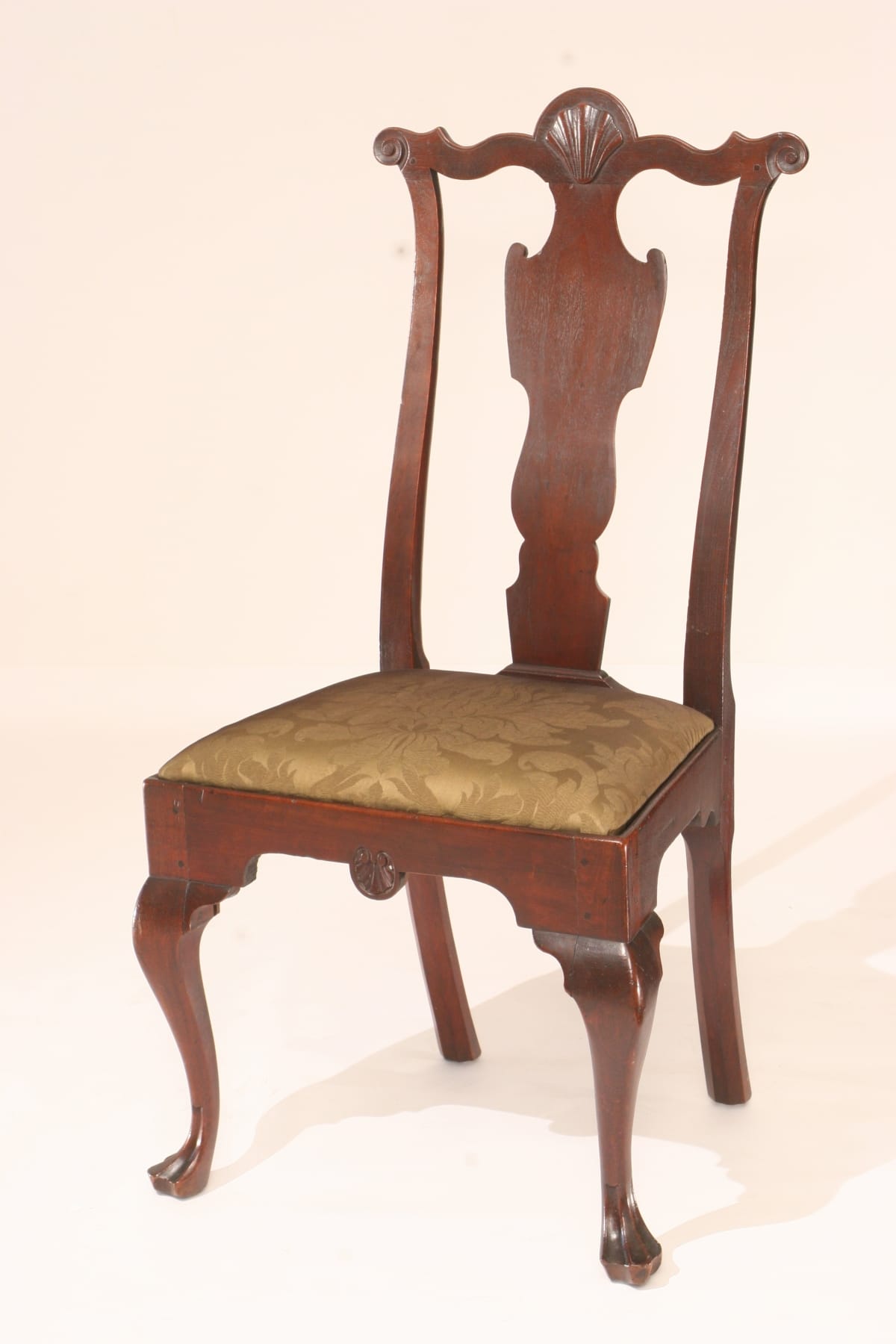
- Side Chair Attributed to Solomon Fussell, 1730-1770 -
- 1730-1770
- Collections - Artifact
Side Chair Attributed to Solomon Fussell, 1730-1770
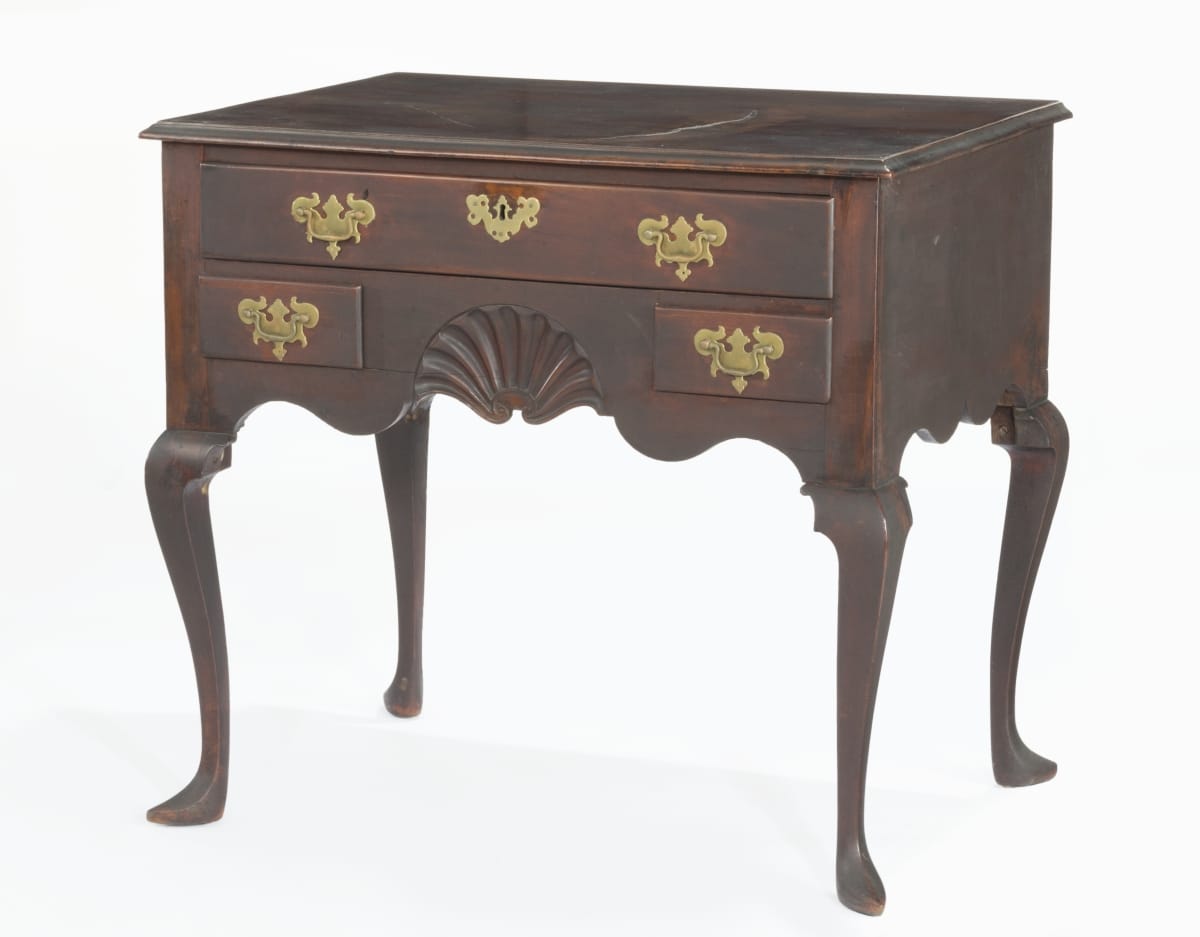
- Dressing Table, 1750-1765 -
- 1750-1765
- Collections - Artifact
Dressing Table, 1750-1765
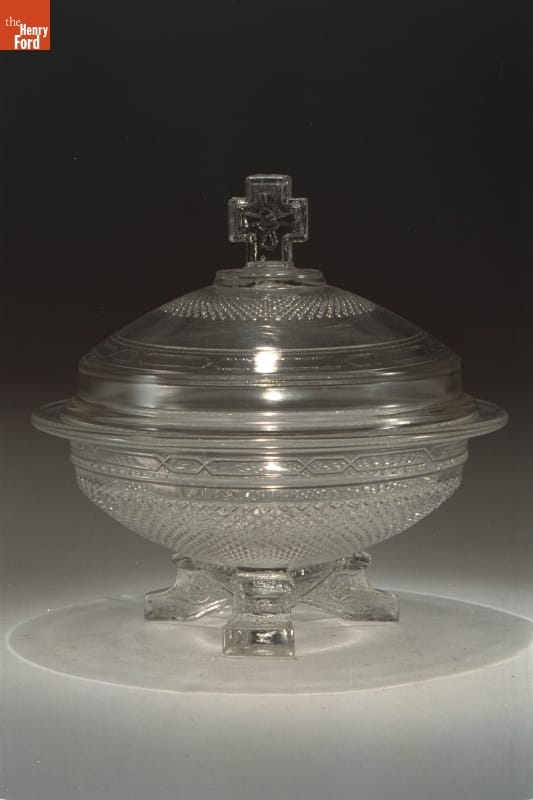
- Covered Compote, 1879-1890 - Compotes are all-purpose serving dishes. These usually footed bowls -- with or without lids or covers -- held special desserts, fruits, candies or sauces, jellies and other foods. Blown or pressed glass compotes provided a culinary presentation method suitable to 19th-century middle-class households.
- 1879-1890
- Collections - Artifact
Covered Compote, 1879-1890
Compotes are all-purpose serving dishes. These usually footed bowls -- with or without lids or covers -- held special desserts, fruits, candies or sauces, jellies and other foods. Blown or pressed glass compotes provided a culinary presentation method suitable to 19th-century middle-class households.